H.P. Lovecraft's complete fiction spans nearly 60 stories written over three decades, and most readers who pick up a collected edition hit a wall. You start with "The Call of Cthulhu," then flip to "The Rats in the Walls," then "The Shadow over Innsmouth," and suddenly you're reading a story about a dream-cat in a purple dimension that feels disconnected from everything else. Publication order doesn't help—Lovecraft wrote stories in clusters, revised them obsessively, and wove mythology backward through his own bibliography. Reading by date means you'll encounter the same ideas repeated, the same locations mentioned in passing before they matter, and plenty of experimental pieces that don't land.
The solution is thematic reading. Lovecraft's fiction naturally clusters into three overlapping territories: pure cosmic horror (humanity confronting indifferent cosmic forces), the Dreamlands (surreal, mythic adventures in an imagined realm), and the Cthulhu Mythos proper (the interconnected web of elder gods, forbidden texts, and doomed investigators). Reading in this order means you build understanding as you go, recognize callbacks and references, and encounter Lovecraft's best work when you're ready for it. You'll skip the juvenilia and the repetitive experiments, and you'll understand why he matters to horror.
Start Here: Pure Cosmic Horror (The Essential Core)
These are Lovecraft's most direct expressions of cosmic dread—stories where the protagonist's worldview collapses when they glimpse something vast and uncaring. Start with these because they're the cleanest entry points and they establish the emotional core of everything that follows.
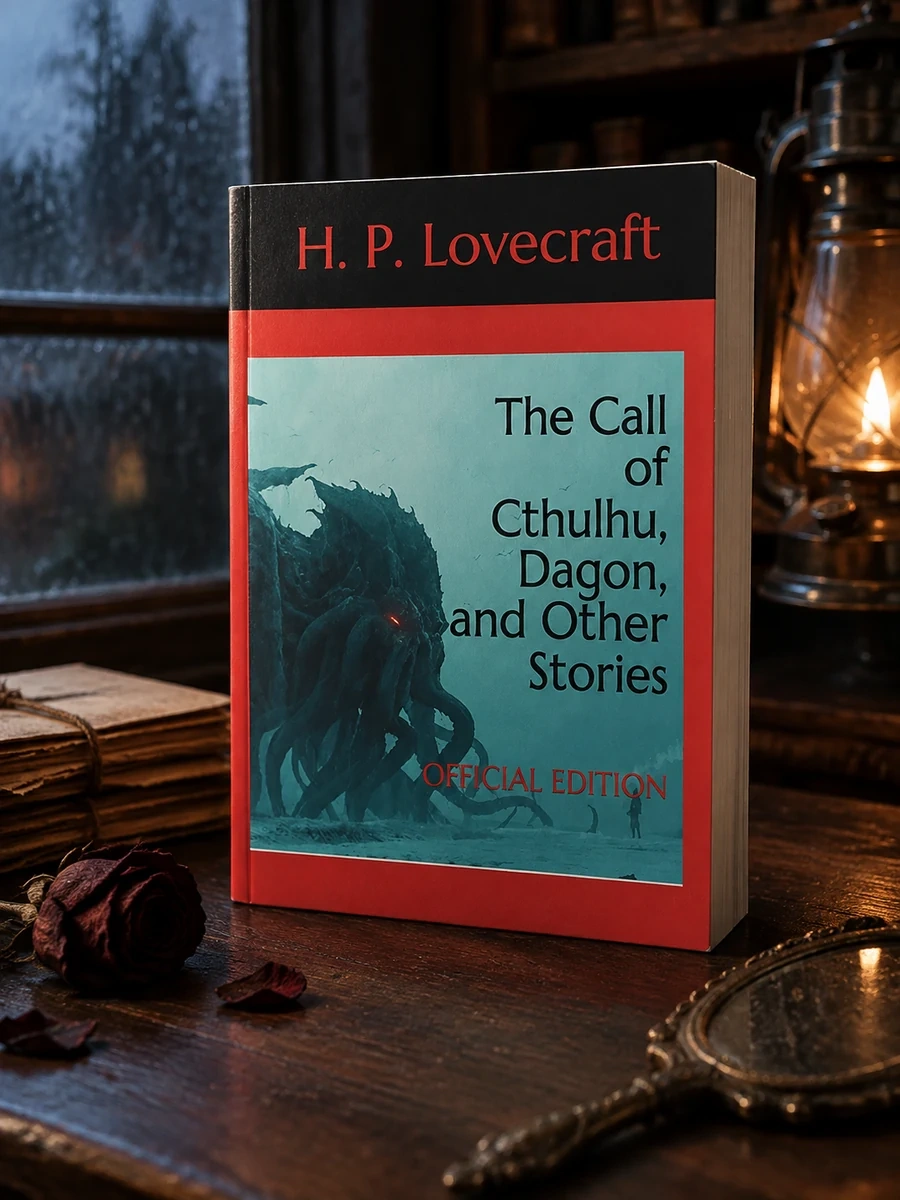
1. The Call of Cthulhu
The Call of Cthulhu is the obvious first choice, and for good reason. A young scholar inherits a box of documents about a sunken city and a cult, and the story spirals outward from there. It's short, it's perfectly paced, and it introduces the central idea that will haunt Lovecraft's work: that humanity is insignificant, that older and stranger things lie beneath the surface, and that knowledge itself can be a curse. The prose is cleaner here than in some of his later work, and the structure—a frame narrative that builds dread through documents and testimony—is genuinely effective. This story defines cosmic horror for a reason.
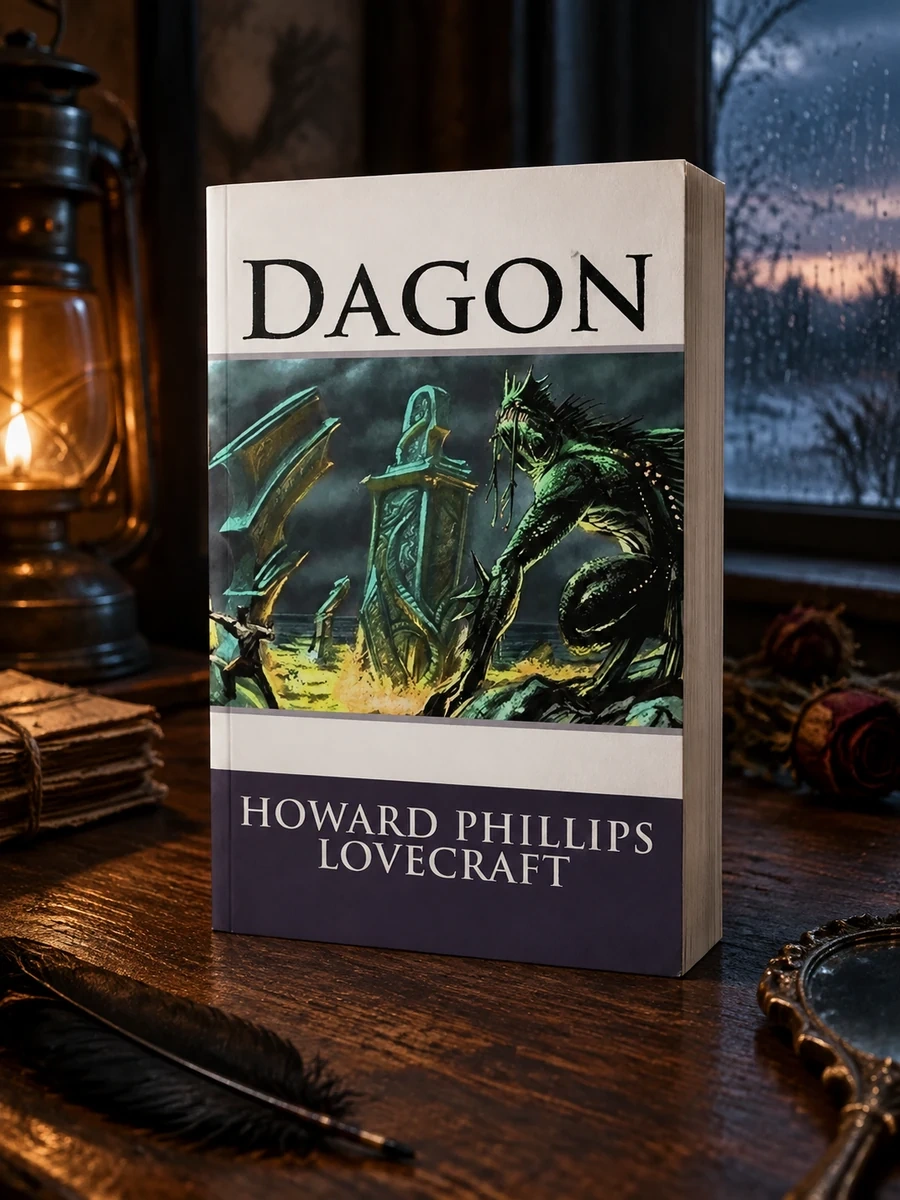
2. Dagon
Dagon is Lovecraft's shortest cosmic horror story and one of his most potent. A man washes ashore on a nightmare landscape and discovers something ancient and worshipped. It's barely a dozen pages, but it contains the entire architecture of Lovecraftian terror: the protagonist's sanity unraveling, the revelation of something that shouldn't exist, and the implication that the world is far stranger than we assume. Read this second because it's brief enough to absorb quickly, and it sets up the mythology that later stories will expand on.
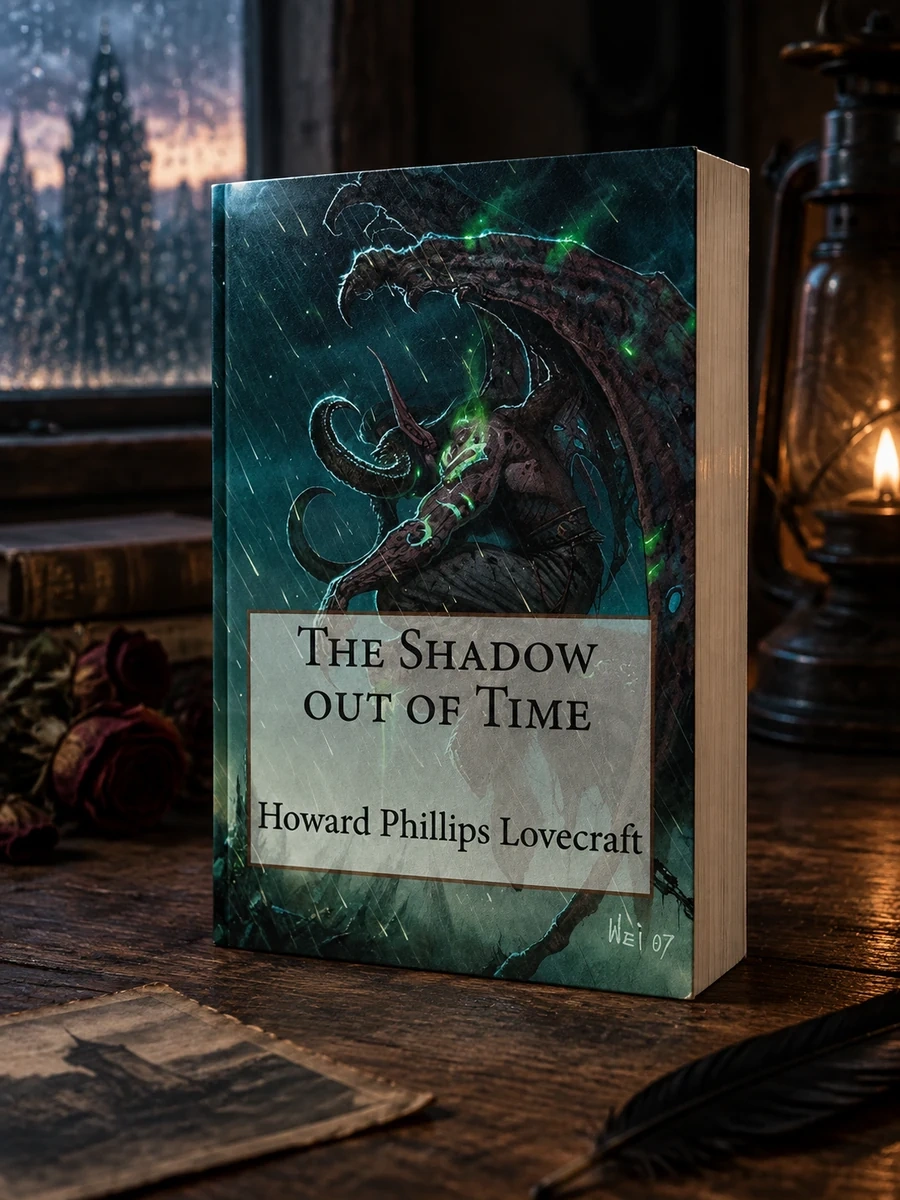
3. The Shadow out of Time
The Shadow out of Time is Lovecraft's longest and most ambitious cosmic horror story. A man loses five years of his life and discovers he's been possessed by an alien intelligence from millions of years in the past. It's a story about temporal displacement, ancient civilizations, and the horror of discovering that your own mind has been colonized. The scope is enormous—it spans continents and eons—but the emotional core is intimate: a man trying to understand what happened to him and failing. This is Lovecraft at his most philosophical, and it's essential reading for understanding how he thought about time, consciousness, and human insignificance.
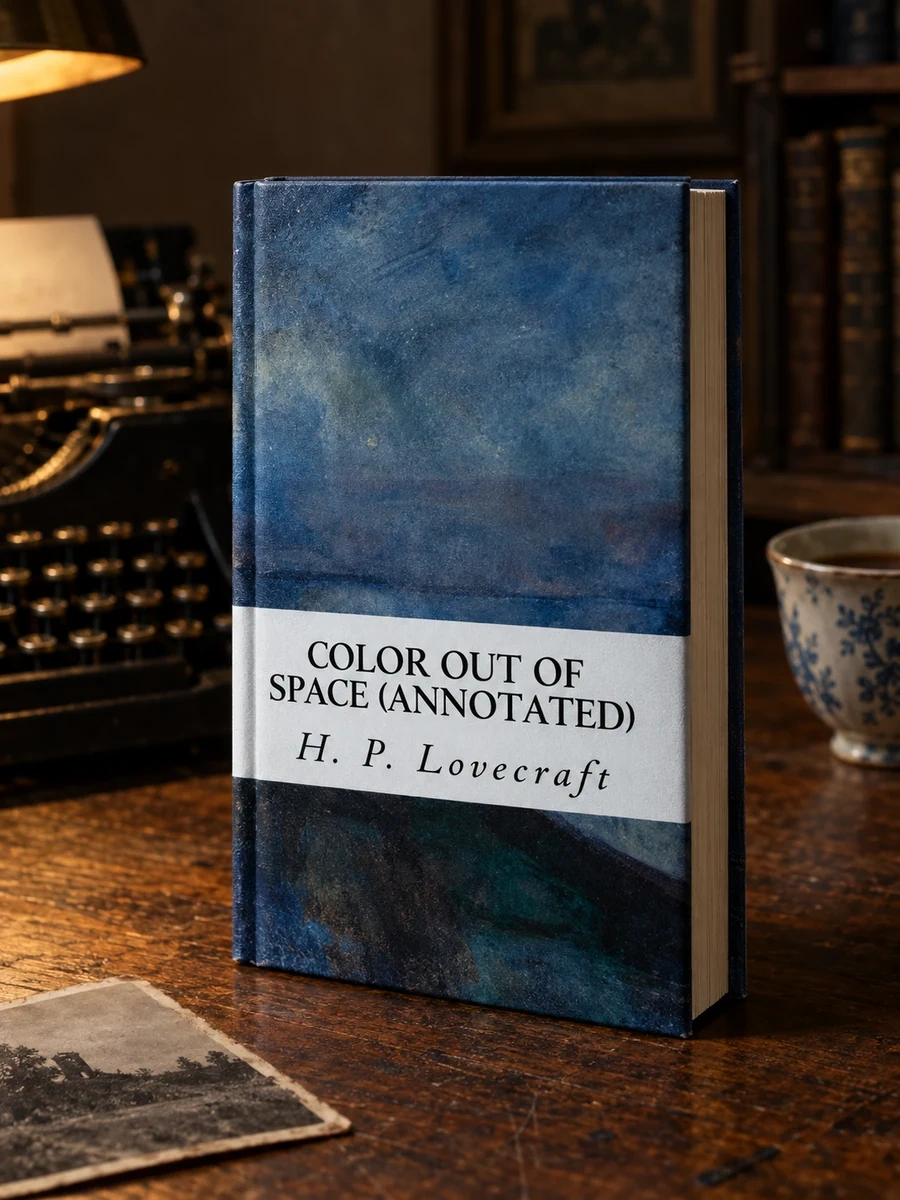
4. The Color Out of Space
The Color Out of Space is a masterpiece of atmospheric dread. A meteorite falls in rural Massachusetts and contaminates the land around it. The story follows the slow decay of a farm and its family as something alien spreads through the soil and water. What makes this story exceptional is that Lovecraft never fully explains what the color is or what it wants. It's just there, incomprehensible and corrosive, and the horror comes from watching normal life dissolve in its presence. If you want to understand Lovecraft's gift for slow-burn unease, this is where to find it.
The Dreamlands Cycle: Surreal Mythology and Wonder
These stories take place in the Dreamlands, a realm accessible through sleep. They're less about cosmic dread and more about mythic adventure, but they share Lovecraft's obsession with ancient, inhuman civilizations and the limits of human understanding. Read these after the core cosmic horror stories because they establish a secondary mythology that some later stories will reference.
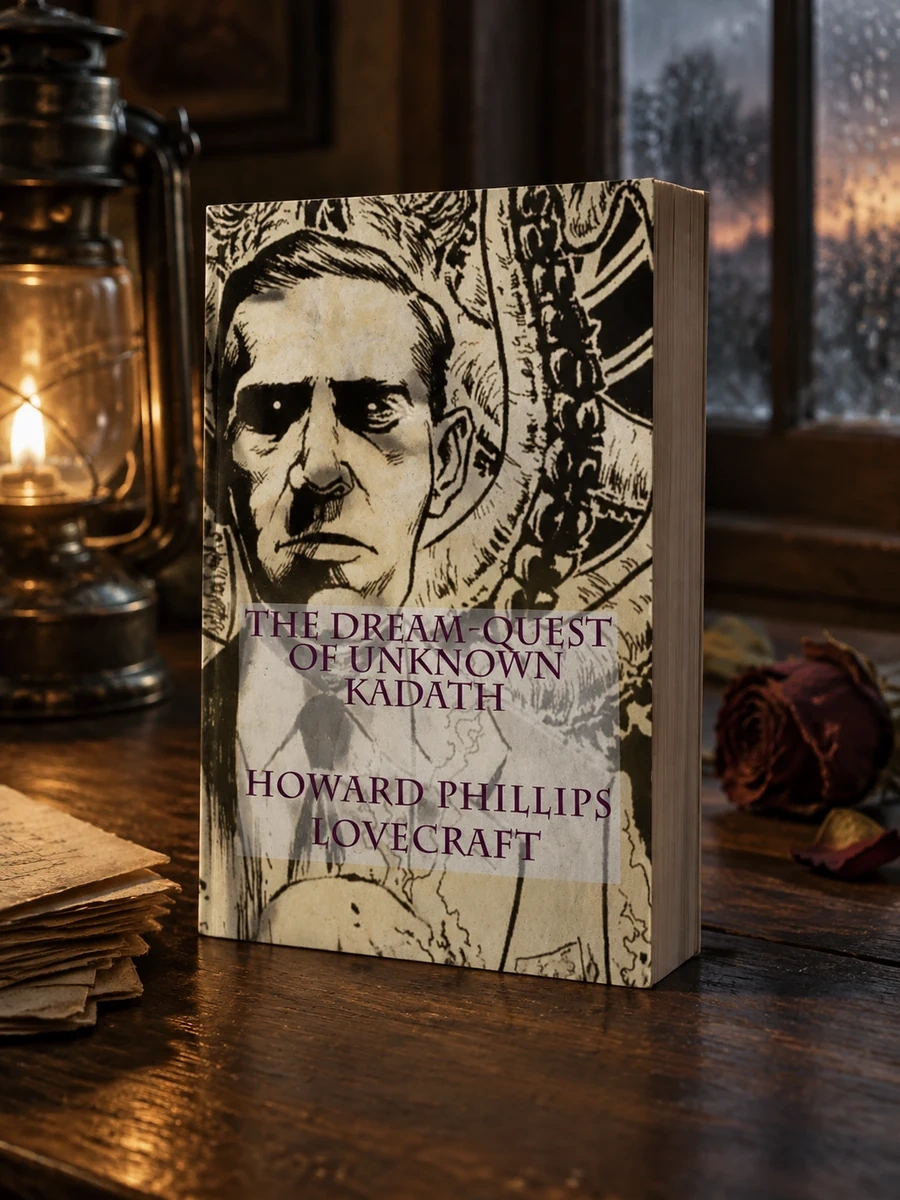
5. The Dream-Quest of Unknown Kadath
The Dream-Quest of Unknown Kadath is Lovecraft's longest work and the culmination of the Dreamlands cycle. A dreamer named Randolph Carter journeys through a vast, surreal landscape to reach the mysterious city of Kadath and confront the beings who rule the Dreamlands. It's part fantasy epic, part cosmic horror, and entirely strange. The plot is loose and the pacing is dreamlike (which is intentional), but the world-building is extraordinary. If you crave intricate mythology and don't mind a story that prioritizes atmosphere over plot momentum, this is essential. It also ties together many earlier Dreamlands stories, so reading it after you've encountered the core cosmic horror gives it more weight.
6. The Other Gods
The Other Gods is a short Dreamlands story about a man who climbs a mountain to meet the gods and discovers something far stranger than he expected. It's a parable about the danger of seeking ultimate truth, wrapped in mythic language. Read this before The Dream-Quest of Unknown Kadath because it introduces the idea that the gods of the Dreamlands are not what they seem.
The Cthulhu Mythos Proper: Interconnected Dread
These stories form a loose but deliberate mythology. They reference each other, share locations and texts, and build a sense that multiple investigators across time and space are encountering the same cosmic horror. Read these after the core cosmic horror stories and the Dreamlands cycle because they're richer when you already understand Lovecraft's fundamental ideas.
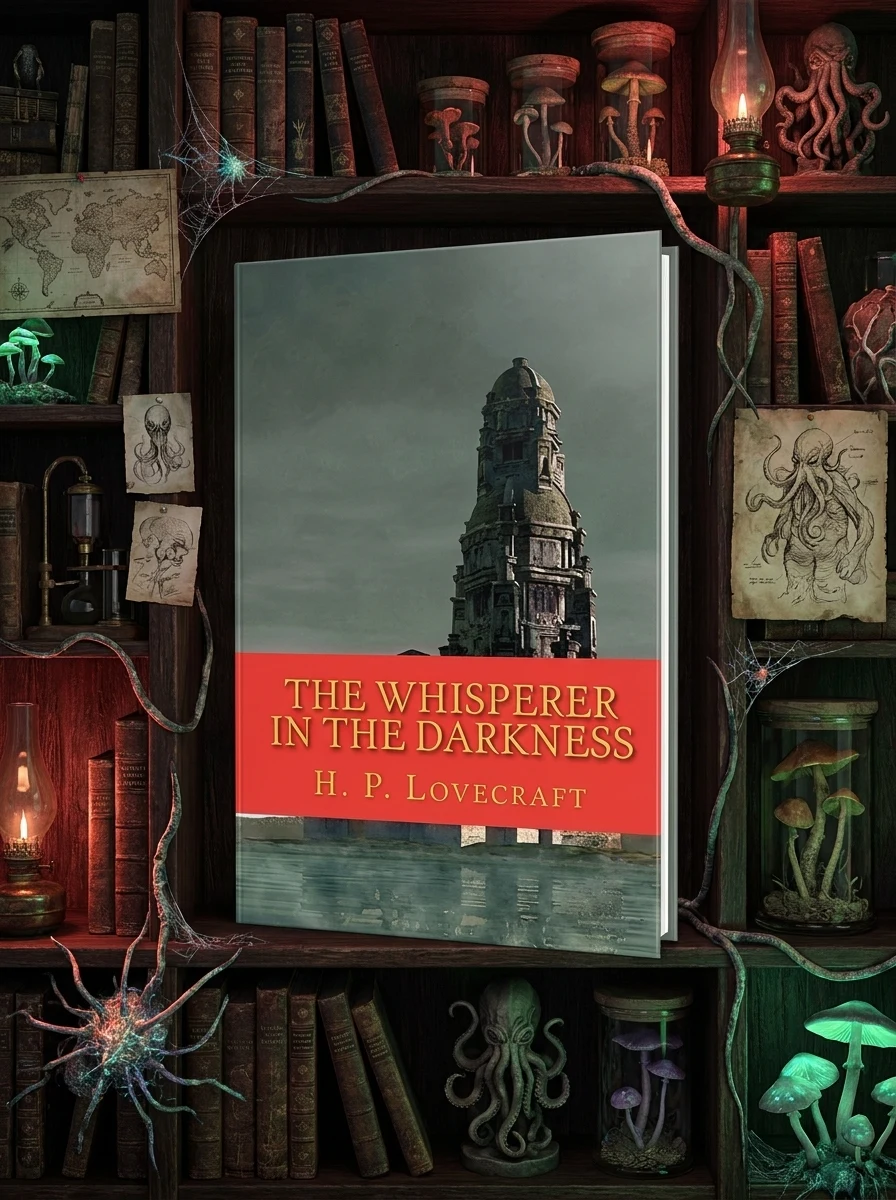
7. The Whisperer in the Darkness
The Whisperer in the Darkness is a novella about a professor who corresponds with a man claiming to have encountered alien beings in the Vermont mountains. The story unfolds through letters and documents, and the horror comes from the slow realization that the professor is being drawn into something he doesn't understand. It's one of Lovecraft's most effective uses of the epistolary form, and it introduces the Mi-Go, aliens who will appear in other stories. The atmosphere is claustrophobic despite the vast cosmic scope, and the ending is genuinely unsettling.
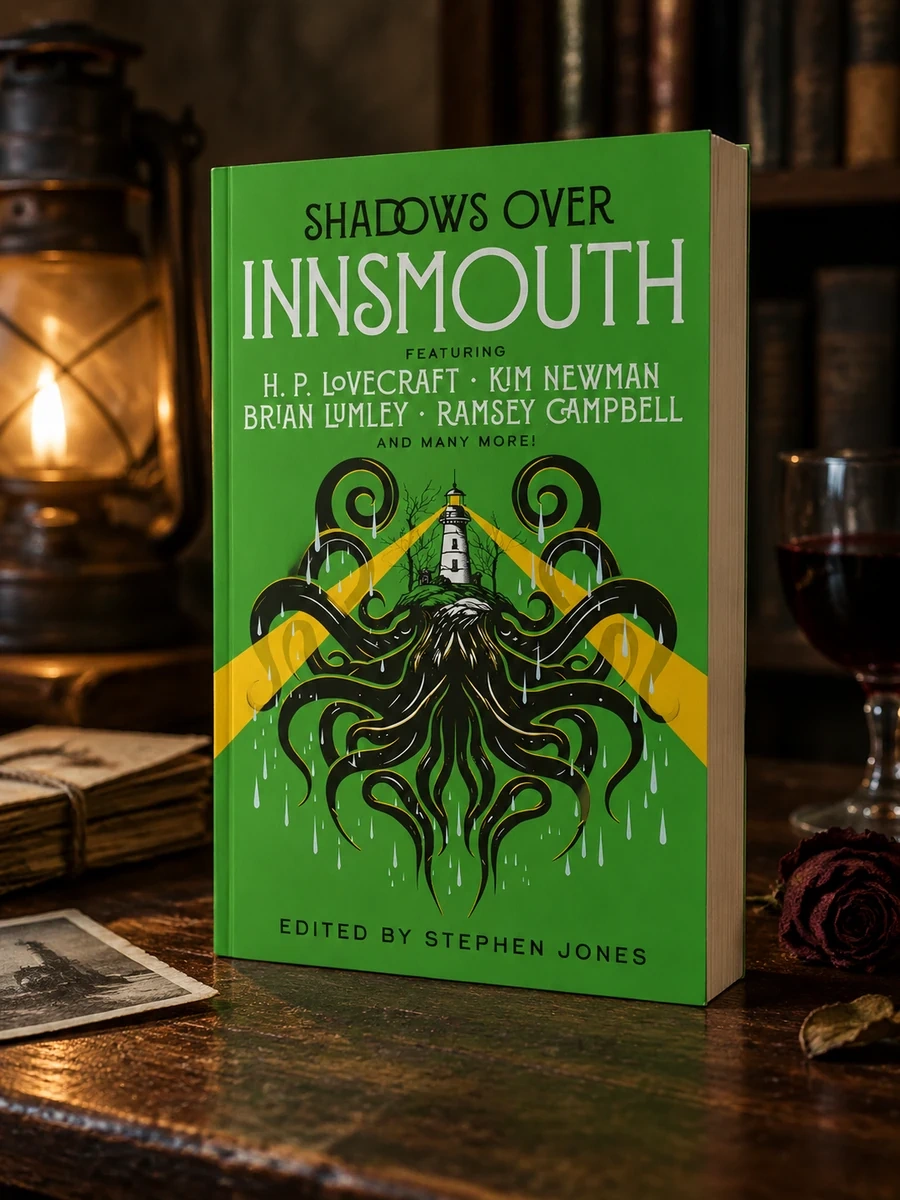
8. The Shadow over Innsmouth
The Shadow over Innsmouth is a novella about a man who visits a decaying coastal town and discovers that its inhabitants have been interbreeding with an amphibious race for generations. It's a story about contamination, about the horror of discovering that you yourself might be tainted by something inhuman. The prose is some of Lovecraft's most vivid, and the world-building is meticulous. The ending is ambiguous in a way that haunts you long after you finish.
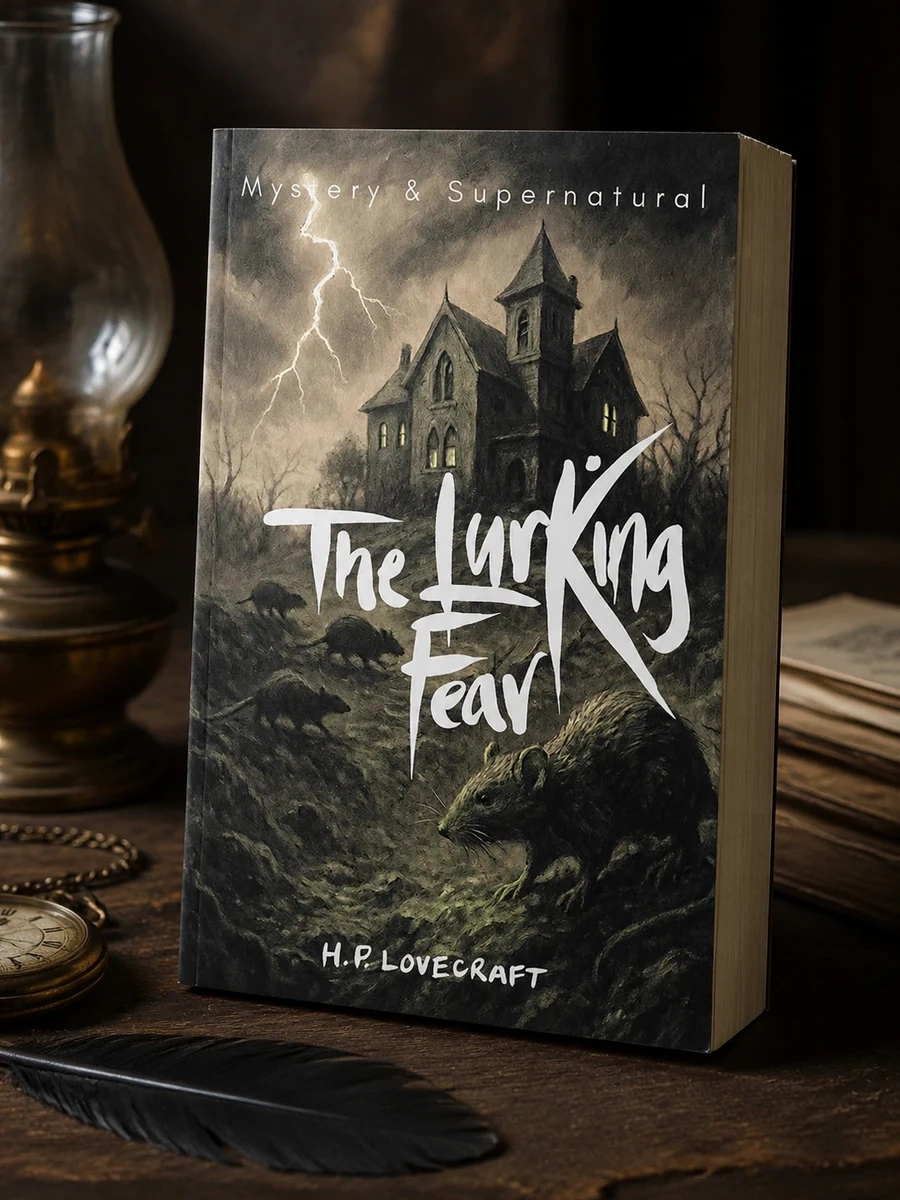
9. The Lurking Fear
The Lurking Fear is a shorter Mythos story about something ancient living in the hills of upstate New York. It's atmospheric and gothic, and it introduces the idea that horror can be rooted in a specific place, a specific family history. Read this alongside the other Mythos stories because it shows how Lovecraft grounded cosmic dread in American geography.
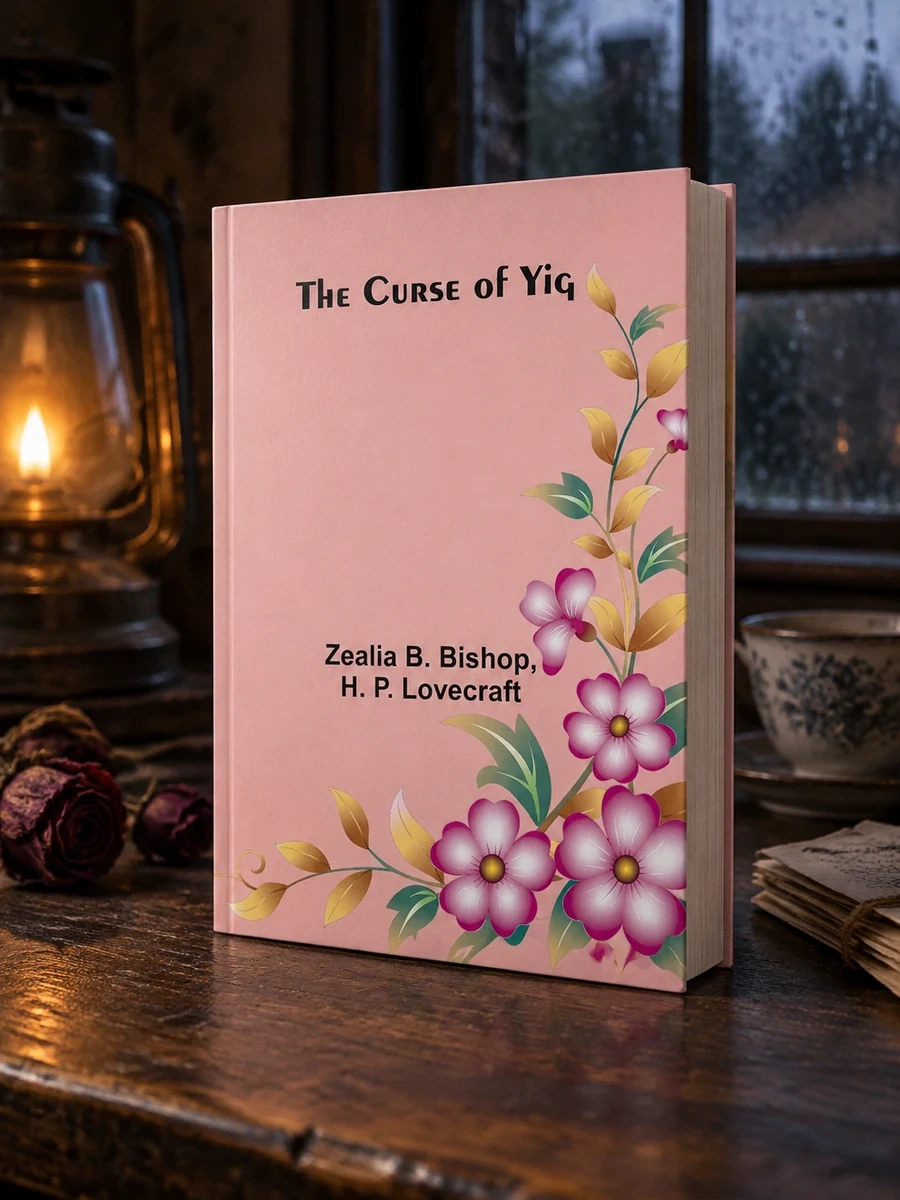
10. The Curse of Yig
The Curse of Yig is a Mythos story about a serpent god and a curse that spans generations. It's shorter and more straightforward than some of the other Mythos tales, but it's effective. Read it as part of the Mythos cycle to understand how Lovecraft wove different mythologies (in this case, Native American mythology) into his cosmic horror framework.
Secondary Cosmic Horror: Depth and Variation
After you've read the core stories, these pieces show different facets of Lovecraft's imagination. They're not essential to understanding his mythology, but they're worth reading because they demonstrate his range and his obsessions.
11. The Rats in the Walls
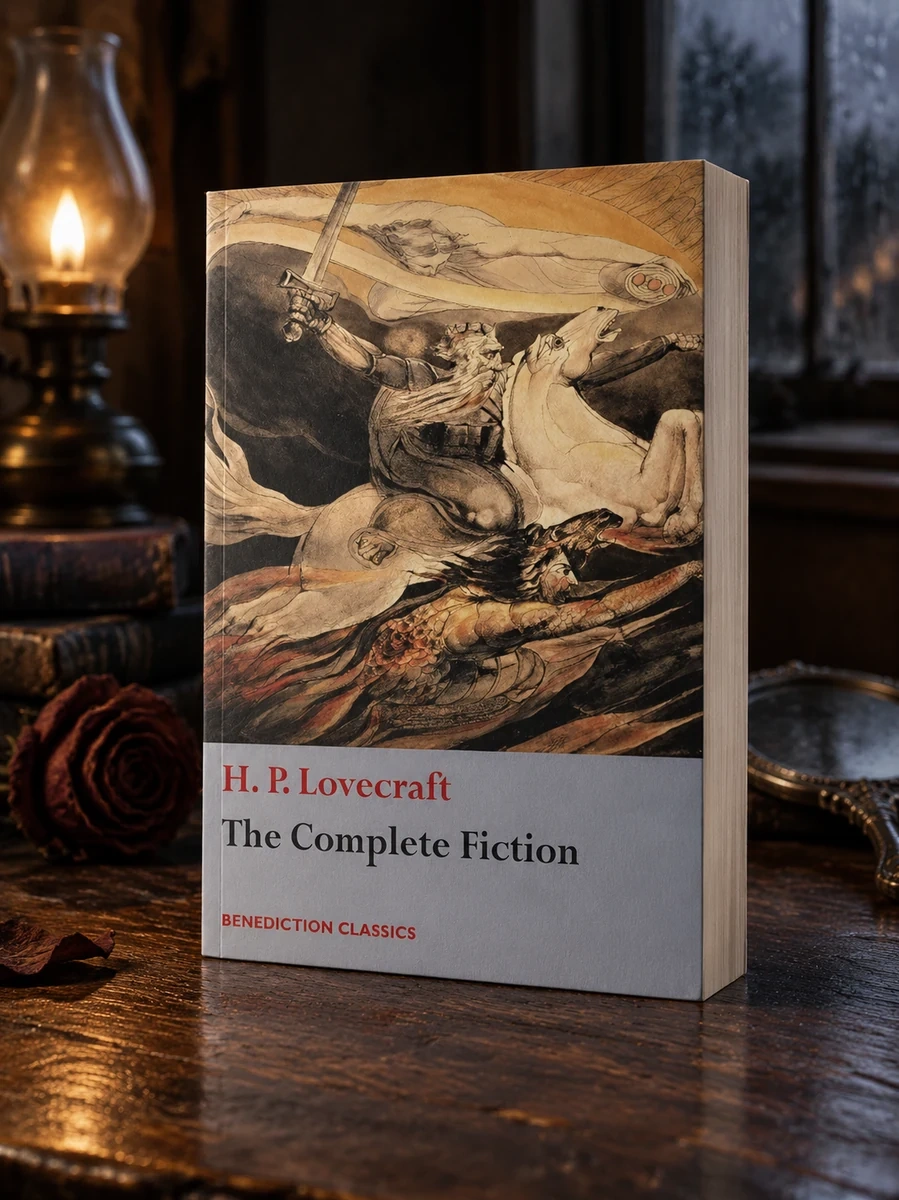
The Rats in the Walls (found in The Complete Fiction) is a gothic horror story about a man who inherits an old house and discovers something ancient living beneath it. It's one of Lovecraft's most atmospheric pieces, and it shows his gift for making domestic spaces feel alien and threatening. The prose is dense and the pacing is deliberate, but the payoff is worth it.
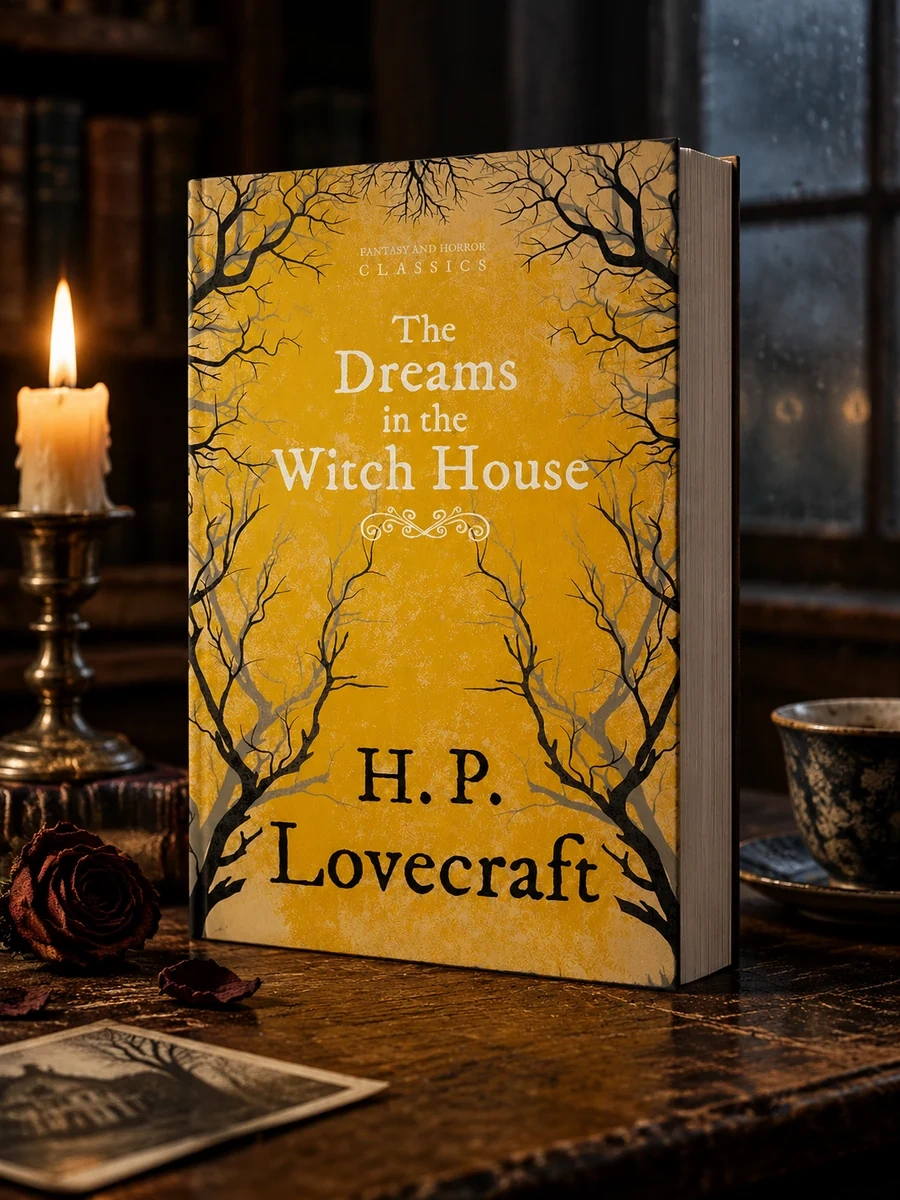
12. The Dreams in the Witch House
The Dreams in the Witch House is a novella about a mathematician who rents a room in a house where witchcraft once occurred. The story blends cosmic horror with witch-trial history, and it explores the idea that geometry itself can be a gateway to other dimensions. It's one of Lovecraft's most intellectually ambitious pieces, and it rewards careful reading.
How to Choose Your Edition
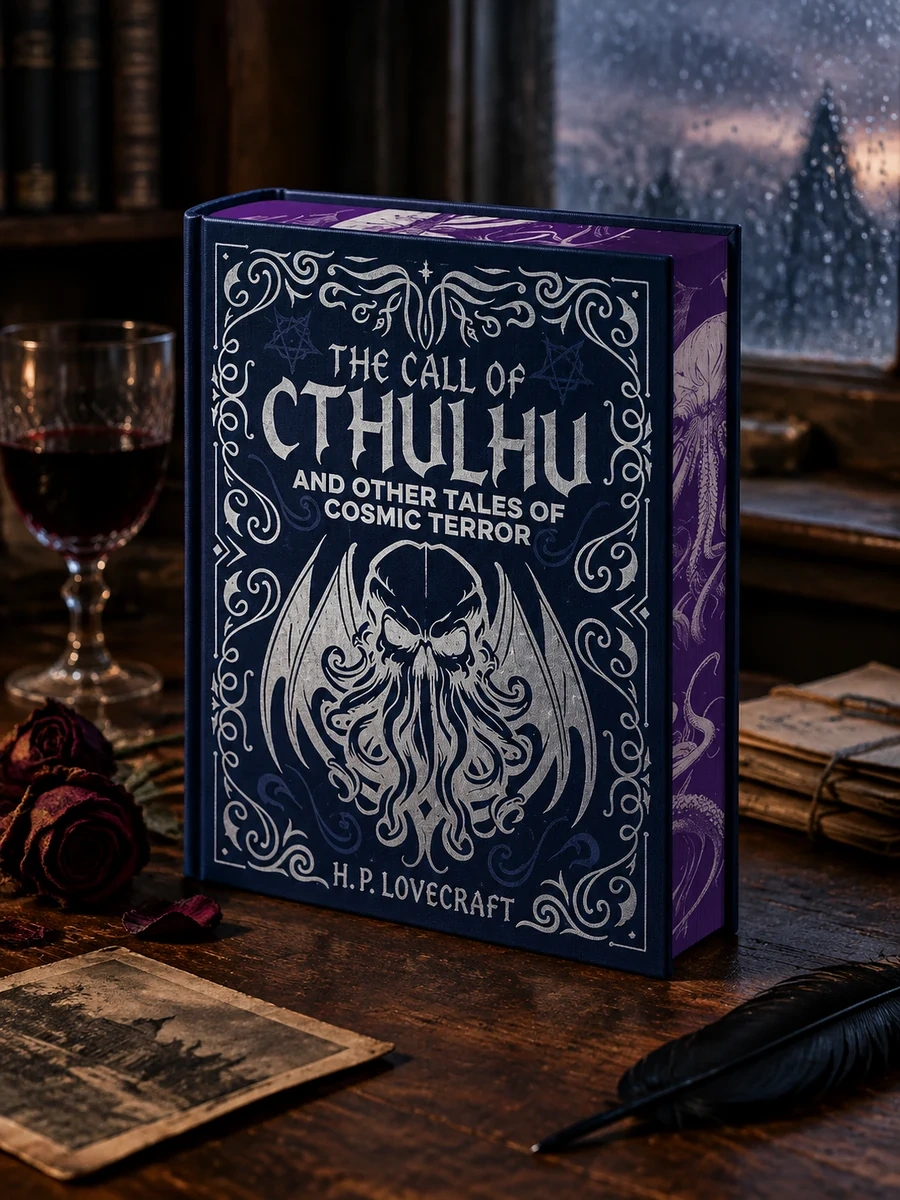
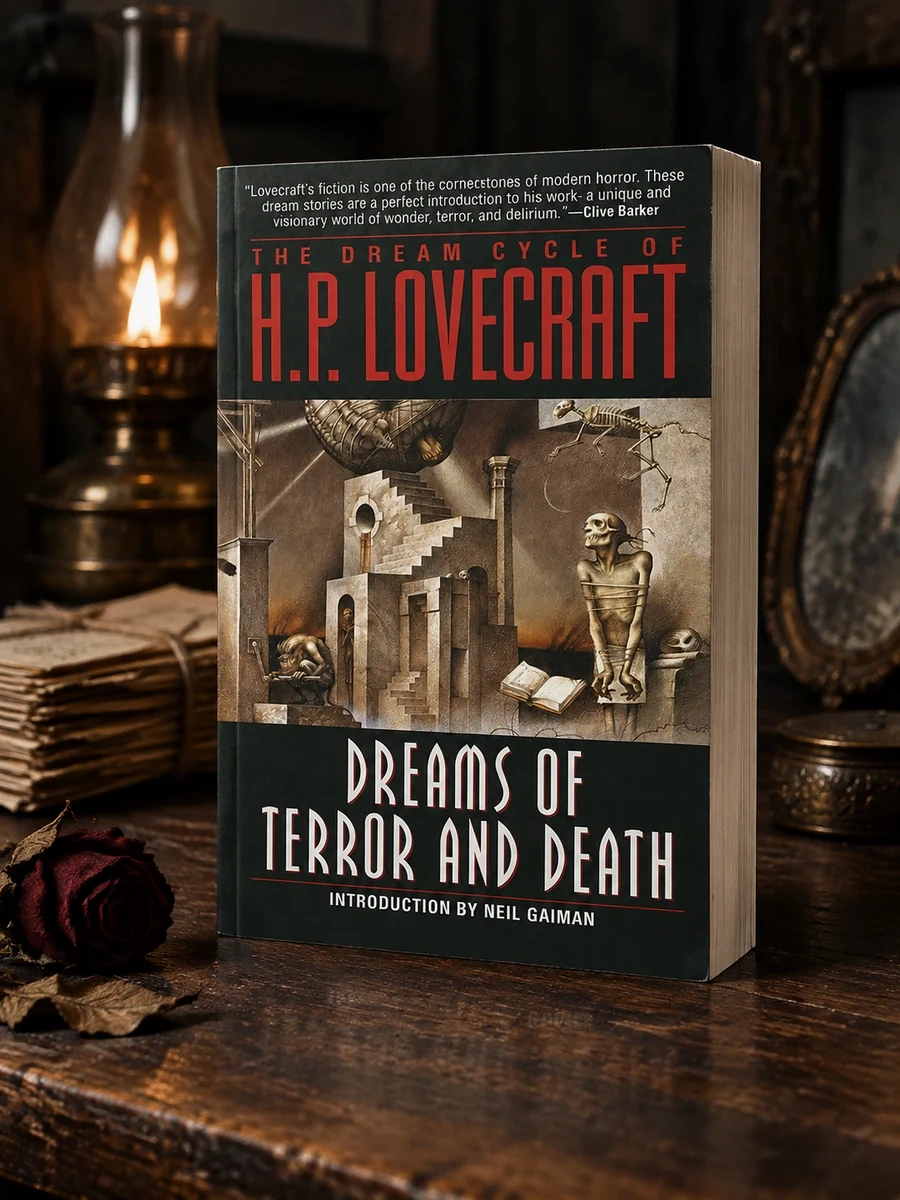
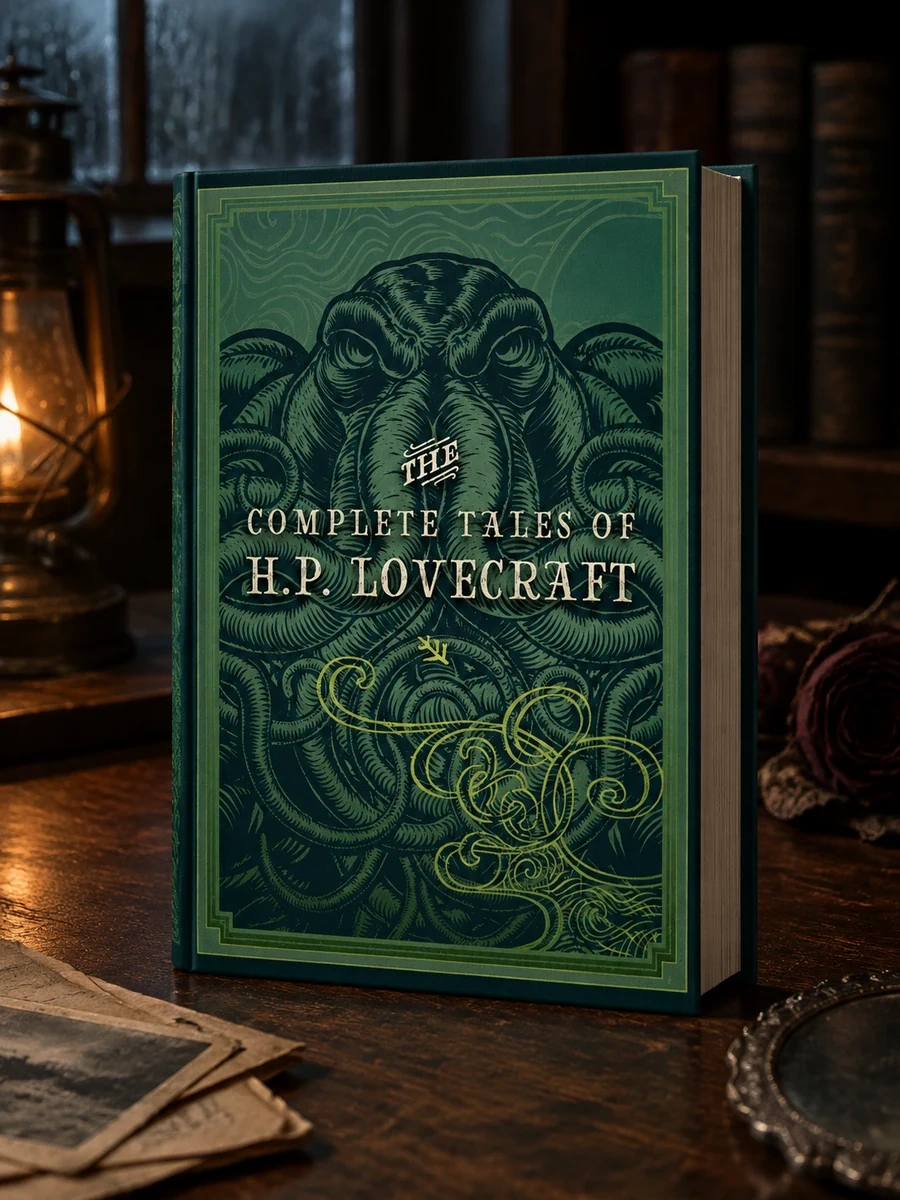
You have several options for reading Lovecraft's complete fiction. The Complete Fiction of H.P. Lovecraft is the most comprehensive single volume, containing all his fiction in one place. It's under $30 and gives you everything you need to follow this reading order. If you want something more focused, The Call of Cthulhu and Other Tales of Cosmic Terror collects the essential Mythos stories in a more affordable package. For the Dreamlands specifically, The Dream Cycle of H.P. Lovecraft: Dreams of Terror and Death gathers those stories together. The Complete Tales of H.P. Lovecraft is the most exhaustive edition if you want every story, including juvenilia and fragments.
The key is to start with the reading order above, not with publication date or alphabetical order. Lovecraft's fiction is best understood as a conversation with itself, and reading thematically lets you hear that conversation clearly. You'll recognize references, understand callbacks, and appreciate why certain stories matter. You'll also know when to stop—after the core twelve stories, you've read Lovecraft's essential work. Everything else is supplementary.