Silvia Moreno-Garcia has quietly become one of the most important voices in contemporary horror—a writer who refuses to separate literary craft from genre thrills. Her work spans gothic mansions and 1970s Mexico City, cosmic horror retellings and academic curses, always grounded in rich cultural specificity and atmospheric dread. For readers discovering her work or those seeking to revisit it in a meaningful sequence, understanding the arc of her career matters.
Unlike many horror authors, Moreno-Garcia's books don't require a strict reading order. Each stands alone. But there's real value in approaching her catalog strategically: her early short fiction establishes the tonal and thematic foundations that her novels build upon; her novels themselves cluster around distinct moods and settings that deepen when read in conversation with one another. This guide offers both a publication-based path and thematic entry points, so you can choose the journey that suits your reading life.
Whether you're preparing for October reading or simply want to understand why this author has captured so many readers' attention, the nine works below represent her essential catalog—the ones that define her voice and showcase the range of her vision.
Start Here: The Breakthrough Novels
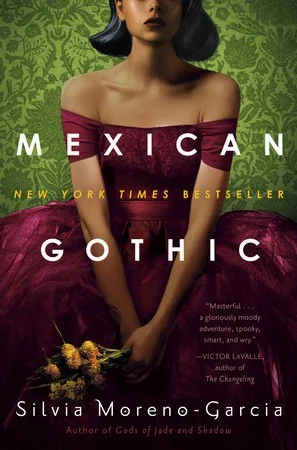
1. Mexican Gothic — Silvia Moreno-Garcia
Mexican Gothic is the novel that brought Moreno-Garcia to mainstream attention, and it remains the essential entry point. Set in 1950s Mexico, it follows Noemí Taboada, a socialite drawn into a decaying mansion where her cousin has fallen mysteriously ill. The house itself becomes a character—fungal, suffocating, alive with secrets. Moreno-Garcia builds dread through atmosphere rather than shock, layering family dysfunction, body horror, and the slow corruption of the mind. The novel works as both a feminist reimagining of classic gothic tropes and a standalone horror experience that doesn't require prior knowledge of her work. If you read only one Moreno-Garcia book, this is it.
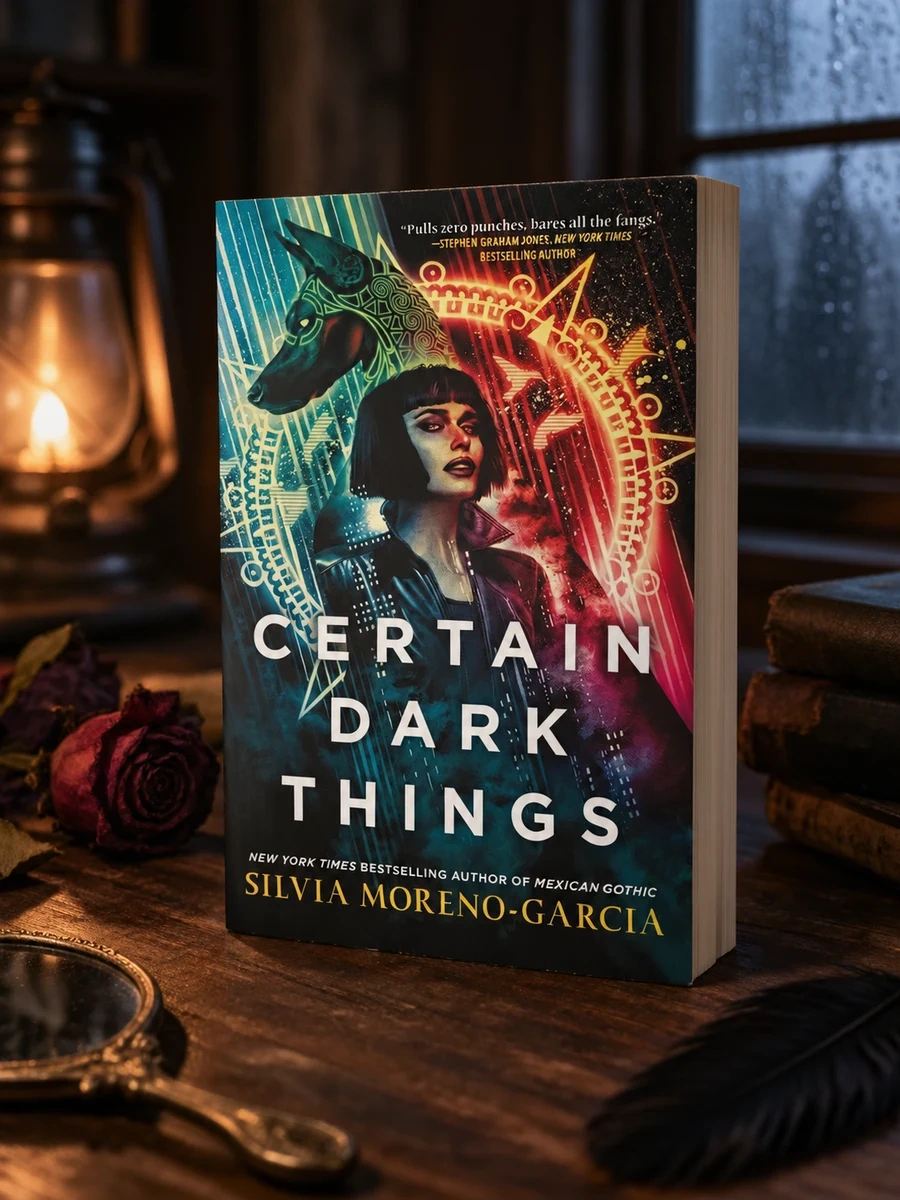
2. Certain Dark Things — Silvia Moreno-Garcia
Certain Dark Things pivots toward urban dark fantasy while maintaining her signature atmospheric tension. Set in a near-future Mexico City where vampires are dying out, the novel follows Domingo, a garbage collector who encounters a wounded vampire and becomes entangled in her survival. Rather than the gothic mansions of her other work, Moreno-Garcia builds dread through the city itself—polluted, stratified, dangerous. The vampire mythology here is grounded in cultural specificity and class politics, not romantic fantasy. This novel shows her range beyond the haunted house, proving she can sustain horror across different settings and mythologies.
Deepen Your Understanding: The Atmospheric Novels
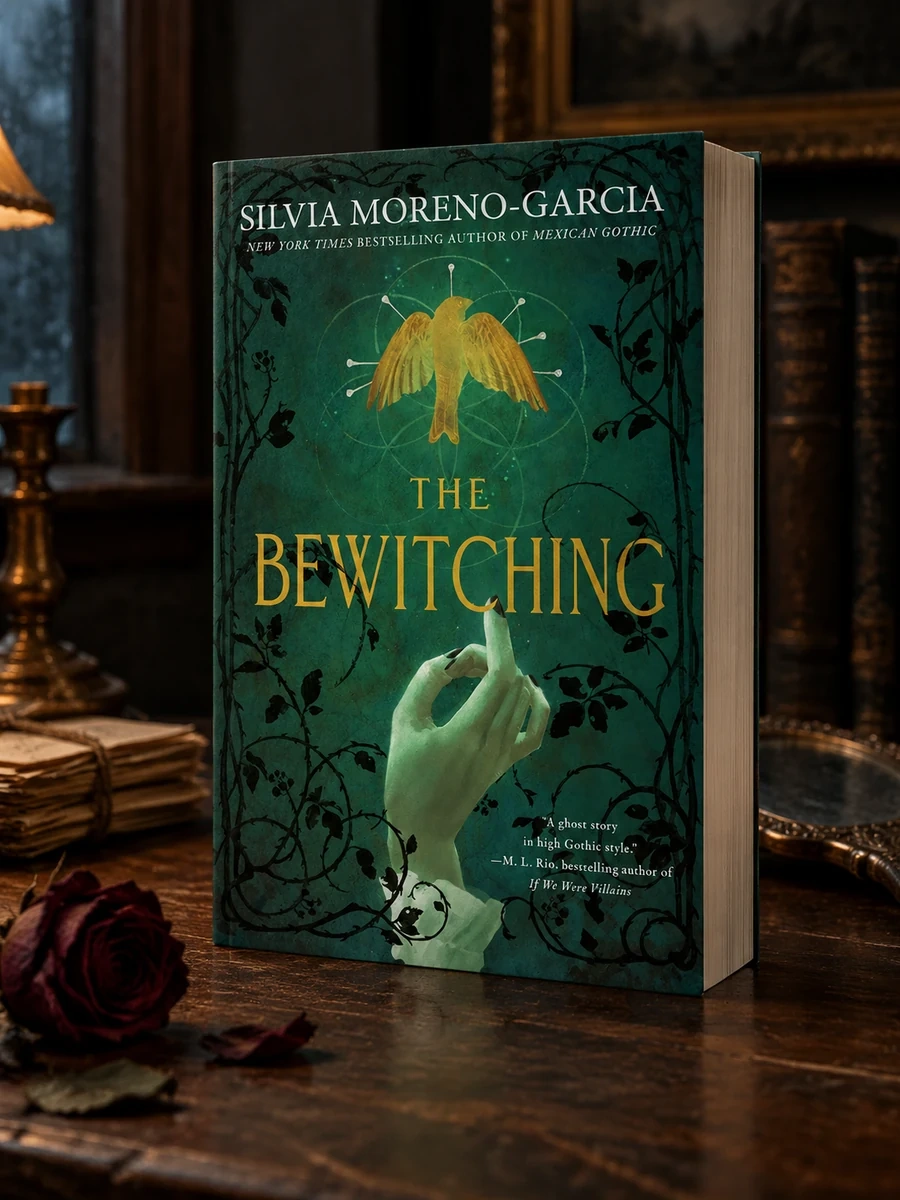
3. The Bewitching — Silvia Moreno-Garcia
The Bewitching returns to academic gothic territory with a different kind of curse. The novel weaves between two timelines: a contemporary scholar investigating a 19th-century women's college, and the college itself, where a group of young women fall under the spell of a charismatic teacher. Moreno-Garcia explores how power operates through desire and manipulation, how history haunts the present, and how women's bodies and minds become battlegrounds. The slow-burn dread here is psychological as much as supernatural, making it essential for readers who appreciate horror that works through implication and atmosphere rather than explicit scares.
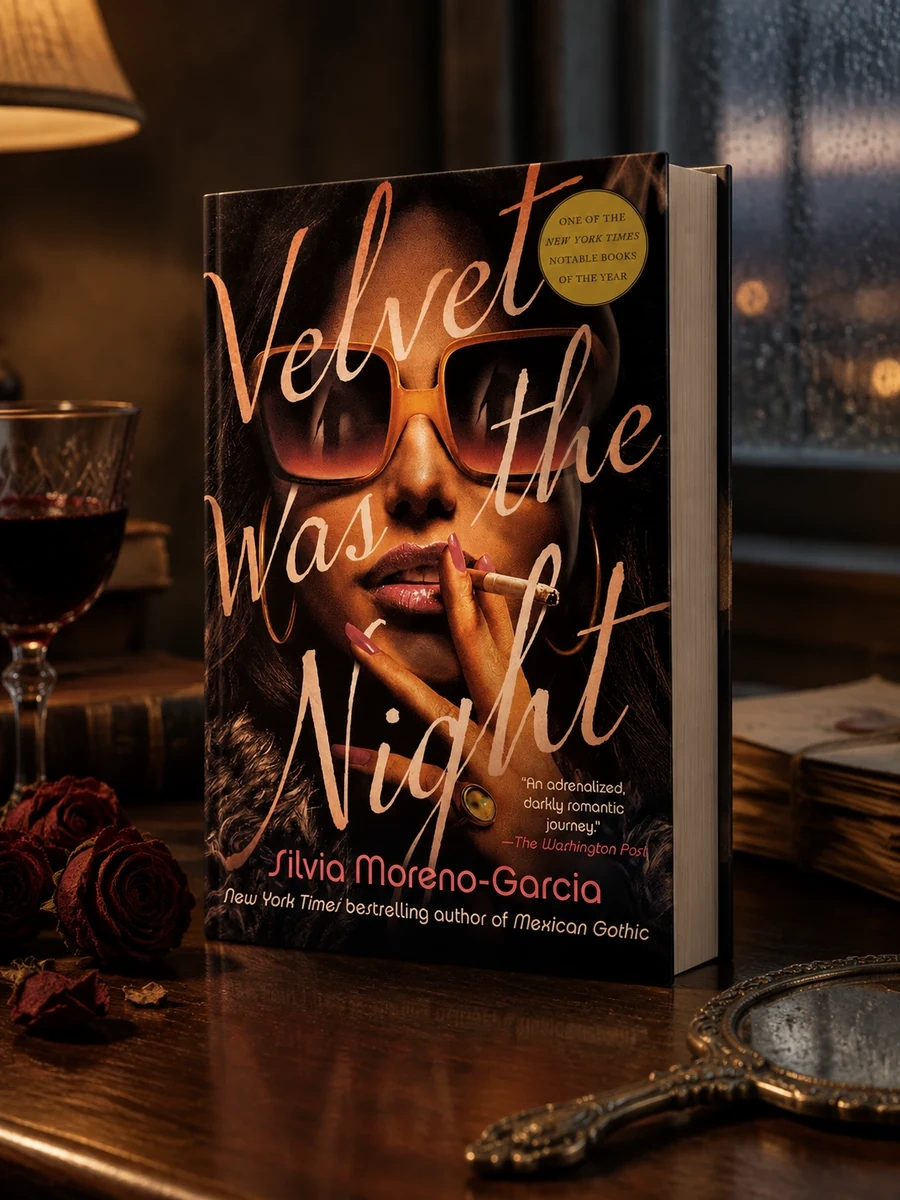
4. Velvet Was the Night — Silvia Moreno-Garcia
Velvet Was the Night is her most noir-inflected work, set in 1970s Mexico City during a period of political unrest. Two women—a secretary and a radical—become entangled in a mystery involving disappeared activists and occult intrigue. This novel shows Moreno-Garcia's ability to blend genre conventions (noir, political thriller, gothic) without sacrificing character or atmosphere. It's darker and more morally ambiguous than her other works, with less supernatural intervention and more human cruelty. For readers who want her sensibility applied to a different kind of horror—the horror of history, of state violence, of complicity.
Expand Your Range: Shorter Works and Mythological Retellings
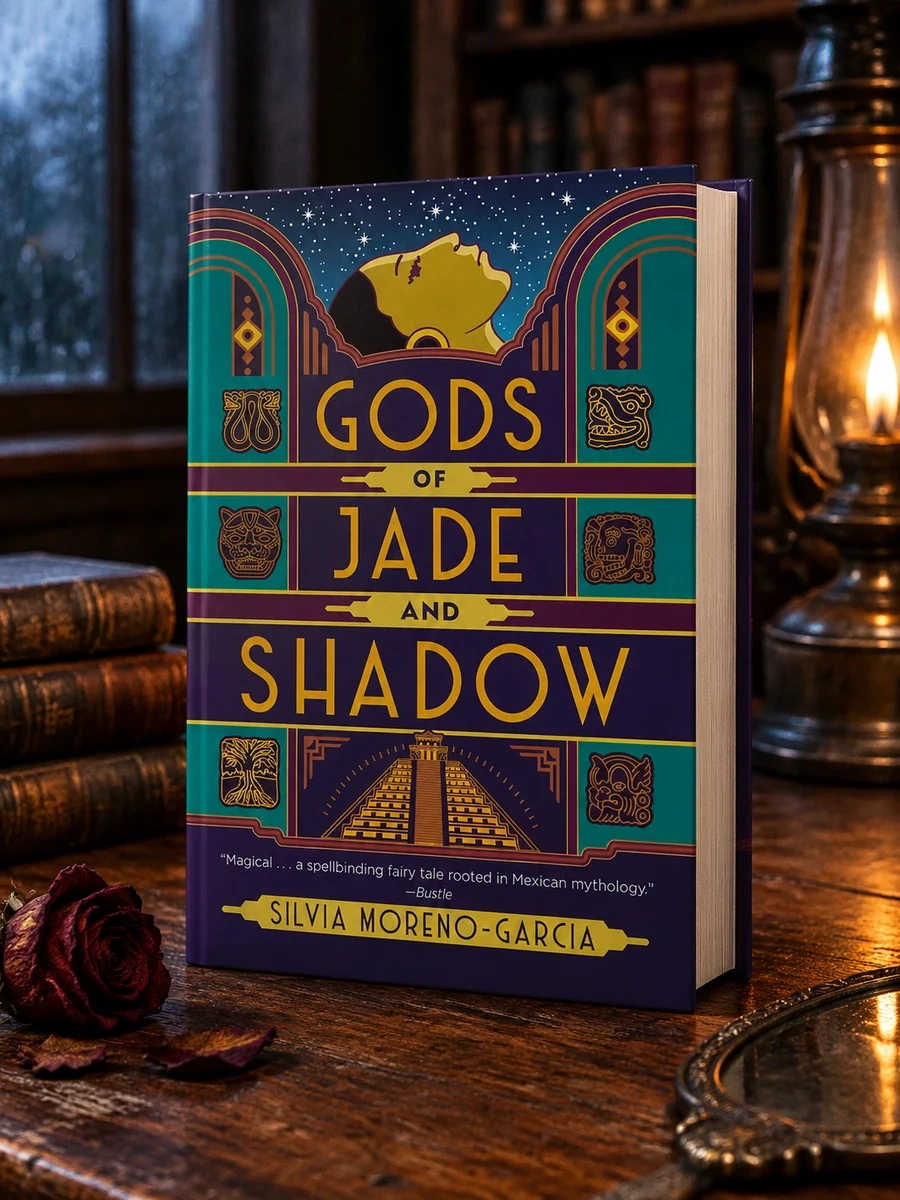
5. Gods of Jade and Shadow — Silvia Moreno-Garcia
Gods of Jade and Shadow is a novella-length dark fantasy set in the Jazz Age, following a young woman who encounters a Mayan death god and becomes entangled in a supernatural conflict. Where her other novels build dread through isolation and decay, this one moves with mythic momentum. The prose is lush and the pacing brisk, making it ideal if you want Moreno-Garcia's sensibility in a more propulsive form. It also showcases her deep engagement with Mexican and Mesoamerican mythology, a thread that runs through much of her work.
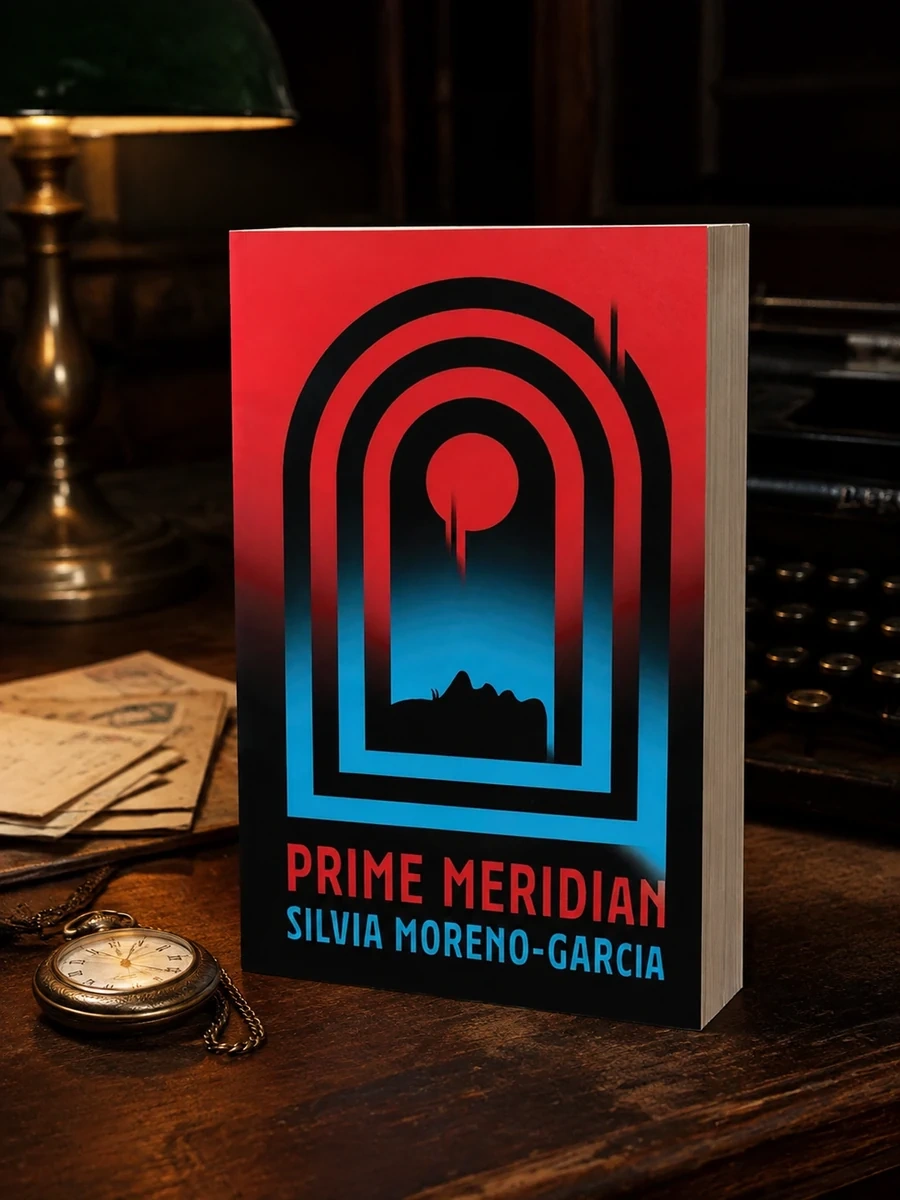
6. Prime Meridian — Silvia Moreno-Garcia
Prime Meridian is a haunting novella about a woman who discovers her apartment is haunted by the ghost of a previous tenant. What could be a simple ghost story becomes something more complex: a meditation on loneliness, displacement, and the ways we haunt each other. At under 100 pages, it's Moreno-Garcia at her most concentrated, proving that her gift for atmosphere doesn't require 400-page novels. This is perfect for readers who want to experience her voice in a brief, intense form.
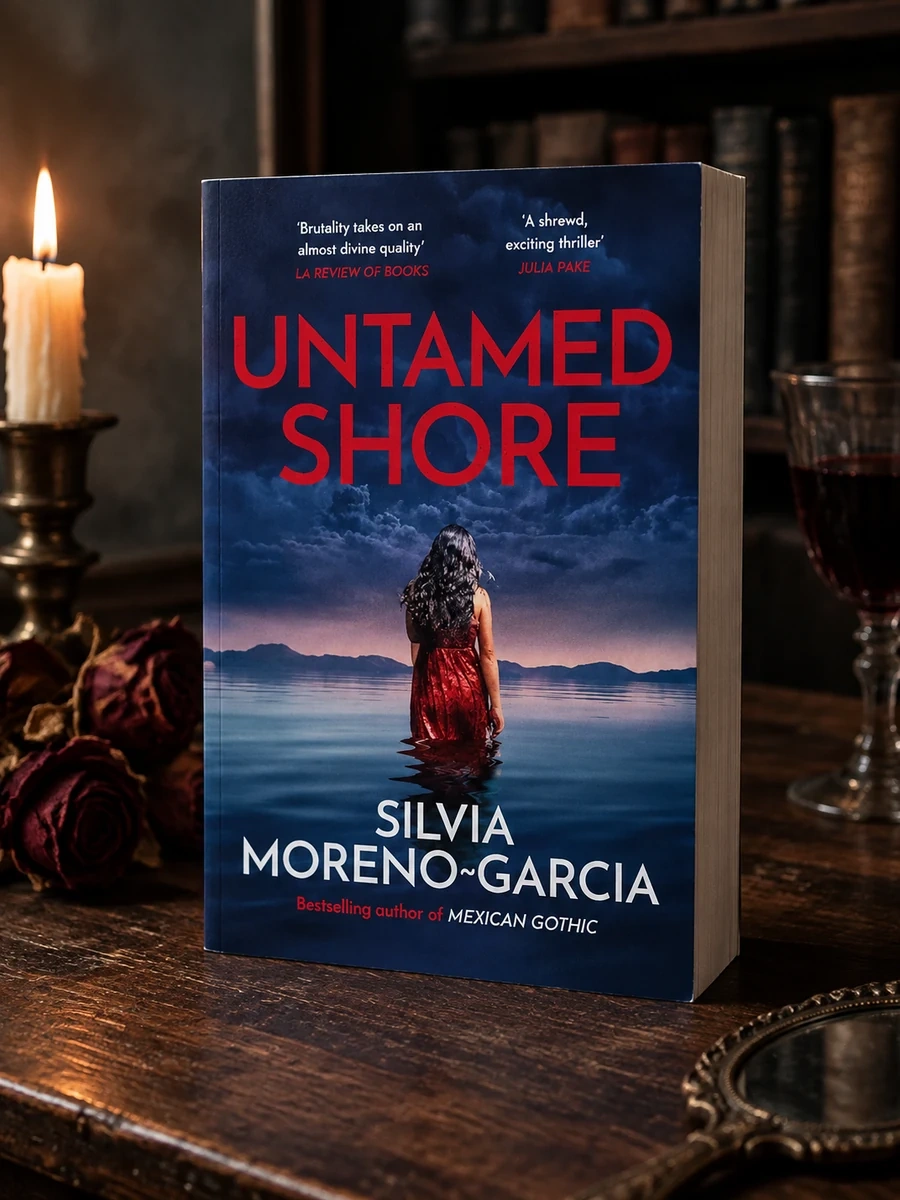
7. Untamed Shore — Silvia Moreno-Garcia
Untamed Shore is a gothic noir set on a Mexican beach, following a young woman hired as a secretary by a mysterious family. Isolation, desire, and class tension build toward a violent reckoning. It's shorter than Mexican Gothic but shares its claustrophobic atmosphere and its interest in how power operates through seduction and manipulation. For readers who want the gothic sensibility applied to a beach setting rather than a mansion—a reminder that Moreno-Garcia's horror is about atmosphere and psychology, not location.
Go Deeper: Short Fiction and Anthologies
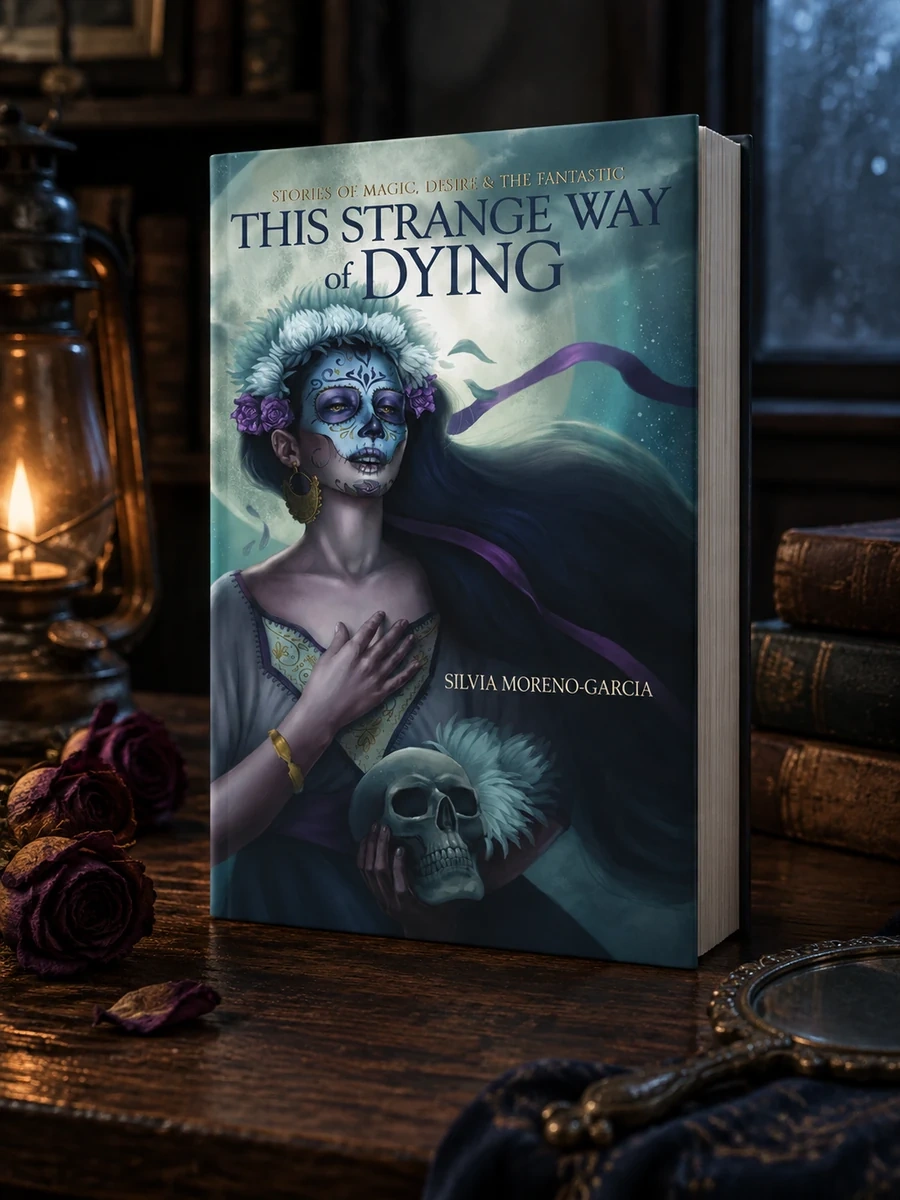
8. This Strange Way of Dying: Stories of Magic, Desire & the Fantastic — Silvia Moreno-Garcia
This Strange Way of Dying collects her early short fiction, stories that established her voice before Mexican Gothic made her famous. These tales blend magical realism with dark fantasy, often exploring desire, transformation, and the supernatural as expressions of human longing. Reading this collection after her novels offers valuable context: you'll see the seeds of her longer work, the recurring themes and tonal signatures that define her voice. It's also a chance to experience her range in miniature—different settings, different mythologies, different kinds of horror.
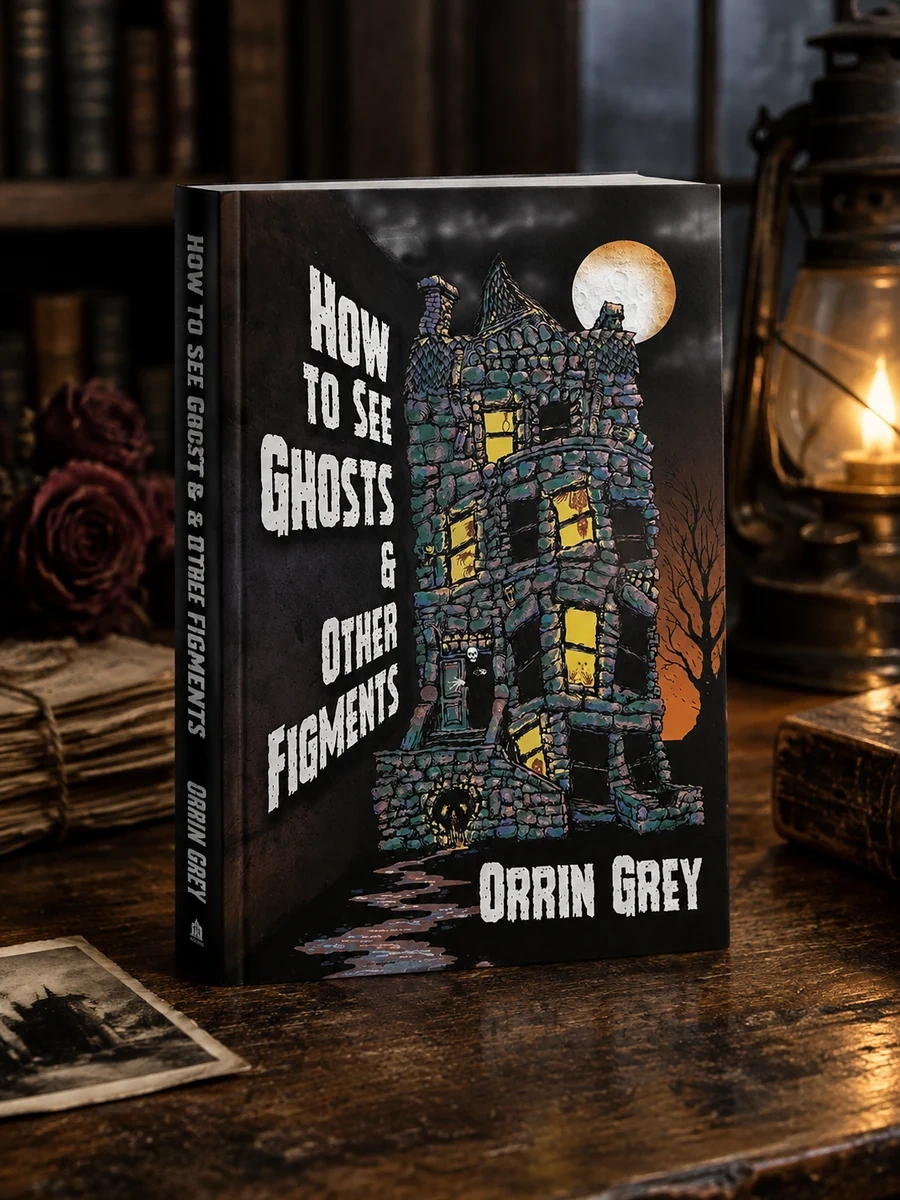
9. How to See Ghosts & Other Figments — Silvia Moreno-Garcia
How to See Ghosts & Other Figments is a collection of eighteen unsettling vignettes, each brief enough to read in a single sitting. These are ghost stories in the classical sense—eerie, atmospheric, often ambiguous about whether the supernatural is real or psychological. This collection is ideal for readers who want to experience Moreno-Garcia's ability to create dread in compressed form, and it serves as a perfect capstone to a deeper reading of her work, showing how she returns again and again to the question of what haunts us.
How to Choose Your Reading Path
If you're new to Moreno-Garcia, start with Mexican Gothic. It's her most accomplished novel, the one that best showcases her gifts, and it requires no prior knowledge. From there, you have choices.
If you want to follow her career chronologically and understand her evolution, move to her short fiction collections—This Strange Way of Dying and How to See Ghosts & Other Figments—then to her other novels. This path shows you how her voice developed and deepens your appreciation for the craft in her longer works.
If you want to stay in the gothic atmosphere she's famous for, read Mexican Gothic, then The Bewitching, then Untamed Shore. These three form a loose trilogy of gothic dread, each exploring how isolation and family secrets breed horror.
If you want to see her range across different subgenres, read Mexican Gothic (gothic), Certain Dark Things (urban dark fantasy), Velvet Was the Night (noir), and Gods of Jade and Shadow (mythic fantasy). This path proves that Moreno-Garcia's gift isn't tied to a single setting or mythology—it's her ability to build atmosphere and explore power dynamics across any genre.
Whichever path you choose, her work rewards slow reading. Moreno-Garcia doesn't rush. She builds dread through detail, through the accumulation of small wrongnesses, through prose that feels both precise and dreamlike. October is the obvious time to read her, but honestly, her books work year-round. They're the kind of horror that lingers—not because of jump scares or gore, but because they understand that the deepest horror lives in atmosphere, in family, in the slow corruption of the mind.