If you've only read "The Raven," you've missed the writer who invented modern horror itself. Edgar Allan Poe didn't just write poems—he engineered psychological terror through prose, created the detective story from nothing, and built gothic worlds so claustrophobic they feel like they're closing in on your chest. The problem is knowing where to start when you want the full picture.
Most complete editions dump everything at once: 800 pages of poems, stories, criticism, and fragments. You need a map. This guide walks you through Poe's major works in an order that shows his range and builds your understanding of why he matters. We're moving past the canonical poems to the tales that made him dangerous—the ones that influenced everyone from H.P. Lovecraft to modern psychological horror writers.
The reading order below isn't chronological. It's designed to show you Poe's full toolkit: how he builds dread, how he gets inside a narrator's breaking mind, how he invents new forms. Start here, and you'll understand why he's the foundation of everything that came after.
Start Here: The Psychological Core
Begin with Poe's most direct assault on sanity. These stories work fast and hit hard—they're the gateway to understanding his method.
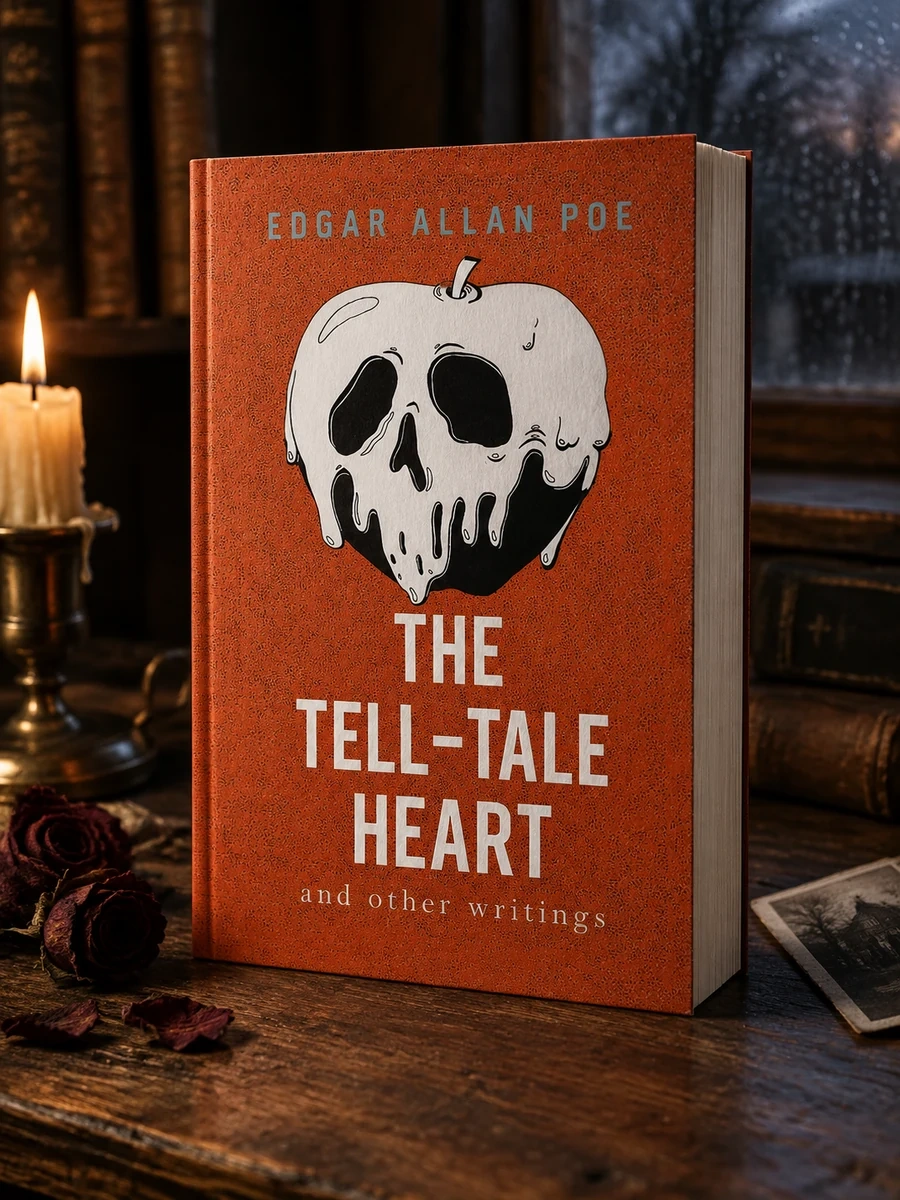
1. The Tell-Tale Heart and Other Writings
The Tell-Tale Heart and Other Writings is the perfect entry point. "The Tell-Tale Heart" is Poe's masterpiece of unreliable narration: a man insists he's not mad while describing how he murdered an old man because of his eye. The genius is that you're trapped inside his skull the entire time, watching him rationalize the irrational. It's under 20 minutes to read, but it rewires how you think about horror. The collection pairs it with other essential psychological tales that show Poe's range within a single mode: creeping paranoia, guilt made physical, the mind eating itself.
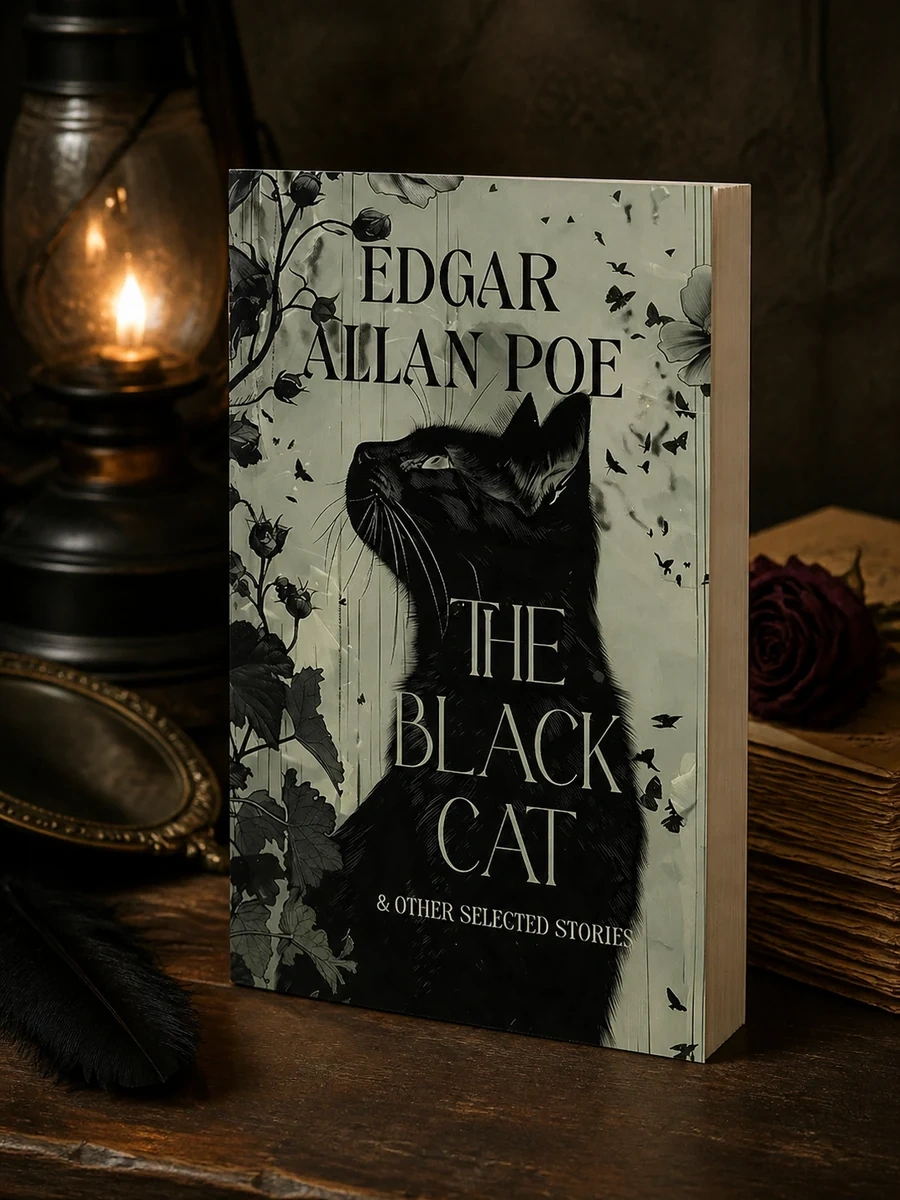
2. The Black Cat & Other Selected Stories
The Black Cat & Other Selected Stories deepens the obsession. "The Black Cat" is Poe's study of how violence breeds violence, how a man's own cruelty returns to haunt him. It's slower than "The Tell-Tale Heart," more atmospheric—the kind of story that builds dread through domestic detail before it explodes. This collection also includes "The Fall of the House of Usher," which you'll encounter again, but seeing it here first, in context with other tales of decay and family curse, gives it weight. Ideal for readers who want psychological horror that doesn't rush.
The Detective and the Puzzle
Poe invented the detective story. "The Murders in the Rue Morgue" created C. Auguste Dupin and the entire template that Conan Doyle would follow. These tales are different from the psychological horror above—they're cerebral, playful, built on logic rather than dread. But they show Poe's range and his influence on crime fiction.
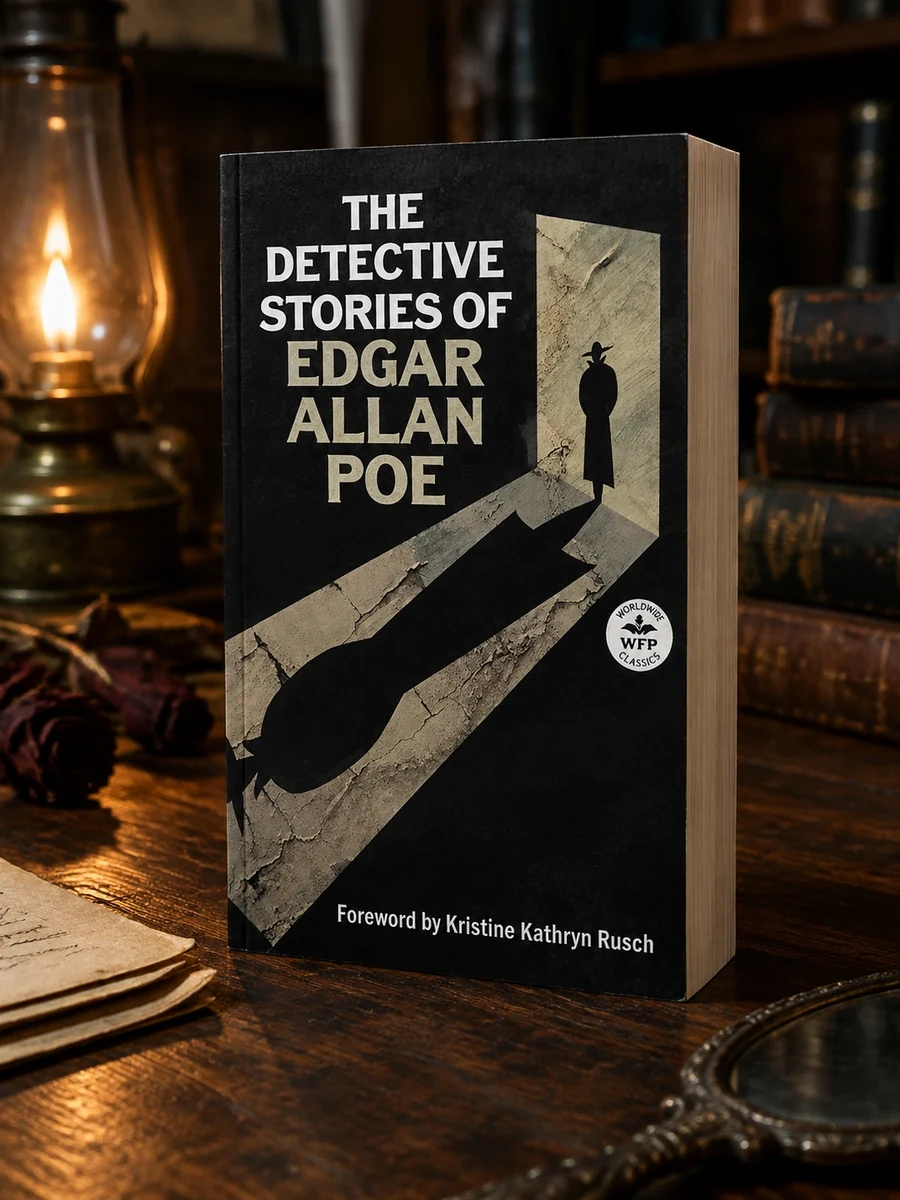
3. The Detective Stories of Edgar Allan Poe
The Detective Stories of Edgar Allan Poe collects the Dupin trilogy and related tales. "The Murders in the Rue Morgue" is the story that started it all—a locked-room mystery solved by pure deduction, written in 1841. It's a different Poe than the psychological horror reader: methodical, witty, almost playful. But it matters because it shows he could build suspense through intellect as well as fear. The collection also includes "The Mystery of the Marie Rogêt" and "The Purloined Letter," which deepen Dupin's character and show how Poe uses the detective form to explore obsession and hidden truth. Readers who love cerebral puzzles and vintage gothic atmosphere will find this essential.
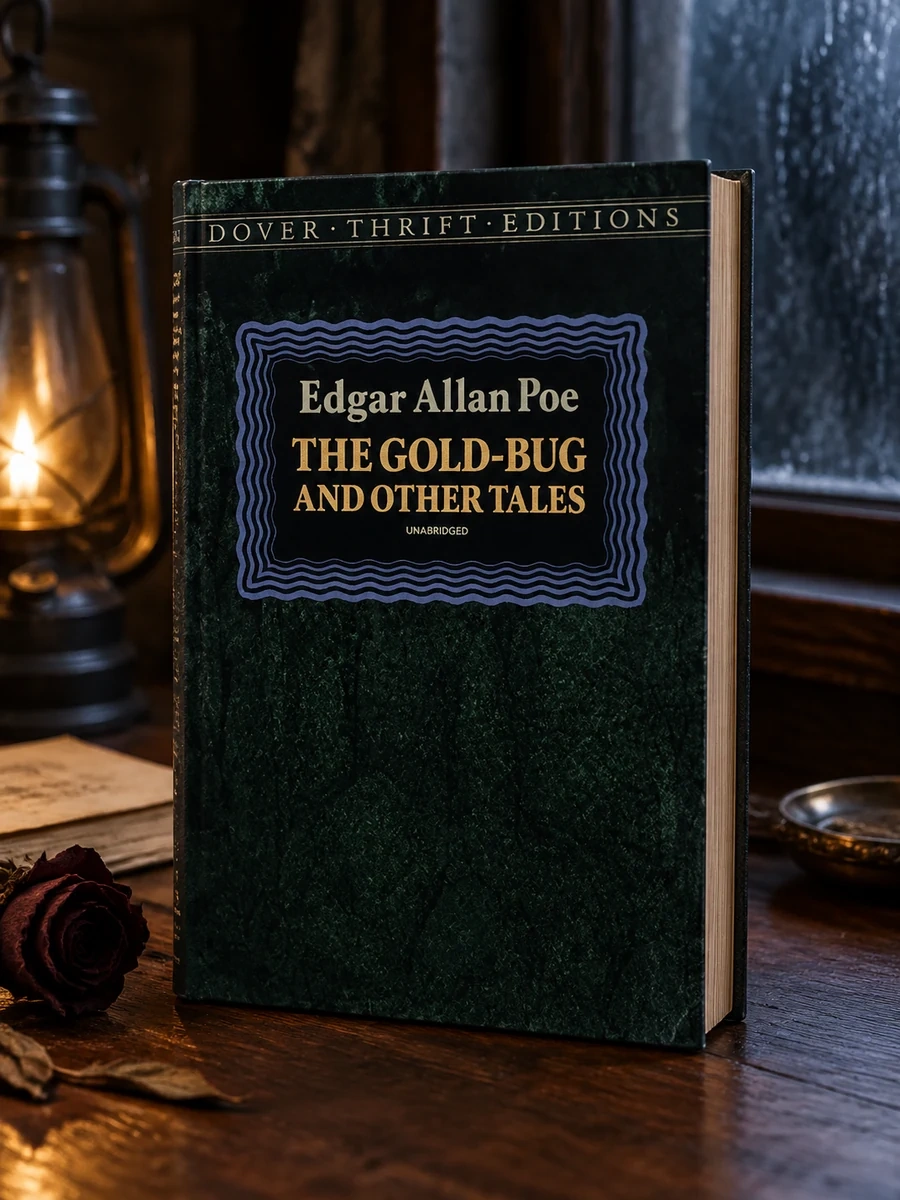
4. The Gold-Bug and Other Tales
The Gold-Bug and Other Tales is Poe's other major puzzle story. "The Gold-Bug" is a cryptography tale—a man obsessed with decoding a cipher that leads to buried treasure. It's adventure and mystery mixed, less dark than the Dupin stories but equally clever. This collection is cheap (under $10) and shows Poe's lighter side, which matters because it prevents you from thinking he only wrote about madness and decay. He could write excitement, humor, and intellectual play.
The Gothic Architecture of Terror
Now move into Poe's most famous territory: stories where the setting itself is a character, where houses rot, where atmosphere becomes unbearable. These are the tales that influenced cosmic horror and modern gothic fiction.
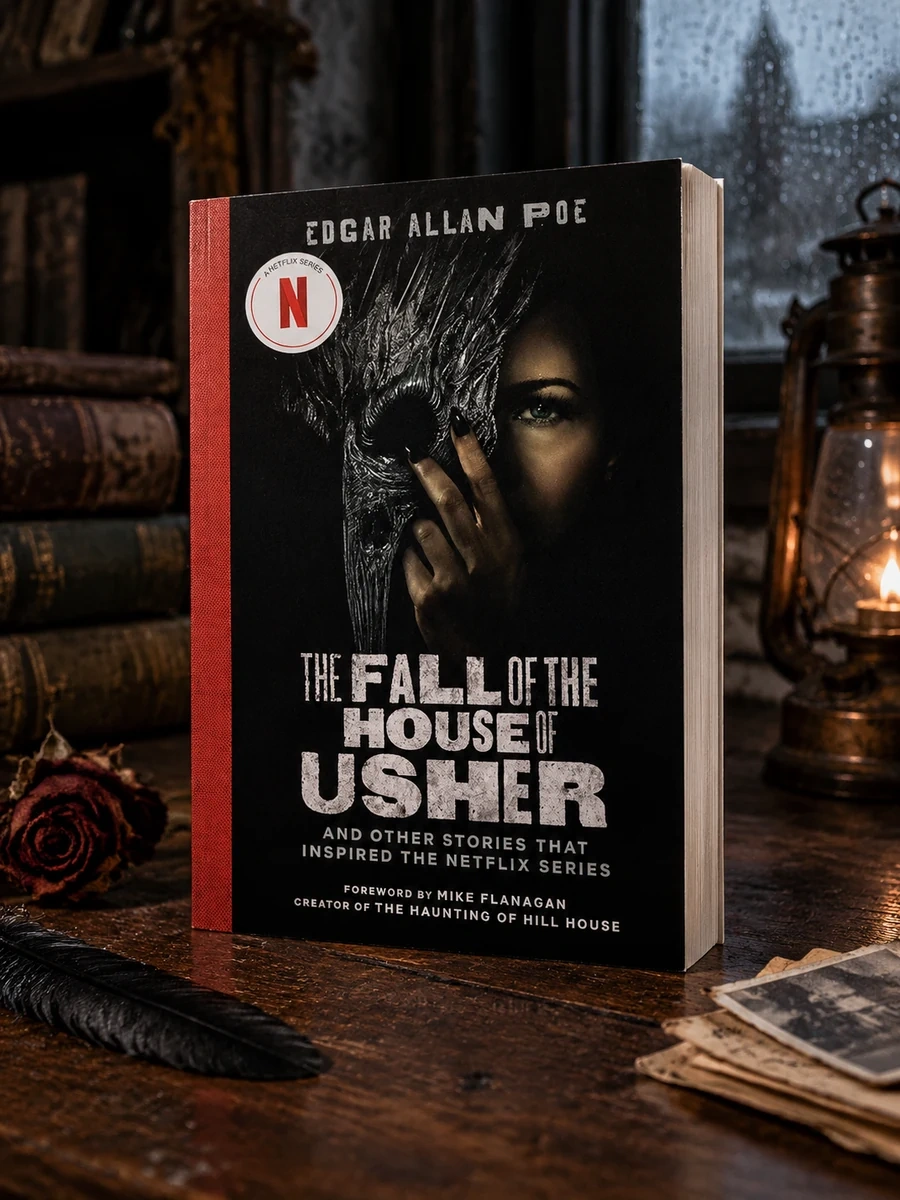
5. The Fall of the House of Usher (TV Tie-In Edition): And Other Stories That Inspired the Netflix Series
The Fall of the House of Usher (TV Tie-In Edition) gives you the story that defined gothic horror in American literature. "The Fall of the House of Usher" is Poe's architectural nightmare: a narrator visits a childhood friend in a decaying mansion and watches as the house and its inhabitants collapse into madness and death. The story works on multiple levels—as a ghost story, as psychological horror, as a meditation on decay and inbreeding and artistic obsession. The tie-in edition includes other essential tales like "Ligeia" (obsession and the return of the dead) and "The Masque of the Red Death" (plague, masquerade, and the inevitability of death). This collection is where Poe's full gothic power becomes clear.
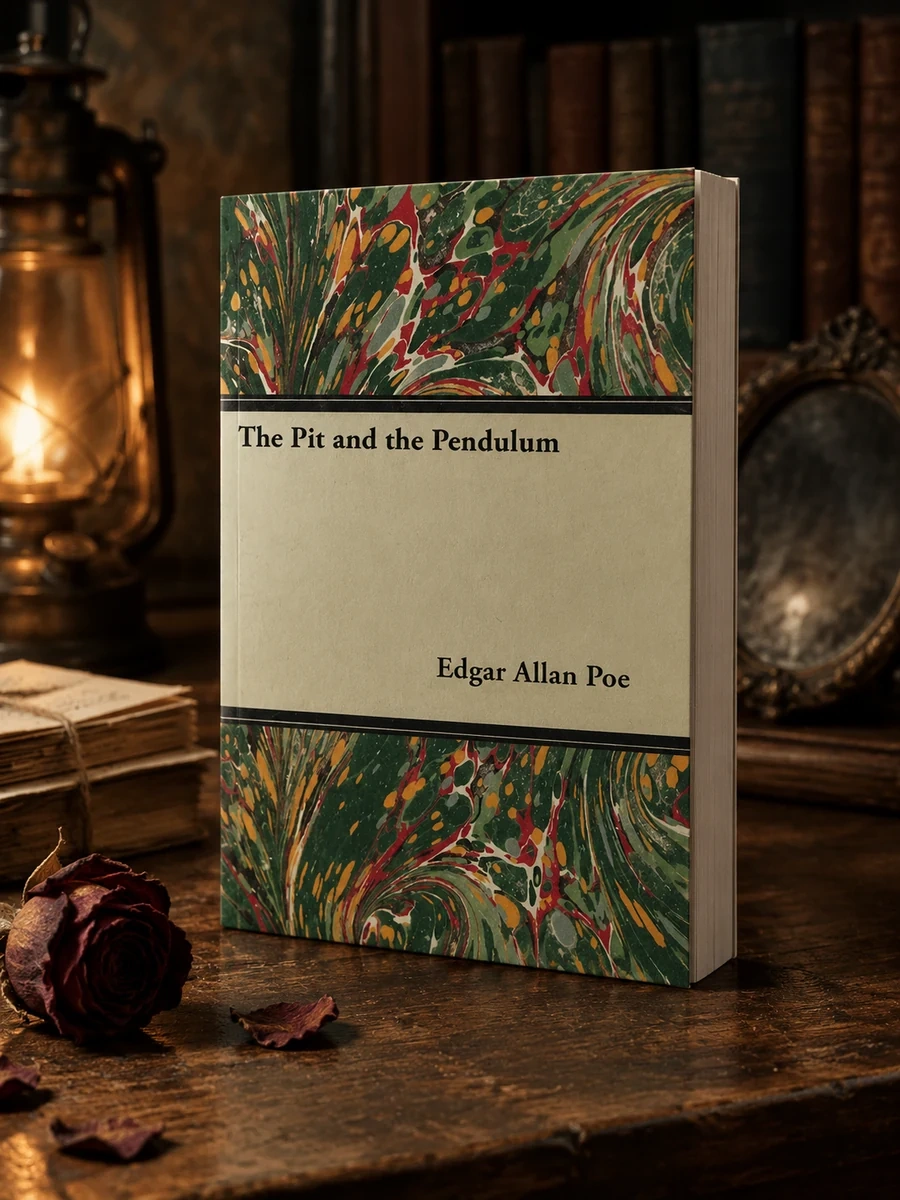
6. The Pit and the Pendulum
The Pit and the Pendulum is Poe's torture chamber. A man wakes in darkness, imprisoned by the Spanish Inquisition, and must navigate a room designed to kill him. It's pure physical horror—the swinging blade, the pit, the closing walls—but it's also psychological because Poe makes you experience the prisoner's desperation and the slow realization of his doom. It's shorter than "The Fall of the House of Usher" but no less intense. This story influenced every torture-horror narrative that came after. Read it as a standalone or as part of a larger collection.
The Complete Picture: Poems and Prose Together
Once you've read the core stories above, you need the poems—not just "The Raven," but the full range of Poe's verse. His poems are where his obsessions with death, beauty, loss, and the supernatural reach their most lyrical intensity.
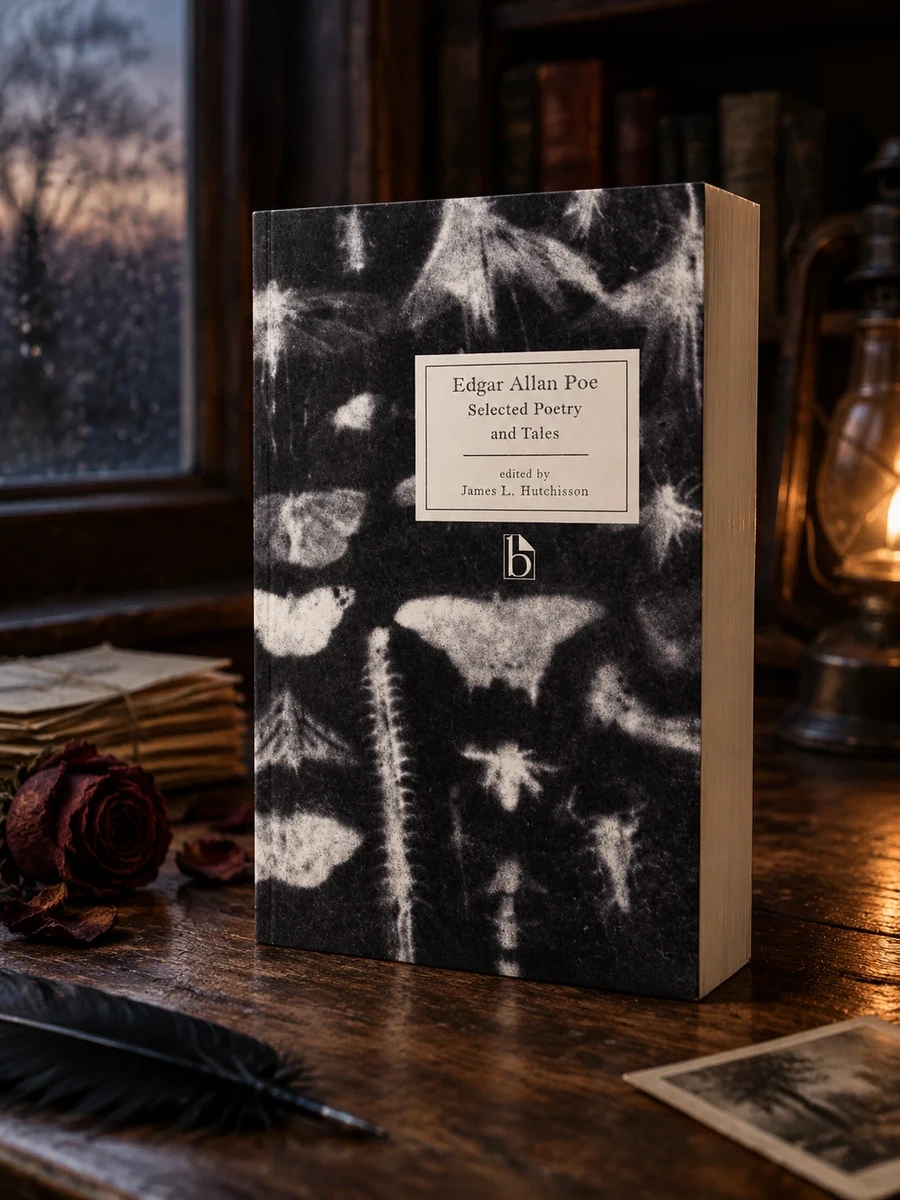
7. Edgar Allan Poe: Selected Poetry and Tales
Edgar Allan Poe: Selected Poetry and Tales is a balanced collection that pairs essential stories with his major poems. You get "The Raven," yes, but also "Annabel Lee," "The Bells," "Lenore," and "The Sleeper." The poems show Poe's obsession with beautiful women dying young, with loss and memory, with sound and rhythm as tools of emotion. The prose selections are curated, so you're not drowning in lesser work. This is a solid middle-ground collection—not exhaustive, but representative.
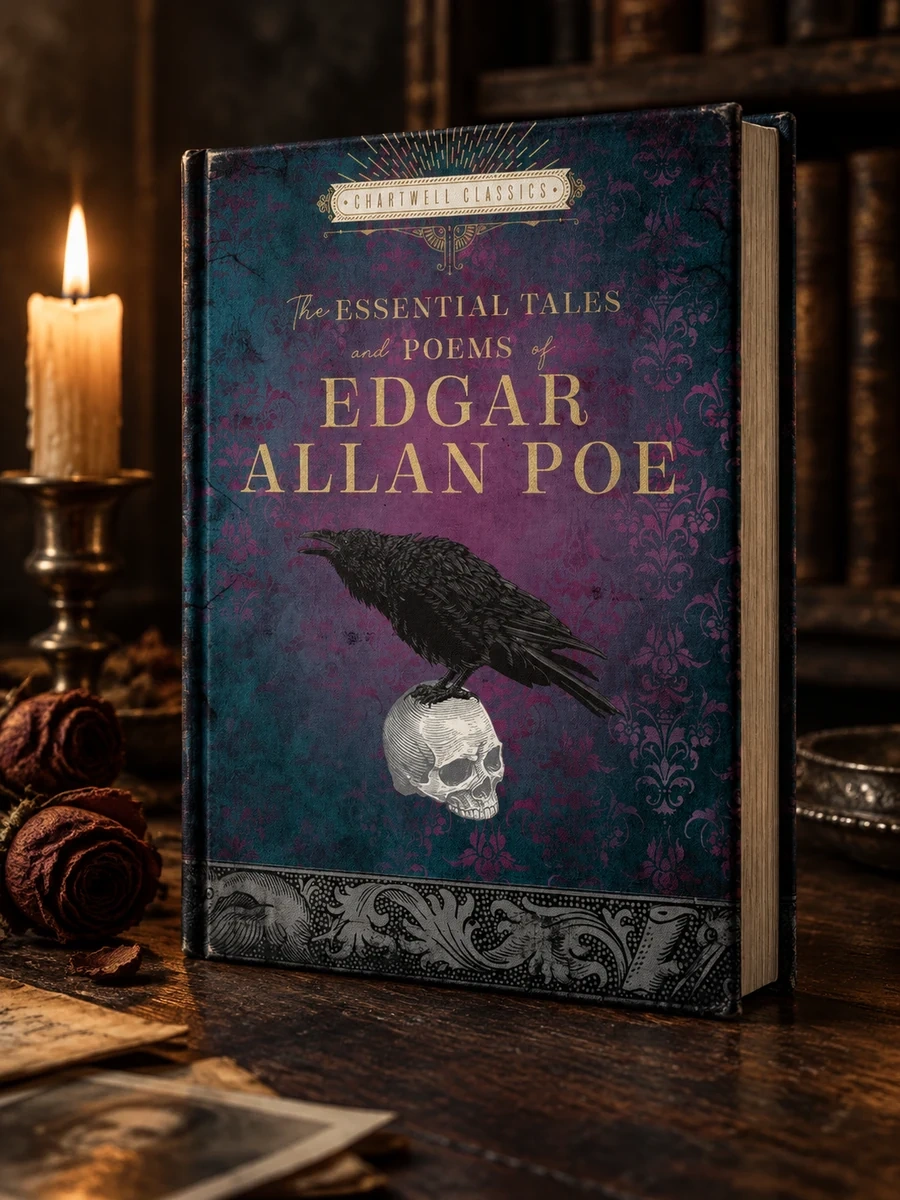
8. The Essential Tales and Poems of Edgar Allan Poe
The Essential Tales and Poems of Edgar Allan Poe is even more streamlined and affordable (under $15). It's designed for readers who want the canonical works without the deep cuts. If you're building a personal library and want one Poe book that covers the major ground, this works. It's not complete, but it's complete enough for most readers.
9. Edgar Allan Poe: Collected Works
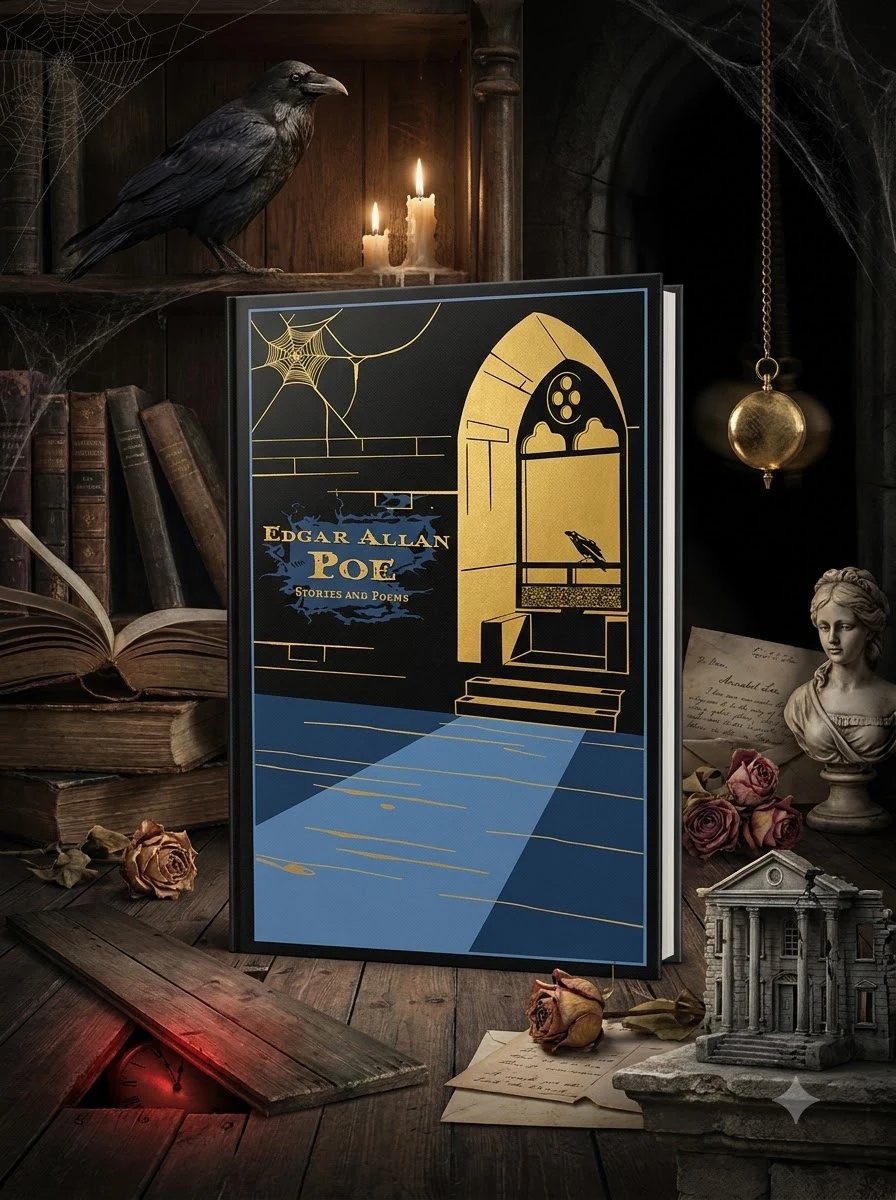
Edgar Allan Poe: Collected Works is the comprehensive option. Once you've read the core stories and poems above, this collection lets you explore the full range: lesser-known tales, all the poems, his criticism and essays, fragments. It's around $25 and gives you everything. This is the book you buy when you're ready to go deep—when you want to read "Ligeia" and "Morella" and "The Cask of Amontillado" and understand how Poe's obsessions evolved across his career.
How to Choose Your Path
You don't have to read all nine books. Here's how to pick:
If you have one week: Start with The Tell-Tale Heart and Other Writings and The Detective Stories of Edgar Allan Poe. You'll see Poe's range—psychological horror and intellectual puzzle—in about 200 pages.
If you want the canonical experience: Read items 1, 2, 5, and 7 in order. That's roughly 400 pages of Poe's greatest work, poems and prose mixed, showing his full range from madness to mystery to gothic architecture to lyric verse.
If you're building a library: Buy The Essential Tales and Poems first (cheap, portable, complete enough). Then add Collected Works when you're ready to go deeper. Together they cost under $40 and cover everything.
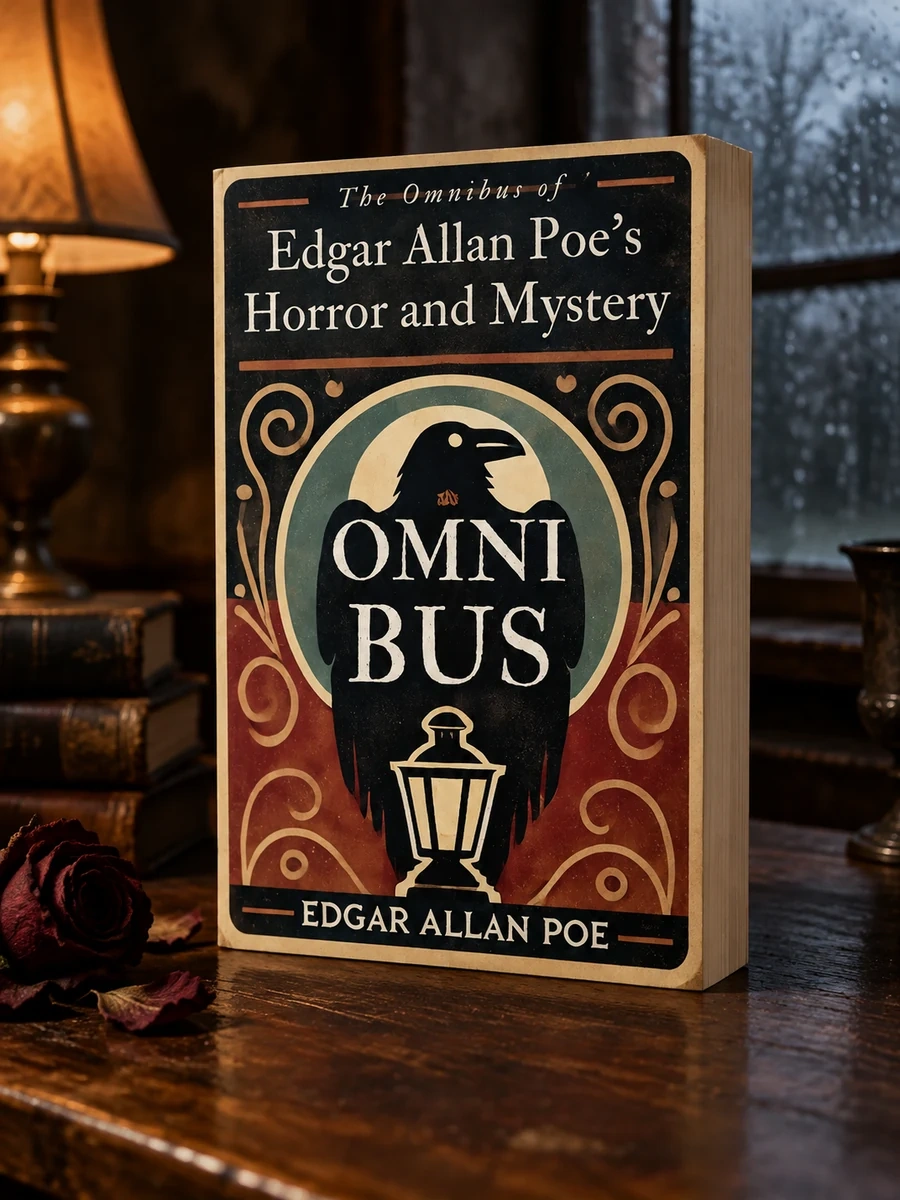
If you want everything at once: The Omnibus of Edgar Allan Poe's Horror and Mystery is designed for die-hard gothic enthusiasts and students of classic literature. It's comprehensive and unabridged, ideal for gifting or for readers who want the definitive Poe experience in one volume.
The key is this: don't start with "The Raven." Start with "The Tell-Tale Heart." Let Poe get inside your head. Once you understand how he builds psychological horror, the poems will hit differently. You'll hear the obsession in "Annabel Lee" and the dread in "The Bells" because you've already felt it in the prose. That's when Poe becomes not just a writer you've read, but a writer who's changed how you think about fear.