Grady Hendrix doesn't write horror that punishes you for reading it. His books are scary, yes—genuinely unsettling in ways that linger—but they're also propulsive, funny, and built on characters you actually care about. He's mastered something most horror writers struggle with: the balance between respecting the genre's traditions and making horror feel alive and urgent right now.
What makes Hendrix essential isn't just that he's good at scares. It's that he understands why we read horror in the first place. We want to feel something. We want to be transported. We want to recognize ourselves in the characters facing impossible situations. Hendrix delivers all three, whether he's writing about suburban vampires, haunted furniture stores, or women reclaiming power through witchcraft.
If you're new to his work—or looking to fill gaps in your collection—this reading order will guide you through his major novels and curated horror collections. Start anywhere that calls to you, but these ten books represent the full range of what makes Hendrix one of contemporary horror's most vital voices.
Start Here: Hendrix's Most Accessible Masterpieces
1. The Southern Book Club's Guide to Slaying Vampires — Grady Hendrix
This is the book that made Hendrix a household name in horror circles, and for good reason. Set in 1990s Charleston, it follows a group of suburban women who discover that their charming new neighbor is something far older and hungrier than he appears. The genius here is that Hendrix takes the vampire myth—one of horror's oldest traditions—and grounds it in the specific anxieties of middle-class women: isolation, invisibility, the slow erosion of agency.
The tone walks a perfect line between dark humor and genuine dread. These women are funny, flawed, and utterly believable, which makes their terror hit harder. If you've ever felt dismissed or underestimated, this book speaks directly to that rage. It's also a perfect entry point because it respects both newcomers to horror and longtime fans.
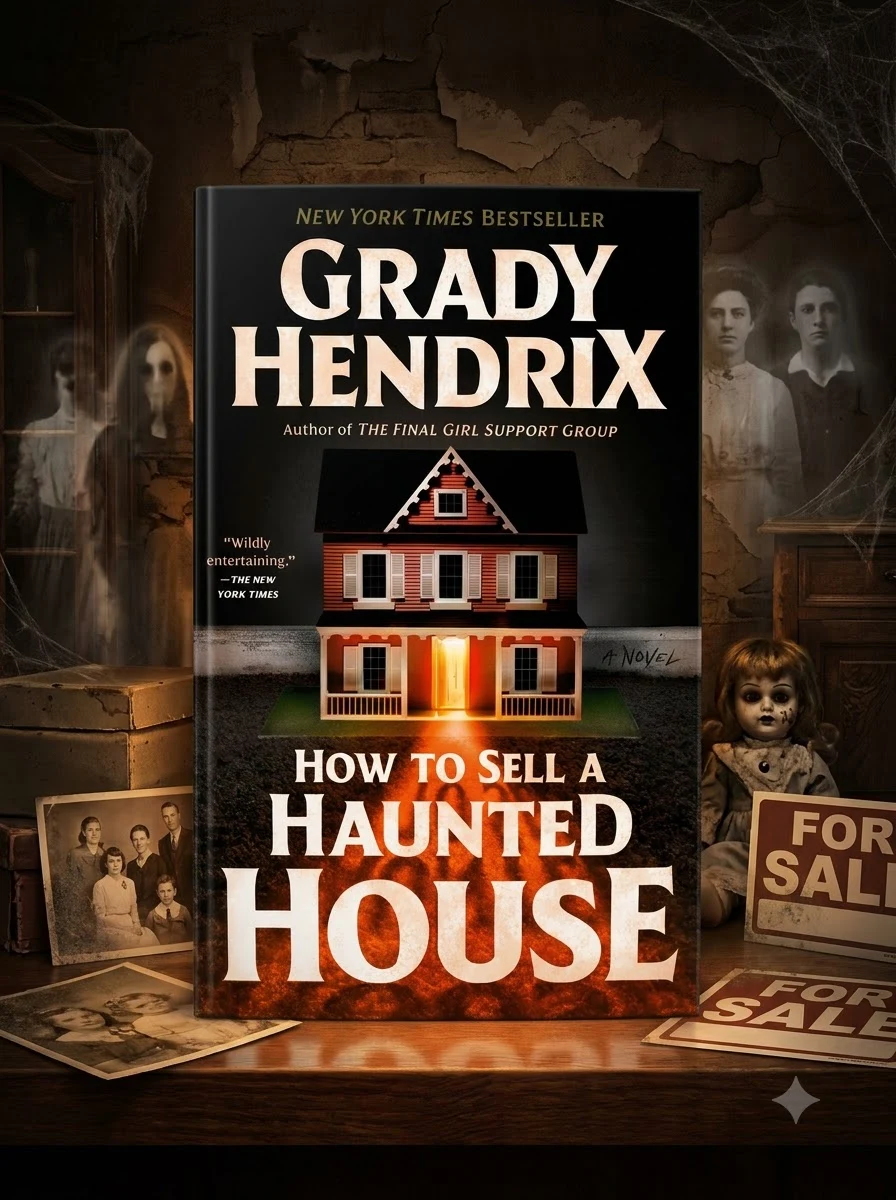
2. How to Sell a Haunted House — Grady Hendrix
A haunted house story for the modern age, this novel follows siblings forced to clean out their dead parents' home—only to discover it's actively, aggressively haunted. What could be a straightforward ghost story becomes something richer: a meditation on grief, family dysfunction, and the weight of inherited trauma.
Hendrix's dark comedy shines here. The horror is real, but so is the sibling banter, the awkward family dynamics, and the absurdity of trying to sell a property that's actively trying to kill you. It's the kind of book that makes you laugh out loud one moment and genuinely unnerved the next. Perfect for readers who want scares with emotional substance.
Ambitious and Complex: Hendrix's Psychological Depths
3. The Final Girl Support Group — Grady Hendrix
This is Hendrix at his most meta and psychologically complex. The premise: a support group for women who survived slasher movie-style attacks. But the twist transforms the entire narrative into something that questions the nature of trauma, survival, and the stories we tell about ourselves.
It's a love letter to horror cinema that also functions as a genuine thriller. Hendrix understands the grammar of slasher films so deeply that he can deconstruct it, rebuild it, and make it feel fresh. This book demands a second read; there are layers that only reveal themselves once you know where the story is heading.
4. Witchcraft for Wayward Girls — Grady Hendrix
Set in a 1970s reform school, this novel follows Fern, a girl accused of witchcraft who finds herself trapped in an institution designed to break her spirit. It's Hendrix's most overtly political work—a feminist horror story about institutional cruelty, the weaponization of shame, and the power of resistance.
The horror here is both supernatural and deeply human. Yes, there's genuine witchcraft and paranormal terror, but the scariest elements are the systems designed to control and punish women. Fern's fight for agency and survival feels urgent and earned. This is essential reading for anyone interested in how horror can be a vehicle for social critique without sacrificing scares.
Curated Collections: Hendrix as Curator and Adapter
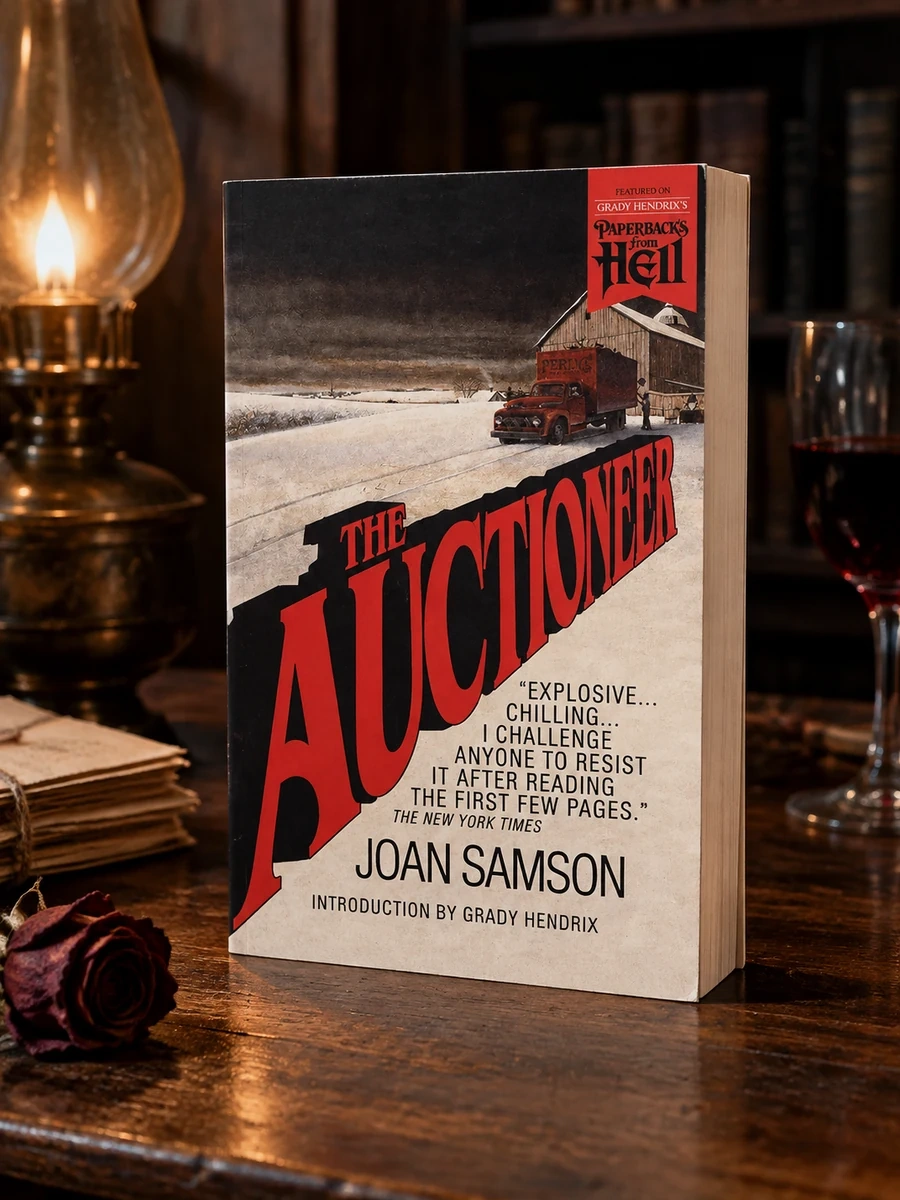
5. The Auctioneer (Paperbacks from Hell) — Grady Hendrix
Part of Hendrix's Paperbacks from Hell series, this is a reissue of a 1975 cult classic about a small farming community slowly losing everything to a charismatic stranger who arrives with an auction house. It's slow-burn dread at its finest—the kind of horror that builds through atmosphere and mounting tension rather than jump scares.
Hendrix's curation of these forgotten pulp horror gems is itself a service to the genre. He recognizes that some of the best horror was published in paperback originals in the 1970s and 80s, and he's bringing them back for new readers. If you love gothic isolation and the creeping sense that something is fundamentally wrong, this collection is invaluable.
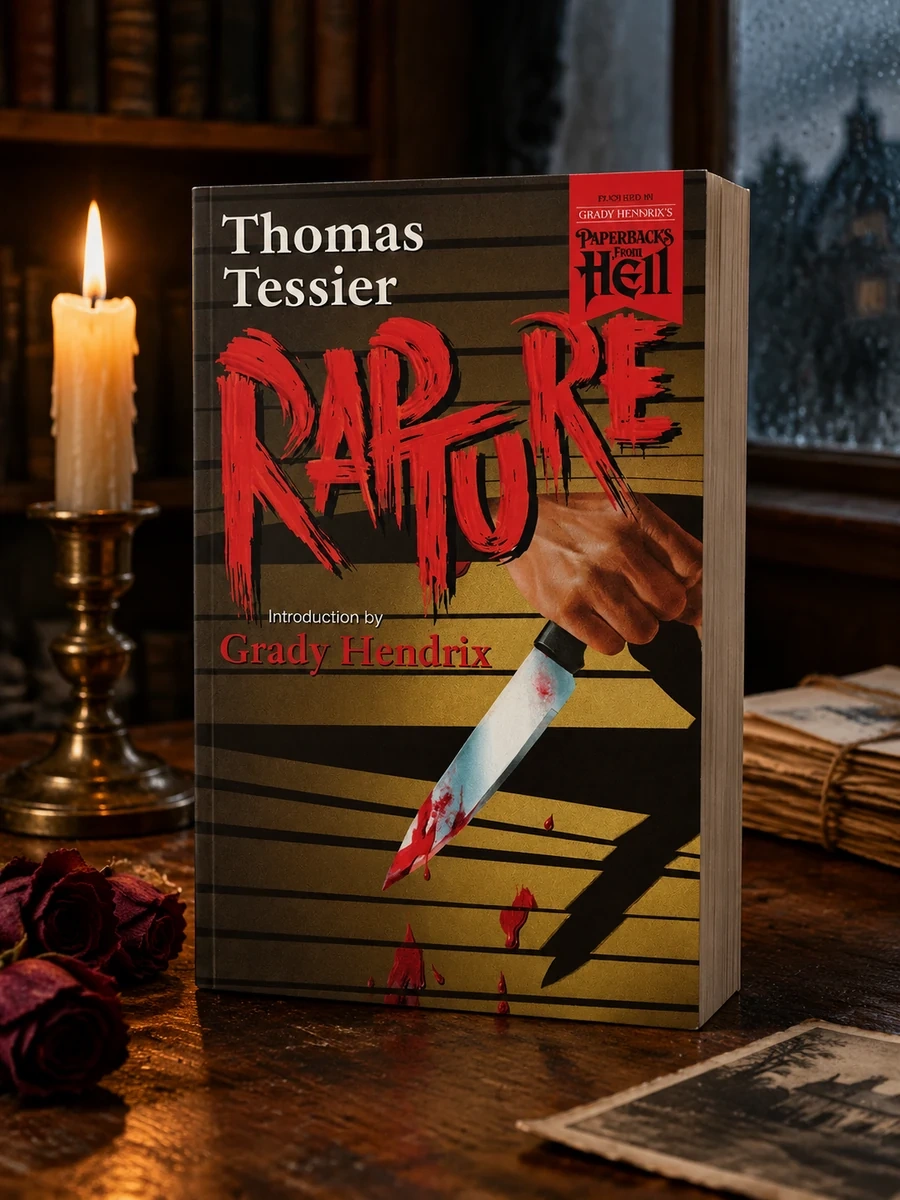
6. Rapture (Paperbacks from Hell) — Grady Hendrix
Another gem from the Paperbacks from Hell series, this is an intense psychological thriller about obsession and religious fervor. It's visceral and deeply unsettling in ways that feel almost transgressive. This isn't comfort horror; it's the kind of book that burrows into your brain and stays there.
Hendrix's selections for this series show his range as a curator. He's not just interested in fun, accessible horror—he's also championing the weird, the difficult, the genuinely disturbing. If you want to understand the full spectrum of what horror can do, these collections are essential.
Expanding Your Hendrix Collection
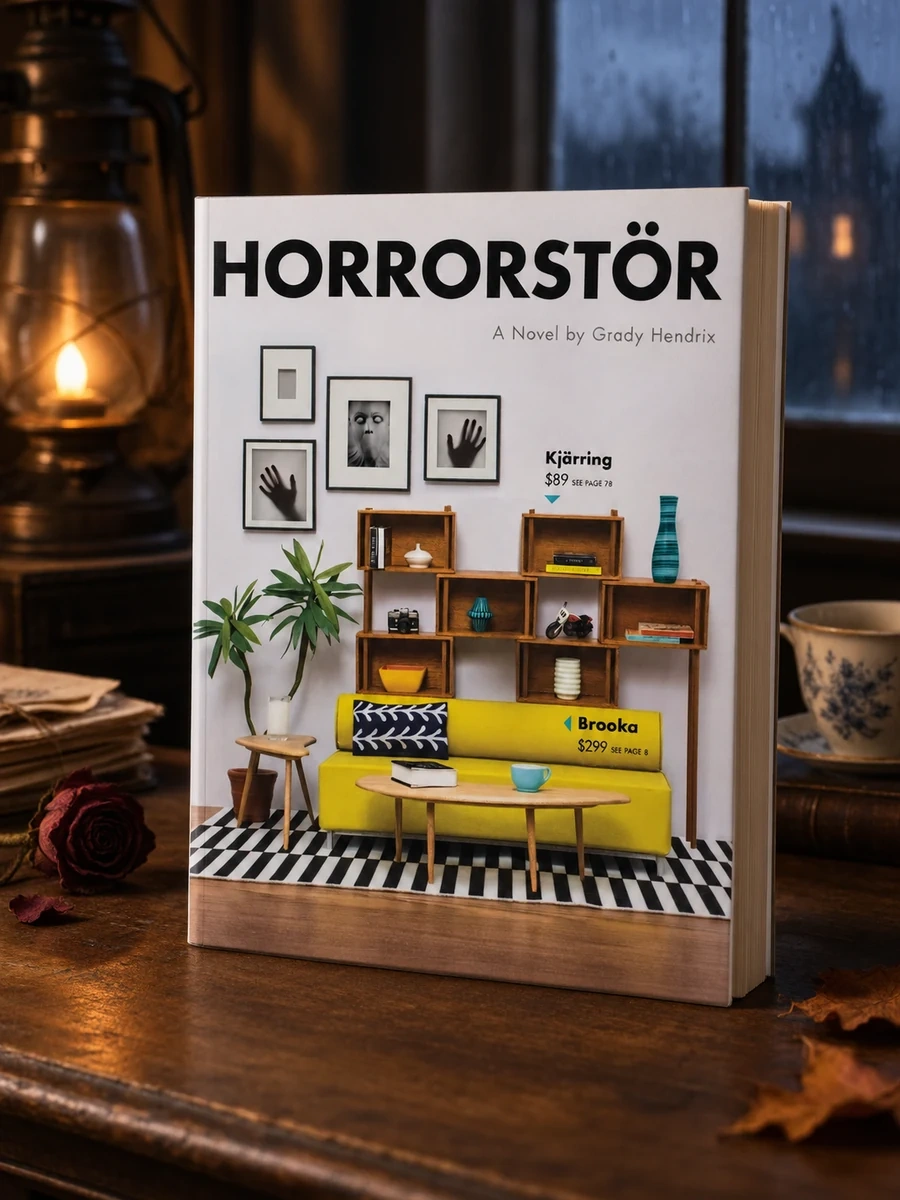
7. Horrorstor — Grady Hendrix
A haunted furniture store told through inventory lists, employee handbooks, and other found documents. It sounds gimmicky, but Hendrix executes it brilliantly. The format becomes part of the horror—the mundane corporate language slowly revealing something genuinely terrifying underneath.
This is Hendrix experimenting with form, and it works. The book is funny, creepy, and surprisingly moving. It's also relatively short and fast-paced, making it perfect if you want to experience his range without committing to a lengthy epic.
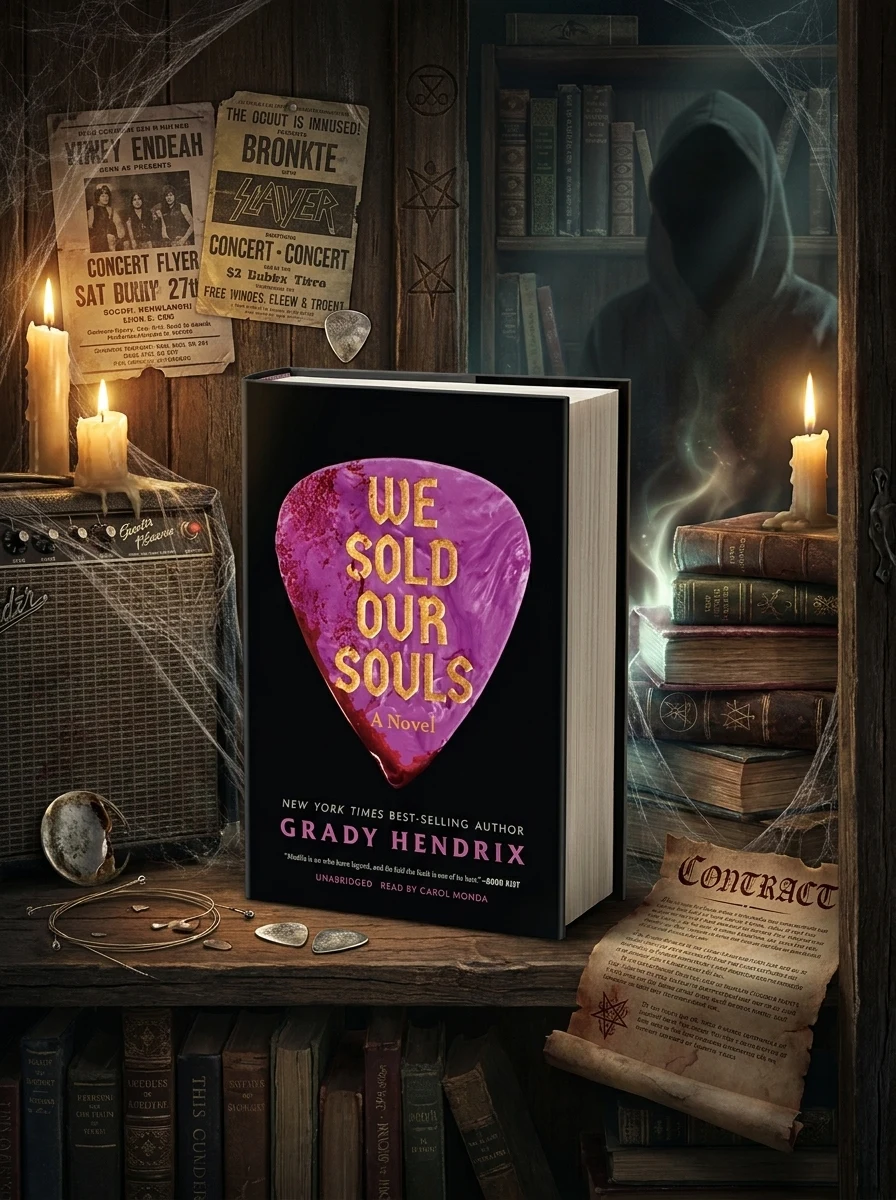
8. We Sold Our Souls — Grady Hendrix
A horror novel about a woman who discovers that a rock band she was in made a literal deal with the devil. It's a wild ride through the music industry, supernatural revenge, and the price of ambition. Hendrix brings the same character-driven approach here, making you care deeply about people caught in impossible situations.
The pacing is relentless, and the horror escalates in ways that feel earned rather than arbitrary. If you want Hendrix at his most propulsive and entertaining, this is it.
9. White Glove War — Grady Hendrix
A Southern Gothic tale with deep emotional stakes, this novel showcases Hendrix's ability to blend atmospheric dread with genuine character development. The setting and tone are quintessentially Southern Gothic, but the emotional core is universal—about family, legacy, and the things we inherit whether we want them or not.
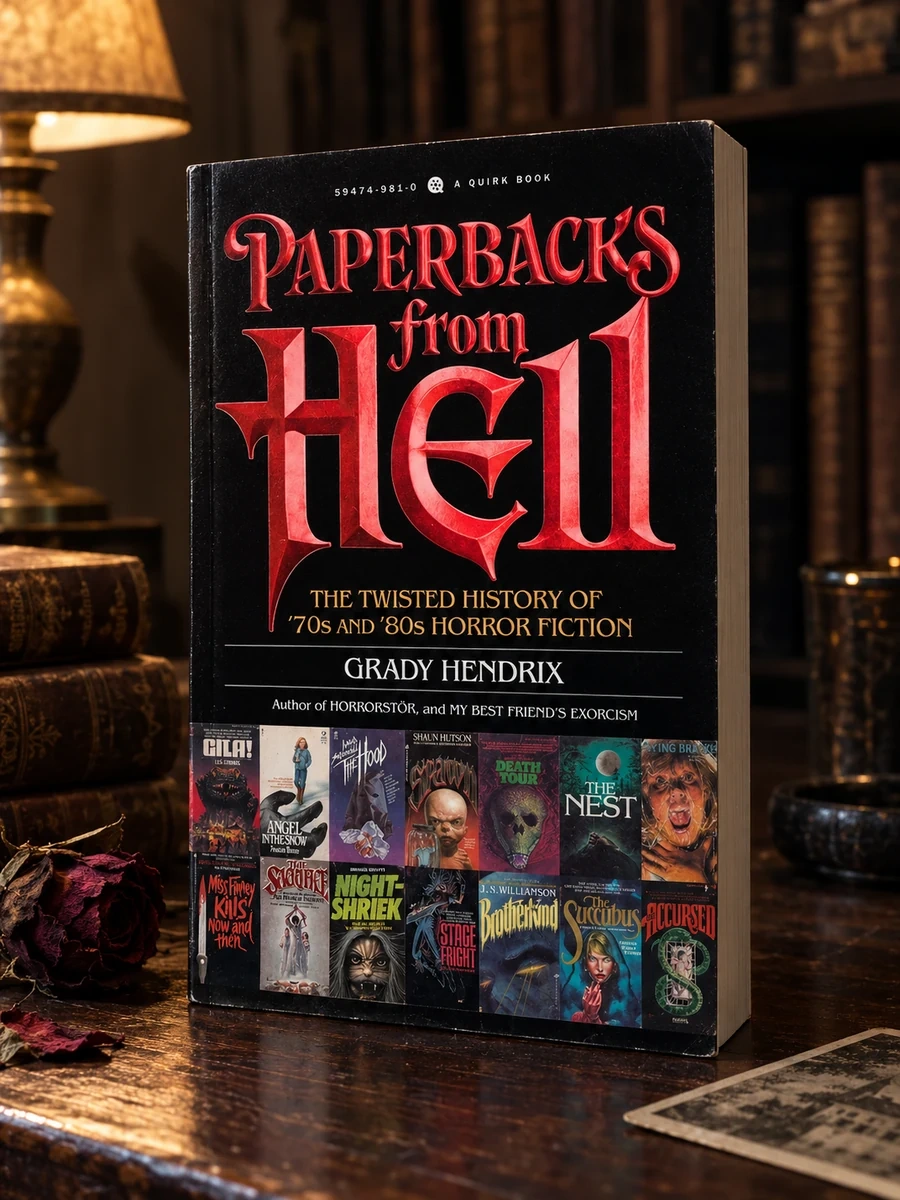
10. Paperbacks from Hell: The Twisted History of '70s and '80s Horror Fiction — Grady Hendrix
If you want to understand Hendrix's influences and his deep knowledge of horror history, this nonfiction collection is essential. It's a love letter to the pulp horror paperbacks of the 1970s and 80s, complete with gorgeous cover art and Hendrix's witty, knowledgeable commentary.
This book does double duty: it's both a nostalgic trip through forgotten horror and a masterclass in how to write about genre history with genuine passion. Reading this will deepen your appreciation for everything Hendrix does in his fiction.
How to Choose Your Starting Point
The beauty of Hendrix's work is that there's no wrong entry point. But here's how to think about it:
If you want fun, accessible horror with heart: Start with The Southern Book Club's Guide to Slaying Vampires. It's his most crowd-pleasing work and a perfect introduction to his voice.
If you want something shorter and more experimental: Try Horrorstor. It's playful, clever, and moves fast.
If you want emotional depth and character-driven horror: Pick How to Sell a Haunted House. The grief and family dynamics are as important as the scares.
If you want something ambitious and psychologically complex: Go for The Final Girl Support Group. It rewards close reading and sticks with you.
If you want to understand Hendrix's influences and philosophy: Start with Paperbacks from Hell, then move into his fiction with new appreciation.
Hendrix has become essential to contemporary horror because he understands something crucial: the best horror isn't about gore or jump scares. It's about making readers care about characters, then putting those characters through hell. He respects both the genre's traditions and his readers' intelligence. That's why his books work, and why they linger long after you've finished them.