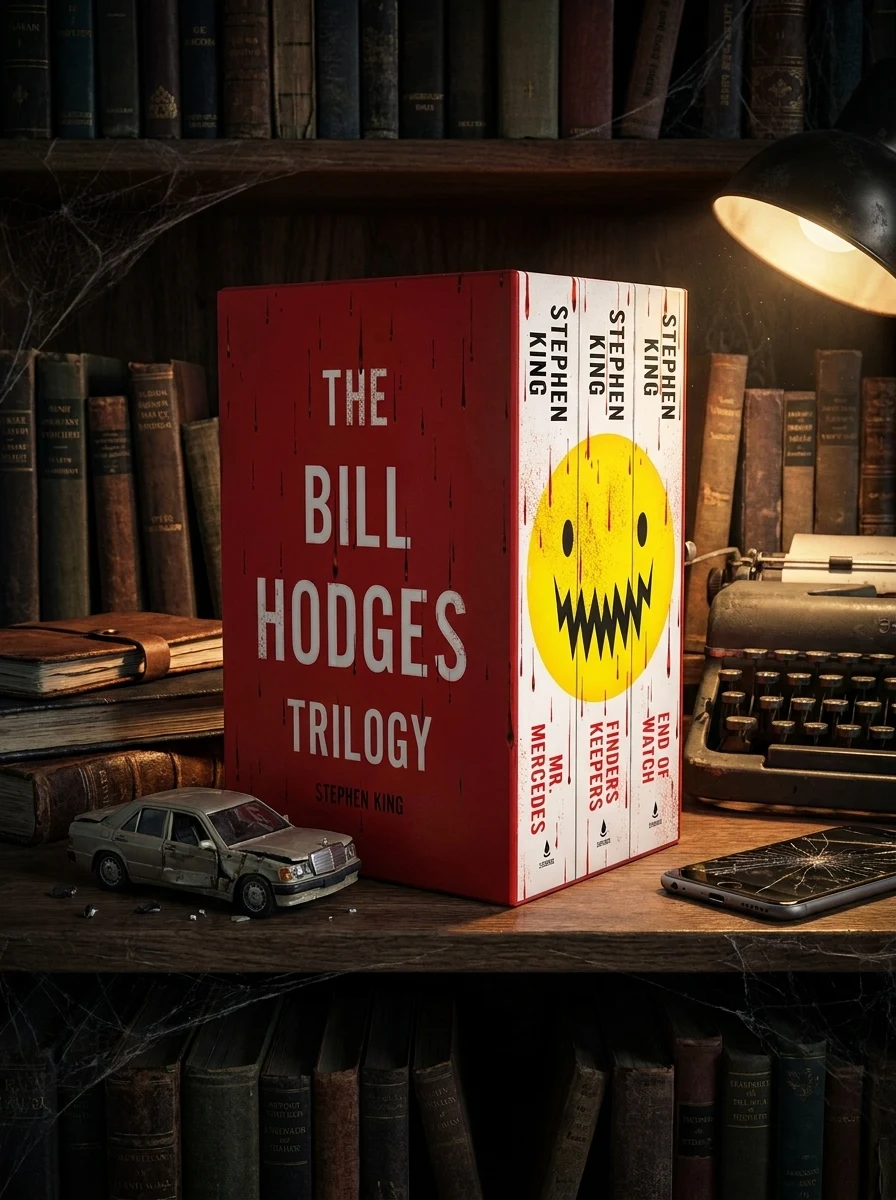
When most readers think of Stephen King, they picture haunted hotels, rabid dogs, or interdimensional entities. But the Bill Hodges trilogy—Mr. Mercedes, Finders Keepers, and End of Watch—represents a deliberate pivot. King strips away the supernatural entirely and instead locks us inside the minds of people consumed by obsession, revenge, and the slow erosion of sanity. For readers who loved the claustrophobic dread of Misery but want something grounded entirely in human evil, this trilogy is essential.
What makes the Hodges books remarkable is their restraint. There are no vampires, no psychic powers, no killer clowns from the sewers. Instead, King builds terror through procedure, psychology, and the meticulous documentation of how ordinary people become monsters—or how they hunt them. The trilogy spans a retired detective, an obsessive killer, a rare-book thief, and the web of violence that connects them all. It's King writing like a crime novelist who understands that the real horror lives in motivation, not makeup.
This guide walks you through all three books in order, explains what makes each one distinct, and helps you decide if this darker, grittier King is right for you.
Book One: The Obsessive Killer Emerges
1. Mr. Mercedes — Stephen King
Mr. Mercedes introduces retired detective Bill Hodges, a man slowly dying of boredom and depression in his small house. His only anchor to life is an unsolved case: a mass murder committed by a man driving a stolen Mercedes into a crowd of job seekers. The killer, Brady Hartsfield, is still out there—and he's been watching Hodges. When Brady makes contact, the novel becomes a psychological duel between a man with nothing left to lose and a killer who has everything to prove.
What distinguishes this book is King's willingness to spend real time inside Brady's fractured mind. He's not a supernatural entity or a force of nature; he's a tech-savvy sociopath with a dead-end job and a mother he despises. The horror comes from recognizing how plausible he is, how his rage could belong to someone you pass on the street. Hodges, meanwhile, is no action hero—he's arthritic, depressed, and fighting to stay relevant. Their collision is intimate and suffocating.
Book Two: The Thief and the Obsession
2. Finders Keepers — Stephen King
Finders Keepers shifts focus but maintains the trilogy's obsessive core. A young man named Pete Saubers discovers a cache of unpublished manuscripts hidden by a famous author—and becomes convinced they're his ticket to freedom. Meanwhile, a career criminal named Morris Bellamy has spent decades in prison obsessing over those same manuscripts, certain they belong to him. When Morris is released, he hunts Pete with the single-minded intensity of a man whose entire identity has been consumed by this theft.
This book is King at his most procedural. He takes time to show us Morris's prison years, Pete's family struggles, and the detective work that eventually pulls Hodges back into the case. The psychological horror here is different from Mr. Mercedes—it's less about a killer's mind and more about how obsession can hollow out a person entirely. Morris has nothing except his rage and his certainty. That emptiness is terrifying in a way that no jump scare could be.
Book Three: The Reckoning
3. End of Watch — Stephen King
End of Watch brings all three threads together: Brady Hartsfield, now in a coma but somehow still dangerous; Pete Saubers, now a young man trying to move forward; and Bill Hodges, whose health is failing. The novel introduces a supernatural element—Brady's consciousness seems to persist even as his body lies inert—but it's used sparingly and serves the psychological horror rather than replacing it. The real terror is watching these characters circle each other one final time, knowing that obsession doesn't die just because the body does.
End of Watch is the most emotionally complex book in the trilogy. King allows his characters to age, to fail, to lose. There are no clean victories here, only the exhausted recognition that some battles never truly end. For readers who've invested in Hodges, Brady, and Pete across two previous novels, the payoff is devastating.
Why This Trilogy Matters: King's Shift in Voice
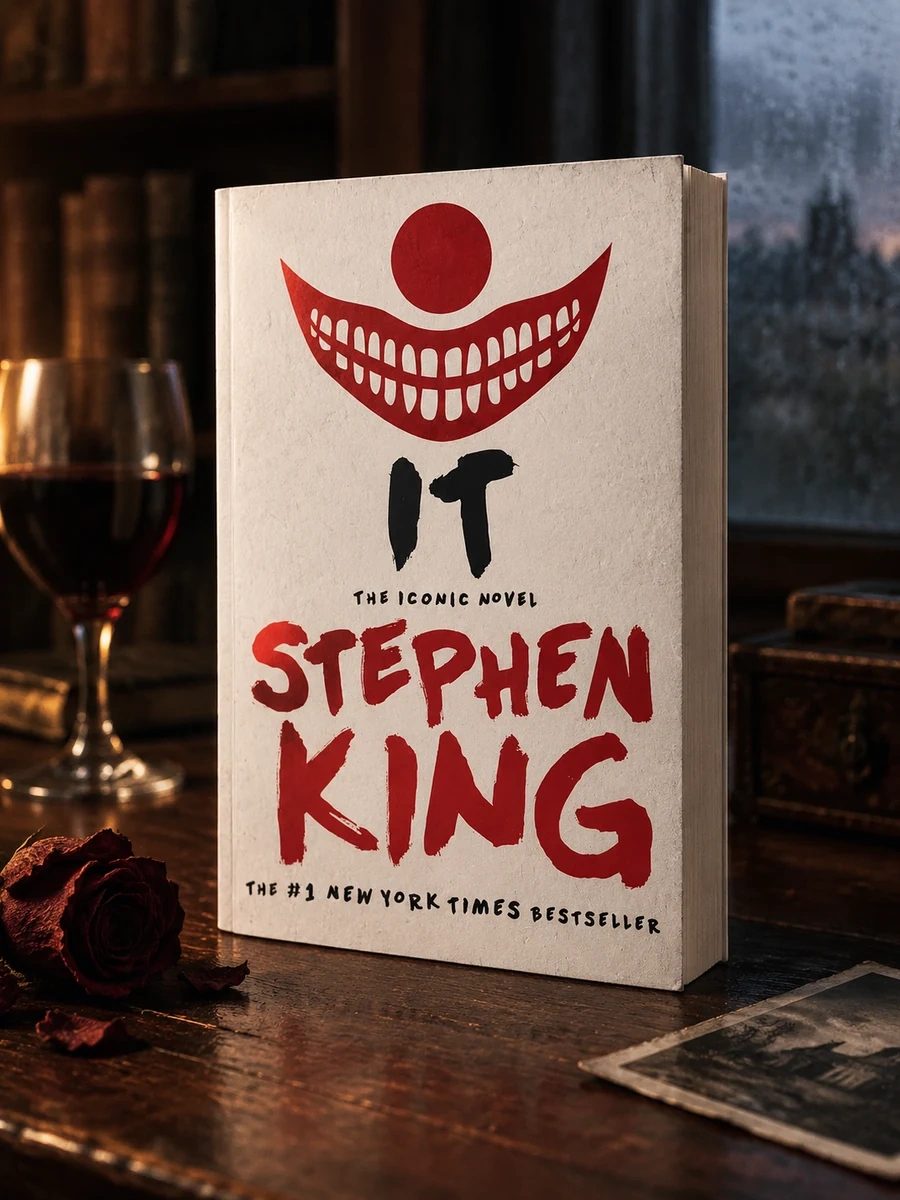
The Hodges trilogy represents a deliberate departure from King's earlier work. Where Misery uses a single confined space to build dread, the Hodges books use procedure and psychology. Where It balances childhood wonder with cosmic horror, the Hodges books offer no escape into fantasy. They're grounded, procedural, and relentlessly focused on human motivation.
This makes them perfect for readers who've grown tired of King's supernatural apparatus but still crave his gift for character and obsession. If you loved the claustrophobic intensity of Misery or the moral ambiguity of Apt Pupil, the Hodges trilogy will feel like a natural evolution. If you're drawn to crime fiction but want something with deeper psychological complexity, King's procedural voice here is surprisingly effective.
The trilogy also showcases King's ability to write across genres without losing his essential voice. These are crime thrillers, yes—but they're crime thrillers written by someone who understands that the most terrifying thing about human beings is how ordinary they can be right up until the moment they're not.
Similar King Works: Grounded Psychological Horror
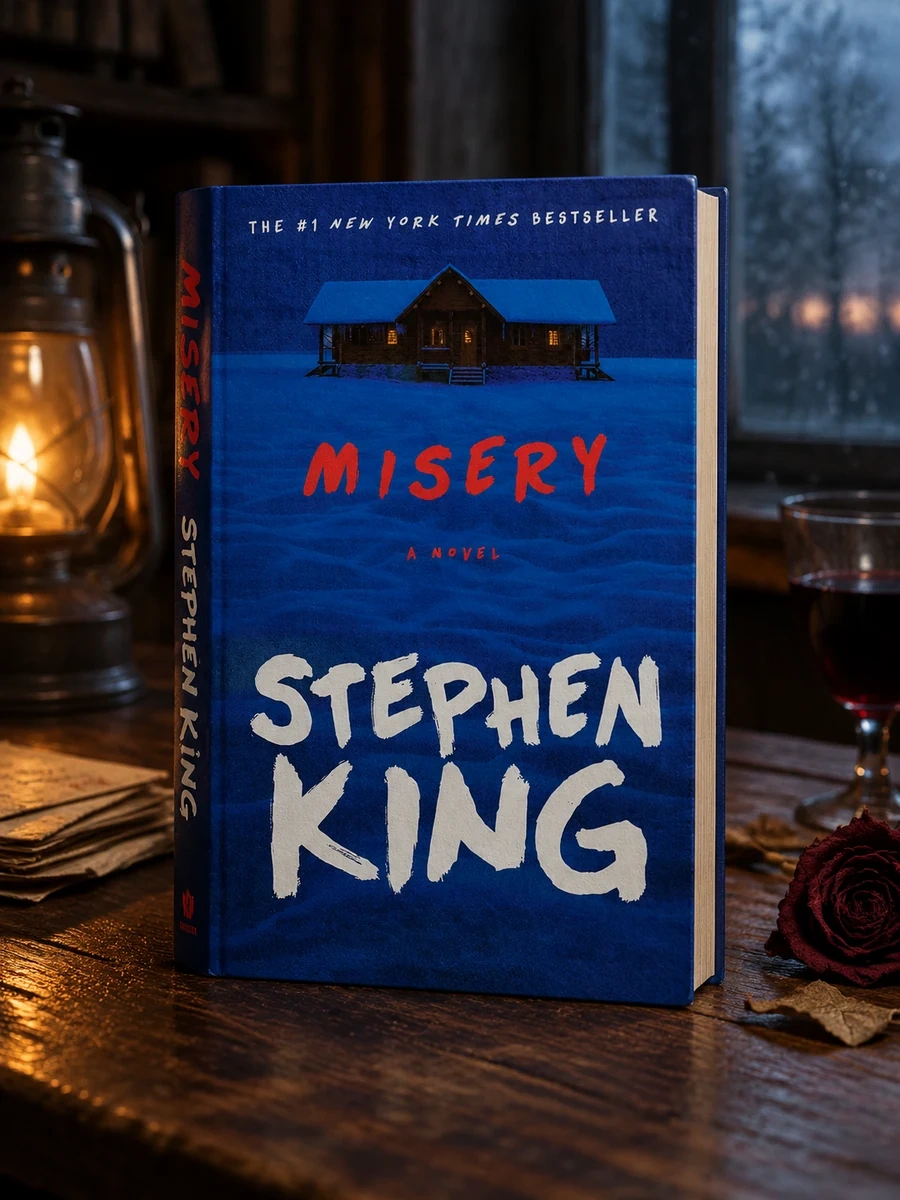
4. Misery — Stephen King
If you finish the trilogy and crave more King focused on human obsession, Misery is the obvious next step. Readers craving claustrophobic psychological dread and intense power dynamics will find this essential. The novel traps you in a single location with two characters locked in a battle of wills, where the only monster is human.
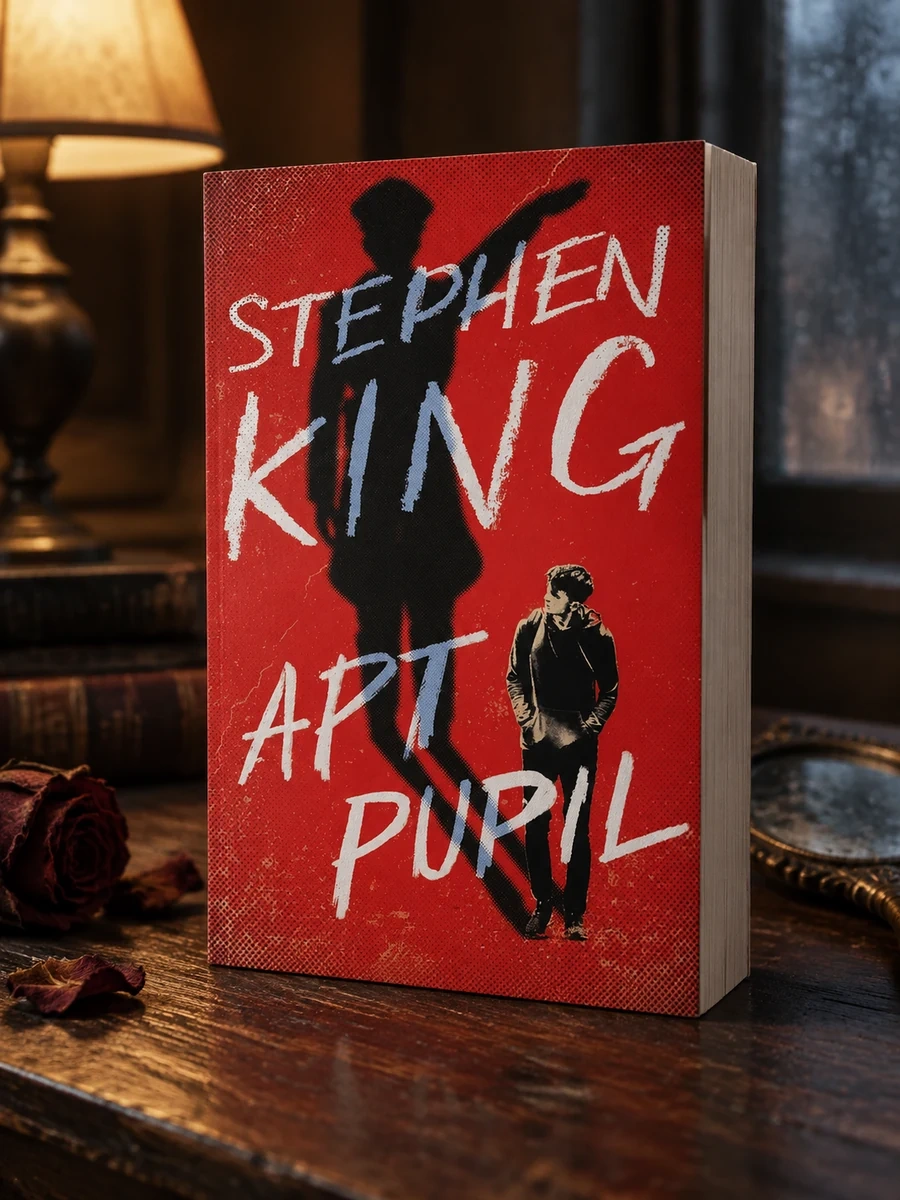
5. Apt Pupil — Stephen King
Apt Pupil shares the Hodges trilogy's focus on moral corruption and the slow erosion of a person's humanity. Seekers of psychological dread and moral ambiguity will find this tale of blackmail and decay gripping, though it operates on a smaller, more intimate scale than the trilogy.
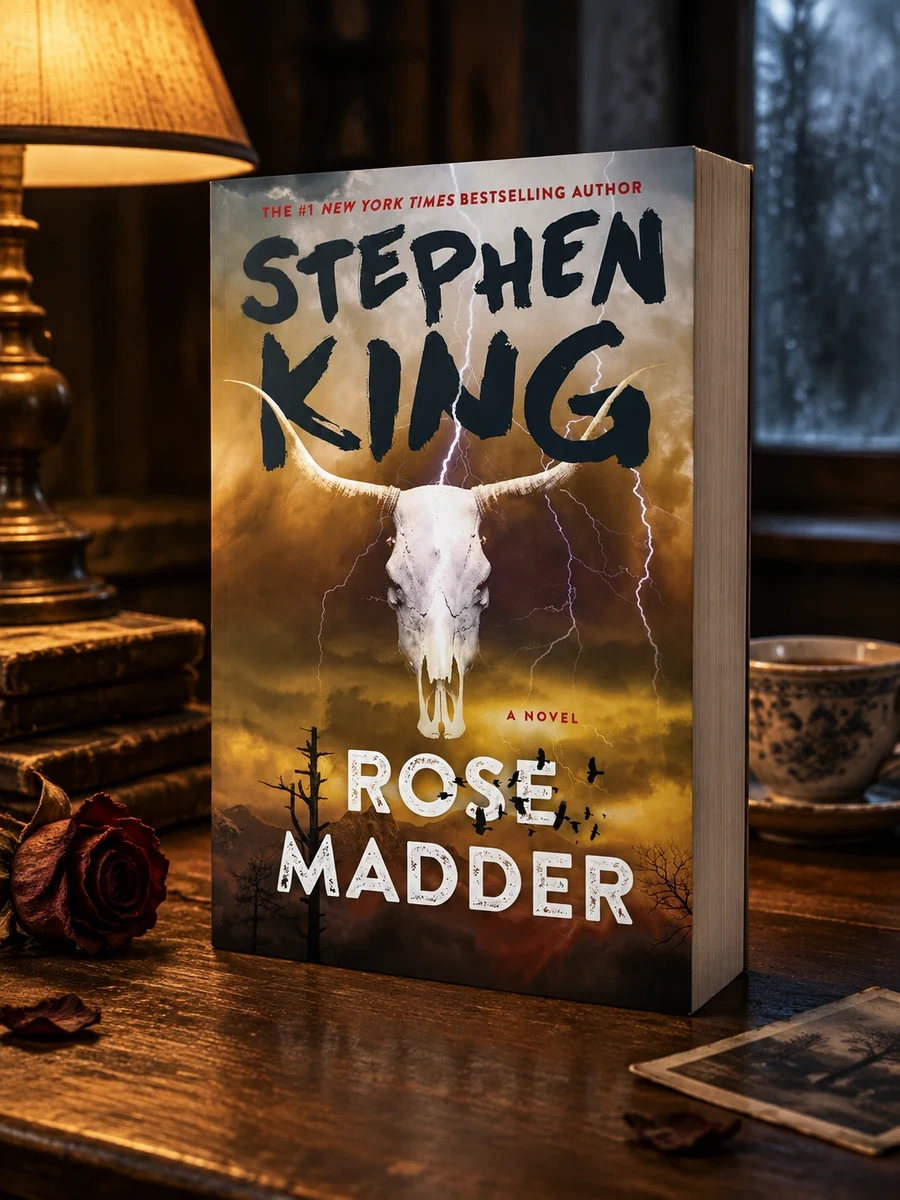
6. Rose Madder — Stephen King
Rose Madder offers another exploration of psychological horror rooted in human violence. Readers craving visceral, psychological horror will find this compelling, particularly those interested in how King explores trauma and survival.
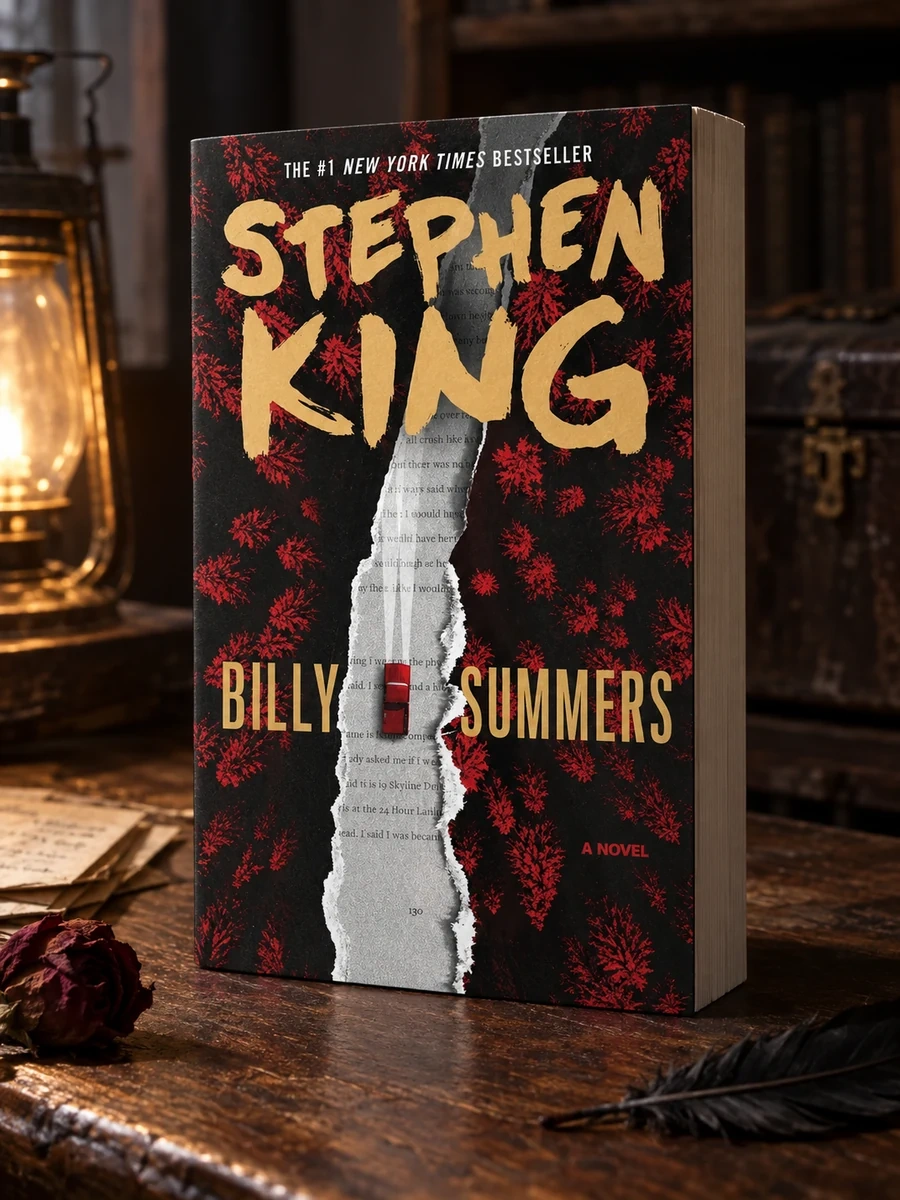
7. Billy Summers — Stephen King
Billy Summers continues King's interest in character studies and moral ambiguity. This is for readers who crave deep character studies and moral ambiguity over mindless action, much like the Hodges books themselves.
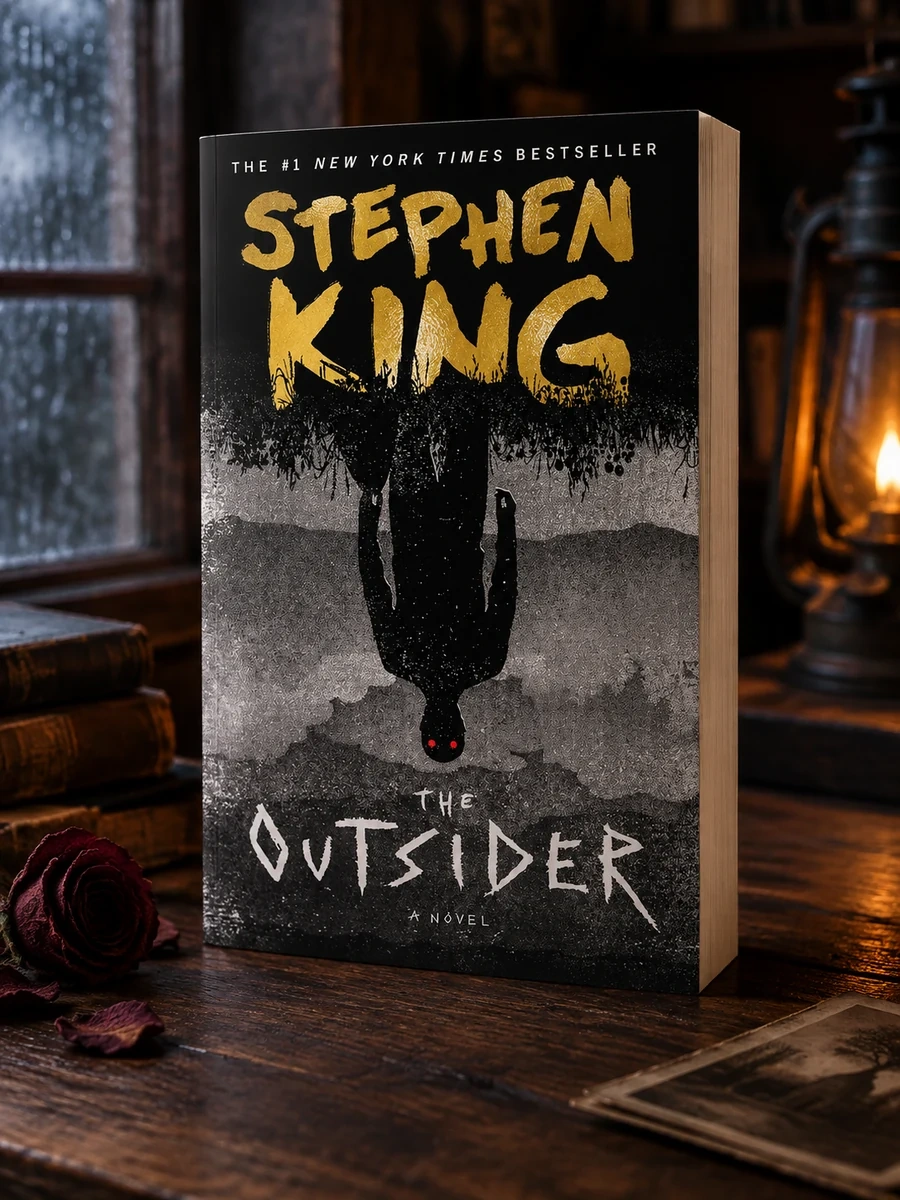
8. The Outsider — Stephen King
The Outsider blends procedural crime fiction with subtle supernatural elements, similar to how End of Watch operates. Readers craving psychological thrillers that fracture reality will love this, and fans of grounded, domestic horror find the premise chilling.
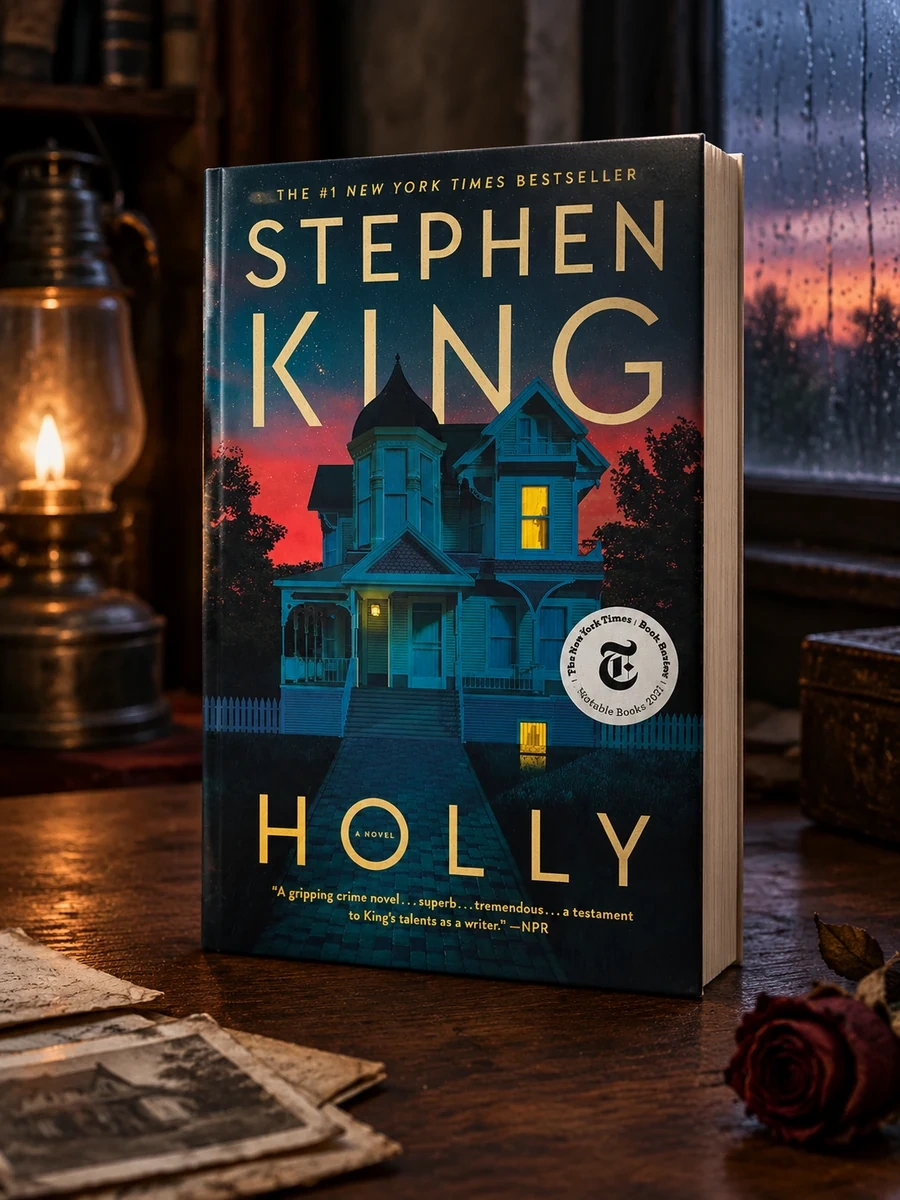
9. Holly — Stephen King
Holly showcases King's psychological depth and suburban gothic atmosphere. If you crave King's character work and psychological intensity over jump scares, this is for you, fitting fans of character-driven mysteries.
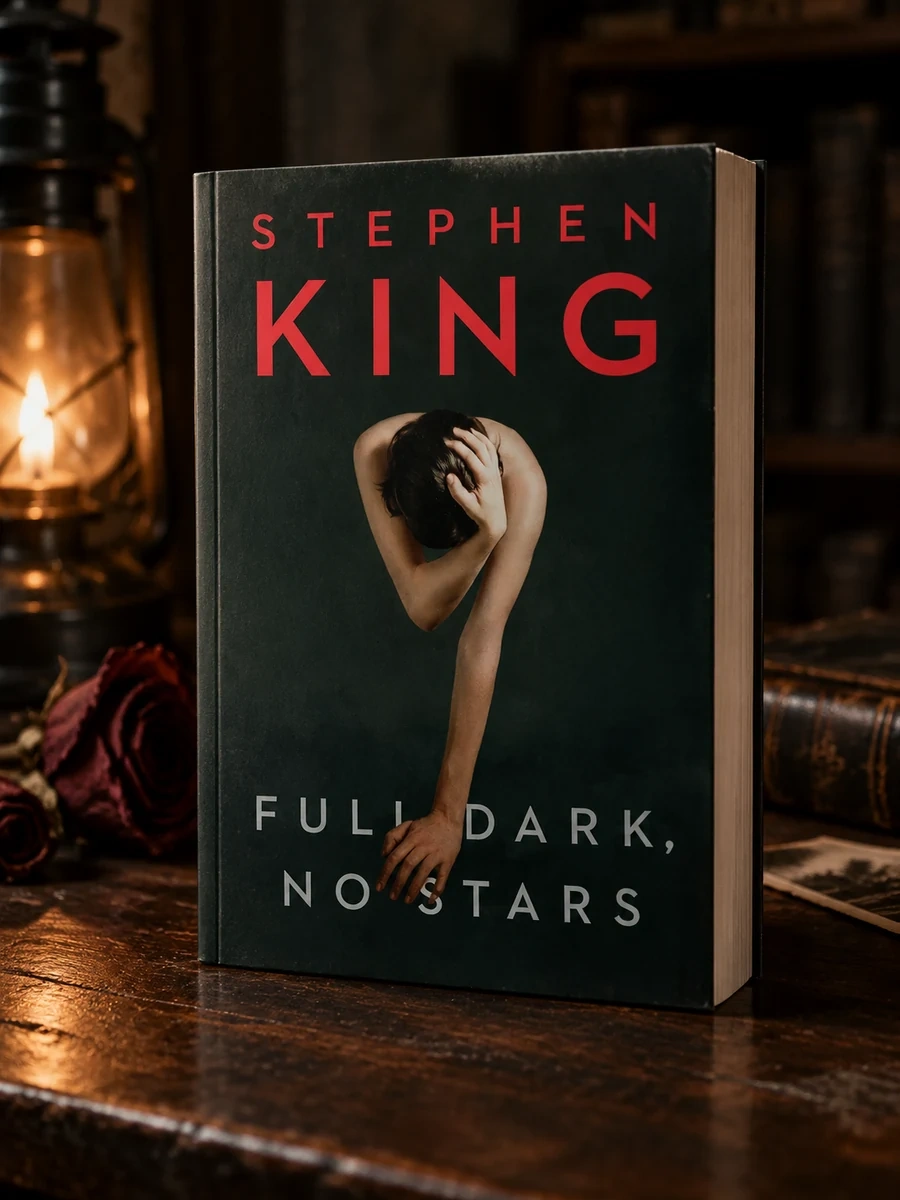
10. Full Dark, No Stars — Stephen King
Full Dark, No Stars is a collection that seekers of psychological dread will relish, especially fans who enjoy King's nuanced character studies over simple monster hunting. These stories share the trilogy's focus on human evil.
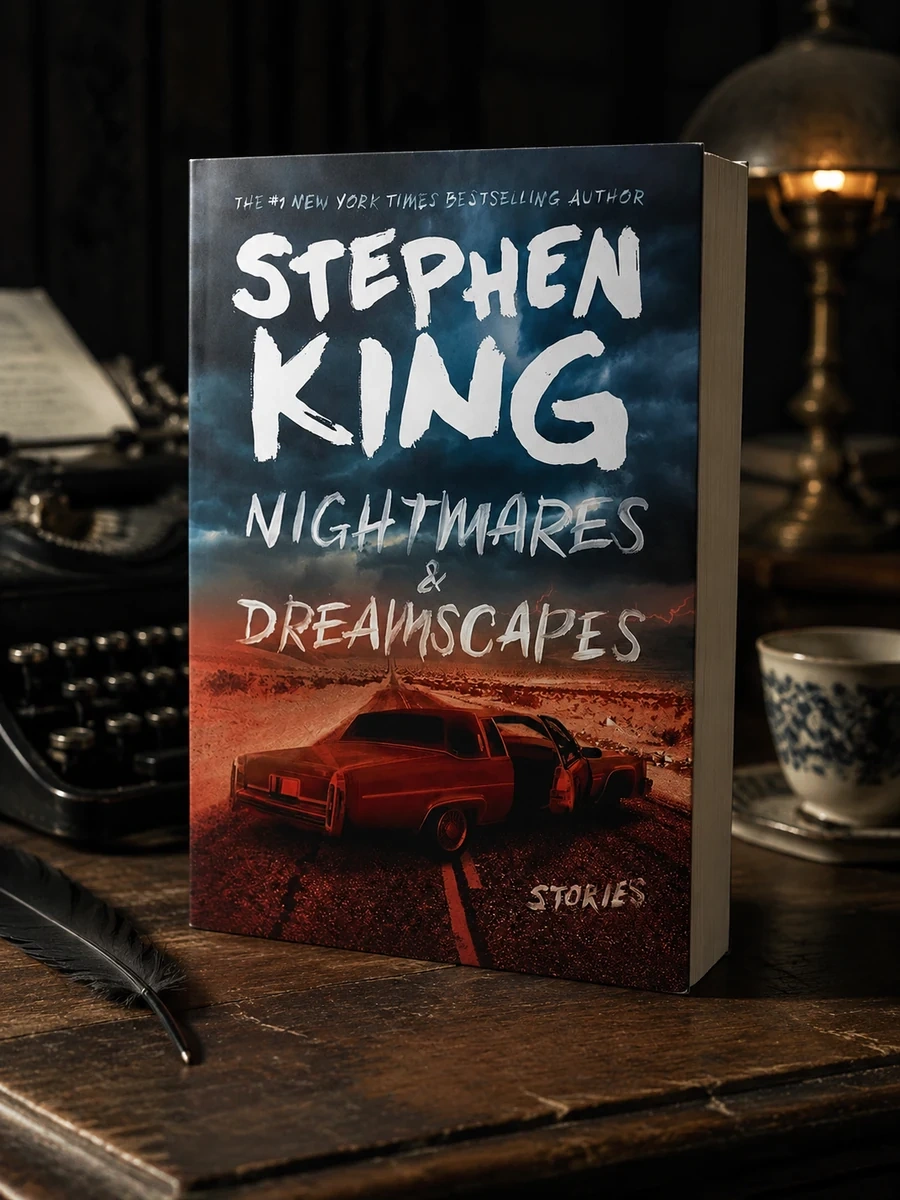
11. Nightmares & Dreamscapes: Stories — Stephen King
Nightmares & Dreamscapes: Stories offers variety in King's storytelling approach. Fans of King's versatile work will adore this mix, which includes both psychological horror and character-driven narratives.
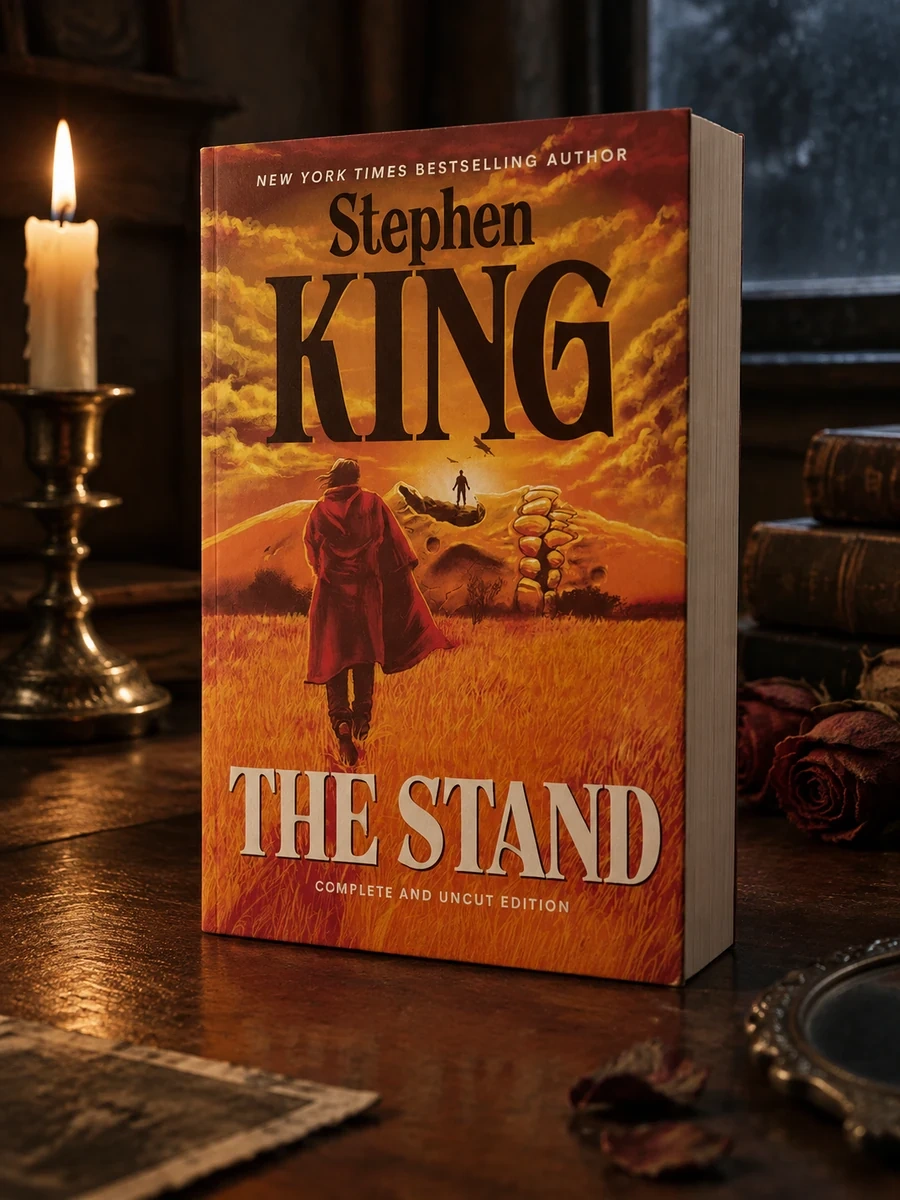
12. The Stand — Stephen King
The Stand provides a different kind of epic scope. This is for fans of sprawling sagas and moral dilemmas, though it includes the supernatural elements absent from the Hodges trilogy.
How to Choose: Is the Hodges Trilogy Right for You?
Start with Mr. Mercedes if you want to test the waters. It's the most accessible entry point and the shortest of the three. If you find yourself drawn to the psychological cat-and-mouse game between Hodges and Brady, you'll want to continue. If you prefer King's supernatural work or need faster pacing, you might find the trilogy's deliberate, character-focused approach frustrating.
Read all three in order. The trilogy is designed to build across books, and skipping ahead will rob you of the emotional weight that King constructs over the full arc. The boxed set is available if you want to commit to all three at once.