🩸Horror Tradition
Dullahan
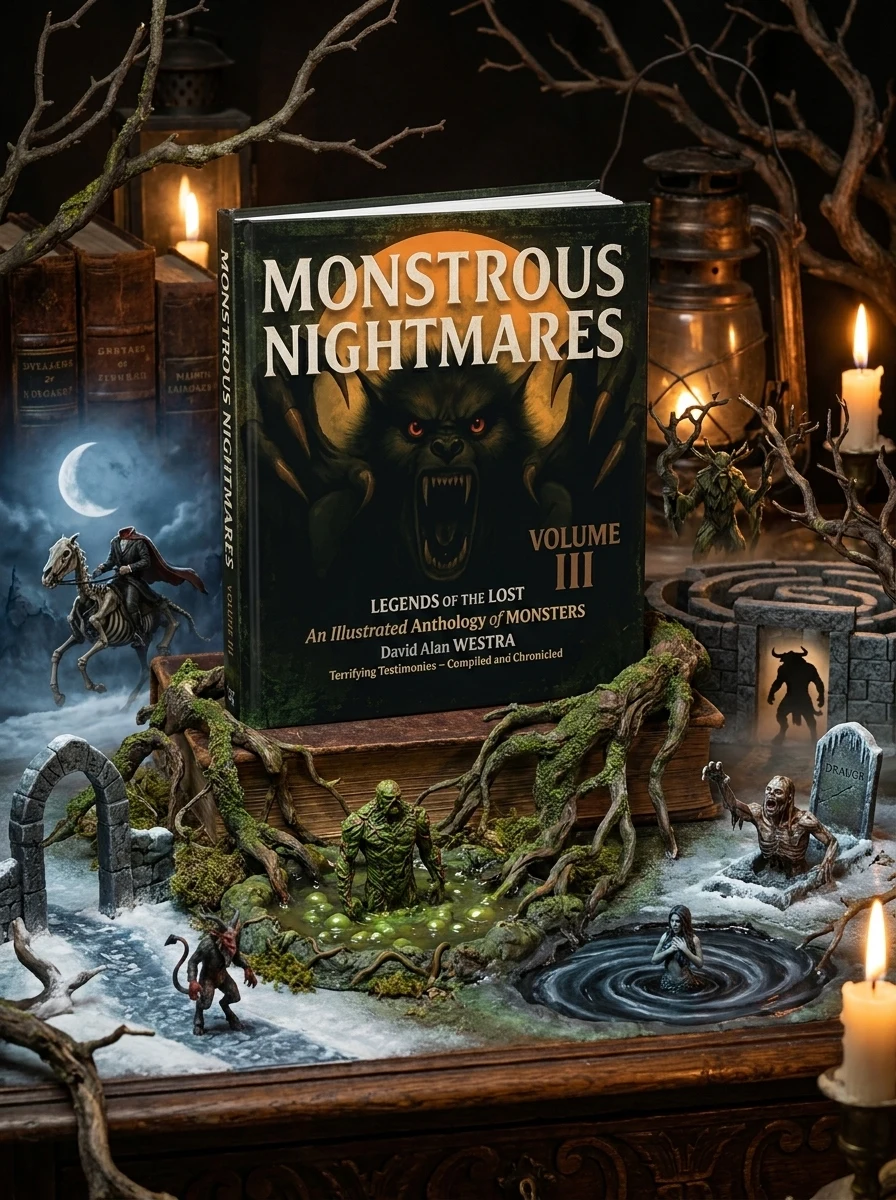
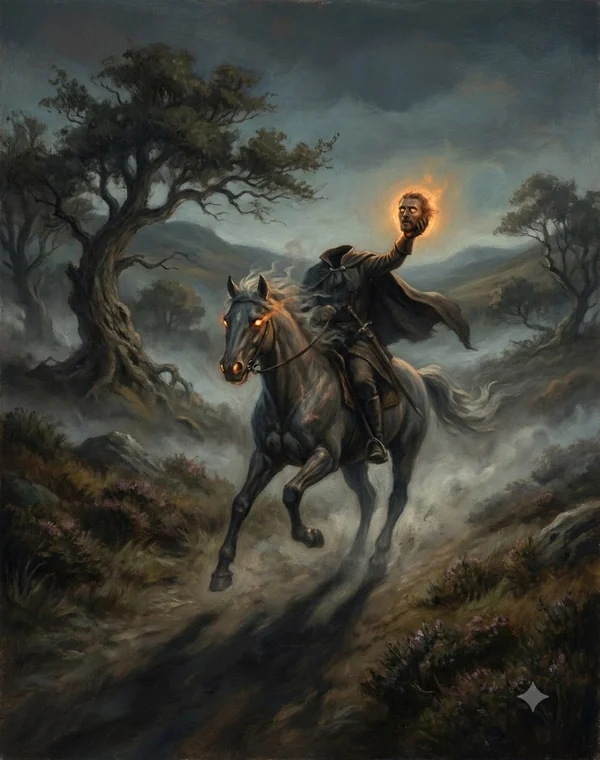
The dullahan is a terrifying headless horseman from Irish folklore, renowned as a grim harbinger of sudden death and doom who rides through the misty night.
Etymology & Origin
Where the word comes from
The name derives from the Irish Gaelic 'dulachán,' generally translated to mean a dark, sullen, or gloomy person.
Full Definition
In depth
Origins The dullahan originates from Irish folklore, deeply rooted in the ancient Celtic mythology of Ireland. Believed to be an evolution of the Celtic god Crom Cruach, a dark deity associated with ritual sacrifice, this ominous figure has been passed down through oral tradition for centuries. The legend reflects the rural, superstitious landscape of pre-modern Ireland, where the boundary between the living world and the supernatural was seen as dangerously thin.
What It Is Said to Do In traditional folklore, the dullahan is depicted as a headless rider draped in black robes, mounted on a ferocious, dark-coated horse that breathes sparks from its nostrils. It carries its own severed head in one hand, often featuring a repulsive, grinning visage with glowing eyes that can pierce the darkness for miles. The creature is said to patrol the Irish countryside by night, stopping only outside homes where a death is imminent. Anyone who dares to spy on the dullahan risks being lashed across the eyes with a human-skin whip or having a basin of blood thrown over them, marking them as the next soul to be claimed. Gold is famously known as the dullahan's weakness; even a tiny gold coin dropped in its path can distract or frighten the creature away.
In Horror Fiction Horror writers and dark fantasy authors utilize the dullahan to tap into primordial anxieties concerning decapitation, inescapable fate, and the terrifying unknown. Unlike standard ghosts, the physical momentum and relentless pursuit of the horseman create an atmosphere of relentless dread and inescapable doom. Writers often place characters in secluded, fog-shrouded settings where the thunderous hooves of the phantom horse signal an approaching, unstoppable tragedy.
Why It Still Frightens This legendary rider endures because it embodies the ultimate horror of a death that cannot be bargained with, hunted down, or outrun.
Connected Concepts
Related horror terms
Further Study