🩸Horror Tradition
Dracula
Dracula is the legendary vampire archetype from Bram Stoker's 1897 Gothic novel, drawing upon Eastern European folklore and historical Wallachian rulers to define modern undead horror.
Etymology & Origin
Where the word comes from
The name Dracula derives from the Romanian word dracul, meaning the dragon, originally a title inherited by Vlad II and subsequently applied to his son Vlad the Impaler.
Full Definition
In depth
Origins The figure of Dracula originates in late-nineteenth-century British Gothic literature, specifically synthesized by Irish author Bram Stoker in his 1897 epistolary masterpiece. Stoker drew deeply upon Eastern European vampire folklore, specifically the superstition surrounding the strigoi and similar blood-drinking revenants found throughout Balkan and Slavic oral traditions. While rooted in regional folklore, the name and certain historical attributes were borrowed loosely from Vlad III Dracula, a fifteenth-century Voivode of Wallachia known for his brutal campaigns against the Ottoman Empire. Although historical chronicles depict Vlad as a harsh medieval warlord rather than a creature of the night, folklore and Victorian imagination fused the historical tyrant with timeless peasant superstitions regarding corpses that rise from the grave to prey upon the living.
What It Is Said to Do In folklore and fiction, Dracula is described as an undead nocturnal aristocrat possessing immense supernatural strength, hypnotic mental control, and the ability to transform into creatures such as a wolf, a bat, or a swirling mist. He casts no reflection in mirrors, throws no shadow, and must rest during daylight hours within the native soil of his homeland to maintain his power. According to traditional protective lore, vampires of this lineage can be warded off or repelled using crucifixes, holy water, wild rose branches, and garlic, while permanent destruction requires decapitation and a wooden stake driven directly through the heart.
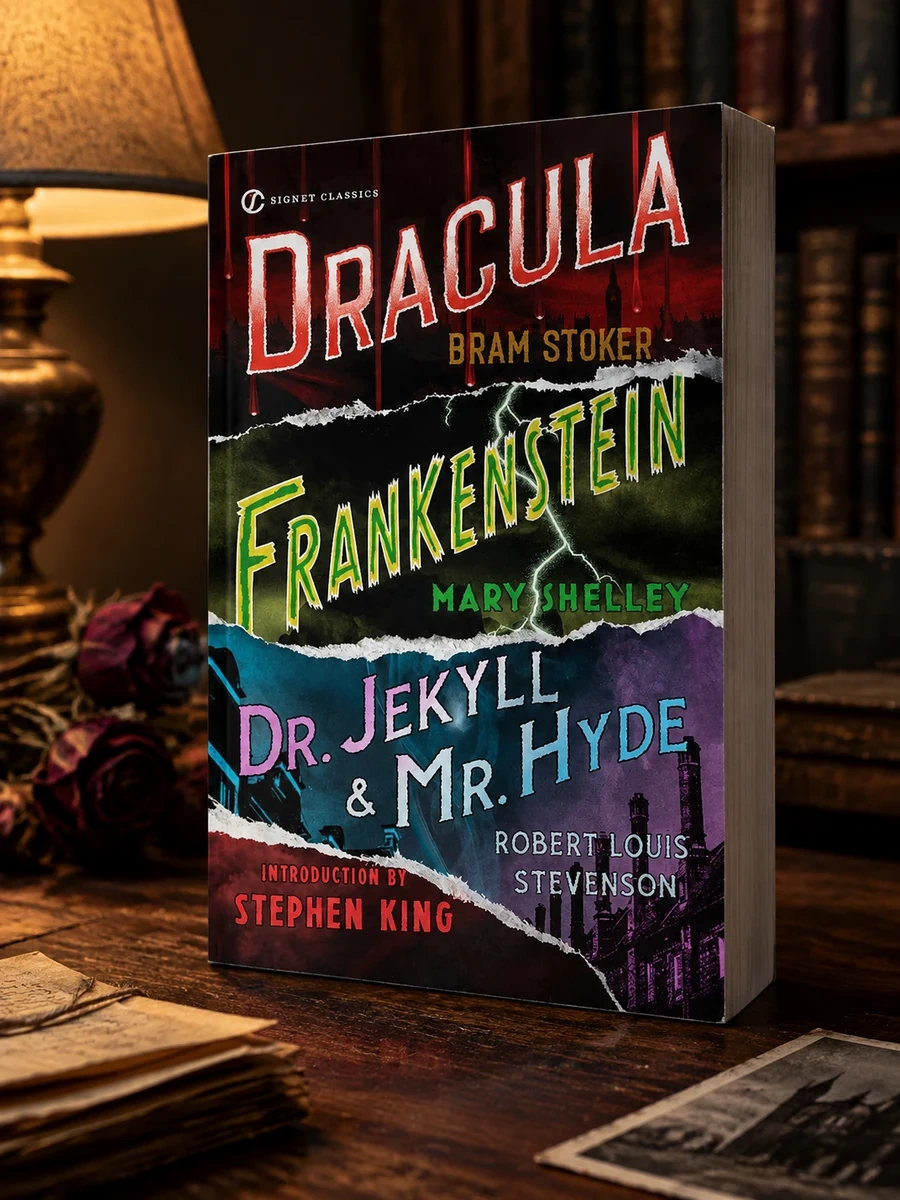
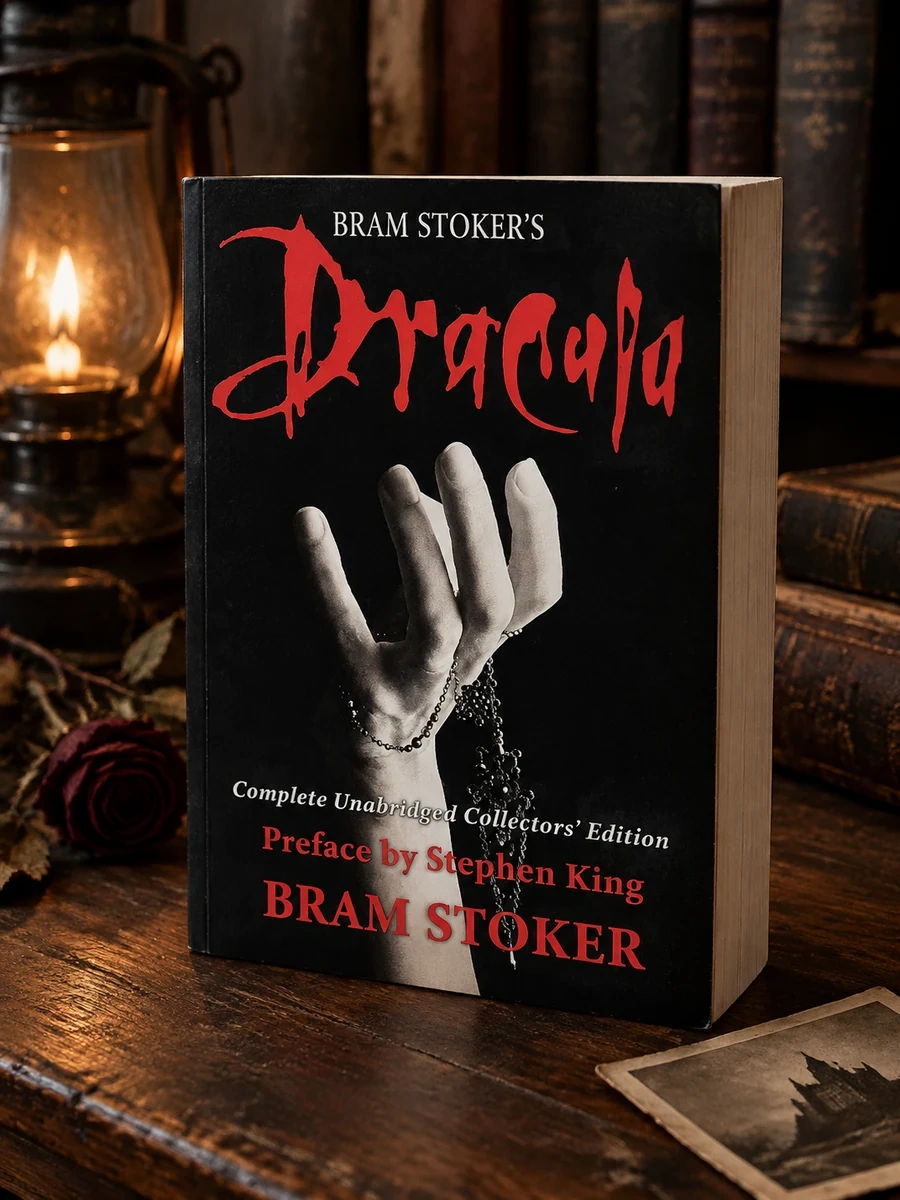
In Horror Fiction Authors use the vampire archetype to explore themes of forbidden temptation, infection, repressed Victorian sexuality, and the intrusion of ancient corruption into modern society. Dracula serves as the ultimate literary predator who crosses physical and psychological boundaries to manipulate his victims from within their own homes. Landmark works such as Bram Stoker's Dracula established the foundational tropes of the epistolary horror novel, while subsequent twentieth-century developments by authors like Richard Matheson and Stephen King reimagined the vampire threat for modern suburban and urban settings.
Why It Still Frightens Dracula still frightens because he represents the ultimate violation of personal sanctuary, turning trusted intimates into monsters and weaponizing human desire against survival.
Connected Concepts
Related horror terms
Voices
Authors working in this mode
Further Study