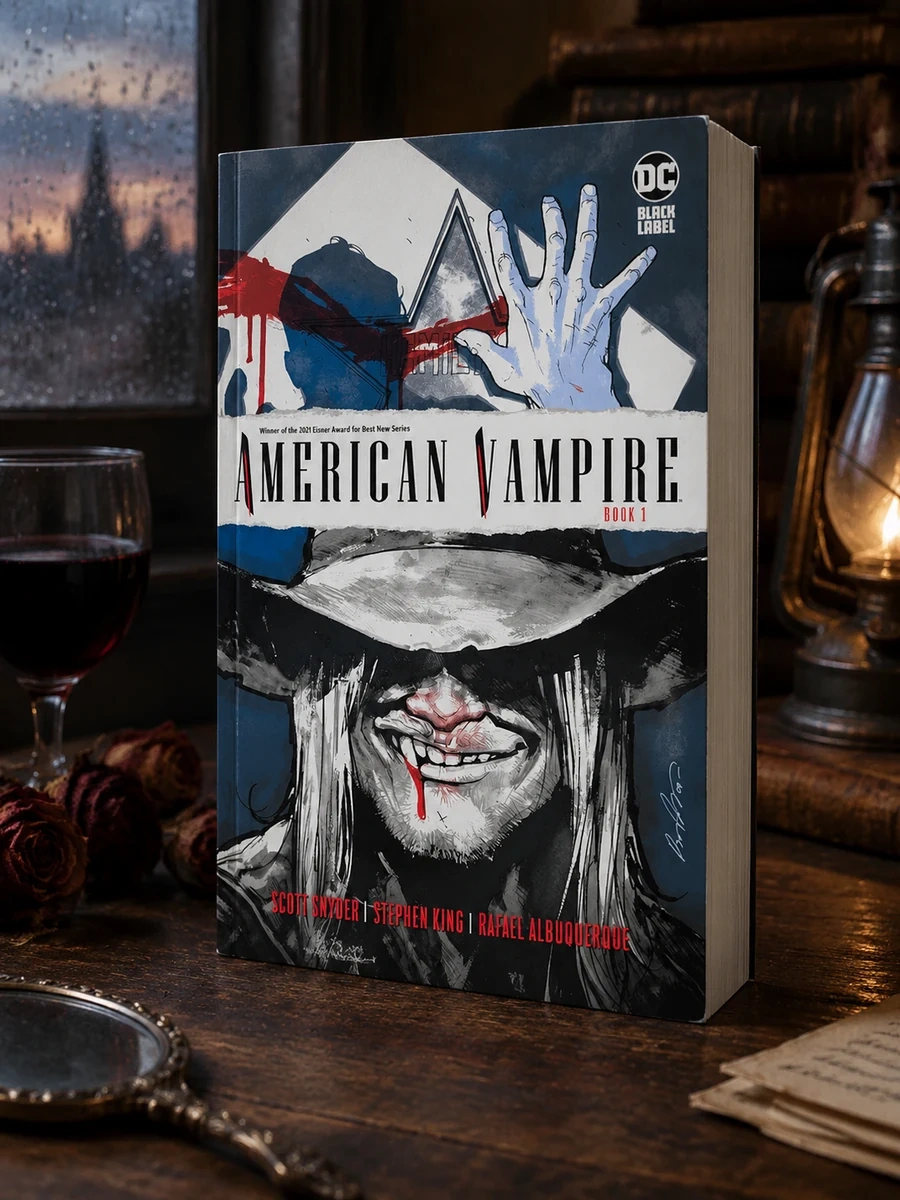
🩸Horror Tradition
Vampire
A reanimated corpse or supernatural entity that sustains its existence by consuming the life force or blood of the living, originating primarily from Southeastern European folklore.
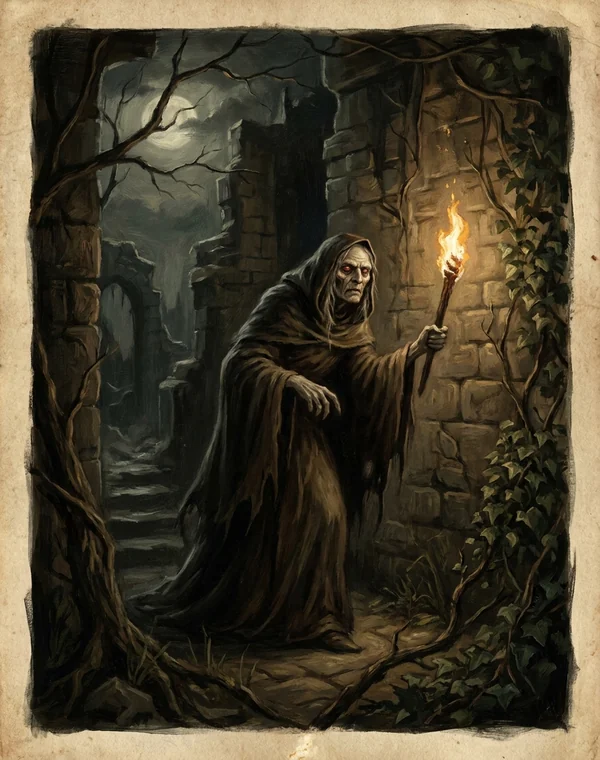
Etymology & Origin
Where the word comes from
Derived from the Serbian and South Slavic term vampir, ultimately tracing back to Proto-Slavic origins associated with flying spirits and blood-drinking.
Full Definition
In depth
Origins The vampire legend has ancient roots that stretch across multiple cultures and continents, though its most direct forebears emerge from the Slavic and Balkan folklore of the early modern period. Peasants in Eastern and Southeastern Europe attributed unexplained deaths, livestock sickness, and village plagues to malevolent reanimated dead who left their graves at night to terrorize the living. These early folk traditions drew upon older universal fears of blood-drinking spirits and corpses returning from the grave, reflecting a pre-modern understanding of disease, decomposition, and mortality.
What It Is Said to Do In traditional folklore, vampires were typically described as bloated, ruddy-faced corpses rather than the pale aristocrats of later fiction, often said to retain a semblance of life even after burial. They possessed superhuman strength, the ability to transform into animals such as bats or wolves, and nocturnal habits that forced them to return to their coffins before dawn. To protect themselves, communities relied on apotropaic charms such as garlic, holy water, crucifixes, and wild rose branches, or resorted to physical measures like staking the heart, decapitation, or cremation to ensure the dead remained permanently deceased.
In Horror Fiction Horror literature transformed the rustic pest into a sophisticated predator, embodying aristocratic excess, forbidden desire, and inescapable infection. Writers use the vampire to explore themes of transgression, contagion, and the corruption of domestic spaces by ancient evils. Landmark novels such as Bram Stoker's Dracula established the modern literary template of the vampire as a foreign invader who infiltrates Victorian society, while later works like Richard Matheson's I Am Legend reframed the creature through the lens of global pandemic and societal collapse.
Why It Still Frightens The vampire remains terrifying because it bridges the gap between the monstrous outsider and the trusted intimate, turning seduction and physical invasion into a single, inescapable threat.
Connected Concepts
Related horror terms
Voices
Authors working in this mode
Further Study