🩸Horror Tradition
Mothman
A winged humanoid cryptid originating from 1960s West Virginia folklore, known for its glowing red eyes and association with impending local tragedies.
Etymology & Origin
Where the word comes from
The name was coined by local journalists after the initial 1966 sightings, combining the insect-like wings of the creature with Batman, who was popular on television at the time.
Full Definition
In depth
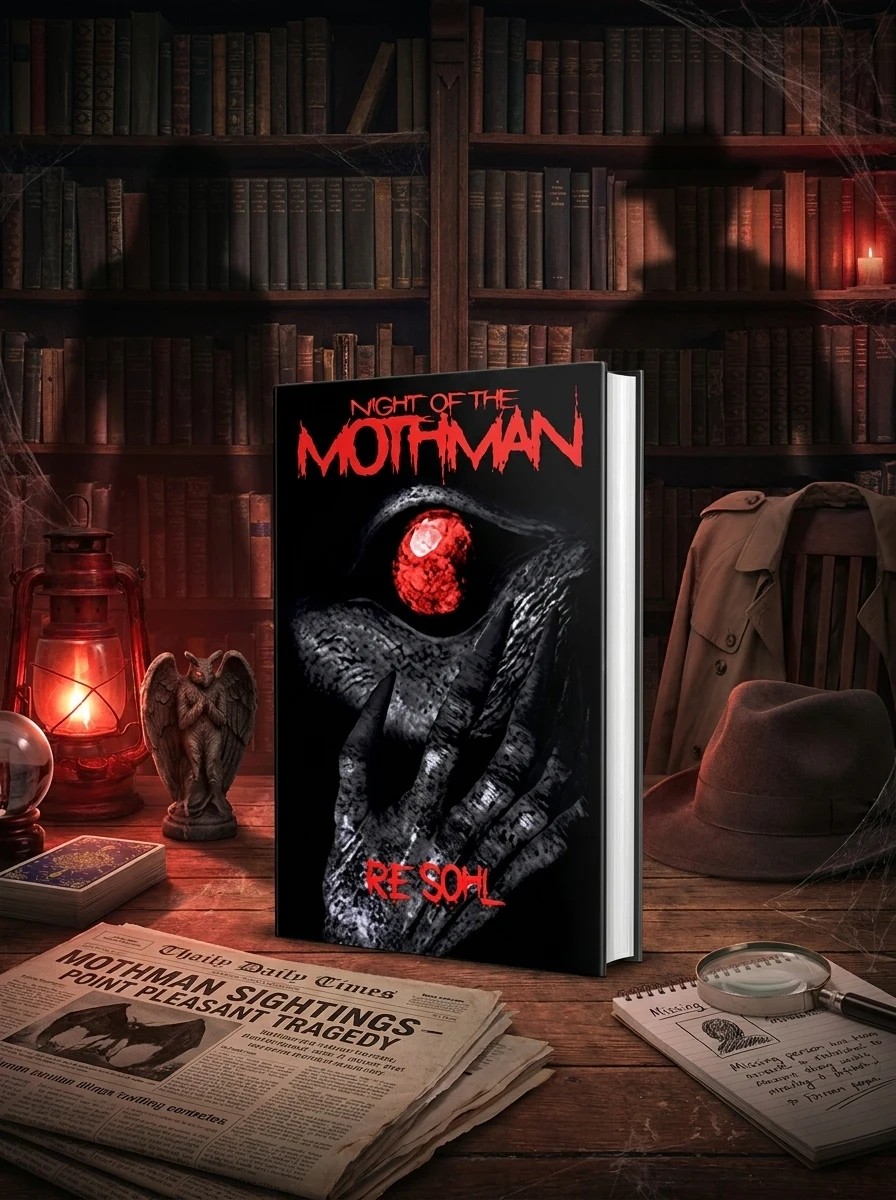
Origins The legend of the Mothman emerged from the rural landscape of Point Pleasant, West Virginia, during the mid-1960s. Local folklore surrounding the entity was sparked on November 12, 1966, when five gravediggers reported seeing a large, grey, man-shaped creature with wings lift off from the trees near Clendenin. Just days later, on November 15, two young couples driving through the abandoned munitions plant area known as the TNT ordnance works encountered a similar winged figure with hypnotic, glowing red eyes. While these American newspaper reports cemented the creature in modern urban legend, some contemporary cryptozoologists and enthusiasts attempt to link the entity to older Native American folklore and regional bird-like spirits of the Ohio River Valley.
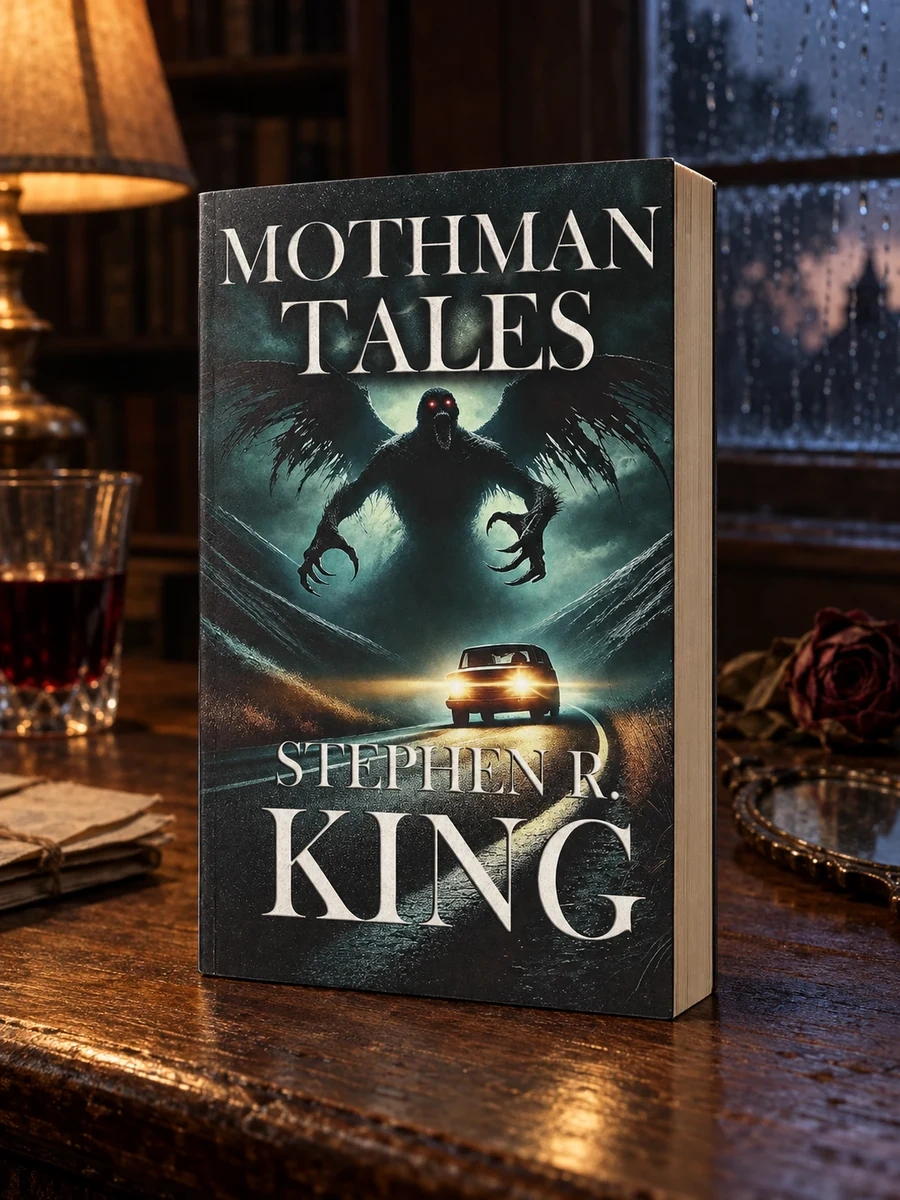
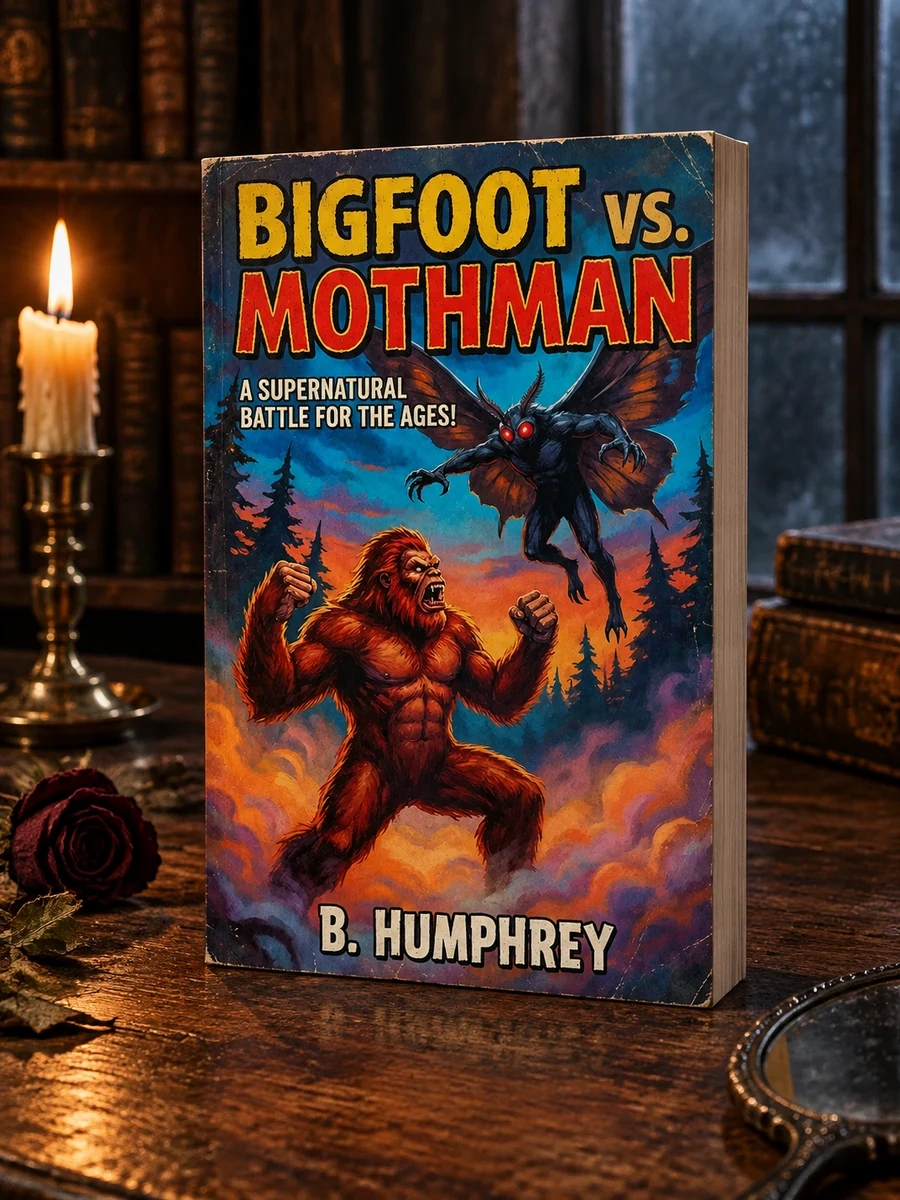
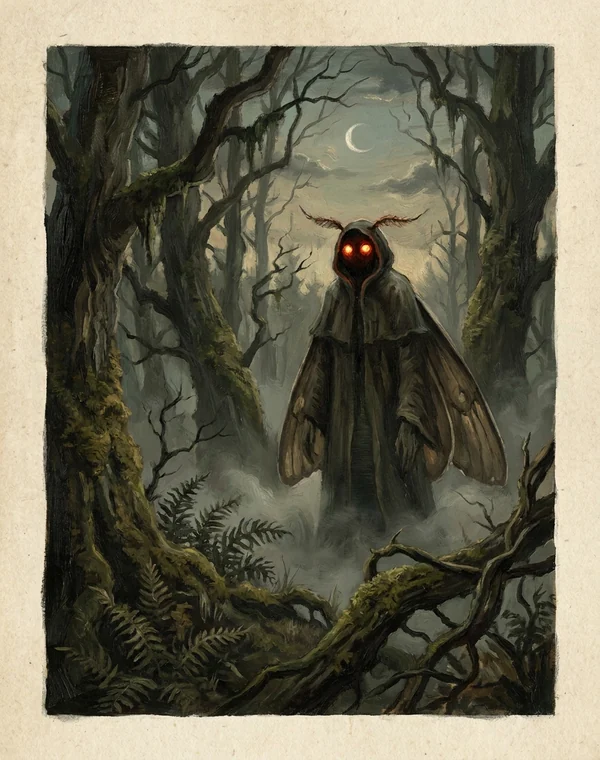
What It Is Said to Do Witnesses and modern descriptions characterize the Mothman as a towering, bipedal humanoid standing between seven and ten feet tall, possessing immense, moth-like wings folded against its back. Its most striking feature is a pair of large, circular eyes that burn with a vivid, hypnotic red or amber hue, positioned low on its chest or directly on its head. The entity is said to possess silent flight and an unnatural, terrifying speed that allows it to keep pace with speeding automobiles. Unlike traditional monsters that stalk or physically attack their victims, the Mothman is frequently described as an omen of disaster. In popular folklore, its appearances often precede catastrophic events, most notably the tragic collapse of the Silver Bridge in December 1967, leading many to believe that seeing the creature serves as a chilling warning of doom rather than an act of direct malice.
In Horror Fiction In horror fiction and speculative literature, authors utilize the Mothman as a potent symbol of dread, paranoia, and the inscrutability of the unknown. Writers often employ the creature to evoke cosmic horror, where human existence is rendered fragile by forces entirely beyond our comprehension. Rather than relying on simple gore, horror narratives featuring the entity focus on psychological distress, the oppressive weight of impending tragedy, and the eerie quiet that precedes disaster. While many modern depictions draw heavily from John Keel's non-fiction account "The Mothman Prophecies," fictional treatments adapt the winged omen into various dark tales of rural isolation and supernatural foreboding.
Why It Still Frightens The Mothman continues to frighten because it merges the ordinary vulnerability of rural American highways with the unexplainable, silent menace of an indifferent universe.
Connected Concepts
Related horror terms
Further Study