🩸Horror Tradition
Werewolf
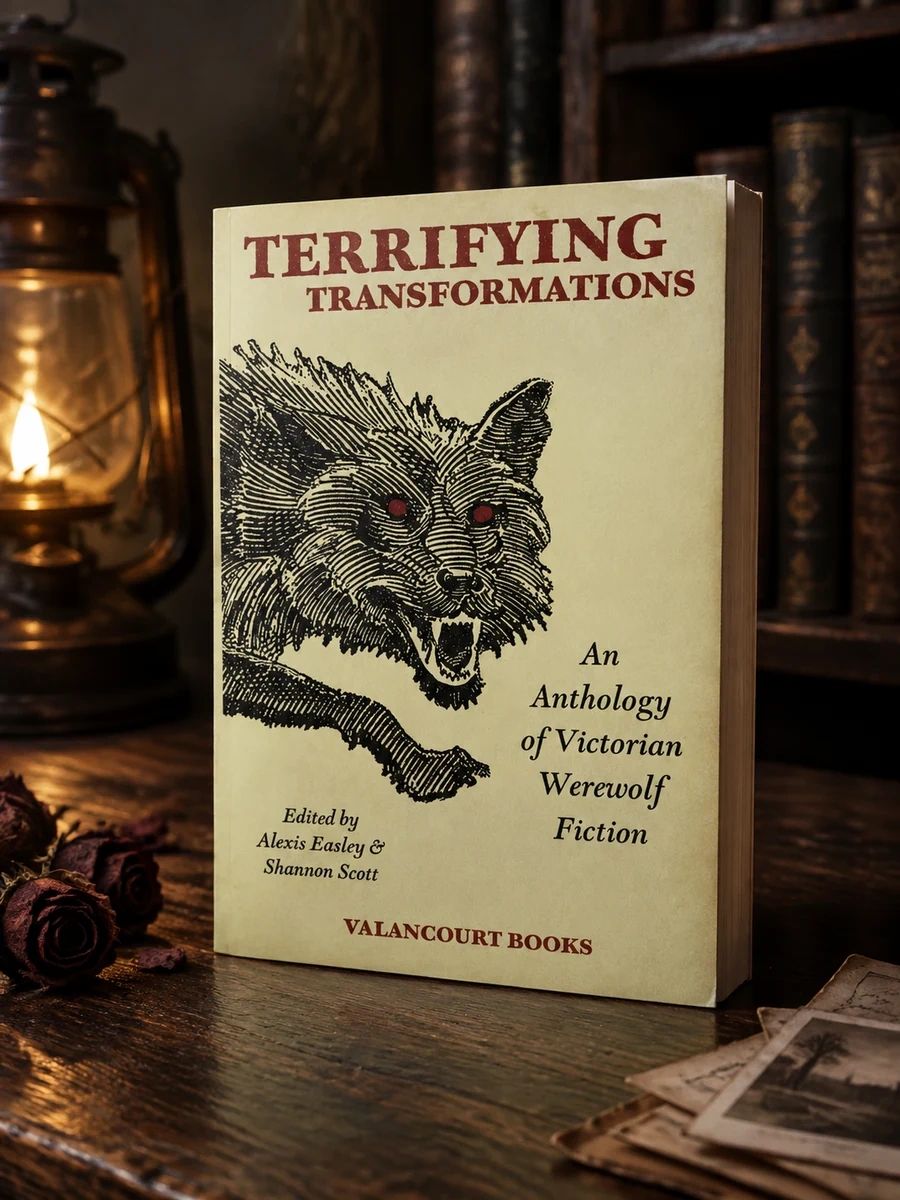
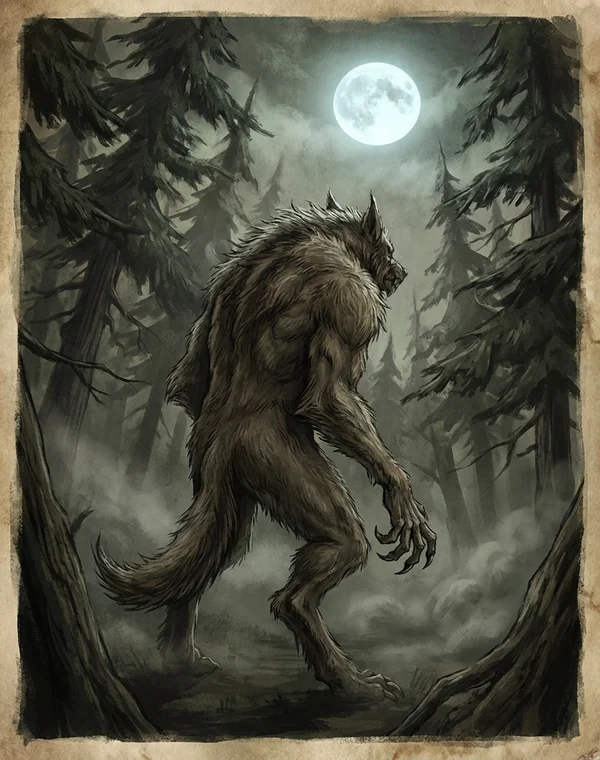
A werewolf is a mythological human who transforms into a wolf or hybrid beast, rooted in ancient Eurasian folklore and shape-shifting traditions.
Etymology & Origin
Where the word comes from
Derived from the Old English werwulf, combining wer meaning man and wulf meaning wolf.
Full Definition
In depth
Origins The concept of the werewolf traces its roots deep into ancient Eurasian folklore, drawing from prehistoric traditions of human-animal transformation and shamanic shape-shifting. Early references appear in classical texts such as Ovid's Metamorphoses, where King Lycaon is transformed into a wolf by Zeus as punishment for his cannibalistic impiety. Throughout medieval Europe, particularly in Germanic and Slavic cultures, the belief in men turning into wolves became deeply intertwined with local witchcraft trials, judicial hysteria, and deep-seated agrarian fears of predatory forest fauna.
What It Is Said to Do In traditional folklore, a werewolf is said to undergo a terrifying metamorphosis during the full moon, shedding human form to become a ferocious, bloodthirsty beast or a towering human-wolf hybrid. It possesses superhuman strength, acute senses, and an insatiable appetite for raw flesh, often terrorizing rural livestock and isolated travelers. Traditional lore suggests that the transformation can be caused by a curse, a wolf bite, a pact with malevolent forces, or wearing a magical wolf pelt. Protection against the beast historically involved holy objects, silver weapons, wolfsbane, or uncovering the human's true identity to break the spell.
In Horror Fiction Horror fiction transformed the werewolf from a folkloric cautionary tale into a profound exploration of human duality, repressed instincts, and the loss of civilized control. Writers use the beast to symbolize the internal monster hidden beneath polite society, where the physical transformation reflects moral corruption or psychological trauma. Landmark novels such as Guy Endore's The Werewolf of Paris and Whitley Strieber's The Wolfen showcase how the trope adapts to psychological depth and modern urban paranoia, examining the horror of becoming a danger to those you love.
Why It Still Frightens Werewolves remain deeply frightening because they represent the terrifying collapse of the boundary between human reason and primal savagery, reminding us that civilization is a fragile veneer over ancient instincts.
Connected Concepts
Related horror terms
Voices
Authors working in this mode
Further Study