🩸Horror Tradition
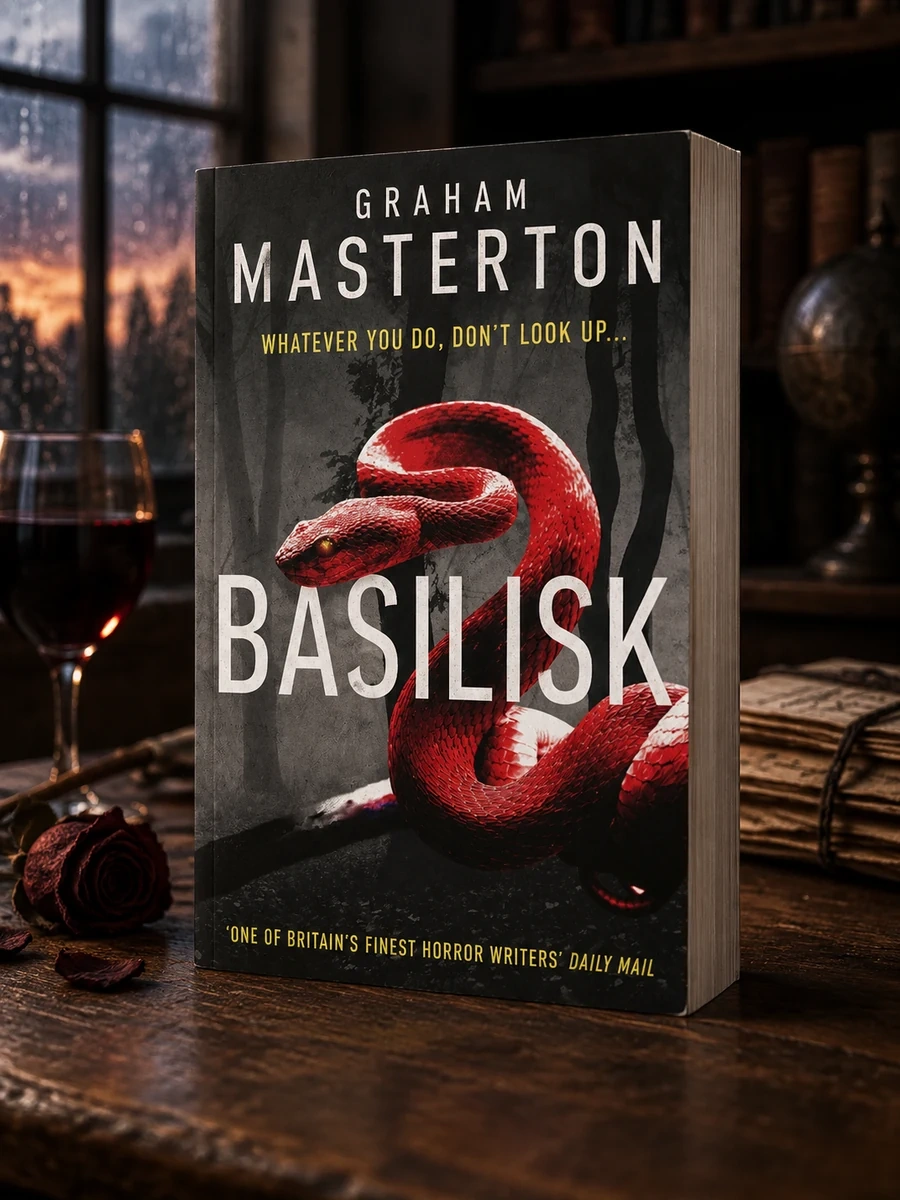
Basilisk
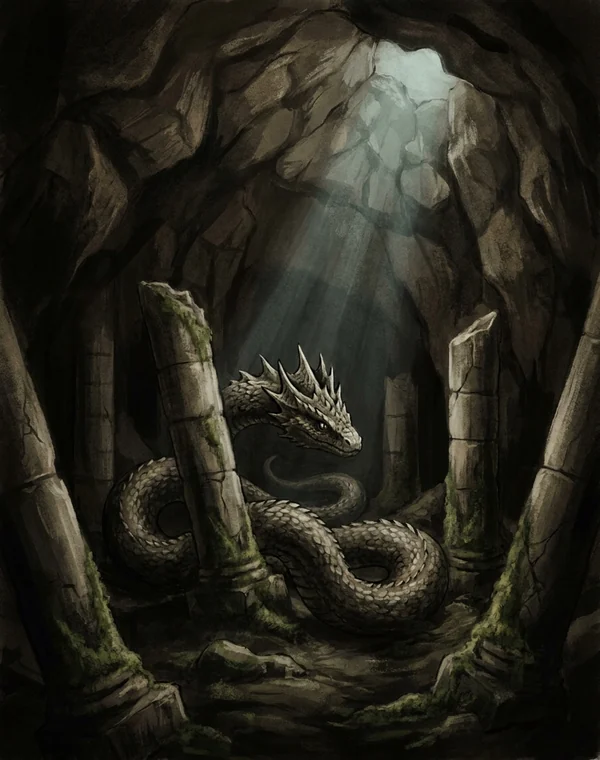
A legendary serpentine beast possessing a gaze and breath lethal to all living things, originating in ancient European folklore and classical natural history texts.
Etymology & Origin
Where the word comes from
Derived from the ancient Greek word basileiskos, meaning little king.
Full Definition
In depth
Origins The legend of the basilisk traces back to antiquity, finding deep roots in ancient European folklore, classical Greek natural history, and Roman literature. Pliny the Elder famously documented the creature in his encyclopedic work Naturalis Historia in the first century AD, describing it as a small serpent native to the province of Cyrene in North Africa. Over subsequent centuries, medieval European bestiaries embellished these classical accounts, blending the creature with indigenous dragon myths and transforming it into a king of serpents whose very presence symbolized supreme malice, divine retribution, and the corrupting nature of sin.
What It Is Said to Do Traditional lore characterizes the basilisk as a creature of terrifying lethal capabilities, possessing both a gaze and breath that can instantly kill or petrify any living thing it encounters. It is often described as a small serpent adorned with a crown-like crest or white spot on its head, though later medieval traditions sometimes attributed to it the body of a rooster with a serpent tail. According to ancient superstition, the beast is so venomous that its mere look blights crops, shatters stones, and slays animals from a distance. The few conventional weaknesses attributed to the beast in folklore include the odor of a weasel, the crowing of a rooster, and the reflection of its own deadly glare in a polished mirror.
In Horror Fiction Horror and fantasy writers have long utilized the basilisk as an embodiment of insidious, inescapable doom and the paralyzing dread of the unknown. Unlike lumbering monsters of physical brute strength, the basilisk represents a hazard of perception, where looking directly upon the threat seals a victim's fate. Authors evoke its mythological legacy to explore themes of psychological entrapment, corrupted vision, and ancient curses awakening in modern or fantastical settings. While classical literature and modern speculative fiction frequently incorporate the creature, its core trope of lethal eye contact remains a foundational archetype for gaze-based terrors across supernatural fiction.
Why It Still Frightens This legendary serpent endures as a potent symbol of primal terror because it weaponizes vision itself, turning the simple act of looking into an instant death sentence.
Connected Concepts
Related horror terms
Further Study