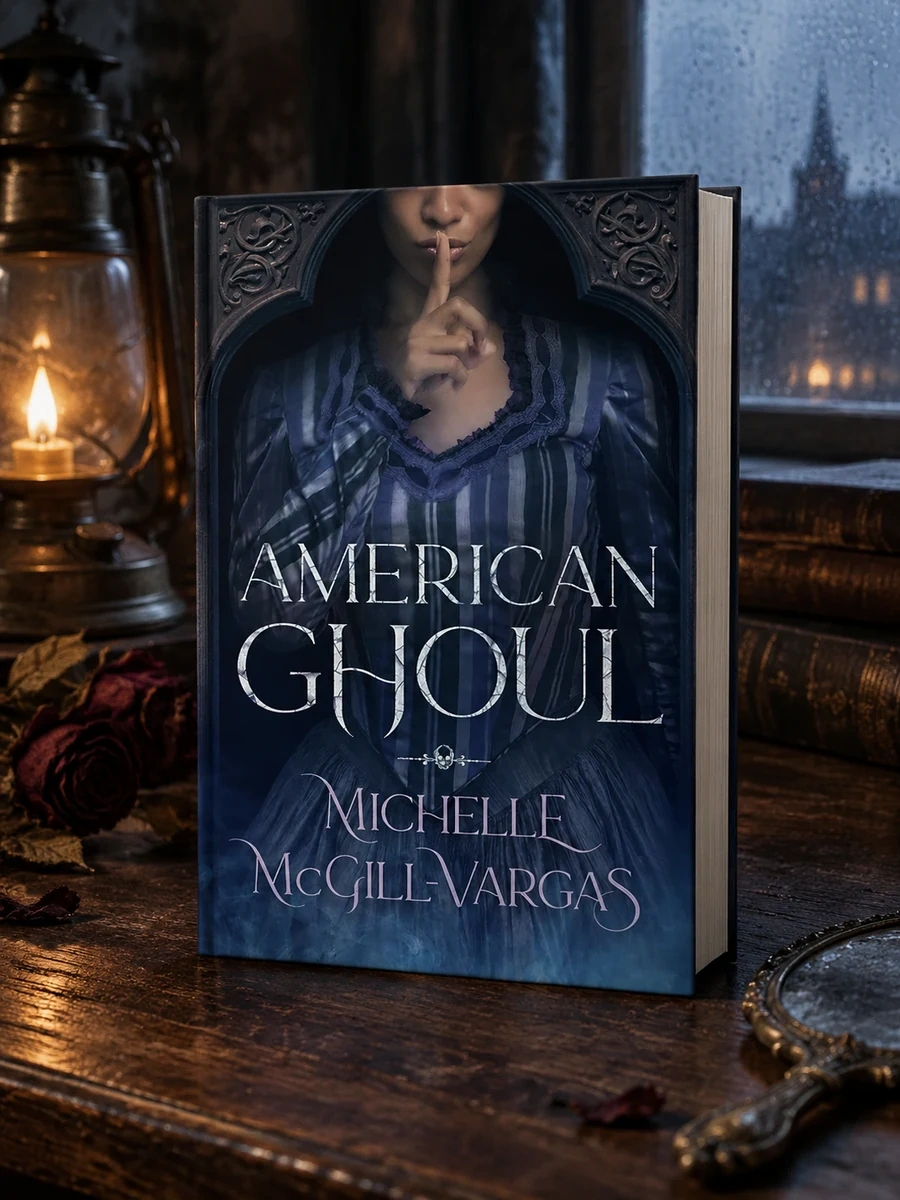
🩸Horror Tradition
Ghoul
A flesh-eating fiend rooted in ancient Middle Eastern and Arabian folklore, traditionally associated with graveyards, decay, and the desecration of newly buried human corpses.
Etymology & Origin
Where the word comes from
Derived from the Arabic word ghul, denoting a demon or monster that roams deserts and preys upon human beings.
Full Definition
In depth
Origins The concept of the ghoul traces its roots primarily to pre-Islamic Arabian folklore, where it was envisioned as a shapeshifting desert demon or jinn capable of assuming the form of animals, particularly hyenas, to lure unwary travelers to their doom. Over centuries, oral traditions adapted the figure from a wandering desert predator into a scavenger of burial grounds. As these folkloric motifs spread through trade routes and translation, particularly via European interactions with Middle Eastern literature like One Thousand and One Nights, the ghoul was integrated into Western imagination as a corporeal monster bound inextricably to tombs, coffins, and the macabre reality of human mortality.
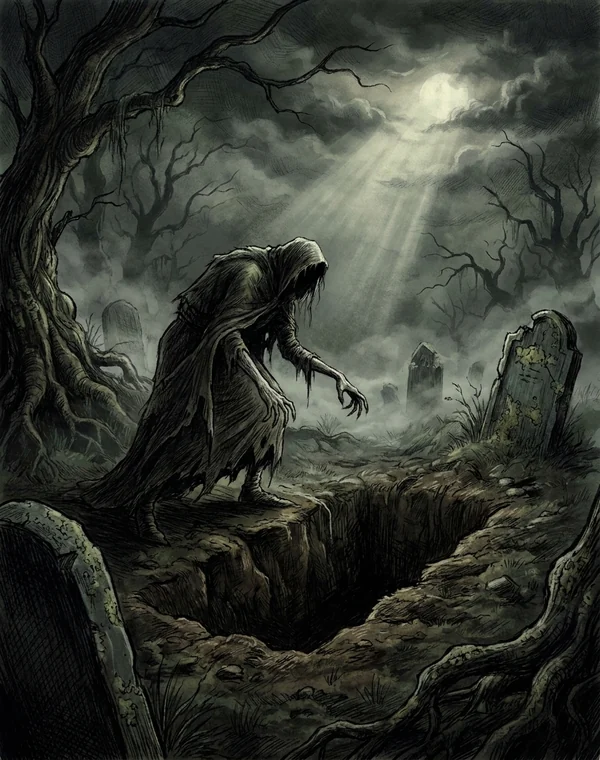
What It Is Said to Do In traditional folklore, ghouls are described as grotesque, emaciated humanoids with a hybrid appearance combining aspects of men, beasts, and decaying corpses. They possess immense physical strength, preternatural speed, and an insatiable appetite for human flesh and blood. Legends state that they lurk near cemeteries, exhuming fresh graves under the cover of night to feed upon the dead. In some regional accounts, they also kidnap children or prey upon lonely wayfarers. Protection against ghouls traditionally involved religious wards, iron, or guarding burial sites with heavy stones and consecrated ground to prevent desecration.
In Horror Fiction In horror literature, writers transformed the folkloric ghoul from a foreign desert demon into a subterranean menace lurking beneath civilized society. Authors use the ghoul to evoke a profound visceral revulsion against bodily decay, cannibalism, and the loss of human dignity. H.P. Lovecraft famously reinvented the creature in stories such as Pickman's Model and The Dream-Quest of Unknown Kadath, portraying them as rubbery, dog-like subterranean troglodytes who once were human and maintain underground tunnels beneath ancient cities. Caitlin R. Kiernan and other modern masters have similarly explored ghouls to examine themes of obsession, grief, and the blurring boundary between life and death.
Why It Still Frightens The ghoul endures in horror because it embodies our deepest primal anxieties regarding bodily desecration, the indignity of physical decay, and the terrifying realization that our dead are never truly safe from violation.
Connected Concepts
Related horror terms
Voices
Authors working in this mode
Further Study