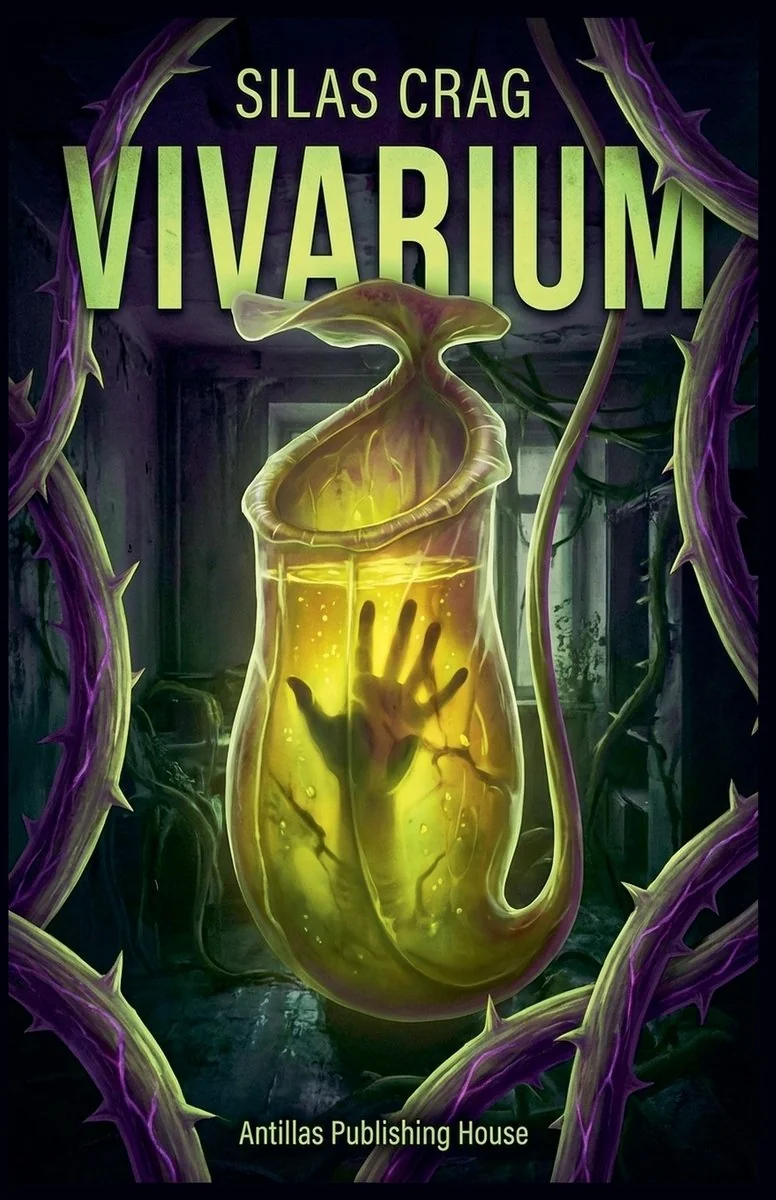
Vivarium
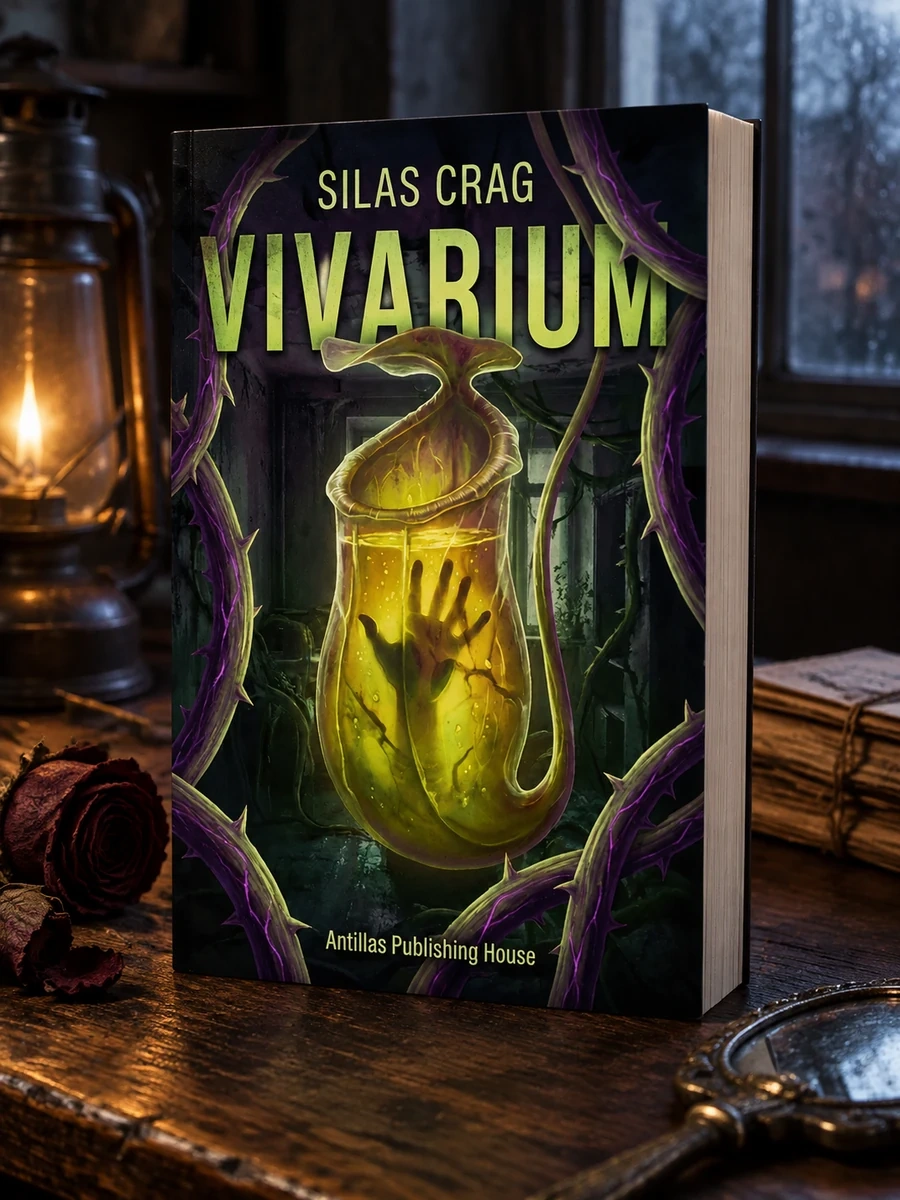
A collector's apartment becomes a digestive tract in this biological horror novel.
Arthur’s life unravels as he tends to a prehistoric entity that turns his home into a living organism. The sweet pollen clouds his judgment, making him defend the monster against external threats. This process strips away his humanity, replacing it with a primal instinct to protect the predator. The story examines how far a person will go to preserve their obsession, even at the cost of their own existence. It is a study in gradual dehumanization driven by a single, consuming desire.
Published by Antillas Publishing House in 2026, this work fits within the contemporary tradition of body horror and gothic fiction. It draws on themes of unnatural evolution and the predator-prey dynamic, reflecting a modern anxiety about losing control to one's own creations.


📝 Description: Vivarium
💎 Our verdict on Vivarium
📖 Why choose it
Why this book is worth reading
Readers seeking visceral body horror and psychological decay within confined spaces will find this narrative deeply engaging. It appeals to those interested in the terrifying speed of unnatural evolution and the cost of obsession. The book offers a stark look at how obsession can rewrite identity, making it ideal for fans of claustrophobic dread and grotesque transformation. However, it is strictly for those comfortable with descriptions of bodily consumption and loss of autonomy. It does not suit readers seeking traditional ghost stories or supernatural hauntings, as the terror is grounded firmly in biological reality rather than spectral mystery.
⭐ Reader reviews
Reader rating
Silas Crag delivers a suffocating biological nightmare where the boundary between gardener and fertilizer dissolves. The narrative excels in portraying the slow, inevitable consumption of the self by the very thing one seeks to control. Crag presents a tightly focused descent into dehumanization, examining how far a person will go to preserve an obsession. The story is best suited for readers who enjoy grotesque transformation and psychological decay. It avoids traditional supernatural tropes in favor of grounded terror. While not for everyone, it successfully captures the primal instinct to protect a predator at the cost of one's own existence.