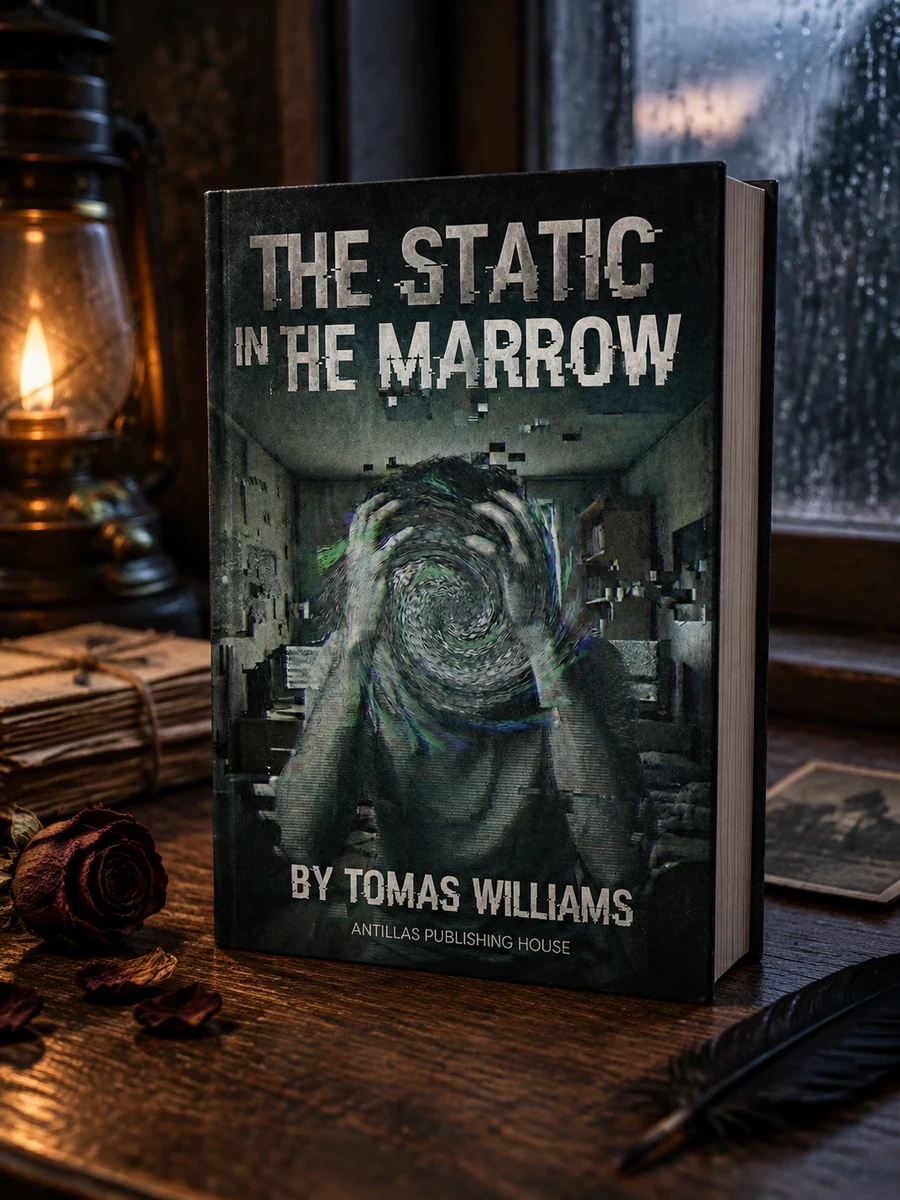
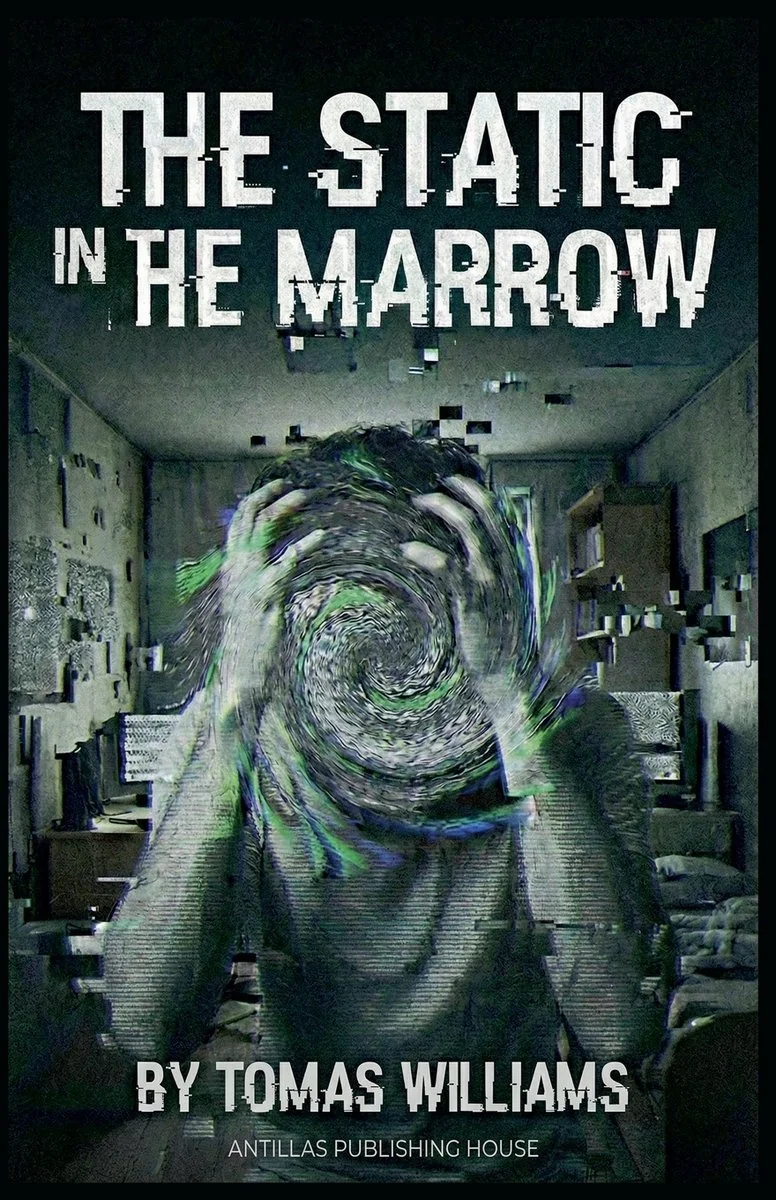
The Static in the Marrow
A content moderator’s reality unravels as digital horror invades his body.
The narrative centers on Elias Thorne, whose job involves removing disturbing online content. He maintains a strict separation between his professional duties and personal life. This separation collapses when an unlisted video refuses to be erased. The corruption spreads from the screen into his physical existence. Static noise becomes a tangible presence in his marrow. The Entity uses this connection to map and rewrite Elias’s world. The plot focuses on the erosion of his sanity and identity. It highlights the danger of consuming endless streams of cruelty. The story avoids jump scares in favor of creeping dread. It emphasizes the loss of control over one’s own body and mind. The horror is internal and systemic, reflecting modern fears about data privacy and digital consciousness.
This work sits within contemporary horror fiction that critiques digital culture. It reflects 2026 anxieties about online content moderation and the psychological toll of viewing traumatic material. The narrative bridges gothic body horror with modern tech-noir, focusing on the intersection of human vulnerability and persistent digital data.


📝 Description: The Static in the Marrow
💎 Our verdict on The Static in the Marrow
📖 Why choose it
Why this book is worth reading
Readers who appreciate slow-burn psychological terror and tech-noir atmospheres will find profound satisfaction in this narrative. It offers a chilling exploration of the fragility of the human mind when exposed to infinite digital cruelty. Those fascinated by the intersection of flesh and data, or the modern fear of losing control over one’s own body and identity through systemic corruption, will gain a compelling, oppressive experience. The book is ideal for audiences seeking creeping dread rather than jump scares, providing a deep dive into the danger of consuming endless streams of online horror without offering easy escapes from its tone.
⭐ Reader reviews
Reader rating
Williams constructs a masterful study of internal erosion, mapping how digital corruption invades physical existence with terrifying precision. The narrative excels in portraying the static not merely as noise, but as a tangible presence rewriting the protagonist’s reality. By focusing on the loss of control over mind and body, the text delivers a unique form of systemic horror that feels both ancient and urgently modern. It suits readers who enjoy deliberate pacing and atmospheric tension over action. The story avoids traditional ghost tropes, instead offering a bleak reflection on digital consciousness. This is a rigorous, unsettling work for those willing to endure its oppressive tone, rewarding patience with a profound sense of dread.