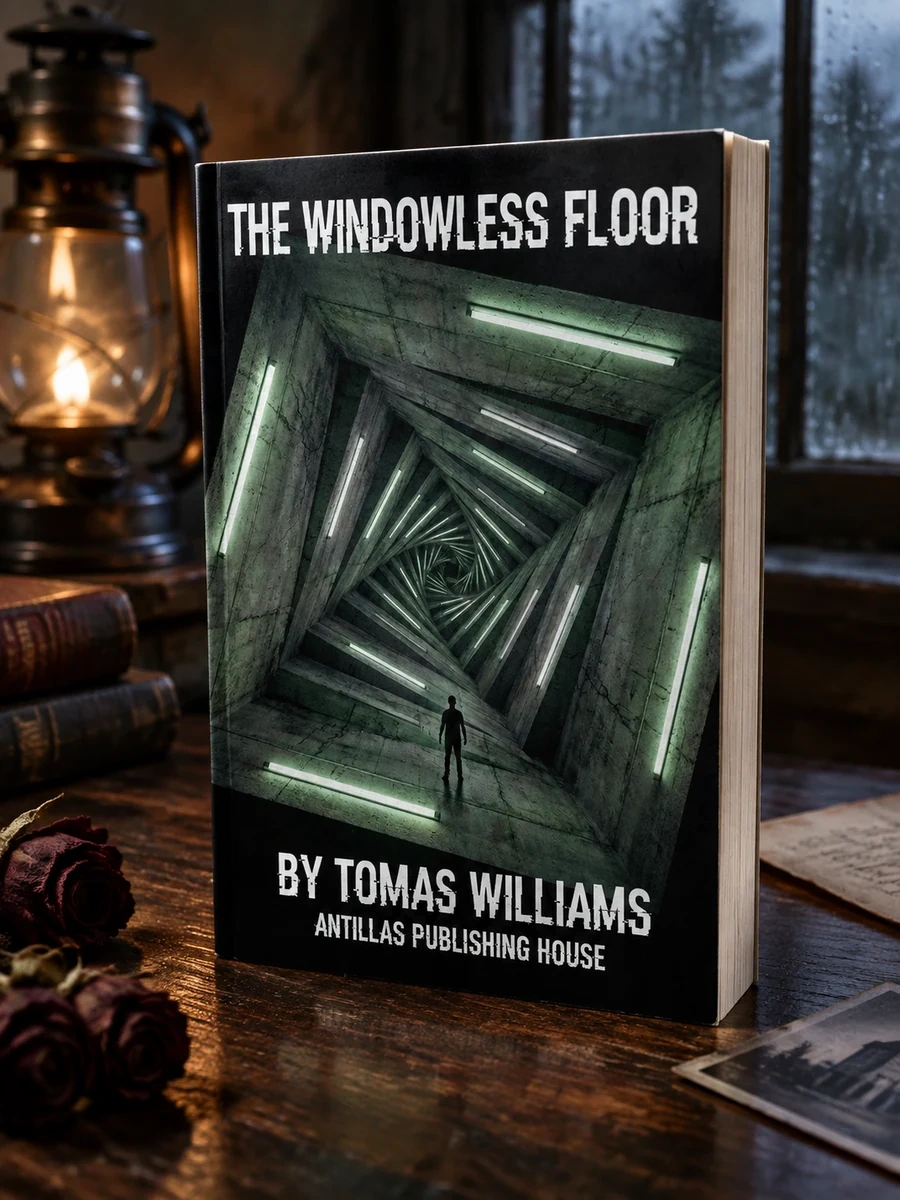
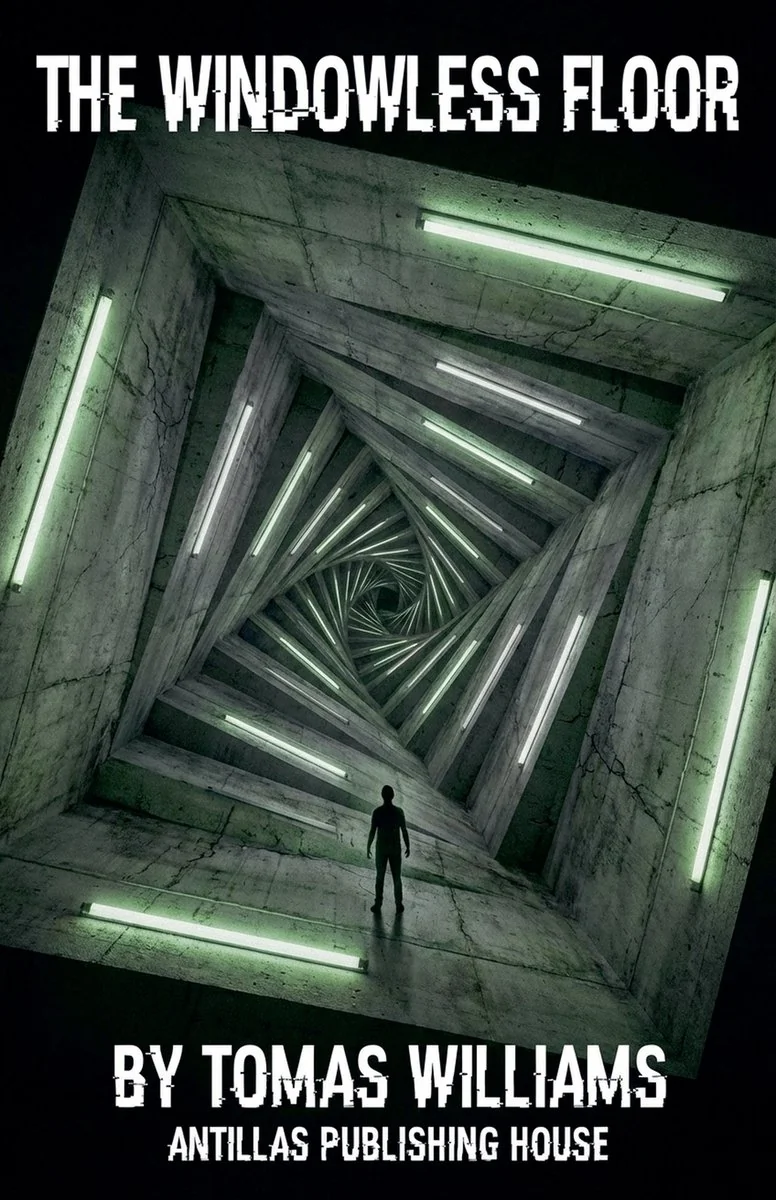
The Windowless Floor
A corporate thriller about an archivist trapped in a living, hostile building.
Maya discovers the Ozymandias Tower is not merely a workplace but a digestive entity. Her journey begins when elevator doors open on a non-existent level, initiating a descent into architectural madness. The text focuses on her struggle against spectral Middle Managers and the disintegration of reality around her. Williams uses the setting to explore themes of corporate dehumanization and existential dread. The narrative does not offer escape but rather the horrifying acceptance of assimilation into the building's structure.
Published by Antillas Publishing House in January 2026, this work sits within the contemporary horror genre. It reflects modern anxieties about corporate culture and urban isolation through the lens of supernatural fiction. The setting emphasizes the dehumanizing nature of brutalist architecture in American cities.


📝 Description: The Windowless Floor
💎 Our verdict on The Windowless Floor
📖 Why choose it
Why this book is worth reading
Readers seeking atmospheric dread and psychological terror will find this narrative compelling. It offers a visceral exploration of corporate dehumanization, transforming mundane office settings into sites of existential horror. Those who appreciate slow-burn entrapment tales where isolation is the primary antagonist will enjoy the claustrophobic tension. The book suits fans of cosmic horror who view their work environment as potentially hostile. It provides a unique lens on modern anxiety through the metaphor of assimilation into an indifferent, living structure. By focusing on sensory details like ozone and humming lights, it immerses the reader in Maya's deteriorating reality. This is for those who prefer unease over action and thematic depth over plot resolution.
⭐ Reader reviews
Reader rating
Williams masterfully blends gothic supernatural elements with corporate satire to create a suffocating atmosphere of architectural madness. The description of Ozymandias Tower as a digestive entity effectively externalizes the fear of being consumed by bureaucracy. The narrative excels in its sensory immersion, using low-frequency hums and breathing walls to build palpable tension. It avoids cheap jumpscares, opting instead for the slow disintegration of reality. This approach suits readers who enjoy psychological horror and tales of entrapment within mundane spaces. While it lacks fast-paced action, its strength lies in the terrifying realization of assimilation. The portrayal of spectral Middle Managers adds a layer of bureaucratic nightmare that feels both absurd and deeply unsettling. It is a rigorous, uncompromising look at existential dread.