When most readers hear "Clive Barker," they picture the Lament Configuration, chains, and the visceral dread of Hellraiser. But Barker's literary output extends far beyond the visual spectacle that made him a household name in horror cinema. His novels and short collections explore territories that film cannot reach: the philosophical vertigo of cosmic horror, the sensual texture of psychological terror, and the kind of baroque imagination that refuses neat categorization.
Barker's prose is not for readers seeking comfort or clarity. His work demands active engagement—it rewards those willing to sit with ambiguity, to follow narrative threads into labyrinths, and to accept that some horrors operate on a level beyond the merely physical. Whether you're a longtime devotee or discovering his written work for the first time, these eleven books showcase why Barker remains one of horror's most influential and uncompromising voices.
The Short Story Collections: Where Barker's Visceral Vision Crystallizes
Barker's short fiction is where his sensibility finds its sharpest expression. These collections prove that his genius lies not in sprawling narrative but in the precise orchestration of dread, body horror, and philosophical unease. They remain the ideal entry point for readers new to his work.
1. Clive Barker's Books of Blood: Volume One (Movie Tie-In)
Books of Blood: Volume One is the foundation of Barker's reputation as a master of visceral horror. These stories don't whisper—they scream. Each tale twists the mundane into nightmare: a man obsessed with a painting, a woman who discovers what lies beneath skin, a theater where the audience becomes the performance. The collection's genius lies in its refusal to separate body horror from psychological terror. For Barker, the two are inseparable. If you've only encountered Barker through film, this collection will show you the raw intensity of his prose style, unfiltered by a director's vision.
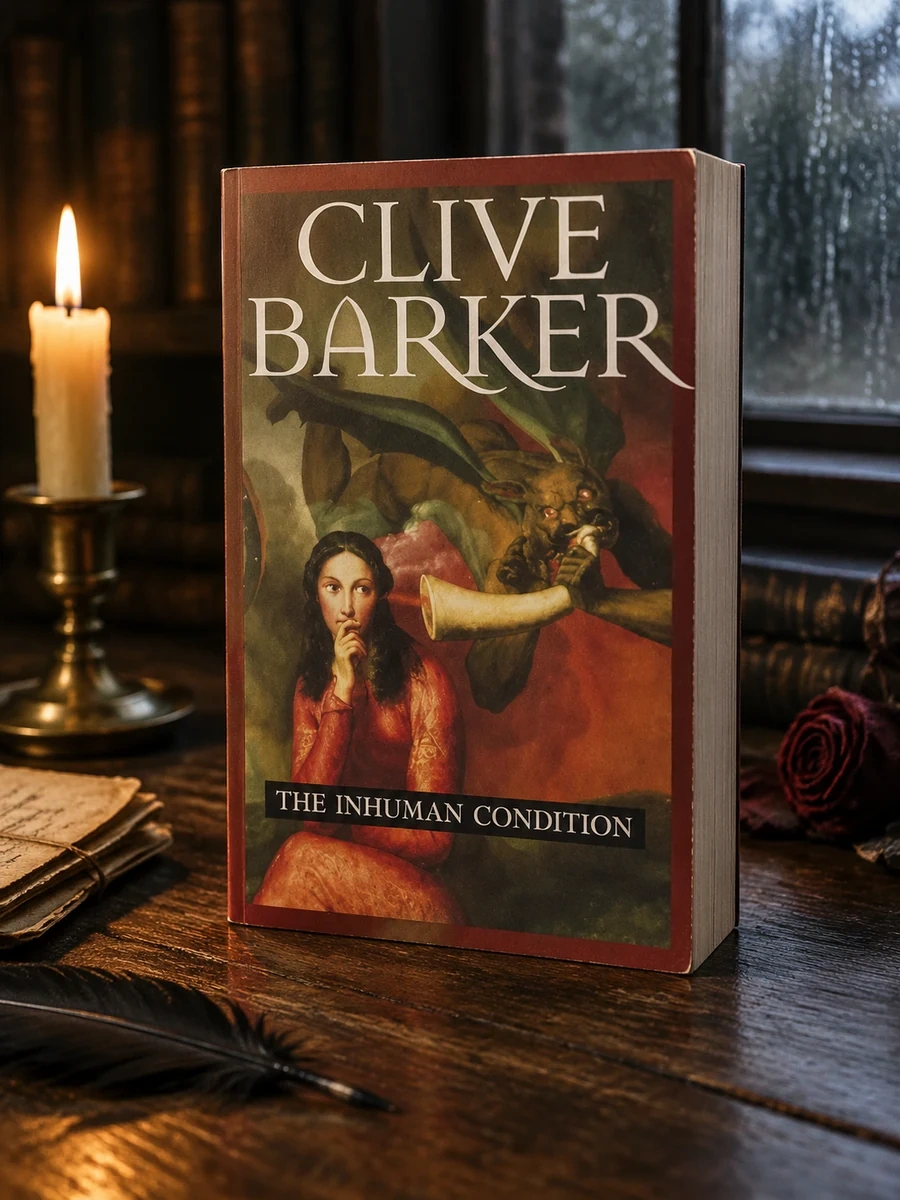
2. The Inhuman Condition
The Inhuman Condition pushes further into surrealism and philosophical dread. These stories operate in the space where reality bends—where the rules of the world become negotiable, and the cost of that negotiation is paid in flesh and sanity. One story follows a man who discovers he can literally unzip his skin; another explores a house that contains infinities. This collection is for readers who want their horror to be genuinely strange, not merely grotesque. Barker's prose here achieves a kind of baroque beauty, even as it describes the most disturbing imagery.
3. Cabal
Cabal is Barker's most gothic collection, built around the novella that became the film Nightbreed. The title story explores a hidden city of monsters and outcasts—a place where the truly inhuman find sanctuary from a human world that hunts them. What makes Cabal essential is its inversion of horror's moral compass. The monsters are sympathetic; the humans are the true predators. The collection's other stories maintain this theme: the marginalized, the cursed, the beautiful and broken, all seeking refuge from a world that cannot tolerate their existence. It's Barker's most emotionally resonant work.
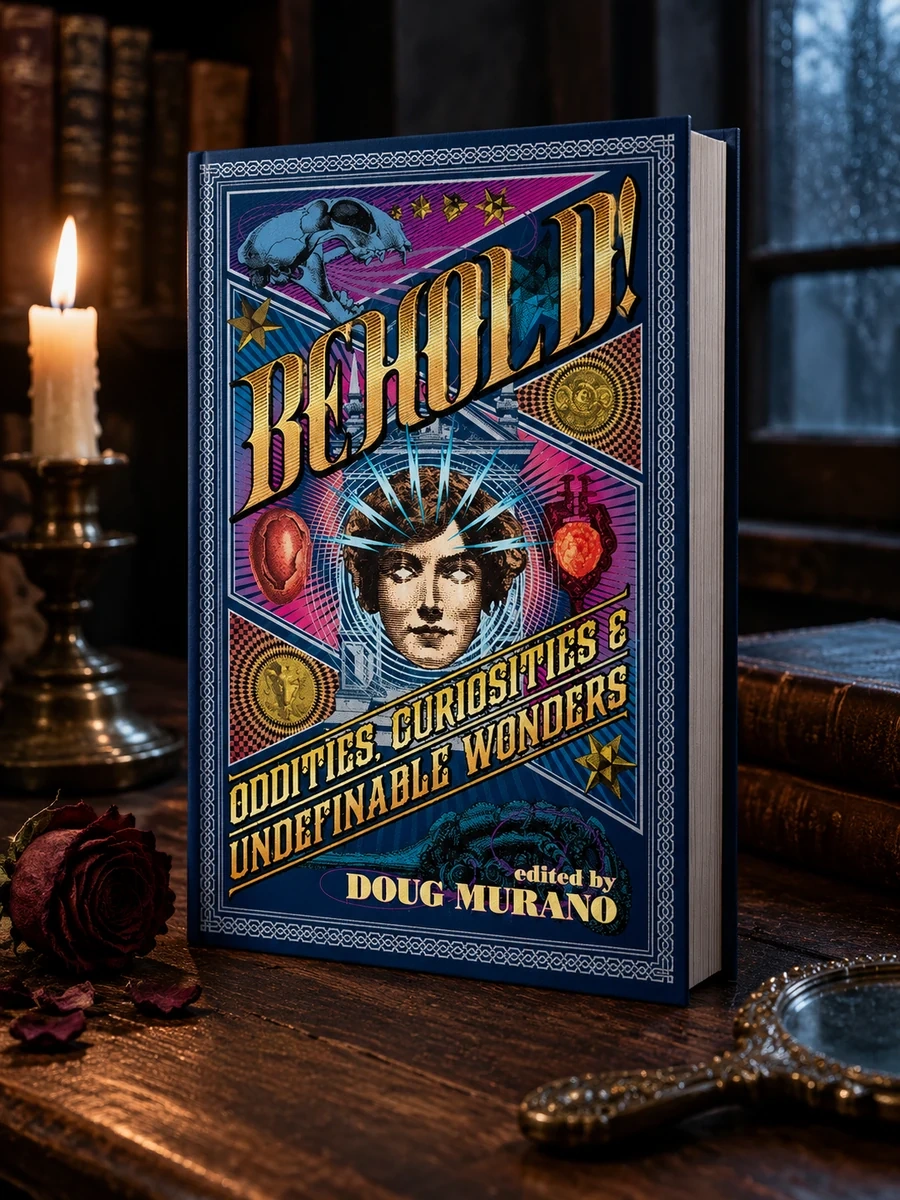
4. Behold!: Oddities, Curiosities and Undefinable Wonders
Behold! is Barker's most recent collection, and it demonstrates that his powers remain undiminished. These stories prioritize atmospheric dread and psychological unease over explicit gore. A woman encounters something in a museum; a man receives a mysterious package; reality fractures in small, terrible ways. This collection suits readers who appreciate Barker's ability to create unease through suggestion and implication rather than description alone. It's proof that cosmic horror and sensual darkness remain his native territory.
The Philosophical Epics: Barker's Novels of Cosmic Dread
Barker's longer works are where his ambition reaches its fullest expression. These are not traditional horror novels—they're philosophical inquiries wrapped in darkness, explorations of desire and transcendence that refuse easy resolution.
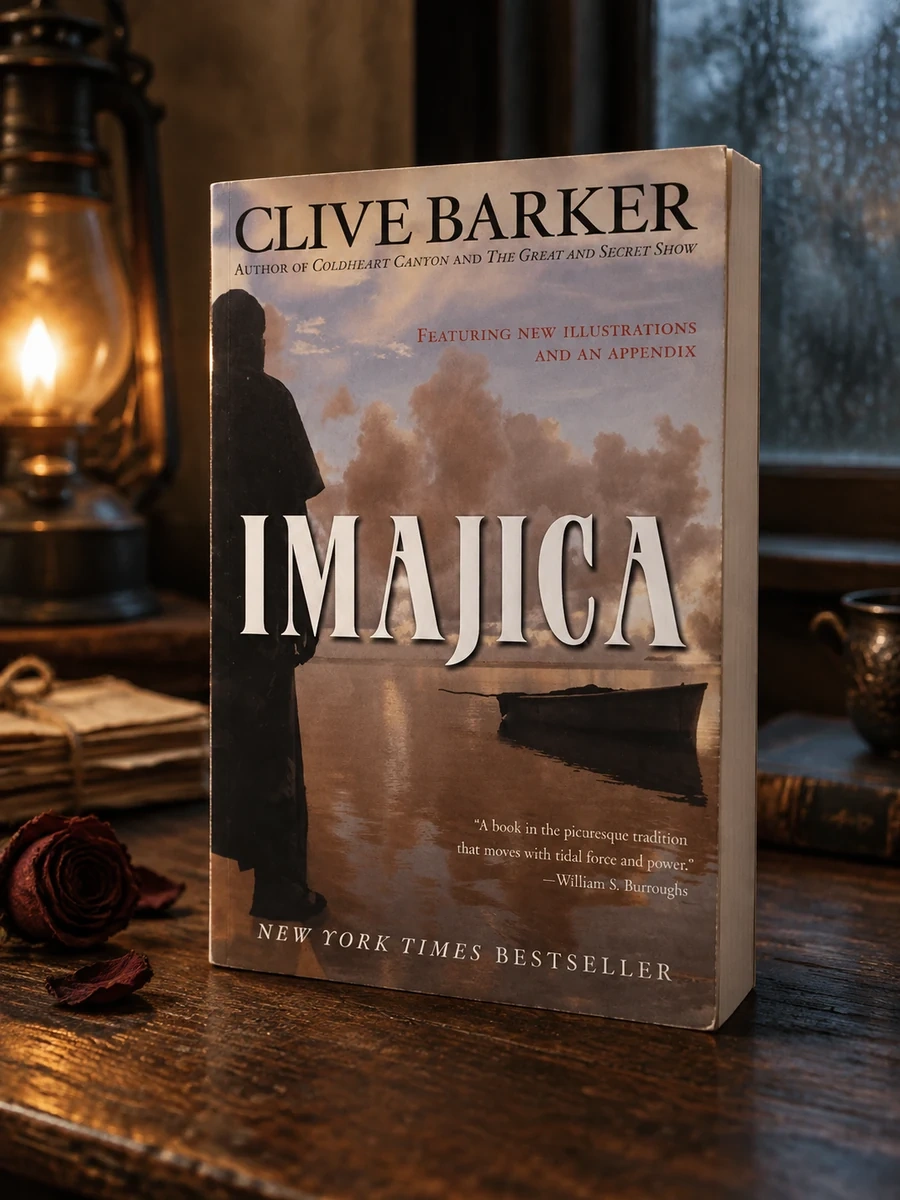
5. Imajica
Imajica is Barker's masterwork: a labyrinthine fantasy that defies categorization. It spans multiple worlds, centuries of history, and a cast of characters so complex that readers often need a map to follow the narrative. The plot involves a woman, a man, and a conspiracy to reshape reality itself. But plot is almost beside the point. Imajica is about desire, transcendence, and the collision between the mundane and the divine. It's a novel that rewards rereading and refuses to be easily summarized. If you crave high-concept horror that treats the reader as an intellectual equal, Imajica is essential. Fair warning: it's dense, it's long, and it demands patience. But the payoff is extraordinary.
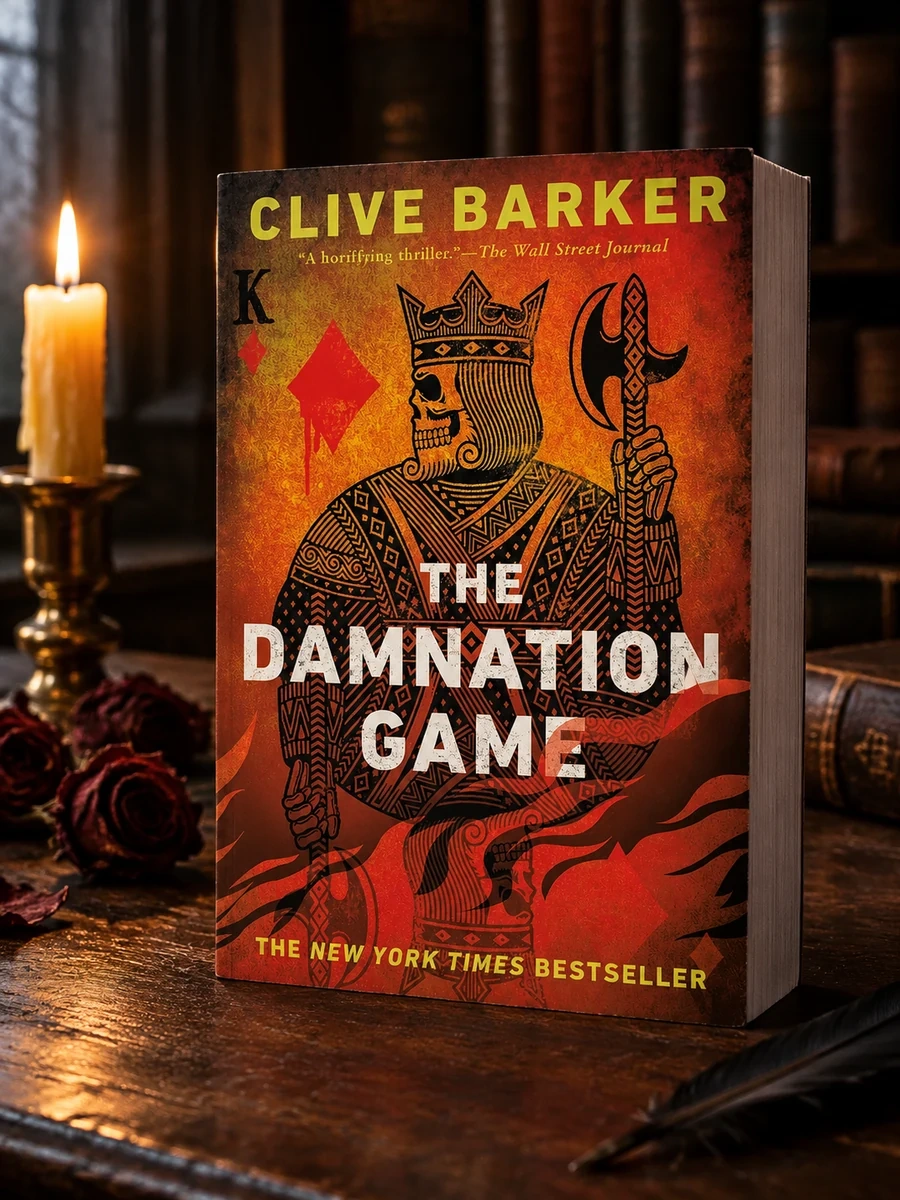
6. The Damnation Game
The Damnation Game is Barker's most straightforward novel, yet it remains philosophically complex. It's a Faustian tale: a man makes a deal with a demon, and the consequences spiral across generations. The novel explores themes of power, corruption, and the price of ambition. What distinguishes it from other Faustian narratives is Barker's refusal to moralize. There are no easy judgments here, no clear demarcation between good and evil. The horror emerges from the collision of human desire with forces that operate beyond human morality. It's a novel that lingers in the mind long after the final page.
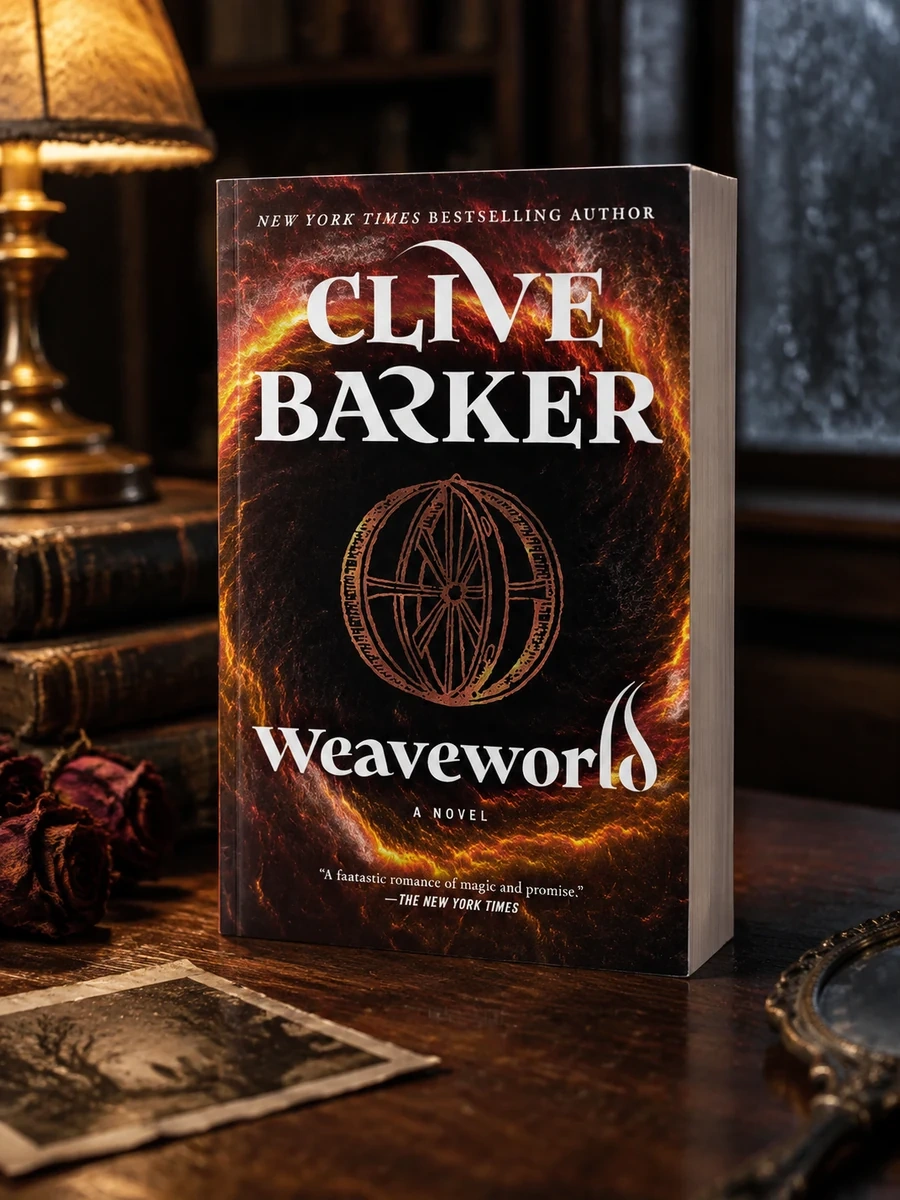
7. Weaveworld
Weaveworld is Barker's most ambitious work of high fantasy, though it remains rooted in horror sensibility. It tells the story of a magical world woven into a carpet, and the people who must protect it from those who would exploit or destroy it. The novel is vast in scope, rich in imagery, and deeply concerned with themes of loss, memory, and the fragility of beauty in a world that seeks to destroy it. For readers who want Barker's philosophical depth and imaginative power but prefer a narrative that feels less claustrophobic than Imajica, Weaveworld offers an alternative entry point into his longer fiction.
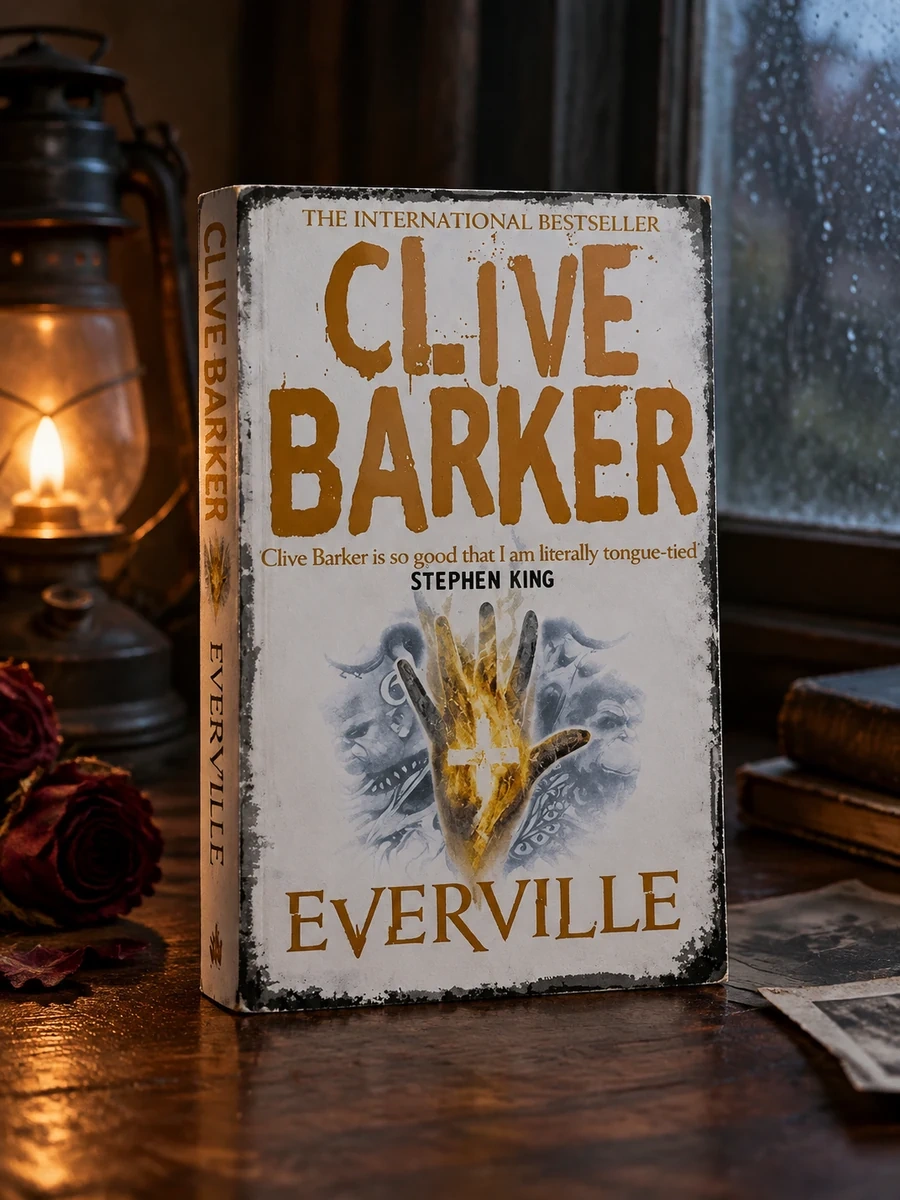
8. Everville
Everville is a novel of occult obsession and hidden realms. It follows multiple characters drawn into a town that exists at the intersection of reality and dream, where desires manifest and the past refuses to stay buried. The novel is visceral and body-horror-focused, but it's also deeply philosophical—an exploration of how we construct meaning and how that meaning can consume us. Everville is for readers who want their horror to be both physically disturbing and intellectually challenging.
The Darker Fantasies: Barker's Sensual and Mythic Works
These novels blend fantasy, horror, and mythology into something that resists easy categorization. They showcase Barker's ability to create worlds where the rules of reality are fundamentally different from our own.
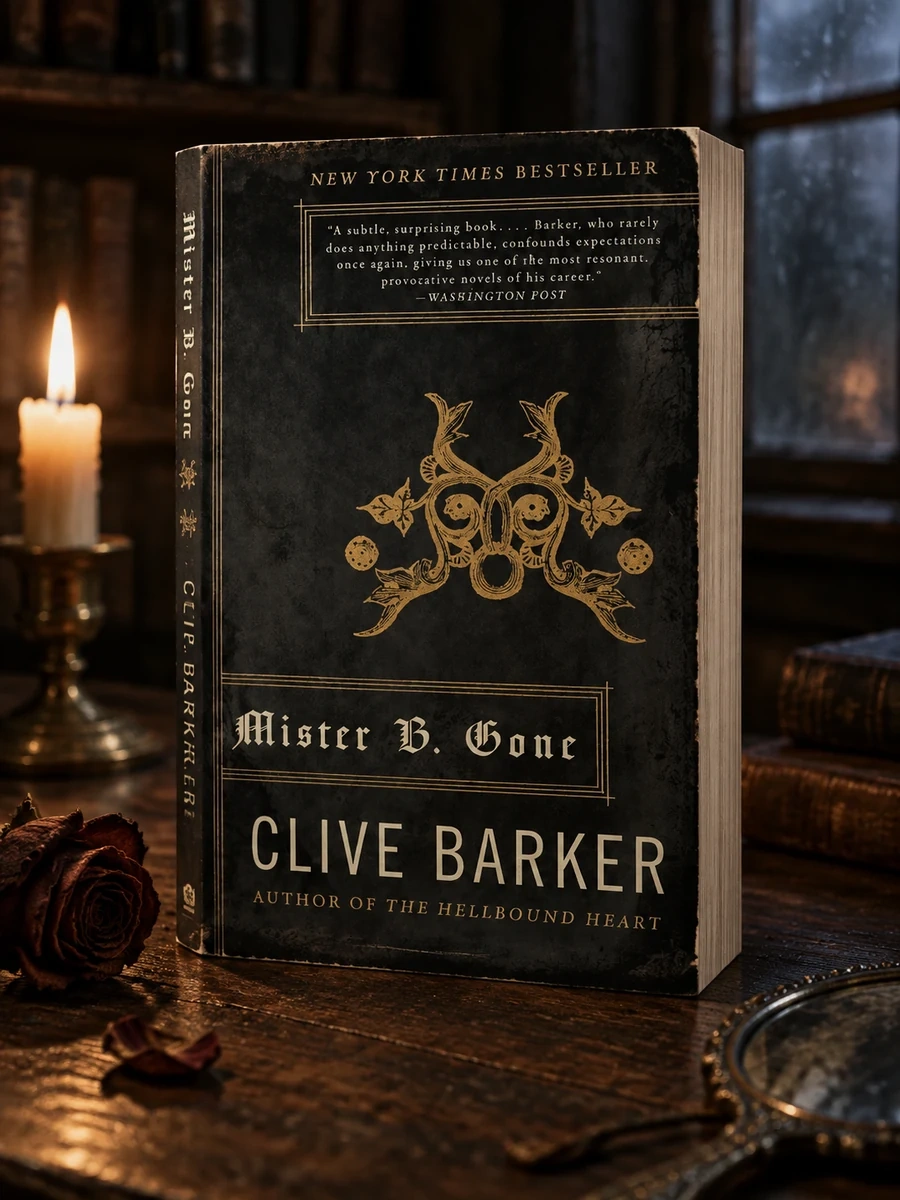
9. Mister B. Gone
Mister B. Gone is told from the perspective of a demon—a creature of ancient filth and malice who narrates his own history. The novel is a descent into depravity, a first-person account of cosmic horror and sensual darkness. It's not a comfortable read. Barker makes no attempt to make his demon sympathetic or to soften the edges of his monstrosity. Yet there's a strange fascination in the voice, a baroque eloquence that makes the horror all the more effective. This is Barker at his most uncompromising.
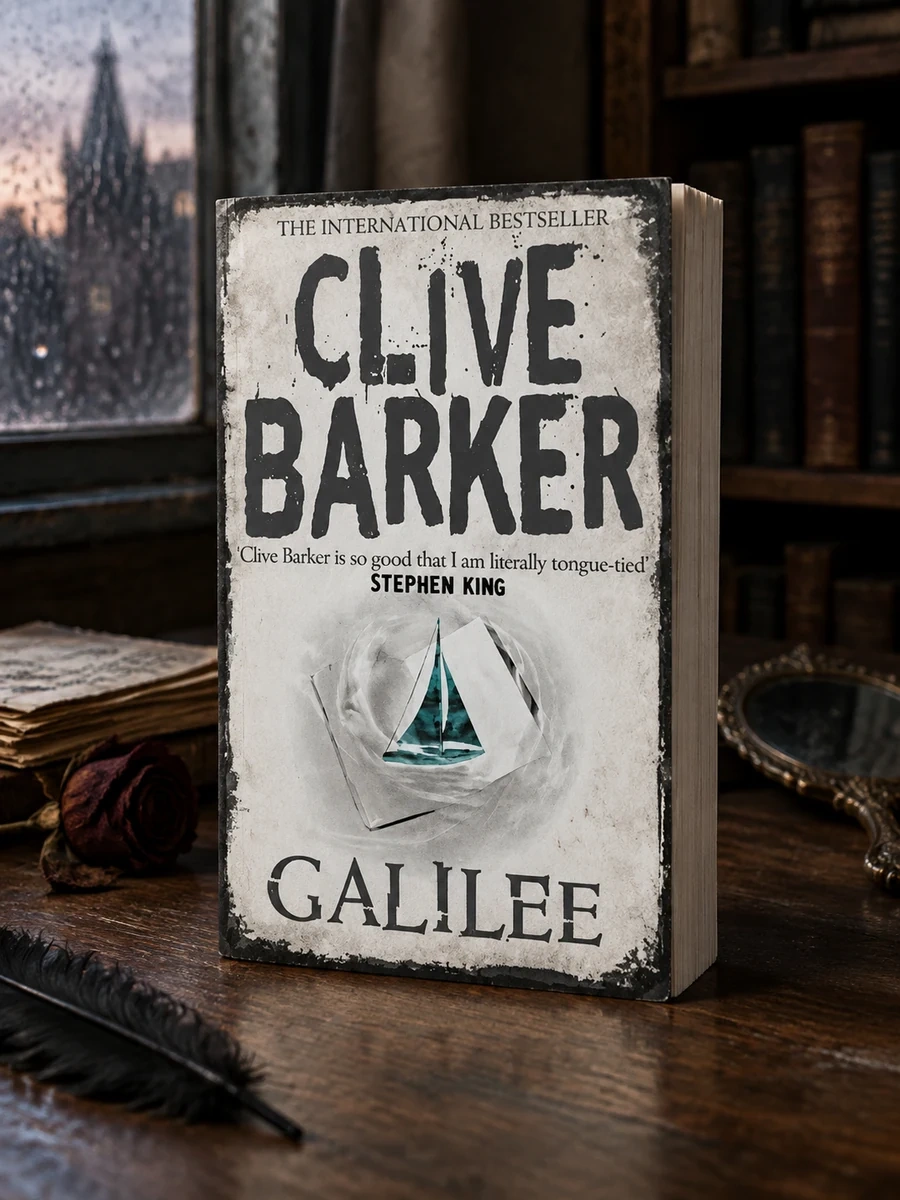
10. Galilee
Galilee is a dynastic saga layered with occult intrigue and psychological decay. It tells the story of two families locked in eternal conflict, their desires and obsessions spanning generations. The novel is lush, sensual, and deeply concerned with themes of forbidden passion and the corruption that comes with power. It's Barker's most gothic work, a novel that feels like it could have been written in the nineteenth century if the nineteenth century had possessed Barker's sensibility.
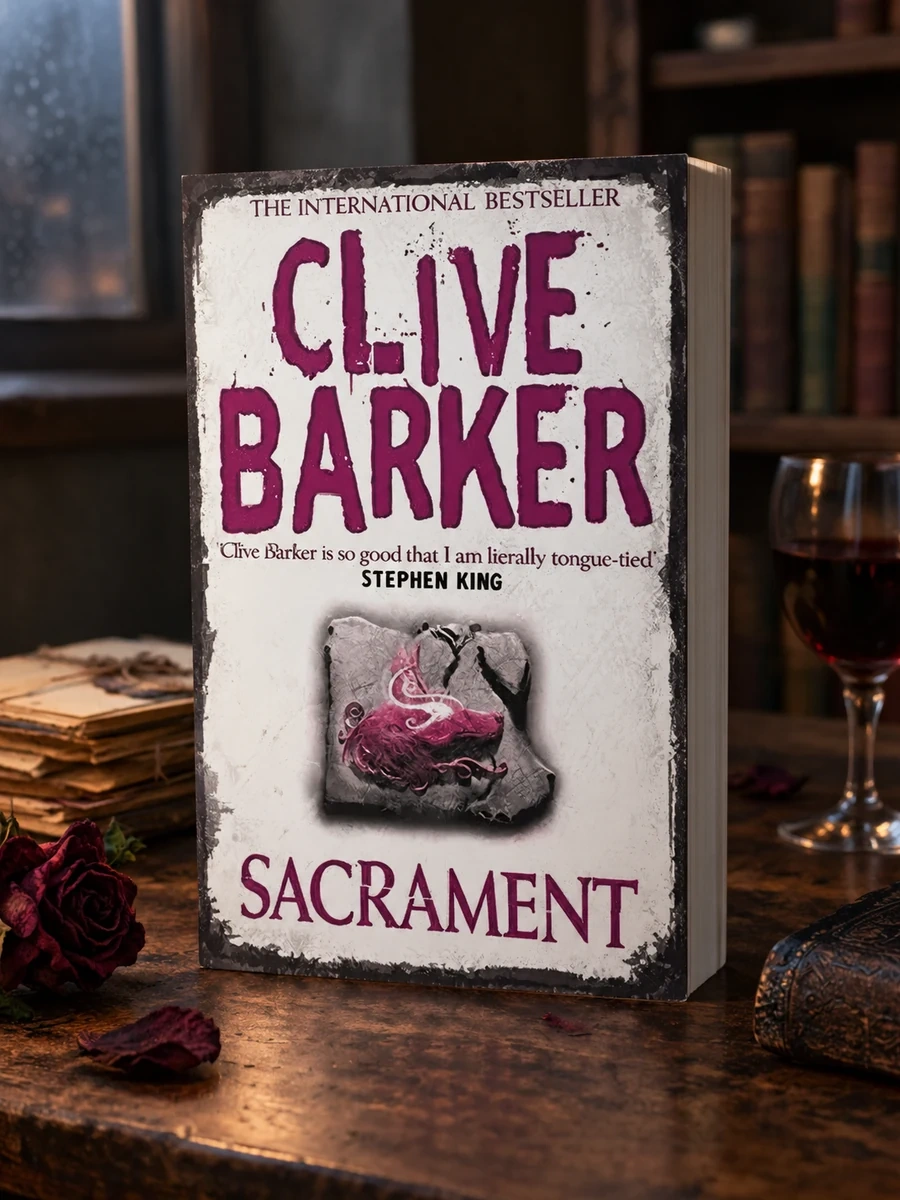
11. Sacrament
Sacrament is a novel of visceral psychological horror and deep trauma exploration. It follows a man returning to his childhood home, where he must confront the secrets and horrors that shaped him. The novel is intimate and claustrophobic, focused on the interior landscape of guilt and desire. It's Barker's most introspective work, proof that his horror operates most effectively when it turns inward, toward the psychological and the personal.
Choosing Your Barker: A Guide to Entry Points
Barker's work is not monolithic, and different readers will find different entry points depending on their tolerance for ambiguity, their appetite for visceral imagery, and their comfort with philosophical complexity.
If you want immediate impact: Start with Books of Blood: Volume One. These stories are short, intense, and showcase Barker's mastery of the form. You'll know within a few pages whether his sensibility aligns with yours.
If you want to understand his range: Read Cabal next. It's more emotionally resonant than Books of Blood, and it demonstrates that Barker's horror operates on multiple registers—visceral, philosophical, and deeply human.
If you want philosophical depth: Move to Imajica or Weaveworld. These are long commitments, but they reward patient readers with worlds of genuine complexity and beauty.
If you want psychological horror: Sacrament and Everville turn Barker's sensibility inward, toward trauma and obsession.
The common thread across all of Barker's work is his refusal to separate the physical from the philosophical, the visceral from the intellectual. His horror is never merely decorative—it always serves a deeper purpose, always asks questions about desire, transcendence, and what it means to be human in a universe that may not care about human morality. That's what makes him essential reading for anyone serious about horror fiction.