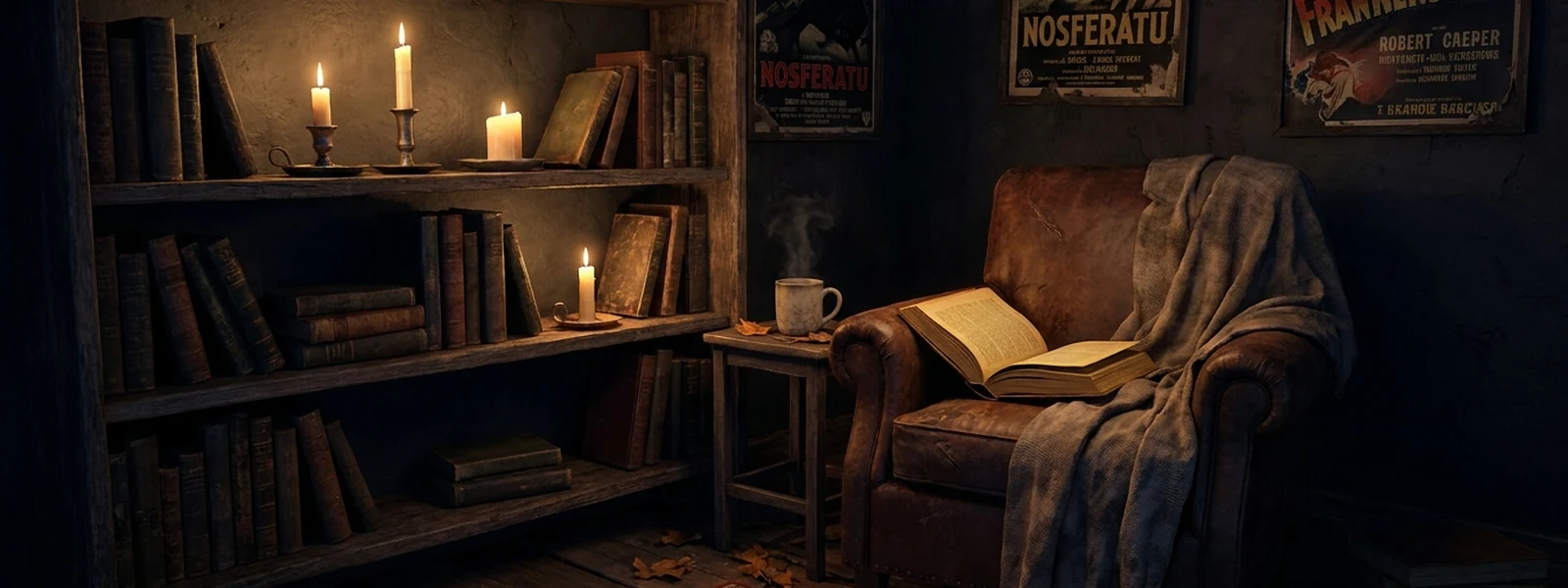
When most readers think of cosmic horror, they think of H.P. Lovecraft. But Lovecraft himself acknowledged a deeper debt: to Robert W. Chambers, the American writer whose 1895 collection The King in Yellow established the template for weird fiction that would dominate the next century. Chambers wrote across multiple genres—romance, adventure, mystery, social satire—but his horror work remains his most enduring legacy. His influence runs through Lovecraft, through modern weird fiction, and into the DNA of contemporary cosmic horror.
What makes Chambers essential isn't just historical importance. His best work combines genuine atmospheric dread with psychological insight. He understood that the most unsettling horror isn't always the most explicit. A yellow sign glimpsed in a city street. A book that shouldn't be read. A slow realization that reality isn't what you believed. These are Chambers's tools, and they still work.
If you're new to Chambers, or looking to deepen your reading, this guide covers his most important and rewarding books—the ones that shaped horror fiction and still deserve your time.
Where to Start: The Foundational Works
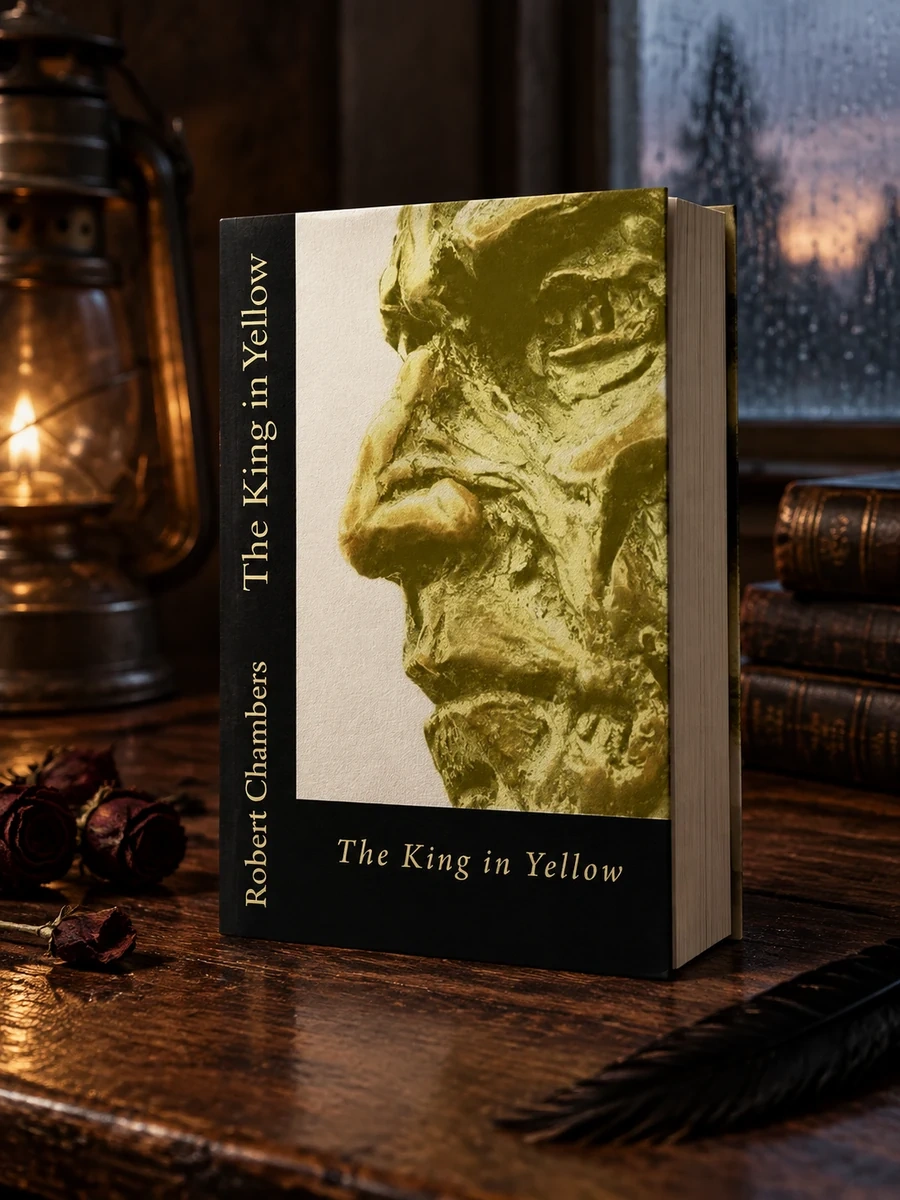
1. The King in Yellow — Robert W. Chambers
The King in Yellow is the obvious entry point, and for good reason. This 1895 collection of interconnected stories centers on a forbidden play—also called The King in Yellow—that drives readers to madness or suicide. The play itself is never fully revealed; Chambers shows us only its effects. The collection opens with "The Repairer of Reputations," a story of obsession and urban decay in New York that feels as unsettling today as it did 130 years ago. Other standouts include "The Yellow Sign" and "The Mask," both of which explore the boundary between art, reality, and psychological collapse. The prose is ornate but purposeful, and the atmosphere is thick enough to feel claustrophobic. This is the book that made Lovecraft sit up and pay attention. Under $10.
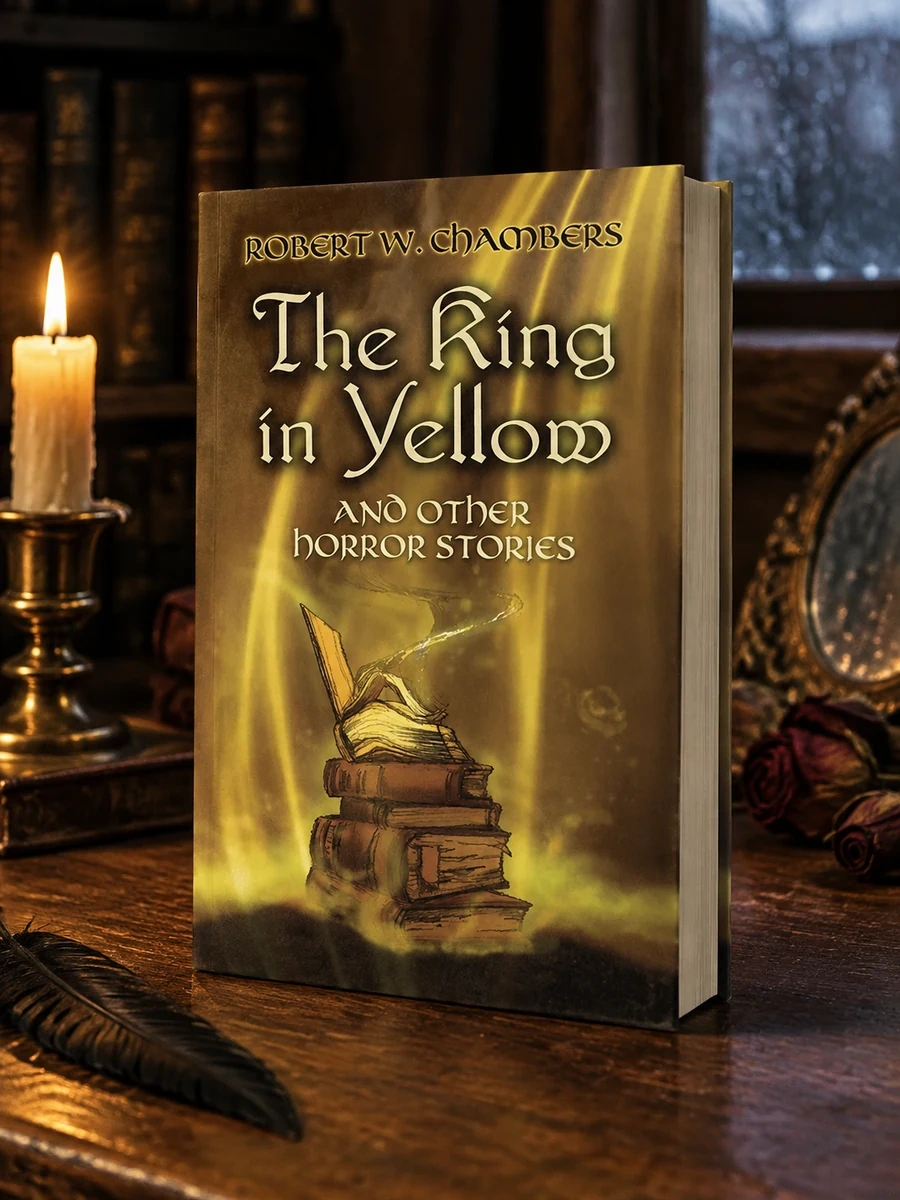
2. The King in Yellow and Other Horror Stories — Robert W. Chambers
If you want a broader sampler of Chambers's horror work beyond the original collection, The King in Yellow and Other Horror Stories expands the canon with additional tales. This edition includes the core material plus selections that show Chambers working in different registers—some purely atmospheric, others more grounded in psychological realism. It's a useful volume for readers who want to understand his range without committing to his longer novels. Around $17.
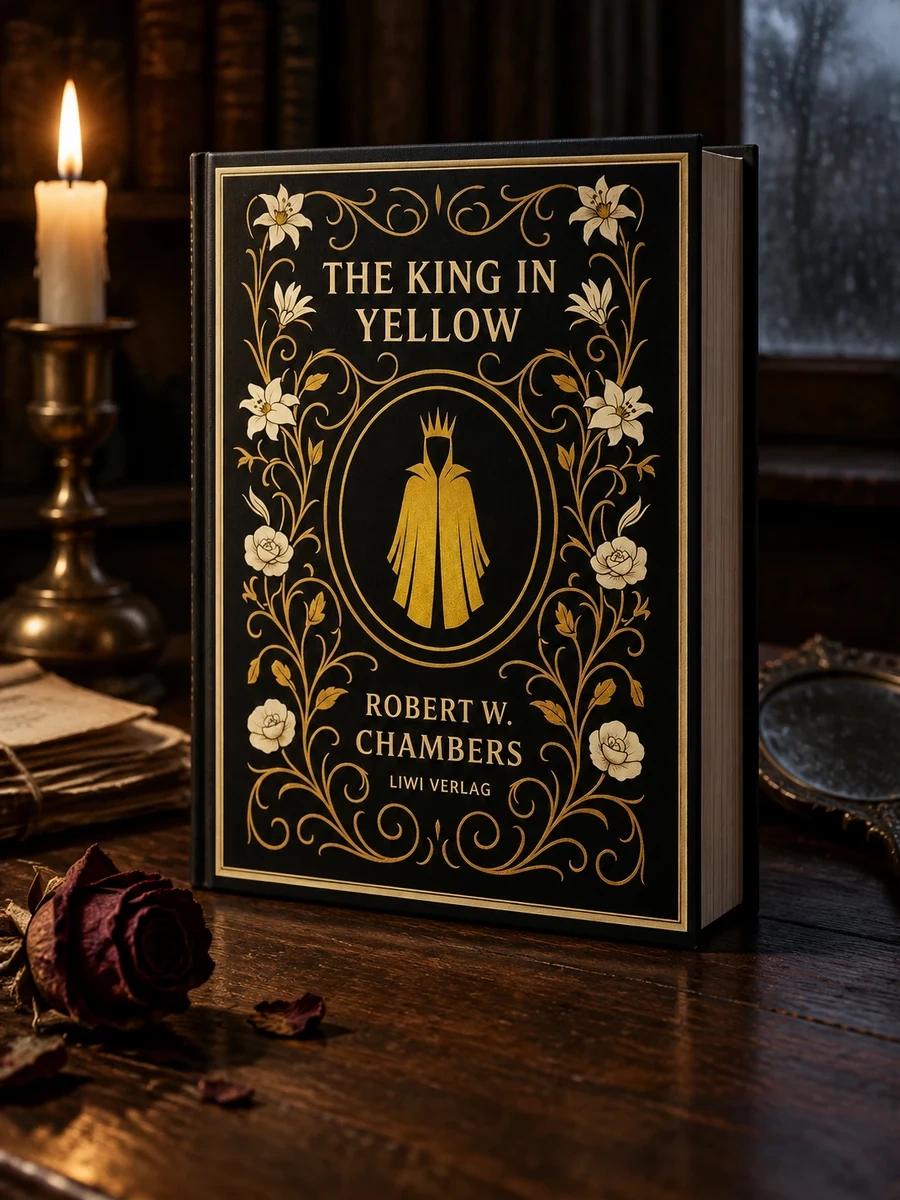
3. Robert W. Chambers: The King in Yellow (English Edition) — Robert W. Chambers
For readers who want a premium edition of the foundational text, Robert W. Chambers: The King in Yellow (English Edition) offers a more substantial presentation. This is the book to own if you plan to return to it, annotate it, or display it. The editorial score reflects careful production. $15.
Cosmic Horror and the Weird: Chambers Beyond the Yellow Sign
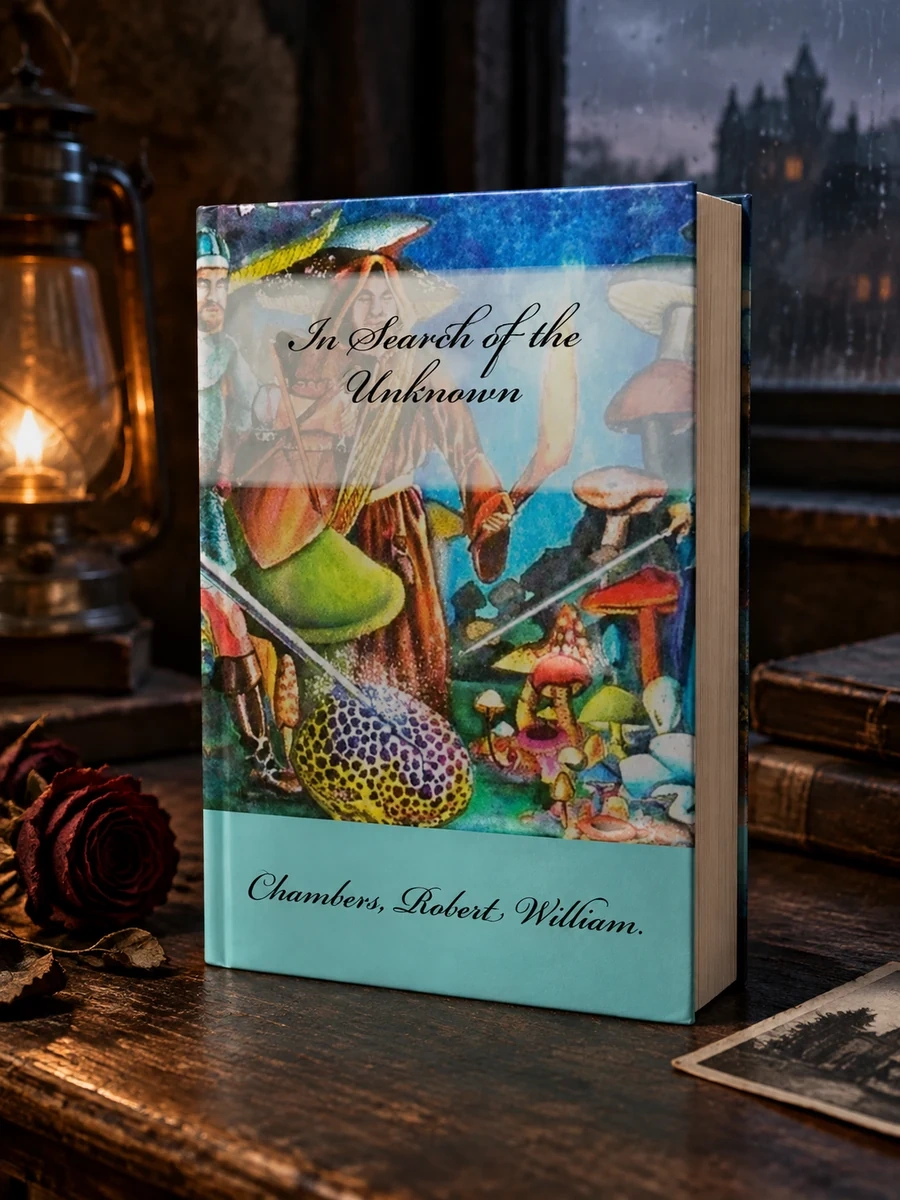
4. In Search of the Unknown — Robert W. Chambers
In Search of the Unknown is a collection of short stories that leans into scientific mystery and the uncanny. These tales often feature naturalists, explorers, and scientists encountering phenomena that defy rational explanation. The tone is less ornate than The King in Yellow, more direct, but no less effective. If you enjoy cosmic horror that grounds itself in plausible scenarios—a creature in the woods, an archaeological discovery gone wrong—this collection rewards careful reading. Under $10.
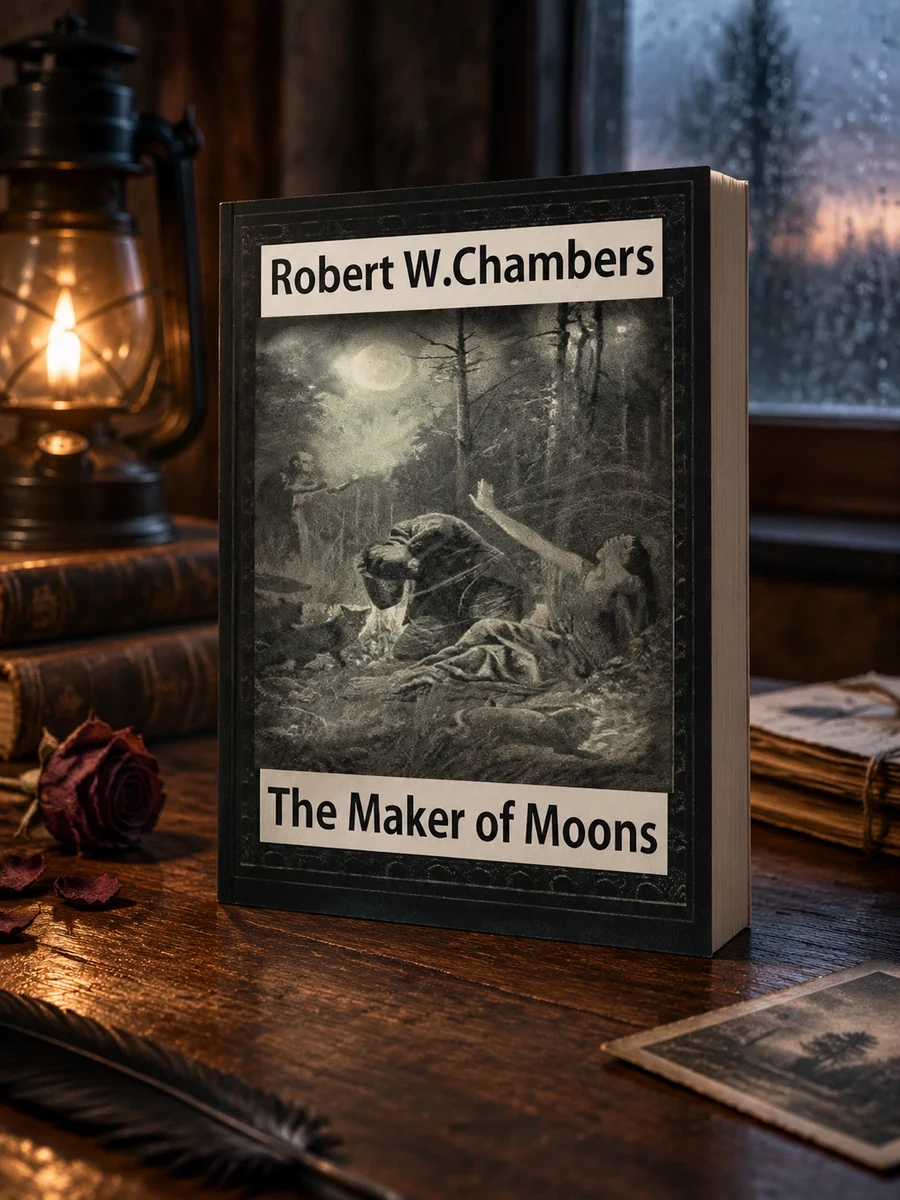
5. The Maker of Moons (1896), by Robert W. Chambers — Robert W. Chambers
The Maker of Moons is another early collection that shows Chambers experimenting with weird and speculative themes. The stories here blend science fiction, fantasy, and horror in ways that feel ahead of their time. Some lean toward the fantastical; others toward genuine dread. It's a book that reveals Chambers as a writer unafraid to mix genres, to let the weird and the mundane collide. Under $10.
6. Police!!! — Robert W. Chambers
Police!!! is a collection of mystery and crime stories with a dark edge. While not purely horror, these tales share the psychological intensity and urban atmosphere of his best work. The title itself—with its triple exclamation—signals Chambers's willingness to play with form and reader expectation. If you want Chambers writing in a more grounded register, investigating crime and corruption, this is the place. Under $10.
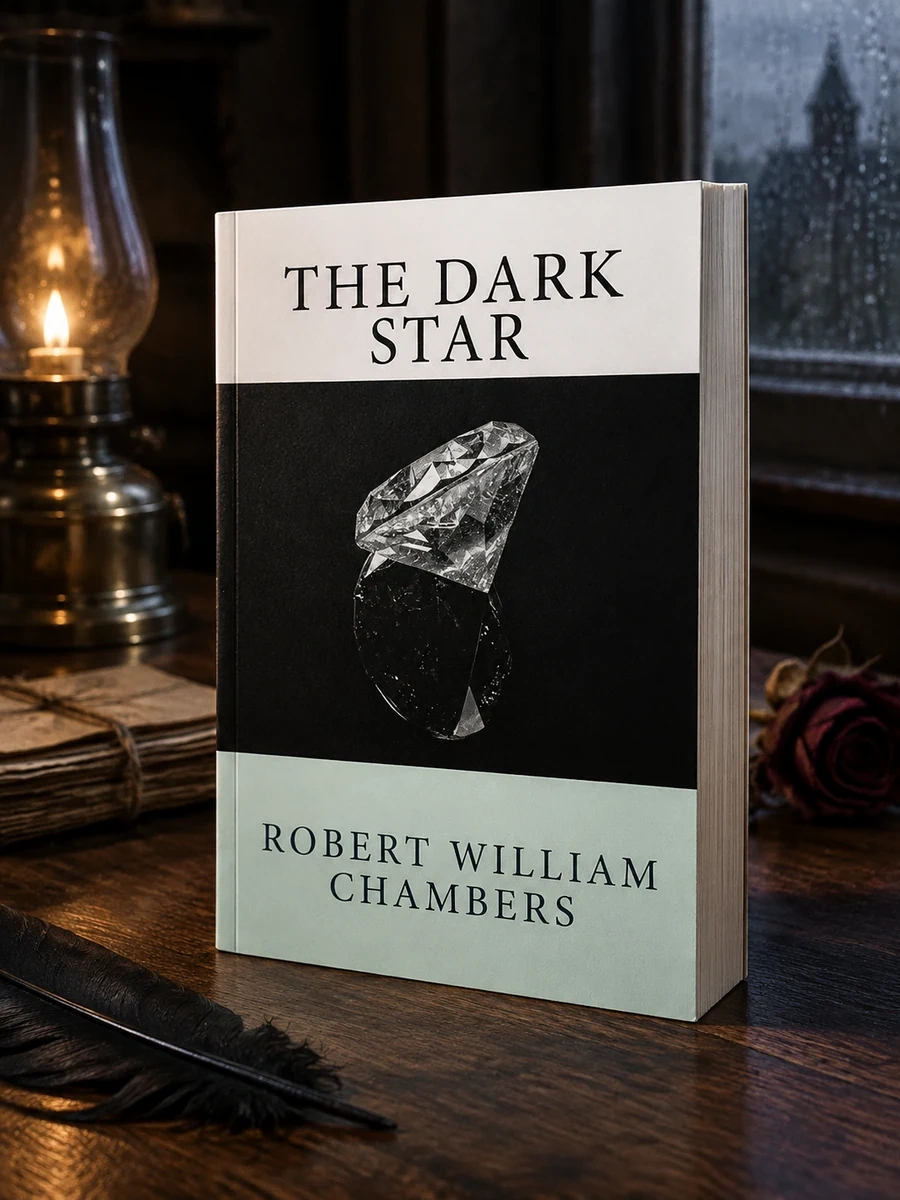
7. The Dark Star — Robert W. Chambers
The Dark Star is a novel that combines romance, intrigue, and cosmic unease. Chambers often blended genres in ways that modern genre categories struggle to contain. This book is a good example: it's a love story, a spy thriller, and a meditation on fate and the unknown all at once. The prose is elegant, the pacing deliberate. It's for readers who want Chambers's atmospheric gifts applied to a longer narrative. $15.
Longer Works and Deeper Dives
8. The Reckoning — Robert W. Chambers
The Reckoning is one of Chambers's most ambitious novels, a sprawling work that weaves together multiple storylines and timelines. It's a book that demands patience but rewards it with a sense of scope and inevitability. The title itself suggests judgment, consequence, a settling of accounts. This is Chambers working at full length, exploring themes of fate, morality, and the hidden forces that shape human lives. $37.
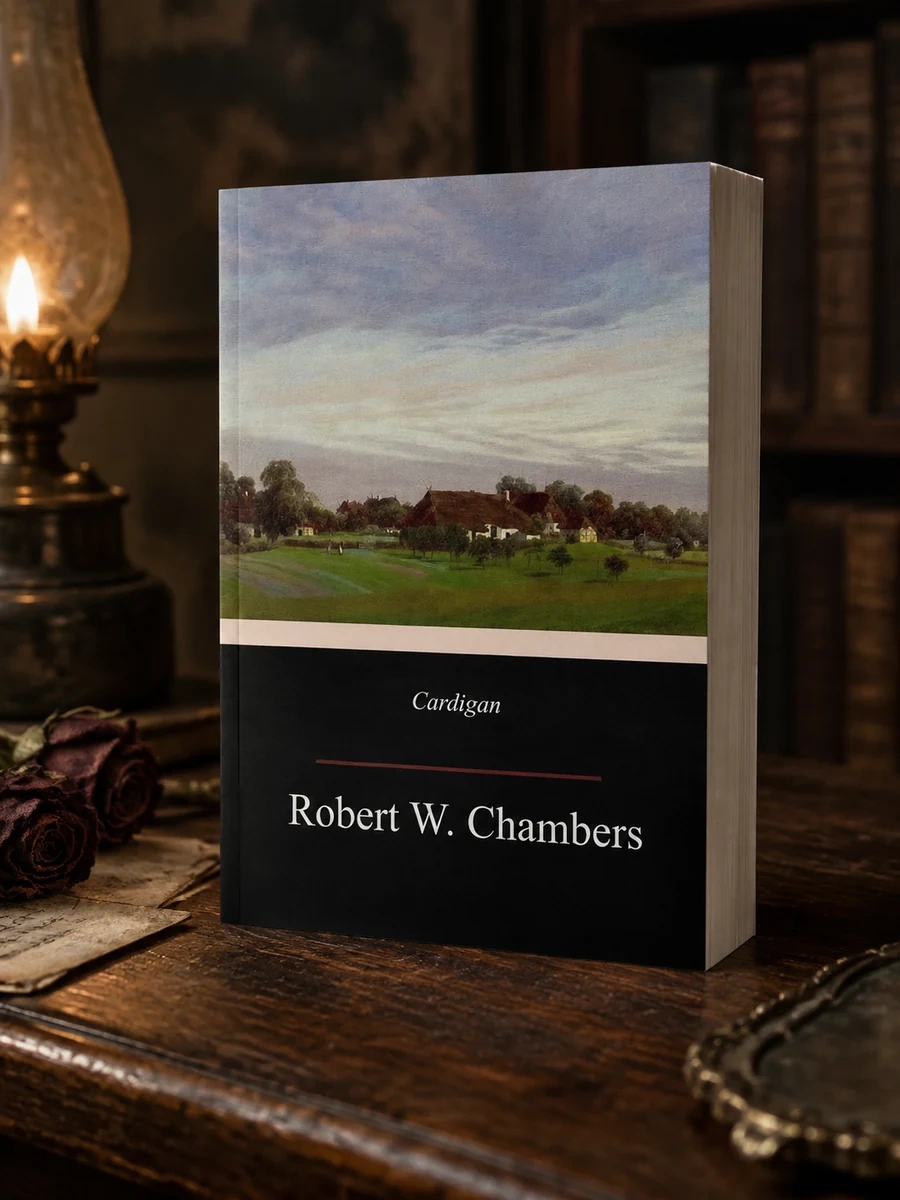
9. Cardigan — Robert W. Chambers
Cardigan is a historical novel set during the French and Indian War, but Chambers brings his characteristic atmosphere to the frontier setting. There's danger, mystery, and a sense that events are driven by forces beyond the characters' understanding. It's adventure fiction, but with an undercurrent of unease. Under $10.
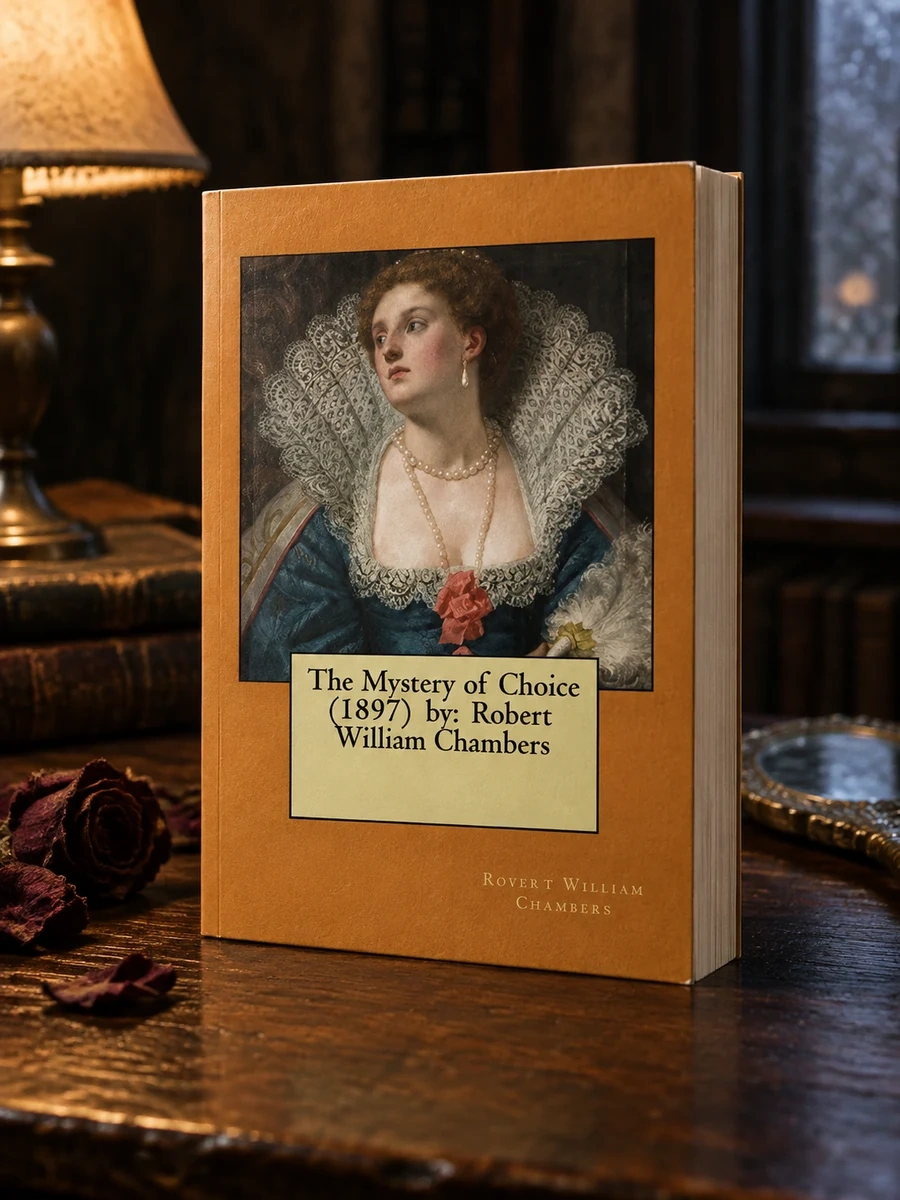
10. The Mystery of Choice (1897) by: Robert William Chambers — Robert W. Chambers
The Mystery of Choice is a collection that explores themes of fate, decision, and consequence. The stories here are more psychological than overtly supernatural, but they share a preoccupation with the hidden forces that govern human behavior. For readers interested in Chambers's exploration of the mind and choice, this collection is essential. Under $10.
For the Completist: Deeper Cuts
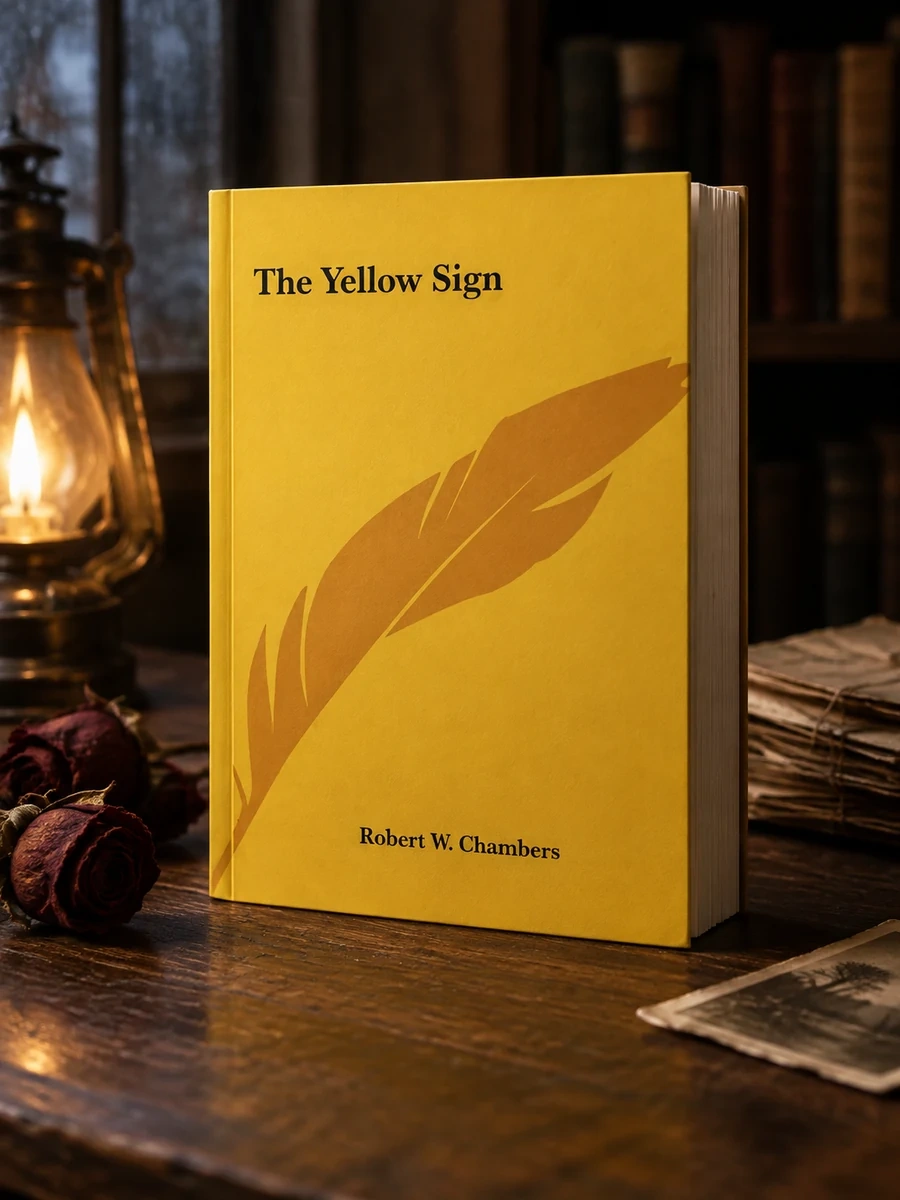
11. The Yellow Sign — Robert W. Chambers
The Yellow Sign is a standalone edition of one of Chambers's most famous stories, originally from The King in Yellow. If you want to own this particular tale in its own right, or to give it as a gift, this edition makes it available separately. $18.
12. Shadows of Carcosa: Tales of Cosmic Horror by Lovecraft, Chambers, Machen, Poe, and Other Masters of the Weird — Edgar Allan Poe
Shadows of Carcosa is an anthology that places Chambers in conversation with Lovecraft, Machen, Poe, and others. It's a useful volume for understanding Chambers's place in the lineage of weird fiction, and for discovering how his work resonates alongside his peers and successors. $19.
How to Choose Your Chambers Reading
Start with The King in Yellow. It's short, it's foundational, and it will tell you immediately whether Chambers's style speaks to you. His prose is more ornate than modern horror; his pacing is deliberate; his scares are often psychological rather than visceral. If you find yourself drawn to atmosphere, to the suggestion of horror rather than its explicit depiction, you'll likely love what comes next.
From there, your path depends on what you want. If you want more short fiction in the same vein, move to In Search of the Unknown or The Maker of Moons. If you want to see Chambers working at novel length, try The Dark Star or Cardigan. If you're interested in his psychological and philosophical preoccupations, The Mystery of Choice is rewarding.
Chambers wrote across many genres and moods. His horror work is his most celebrated, but his romances, adventures, and mysteries are worth exploring too. The through-line in all his work is an interest in fate, in the hidden forces that shape human lives, in the fragility of sanity and certainty. That preoccupation is what makes him essential reading for anyone serious about horror fiction.