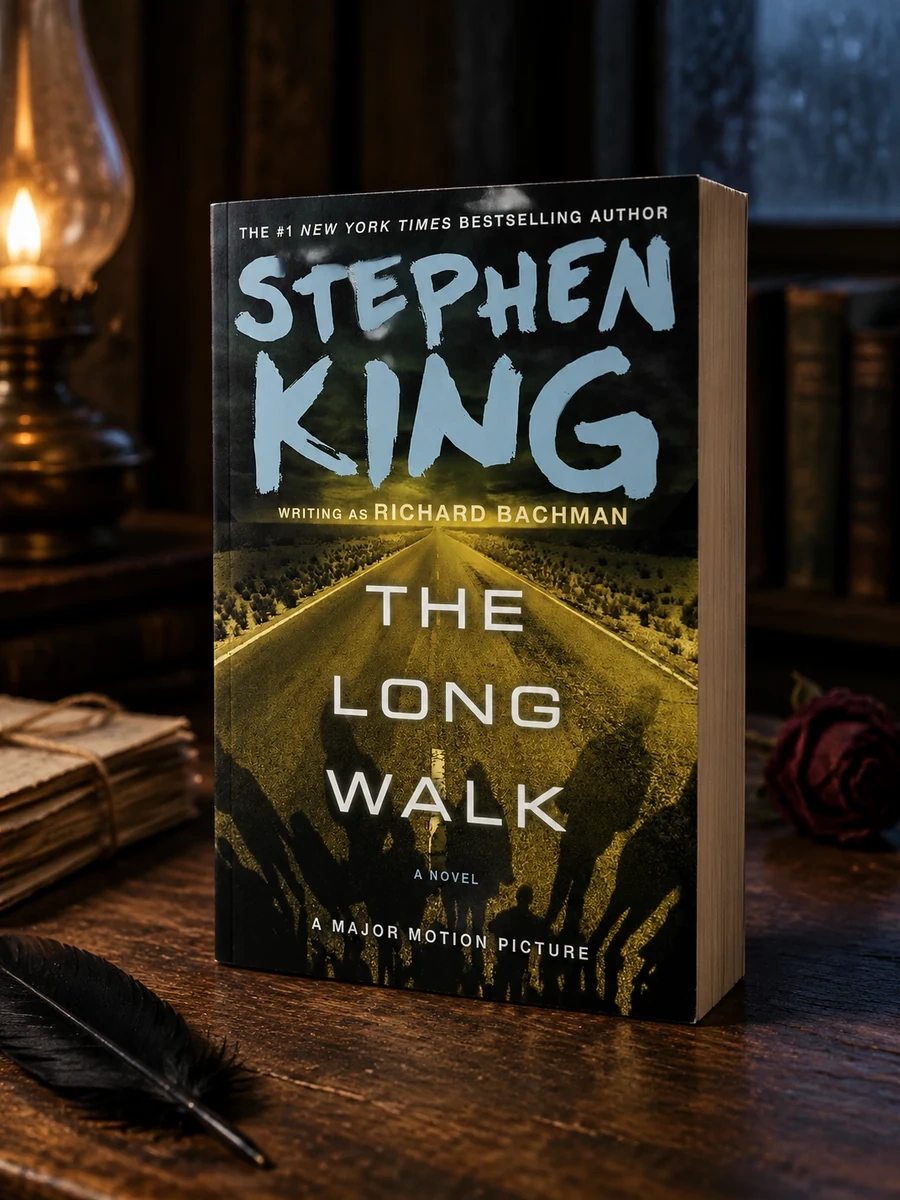
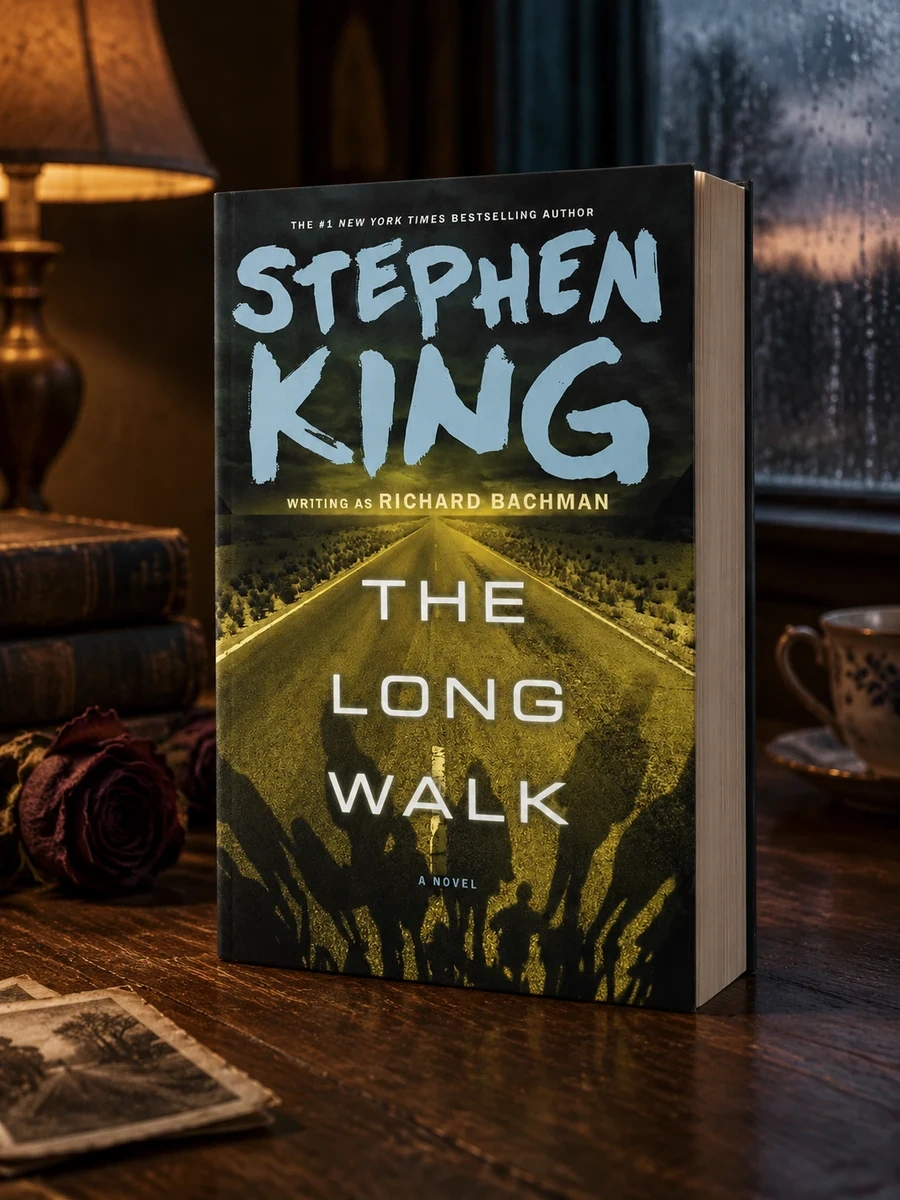
When Stephen King published The Long Walk under his Richard Bachman pseudonym in 1979, it arrived quietly—overshadowed by The Stand and The Shining, both released around the same era. Four decades later, it remains the novel King fans whisper about in corners, the one they recommend with an almost guilty intensity. It deserves to be shouted from rooftops.
The Long Walk is King's most underrated endurance-horror novel, and it's perfect for readers who loved the sprawling psychological terror of It but want something leaner, faster, and more relentlessly bleak. There are no supernatural entities here, no interdimensional spiders or haunted hotels. Instead, King delivers pure, distilled human horror: a government-sanctioned walking competition where 100 teenage boys must walk continuously until only one remains alive. The last one standing wins a prize. The rest are eliminated—shot dead by soldiers riding alongside them.
What makes The Long Walk so effective is its refusal to look away. King locks you inside the deteriorating mind of Ray Garraty, the novel's protagonist, as he and his fellow walkers experience blistered feet, hallucinations, desperation, and the slow erosion of hope. The horror is intimate, physical, and utterly human. There are no jump scares, no supernatural explanations. Just the sound of gunshots and the knowledge that every step could be your last.
1. The Lean, Relentless Machinery of Dread
The Long Walk moves with the inevitability of a guillotine blade. King strips away the sprawling subplots and character backstories that define his longer works, creating a novel that feels like a pressure cooker. You're not given time to catch your breath—neither is Ray. The pacing mirrors the walk itself: exhausting, hypnotic, and impossible to abandon.
This is King at his most economical. At under 400 pages, it's a fraction of the length of It or The Stand, yet it generates an equivalent amount of psychological dread. The novel doesn't need a 1,000-page architecture to terrify you. It needs only a premise so fundamentally cruel that the reader's imagination does most of the work. King understood this perfectly. He understood that sometimes the most effective horror is the kind that trusts the reader to finish the sentence.
For spooky season readers seeking psychological dread over supernatural scares, The Long Walk is essential. It's the kind of book that stays with you long after you've finished—not because of a twist ending, but because you've spent hours inside a nightmare that feels disturbingly plausible.
2. Why The Long Walk Outpaces The Shining
Both novels are masterpieces of psychological horror, but they operate on different frequencies. The Long Walk is the superior endurance-horror experience because it never allows the reader to retreat into the comfortable distance that supernatural horror can provide. The Overlook Hotel is haunted. The Long Walk is simply the world we live in, turned up to its most brutal extreme.
The Shining is a claustrophobic descent into madness, but it's mediated by the supernatural. Jack Torrance's deterioration is accelerated by malevolent ghosts and the hotel's psychic influence. In The Long Walk, there are no such mediators. Ray Garraty's psychological unraveling is caused by exhaustion, hunger, fear, and the knowledge that his friends are being murdered in front of him. It's horror without a safety valve, without the possibility of exorcism or escape. You can't burn down the Long Walk. You can only walk until you can't.
This is why The Long Walk resonates so powerfully with readers who loved It. Like It, the novel is fundamentally about the loss of innocence and the bonds formed between people facing an incomprehensible horror. But where It sprawls across decades and multiple timelines, The Long Walk compresses everything into a single, brutal journey. The effect is more concentrated, more suffocating.
3. The Psychology of Endurance: What Makes This Novel Unforgettable
King's genius in The Long Walk lies in his understanding of how the human mind breaks under sustained pressure. Ray Garraty doesn't face a single moment of terror. He faces 300 miles of it. His feet blister and bleed. His mind fractures. He hallucinates. He forms desperate friendships with other walkers, knowing that most of them will be dead within days.
The novel explores the psychology of competition, desperation, and the human capacity for both cruelty and compassion. Ray watches other walkers die. He sees the lottery system that determines who gets eliminated. He witnesses the crowd that gathers to watch the spectacle—ordinary people who have come to see teenagers murdered for entertainment. This is King's commentary on spectacle, on the way society can normalize horror if it's packaged as entertainment.
For readers who crave visceral, psychological terror and dystopian speculation, The Long Walk delivers on every front. It's a novel that asks uncomfortable questions about power, mortality, and the value of human life. It's also a novel that never lets you forget that you're reading about children being hunted.
4. The Perfect Gateway to King's Darker Vision
If you've loved It and want to explore more of King's work, The Long Walk is the ideal next step. It shares It's focus on psychological dread and character development, but it's far more concise. It also shares the dystopian unease of The Stand, but without the epic scope or the supernatural elements.
For readers seeking something darker and more relentlessly bleak than King's supernatural work, The Long Walk is unmatched. It's a novel that proves King doesn't need ghosts or monsters to terrify you. He only needs a premise and the willingness to follow it to its logical, brutal conclusion.
5. Beyond The Long Walk: Exploring King's Psychological Catalog
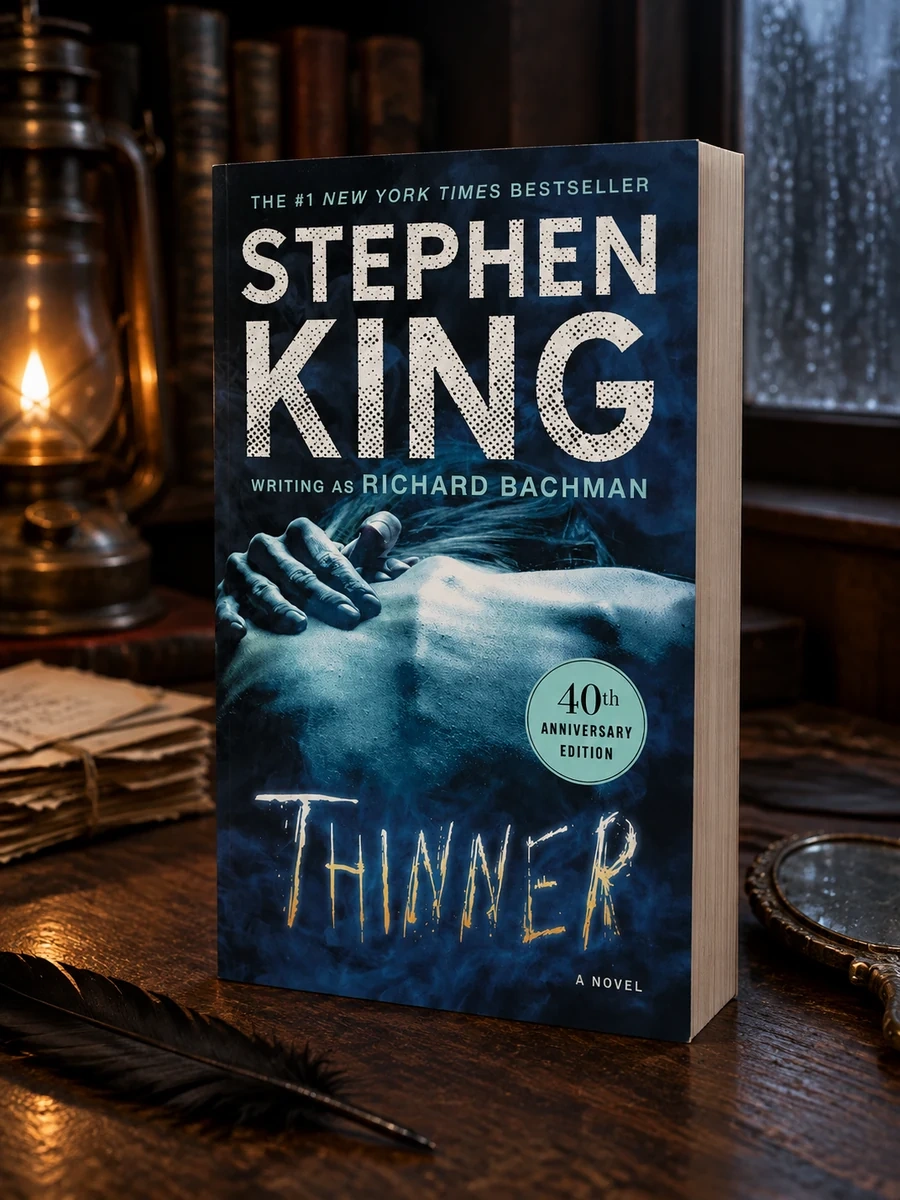
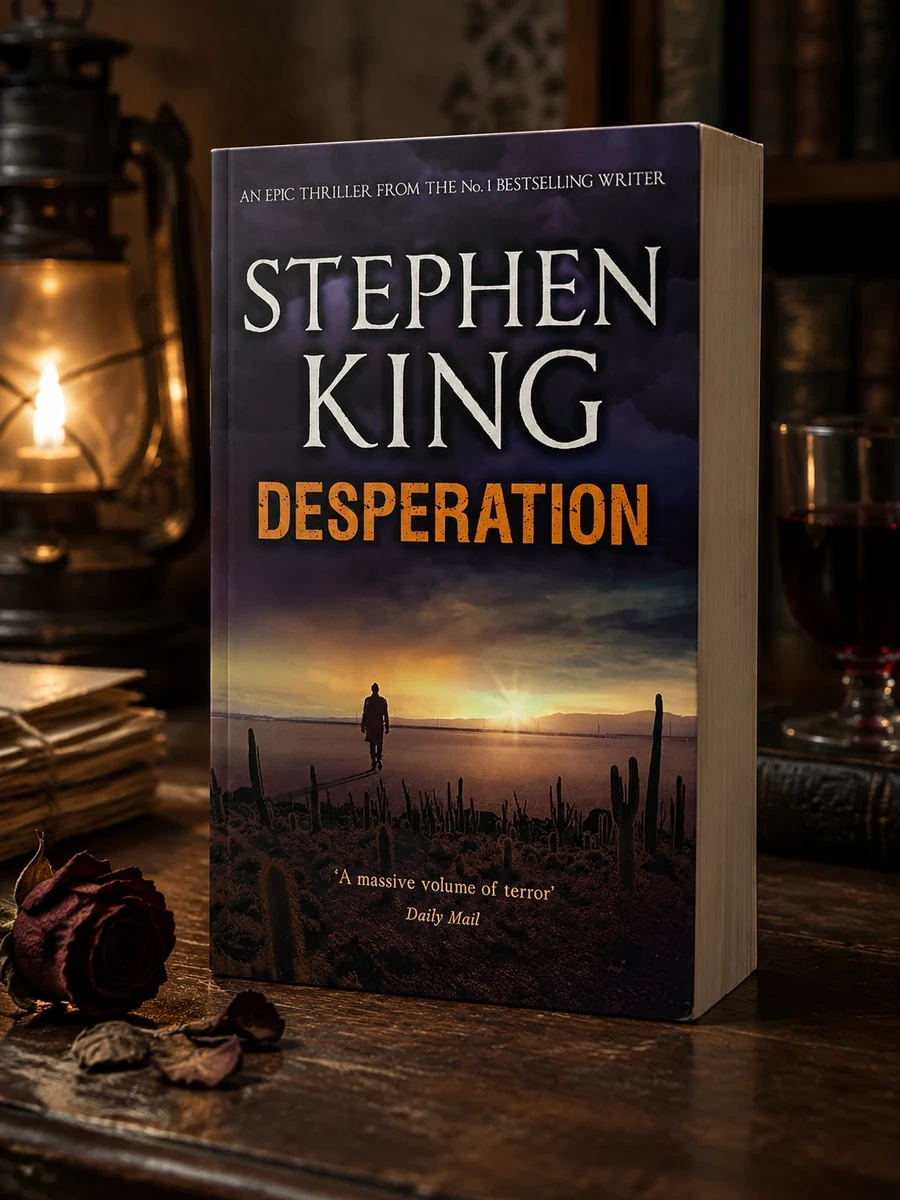
After finishing The Long Walk, consider exploring King's other works that share similar themes of human vulnerability and inexorable doom. Thinner offers a similar sense of inescapable fate, where a man's curse unfolds with relentless inevitability. Desperation combines cosmic dread with human vulnerability, pitting ordinary people against forces beyond their comprehension.
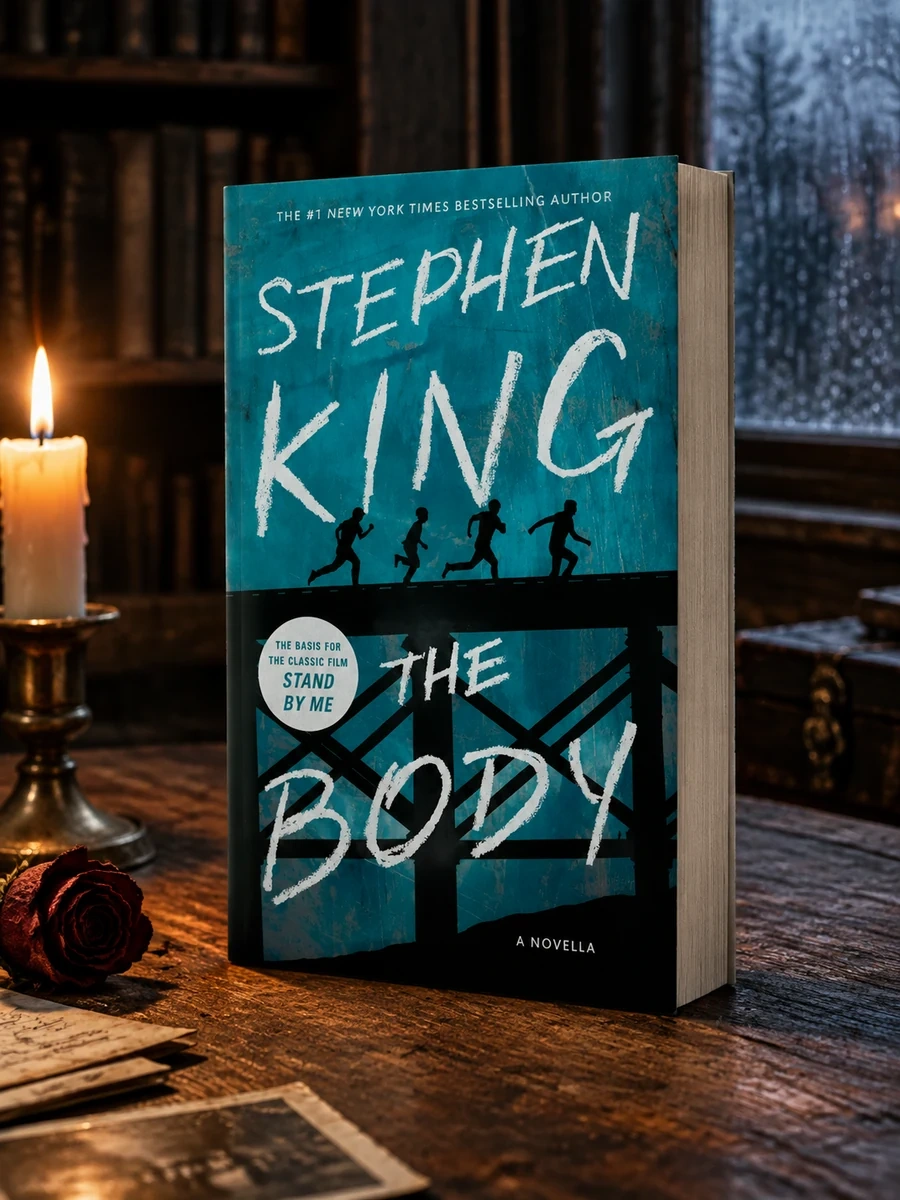
For readers who want to understand King's full range, 11/22/63 demonstrates his ability to weave personal stakes into massive historical events. The Body offers a more nostalgic approach to character-driven horror, exploring the bittersweet transition from childhood to adulthood through a lens of psychological unease.
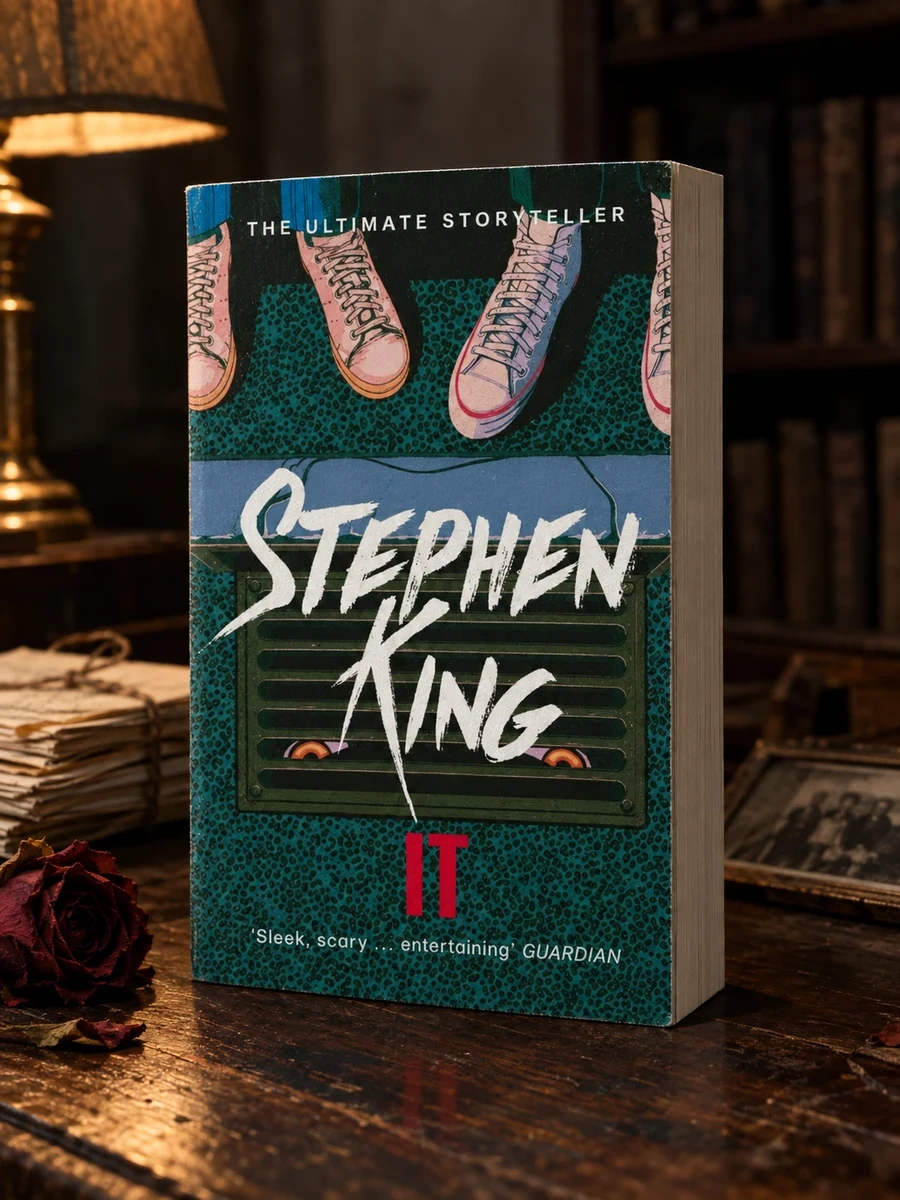
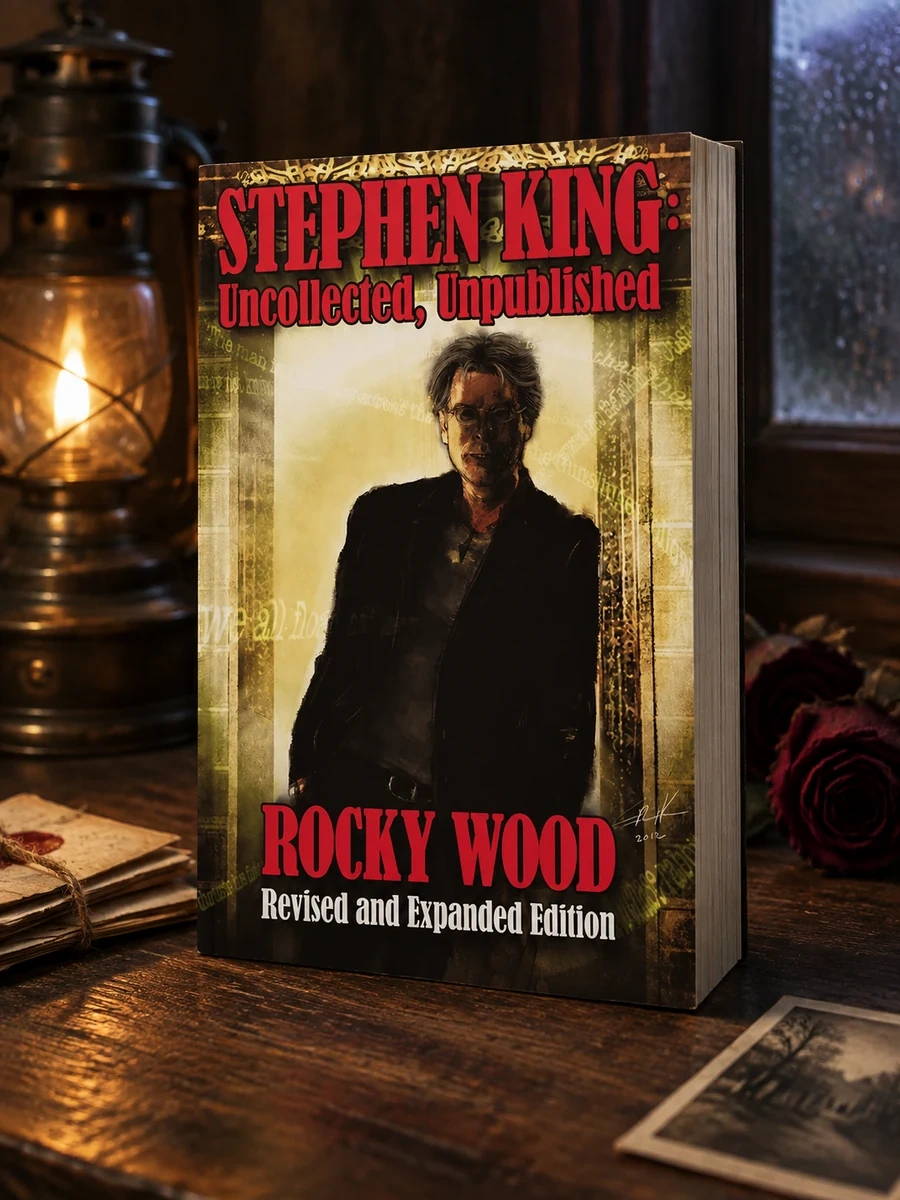
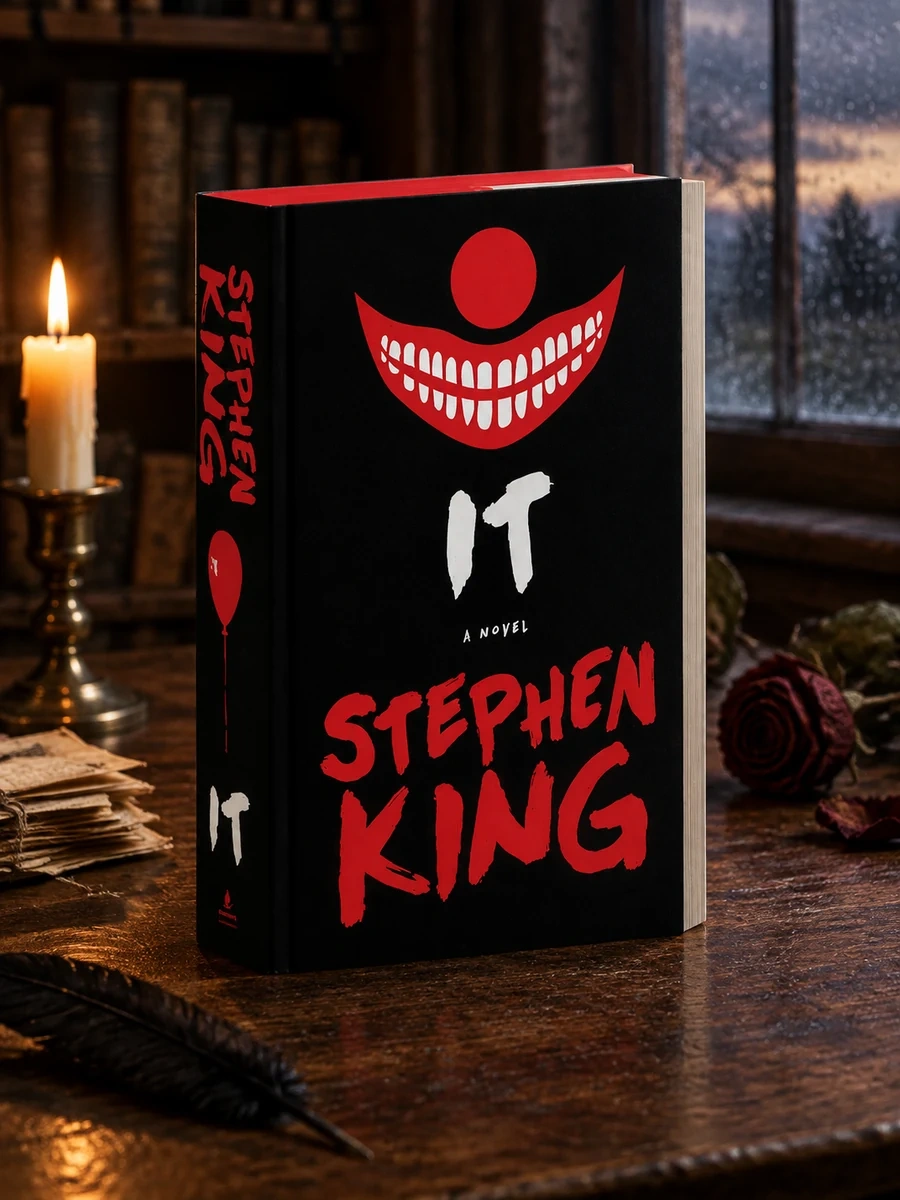
If you're interested in King's early work and the genesis of his voice, Stephen King: Uncollected, Unpublished provides insight into rejected drafts and unpublished material that shaped his distinctive style. For those seeking King's most ambitious supernatural work, It (Special Edition) offers the complete experience of his most sprawling psychological horror epic.
The Long Walk is available in multiple editions, including a media tie-in edition and a standard hardcover, all priced under $30. Whether you're a longtime King devotee or a newcomer to his work, this novel deserves a place on your shelf and on your reading list this spooky season.
6. Why This Novel Endures
The Long Walk has remained in print for over four decades because it taps into something primal: the fear of being hunted, the dread of exhaustion, and the horror of watching others suffer. It's a novel that doesn't require supernatural elements to generate terror. The premise itself is enough. A government-sanctioned death march. A lottery system that determines who lives and who dies. A crowd that watches and cheers.
King's ability to sustain tension across 300 miles of walking—to make each step feel consequential, each moment feel like it could be the last—is what separates The Long Walk from other dystopian fiction. This is psychological horror at its most refined, stripped of excess, focused entirely on the deterioration of the human mind and body under extreme duress.
Start with The Long Walk. It's the novel that proves King's mastery of psychological horror, the one that reminds us why he remains the preeminent voice in American horror fiction. It's lean, it's relentless, and it's absolutely unforgettable.