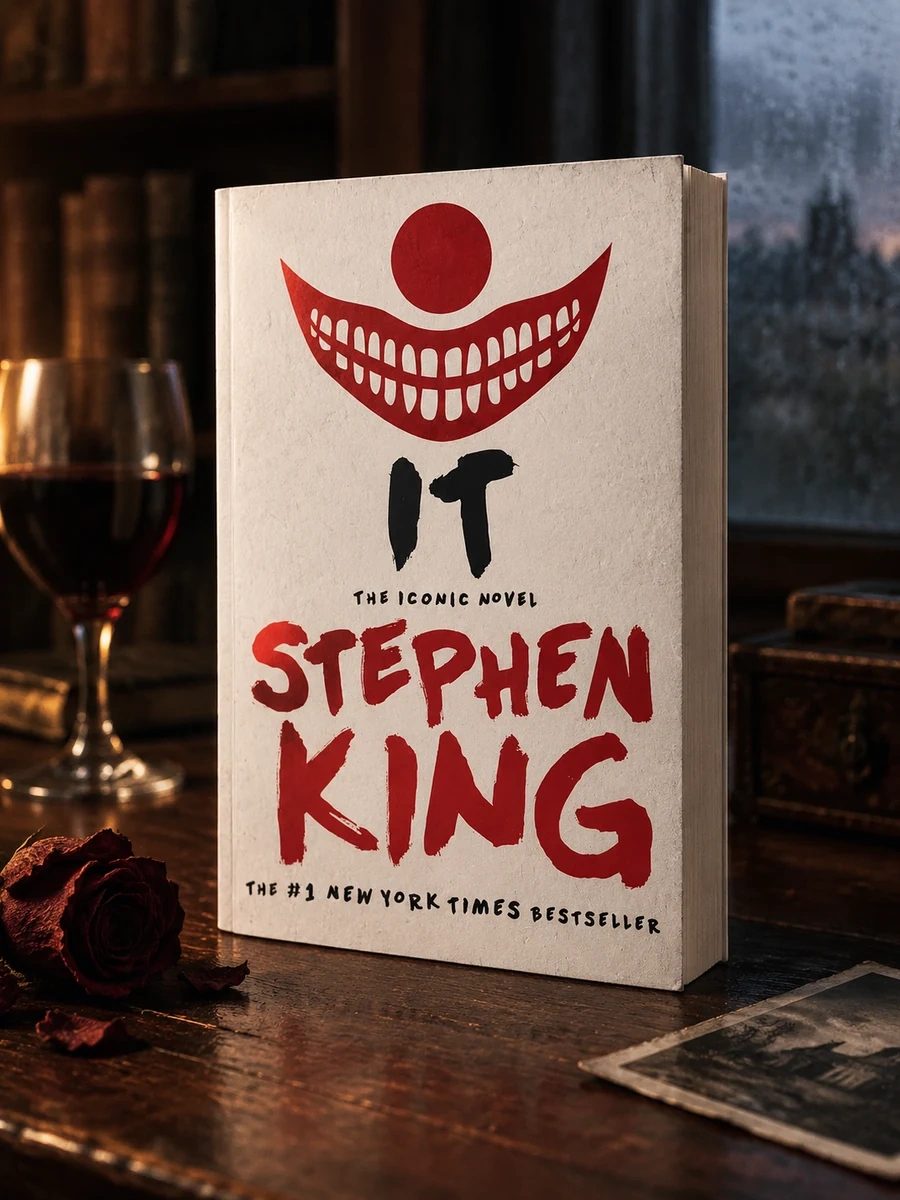
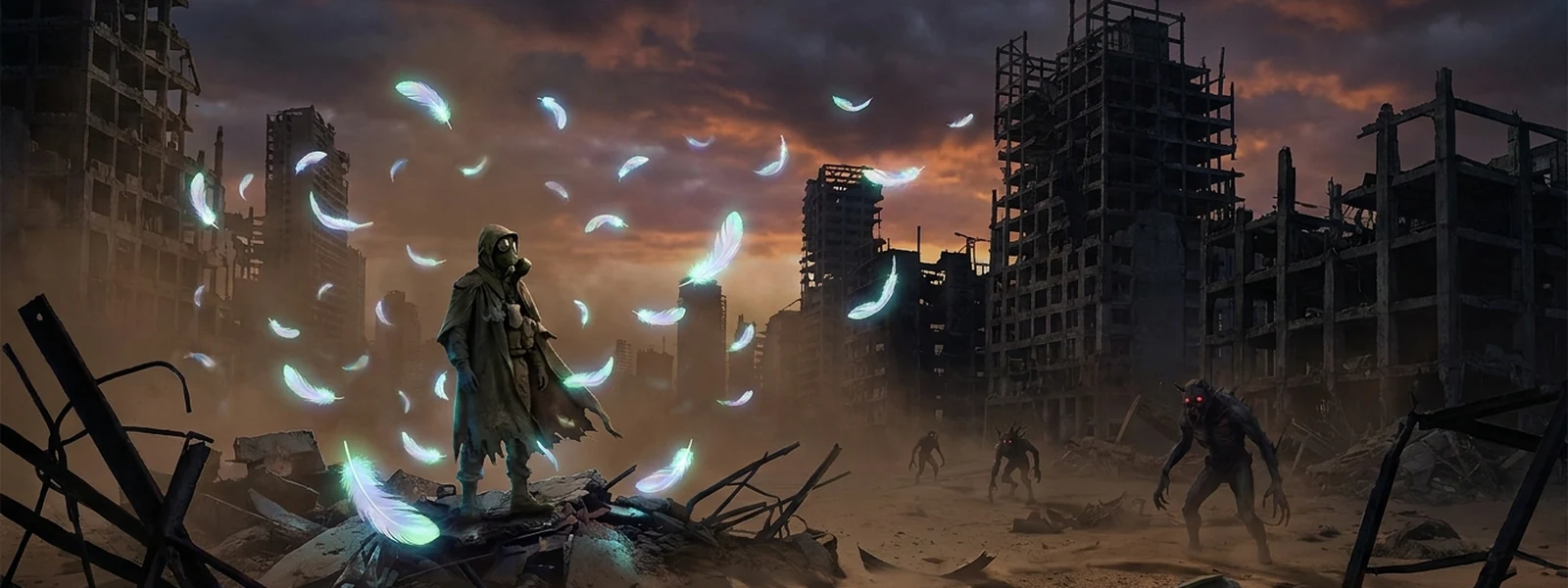
It is a novel about what we forget and what we cannot escape. Set in Derry, Maine, it follows a group of children who perceive a malevolent entity lurking in storm drains and sewers—a creature that feeds on fear and wears the faces of their deepest nightmares. Adults in the town remain oblivious, trapped in a fog of collective amnesia. Decades later, when the former children return as adults, they must confront both the entity and the trauma they've spent their lives trying to bury.
This is not a book about a monster that jumps out at you. It is a book about how terror lives inside us, how it shapes our childhoods, and how it follows us into adulthood whether we acknowledge it or not. The horror here is psychological and deeply personal. The entity called It doesn't have a fixed form—it becomes whatever frightens you most. For one character, it might be a clown. For another, something entirely different. This approach makes the scares feel intimate and inescapable in a way that external threats rarely do.
The novel operates on a cycle: fear emerges, the town forgets, time passes, and fear returns. This structure allows King to explore how trauma persists across generations and how communities can collectively suppress knowledge of their own darkness. Derry itself becomes a character—a place where ordinary suburban life masks something sinister beneath the surface.
What It Is About
The story alternates between two timelines. In the first, a group of children in 1950s Derry begin to realize that something is hunting them. They sense it in the sewers, in the storm drains, in the spaces adults refuse to acknowledge. The entity preys on their fears, taking forms tailored to each child's personal dread. As the children band together, they begin to understand that the adults around them are somehow unable or unwilling to see what is happening.
Years pass. The children grow up and leave Derry, scattering across the country. They build lives, careers, relationships—and they forget. Not consciously, but through a fog that seems to settle over their memories of the town and what happened there. Then something stirs. The entity awakens, and the adults receive a call drawing them back to Derry. They must return to confront not only the creature but also the buried memories and unprocessed trauma of their childhood.
The narrative tension builds from this duality: the contrast between how children experience Derry—as a place of genuine, immediate danger—and how adults perceive it as a normal hometown. This gap between childhood perception and adult denial is where much of the book's power resides.
How It Reads
It is a challenging read, both in length and in emotional weight. The pacing shifts between the two timelines, moving from the children's summer of terror to the adults' return and reckoning. King takes time to develop his characters, giving them histories, flaws, and genuine relationships. This investment in character makes the horror feel consequential—you care about these people, which makes their fear matter.
The voice is accessible but dense. King writes in a conversational style that draws you into the story, but the book demands attention. There are passages that linger on psychological states, on the texture of fear, on the specific geography of a Maine town. The prose is not sparse; it accumulates detail and atmosphere. This is not a quick read, and it's not meant to be.
The horror itself operates on multiple levels. There are moments of visceral, immediate terror—scenes where the entity manifests and violence occurs. But the deeper horror is quieter: the realization that an entire town has forgotten something terrible, that adults have collectively chosen not to see. The most frightening moments are often the ones where characters confront what they've spent decades trying to forget. The entity is terrifying, but so is the human capacity for denial and amnesia.
The pacing can feel slow at times, particularly in the early sections where King establishes the town and its rhythms. Some readers will find this atmospheric buildup essential; others may find it tedious. The book rewards patience, but it does require it.
Who It Suits, and Who It Does Not
This book is for readers who want horror that operates on a psychological level rather than relying on jump scares or external threats. If you're interested in how fear manifests internally, how trauma shapes us, and how communities can hide their own darkness, It will resonate deeply. Readers who appreciate American gothic fiction—stories where evil is woven into the fabric of a place—will find much to appreciate here. The exploration of childhood trauma and how it persists into adulthood gives the book thematic weight beyond its genre elements.
It also suits readers who don't mind investing time in character development. This is not a lean, efficient thriller. It's a substantial novel that takes its time building relationships and exploring inner lives. If you value that kind of depth, you'll find it rewarding.
However, this book is not for everyone. If you prefer light domestic dramas or non-fiction, this is not your read. If you want horror that moves quickly and doesn't linger on psychological states, you may find It frustrating. The length alone—this is a substantial novel—may deter readers looking for something they can finish in a weekend. Additionally, the book deals with childhood trauma and violence in ways that can be disturbing. Readers sensitive to these themes should approach with caution.
If You Liked This
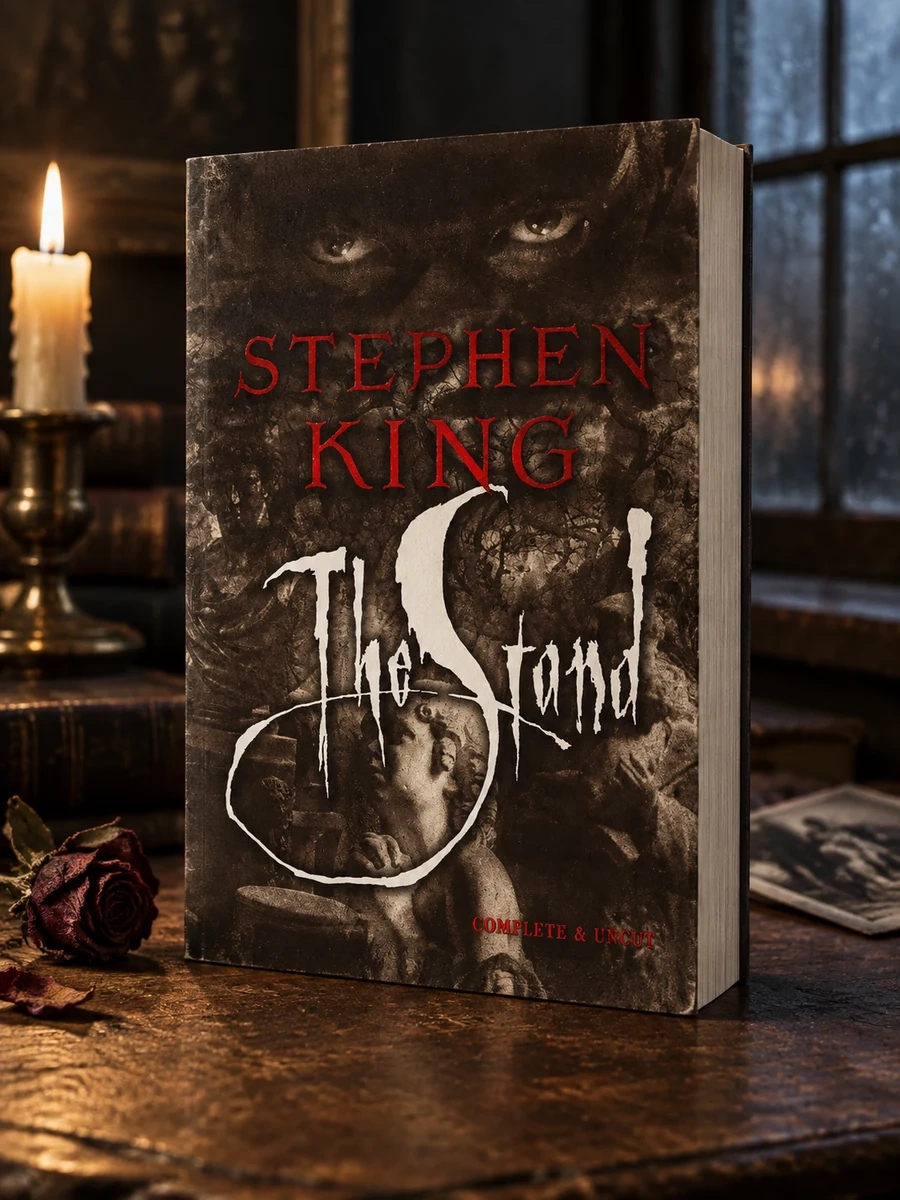
The Stand — Stephen King
Another King epic that explores how communities respond to catastrophe and how individuals must band together against overwhelming darkness. Like It, The Stand examines the tension between personal agency and collective fate.
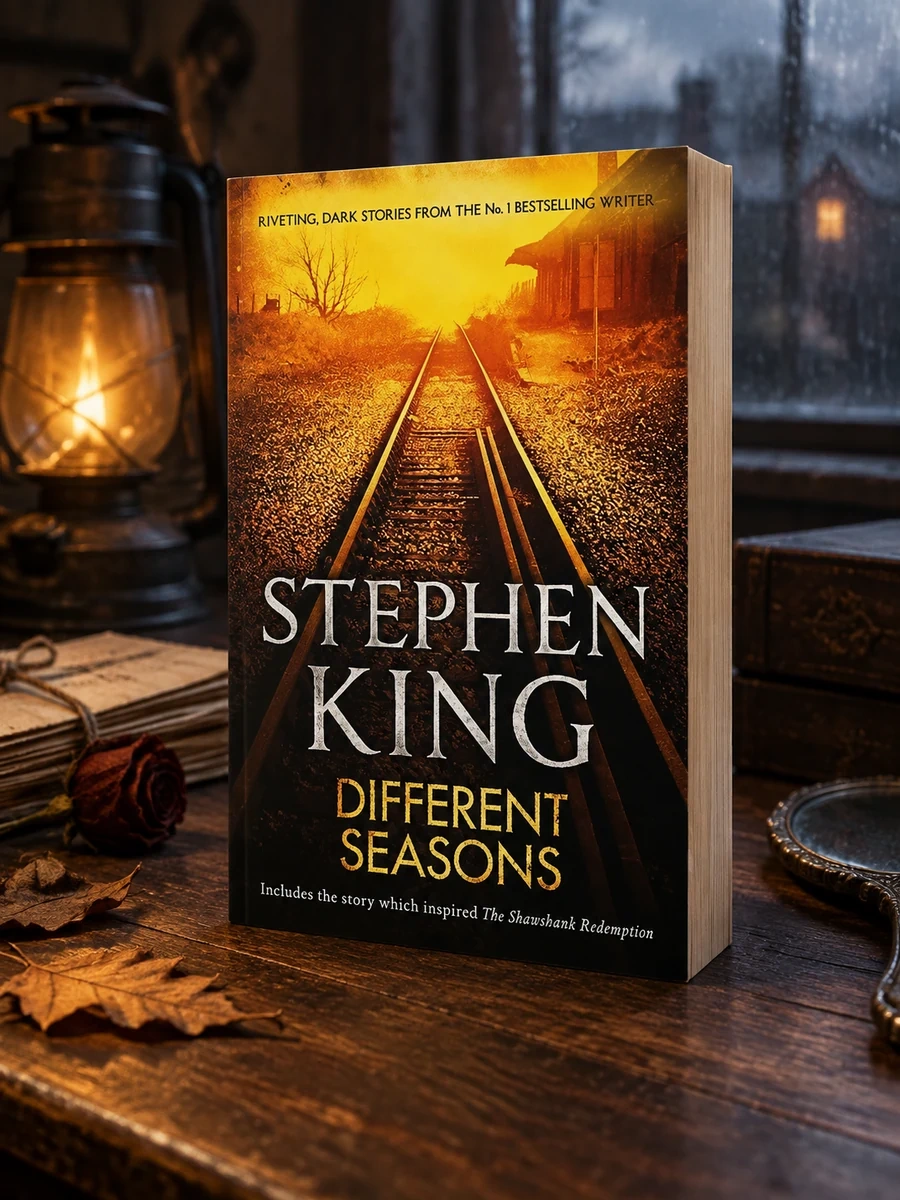
Different Seasons — Stephen King
A collection of novellas that, like It, explores how the past haunts the present and how trauma shapes identity. These stories share It's interest in character depth and psychological complexity.
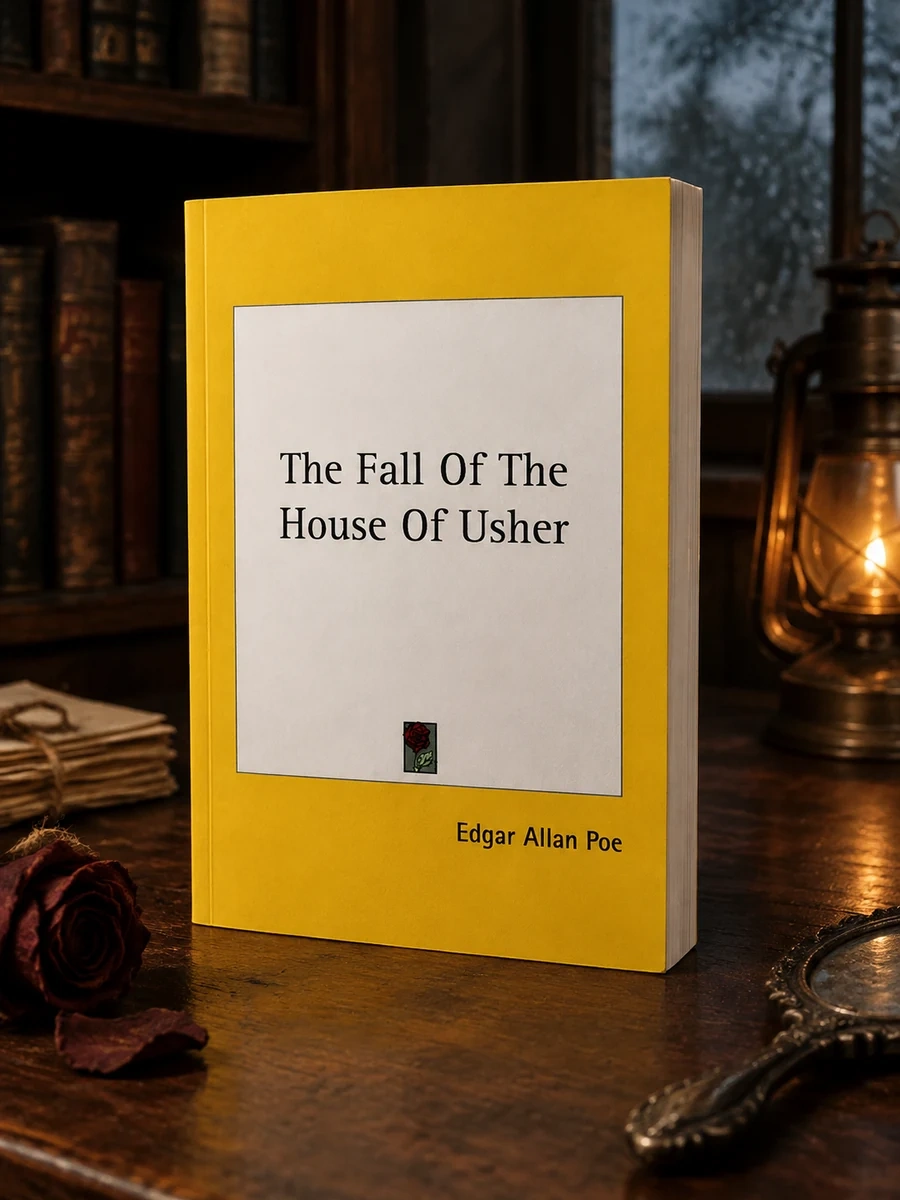
The Fall of the House of Usher — Edgar Allan Poe
A classic of American gothic that shares It's interest in how evil can be embedded in a place itself, and how the past refuses to stay buried.
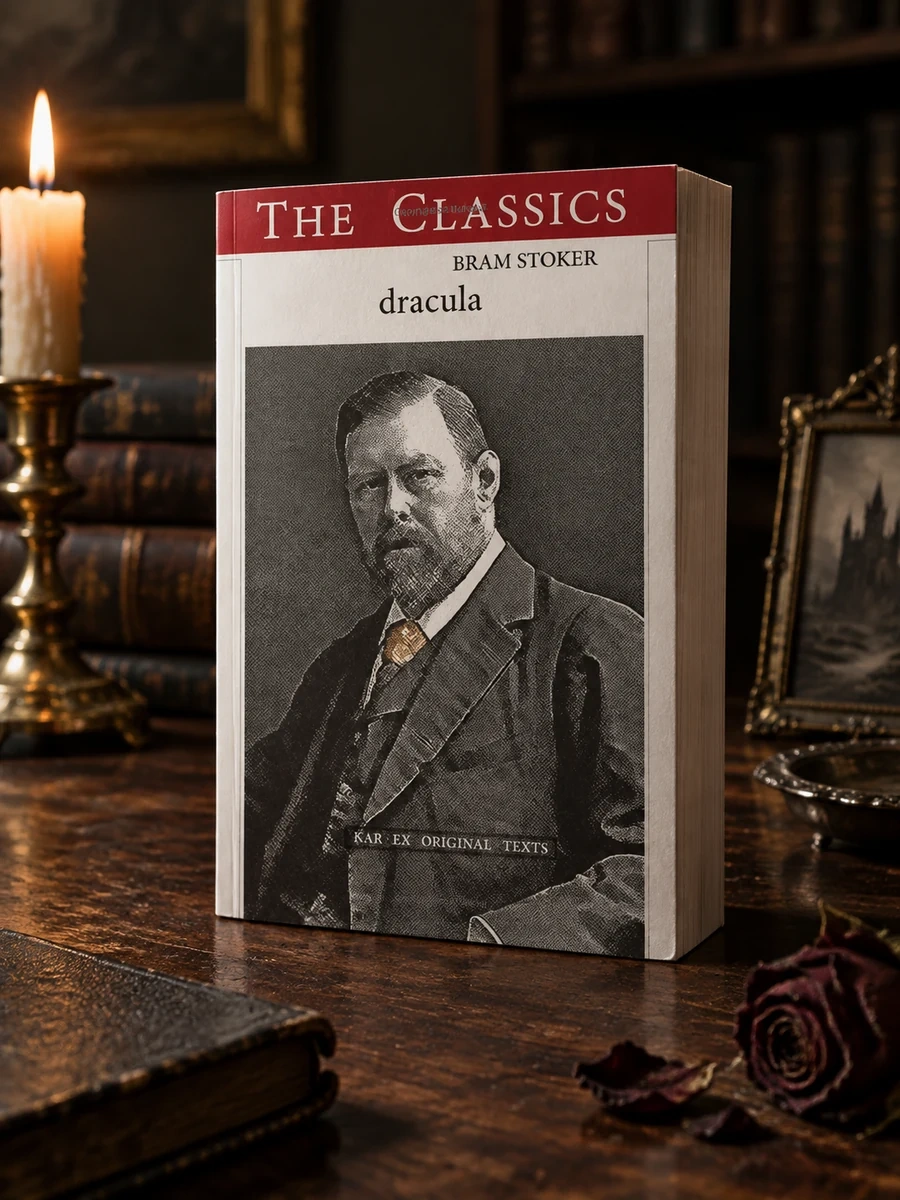
Dracula — Bram Stoker
Like It, Dracula explores how a community responds to an ancient, shape-shifting evil that preys on fear and operates in the spaces between what people are willing to acknowledge.
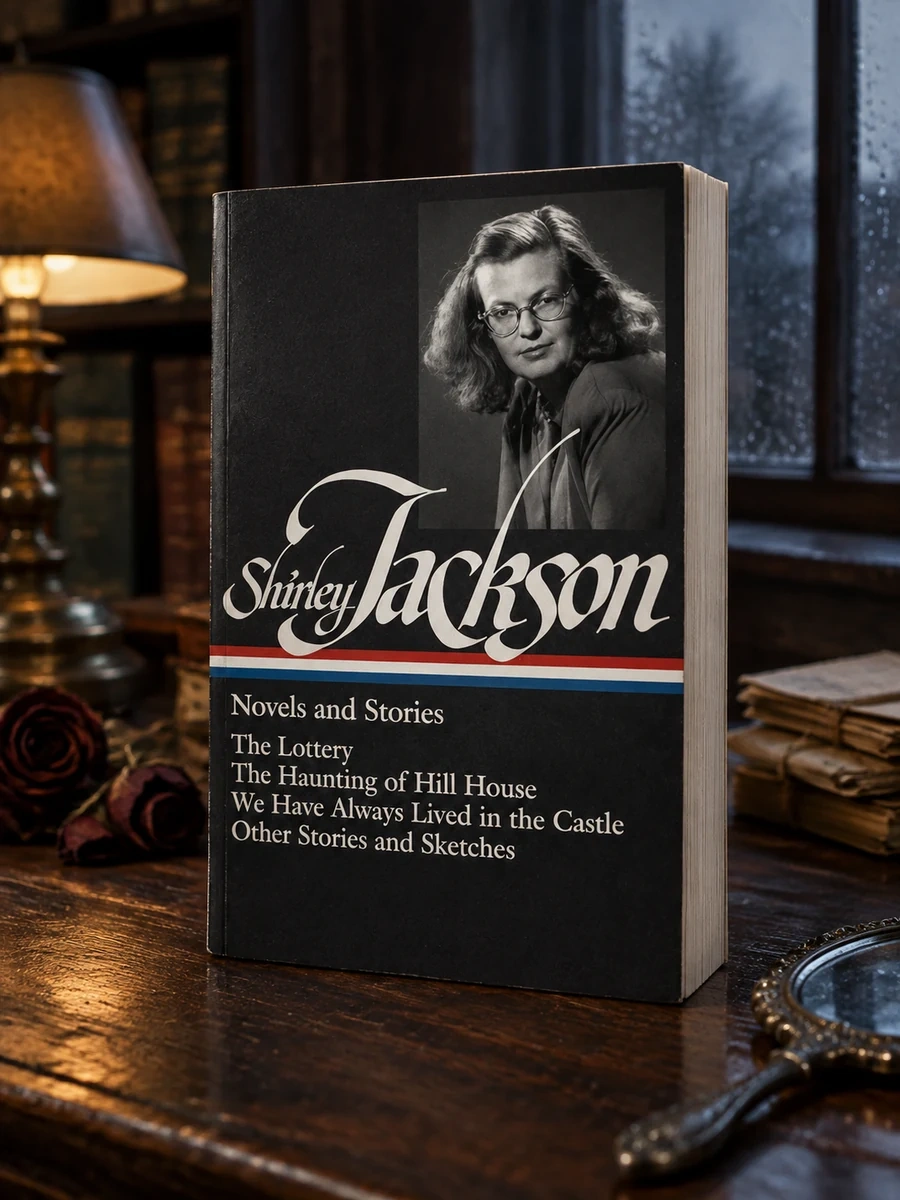
Shirley Jackson: Novels and Stories — Shirley Jackson
Jackson's work, like It, examines how ordinary communities can harbor extraordinary darkness and how individuals confront the evil that surrounds them.
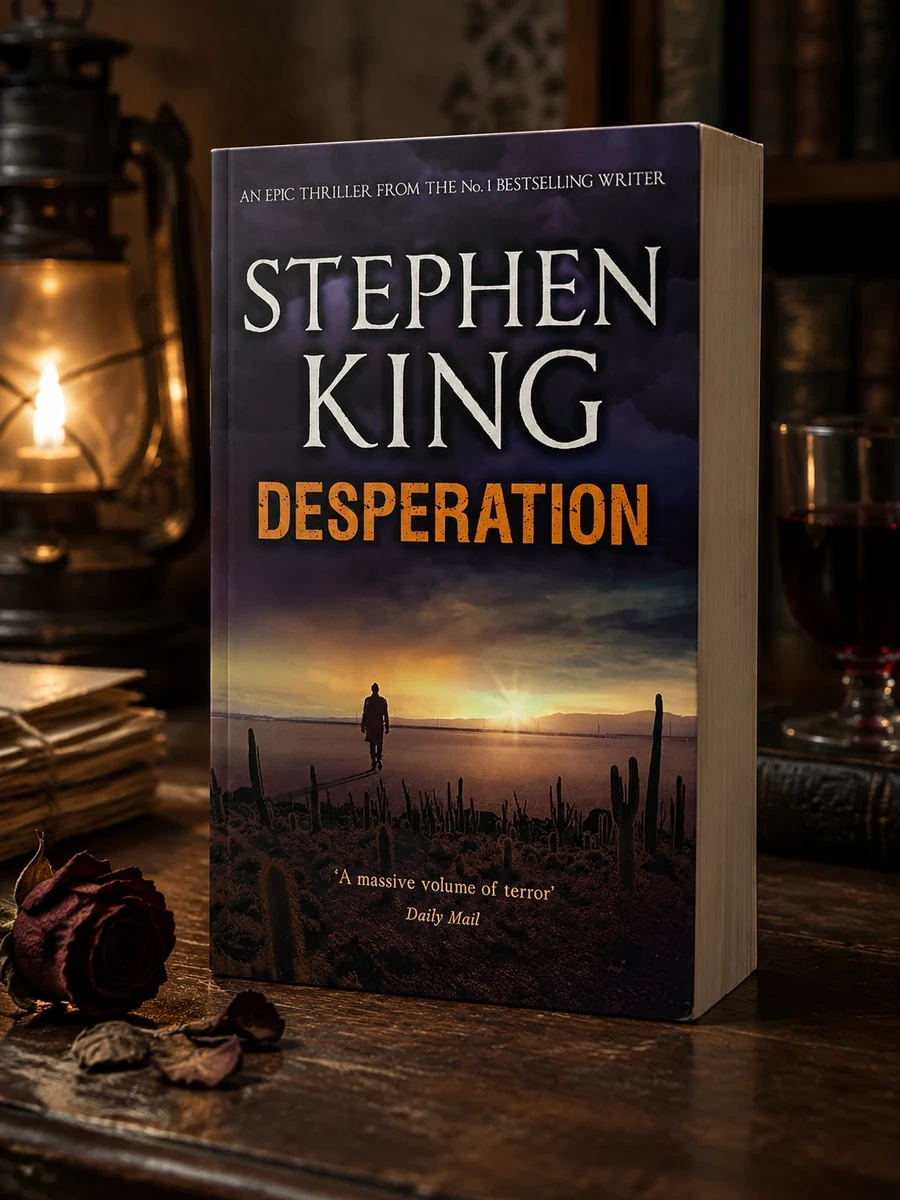
Desperation — Stephen King
Another King novel that explores how a group must band together against a malevolent force, with similar attention to character and psychological horror.
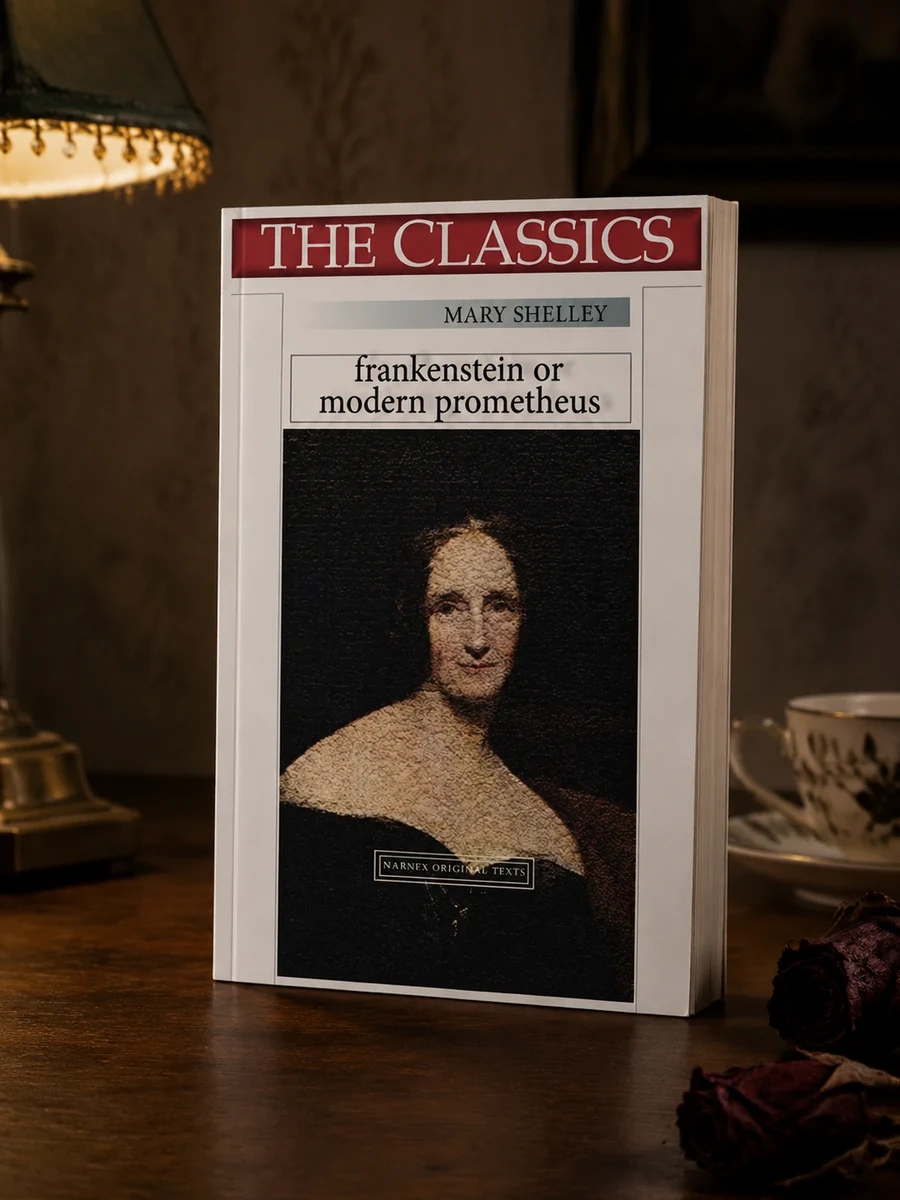
Frankenstein — Mary Shelley
A foundational work of gothic horror that, like It, examines how trauma persists and how the past refuses to be forgotten or escaped.