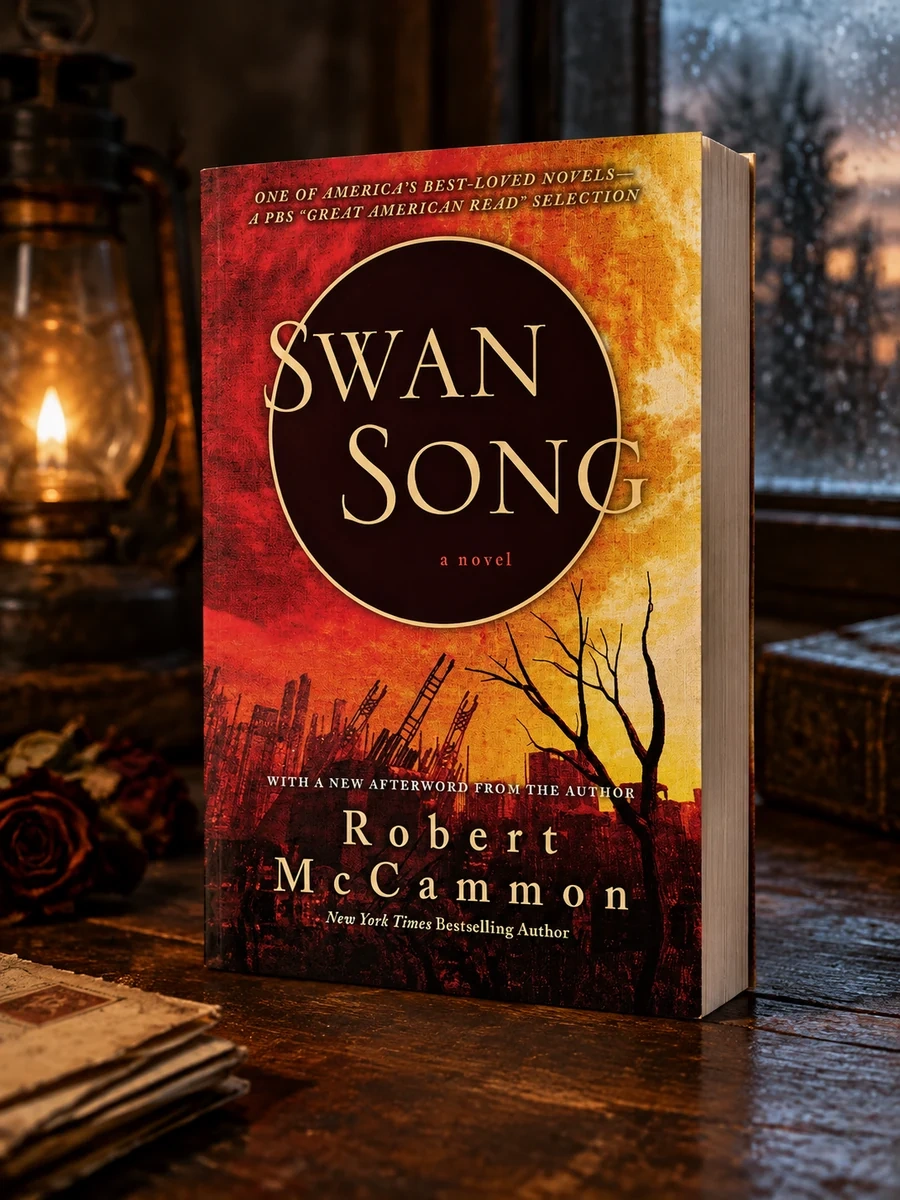
Swan Song is a sprawling, ambitious horror epic set in a nuclear-devastated America. Published by Gallery Books and priced in the mid-range, it represents the kind of large-scale supernatural horror that dominated the 1980s and continues to attract readers seeking substantial, character-driven apocalyptic fiction. This is a book that demands commitment—it's challenging in scope and length—but it delivers a complete, self-contained world of terror and, improbably, hope.
The novel has earned recognition as one of America's best-loved works, nominated by PBS's The Great American Read. That cultural resonance speaks to something beyond mere entertainment: McCammon has created a vision of societal collapse that feels prescient, a story about what happens when civilization's structures vanish and only human nature—both its cruelty and its capacity for goodness—remains.
If you're considering this book, understand what you're signing up for. This is not a tight, propulsive thriller. It's a massive, deliberately paced narrative that takes time to build its world and develop its characters. The reading difficulty is listed as challenging, and that's accurate. McCammon doesn't rush, and neither should you.
What It Is About
The story begins after a nuclear attack has erased the old United States. Survivors emerge into a landscape of ruins, radiation, and something worse: an ancient evil that has awakened in this devastated world. This malevolent force is actively hunting, building an army of the corrupted and the mad, and it has a specific target in mind—a young girl named Swan, who possesses abilities that mark her as either humanity's salvation or its final doom.
The narrative follows multiple characters whose paths converge around Swan. There's Sister, who discovers a strange glass artifact in the ruins of Manhattan. There's Joshua Hutchins, a pro wrestler seeking shelter at a Nebraska gas station. And there's Swan herself, a child caught between forces of greed, madness, and something far older and more terrible. The journey toward a Midwest town where healing might begin becomes the spine of the novel, but the real story is about what these survivors learn about themselves and each other as they confront both the external horrors of the wasteland and the internal demons that nuclear war has unleashed.
The book examines not just immediate survival—finding food, avoiding radiation, staying alive—but the deeper question of what survival means when civilization has ended. What do we owe each other? What does goodness look like when the world has gone mad? These questions give the novel weight beyond its apocalyptic premise.
How It Reads
McCammon's prose is accessible but unhurried. He takes time with his characters, letting you understand their fears, their histories, their contradictions. The pacing is deliberate; this is a slow burn rather than a sprint. Early sections establish the wasteland and introduce the cast of survivors. The horror builds gradually—monstrous creatures, roving armies of the corrupted, the creeping dread that something ancient and intelligent is orchestrating events.
The novel isn't relentlessly dark. There are moments of tenderness, humor, and genuine human connection amid the devastation. This tonal variety actually makes the horror more effective; the contrast between moments of grace and moments of terror deepens both. The ancient evil at the book's center is frightening precisely because it's set against a backdrop of characters trying to preserve their humanity.
The supernatural threat feels genuinely menacing—not jump-scares or gore for its own sake, but a pervasive sense that something wrong has taken root in the world. The monstrous creatures and marauding armies are terrifying, but the real horror is often quieter: the choices people make when desperation sets in, the way fear can corrupt even good intentions.
Expect to spend significant time with this book. It's not a weekend read. But if you're willing to invest the hours, McCammon rewards that investment with a complete, satisfying narrative arc and characters who feel real enough to haunt you after you've finished.
Who It Suits, and Who It Does Not
This book is for readers who love detailed accounts of societal collapse and don't mind when those accounts take their time. If you enjoyed Stephen King's epic post-apocalyptic work, or if you appreciate horror that operates on a large canvas with multiple perspectives, Swan Song will likely grip you. Fans of supernatural threats and the battle between good and evil will find plenty to engage with. Readers who appreciate character development and aren't afraid of challenging length will find this deeply satisfying.
This is not the book for you if you prefer tight, character-driven dramas without large-scale apocalyptic settings. If you want fast pacing, frequent action sequences, or horror that relies on jump scares and gore, look elsewhere. If you lack patience for slow-burn narratives or find post-nuclear settings exhausting rather than compelling, the scope here will feel overwhelming rather than epic. This book demands active engagement; it won't carry you passively through its pages.
If You Liked This
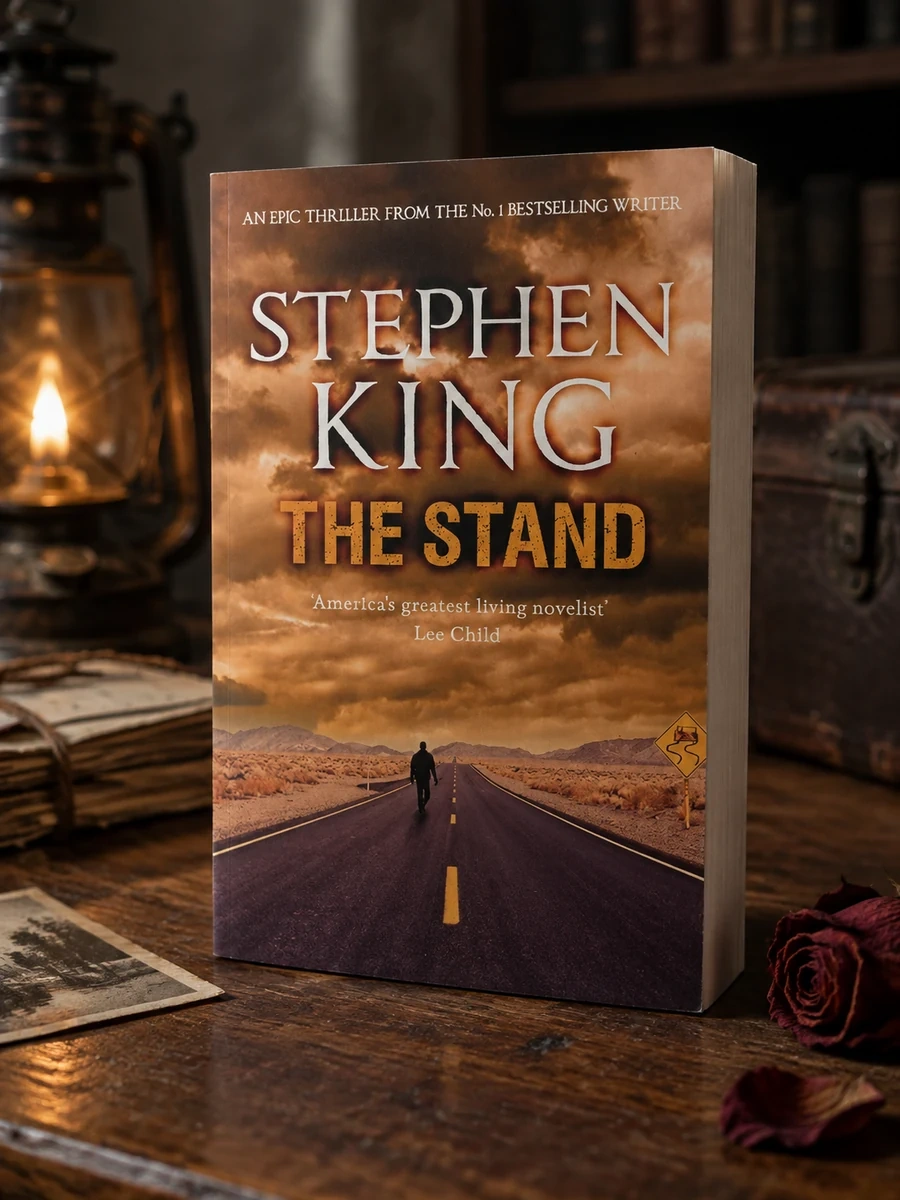
The Stand — Stephen King
Another massive post-apocalyptic epic where survivors navigate a world remade by catastrophe and face a supernatural evil. King's sprawling narrative and character focus share DNA with Swan Song's approach to the end of the world.
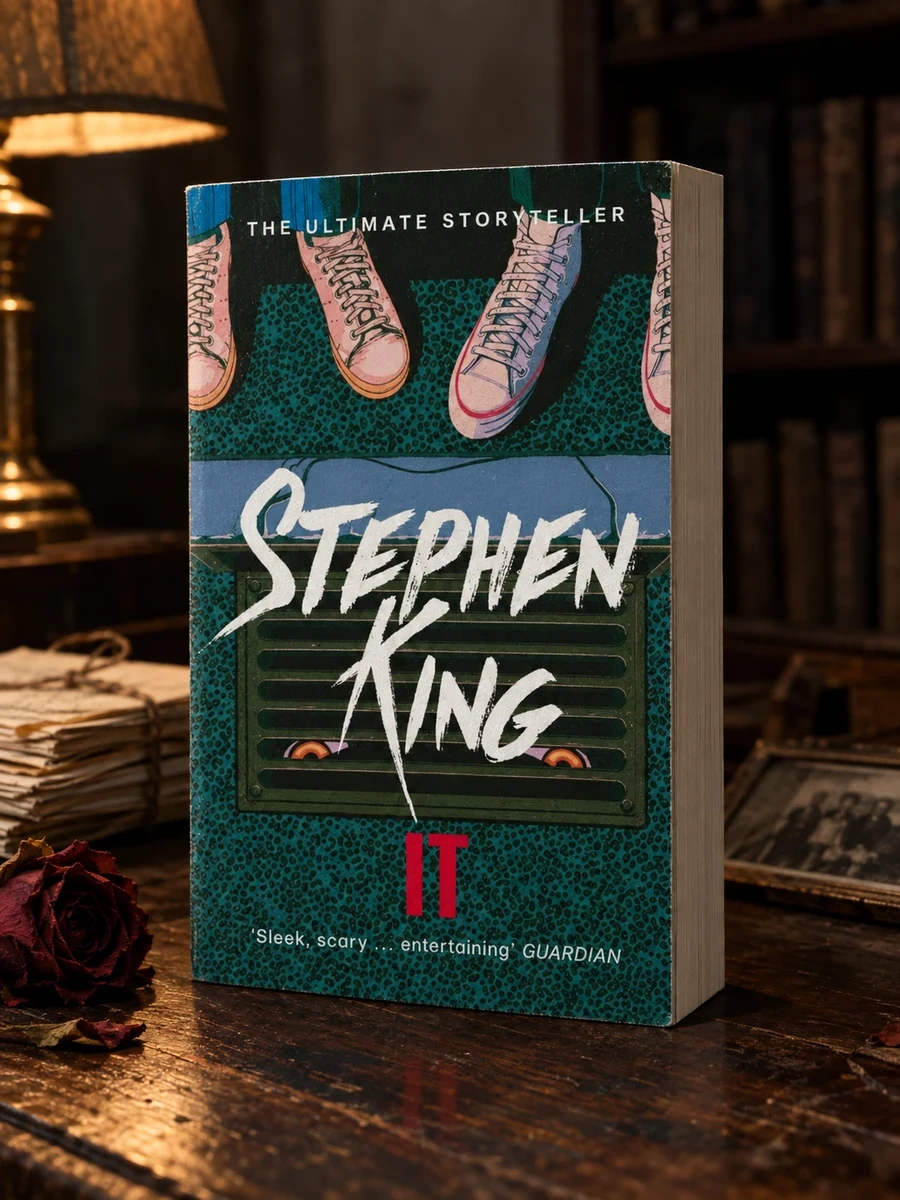
It — Stephen King
A lengthy, character-driven horror novel where a group confronts an ancient evil. Like Swan Song, It balances intimate character moments with cosmic dread and explores the power of human connection against supernatural threat.
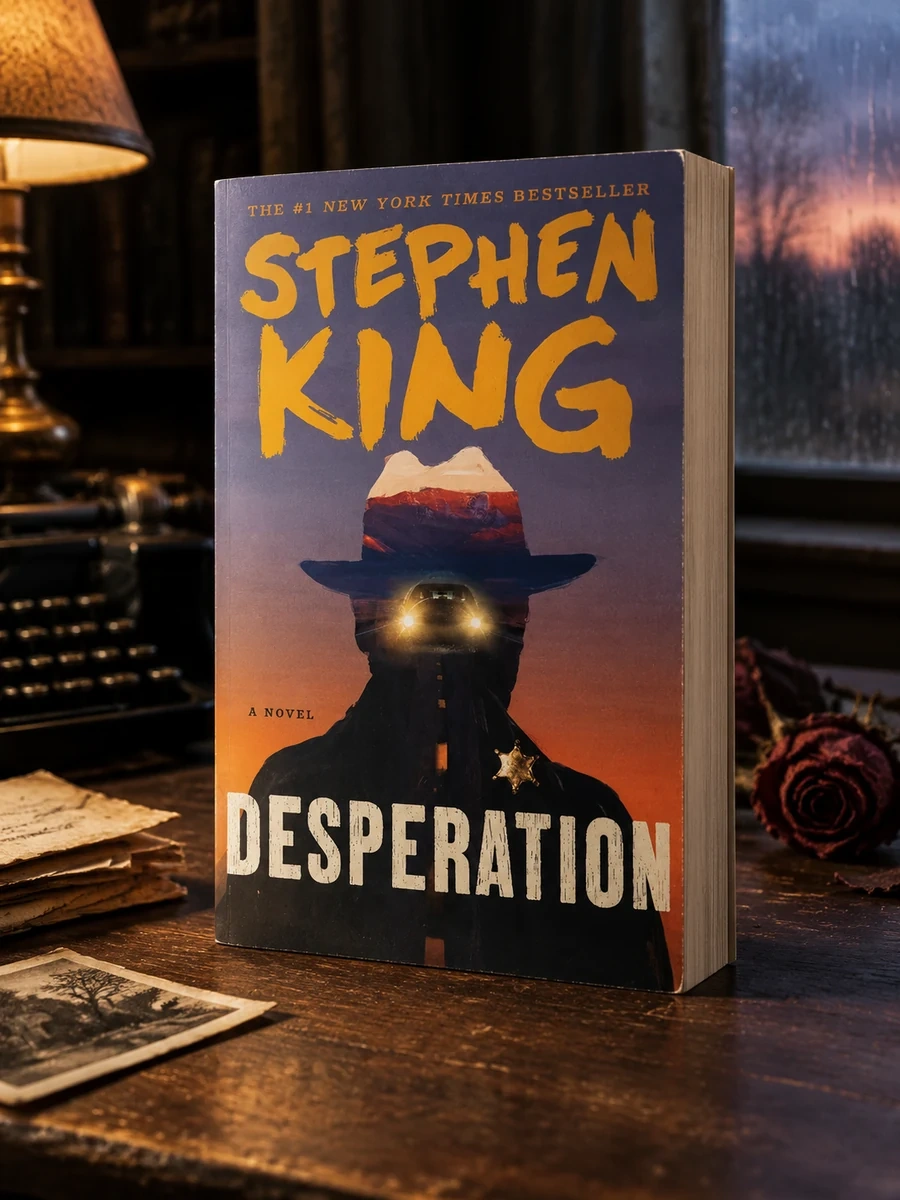
Desperation — Stephen King
A claustrophobic tale of small-town terror and cosmic dread where characters battle a body-hijacking entity. Shares Swan Song's interest in how ordinary people respond to extraordinary supernatural horror.
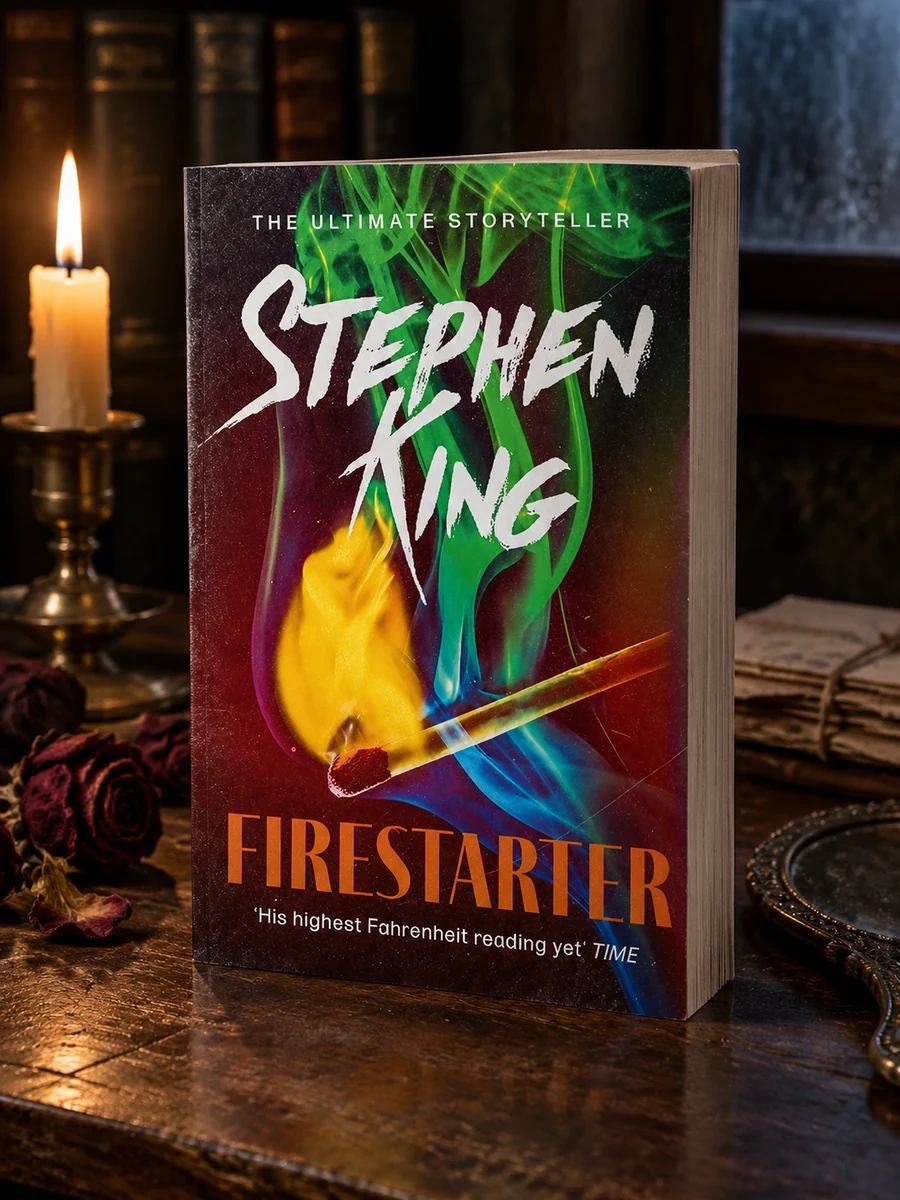
Firestarter — Stephen King
A character-driven supernatural thriller centered on a child with extraordinary abilities pursued by shadowy forces. The focus on a gifted child as the emotional center mirrors Swan's role in McCammon's narrative.
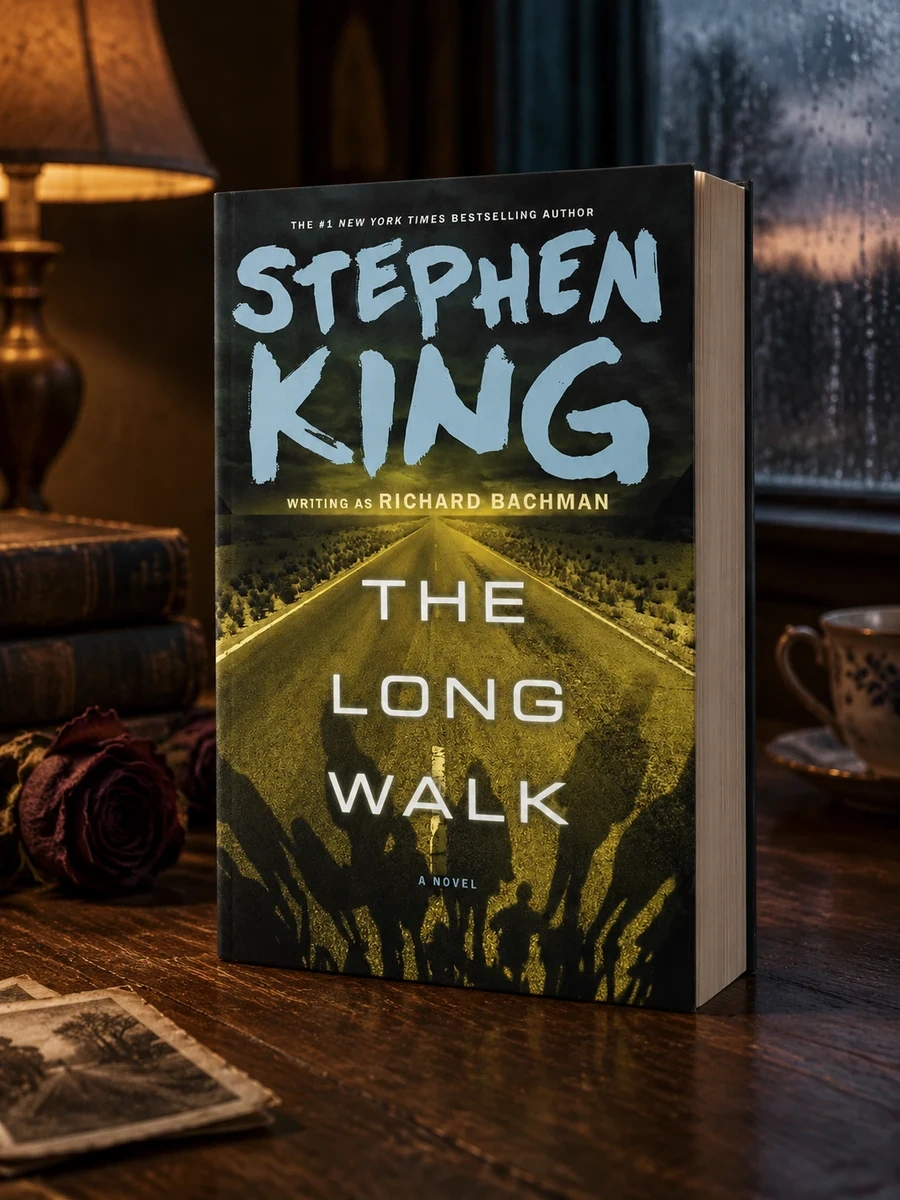
The Long Walk — Stephen King
A dystopian nightmare exploring human endurance and psychological terror. Like Swan Song, it examines what survival means when civilization's normal rules have been suspended.
Different Seasons — Stephen King
A collection of character-driven novellas that prioritize emotional depth and human drama over traditional scares. Shares Swan Song's belief that horror can be intimate and psychological as well as cosmic.
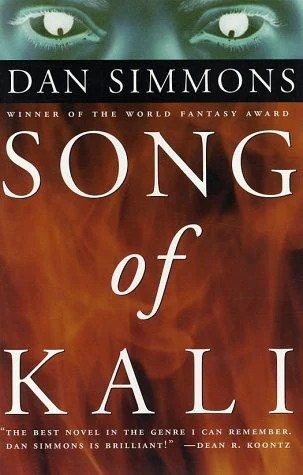
Song of Kali — Dan Simmons
An epic horror novel with supernatural dread and a sense of ancient evil. Offers similar thematic weight and willingness to explore horror on a grand, mythic scale.