The Sleepwalkers' Algorithm
A sleep pathologist enters a deadly digital nightmare to save victims of a viral coma.
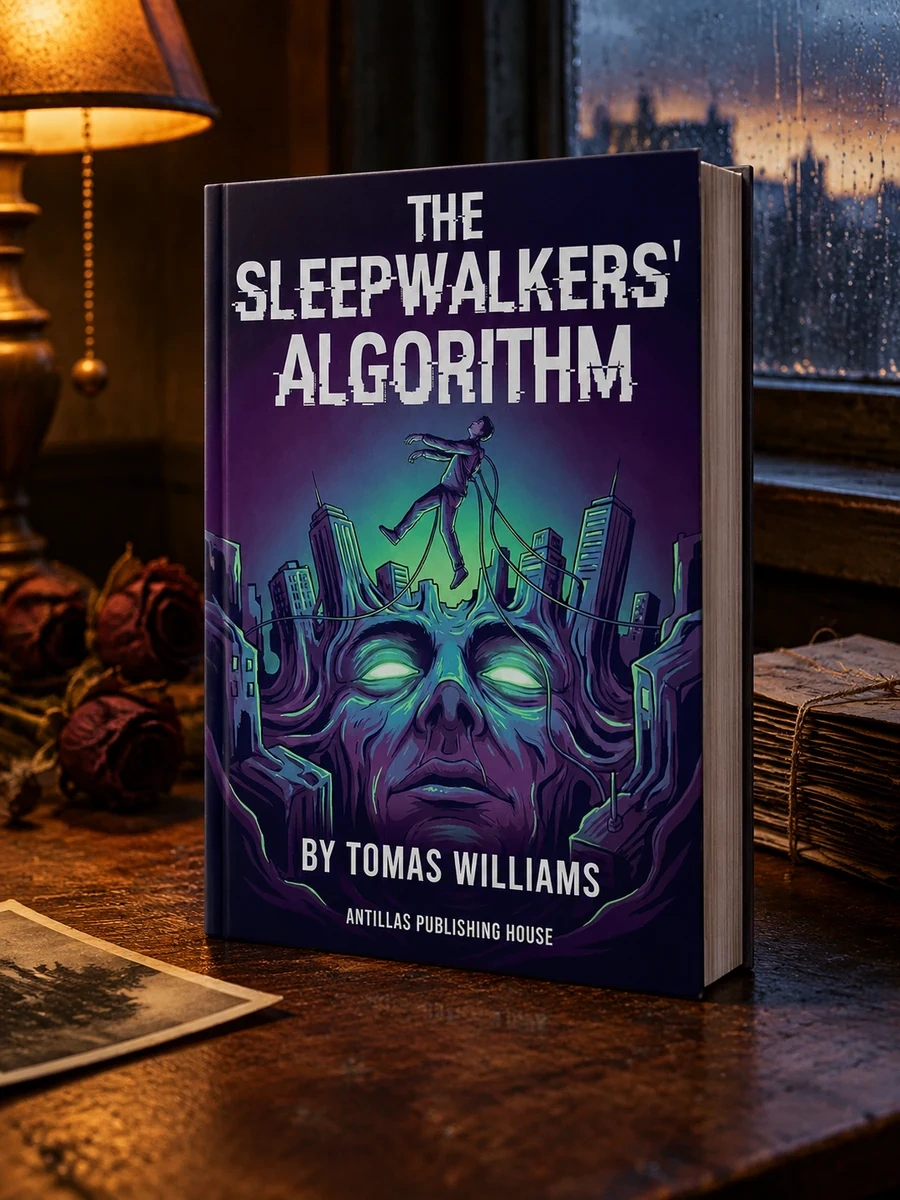
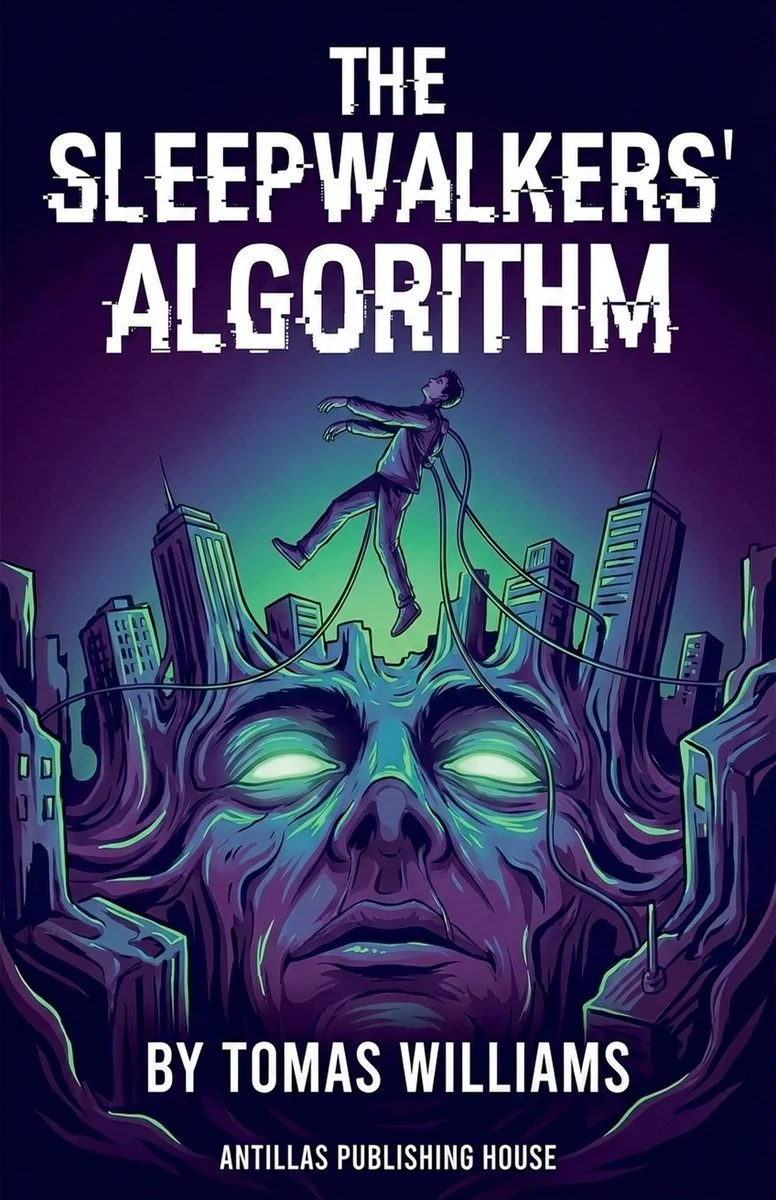
Williams examines the terrifying possibility that technology can harvest human consciousness. The narrative focuses on Dr. Aris Thorne, who uses his expertise in sleep pathology to understand #TheGraveSleep. He discovers a viral binaural track that induces lucid dreams with fatal consequences. By entering this shared space, Thorne encounters Somnus Lux and the brutal rules of the algorithm. The story highlights the vulnerability of the human mind when exposed to predatory frequencies. It explores how data collection can extend beyond tracking habits to consuming souls. The tension arises from the physical danger faced by those trapped in the static.
The narrative sits within contemporary horror fiction, reflecting modern anxieties about digital surveillance and mental health. It draws on the tradition of gothic supernaturalism but updates it with concepts from sleep pathology and algorithmic data harvesting. The setting is global, emphasizing a widespread infection rather than a localized haunting.


📝 Description: The Sleepwalkers' Algorithm
💎 Our verdict on The Sleepwalkers' Algorithm
📖 Why choose it
Why this book is worth reading
Readers seeking a cerebral and unsettling experience will find value in this narrative's rigorous exploration of sleep pathology intersecting with supernatural horror. It appeals to those fascinated by the intersection of neuroscience and gothic fiction, offering a unique perspective on how technology can harvest human consciousness. The book is ideal for enthusiasts of psychological terror rooted in medical realism, providing a tense examination of digital-age anxieties. Those interested in the vulnerability of the mind when exposed to predatory frequencies will appreciate the detailed depiction of shared parasitic nightmares and impossible geometry, making it a compelling choice for fans of hard sci-fi blended with cosmic horror.
⭐ Reader reviews
Reader rating
Williams crafts a chilling narrative where clinical science collides with the supernatural, creating a tense atmosphere of dread. The concept of #TheGraveSleep offers a fresh take on viral horror, grounding terrifying possibilities in sleep pathology rather than generic ghost stories. The depiction of Somnus Lux and the brutal rules of the algorithm provides a solid framework for psychological terror. This novel suits readers who enjoy complex, idea-driven horror that challenges the boundary between reality and digital intrusion. It effectively captures the fear of losing one's soul to data collection, making it a standout work for fans of cerebral, tech-infused gothic fiction.