
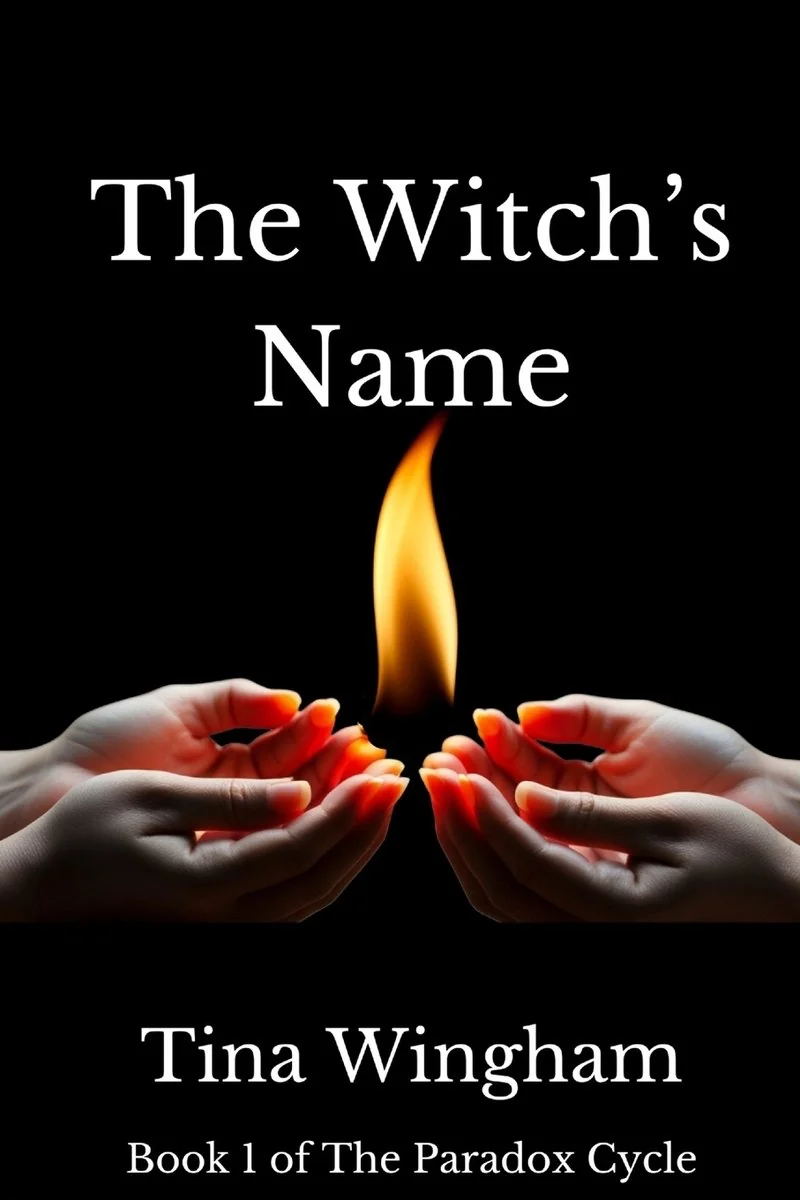
The Witch's Name
A student finds a diary linking her to a tortured witch from the English trials.
The narrative follows Ursula Southeil as she conducts university research on the English witch trials. Her focus shifts when she encounters a centuries-old diary describing the torture of a suspect who matches her own name and physical characteristics. This discovery compels her to investigate further, blurring the lines between academic study and personal obsession. The plot hinges on the revelation that the past remains active and dangerous. Ursula must determine if her connection to the historical figure is mere coincidence or a supernatural bond. The story examines how historical violence can echo through generations, affecting those who share the same identity. It presents a tense atmosphere where knowledge becomes a burden rather than a tool for empowerment.
The story is set against the backdrop of the English witch trials, a period of intense persecution in history. It draws on gothic and supernatural traditions to explore how historical trauma persists. The narrative connects modern academic inquiry with past brutality, suggesting that history influences contemporary life through shared names and physical traits.


📝 Description: The Witch's Name
💎 Our verdict on The Witch's Name
📖 Why choose it
Why this book is worth reading
Readers who enjoy atmospheric gothic fiction and psychological horror will find significant value in this exploration of inherited trauma and historical resonance. The book offers a tense, immersive experience for those fascinated by the intersection of academic research and supernatural mystery. It appeals to audiences interested in how past violence can echo through generations, affecting individuals with shared identities. Those who appreciate narratives where knowledge becomes a burden rather than empowerment will engage deeply with Ursula’s journey. It is ideal for fans of supernatural mysteries involving academic protagonists who seek stories that question the cost of uncovering hidden histories and the danger of active historical influence on present reality.
⭐ Reader reviews
Reader rating
Wingham crafts a compelling, tense atmosphere where the boundary between academic study and personal obsession blurs effectively. The narrative succeeds in presenting historical violence not as dead history but as an active, dangerous force influencing the protagonist's current reality. By linking Ursula’s modern university research to a centuries-old diary of torture, the author creates a palpable sense of dread and psychological weight. This work is best suited for readers of gothic fiction and supernatural mysteries who enjoy complex explorations of identity and inherited trauma. It may not appeal to those seeking lighthearted horror or strictly factual historical accounts without fictional narrative elements, as it prioritizes eerie coincidence and supernatural bonds over empirical evidence.
📖 Read on the blog
📖 From the series “The Paradox Cycle”
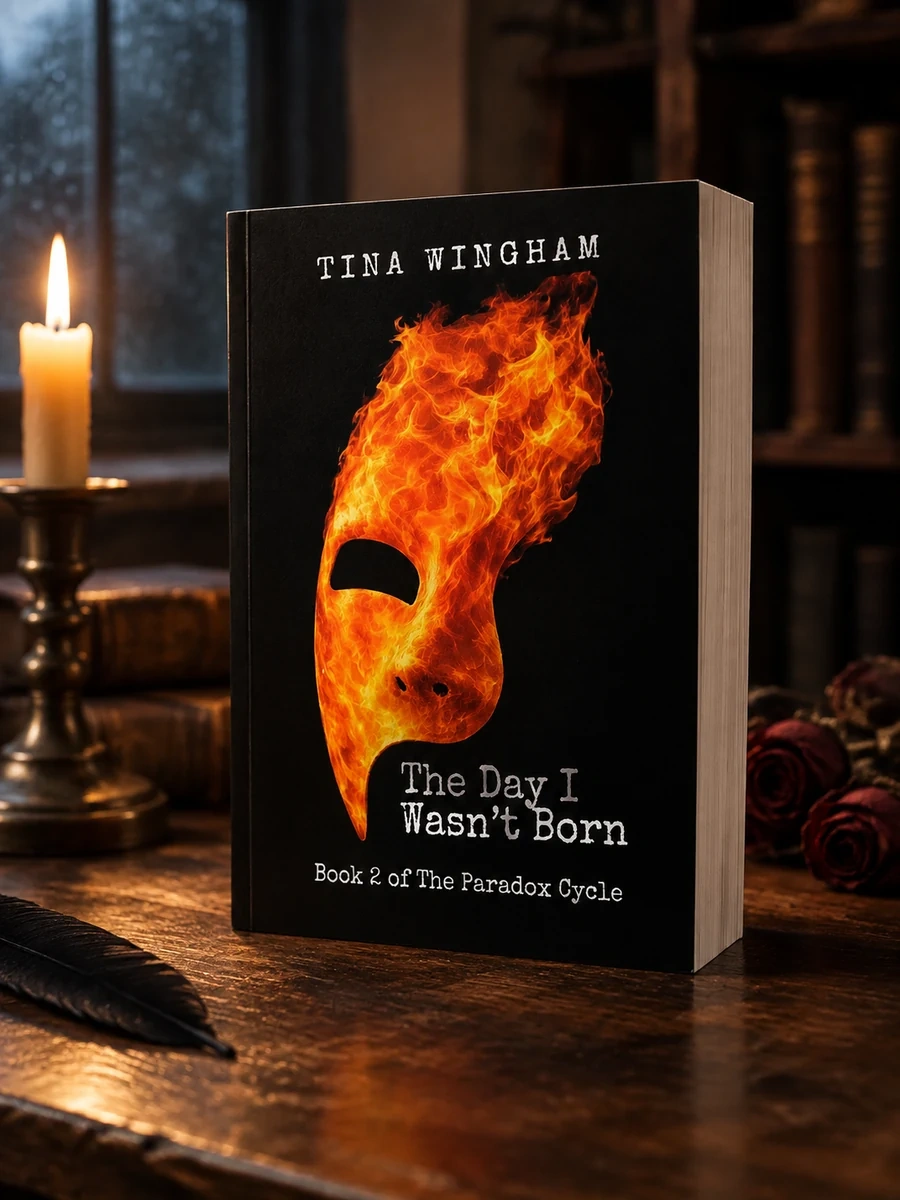


✍️ More books by this author Tina Wingham
🏛 Books from this publisher Tina Wingham
You might also like
See more →



Have a question about this item?
Ask about the edition, condition, delivery or anything else — we reply by email or phone, usually within a day.
