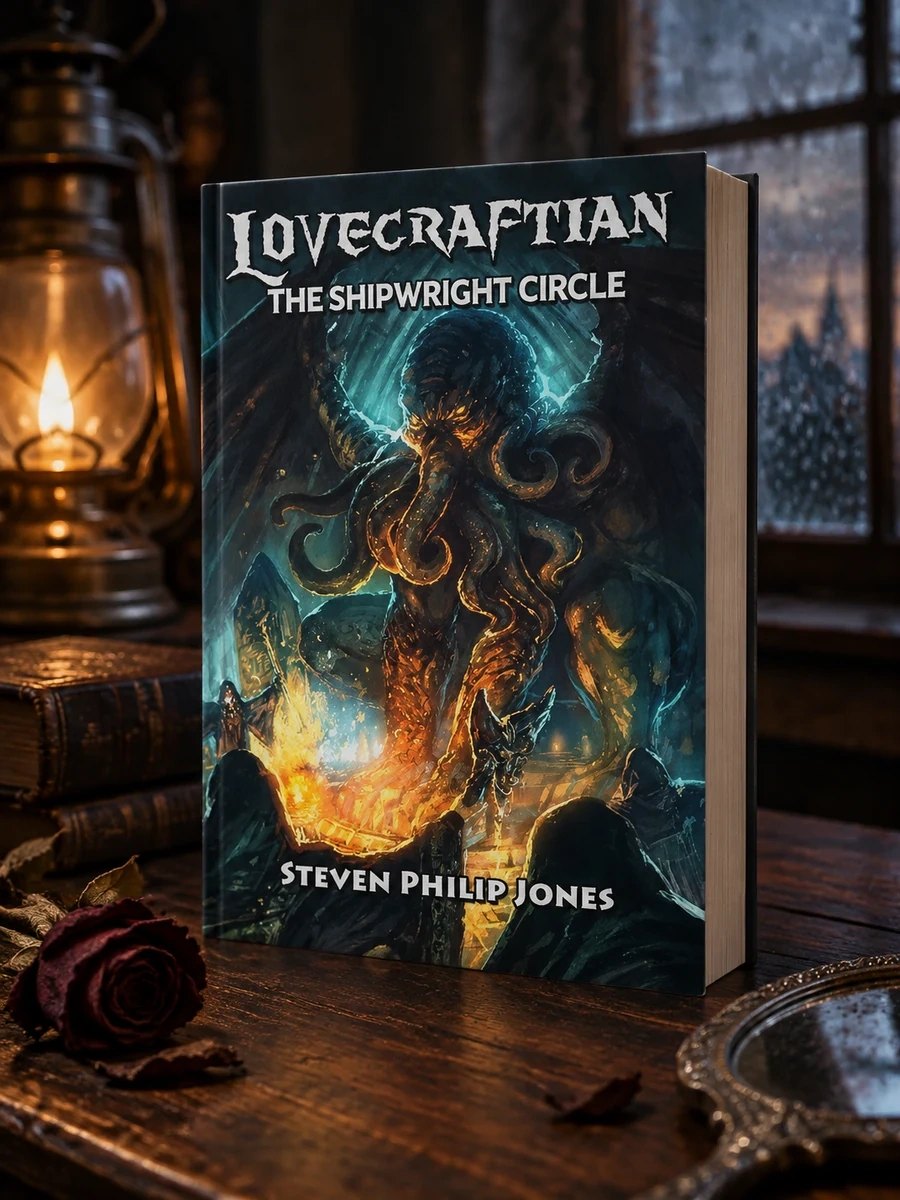
When a publisher attempts to wrangle the chaotic, sprawling pantheon of early twentieth-century weird fiction into a single cohesive narrative, the results are bound to draw intense scrutiny from dedicated readers. Released by Caliber Comics, Lovecraftian: The Shipwright Circle tackles this exact challenge by taking well-known entities, iconic tales, and established figures from classic horror history and merging them into a unified modern framework. Rather than introducing completely fresh characters or uncharted lore, this volume relies entirely on recontextualizing legendary creations—such as Herbert West and Randolph Carter—placing them side by side in shared settings and interactive scenarios.
Priced within the mid-teen range, this graphic novel sits firmly in the supernatural shelf, targeted directly at readers who appreciate the weird fiction tradition. It avoids acting as a straightforward, episodic horror anthology. Instead, it attempts to construct an overarching timeline where distinct narrative threads bleed into one another. For fans who spend their time tracking the internal logic and subtle mythos of classic horror literature, seeing familiar faces operate within a contemporary comic structure offers a distinct visual and structural experiment.
What it is about
The core premise centers on weaving disparate elements from classic weird tales into a singular universe without disrupting the established atmosphere of macabre dread. Rather than presenting isolated scary stories, the volume bridges works like The Call of Cthulhu and The Colour Out of Space, folding them into an interconnected plot.
Readers follow familiar names as they navigate recontextualized settings that test the limits of sanity and human endurance. Herbert West brings his grim scientific pursuits into contact with broader cosmic forces, while Randolph Carter finds himself entangled in events that stretch far beyond normal comprehension. The narrative logic forces these disparate legends to share space, creating a unified timeline where the actions of one figure inevitably ripple into the domain of another.
The underlying framework of the story rests on uncovering forgotten nautical secrets, ancient engineering marvels, and maritime architecture tainted by pre-human horrors. As the characters investigate mysterious maritime anomalies, they unearth ancient horrors tied to deep-water cults and forgotten coastal settlements. The tension steadily mounts through claustrophobic cabins, storm-tossed deck sequences, and grim realizations about humanity's insignificance before vast oceanic forces. Every plot turn reinforces the bleak, oppressive atmosphere that defines classic weird fiction, ensuring that readers familiar with the original source material find plenty of nods and references to the broader canon.
Furthermore, the plotting emphasizes methodical investigation rather than sudden shocks. Characters pore over ruined logs, translate blasphemous texts, and piece together fractured histories left behind by doomed sailors. This slow-burn approach allows the cosmic scale of the threat to loom large, casting a heavy shadow over every panel. The pacing ensures that the horrific implications sink in thoroughly before the narrative rushes toward its unsettling climax, validating the meticulous planning behind this multi-faceted graphic adaptation.
How it reads
The pacing of Lovecraftian: The Shipwright Circle mirrors the challenging nature of the source material. It demands close attention from the reader, as the plot jumps between interconnected threads and complex character intersections without holding your hand. The narrative voice maintains a grim, serious tone that respects the macabre style of traditional weird fiction.
Visually and structurally, the contemporary comic format breathes fresh life into classic tropes, replacing dense blocks of prose with striking sequential art. However, it does not rely on cheap jump scares or high-octane action. The tension builds through mounting unease, bizarre anatomical horrors, and the creeping realization of cosmic insignificance that defines the genre.
The black-and-white ink work and atmospheric shading accentuate the maritime gloom, utilizing stark contrasts to emphasize creeping shadows and monstrous silhouettes lurking beneath the waves. Dialogue remains sparse and functional, leaving the heavy lifting to the moody panel compositions and expressive character designs. This visual restraint keeps the focus squarely on the encroaching dread and the suffocating atmosphere of coastal isolation.
Moreover, the panel layouts frequently fracture during moments of psychological distress, mirroring the fraying sanity of the protagonists. This creative structuring encourages readers to slow down, examining background details and hidden iconography that hint at deeper cosmic conspiracies. The reading experience thus becomes an exercise in decoding visual clues, rewarding those who bring a keen eye for subtle foreshadowing and historical weird fiction tropes.
Who it suits, and who it does not
This volume is tailor-made for dedicated followers of classic weird fiction and established lore enthusiasts who enjoy untangling complex mythos. If you relish analyzing how different narrative elements connect and appreciate seeing iconic entities placed into a shared timeline, you will find plenty to evaluate here.
Conversely, readers seeking straightforward horror anthologies with quick, self-contained scares will likely find the interconnected plot confusing and inaccessible if they are unfamiliar with the original stories. Casual comic fans looking for light entertainment should approach with caution, given its challenging reading difficulty.
Additionally, those who prefer brightly colored superhero action or modern action-horror pacing may find the brooding, text-heavy panels and slow-building dread frustratingly deliberate. The book explicitly caters to purists who appreciate historical nods, period-appropriate dialogue, and faithful reverence for early twentieth-century pulp traditions. If you fall into this dedicated demographic, the volume delivers an engaging visual interpretation of classic motifs.
If you liked this
If you enjoyed the cosmic dread and interconnected mythos of this graphic novel, consider exploring these other titles from our catalogue:
Lovecraftian: The Shipwright Circle — H. P. Lovecraft
Seekers of cosmic dread and established lore enthusiasts will find this visual adaptation captivating, weaving classic characters into a uni. Grab your copy of Lovecraftian: The Shipwright Circle today.
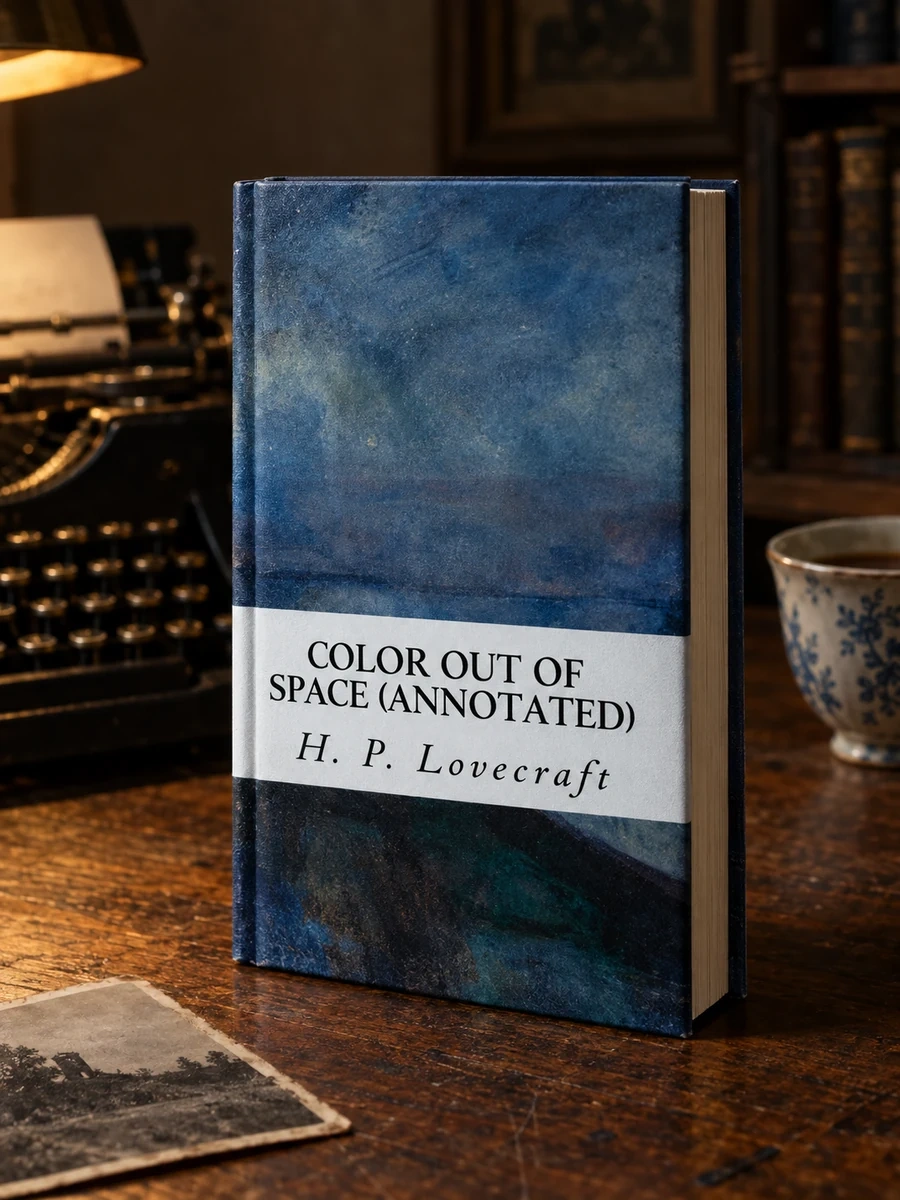
Color Out of Space (annotated) — H. P. Lovecraft
Seek out this volume if you cherish atmospheric dread and the slow-burn unease of early twentieth-century weird fiction. It is perfect for s. Order Color Out of Space (annotated) through our store.
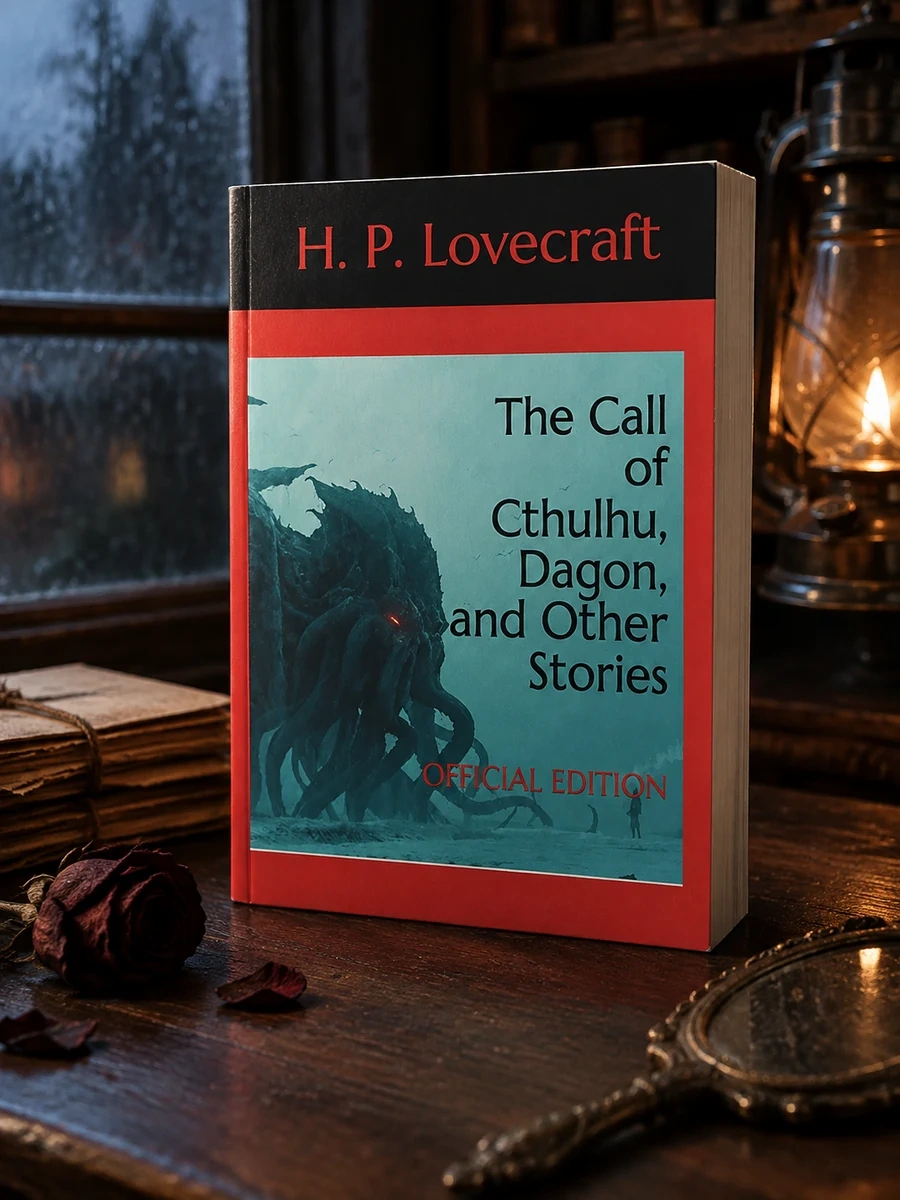
The Call of Cthulhu, Dagon, and Other Stories: Official Edition — H. P. Lovecraft
Seekers of pure, unadulterated cosmic dread will find this collection vital. It is ideal for purists demanding zero editorial interference. . Discover The Call of Cthulhu, Dagon, and Other Stories: Official Edition on our shelves.
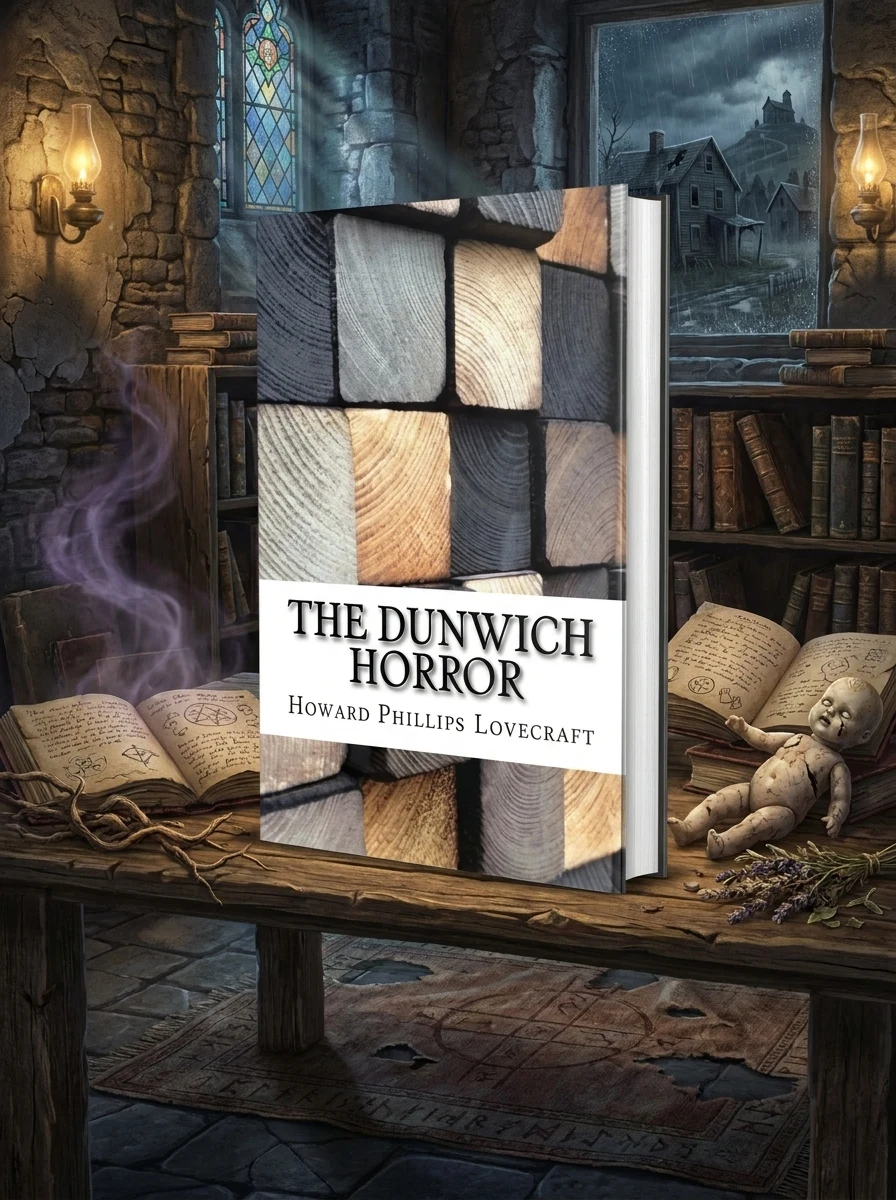
The Dunwich Horror — Howard Phillips Lovecraft
Pick up The Dunwich Horror now.
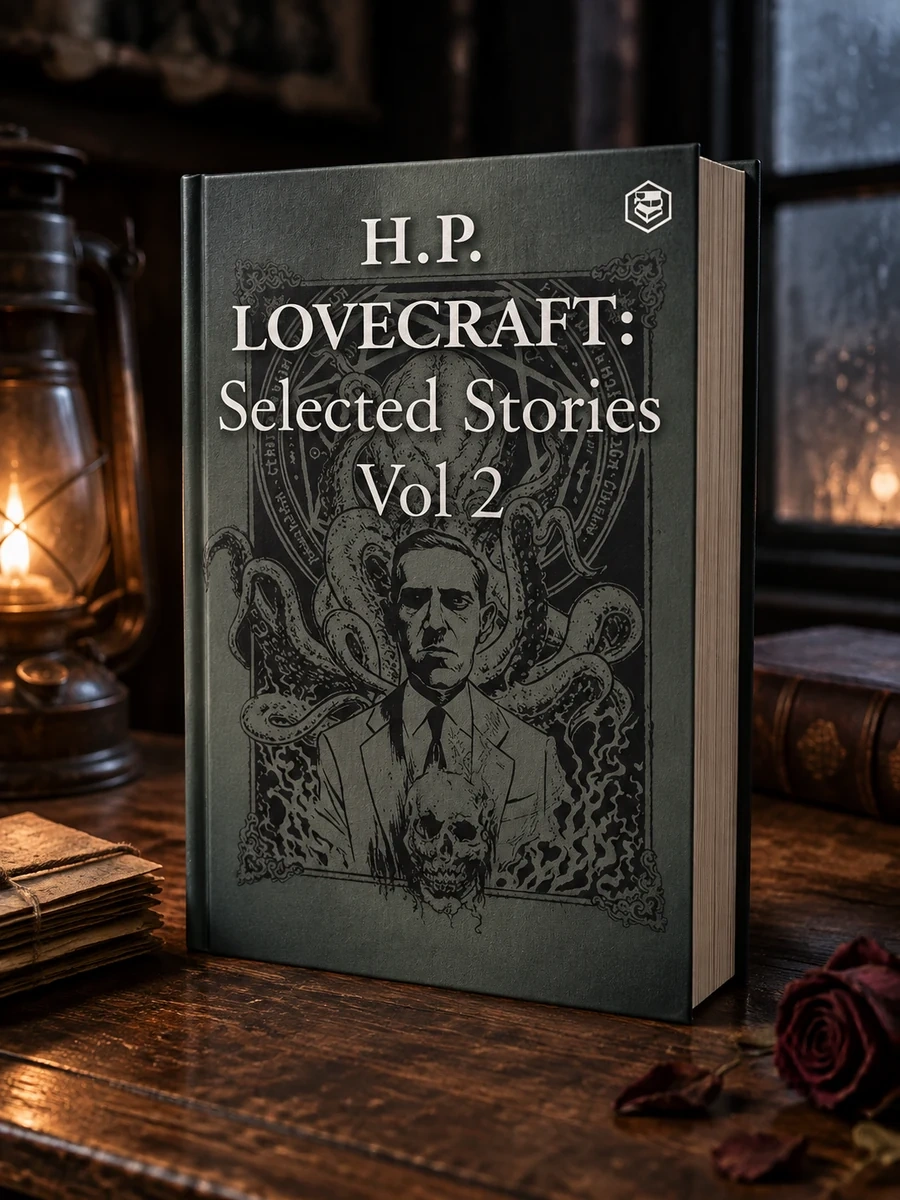
H. P. Lovecraft Selected Stories Vol 2 — H. P. Lovecraft
Expand your understanding of the master of macabre with this curated collection of chilling weird fiction. Browse H. P. Lovecraft Selected Stories Vol 2 today.
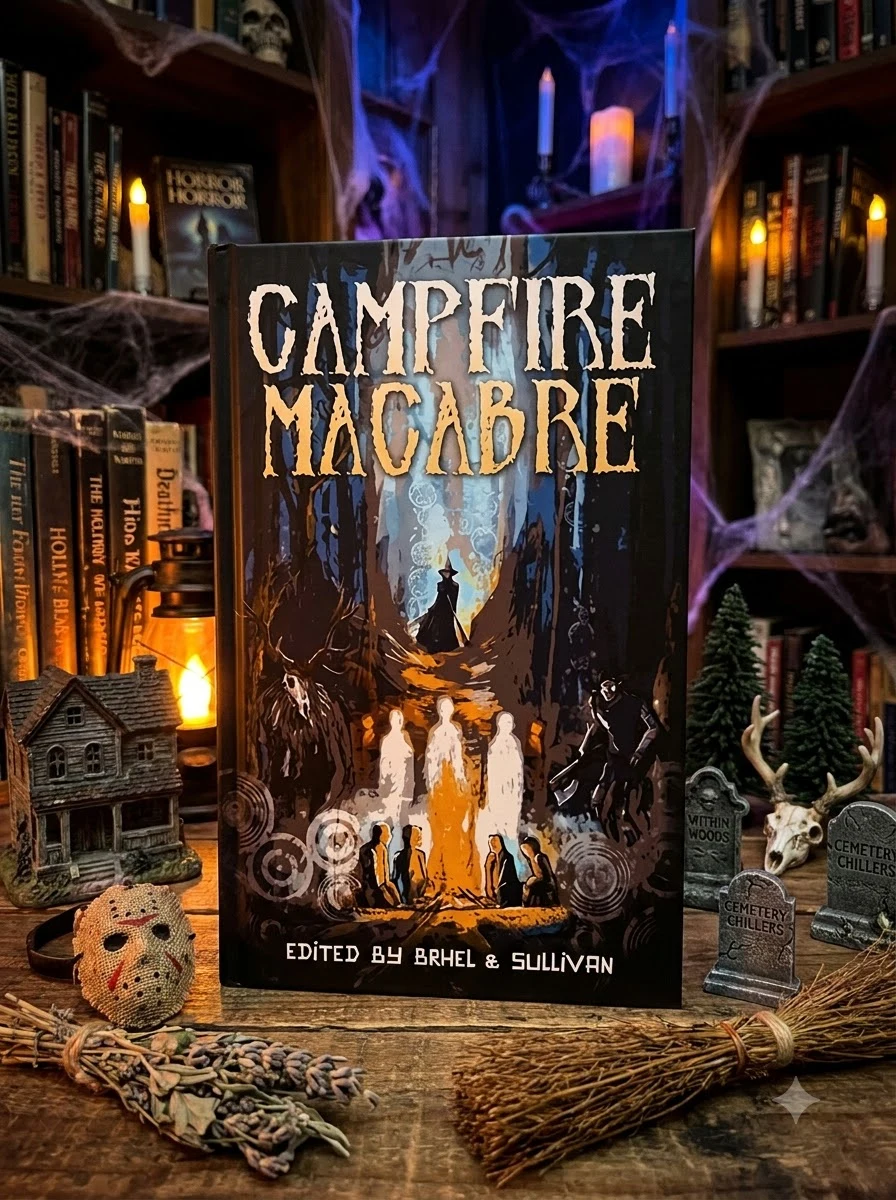
Campfire Macabre — Kealan Patrick Burke
Experience modern horror storytelling that channels classic campfire chills and supernatural dread. Check out Campfire Macabre in our catalogue.
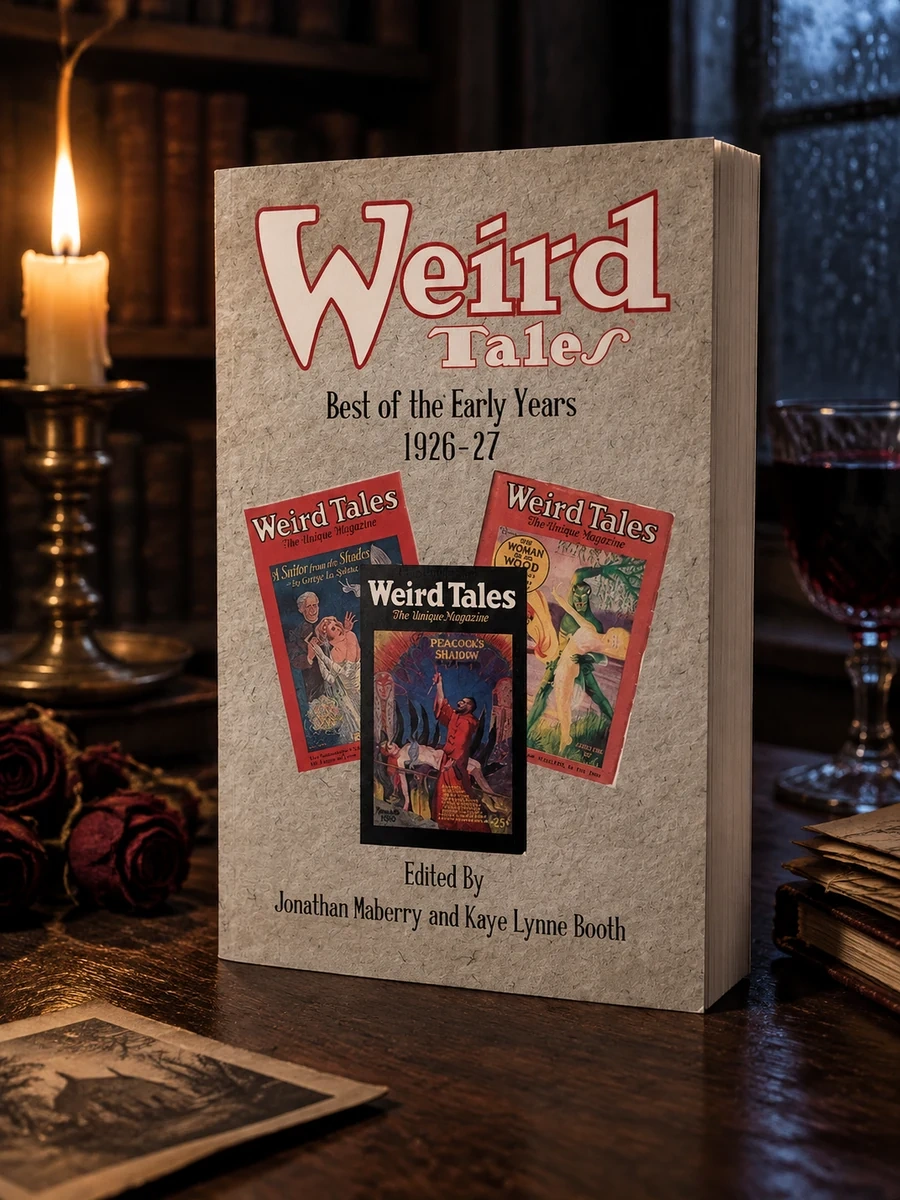
Weird Tales: Best of the Early Years 1926-27 — H. P. Lovecraft
Explore the historic magazine pages that shaped a generation of horror writing. Order Weird Tales: Best of the Early Years 1926-27 today.
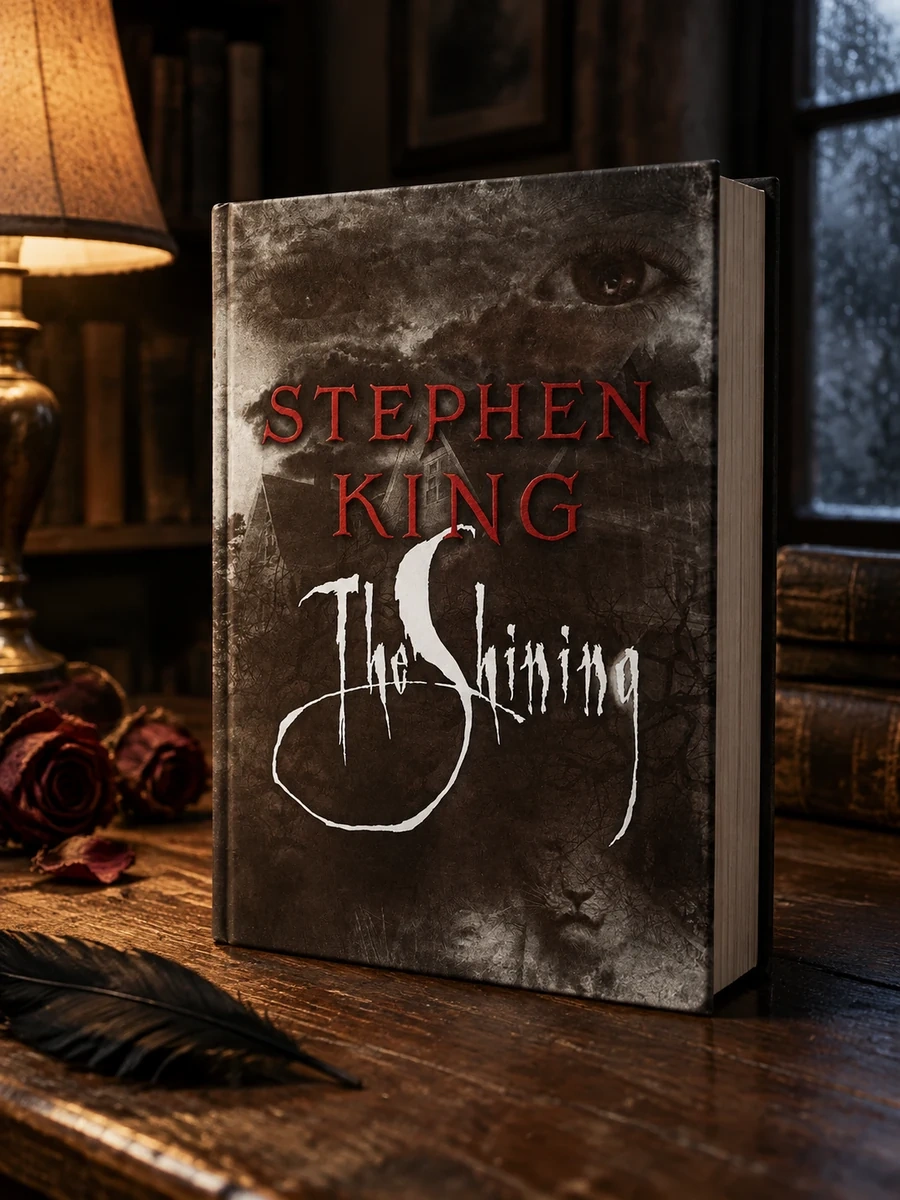
The Shining — Stephen King
Seekers of psychological dread and atmospheric terror will devour this tale. Fans of slow-burn horror appreciate its depth. If you prefer fa. Discover The Shining in our store.
The Fall of the House of Usher and Other Writings: Poems, Tales, Essays, and Reviews — Edgar Allan Poe
Seekers of psychological dread, gothic atmosphere, and the roots of detective fiction will cherish this collection. If you prefer light esca. Find The Fall of the House of Usher and Other Writings: Poems, Tales, Essays, and Reviews on our shelves.
Black Fox Review - Summer 2026: Guilt, Memory, and Unkept Promises (Gothic Shorts) — Edgar Allan Poe
Seekers of classic dread and psychological torment will find this collection irresistible. If you prefer lighthearted tales or modern thrill. Order Black Fox Review - Summer 2026: Guilt, Memory, and Unkept Promises (Gothic Shorts) today.