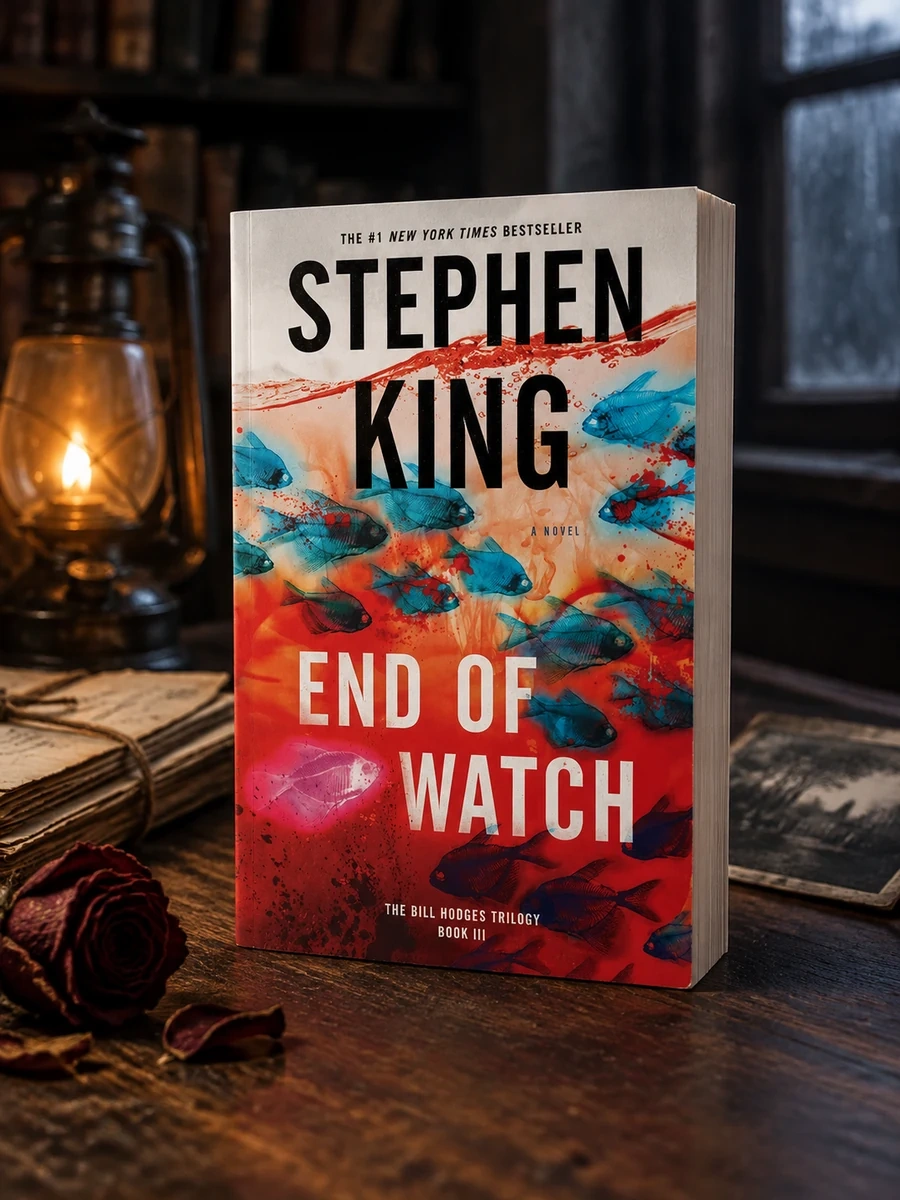
When a book marks the culmination of a major trilogy, readers often approach it with a mix of anticipation and caution. Published by Scribner Book Company in 2016, End of Watch arrives as the final installment in a narrative arc that began with the Mercedes Massacre. Written by Stephen King, this Edgar Award-winning work sits firmly within the contemporary American horror genre, blending the grounded mechanics of a crime procedural with elements of gothic horror and telekinetic terror. Priced at $32, it brings back familiar figures to face a threat that tests the very limits of human agency against pure malice.
At Horror Reads, we stock this title because it offers a unique exploration of how retired detectives confront psychopathic killers operating under extraordinary conditions. The narrative draws heavily on traditions of gothic horror, contrasting the mundane world of private investigation with an unseen, supernatural evil. It is a challenging read that reflects modern anxieties about healthcare facilities and the hidden dangers lurking in everyday settings like hospitals, making it a compelling piece for readers interested in the intersection of psychological tension and dark suspense.
The cultural footprint of this novel extends far beyond standard genre fiction, cementing its place in modern literary horror discussions. Critics often examine how the narrative manages to balance the gritty realism of a police investigation with utterly fantastic, supernatural elements without losing its grounding. This delicate balancing act requires immense skill, allowing Stephen King to manipulate reader expectations by shifting tone between procedural grit and horrific psychological dread. Furthermore, the book addresses the vulnerabilities of aging characters who must rely on intellect and resilience rather than physical strength, adding a layer of poignant desperation to the unfolding cat-and-mouse game.
Readers approaching this work for the first time will notice how meticulously the author lays out the rules of this final confrontation. The hospital setting acts as a psychological cage, emphasizing confinement and powerlessness. Every chapter builds upon the established history of the trilogy while carving out a distinct identity rooted firmly in supernatural menace. As the tension mounts, the boundary between reality and hallucination blurs, forcing both the characters and the audience to question what is truly possible when sheer willpower is corrupted by malevolent intent. This thematic depth ensures that the book remains a memorable experience long after the final page is turned.
1. What it is about
The story centers on Brady Hartsfield, who has spent five years in a vegetative state at the Lakes Region Traumatic Brain Injury Clinic. Despite his motionless physical condition inside Room 217, Hartsfield remains entirely awake and possesses deadly new powers. These telekinetic abilities allow him to drive victims to suicide remotely, leaving no physical trace of his direct involvement.
Retired police detective Bill Hodges and his partner Holly Gibney run an investigation agency and soon find themselves called to a suicide scene connected to the Mercedes Massacre. As they dig deeper, they realize that Hartsfield's remote manipulation places their own lives at risk and endangers an entire city. The narrative follows a linear progression as Hodges and Gibney confront a dangerous antagonist they cannot physically reach, forcing them to rely on their wits and experience to stop him before more deaths occur.
The escalation of Hartsfield's abilities introduces terrifying new dimensions to his character. No longer restricted by his physical paralysis, he extends his malignant influence across the city using everyday electronic devices and fragile human minds as his proxies. This escalation forces Hodges and Gibney to expand their understanding of what constitutes a crime scene, moving past standard forensic evidence into terrifying territory where thoughts and memories can be weaponized against them. The plot unfolds with relentless momentum, ensuring that every small victory is immediately countered by a devastating new threat from the hospital room.
2. How it reads
The pacing of the book moves steadily along a linear progression, driven by the mounting tension of an adversary who never leaves his hospital bed. King establishes a heavy, oppressive atmosphere that emphasizes psychological horror over traditional monster tropes. The voice reflects the gritty realism of a crime procedural mashed together with supernatural dread.
Rather than relying on fast-paced action sequences, the fright comes from the profound helplessness of facing an enemy who controls events through unseen mental forces. The narrative tension continually rises because Hodges and Gibney cannot physically confront Hartsfield in the conventional sense, creating an unnerving claustrophobia that permeates the hospital room and the streets alike.
The stylistic choices employed throughout the text heighten this suffocating atmosphere. Short, punchy sentences alternate with long, reflective passages that capture the mental exhaustion of the aging detective. This stylistic rhythm mirrors the relentless pressure bearing down on the protagonists, making the reading experience intensely visceral. Every interaction between Hodges and Holly highlights their deep bond forged through previous trauma, providing an emotional anchor amidst the escalating supernatural chaos.
3. Who it suits, and who it does not
This volume suits readers interested in supernatural fiction and detailed investigation narratives. It is particularly appropriate for fans of cosmic and psychological horror who appreciate stories exploring the limits of human power when facing evil that defies physical explanation. Anyone who enjoyed the earlier entries in the trilogy will find closure here.
Conversely, it may not appeal to those who dislike graphic depictions of suicide or prolonged psychological tension. Readers who prefer traditional gothic horror without modern crime procedural elements might also find the blend of genres outside their preferences.
Those who appreciate character-driven storytelling will find much to admire in the careful development of the supporting cast, particularly Holly Gibney's ongoing journey toward self-assurance. However, readers looking for lighthearted escapism or fast-paced supernatural action devoid of procedural investigation may find the slower, more methodical pacing challenging to get through. Understanding these nuances helps ensure the book reaches the audience best equipped to appreciate its unique blend of genres.
4. If you liked this
If you enjoyed this supernatural thriller, consider exploring these other titles available in our catalogue:
End of Watch — Stephen King
Readers craving intense supernatural thrillers and complex detective work will devour this conclusion to Brady Hartsfield’s saga. End of Watch
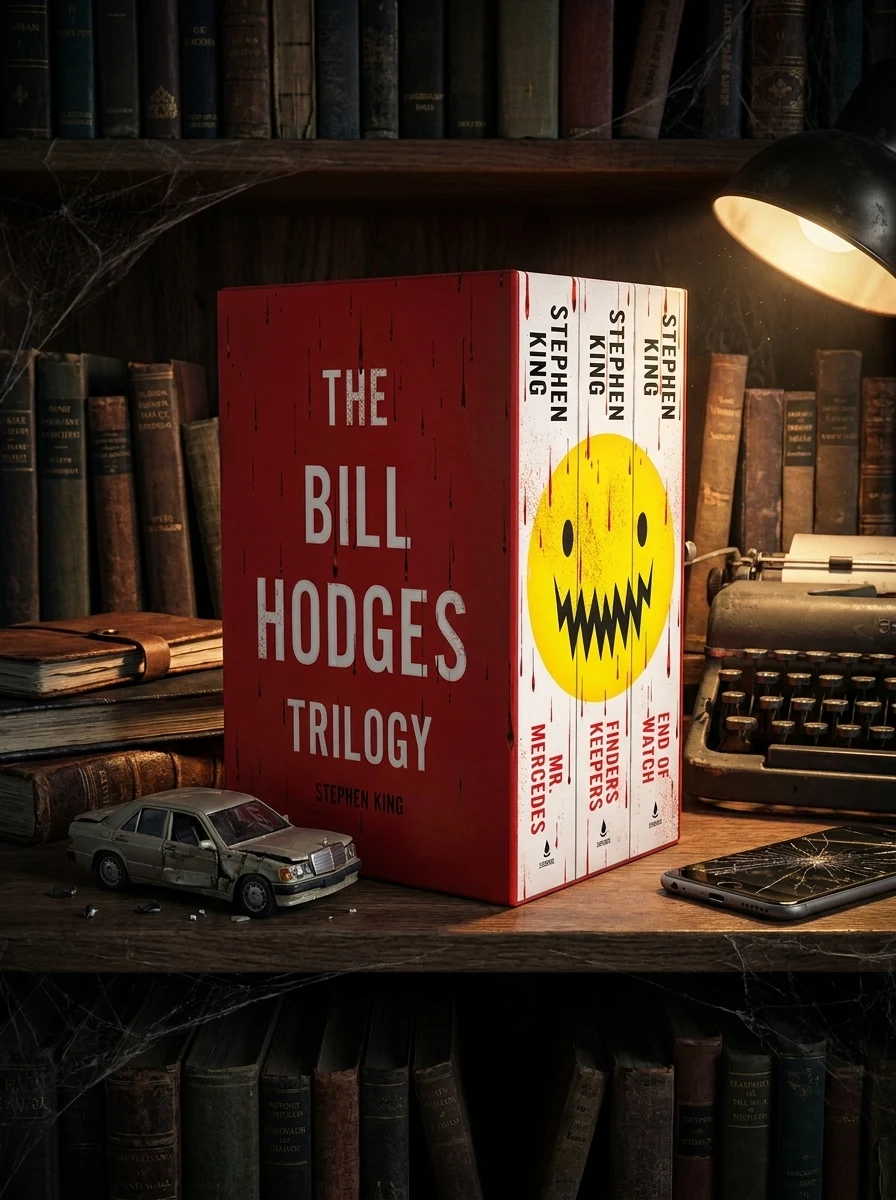
The Bill Hodges Trilogy Boxed Set: Mr. Mercedes, Finders Keepers, and End of Watch — Stephen King
Fans of procedural thrillers and psychological suspense will adore this series. If you prefer Gothic horror or supernatural entities, look elsewhere. The Bill Hodges Trilogy Boxed Set: Mr. Mercedes, Finders Keepers, and End of Watch
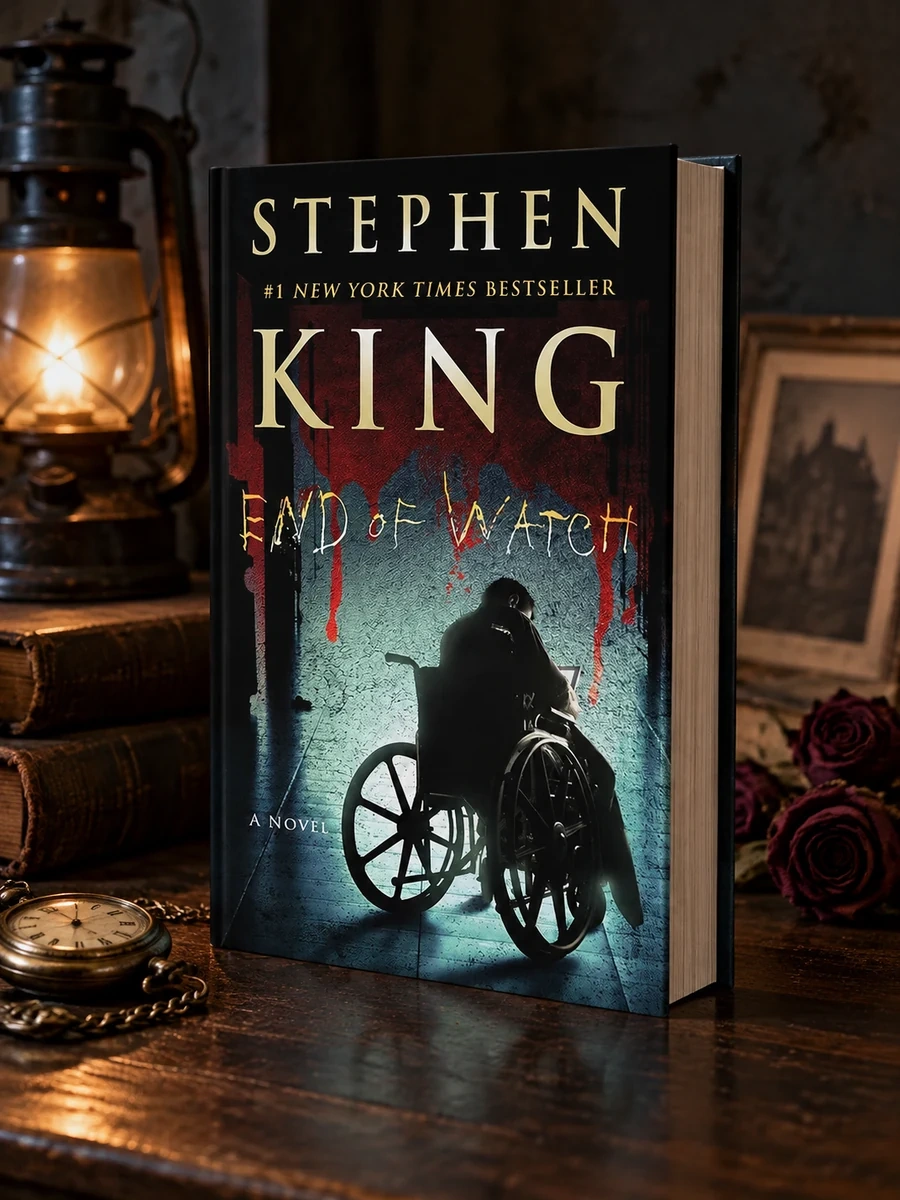
End of Watch (Library) — Stephen King
Seekers of dark, psychological thrillers and fans of Stephen King’s intricate villainy will find this tale gripping. However, readers craving lighthearted tales should look elsewhere. End of Watch (Library)
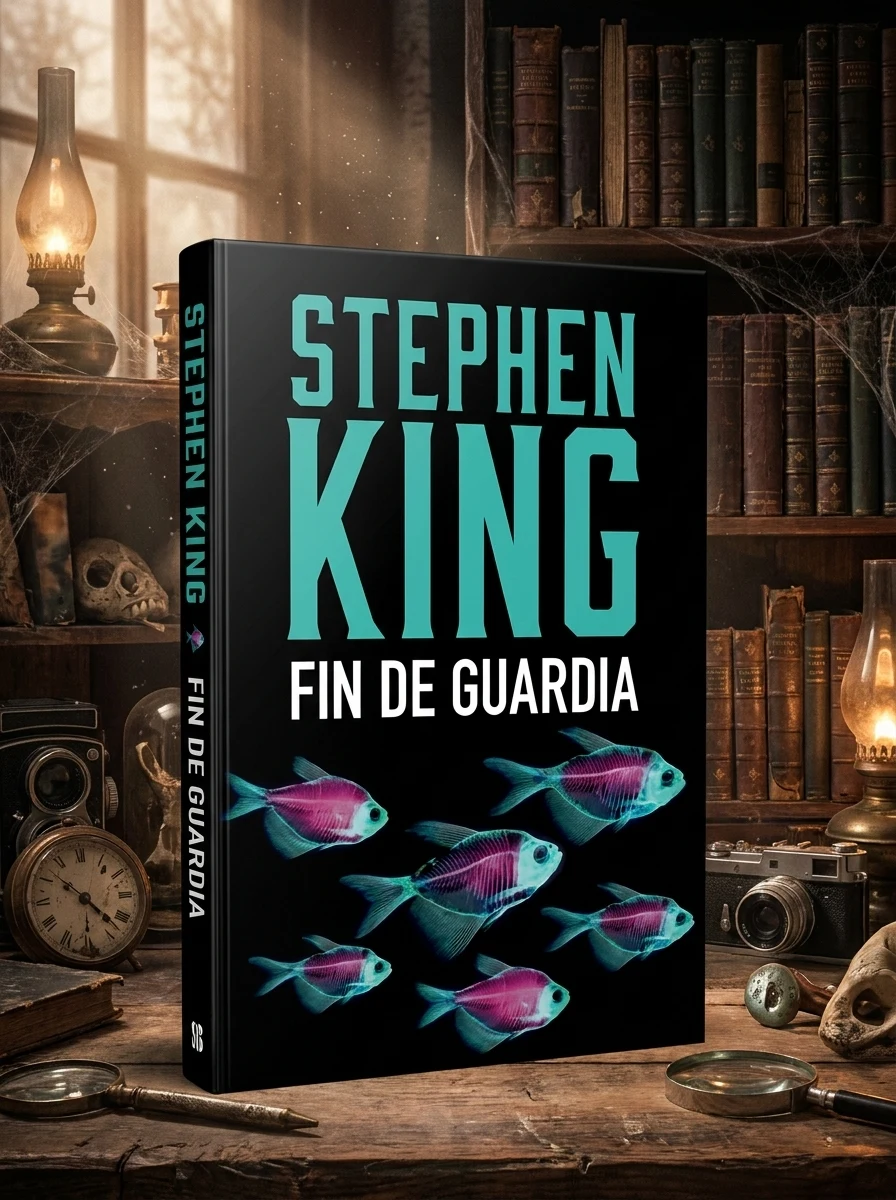
Fin de Guardia / End of Watch — Stephen King
Fans of gripping crime fiction and dark psychological suspense will appreciate this edition. If you prefer lighthearted or cozy tales, you may want to look elsewhere. Fin de Guardia / End of Watch
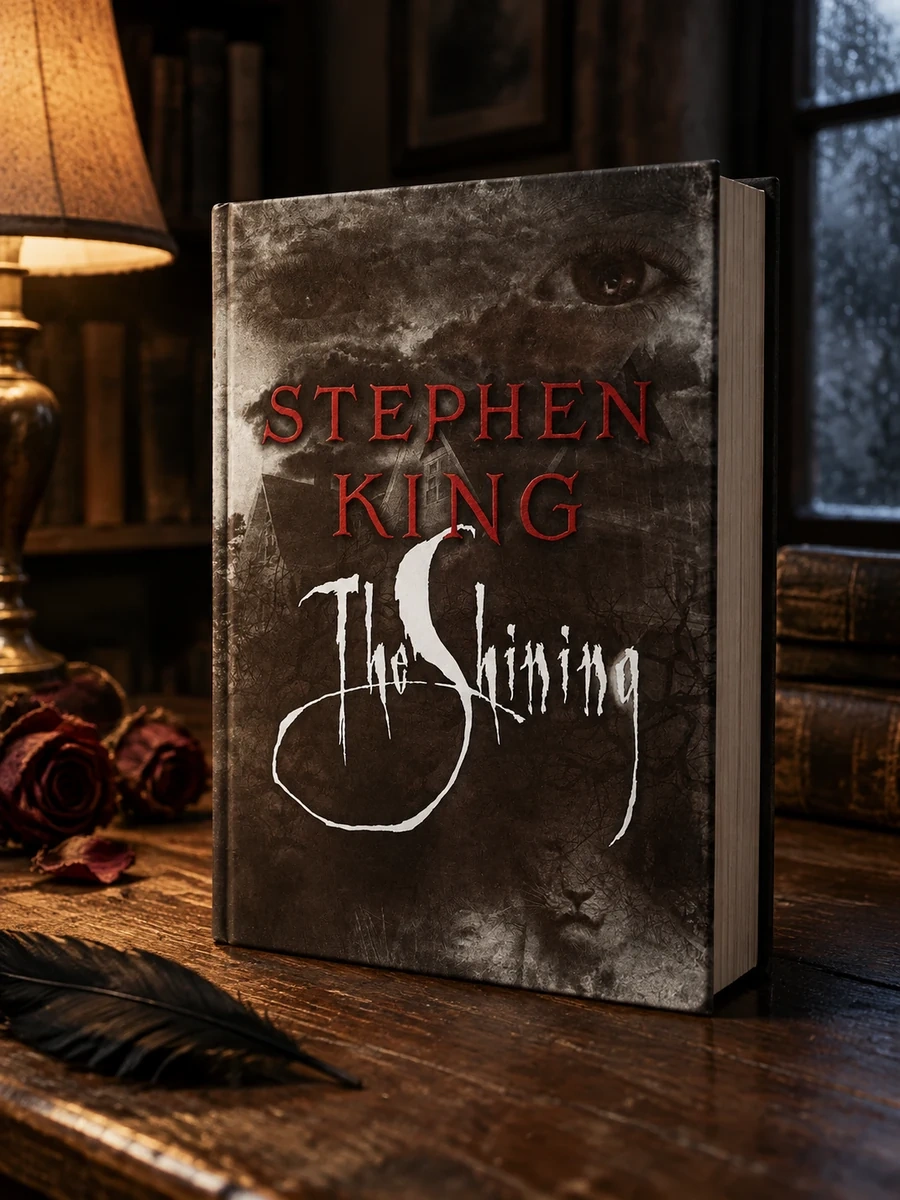
The Shining — Stephen King
Seekers of psychological dread and atmospheric terror will devour this tale. Fans of slow-burn horror appreciate its depth. If you prefer fast-paced action, look elsewhere. The Shining
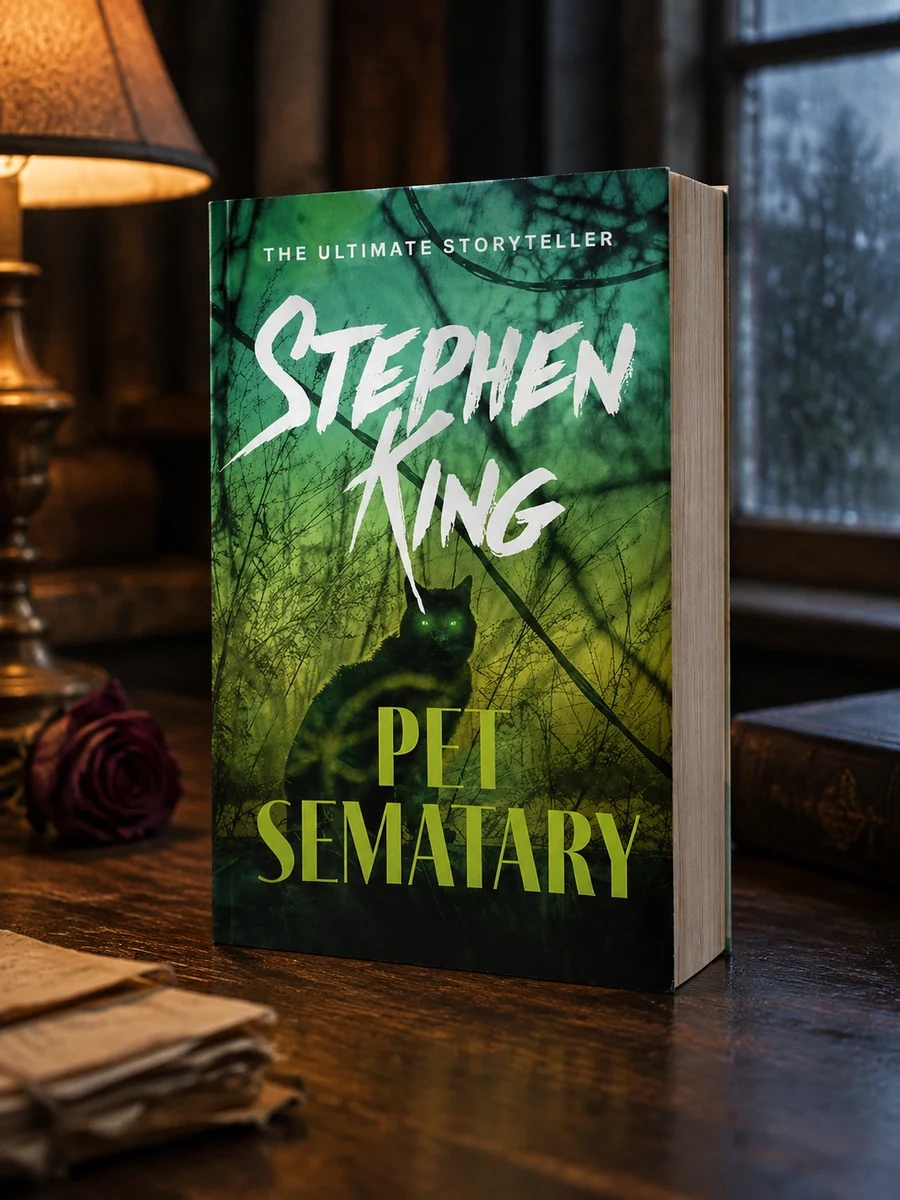
Pet Sematary — Stephen King
Lovers of dark, atmospheric horror and unrelenting dread will find this classic unforgettable. If you prefer uplifting stories, look elsewhere. Pet Sematary
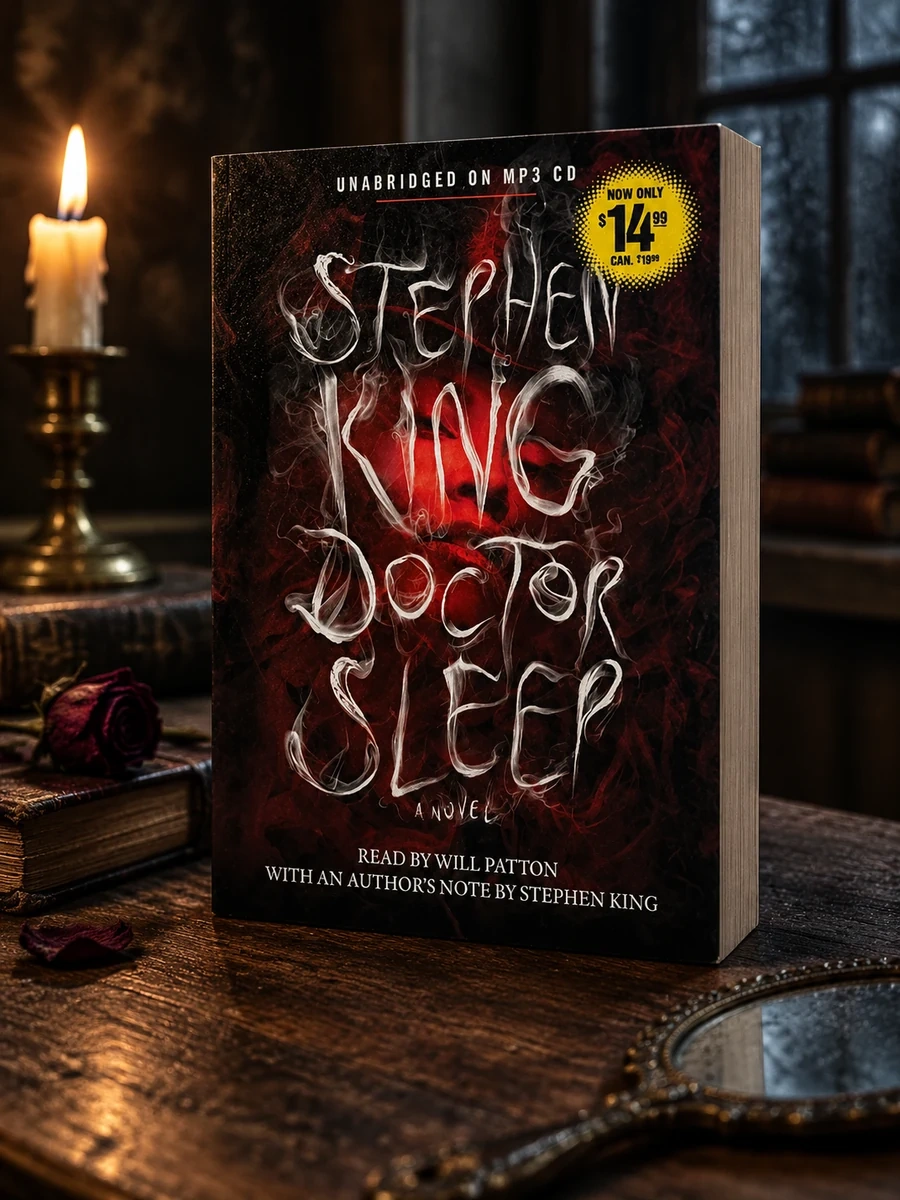
Doctor Sleep — Stephen King
Fans of dark fantasy and psychological suspense will enjoy this chilling continuation. If you prefer standalone short stories, look elsewhere. Doctor Sleep
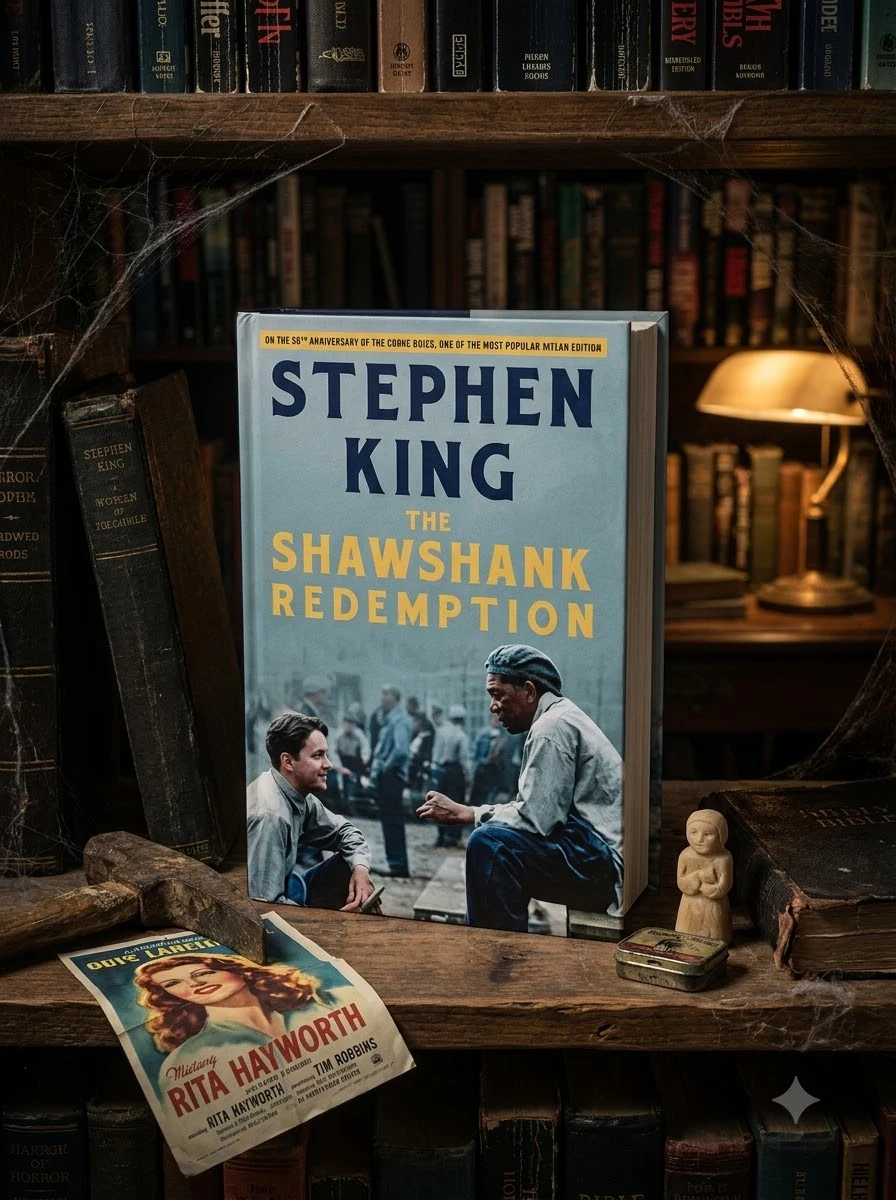
The Shawshank Redemption — Stephen King
Admirers of powerful dramatic storytelling and character-driven narratives will appreciate this gripping work. If you prefer traditional supernatural horror, look elsewhere. The Shawshank Redemption
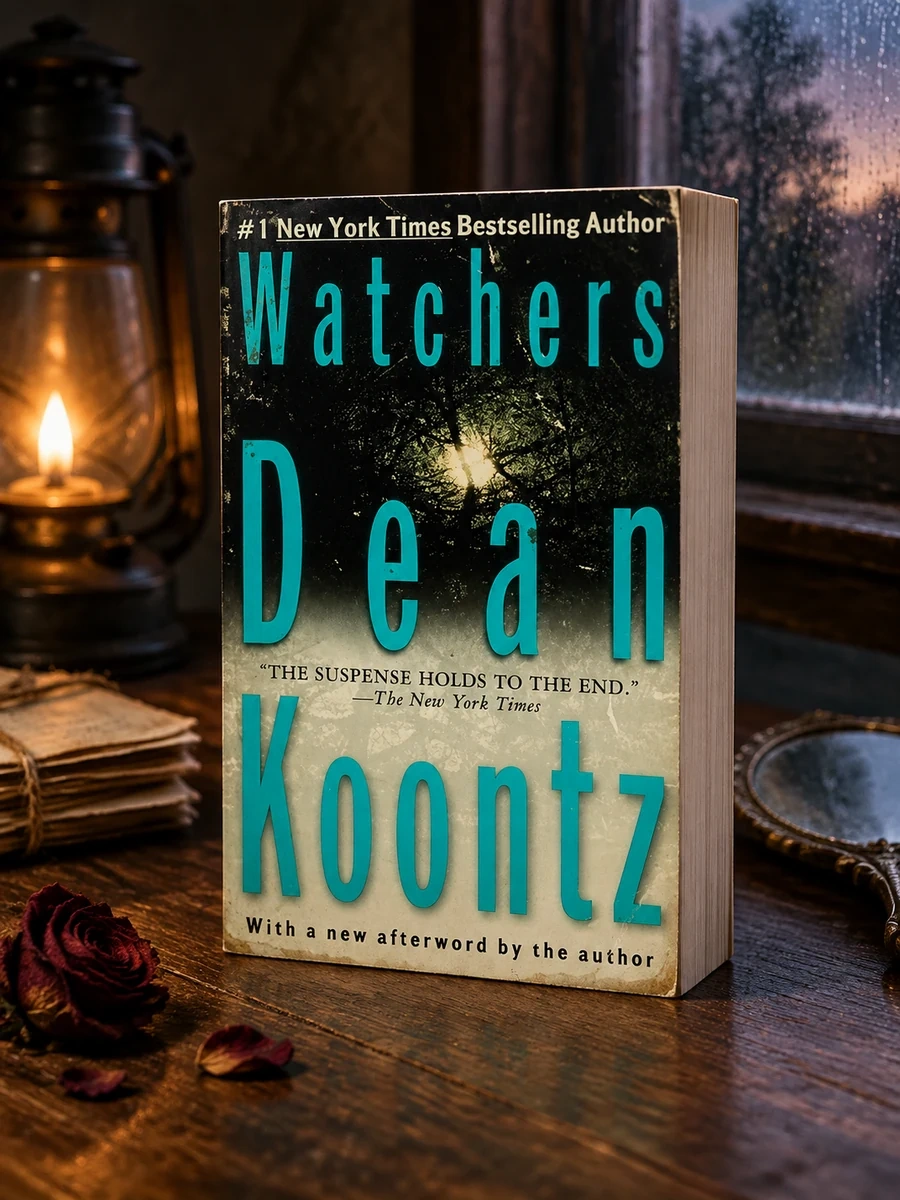
Watchers — Dean Koontz
Seekers of heart-pounding sci-fi horror and creature features will adore this tale of genetic experimentation gone wrong. If you prefer cozy stories, look elsewhere. Watchers