Some horror books frighten you with what happens. Others leave you unsettled by the way a room looks, the silence between two sentences, or the possibility that a narrator has misunderstood his own mind. Edgar Allan Poe belongs firmly to the second tradition. His stories turn guilt, grief, obsession, and the fear of death into psychological pressure, often making the reader question whether the true horror lies in the supernatural or in the human imagination.
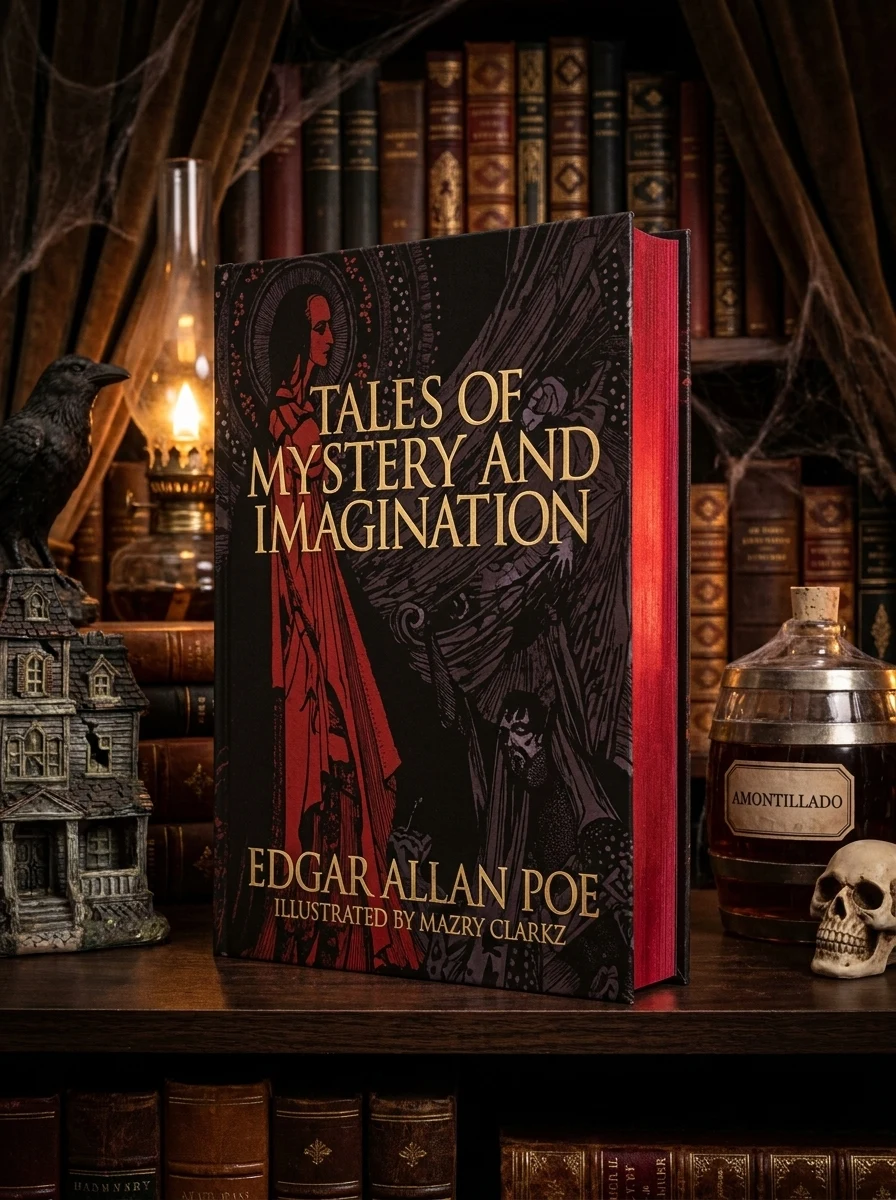
That is what makes Edgar Allan Poe’s Tales of Mystery and Imagination: Illustrated by Harry Clarke such an appealing prospect for Gothic readers. The attraction is not simply another opportunity to revisit a literary classic. It is the encounter between Poe’s carefully controlled unease and Clarke’s distinctive visual imagination, an artistic pairing that makes this edition particularly tempting for a Halloween reading ritual or a permanent place on a horror bookshelf.
Our verdict: this is the Poe collection to consider when presentation matters almost as much as the writing. Readers seeking an illustrated literary object, a gift for a Gothic enthusiast, or a more atmospheric way to revisit familiar stories have a clear reason to choose it. Readers primarily interested in assembling the broadest possible collection of Poe’s writing should compare it with an unillustrated collected edition before deciding.
Why Harry Clarke Changes the Experience of Reading Poe
Harry Clarke is celebrated for illustrations that combine elaborate linework, ornamental detail, and an uncanny sense of beauty. His visual language is frequently associated with the decorative intensity of Art Nouveau, although his work can also feel startlingly modern in its distortions, stylized figures, and densely patterned darkness. The result is not a simple visual translation of a story. It is an interpretation that can make the familiar seem strange again.
That distinction matters with Poe. His horror rarely depends on a monster appearing at exactly the right moment. Instead, he builds tension through obsessive attention, unstable perception, claustrophobic settings, and narrators whose confidence can become suspicious in itself. Clarke’s intricate imagery suits that territory because beauty and discomfort can occupy the same space.
For a collector, the pleasure is in slowing down. Read a story, pause over the illustration, and return to the prose with the image in mind. For a longtime Poe reader, this approach can refresh a familiar text without requiring the novelty of a modern retelling. For someone discovering Poe, it offers an inviting visual entrance into older Gothic literature, provided the reader enjoys ornate imagery and a more deliberate reading pace.
The edition’s central appeal is therefore its combination of literary atmosphere and visual artistry. It should not be judged by the same priorities as a pocket paperback intended for commuting or a reference edition intended to maximize textual coverage. Its place is on the shelf of someone who appreciates the physical and imaginative experience of reading.
Eight Gothic Classics to Compare Before Choosing Your Halloween Read
1. Edgar Allan Poe’s Tales of Mystery and Imagination: Illustrated by Harry Clarke — Edgar Allan Poe
Edgar Allan Poe’s Tales of Mystery and Imagination: Illustrated by Harry Clarke is the natural first choice for readers who want Poe’s unsettling imagination paired with a distinctive visual style. Its defining appeal is the combination of psychological dread, Gothic atmosphere, and Clarke’s intricate illustrations, making it especially suited to collectors who enjoy books as designed objects rather than disposable reading copies.
Choose this edition if you like to linger over a page, appreciate ornamental artwork, and want a literary centerpiece for October evenings. It is less about racing through a checklist of stories than savoring the meeting of words and images. For a horror fan who already knows Poe, the illustrated presentation is the strongest reason to select this volume over a general collection.
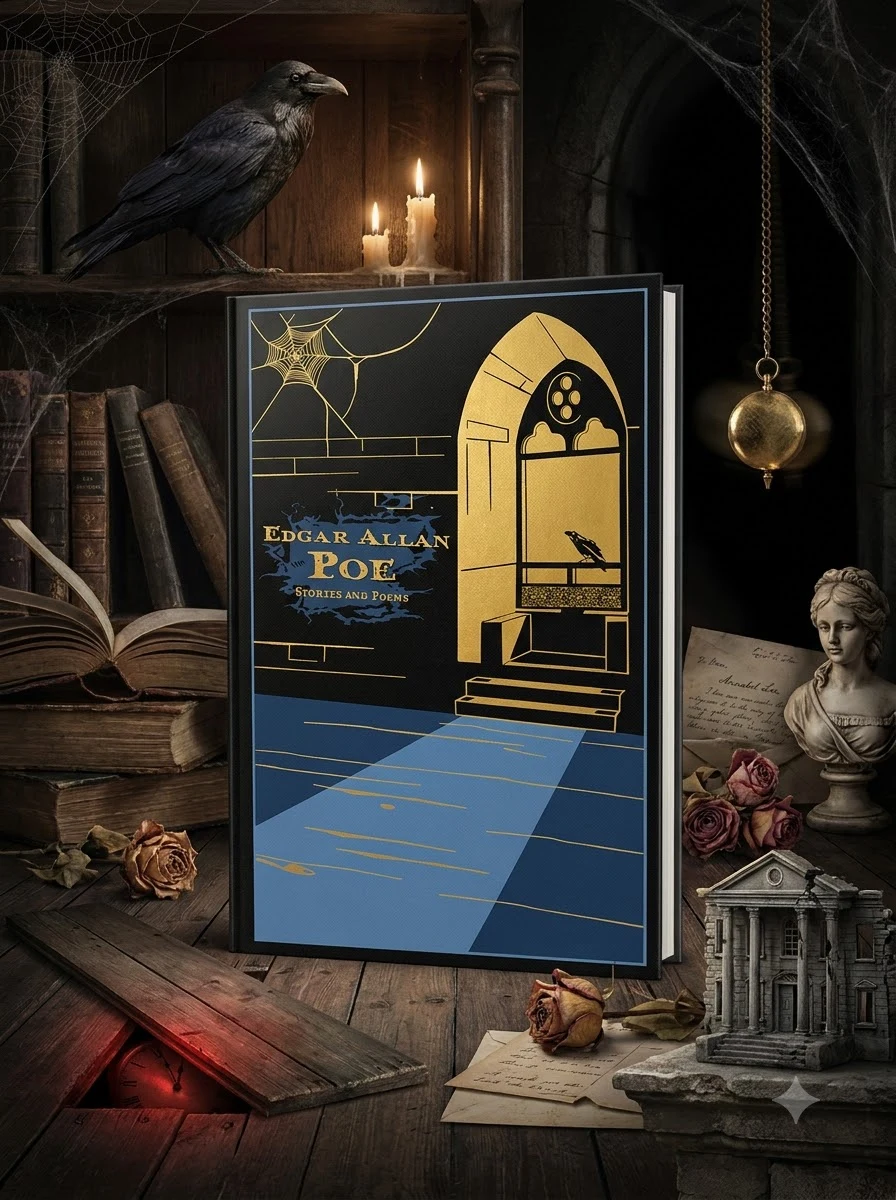
2. Edgar Allan Poe: Collected Works — Edgar Allan Poe
Edgar Allan Poe: Collected Works is the practical alternative for readers whose main interest is breadth. Rather than making the illustrated experience the central attraction, a collected-works edition suits readers who want a substantial base for exploring Poe across different forms and returning to his writing for study or comparison.
This is a sensible option for readers who want one principal Poe reference on the shelf, or who expect to compare recurring themes across stories and poems. If you already own several individual tales but lack a broad collection, it may offer more value for your reading habits than a visually focused volume. The Clarke edition, by contrast, makes a stronger case when the physical presentation is part of the pleasure.
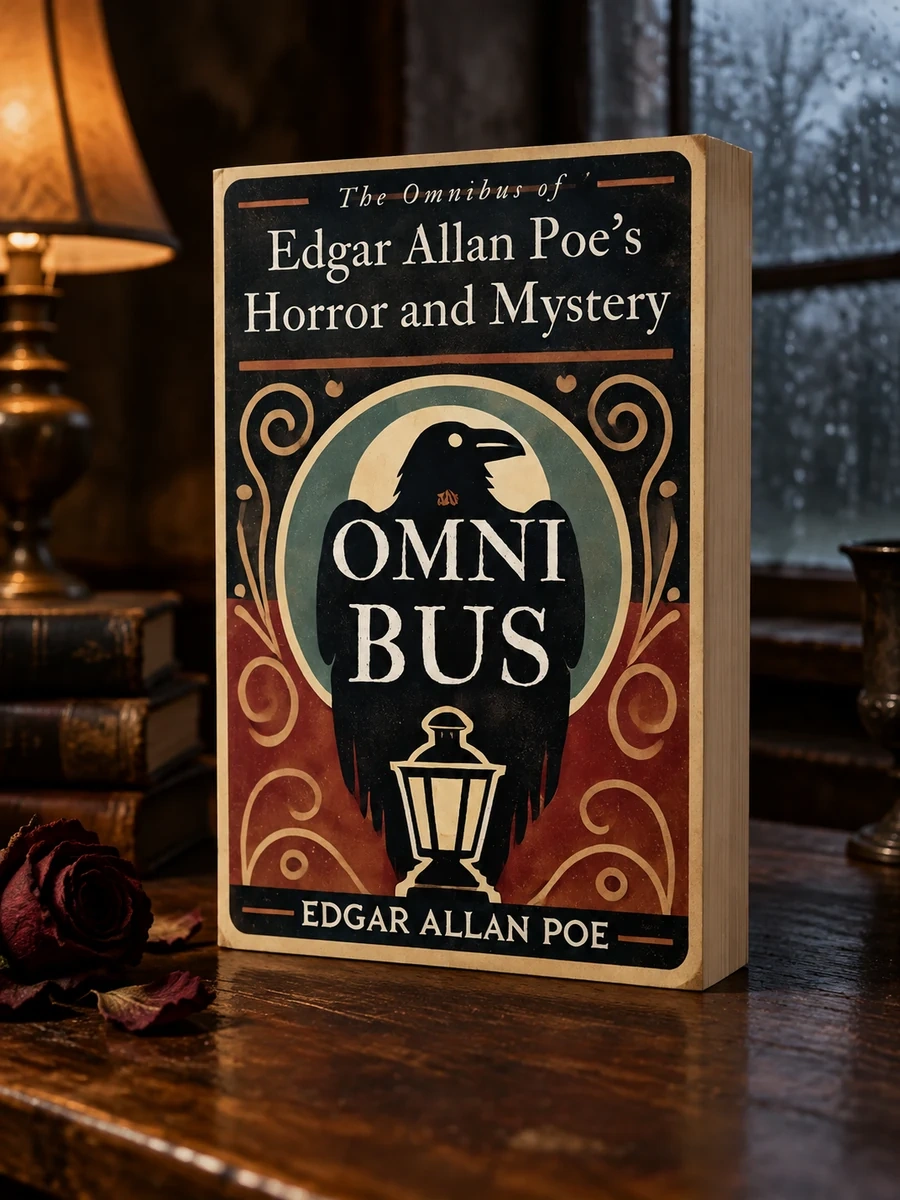
3. The Omnibus of Edgar Allan Poe’s Horror and Mystery (Original, Unabridged Classic, Ideal for Gifting) — Edgar Allan Poe
The Omnibus of Edgar Allan Poe’s Horror and Mystery appeals to readers who want a substantial encounter with Poe’s classic horror and mystery writing. Its unabridged positioning makes it worth considering for readers who care about experiencing texts in full rather than relying on heavily shortened adaptations or modern retellings.
For a student of Gothic fiction or a devoted reader building a classic-horror library, this is a useful comparison with the Clarke volume. The choice is largely about priorities: a broad, text-centered reading experience on one side, an edition distinguished by its illustrations on the other. Gift buyers should think about whether the recipient values literary coverage or a more visually distinctive book.
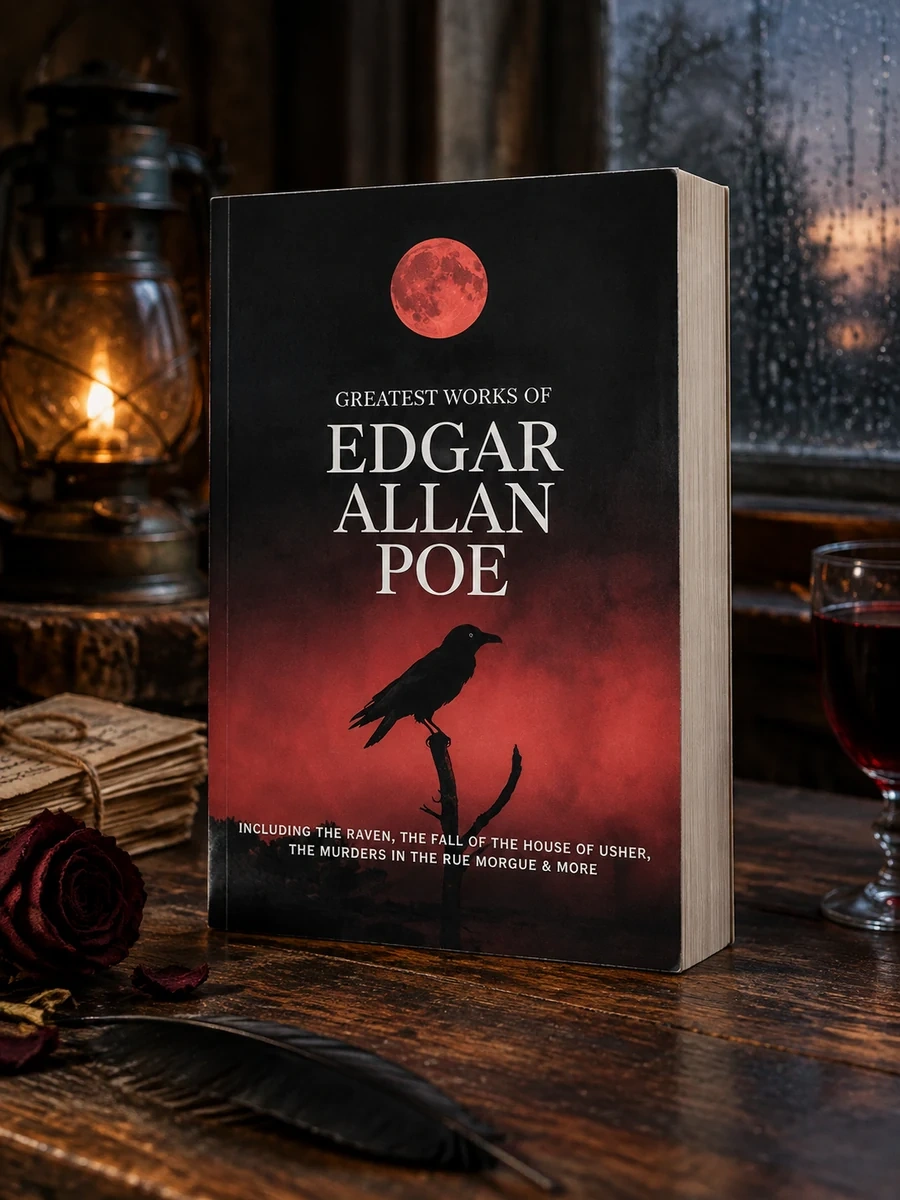
4. Greatest Works of Edgar Allan Poe — Including The Raven, The Fall of the House of Usher, The Murders in the Rue Morgue and More (Grapevine Edition) — Edgar Allan Poe
Greatest Works of Edgar Allan Poe is an approachable option for readers who want several recognizable entry points into Poe’s work. Its stated selection includes The Raven, The Fall of the House of Usher, and The Murders in the Rue Morgue, bringing together poetry, Gothic unease, and mystery in one collection.
This makes it a useful choice for a reader who is still discovering which side of Poe appeals most. Those drawn to atmosphere may gravitate toward the Gothic stories, while mystery fans may be more interested in the detective fiction. If Clarke’s artwork is the principal attraction, the illustrated edition remains the more focused choice; if you want a varied introduction, this selection deserves consideration.
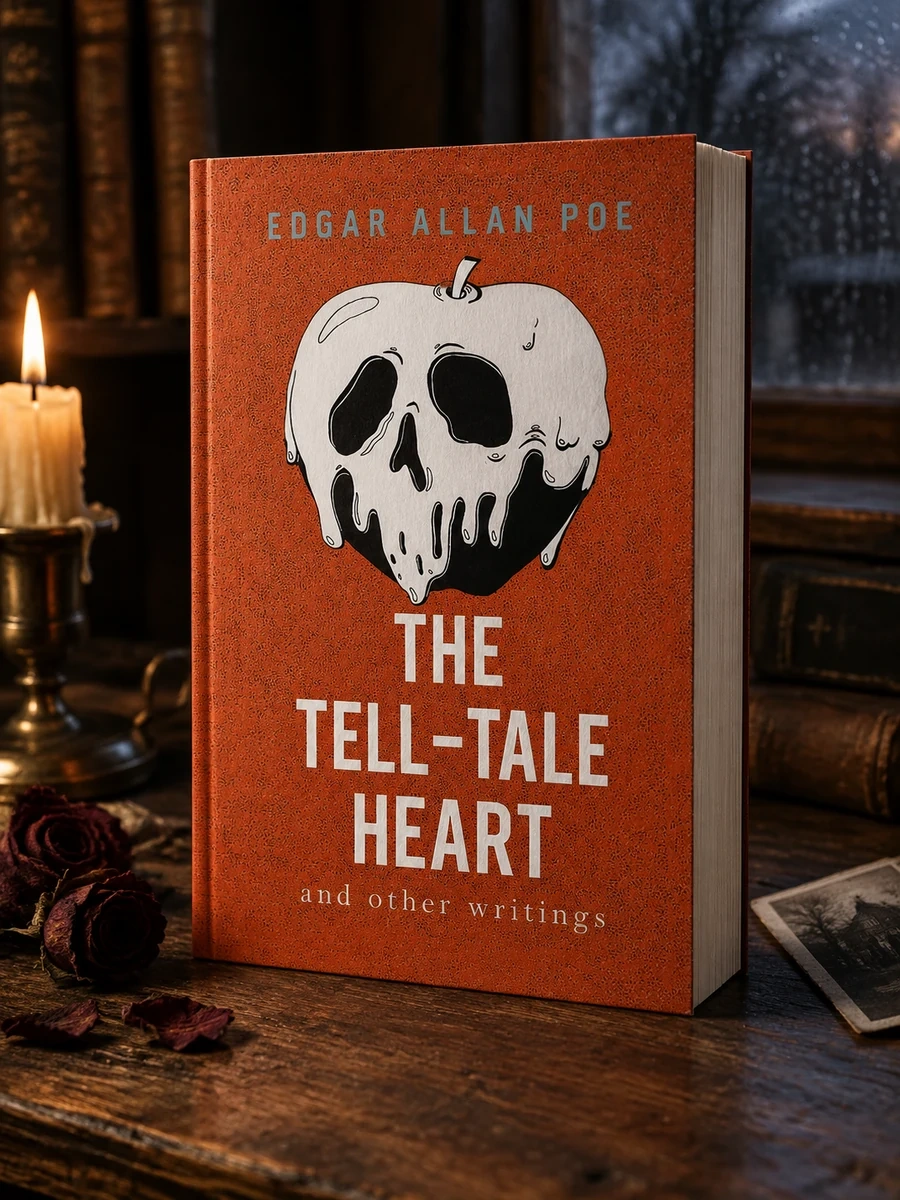
5. The Tell-Tale Heart and Other Writings — Edgar Allan Poe
The Tell-Tale Heart and Other Writings is worth considering for readers especially interested in Poe’s psychological intensity. The title points toward one of his most enduring explorations of obsession and an unstable narrator, a mode of horror that works through voice, fixation, and mounting unease rather than elaborate supernatural spectacle.
Choose this kind of focused collection if you prefer a concentrated reading experience and want to study how Poe creates tension at close range. It is a natural companion for readers who respond to psychological horror more strongly than to expansive fantasy or action. The Clarke edition adds a visual dimension to the Poe experience; this collection is a straightforward alternative for readers whose first priority is the writing itself.
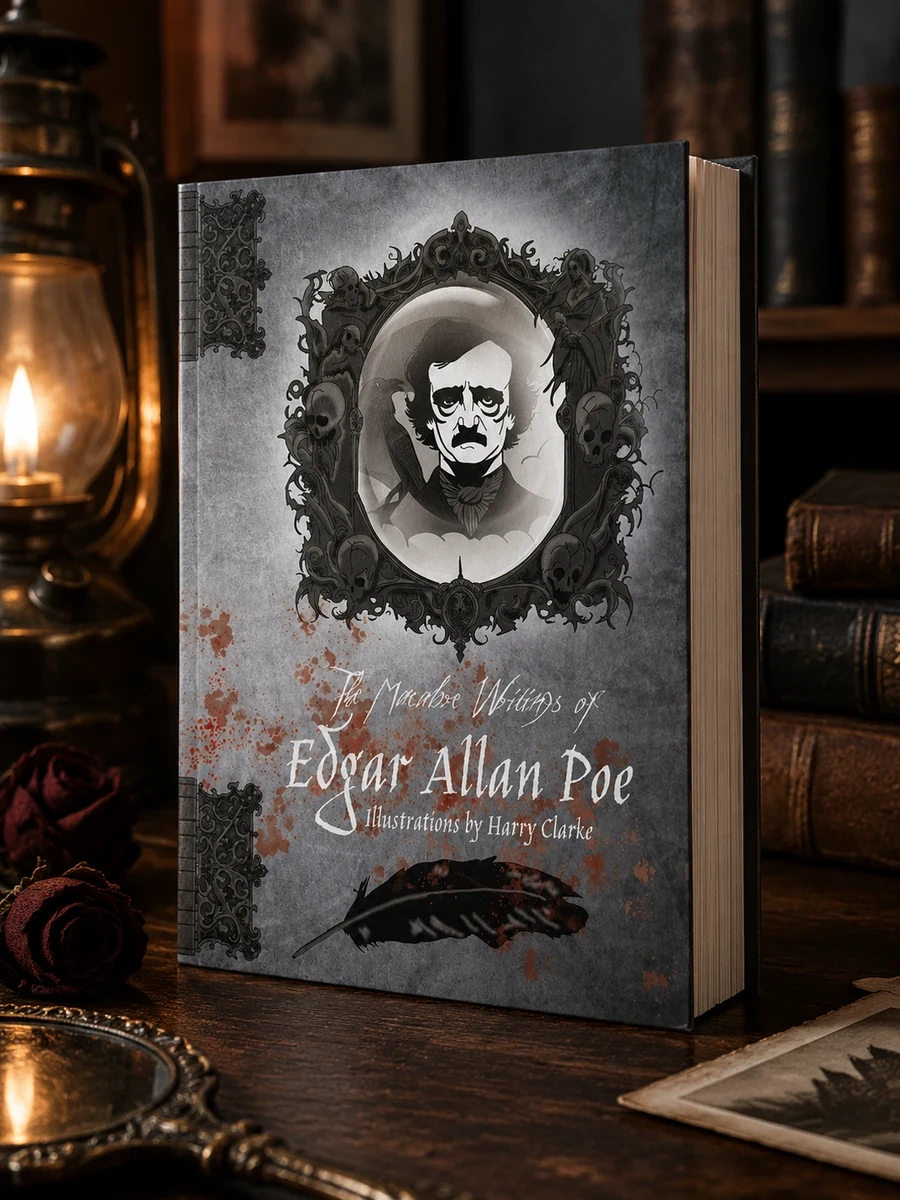
6. The Macabre Writings of Edgar Allan Poe — Edgar Allan Poe
The Macabre Writings of Edgar Allan Poe suits readers who want their classic literature dark, atmospheric, and psychologically unnerving. Poe’s enduring appeal lies in the way dread can emerge from an ordinary room, a troubled consciousness, or the narrator’s insistence that everything is under control.
This is a strong option for readers who want a collection defined by its macabre mood rather than a particular illustrated presentation. It also suits a reader who enjoys slow-building unease and close attention to language. Consider it if your Halloween shelf is primarily about the stories; choose Clarke’s edition if the interplay between visual design and Gothic prose is central to the experience you want.
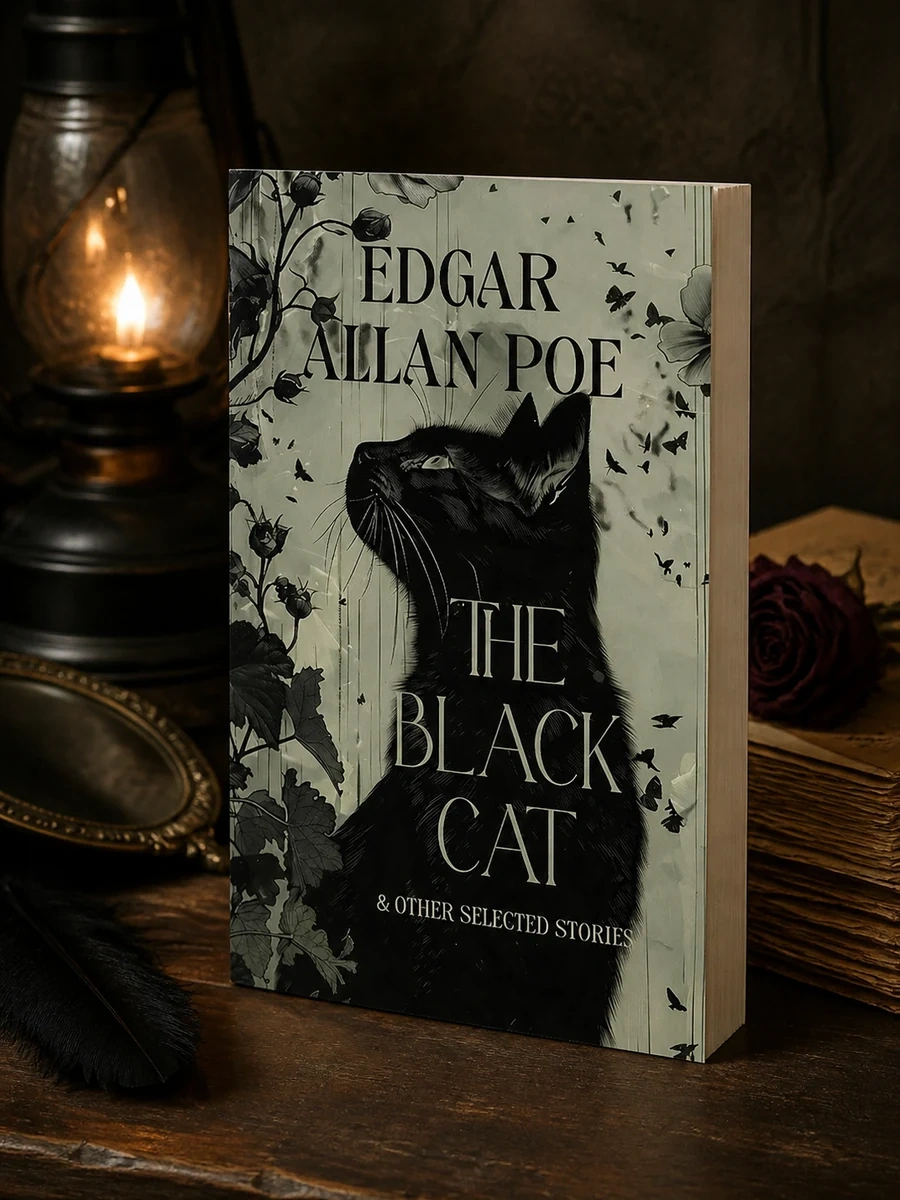
7. The Black Cat & Other Selected Stories — Edgar Allan Poe
The Black Cat & Other Selected Stories is a good fit for readers who favor classic American Gothic and psychological dread. Its selected-story format suits those who want to spend an evening with Poe’s darker narrative instincts without necessarily committing to a comprehensive collected edition.
The appeal here is mood: guilt, dread, and the disturbing gap between what a narrator says and what the reader suspects. Readers who enjoy a measured pace and close psychological observation will find this direction more satisfying than horror driven primarily by graphic violence. It is also a useful option for someone who wants a more focused Poe volume alongside a separate collector’s edition.
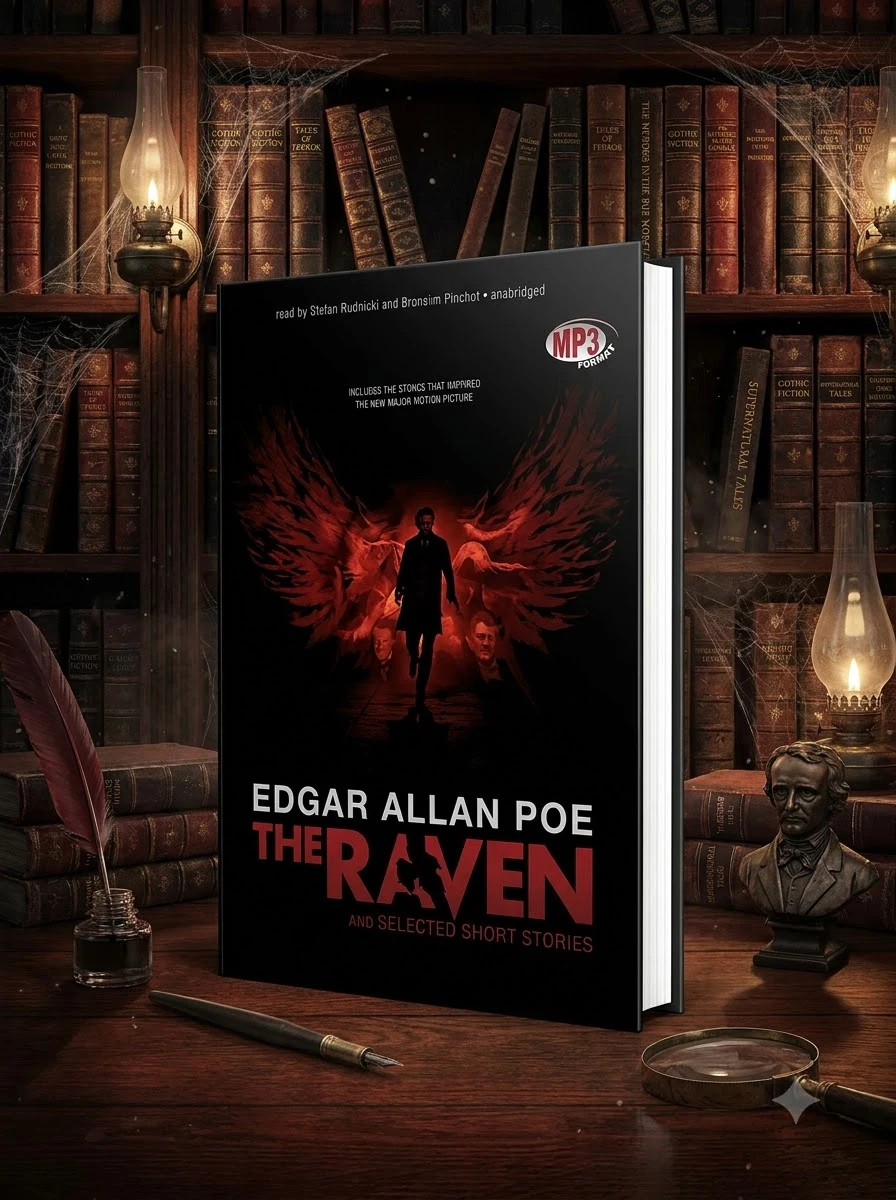
8. The Raven and Selected Short Stories — Edgar Allan Poe
The Raven and Selected Short Stories combines Poe’s famous poem with a selection of short fiction, making it an appealing choice for readers who want to encounter his poetic and narrative voices together. It offers another route into the Gothic imagination that made Poe such an enduring presence in horror literature.
This volume is worth comparing with the Clarke edition if you want poetry as well as stories in your Halloween reading. The illustrated collection is the more obvious choice for someone drawn to the visual character of a special edition, while this selection may appeal to readers who want a mixed-format introduction. Either approach can make a strong seasonal read; the right choice depends on whether your attention is drawn first to the page’s appearance or the range of writing inside it.
How to Choose the Right Poe Edition
Before choosing, ask what you want the book to do for you. If you want an object that feels at home beside Gothic art books and classic horror, Tales of Mystery and Imagination: Illustrated by Harry Clarke has the clearest identity in this group. Its appeal lies in the marriage of literary unease and distinctive illustration, making it a particularly fitting choice for readers who treat October reading as an atmosphere to create rather than a list to finish.
If completeness matters more than artwork, compare Edgar Allan Poe: Collected Works and The Omnibus of Edgar Allan Poe’s Horror and Mystery. Readers who want a smaller, more focused entry point can consider The Tell-Tale Heart and Other Writings or The Black Cat & Other Selected Stories. Those who want poetry alongside fiction should look at The Raven and Selected Short Stories.
Think about the recipient if the book is a gift. A dedicated Poe reader may already own familiar stories and appreciate Clarke’s visual interpretation precisely because it offers something different. A new reader may prefer a broad selection that gives them several ways into the author’s work. For a collector, check the specific edition details available before purchase if binding, dimensions, printing, or other physical specifications are essential; the title alone does not guarantee a particular production feature.
Finally, consider your preferred kind of fear. Poe is most effective for readers who enjoy atmosphere, obsession, unreliable perception, and the slow tightening of psychological pressure. If you want relentless action, contemporary pacing, or graphic shocks, these classics may feel deliberately measured. If you want a book that encourages you to turn the page slowly, look twice at an illustration, and let the shadows linger after you stop reading, Clarke’s illustrated Poe is an excellent candidate for the Halloween shelf.
The lasting pleasure of this edition is the conversation between two imaginative forces: Poe’s ability to make fear feel intimate and Clarke’s gift for giving the uncanny a visual form. For collectors and Gothic-art enthusiasts, that combination is the reason to choose it. For readers building a wider Poe library, the other collections offer sensible alternatives without taking anything away from the special appeal of the illustrated volume.