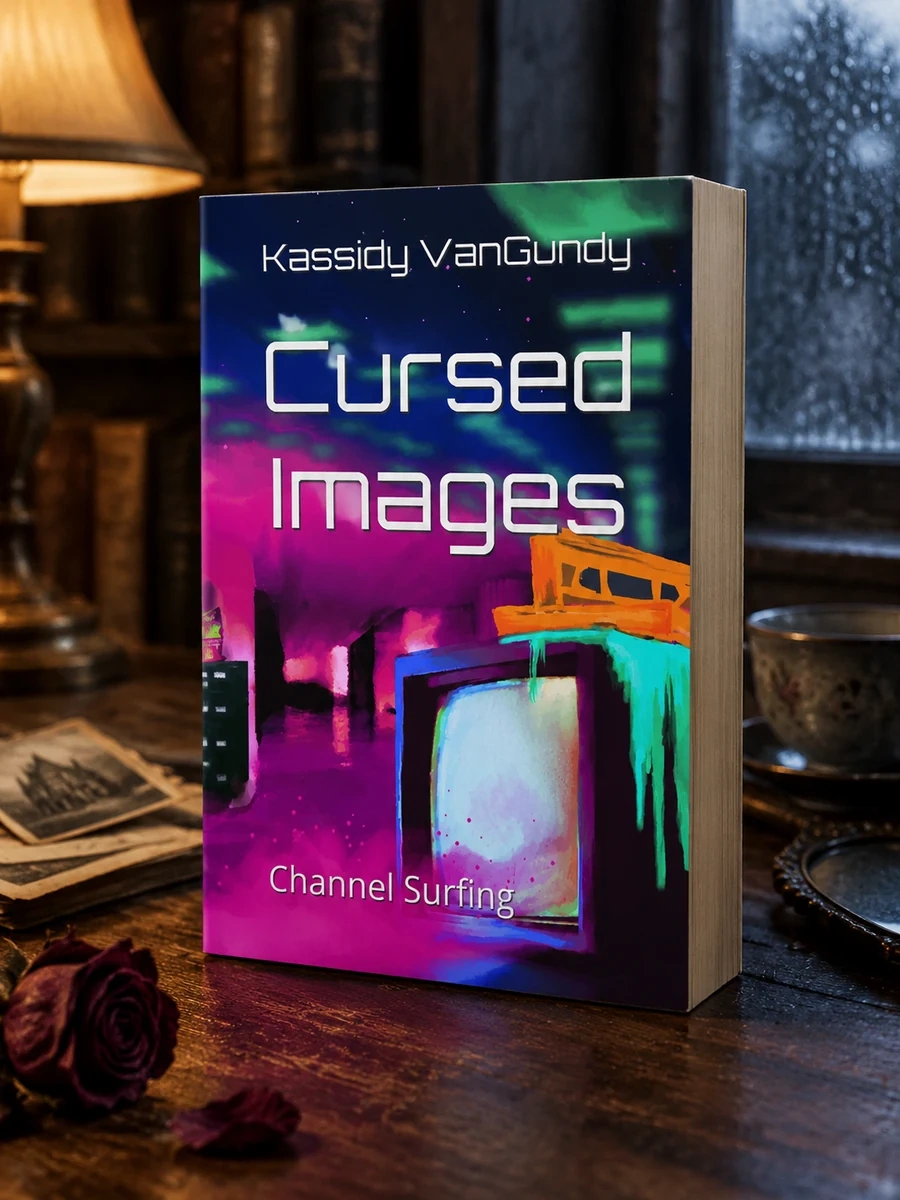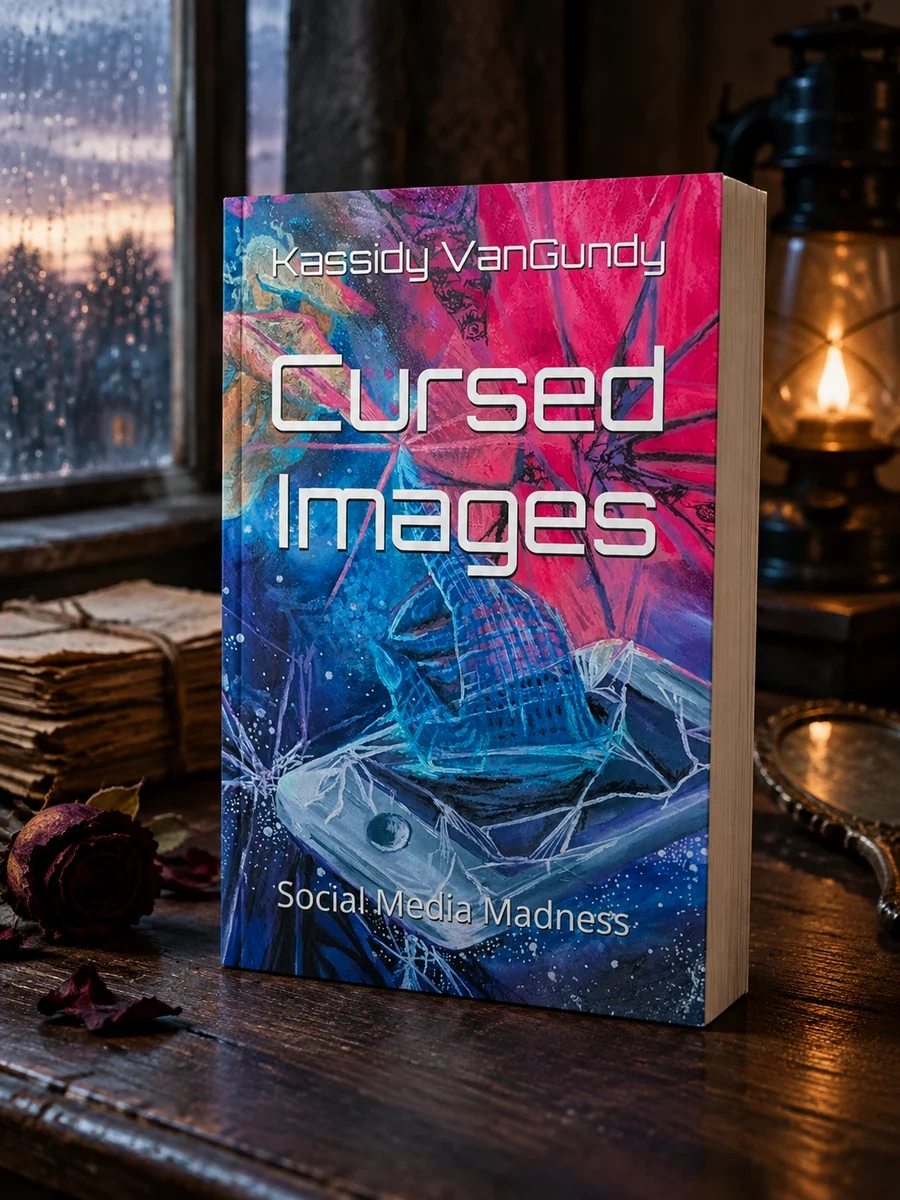
Cursed Images: Scary Stories from a Child of the Internet (Extended Edition)
A horror collection merging 2000s nostalgia with supernatural dread
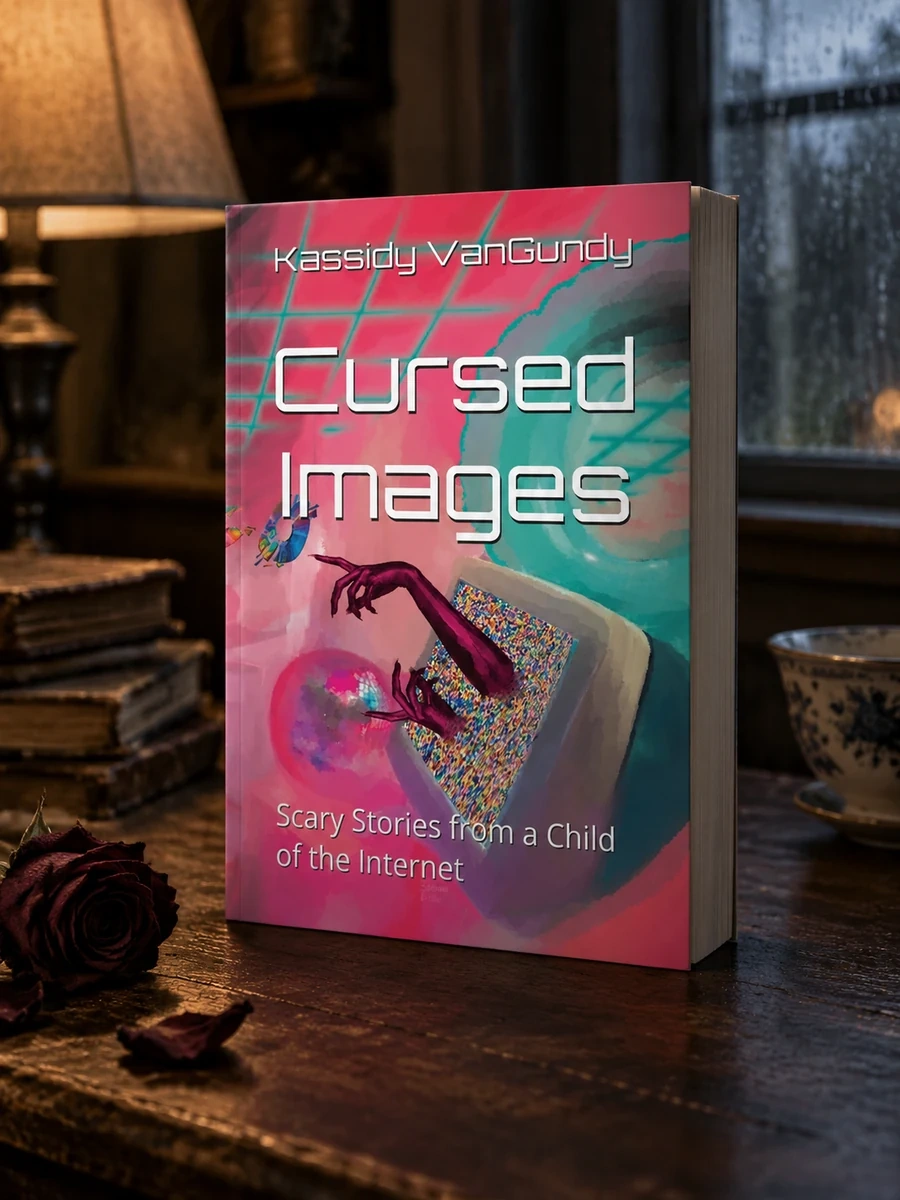
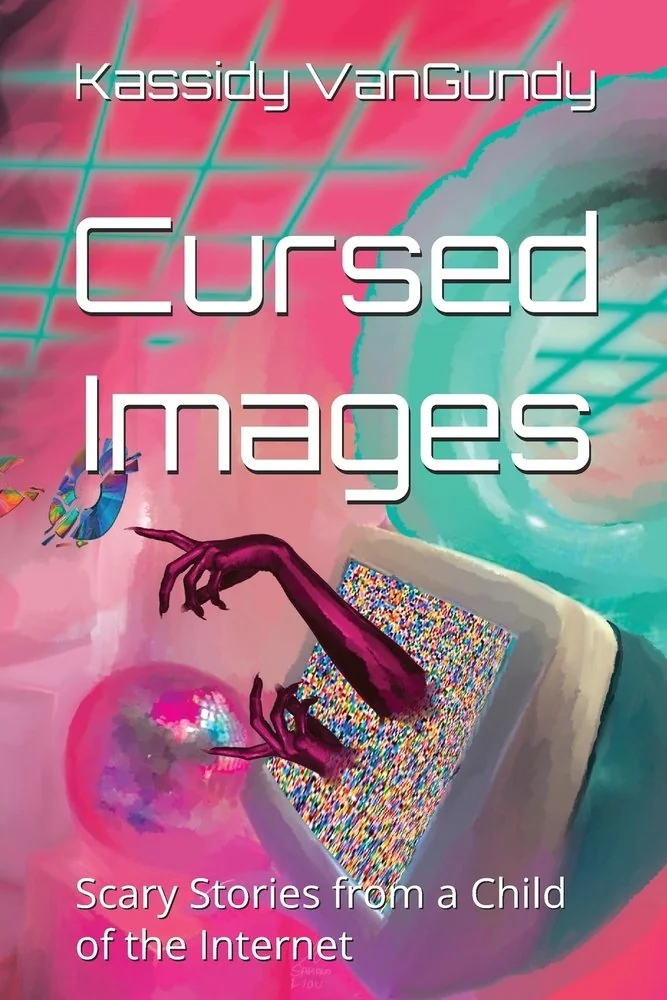
VanGundy curates tales that exploit the fear of technology gone wrong. The stories draw on the specific cultural memory of the early web, utilizing icons like dolphin nightlights and glitchy text to build tension. The collection does not rely on generic monsters but instead focuses on the psychological impact of being chronically online. It captures the feeling of getting lost in a rabbit hole of digital content until it becomes a nightmare. The author uses these familiar symbols to create a unique brand of horror that feels both personal and widespread.
The book sits at the intersection of 2000s pop culture and modern horror. It references specific items like Webkinz and Furbies to anchor its scares in a shared generational experience. The work addresses the anxiety of escaping into cyberspace, reflecting the long-term impact of early internet immersion on contemporary fears.


📝 Description: Cursed Images: Scary Stories from a Child of the Internet (Extended Edition)
💎 Our verdict on Cursed Images: Scary Stories from a Child of the Internet (Extended Edition)
📖 Why choose it
Why this book is worth reading
Readers who spent their youth immersed in early internet culture, particularly those familiar with virtual pets like Webkinz and Furbies, will find this collection deeply resonant. It offers a unique tribute to chronically online individuals who have escaped into digital realms only to find themselves trapped by horror. The book appeals to those seeking gothic fiction that incorporates modern technological fears rather than traditional haunted house tales. By confronting the specific anxieties of growing up with Tamagotchis and navigating early web aesthetics, it provides a terrifying yet familiar experience for anyone who remembers the distinct unease of corrupted files.
⭐ Reader reviews
Reader rating
VanGundy effectively curates tales that exploit the fear of technology gone wrong through the lens of 2000s nostalgia. The collection utilizes specific cultural memory, employing icons like dolphin nightlights and glitchy text to build palpable tension without relying on generic monsters. It captures the psychological impact of being chronically online, creating a dangerous space where reality and cyberspace collide. The narrative echoes the surreal unease of classic television mixed with disorienting digital loops. This volume is ideal for fans of cosmic and psychological horror who appreciate when modern fears are woven into gothic traditions, offering a lingering sense of unease that lingers long after reading.