Anne Rice intimidates new readers. Not because her prose is difficult—it's lush and propulsive—but because she wrote across so many modes: vampire epics that span centuries, standalone gothic novels rooted in specific historical moments, theological horror, paranormal romance, and yes, explicit erotica under a pen name. Pick up The Vampire Lestat expecting a standalone and you'll hit book two of an interconnected saga. Start with Servant of the Bones and you're entering dense theological territory that demands patience. This guide separates those threads so you can find the Anne Rice that matches what you actually want to read.
The good news: Rice is a compulsive world-builder. Once you find your entry point, you'll want to follow her deeper. The bad news: there is no single "right" starting place. Your path depends on whether you crave vampire lore, gothic atmosphere, historical immersion, or metaphysical depth.
The Vampire Chronicles: The Obvious Starting Point (But Not Always the Best One)
Rice's vampire saga is her most famous work, and for good reason. These books are atmospheric, psychologically complex, and addictive. But they're also interconnected in ways that matter. If you start mid-series, you'll miss crucial character arcs and thematic resonance.
1. Interview with the Vampire
Interview with the Vampire is the obvious entry point—and it works. A vampire named Louis tells his life story to a journalist, spanning from his mortal life in 1791 New Orleans through centuries of immortal anguish. Rice's prose here is hypnotic; she makes you feel the weight of endless existence. The novel introduces Lestat, a vampire of chaotic charm, and Claudia, a child vampire trapped in a child's body for eternity. This is gothic horror rooted in a real place, with real historical texture. Start here if you want to understand why Rice became the voice of vampire fiction.
2. The Vampire Lestat
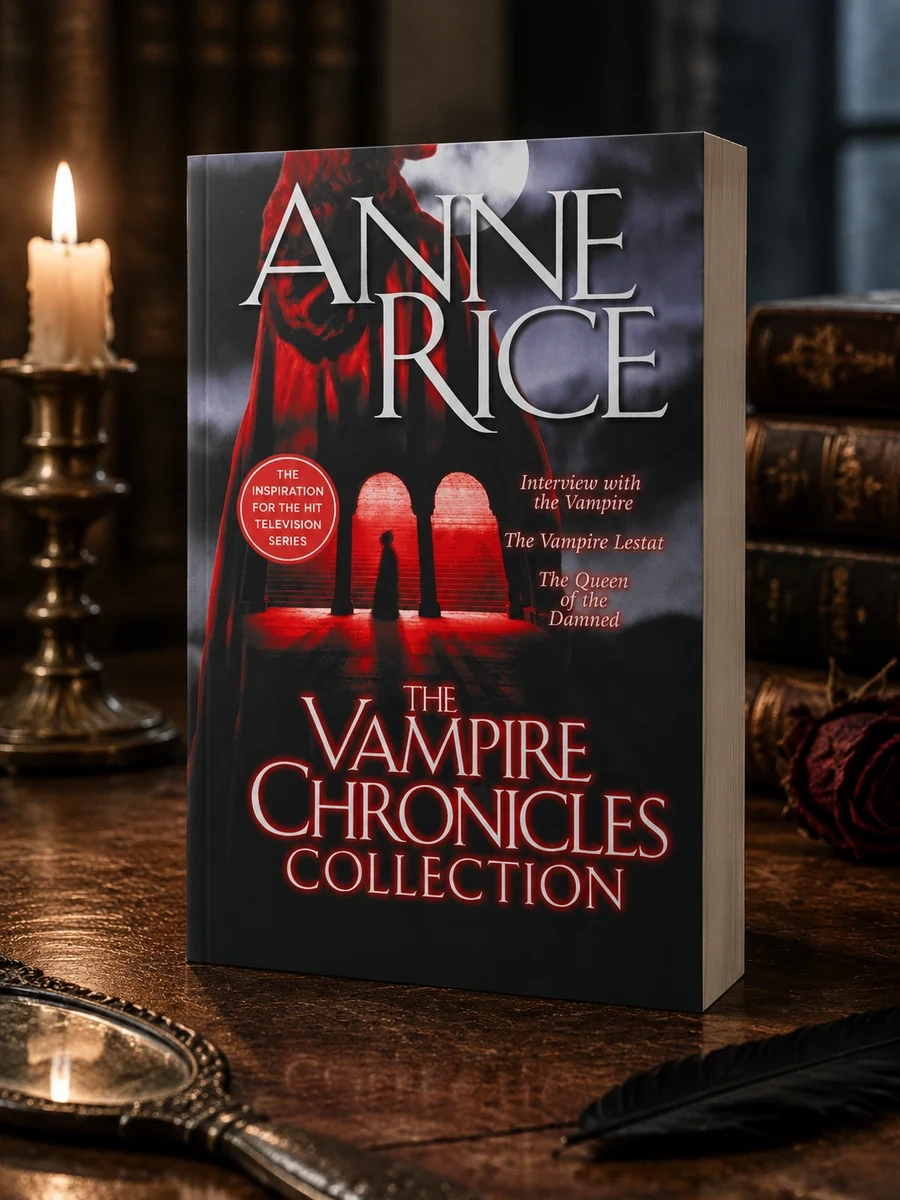
After Interview, move directly to The Vampire Chronicles Collection, which bundles the first three books. The Vampire Lestat is book two, and it's essential. Where Louis is introspective and tormented, Lestat is theatrical and defiant. He tells his own origin story, reframing events from Interview and revealing Rice's vampire mythology: the Blood Queen, the ancient bloodline, the rules that govern immortal existence. If you found Louis's passivity frustrating, Lestat will feel like a release. This is where Rice's vampire world expands beyond one man's suffering into something mythic.
3. The Queen of the Damned
The Queen of the Damned completes the trilogy. Akasha, the ancient vampire queen, awakens and begins a plan to reshape civilization. The novel weaves together multiple perspectives—Lestat, other vampires, even a human psychic—and the scope expands dramatically. Some readers find this book overstuffed; others see it as Rice at her most ambitious. Either way, it's the natural continuation of the first two, and you need it to understand the vampire mythology that shapes everything Rice writes afterward.
Vampire Chronicles Sequels: For Devoted Fans Only
After the original trilogy, Rice continued the saga across multiple books. These are richer if you've already invested in Louis, Lestat, and Akasha, but they're also more uneven. Pick and choose based on what fascinates you.
4. The Vampire Armand
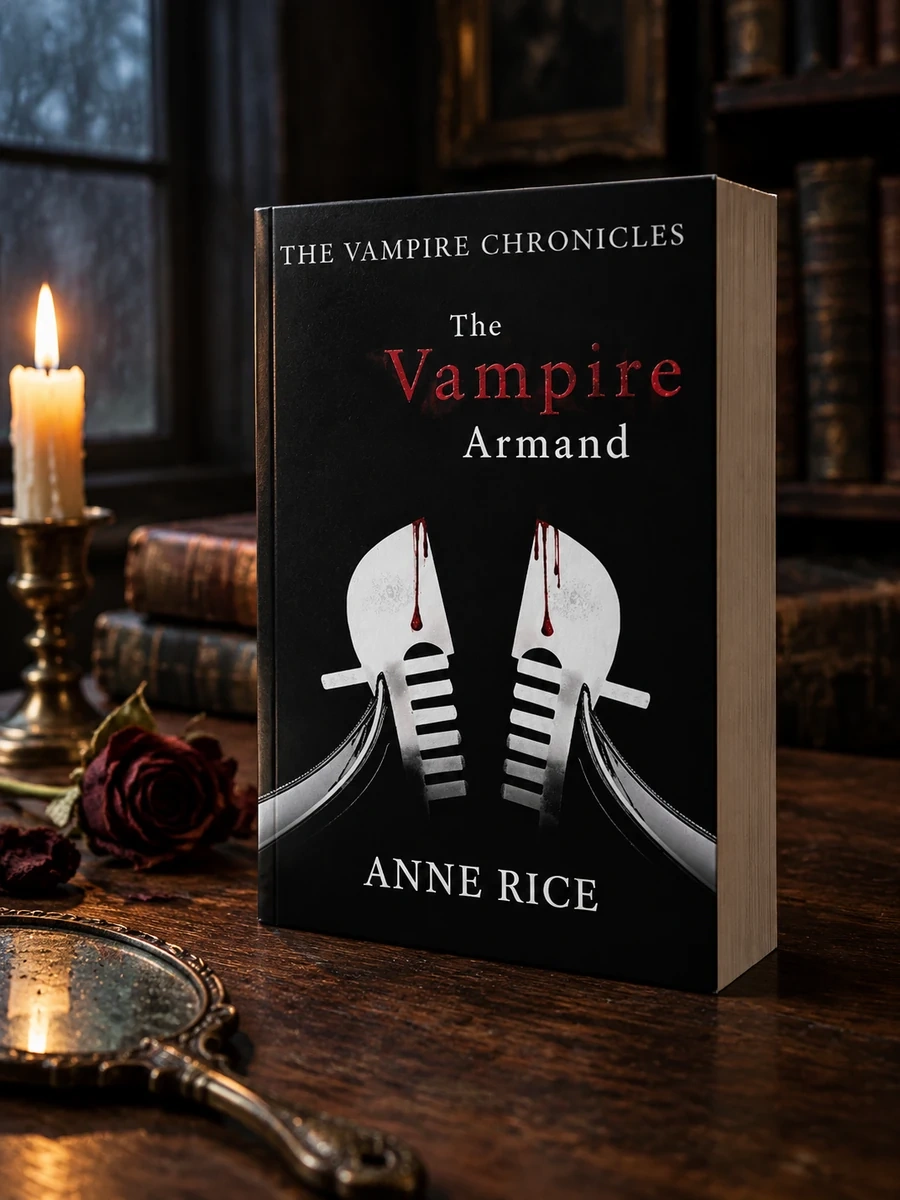
The Vampire Armand is a deep psychological portrait of one of Rice's most complex characters. Armand was a vampire made in Renaissance Venice, trained as a courtesan, and shaped by centuries of manipulation. This novel is introspective and lush—Rice at her most gothic. It's ideal if you want to understand the emotional texture of immortality rather than plot momentum. Fair warning: it's dense and slow-paced. Skip it if you prefer action and forward motion.
5. Merrick
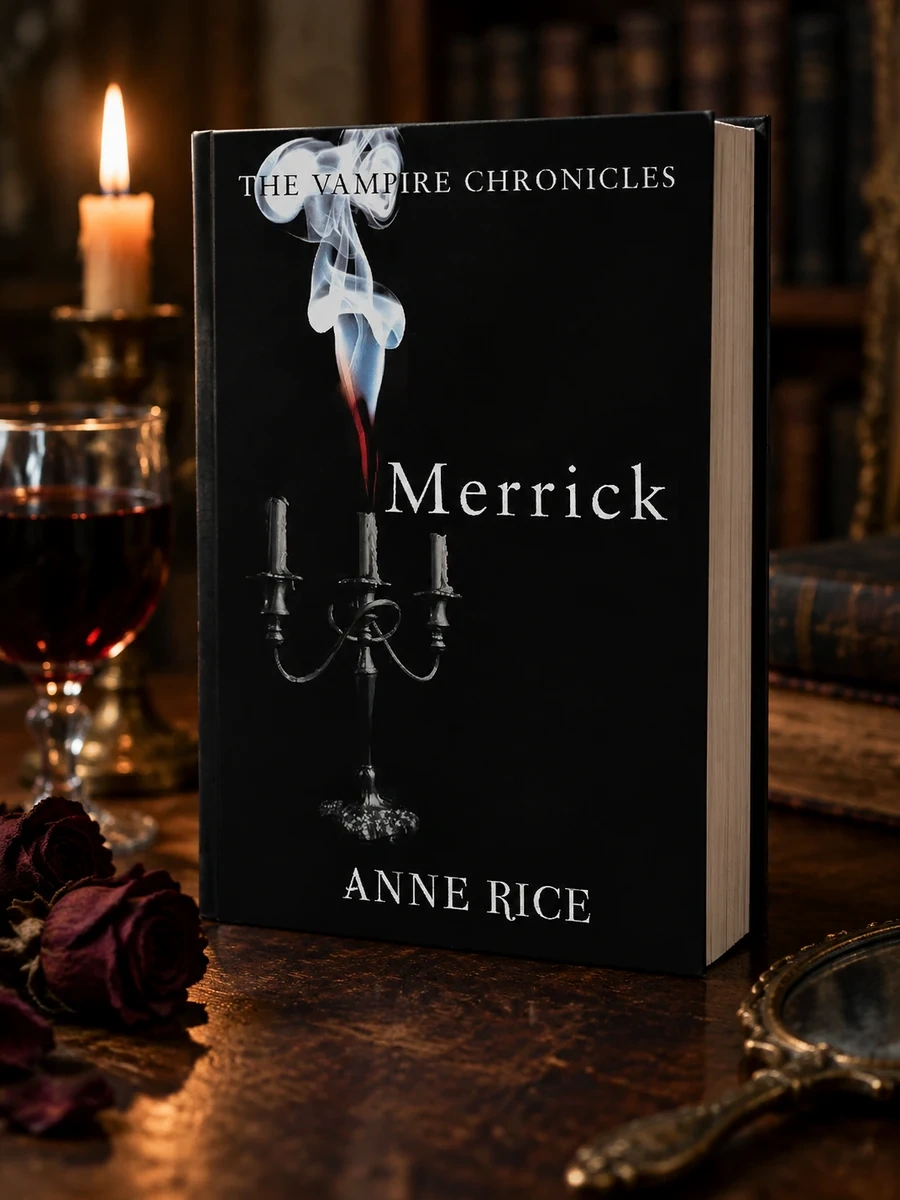
Merrick is a crossover event. It brings together vampires and witches—Rice's two major supernatural lineages—and centers on a mixed-race woman from New Orleans who practices voodoo. The novel is atmospheric and character-driven, rooted in colonial New Orleans history. It's shorter than the epic vampire novels, making it a good palate cleanser if you're fatigued by the saga's scope. Read it after The Queen of the Damned if you want to see how Rice's worlds interconnect.
6. Prince Lestat and the Realms of Atlantis
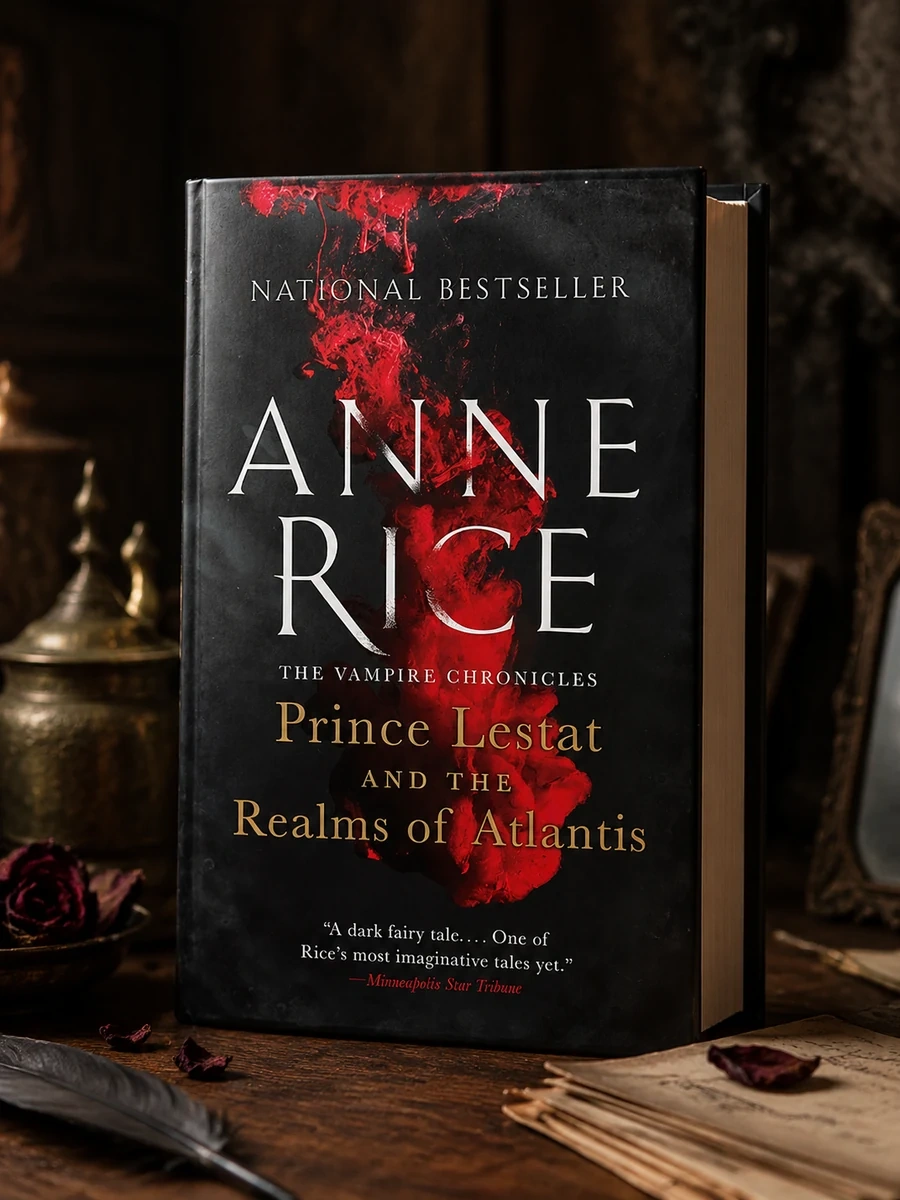
Prince Lestat and the Realms of Atlantis is Rice's most recent vampire novel, published in 2015. It expands the mythology into metaphysical territory, suggesting that vampire origins are tied to ancient spiritual realms. If you've stayed with the saga this long, you'll appreciate the ambition. If you're new to Rice, this will feel impenetrable.
Gothic Standalones: For Atmosphere Over Saga
Not every Rice reader wants to commit to a multi-book vampire epic. Some want gothic atmosphere, historical immersion, and psychological depth without the obligation of sequels. These novels deliver that.
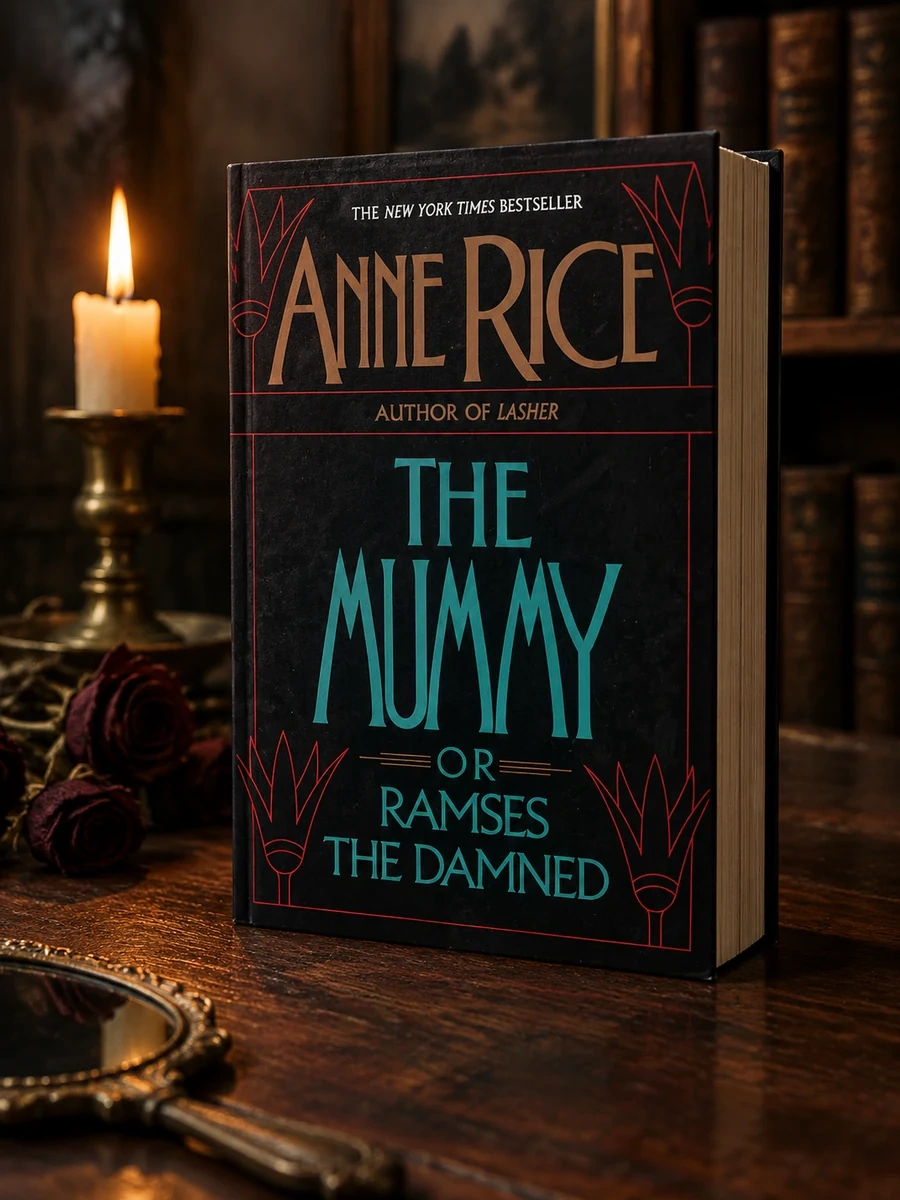
7. The Mummy or Ramses the Damned
The Mummy or Ramses the Damned is Rice's most underrated novel. An ancient Egyptian pharaoh is awakened in Victorian London and becomes entangled with a wealthy family. The prose is lush and sensual; the historical detail is meticulous. Rice moves between ancient Egypt and modern drawing rooms, exploring themes of immortality, desire, and the collision of ancient and modern worlds. This is gothic horror that feels genuinely literary. Start here if you want Rice's atmospheric gifts without vampire mythology.
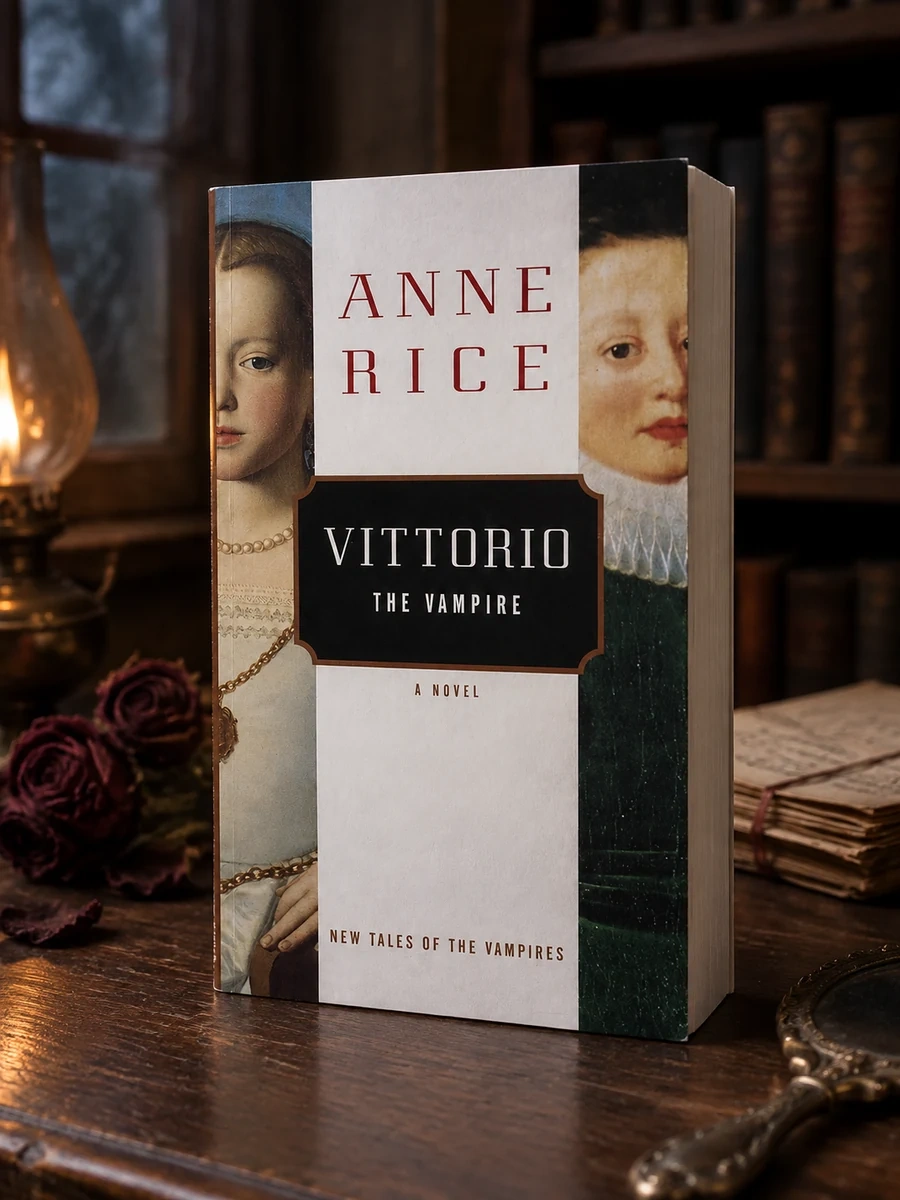
8. Vittorio, the Vampire
Vittorio, the Vampire is a standalone vampire novel set in Renaissance Italy. A young nobleman is captured by vampires, escapes, and seeks revenge. Unlike the Vampire Chronicles, this is a self-contained story with a clear arc. The prose is period-specific and gothic; the tone is tragic and romantic. It's ideal if you want vampire fiction without committing to a saga, or if you crave historical immersion over metaphysical complexity.
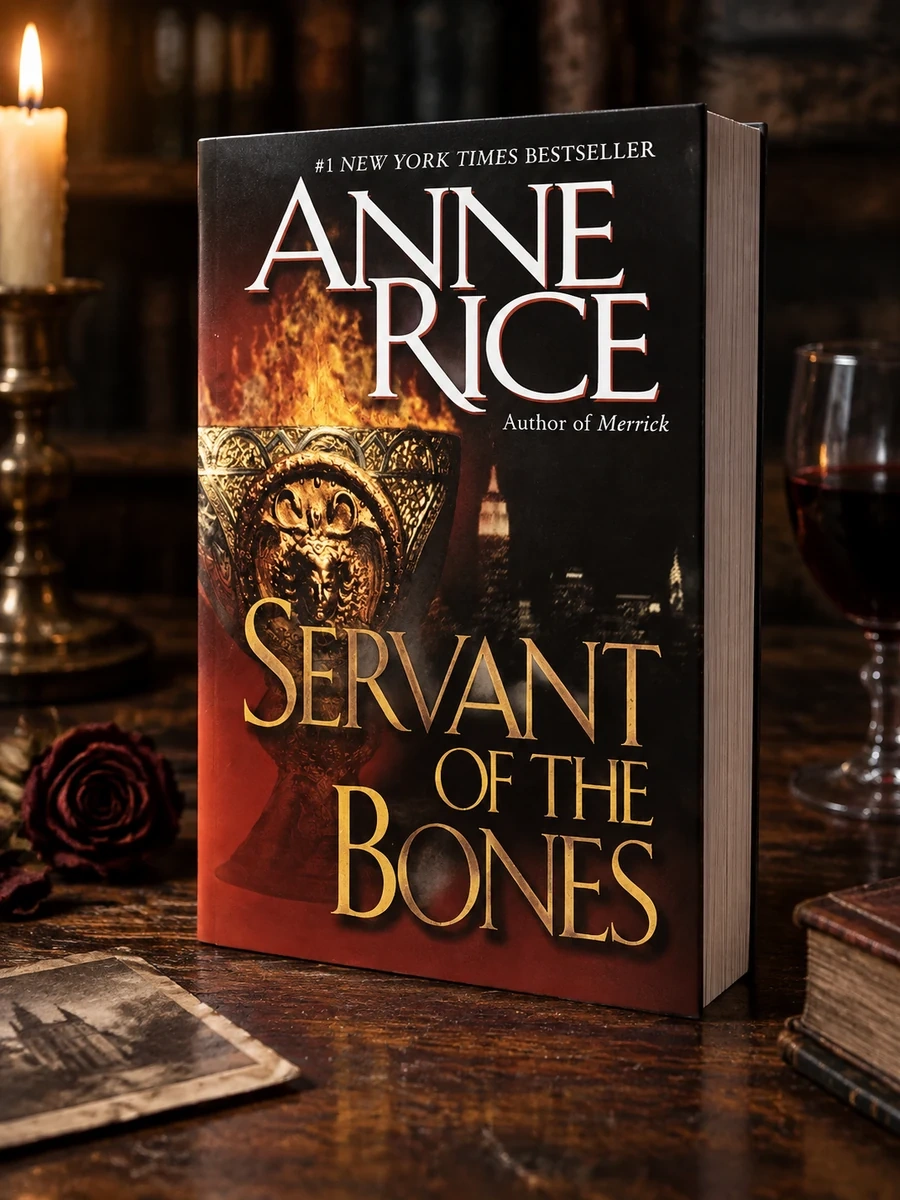
9. Servant of the Bones
Servant of the Bones is Rice's most theological novel. A spirit bound to a bone tells his story across centuries, from ancient Babylon to modern New York. The novel explores suffering, redemption, and the nature of consciousness. It's dense and demanding—Rice at her most ambitious and least commercial. Read this if you want Rice to challenge you, not comfort you. Skip it if you prefer plot-driven narratives.
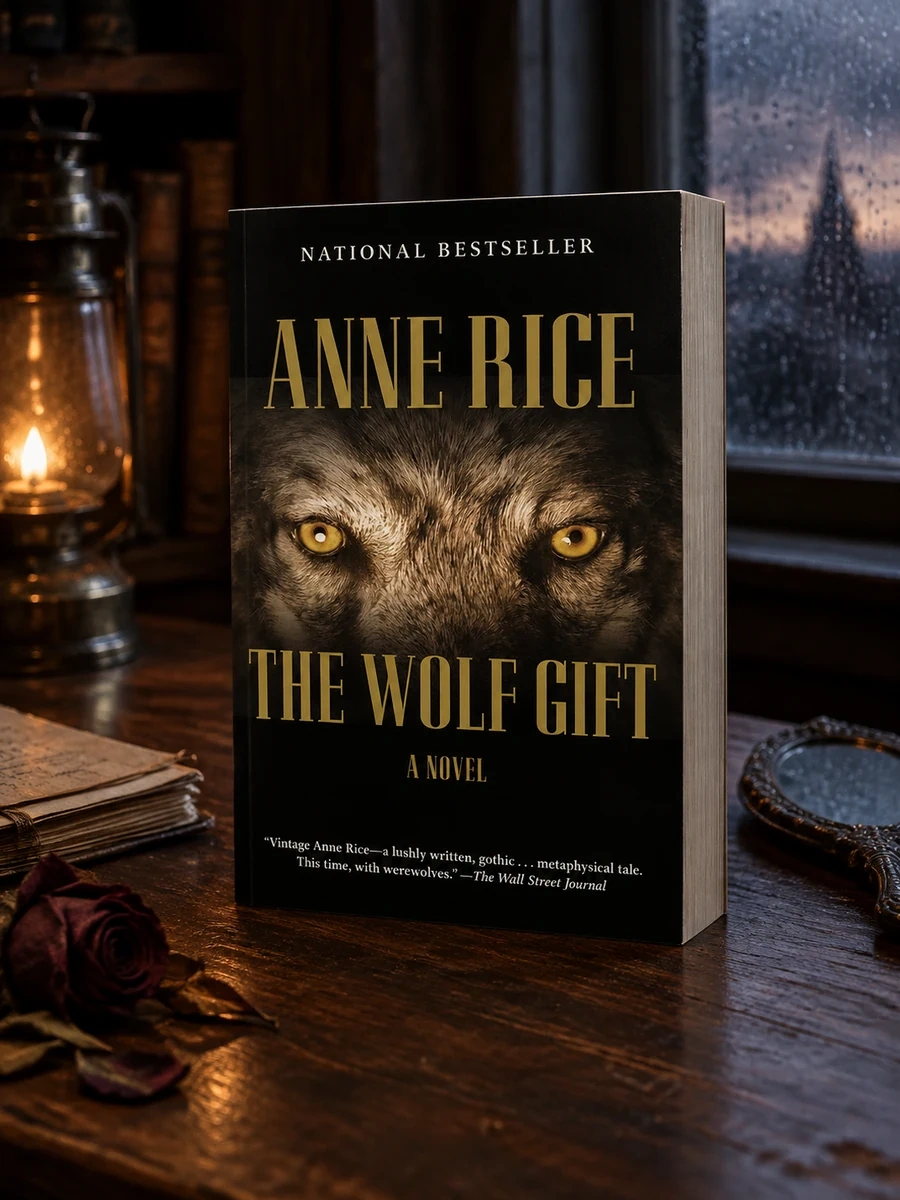
10. The Wolf Gift
The Wolf Gift begins a new supernatural lineage. A man is bitten by a werewolf and must navigate his new identity. Rice treats lycanthropy with the same psychological depth she brings to vampirism—it's not about monster action, but about the terror and ecstasy of transformation. This is paranormal romance with gothic sensibility. Read it if you want Rice's voice applied to a different mythology.
Historical and Theological Fiction: For Readers Who Want Depth Over Horror
Late in her career, Rice turned to historical and biblical fiction. These books are less "horror" in the traditional sense and more literary exploration of faith, doubt, and human consciousness.
11. Christ the Lord: Out of Egypt
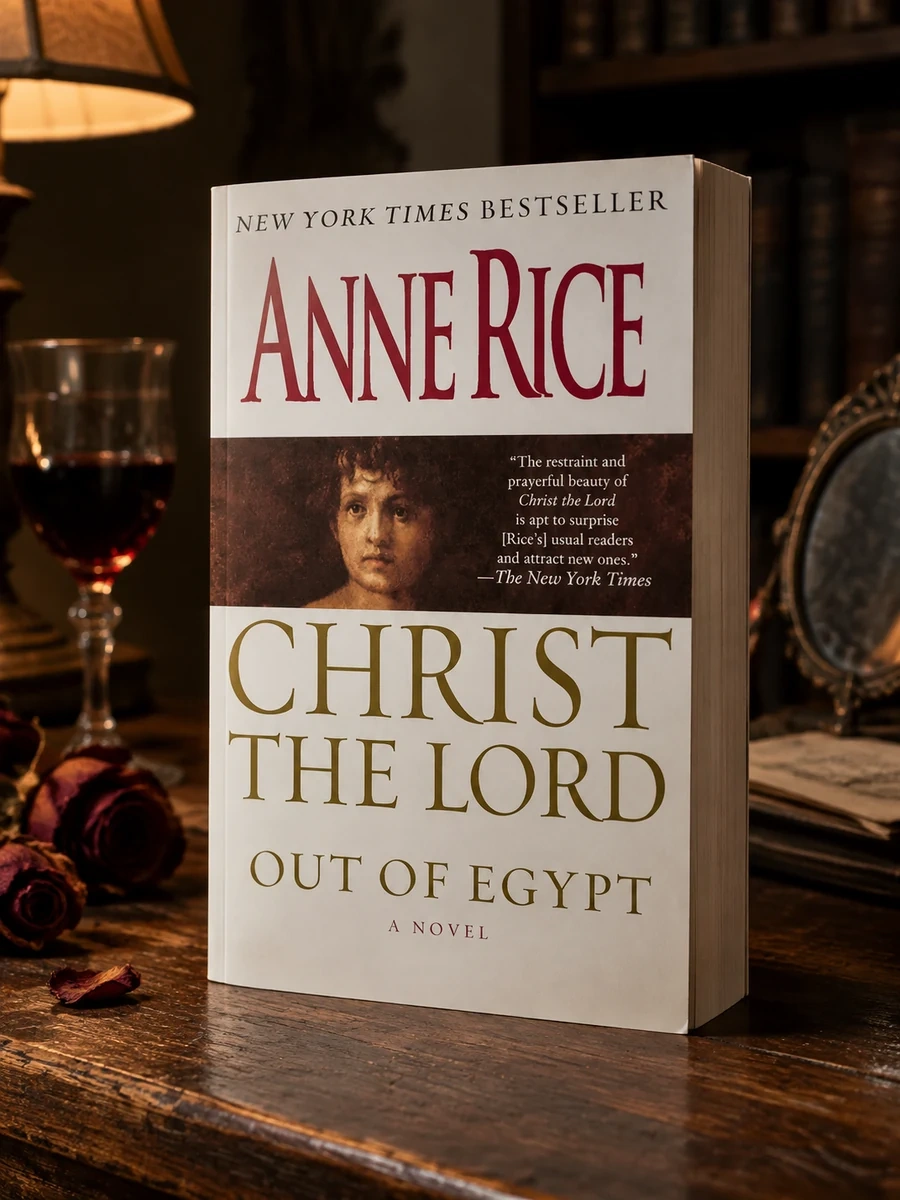
Christ the Lord: Out of Egypt reimagines Jesus's childhood and early life. Rice writes from Jesus's perspective, exploring his growing awareness of his divine nature. The novel is intimate and humanizing without being irreverent. It's historical fiction first, theological exploration second. Read this if you want Rice's lush prose applied to biblical material, or if you're curious how she handles faith after decades writing about immortal beings.
12. Angel Time: The Songs of the Seraphim
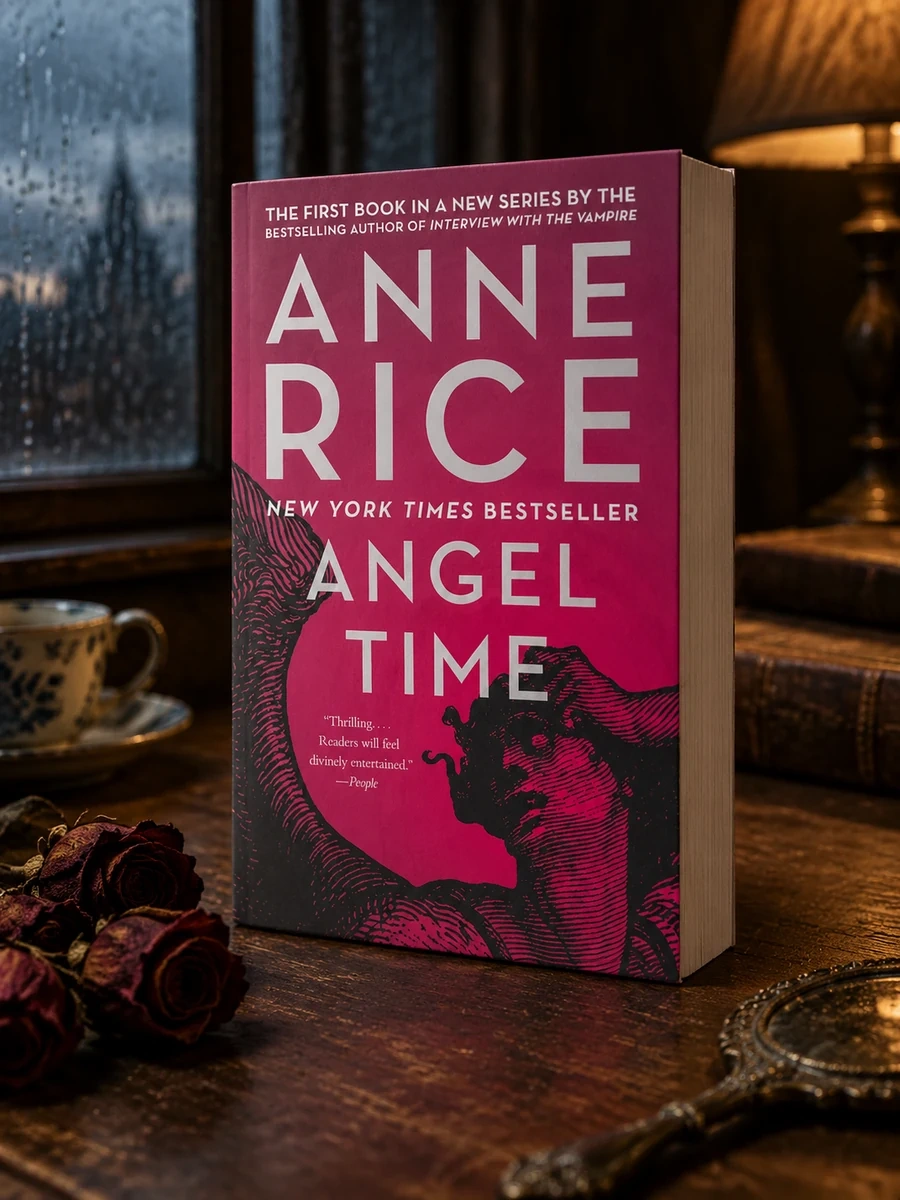
Angel Time: The Songs of the Seraphim follows a reformed assassin who is given a second chance by angels. It's metaphysical and redemptive, exploring themes of grace and transformation. The novel is slower-paced than Rice's vampire work and more meditative. It's for readers who want Rice's gothic sensibility applied to spiritual rather than supernatural material.
How to Choose Your Starting Point
You don't need to read Anne Rice in publication order. Instead, ask yourself what you want:
If you want vampire mythology and don't mind long-term commitment: Start with Interview with the Vampire and continue through the original trilogy. Then decide whether to follow the saga deeper.
If you want gothic atmosphere without saga obligations: Try The Mummy or Ramses the Damned or Vittorio, the Vampire. Both are self-contained and showcase Rice's gifts for historical immersion and psychological complexity.
If you want Rice to challenge you intellectually: Start with Servant of the Bones or Christ the Lord: Out of Egypt. These are less commercial but more ambitious.
If you want paranormal romance with gothic sensibility: Try The Wolf Gift.
The truth is that Anne Rice wrote across multiple modes, and no single book represents her entire range. The best entry point is the one that matches your appetite right now. You can always circle back and explore the other threads later.