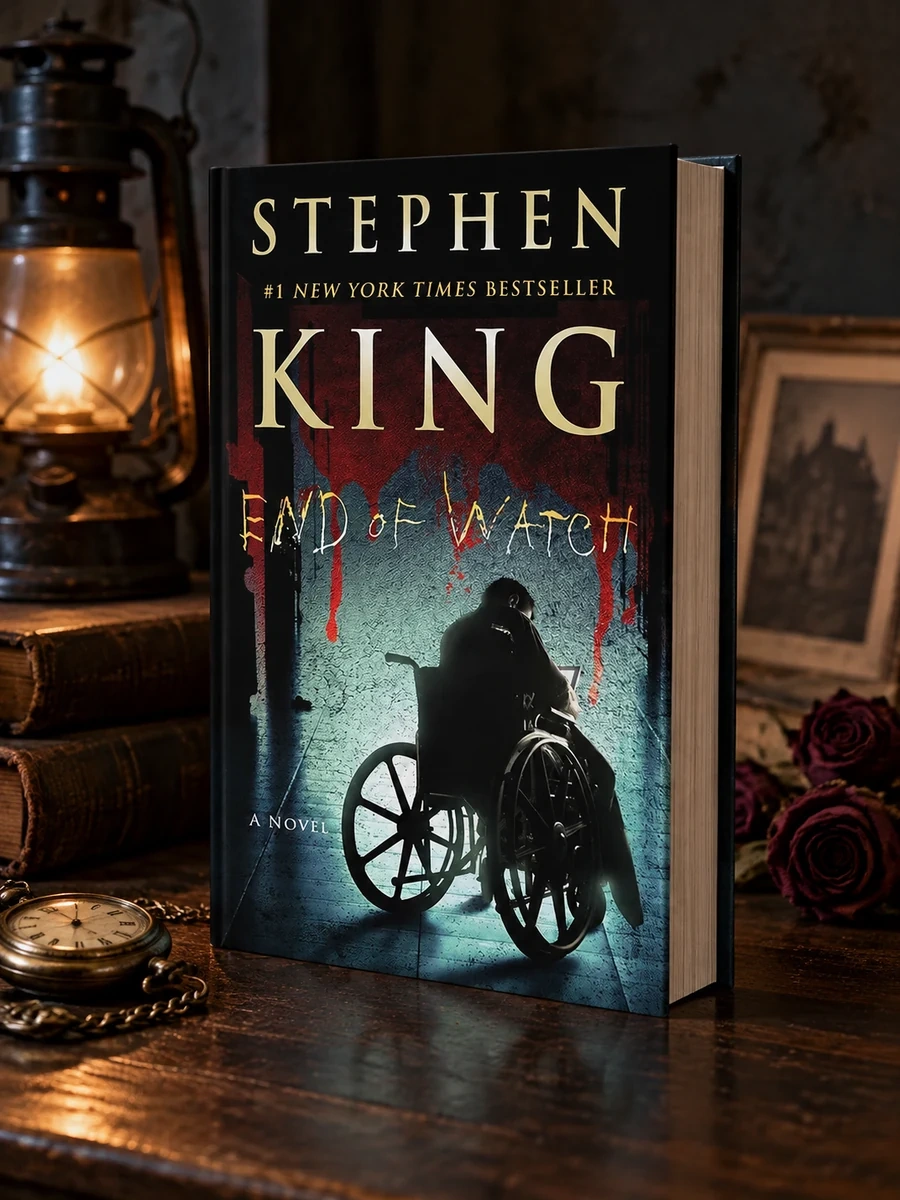
Stephen King's End of Watch is a psychological horror novel that abandons the comfort of traditional heroics in favor of something far more disturbing: a prolonged look inside the mind of a man who wants to destroy everyone around him. Published in this Turtleback library edition, the book presents a confined antagonist whose immobility becomes almost irrelevant once you understand what he's capable of doing from a hospital bed. This is not a story about good triumphing over evil. It's a story about evil that refuses to stay still, even when the body housing it has no choice.
The premise alone is unsettling enough to hook most horror readers: Brady Hartsfield, the antagonist from King's earlier work, has spent nearly six years in a persistent vegetative state at the Lakes Region Traumatic Brain Injury Clinic. He appears comatose. He appears gone. Then experimental drugs change everything. He wakes up—not fully, not in any way that lets him move or communicate, but enough to be aware, to think, to plan. And what he plans is revenge on a scale that will affect thousands of innocent people, with retired detective Bill Hodges sitting at the top of his list.
This library edition is clearly designed for institutional collections, which makes sense given the book's thematic weight and the challenging reading experience it demands. The prose is dense, the pacing deliberate, and the moral landscape offers no easy answers. King is working in the tradition of psychological horror here—the kind that doesn't rely on jump scares or supernatural monsters, but on the simple, terrifying fact of human malice.
What It Is About
Brady Hartsfield lies in Room 217 of a trauma clinic, locked inside a body that won't obey him. The experimental medication that keeps him conscious also grants him abilities that shouldn't be possible—ways to influence the world beyond his bed, to reach people he's never met, to orchestrate suffering without ever leaving his hospital room. His target list is long, but Bill Hodges, the detective who helped put him there, remains his primary obsession.
The narrative explores how Brady uses his newfound consciousness to scheme, to manipulate, and to exact vengeance. It's a story about the persistence of evil, about how trauma and violence ripple outward in ways that can't be contained or controlled. The book refuses to let readers off easy—there's no redemption arc here, no moment where Brady sees the error of his ways. Instead, King presents a character driven entirely by malice, and forces us to watch what that looks like when given time, motivation, and unexpected opportunity.
How It Reads
This is challenging material, and King doesn't soften it. The pacing is deliberate rather than breakneck—this isn't a thriller built on action sequences. Instead, tension comes from the slow accumulation of Brady's plans, from watching him think his way through obstacles, from understanding that a man who cannot move his fingers can still destroy lives. The voice is King's characteristic blend of colloquial American prose and psychological depth, but here it's turned inward, focused on the architecture of a dangerous mind.
The horror is primarily psychological. There are no ghosts, no monsters, no supernatural threats beyond the experimental drugs that keep Brady conscious. The frightening part is the realization that human cruelty doesn't need a body to be effective—it needs only time, intelligence, and the will to cause harm. King builds dread through implication and consequence rather than gore or shock. Readers who thrive on atmospheric tension and the slow-burn exploration of character will find this deeply unsettling. Those looking for action-driven horror or traditional narrative satisfaction may find the experience frustrating.
Who It Suits, and Who It Does Not
This book is for readers who appreciate moral complexity and aren't squeamish about spending time inside a villain's perspective. If you enjoyed King's exploration of damaged characters in works like Gerald's Game or The Shining, you'll recognize his fingerprints here. Fans of medical thrillers, revenge narratives, and psychological horror will find plenty to grip them. The library edition makes it suitable for school and public library collections seeking serious, challenging fiction that examines the darker aspects of human nature.
It's not for readers seeking lighthearted entertainment, redemptive arcs, or traditional heroic narratives. If you prefer your horror to come with jump scares, supernatural spectacle, or clear moral victories, this book will feel slow and claustrophobic in ways that frustrate rather than frighten. The focus on a villain's perspective rather than a hero's journey is deliberate and central to the book's power, but it's not for everyone.
If You Liked This
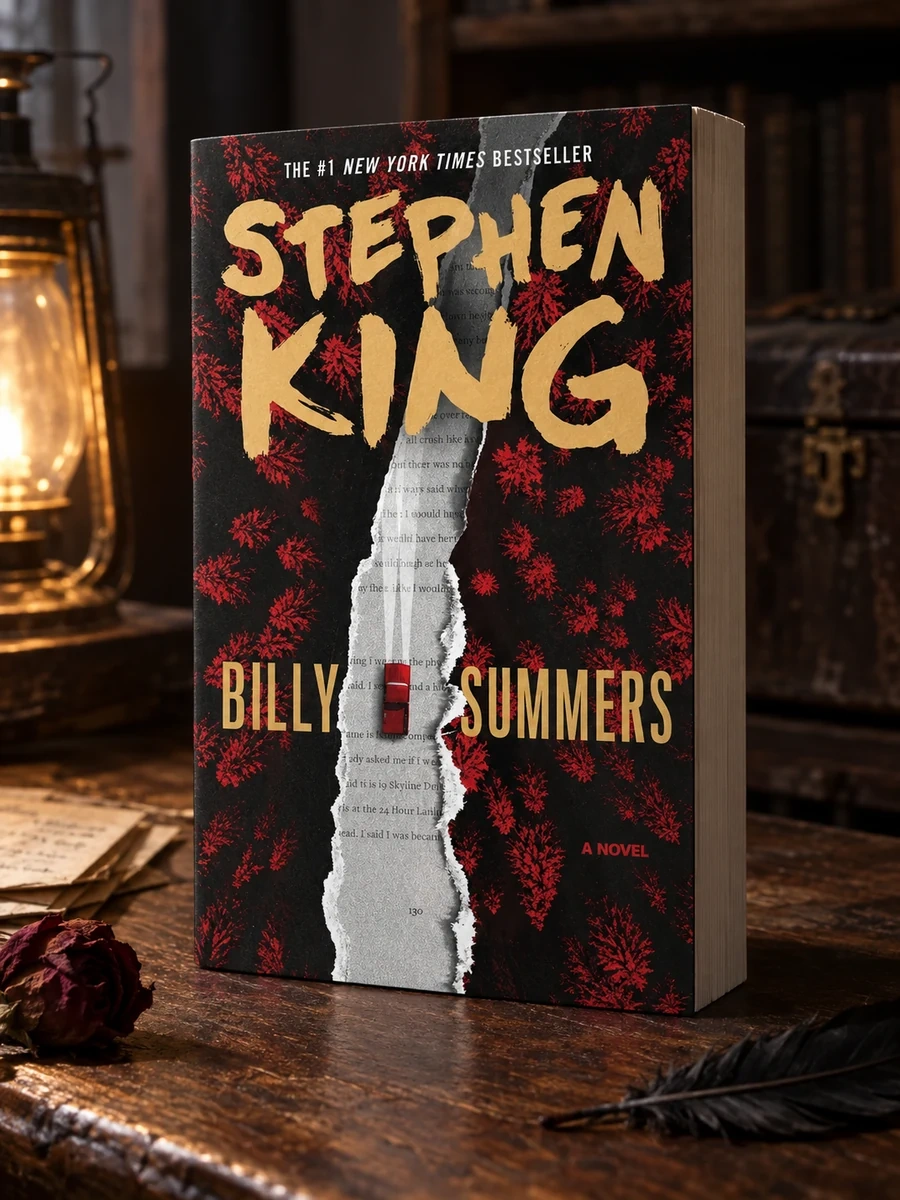
1. Billy Summers — Stephen King
Another King exploration of a dangerous mind and moral ambiguity, this time through a character study that prioritizes psychological depth over action. Readers who appreciate King's ability to make you understand people you shouldn't sympathize with will recognize the same skill at work here.
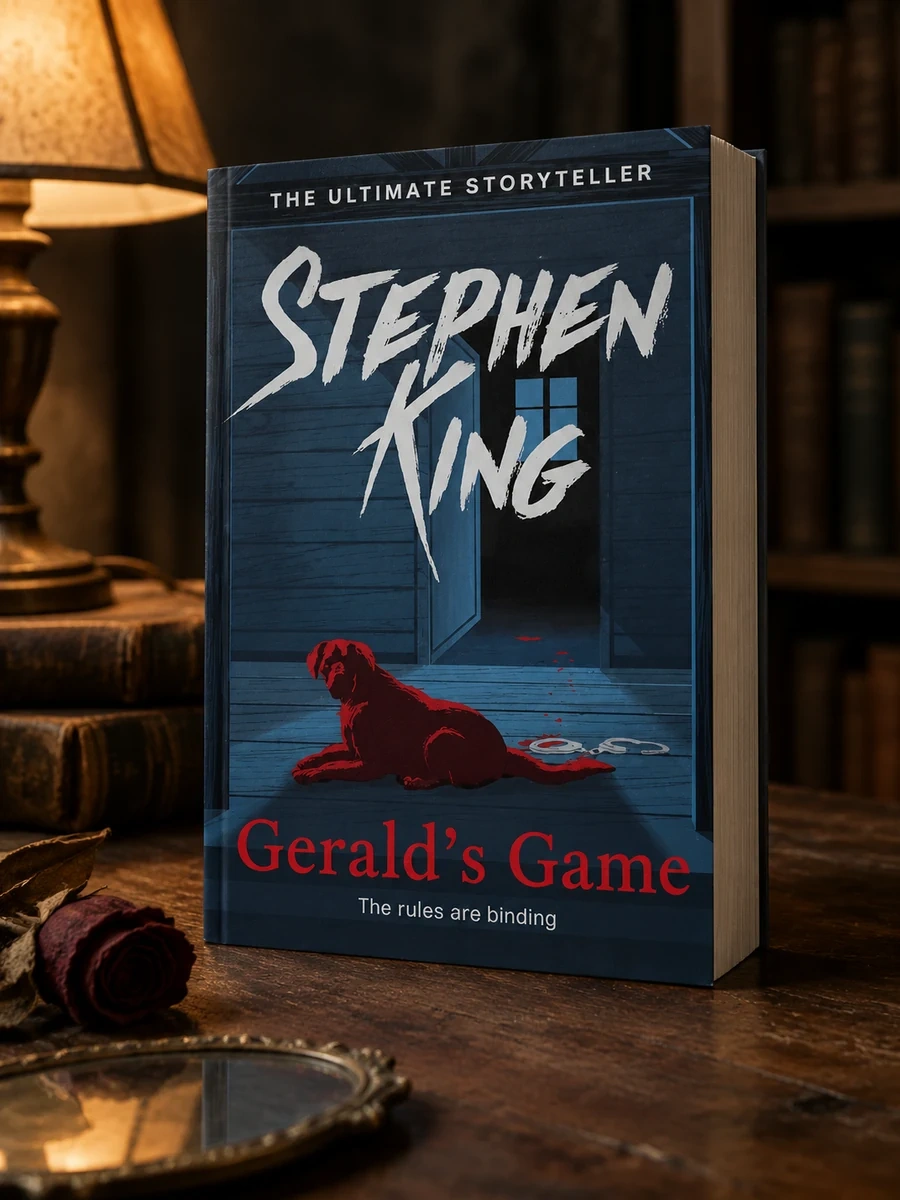
2. Gerald's Game — Stephen King
A masterclass in psychological dread where the terror stems from isolation and internal trauma. Like End of Watch, it proves that the most frightening horror often comes from character and circumstance rather than external threats.
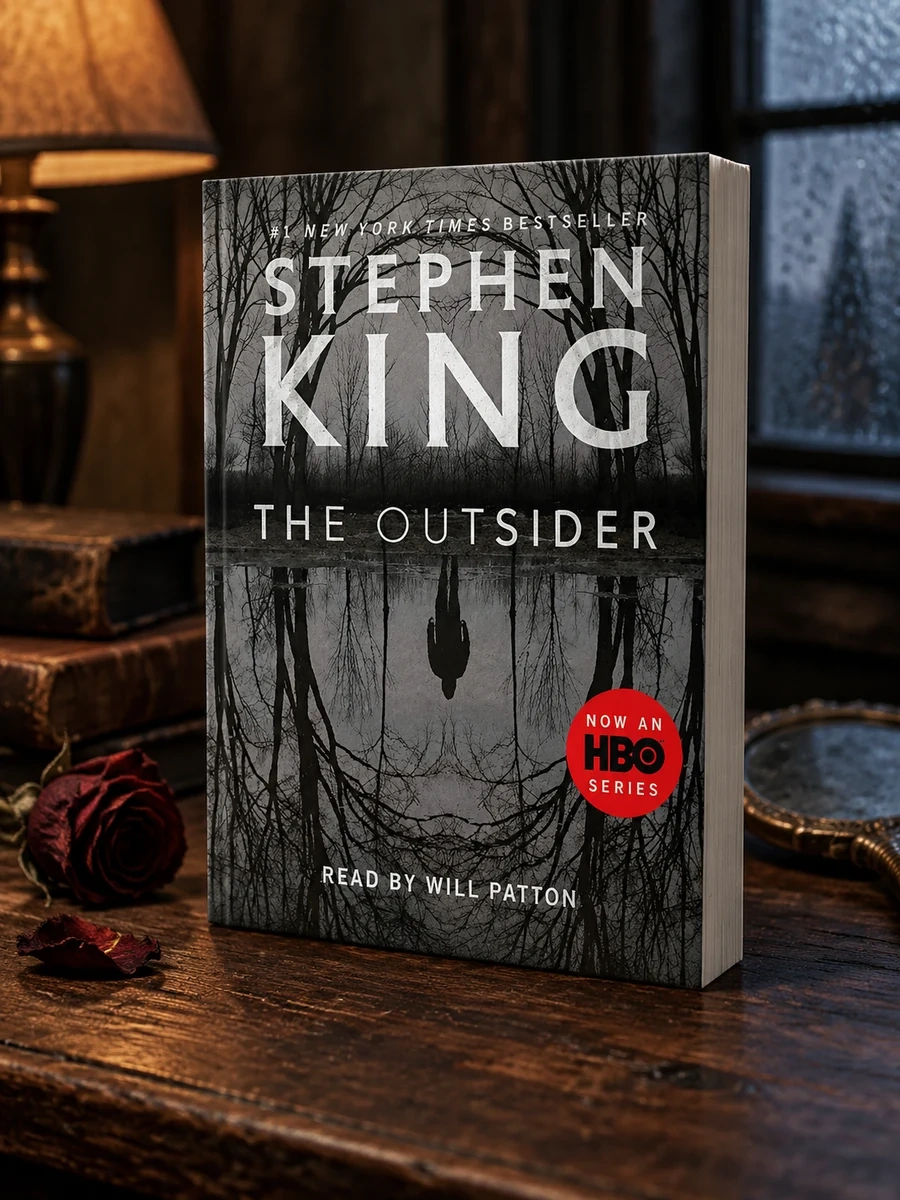
3. The Outsider — Stephen King
A more recent King work that blends psychological horror with crime fiction, exploring how evil can hide in plain sight and how investigation itself becomes a form of psychological unraveling.
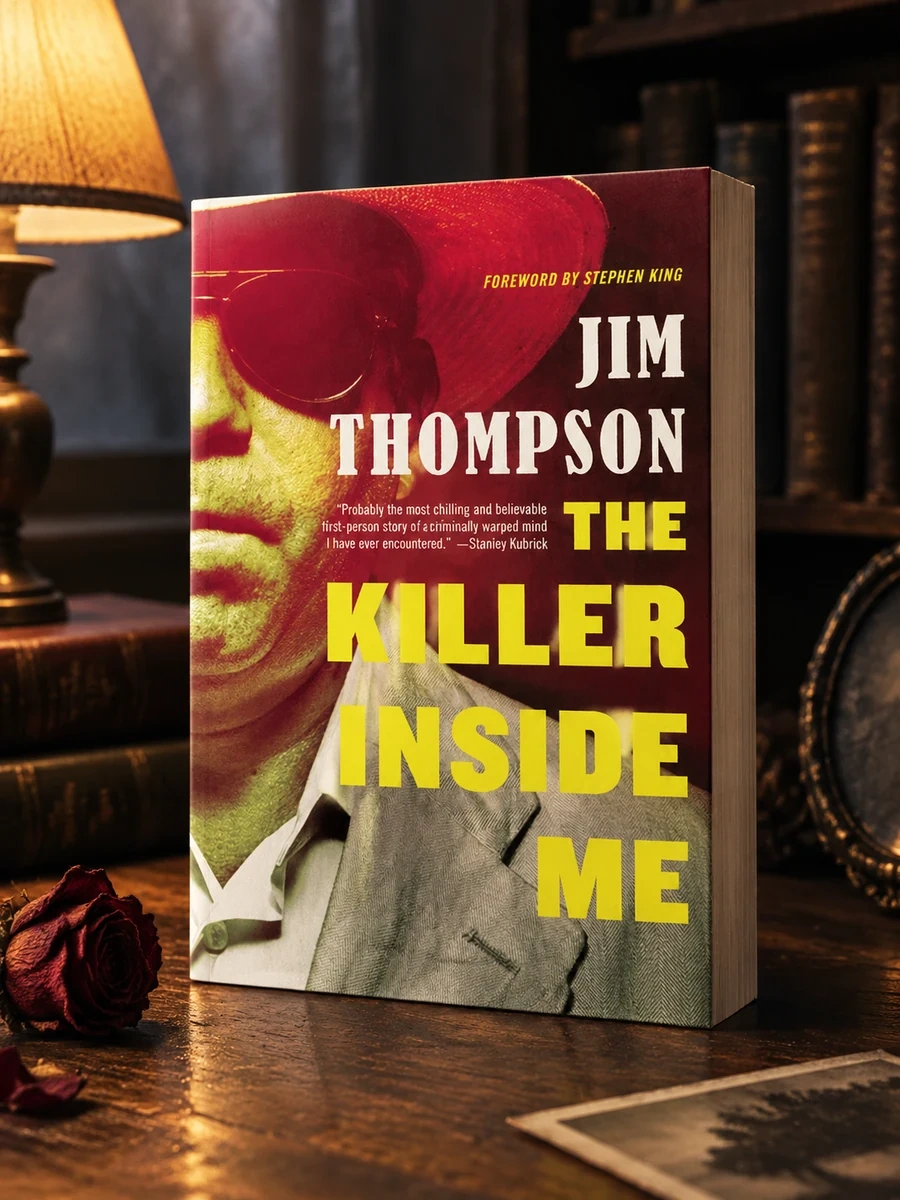
4. The Killer Inside Me — Stephen King
An exploration of a dangerous mind presented through noir sensibilities. If you're drawn to King's ability to make readers uncomfortable by forcing them to understand the perspective of someone fundamentally broken, this delivers that same unsettling experience.
5. Duma Key — Stephen King
While more overtly supernatural than End of Watch, it shares the same slow-burn psychological dread and exploration of trauma's lasting effects. King's interest in how past violence shapes present horror is evident throughout.
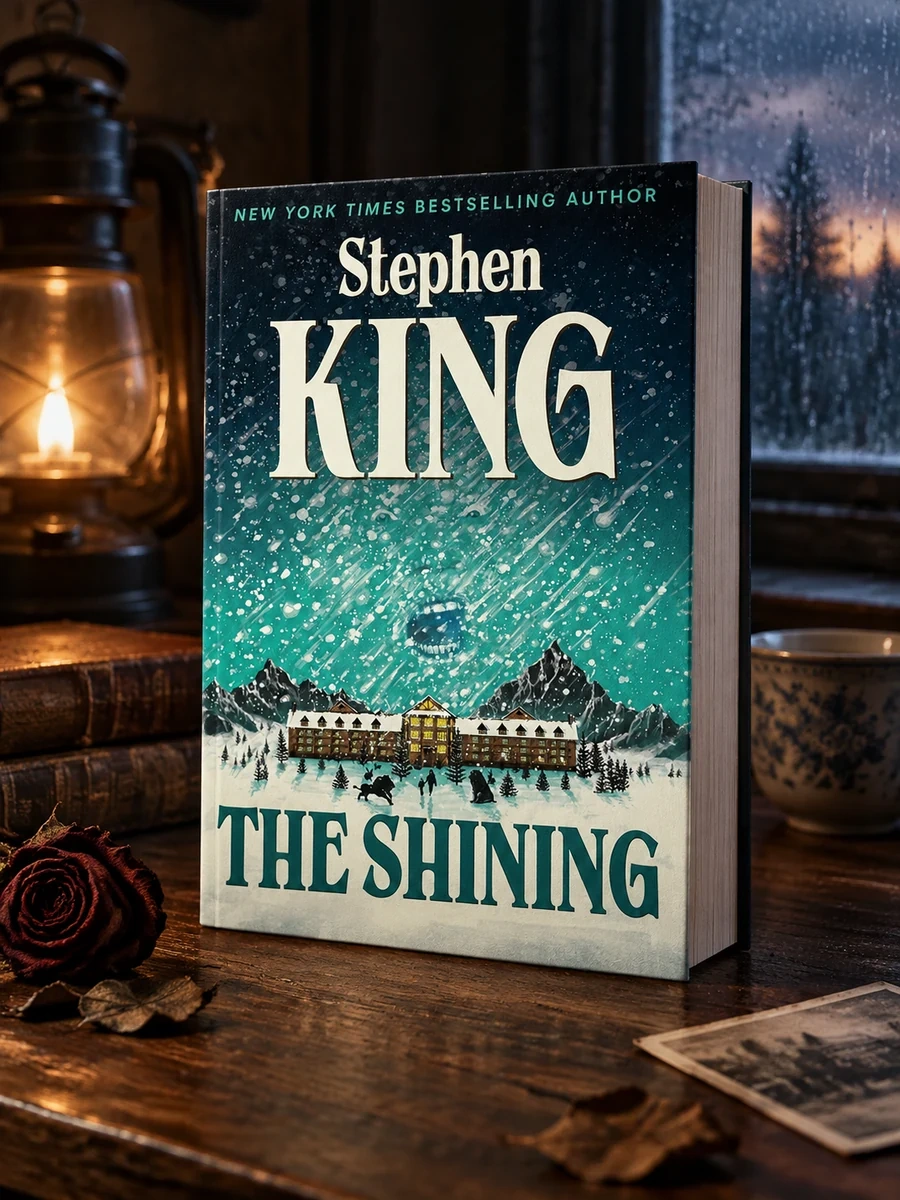
6. The Shining — Stephen King
A psychological horror classic that traps its protagonist in an isolated setting where his own mind becomes as dangerous as any external threat. The atmospheric dread and character deterioration mirror the psychological intensity of End of Watch.
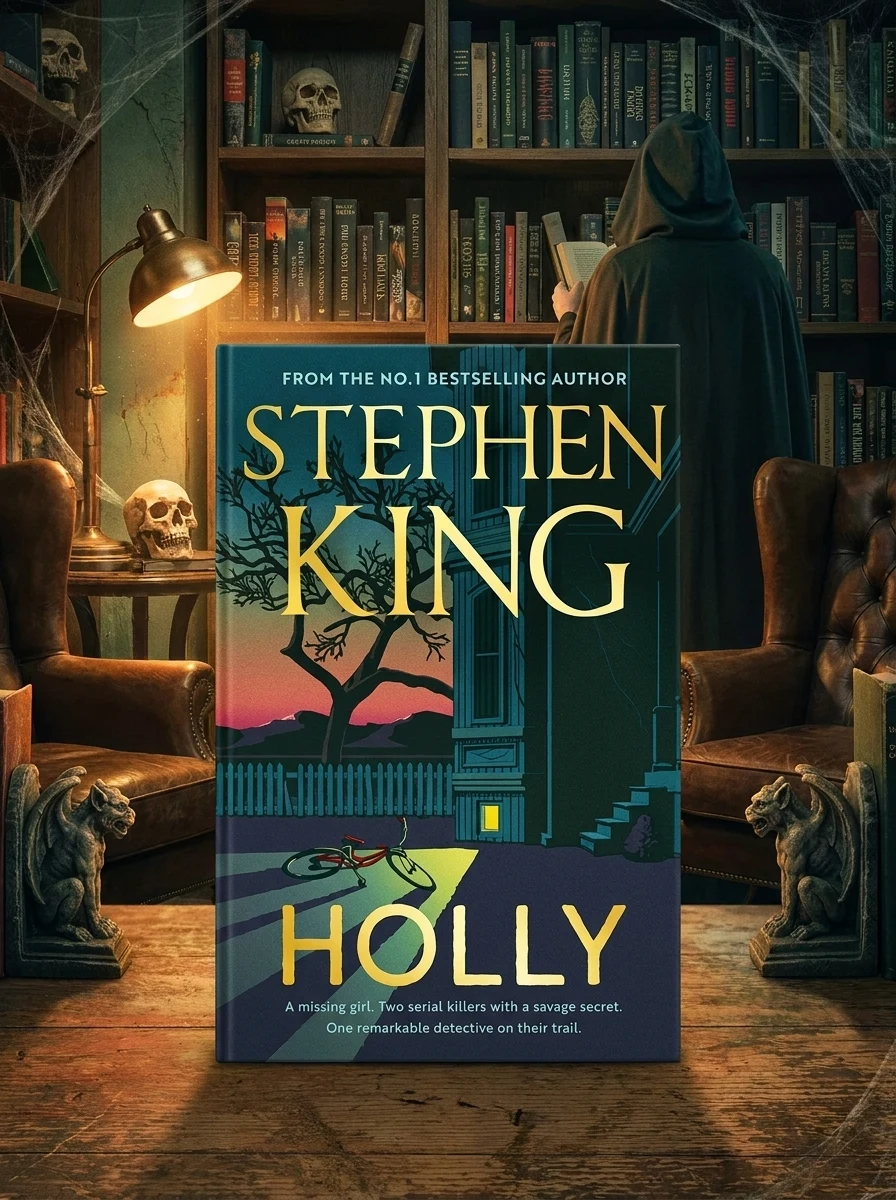
7. Holly — Stephen King
King's exploration of psychological depth and suburban gothic atmosphere, featuring characters caught in morally complex situations. Like End of Watch, it prioritizes character-driven tension over conventional scares.
8. Rosemary's Baby — Ira Levin
A psychological horror classic that, like End of Watch, proves that the most effective terror comes from paranoia, isolation, and the slow realization that you cannot trust the people around you. Both books prioritize psychological unease over spectacle.