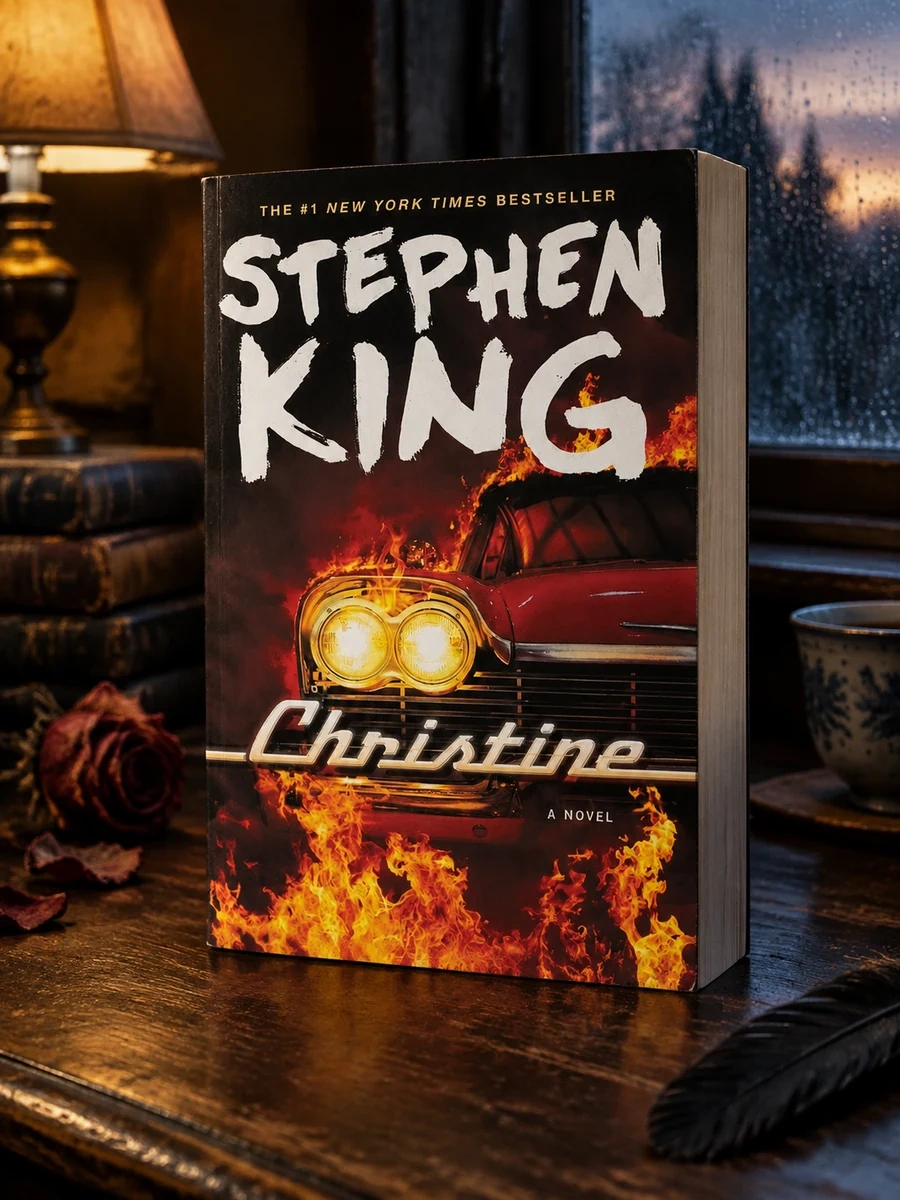
Christine is a novel about transformation, but not the kind anyone wants. It begins with Arnie Cunningham, a high school student without social standing, discovering a rusted 1958 red-and-white Plymouth Fury on a suburban Pennsylvania lawn. He buys it despite its dilapidated state, and from that moment forward, his life changes in ways that seem miraculous at first—he gains confidence, attracts the attention of Leigh Cabot, the most beautiful girl at Libertyville High, and sheds his loser status. But the car demands a price, and that price is everything Arnie is.
This is a novel that treats an inanimate object as a character with agency and malice. The Plymouth Fury possesses a terrifying history, and as Arnie becomes consumed by it, his best friend Dennis Guilder and Leigh begin to uncover the truth behind the vehicle's dark past. The story operates within gothic traditions—the kind where objects hold power, where possession is literal and inexorable, where the supernatural emerges not from shadows but from chrome and steel in a suburban driveway.
What makes Christine work as horror is that it's fundamentally about loss of self. The novel examines how obsession can destroy personal relationships and identity, using the car as both symbol and active force. This isn't a story about fighting back successfully or learning a lesson. It's a story about watching someone you care about disappear into something that wears his face.
What It Is About
Arnie Cunningham is a teenager on the margins. He's unpopular, overlooked, the kind of kid who exists in the background of high school life. When he and Dennis discover Christine—that's what the previous owner called the car—Arnie sees possibility. He buys her despite her condition, and begins the slow work of restoration. As the car comes back to life, so does Arnie. He becomes confident. He becomes attractive. He becomes someone.
Leigh Cabot, a transfer student, notices him. They begin dating. For a moment, it seems like Arnie's life is finally beginning. But the car is jealous. The car is hungry. And the car has a history of violence that Arnie seems increasingly willing to ignore or enable. Dennis watches his best friend slip away, replaced by someone who cares more about chrome and upholstery than human connection. Leigh senses something wrong but can't quite articulate what. Together, they try to understand what Christine really is and what she wants from Arnie.
How It Reads
The novel moves at a deliberate pace, which serves the story well. This isn't a book that rushes toward jump scares or sudden violence. Instead, it builds dread through accumulation—small moments where Arnie chooses the car over his friends, where the car seems to act with intention, where the line between Arnie's will and the car's will becomes impossible to distinguish. The voice is measured and observant, particularly through Dennis's perspective as narrator. He's watching his friend vanish and can do nothing to stop it.
The horror here is psychological and relational rather than visceral. You won't find graphic gore or supernatural spectacle. What you will find is the slow, terrible recognition that someone you love is being consumed by something that looks like a car but behaves like a predator. The frightening part isn't what Christine does in isolated moments—it's the cumulative weight of her presence, the way she rewrites Arnie's priorities and personality, the way she isolates him from everyone who cares about him.
The specific history of the 1958 Plymouth Fury grounds the fantasy in something real. The car is a real model, a real piece of American automotive culture, which makes the premise feel less like pure fantasy and more like a dark possibility lurking beneath the surface of ordinary suburban life. The setting—Pennsylvania, high school, the late 1970s—is deliberately mundane, which makes the supernatural element feel more intrusive and wrong.
Who It Suits, and Who It Does Not
This book is for readers who want character-driven horror with psychological depth. If you're interested in how obsession warps personality, how possession doesn't require demons or ghosts to be terrifying, or how the loss of self can be more frightening than any external threat, Christine will grip you. Readers who appreciate gothic traditions and the idea that evil can reside in objects as easily as in people will find much to appreciate here.
The novel also works well for readers interested in American suburban culture and the role of cars in that culture. There's something distinctly American about this horror—the car as status symbol, as identity, as the thing that finally makes you matter. Christine corrupts that mythology by making the car itself the predator.
However, if you prefer fast-paced action, graphic violence, or external threats that can be fought and defeated, this may feel slow. If you need your horror to come with solutions or redemptive arcs, Christine will disappoint you. The novel depicts inevitable tragedy, not triumph. There are no easy answers here, and the ending doesn't offer comfort. Additionally, readers who find the premise too fantastical—who need their horror grounded in realism—may struggle with the central conceit of a possessed car, no matter how well it's executed.
If You Liked This
Frankenstein — Mary Shelley
Like Christine, Frankenstein explores how obsession consumes the obsessed and destroys everything around them. Both novels use a central object or creation as the vehicle for examining possession and loss of control.
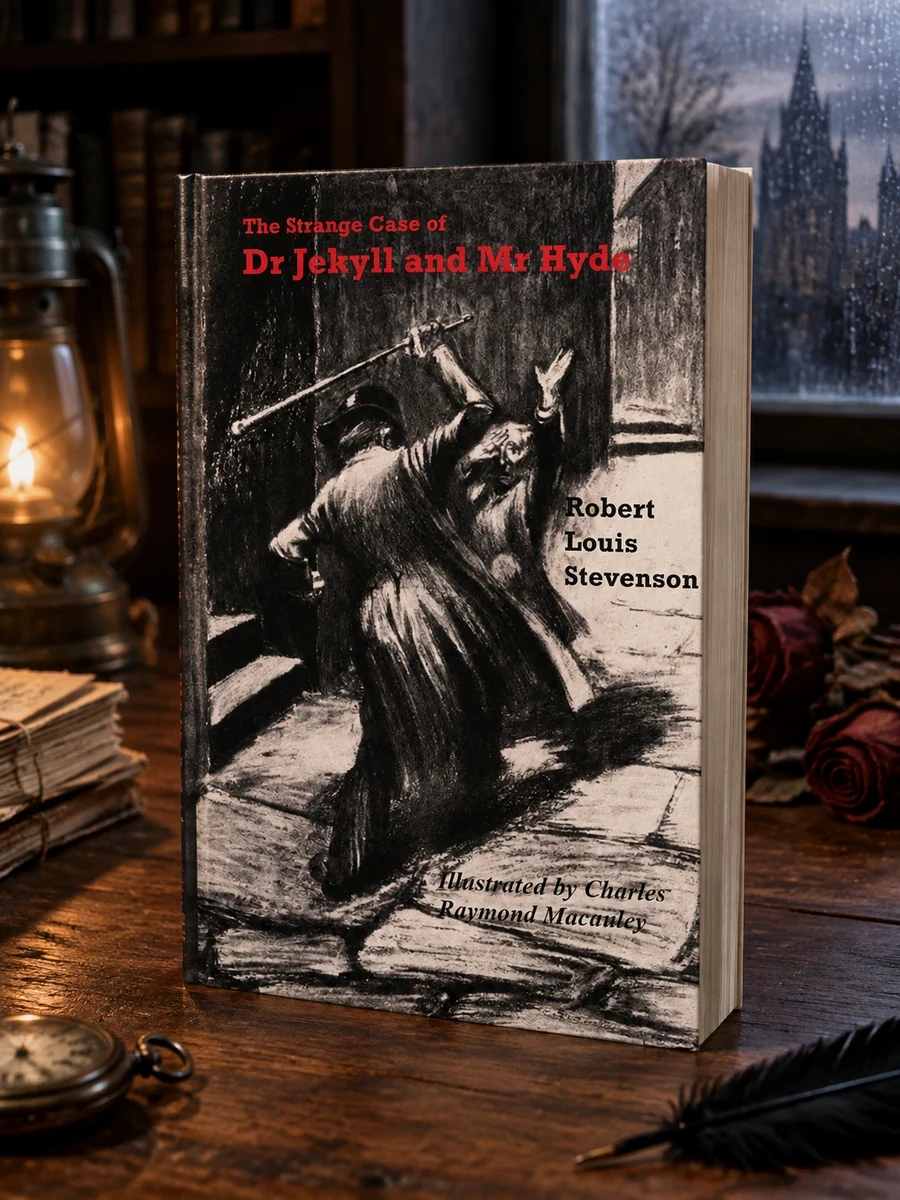
The Strange Case of Dr Jekyll and Mr Hyde — Robert Louis Stevenson
This novella shares Christine's interest in the loss of self and the way something external (or internal) can consume identity. Both explore how a person can become unrecognizable to those who love them.
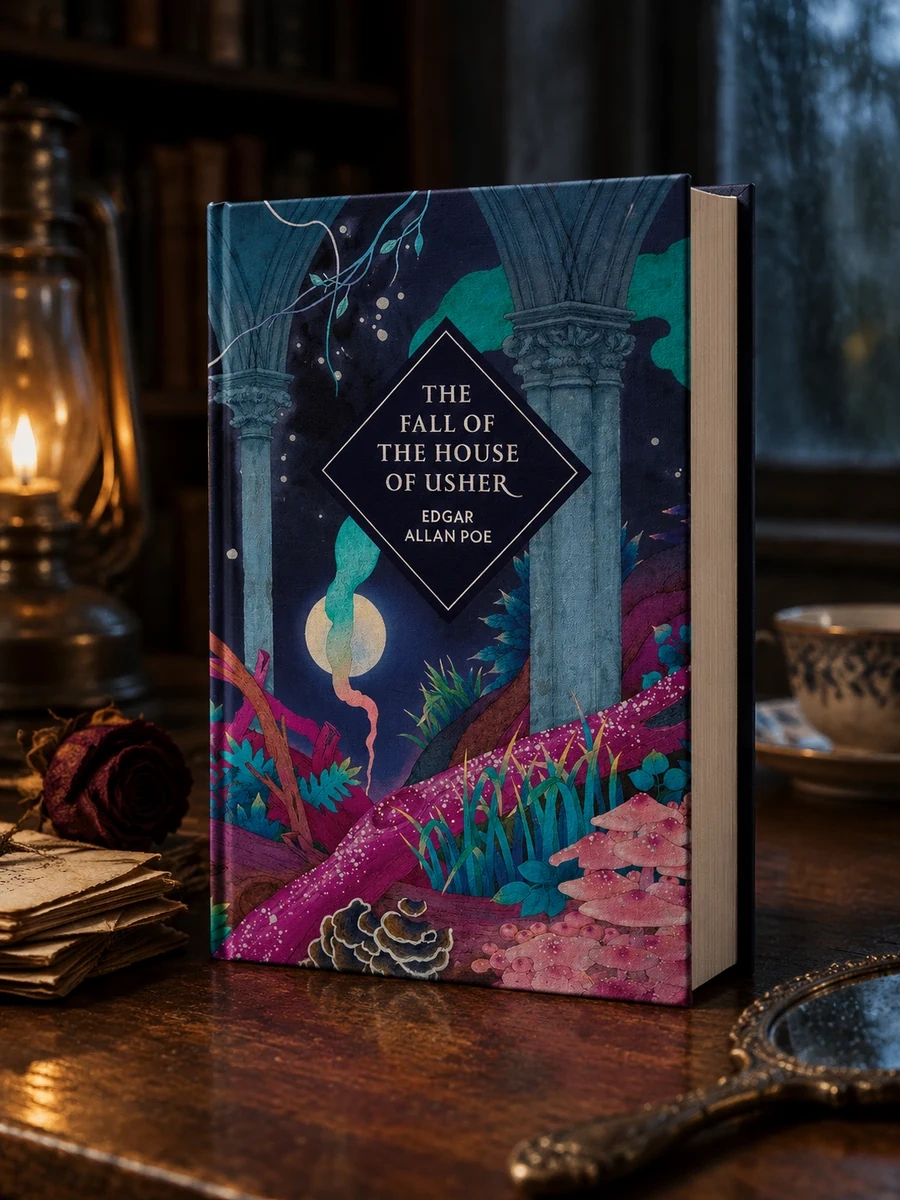
The Fall of the House of Usher and Other Stories — Edgar Allan Poe
Poe's gothic tradition of attributing malevolence to objects and places directly influences Christine. These stories share the same atmospheric dread and sense of inevitable doom.
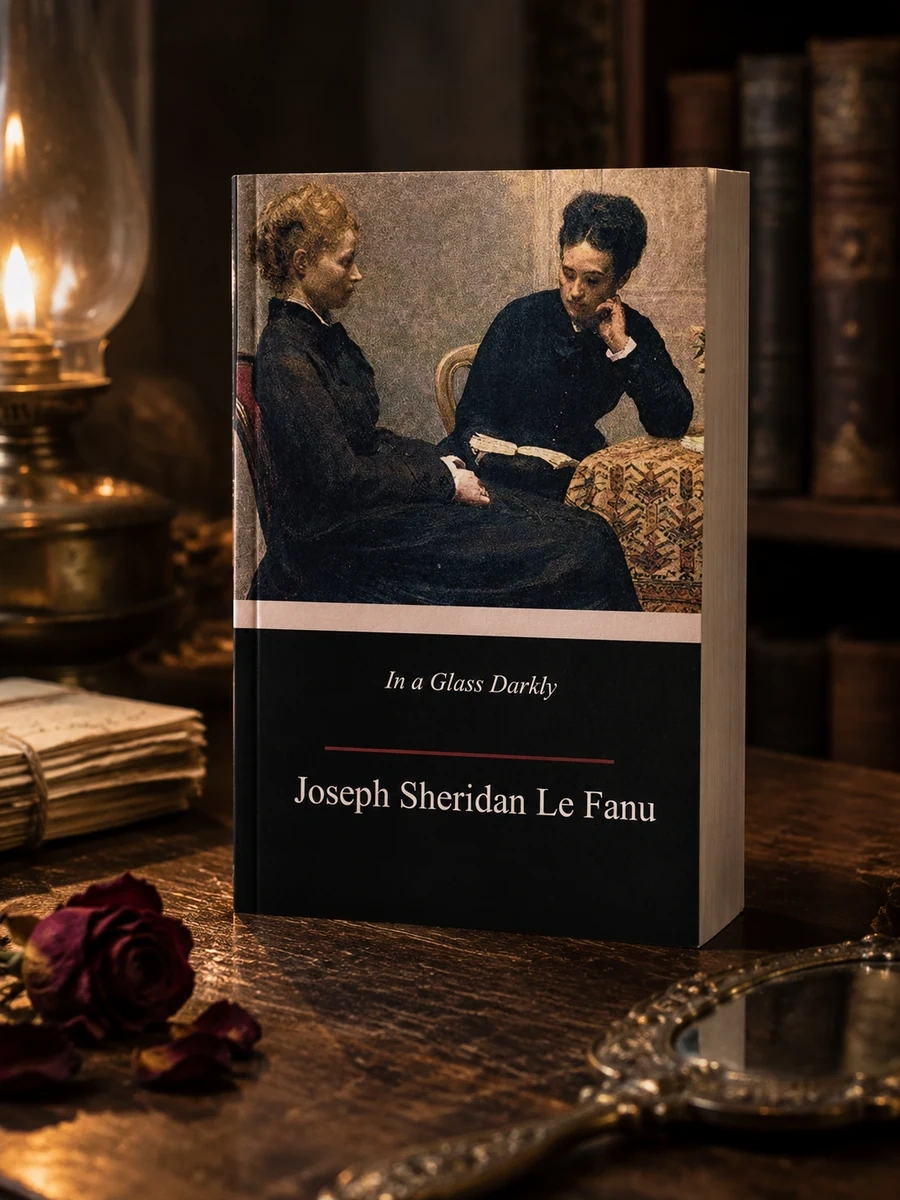
In a Glass Darkly — Joseph Sheridan Le Fanu
Le Fanu's collection explores supernatural possession and psychological horror through a gothic lens. Like Christine, these stories focus on how the supernatural infiltrates ordinary life.
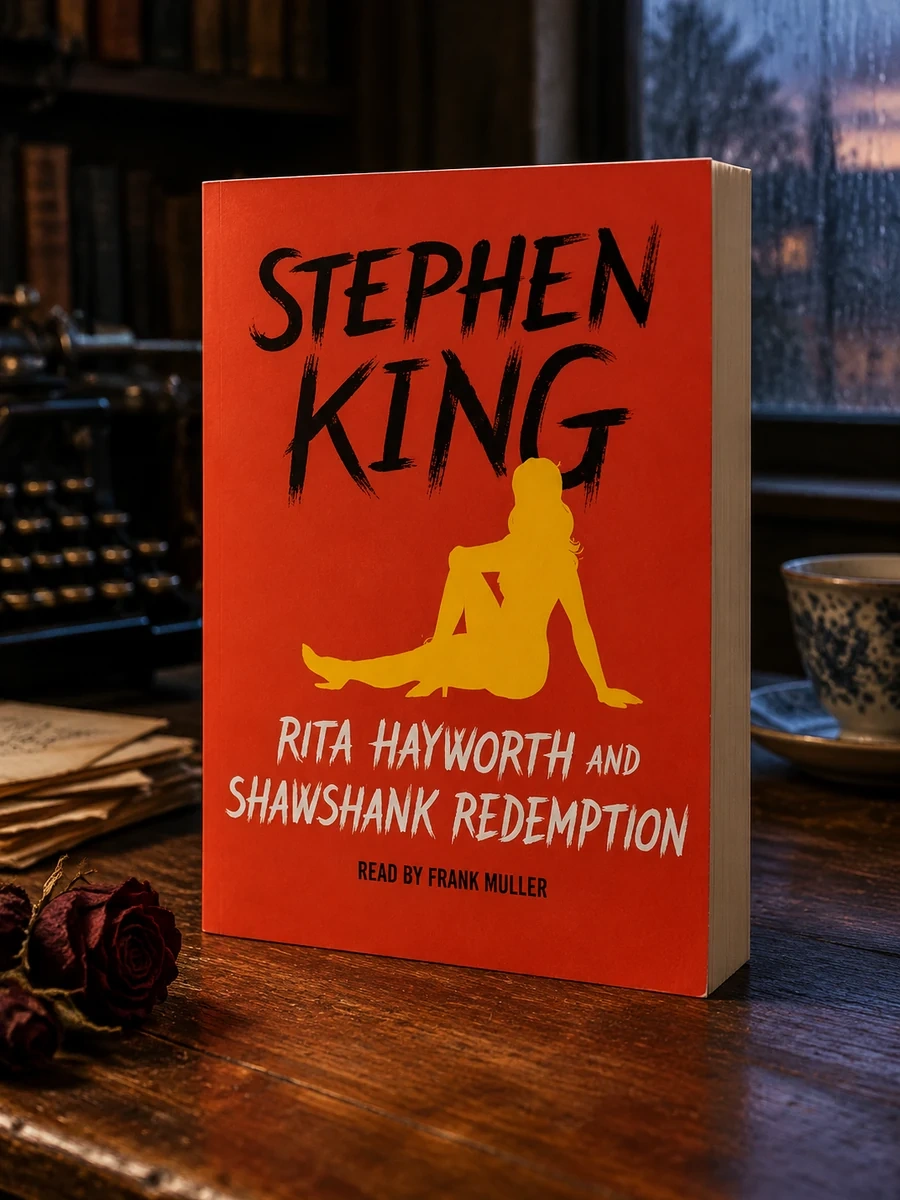
Rita Hayworth and Shawshank Redemption — Stephen King
Another King work that examines how obsession and circumstance can transform identity, though in a very different setting and with different stakes.
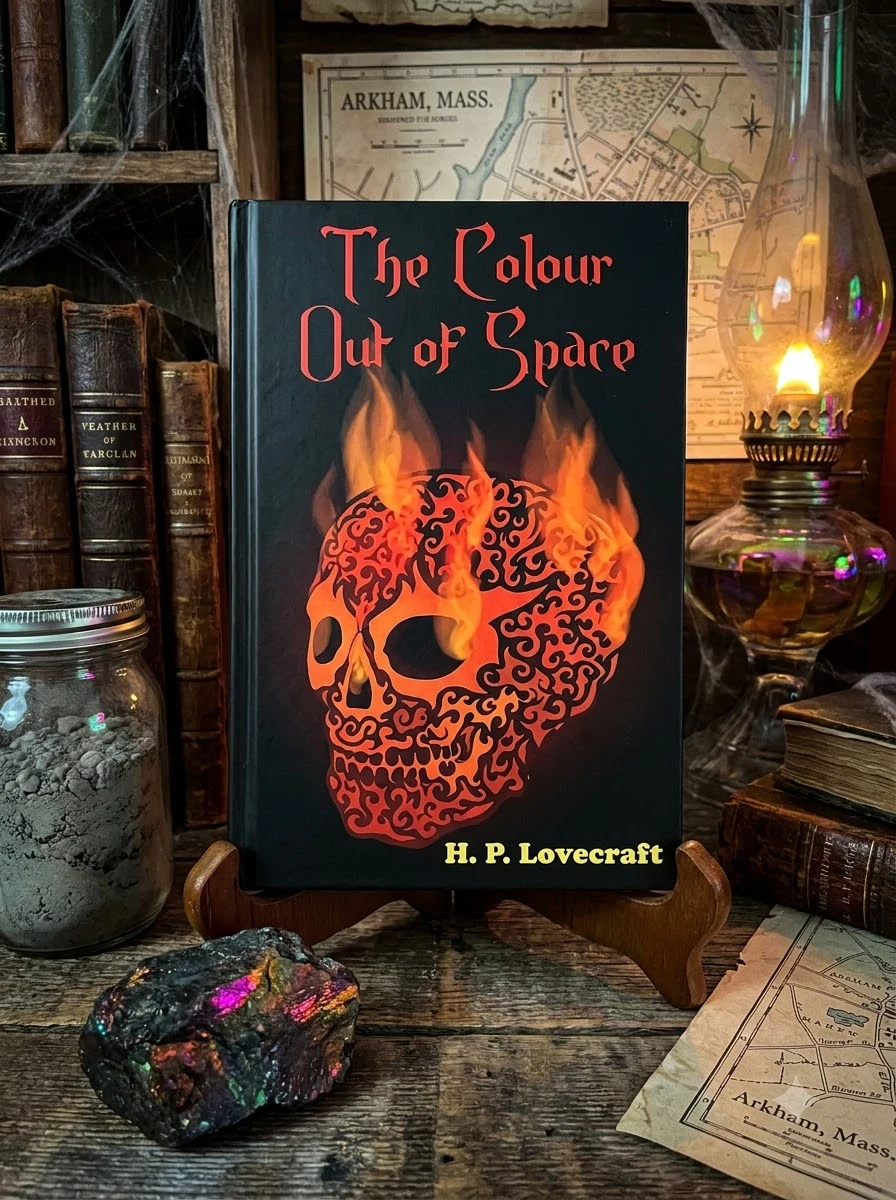
The Colour Out of Space — H P Lovecraft
This novella shares Christine's approach to making the inanimate terrifying. Both stories explore how something alien or wrong can consume a place and the people in it.