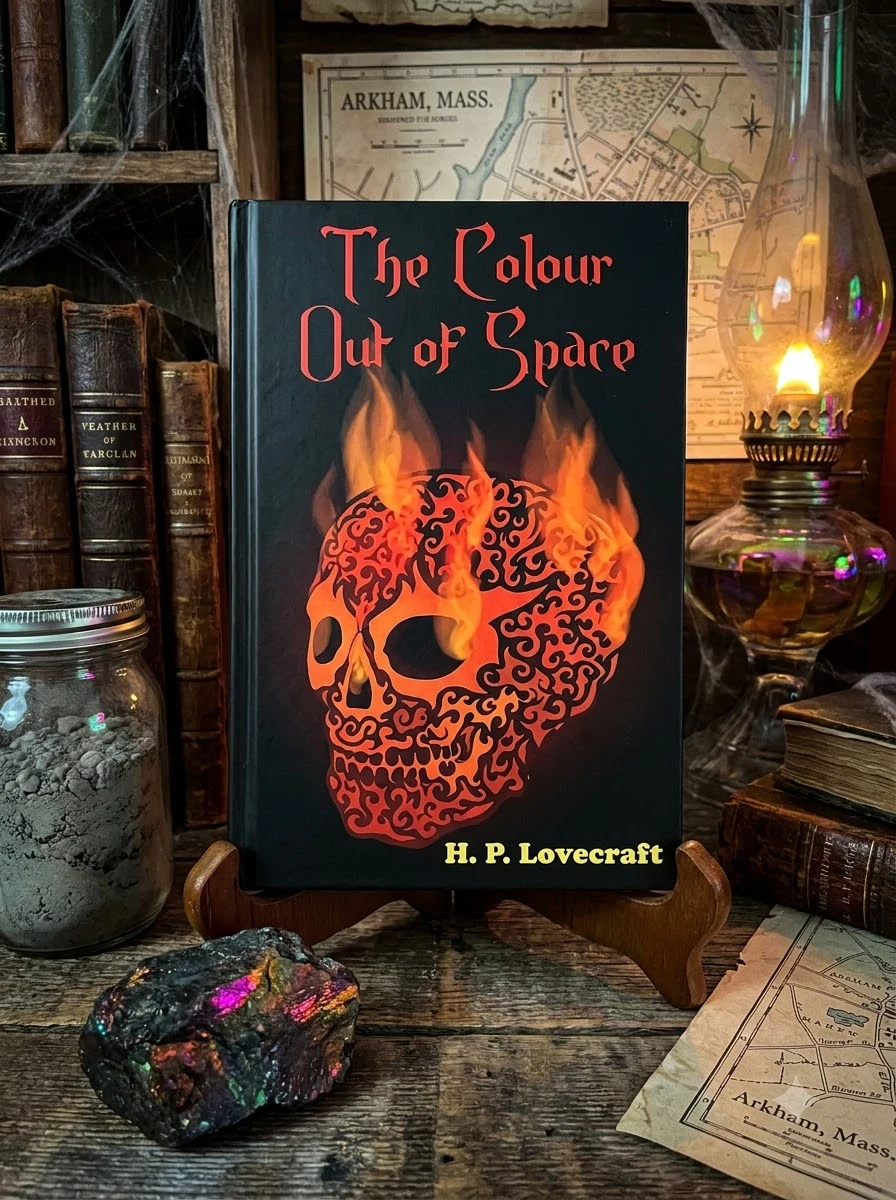
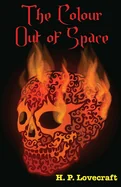
The Colour Out of Space
A meteorite brings cosmic horror to a Massachusetts farmstead in Arkham.
Lovecraft crafted this story as his personal favorite among his works. The narrative begins with an investigation into the blasted hearth, where locals remain silent. Ammi Pierce breaks this silence by sharing memories of 1882. A farmer’s field becomes the site of a celestial event when a meteorite falls. This object introduces a color that warps reality and destroys the land. The tale moves from the narrator's present to the past through Pierce's recollections. It highlights the vulnerability of human life against alien influences. The structure emphasizes isolation and the gradual unraveling of sanity. Lovecraft’s prose captures the eerie atmosphere of New England folklore. The story has endured through two cinematic adaptations, proving its lasting impact on horror literature.
Set in Arkham, Massachusetts, this 1926 classic defines American cosmic horror. Lovecraft drew on New England gothic traditions and rural decay themes. The story reflects early twentieth-century anxieties about the unknown. Its influence extends to film adaptations in 1967 and 1987.


📝 Description: The Colour Out of Space
💎 Our verdict on The Colour Out of Space
📖 Why choose it
Why this book is worth reading
Readers who appreciate atmospheric storytelling rooted in specific locations like Arkham will find this tale compelling. It appeals to those interested in classic American gothic fiction and the slow unraveling of sanity against unknown forces. While fast-paced action seekers might find it less engaging, fans of cosmic horror and psychological dread will value its enduring impact. The narrative structure, relying on oral history, creates a sense of dread that builds over time. It offers insight into the vulnerability of human life when confronted with alien influences, making it essential for enthusiasts of dark fantasy and true cosmic terror.
⭐ Reader reviews
Reader rating
Lovecraft crafts an eerie atmosphere through his distinctive prose, capturing the decay of rural life and the destruction wrought by a celestial object. The narrative effectively frames the central horror of a color that defies earthly description, moving from present investigation to past recollections. This structure emphasizes isolation and gradual insanity, hallmarks of cosmic horror. While the slow, descriptive style may not suit those seeking modern scientific explanations or rapid action, it deeply rewards patients. The book remains a significant work in Lovecraft's bibliography, having inspired film adaptations, proving its lasting impact on horror literature and its power to unsettle through atmospheric dread rather than explicit violence.