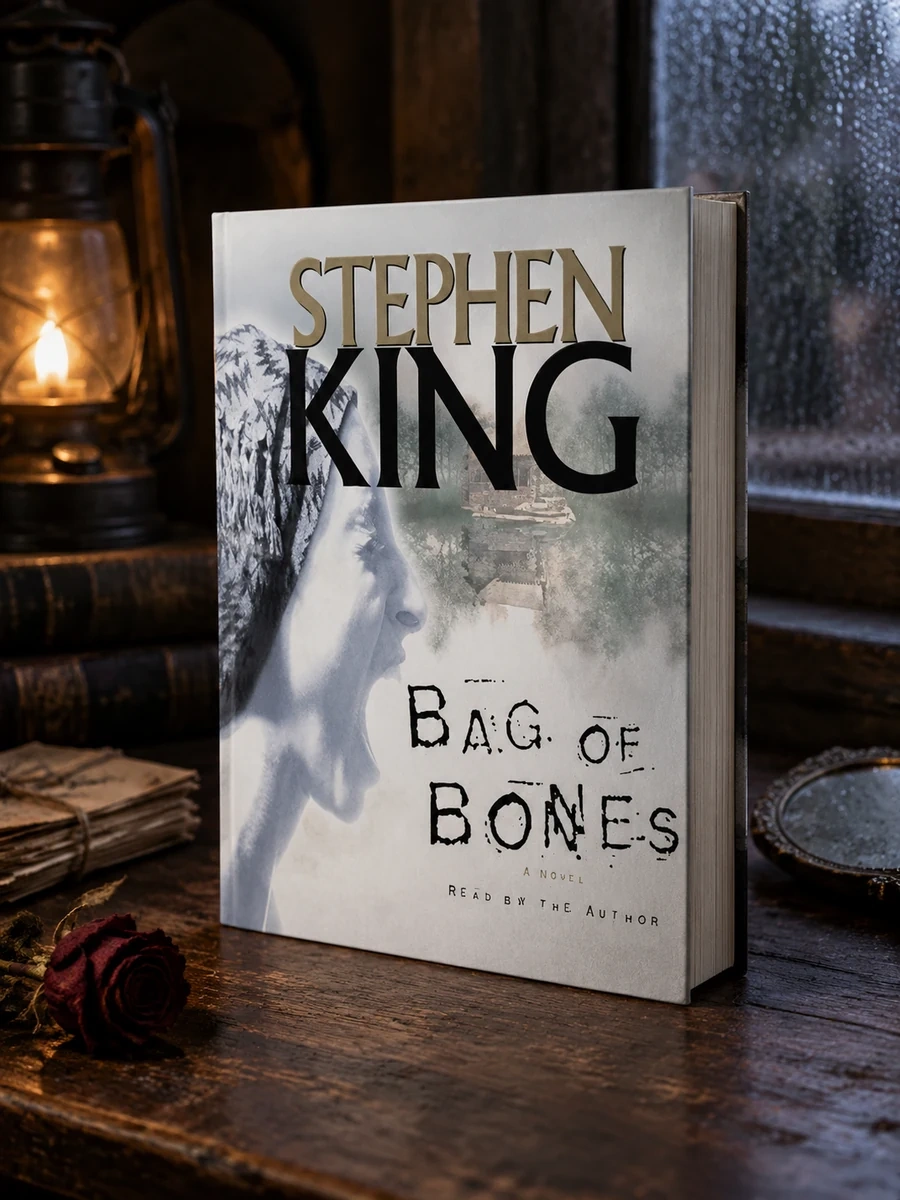
When readers pick up Bag of Bones, many expect a straightforward haunted house story with romantic undertones. What they find instead is something far more unsettling: a novel about how the dead weaponize the living's longing for the past, how fathers destroy their children across decades, and how nostalgia itself becomes a form of horror. This is Stephen King's most psychologically devastating supernatural work—not because of ghosts or jump scares, but because it excavates the real terror: inherited failure, obsessive love, and the way trauma echoes through bloodlines.
The novel follows Mike Noonan, a bestselling author who retreats to his lakeside cabin after his wife's death. What begins as a grief-stricken escape becomes an entanglement with the house's violent history, a woman he becomes dangerously obsessed with, and a child whose safety depends on him breaking a cycle of paternal abandonment that spans generations. King doesn't just haunt a house—he haunts a family's capacity to love without destroying.
What makes Bag of Bones exceptional is how King uses the supernatural not as spectacle but as metaphor. The ghosts aren't the horror; they're symptoms of it. The real horror is Mike's inability to save anyone because he's too busy trying to resurrect the past. It's the horror of a father who chose his ambitions over his daughter. It's the horror of a man who loves a woman he barely knows because she fills the void his dead wife left. King has written scarier books. He's never written a more psychologically devastating one.
The Architecture of Inherited Darkness: Why Bag of Bones Stands Apart
King's genius in Bag of Bones lies in his refusal to separate the supernatural from the psychological. The haunting is real, but it's also a manifestation of unresolved grief, sexual obsession, and generational sin. Mike Noonan doesn't just encounter ghosts—he becomes complicit in their logic. He's drawn into a narrative that isn't his own, one written by dead fathers and dead mothers, and he lacks the self-awareness to resist it.
This is where the novel diverges most sharply from King's other haunted house narratives. The Shining traps a family in a hotel that actively hunts them. Salem's Lot shows a town slowly consumed by an external evil. But Bag of Bones suggests that the house—and the ghosts within it—are less dangerous than the desires and failures of the living. The supernatural is the least of Mike's problems. His own mind is.
The Obsession Cycle: How King Weaponizes Nostalgia
1. Bag of Bones — Stephen King
Bag of Bones is King's most explicit exploration of how nostalgia becomes pathology. Mike's retreat to his cabin isn't healing—it's regression. He's chasing a version of himself that no longer exists, a marriage that's over, a past that was never as good as memory insists. The woman he becomes obsessed with, Mattie, is less a real person than a vessel for his need to be needed, to be the hero he failed to be in his own marriage. King shows us, with surgical precision, how love and obsession are separated by a single moment of self-deception.
What makes this unbearable is that King doesn't judge Mike harshly. He understands him. He shows us how a man can be simultaneously sympathetic and destructive, how grief can masquerade as love, how the dead can use our longing against us. The horror isn't that the house is haunted. It's that Mike is haunted by his own capacity for self-deception.
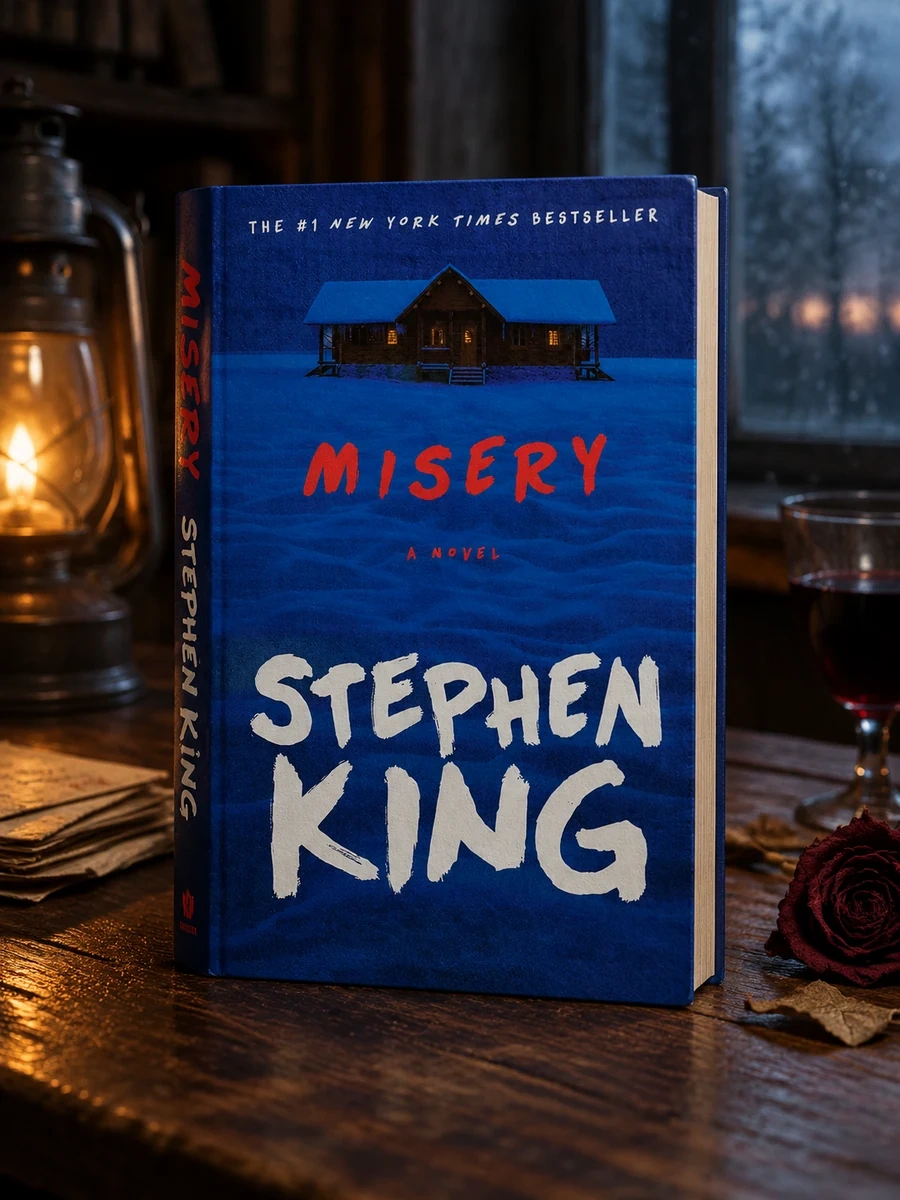
2. Misery — Stephen King
Misery explores obsession from the opposite angle: the captor's perspective. Where Bag of Bones shows a man obsessed with a woman and a past, Misery shows a woman obsessed with a writer and the fictional world he created. Both novels understand that obsession is a form of imprisonment, that the obsessed person is as trapped as the object of their obsession. If you want to understand how King thinks about the psychology of fixation, Misery is essential—it's the dark mirror to Bag of Bones' exploration of romantic delusion.
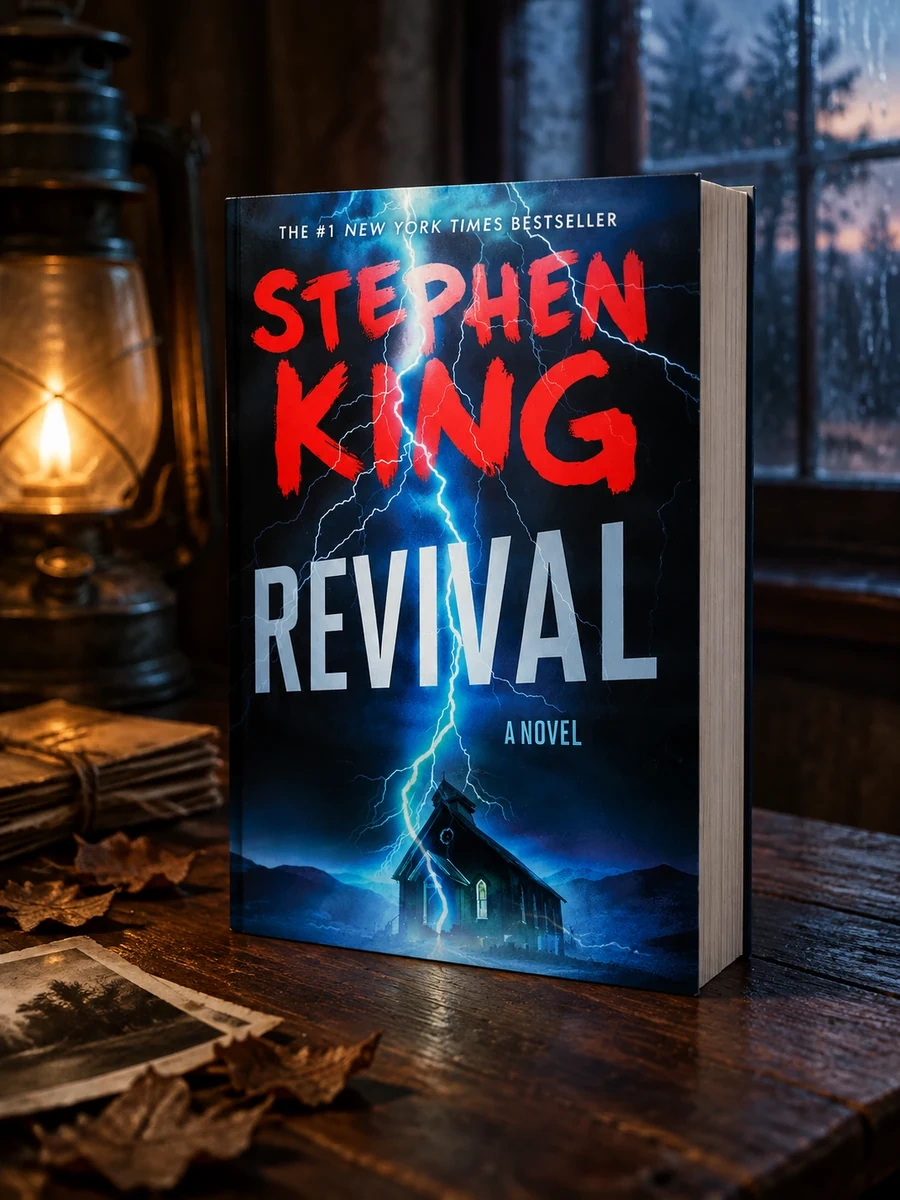
3. Revival — Stephen King
Revival is another King novel about inherited trauma and the way the past refuses to stay buried. It follows two men across decades, their friendship fractured by obsession with a dangerous technology, their lives shaped by a single moment of connection and betrayal. Like Bag of Bones, Revival suggests that the supernatural is less terrifying than the human capacity for self-destruction. Both novels end not with resolution but with the realization that some damage cannot be undone, some cycles cannot be broken.
Generational Failure: The Real Monster
4. The Dead Zone — Stephen King
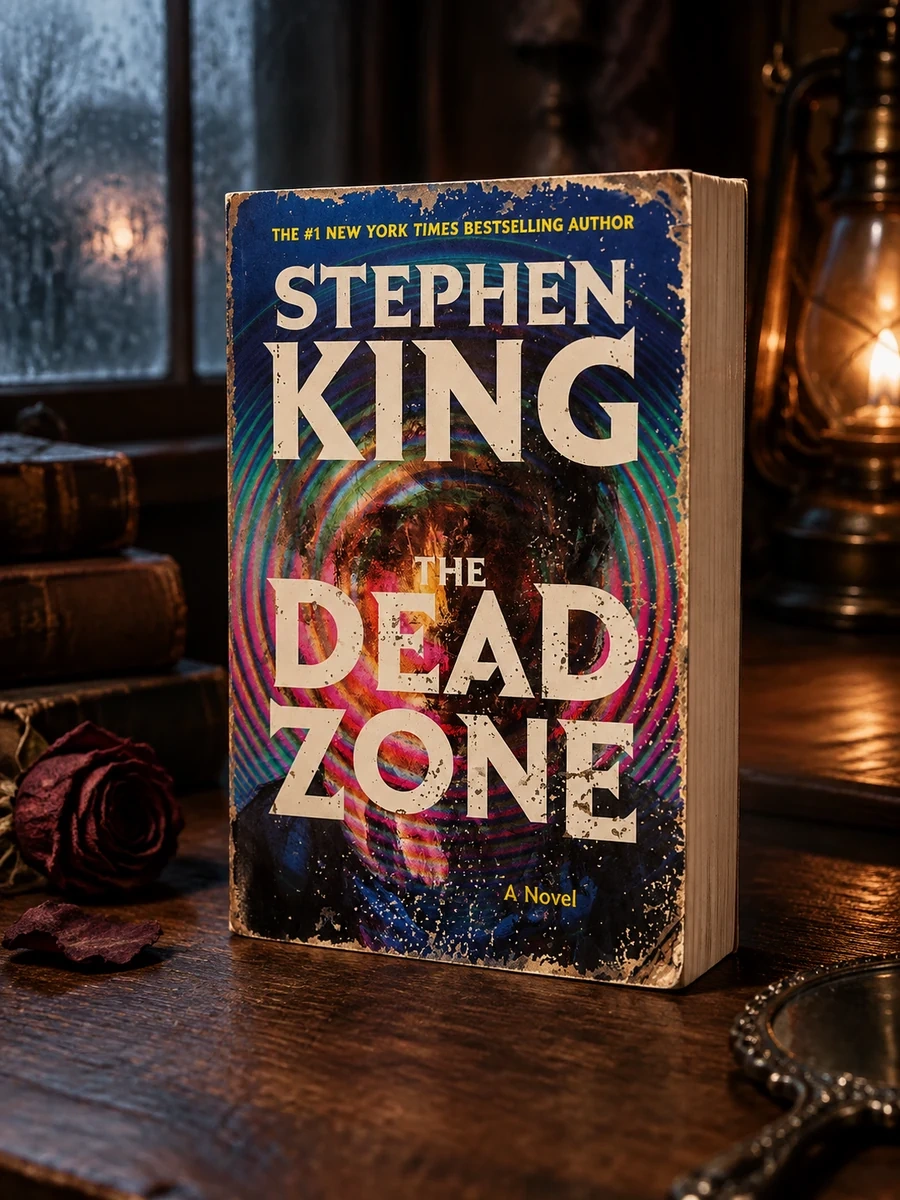
The Dead Zone shares Bag of Bones' interest in how the past shapes the present, how a single moment can ripple across years and destroy lives. Johnny Smith's psychic ability forces him to see the consequences of others' choices, to witness the ways that trauma and ambition and fear propagate through time. Like Mike Noonan, Johnny is trapped by knowledge he cannot act on effectively, by the gap between understanding and power. Both novels are about men who see too much and can save too little.
5. Pet Sematary — Stephen King
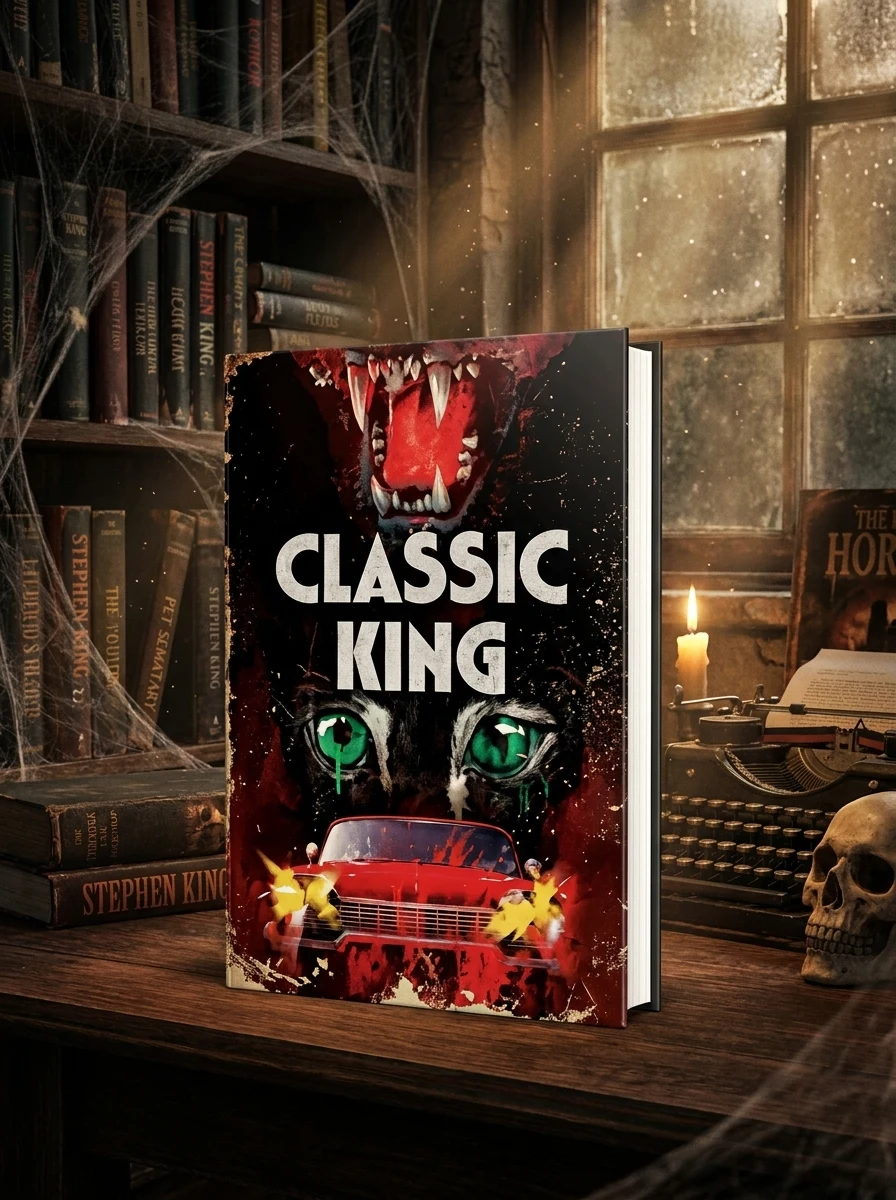
If Bag of Bones is about how fathers fail their children, Pet Sematary (available in the Classic King Boxed Set) is about what happens when a father tries to undo that failure through supernatural means. Louis Creed's desperate attempt to resurrect his son mirrors Mike Noonan's attempt to resurrect his marriage—both men are willing to cross moral boundaries because they cannot accept loss. Both novels suggest that some losses are necessary, that the refusal to accept death is itself a form of death.
Obsession and the Failure to See: Psychological Horror Without Monsters
6. Holly — Stephen King
Holly is King's most recent exploration of obsession and the way desire blinds us. Like Bag of Bones, it's a novel about a protagonist who becomes entangled in a situation not entirely of their making, who must confront their own complicity in the horror unfolding around them. Both novels understand that the most devastating horror is psychological—the moment when you realize you've been complicit in your own destruction.
7. Thinner — Stephen King
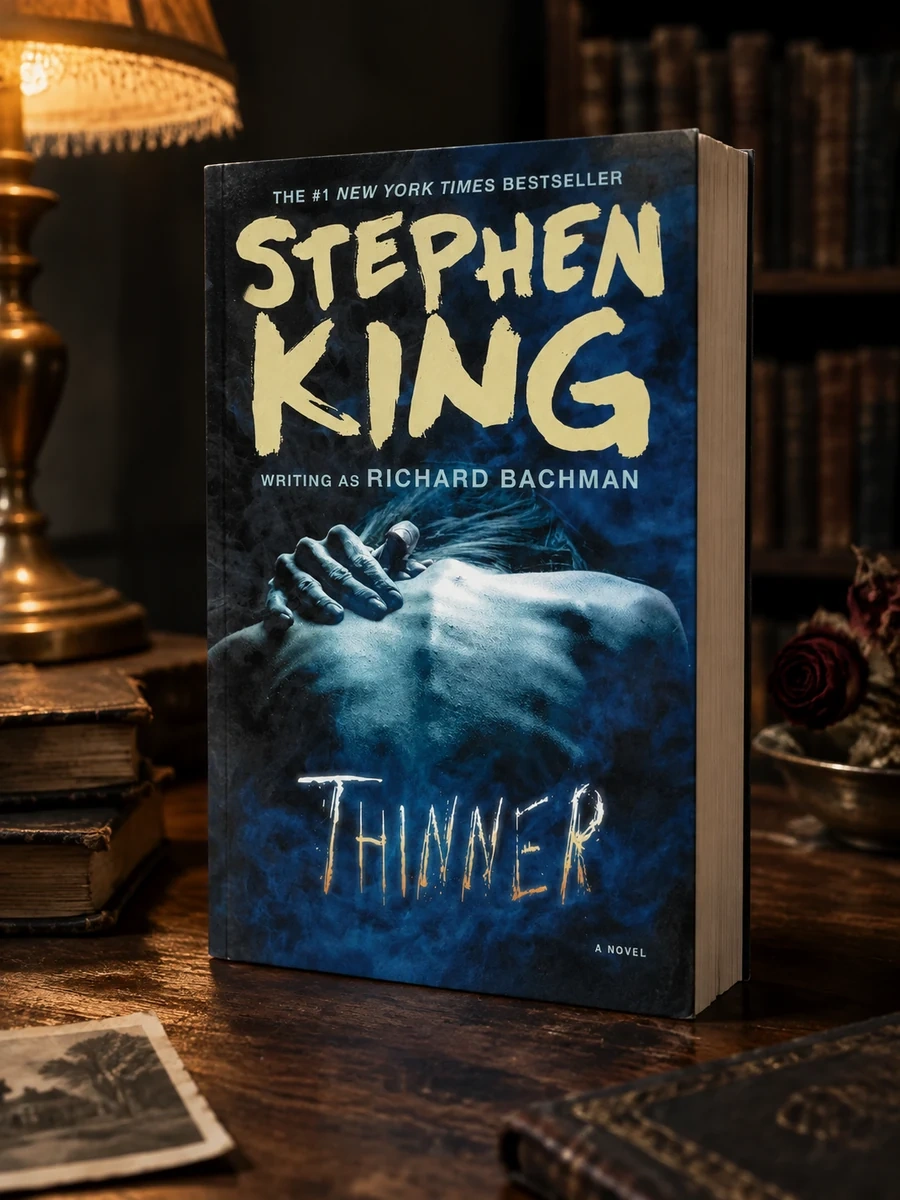
Thinner is a short, brutal novel about a man whose obsession with his own victimhood destroys him. Like Mike Noonan, the protagonist of Thinner is unable to accept responsibility for his own role in the tragedy that befalls him. Both novels suggest that obsession is a form of blindness, that the obsessed person cannot see the reality in front of them because they're too busy chasing a version of events that flatters their self-image.
8. Full Dark, No Stars — Stephen King
Full Dark, No Stars is a collection of novellas that explore the ways ordinary people become monstrous through obsession, resentment, and the refusal to accept loss. Like Bag of Bones, these stories understand that the real horror isn't supernatural—it's psychological, it's intimate, it's the horror of recognizing yourself in someone capable of terrible things. If you want to understand King's philosophy of horror, this collection is essential.
How to Choose: What Bag of Bones Demands From Its Reader
Bag of Bones is not for readers seeking a traditional haunted house narrative with clear supernatural rules and a climactic confrontation. It's for readers who understand that the most devastating horror is psychological, that obsession is a form of madness, and that the past's hold on us is often stronger than any ghost.
If you're drawn to Bag of Bones because you want to understand how King weaponizes nostalgia and parental failure, start with the novel itself—it's his most direct exploration of these themes. Then move to Revival and Pet Sematary to see how he returns to generational trauma across his career. Read Misery and Thinner to understand his philosophy of obsession. Read Full Dark, No Stars to see how he applies these insights to ordinary people in contemporary settings.
What unites all these novels is King's refusal to let his characters off the hook. They're not victims of external evil—they're complicit in their own destruction. They're trapped not by monsters but by their own inability to accept loss, to see clearly, to break cycles of failure and obsession. That's the real horror. That's what makes Bag of Bones unforgettable.