Mr. Mercedes is Stephen King without the supernatural. There are no ghosts, no cursed objects, no cosmic horrors lurking in the dark. Instead, King gives us something arguably more unsettling: a meticulous portrait of obsession between a burned-out cop and a killer who wants to be remembered. This is King working in the crime-thriller tradition, and he does it with the same precision he brings to his horror work.
The novel arrives as a school and library edition from Turtleback Books, priced in the mid-range for hardcover fiction. It's a substantial read—plot-driven and designed to keep you turning pages—but it's not a quick afternoon. This is a book that demands attention to character and motive, not just plot mechanics.
What makes Mr. Mercedes distinctive is its refusal to sensationalize violence. The opening act—a stolen Mercedes plowing through a job fair, killing eight people—is brutal and sudden, but King treats it as tragedy, not spectacle. The real horror emerges in what comes after: the killer's correspondence with Bill Hodges, the retired detective who obsesses over the case long after the department has moved on.
What It Is About
Bill Hodges is a man whose career ended not with a bang but with a whimper. He's a former police officer haunted by the cases he couldn't close, drinking too much, moving through his days without purpose. Then he receives a letter from Brady Hartsfield, the man behind the Mercedes massacre. Hartsfield isn't writing to confess or gloat in the conventional sense. He's writing because he wants Hodges to understand what it felt like—the rush, the power, the sensation of death under the wheels. And he wants to do it again, on a much larger scale.
Hodges can't let this stand. He can't solve it alone, so he recruits two unlikely allies—people who bring different skills and perspectives to the hunt. What unfolds is a race against time, a psychological cat-and-mouse game where the stakes keep rising. Hartsfield is planning something catastrophic, and Hodges has to figure out what before the deadline arrives.
The narrative doesn't rely on plot twists or shock revelations. Instead, it builds tension through the slow accumulation of clues, the psychological warfare between hunter and hunted, and the question of whether Hodges can stop a killer who seems to be always one step ahead.
How It Reads
The pacing is relentless without feeling rushed. King structures the novel to keep momentum building—chapters are tight, perspectives shift between Hodges and Hartsfield, and the sense of urgency never lets up. This isn't a slow-burn psychological study; it's a thriller that understands the value of forward motion.
King's voice here is stripped down and direct. There's less of the digression and atmospheric buildup that characterizes his horror work. The prose serves the plot, which means it's efficient and clear. Sentences are shorter. Paragraphs move fast. If you're used to King's more expansive style, you'll notice the difference immediately—and most readers will appreciate it.
The psychological dimension is where the real power lies. Hartsfield isn't a supernatural entity or a force of nature; he's a human being with comprehensible (if deeply disturbing) motivations. He wants to feel alive. He wants to matter. The fact that he pursues these desires through mass murder is what makes him terrifying—not because he's unknowable, but because he's all too human. Hodges, meanwhile, is fighting not just a killer but his own despair and sense of failure. The tension between them isn't just about stopping a crime; it's about two men trying to prove something to themselves.
This is not a book that relies on gore or graphic violence for its effect. The horror is psychological and situational. You're frightened because you understand what's at stake and because you're watching two intelligent people locked in a battle of wits where the outcome is genuinely uncertain.
Who It Suits, and Who It Does Not
This book is for readers who want plot-driven narratives with real character depth. If you enjoy crime fiction, psychological thrillers, or King's work in general, you'll find much to engage with here. The pacing keeps you invested, and the character work gives you reasons to care about the outcome beyond mere plot mechanics.
It's also ideal for readers who appreciate the cat-and-mouse dynamic—the slow revelation of motive and method, the sense that both hunter and hunted are playing a game with rules only they understand. If you've enjoyed similar narratives about obsessed detectives chasing intelligent killers, this delivers on that promise.
That said, this book is not for everyone. If you're looking for light entertainment, supernatural scares, or a quick read, look elsewhere. The focus on violence and psychological darkness is sustained and unflinching. The novel takes its premise seriously and doesn't offer easy comfort. Readers seeking historical drama, romance, or whimsy will find this too grim and relentless. There are no moments of levity here, no comic relief to break the tension. It's a dark book about dark people, and it doesn't apologize for that.
If You Liked This
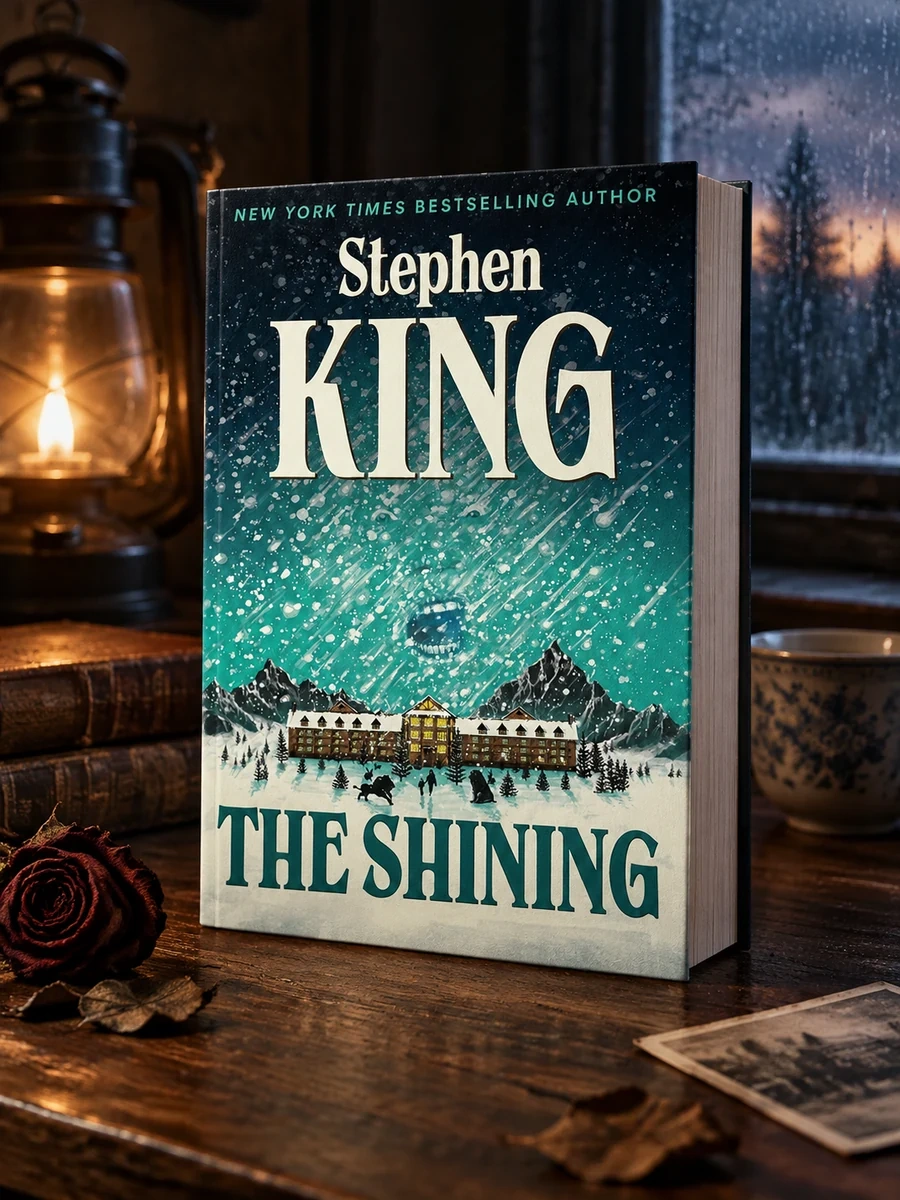
1. The Shining — Stephen King
Another King work built on psychological unraveling, though this one adds supernatural elements. Both novels feature protagonists battling internal demons while external threats close in.
2. Gerald's Game — Stephen King
A character-driven thriller where the real horror emerges from isolation and trauma rather than external monsters. Like Mr. Mercedes, it trusts the reader to find terror in psychological complexity.
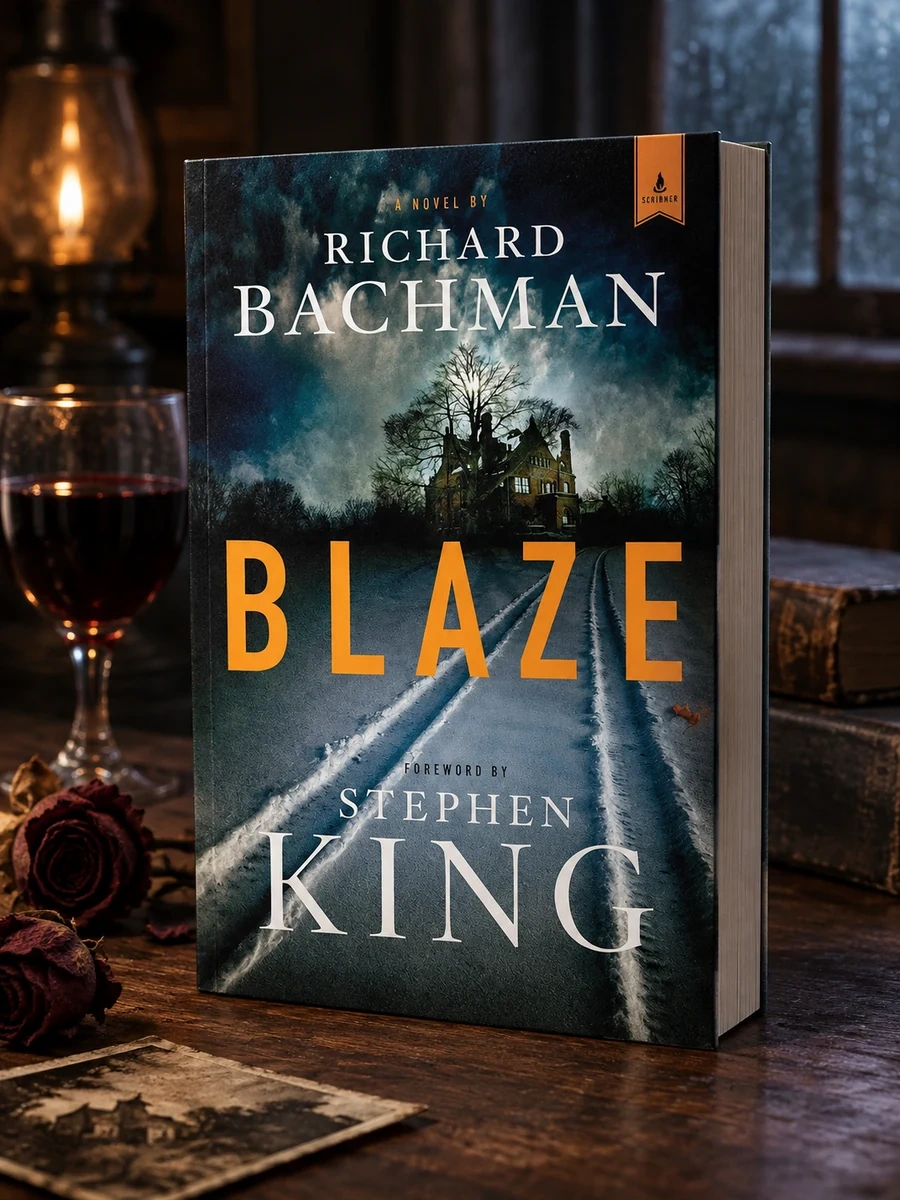
3. Blaze — Stephen King
King's gritty crime fiction about a career criminal planning one last job. It shares Mr. Mercedes' commitment to raw, non-supernatural prose and morally complicated characters.
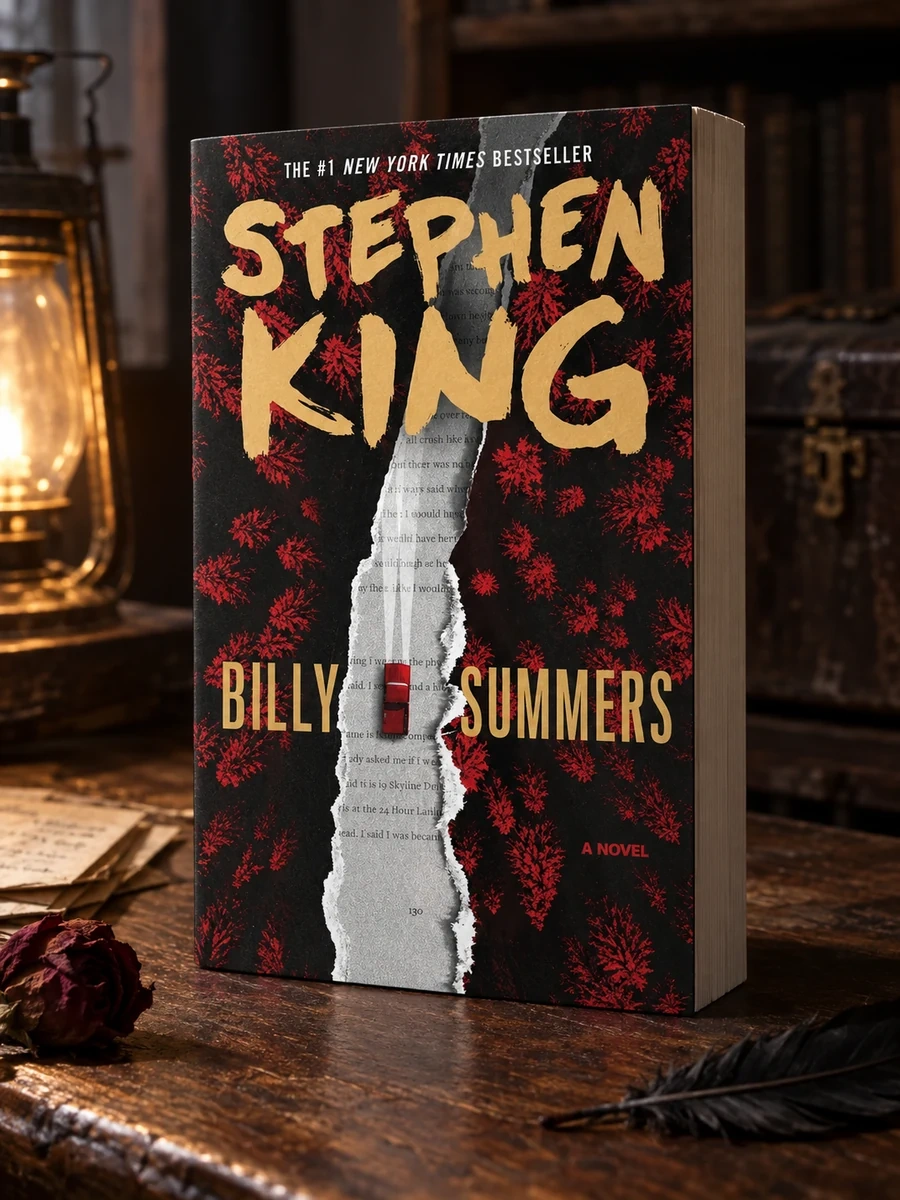
4. Billy Summers — Stephen King
A character study wrapped in a crime thriller, featuring a protagonist with a past and a present that won't leave him alone. Both novels prioritize character depth over plot spectacle.
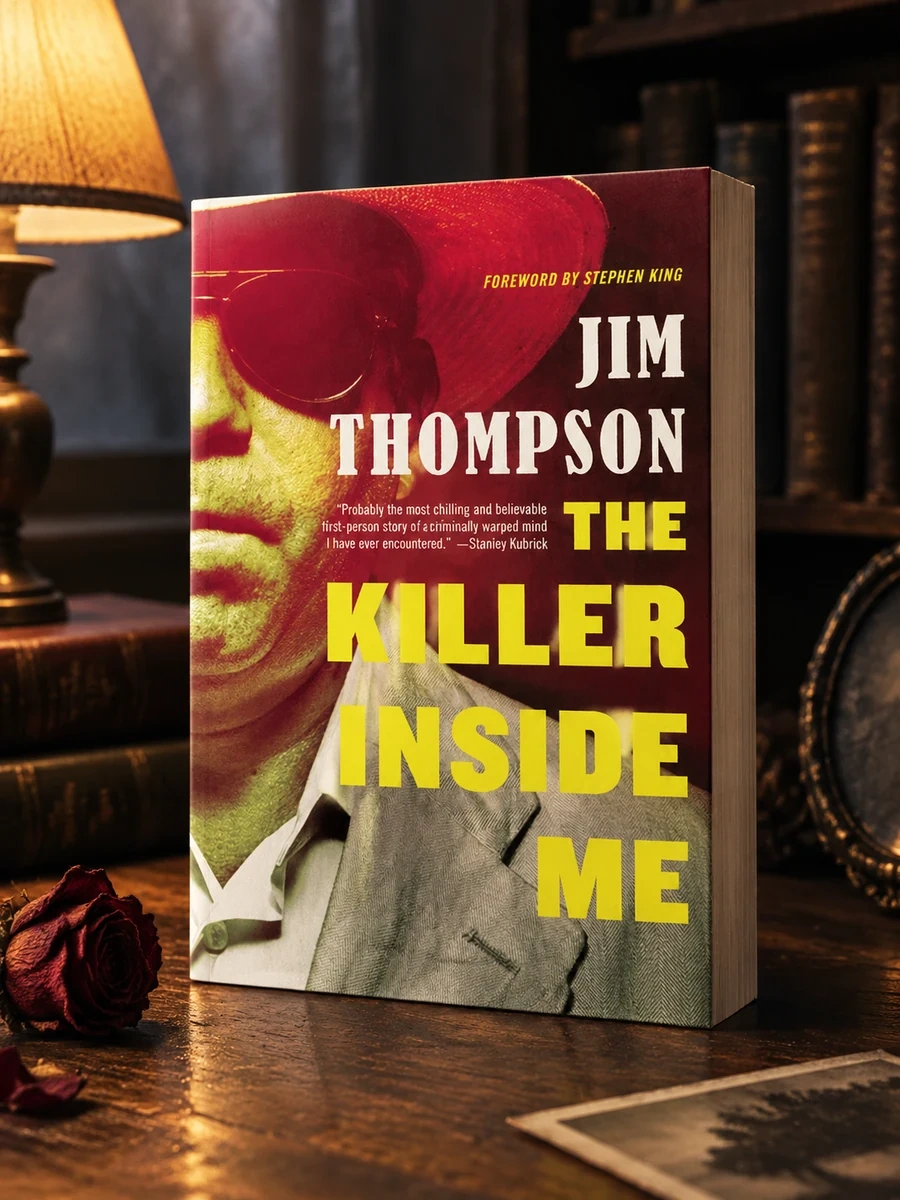
5. The Killer Inside Me — Stephen King
An exploration of psychological unease and the noir tradition. It shares Mr. Mercedes' interest in the interior lives of morally compromised characters.
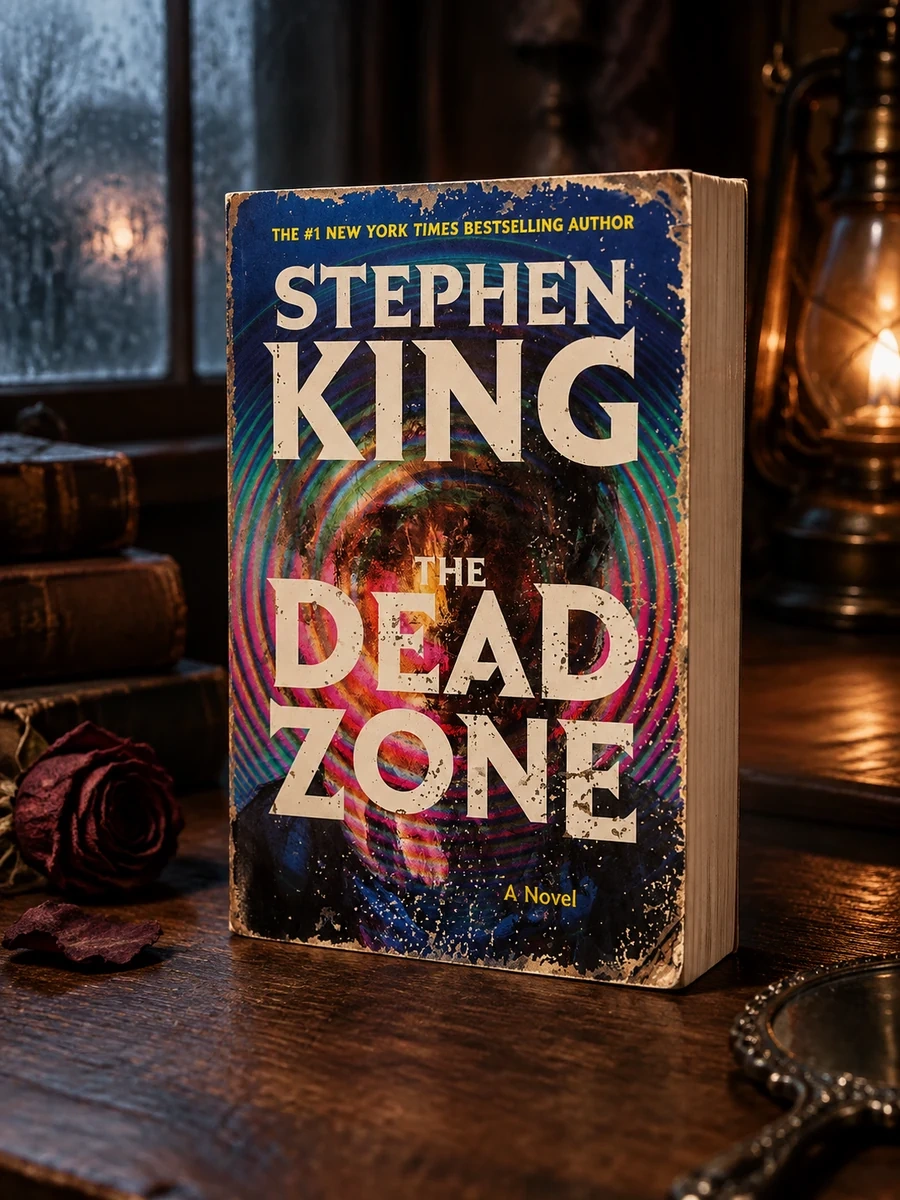
6. The Dead Zone — Stephen King
A thriller about a man with extraordinary abilities trying to prevent a catastrophe. Like Mr. Mercedes, it builds tension through the race against time and the psychological toll of obsession.
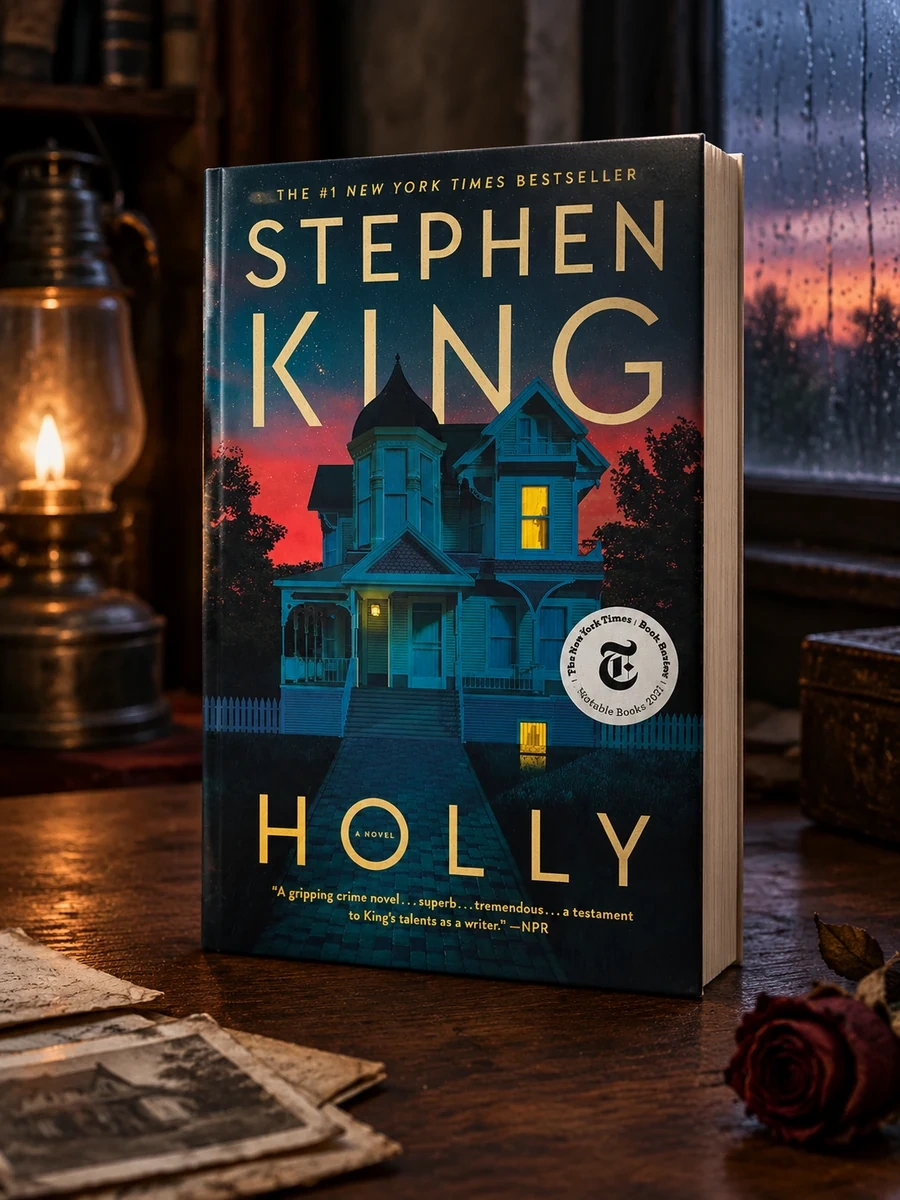
7. Holly — Stephen King
A psychological thriller featuring King's suburban gothic atmosphere and character-driven suspense. Both works prioritize psychological depth over supernatural elements.
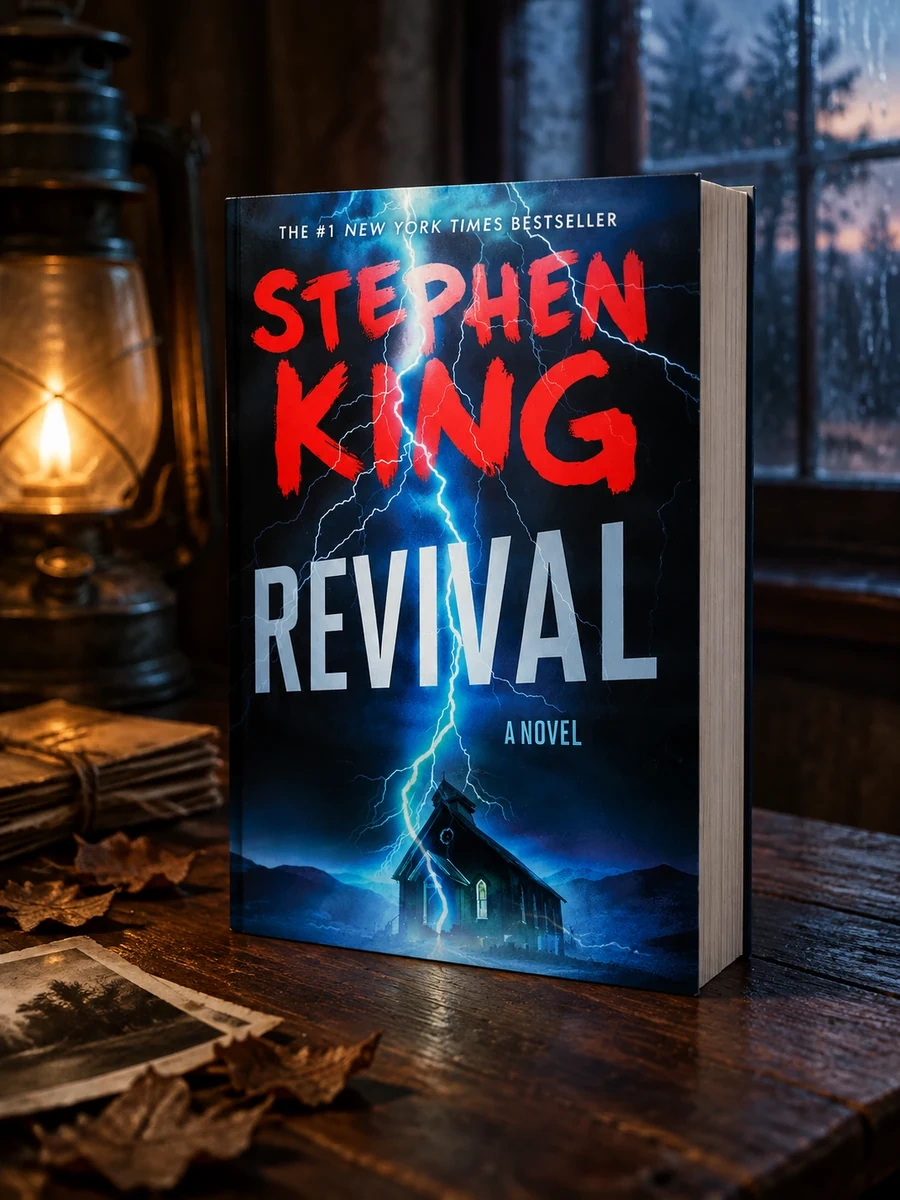
8. Revival — Stephen King
A character study that builds psychological dread through intricate relationships and moral complexity. Like Mr. Mercedes, it examines obsession and its consequences across time.