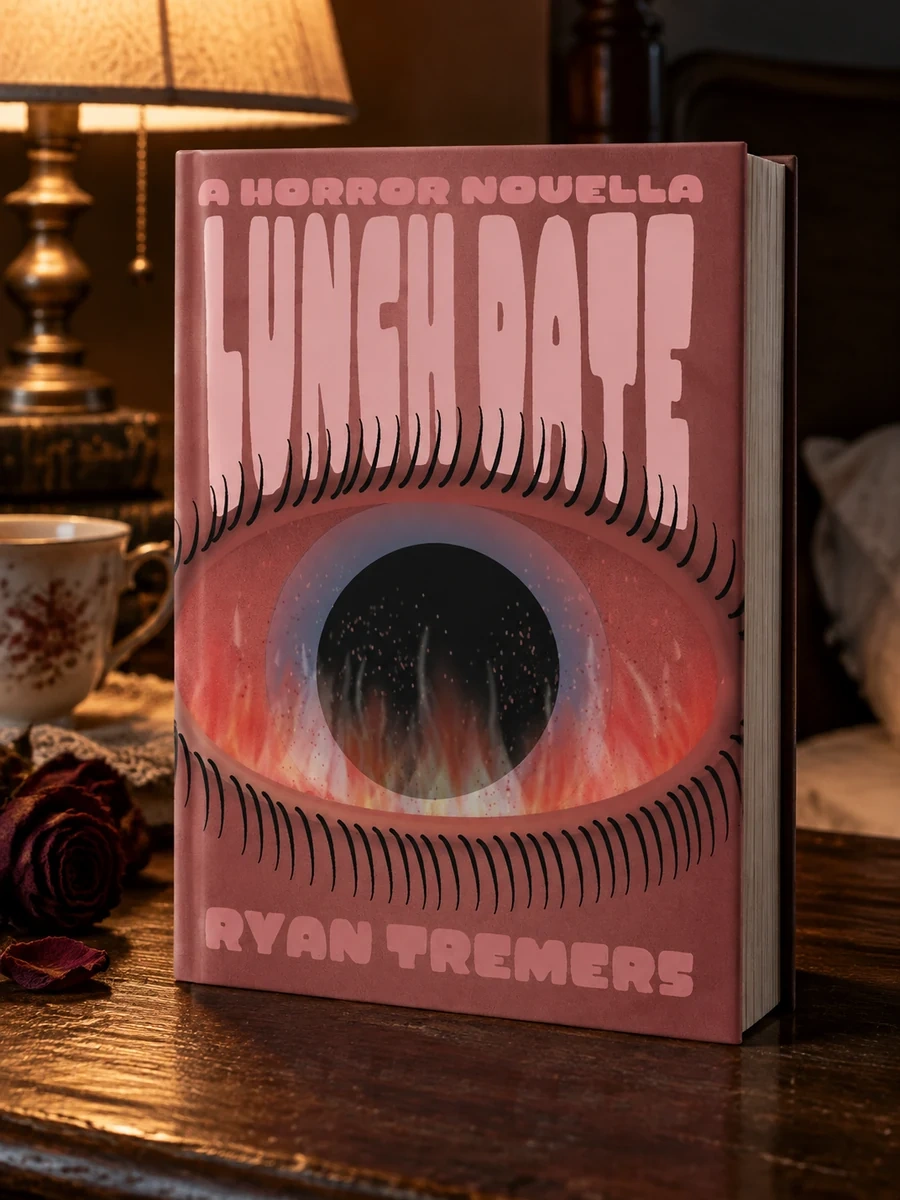
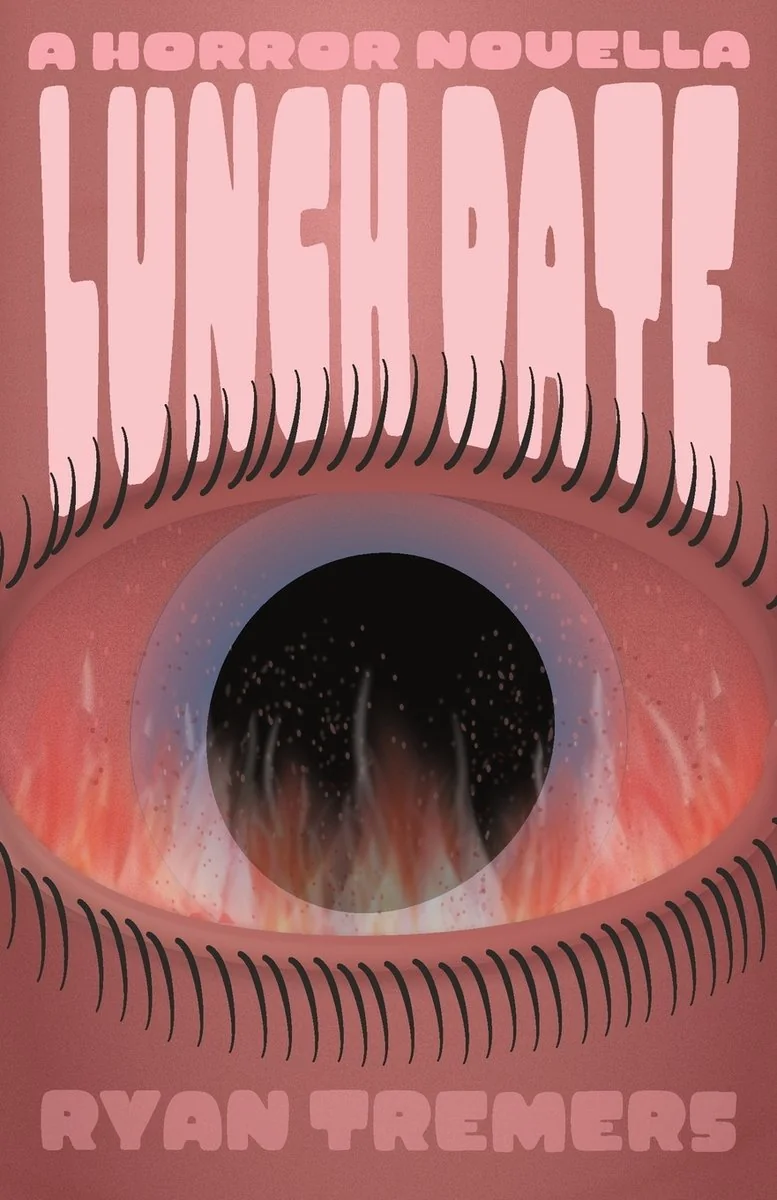
Lunch Date: A Horror Novella
A satanic ritual turns a couple's financial despair into a bloody nightmare.
The narrative follows Ben and Anna as they attempt to solve their economic problems through occult means. Their situation involves caring for Anna’s mother while managing debt and a new baby. The setting shifts from their daily struggles to a supernatural crisis in a Canberra farmhouse. Tremers uses this framework to explore how desperation can lead to extreme actions. The story does not shy away from the grotesque, mixing comedy with horror elements. It asks whether the couple achieves their goals despite the terrifying consequences of their choices.
This novella is set in Australia near Canberra, featuring an Australian couple dealing with local economic pressures. Published in 2025 by Ryan Tremers, it reflects contemporary anxieties about debt and family care within the horror genre.


📝 Description: Lunch Date: A Horror Novella
💎 Our verdict on Lunch Date: A Horror Novella
📖 Why choose it
Why this book is worth reading
Readers seeking a unique blend of domestic stress and macabre ritual will find this novella compelling. It appeals to those who enjoy gore and supernatural fiction, particularly fans of dark humor mixed with visceral horror. The story examines how desperation leads to extreme actions, offering a harrowing look at sacrifice and the occult. Those tired of traditional ghost stories may appreciate its intense tone and grotesque elements. It is ideal for readers interested in how familial perceptions and bloody ambitions intersect. The narrative provides a bizarre journey through economic problems solved through occult means. Fans of Australian horror or satanic thriller subgenres will find much to engage with here. It offers a fresh perspective on the cost of escaping financial ruin.
⭐ Reader reviews
Reader rating
Tremers crafts a darkly comedic horror novella that effectively merges mundane domestic struggles with supernatural terror. The narrative’s strength lies in its exploration of desperation, using satanic ritual as a metaphor for economic anxiety. By placing Ben and Anna’s plight in a Canberra farmhouse, the book grounds its grotesque elements in relatable reality. The blend of comedy and horror creates a tense, engaging atmosphere that avoids being purely gratuitous. While it offers a harrowing look at sacrifice, its tone may be too intense for those seeking lighthearted entertainment. The work succeeds in presenting a unique intersection of family burden and macabre ambition. It is best suited for readers who appreciate visceral body horror and dark humor. The novella challenges conventional boundaries between financial despair and supernatural crisis.