Every October, readers search for witch stories. But most results land on the same tired ground: Salem trials, spell-casting primers, or cozy magical mysteries. That's not what horror readers want. You're looking for witches as protagonists of genuine terror—characters whose power, knowledge, or very existence generates dread rather than comfort. You want cosmic horror that treats witchcraft as a doorway to incomprehensible forces. You want psychological horror where a witch's mind becomes the haunted house. You want dark fantasy where witchcraft operates under brutal, unforgiving rules.
The 12 books below move past the surface. They're drawn from our catalog of serious horror fiction—gothic, cosmic, supernatural, and psychological—and each one treats witches not as side characters or magical helpers, but as the engine of the story's terror. Whether you're returning to horror after years away or you read every October release, these selections offer something beyond the expected.
Cosmic Horror: Witches and the Unknowable
Cosmic horror strips away human scale. It asks: what if a witch's power comes from contact with forces that should remain hidden? These books answer that question with dread.
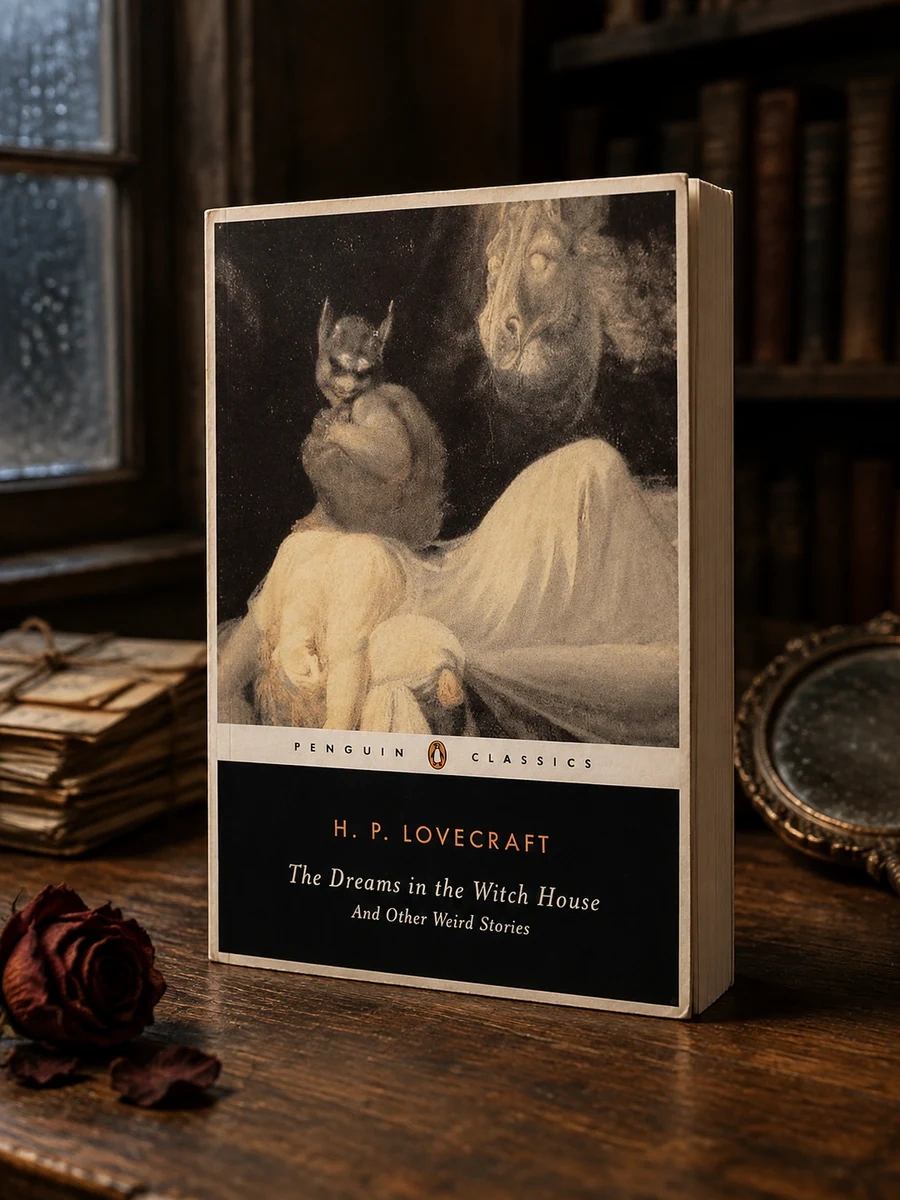
1. The Dreams in the Witch House: And Other Weird Stories — H.P. Lovecraft
The Dreams in the Witch House is the anchor text for cosmic witch horror. Lovecraft's protagonist rents a room in a crooked colonial house and discovers the previous tenant was a witch—one whose dreams bled into waking reality and whose knowledge of forbidden geometry still haunts the space. The story treats witchcraft not as magic but as a language for describing contact with other dimensions. The witch herself is long dead, but her influence persists as an architectural and psychological wound. This is essential reading if you want to understand how cosmic horror and witchcraft intersect.
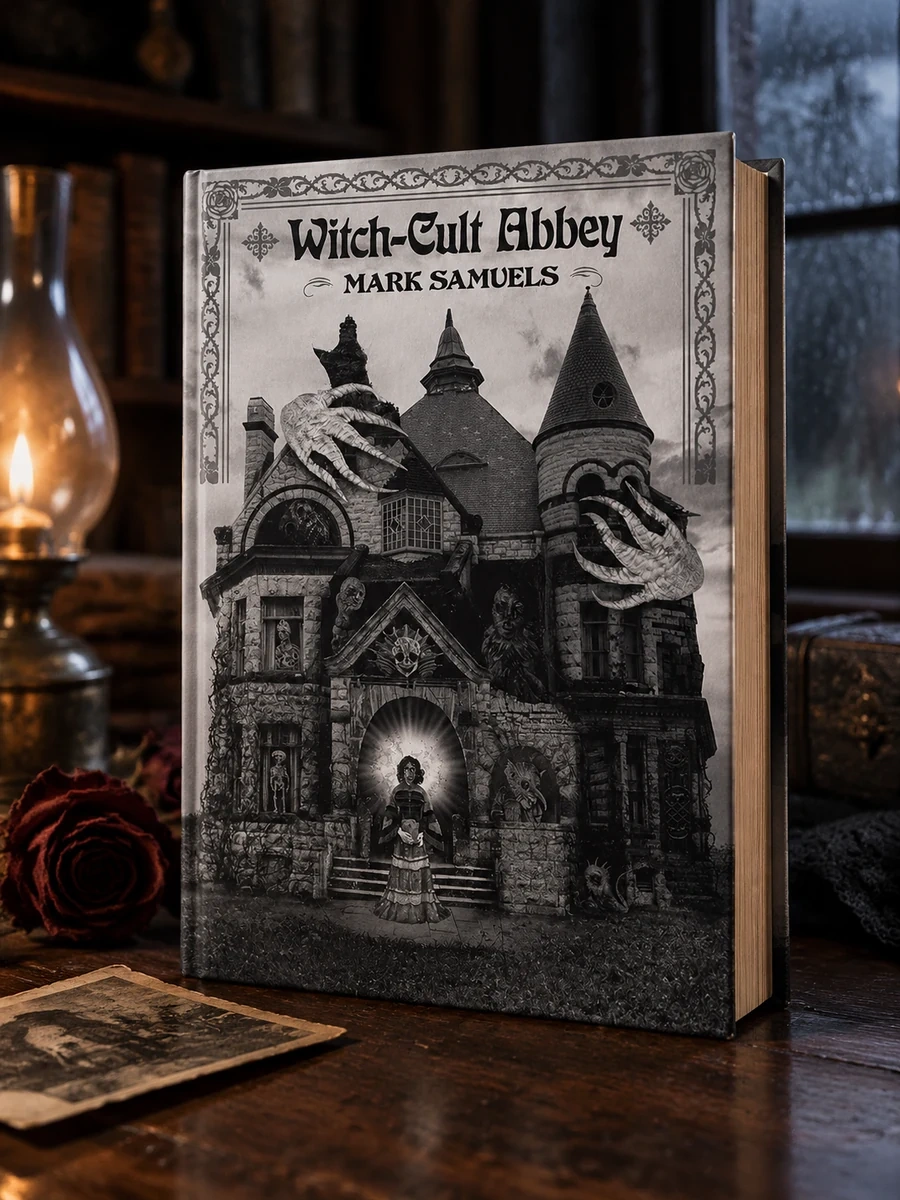
2. Witch-Cult Abbey — Mark Samuels
Witch-Cult Abbey is a shorter work that captures cosmic dread in concentrated form. Samuels builds an atmosphere of occult conspiracy and reality distortion around a witch-cult operating in a decaying English abbey. The horror comes not from jump-scares but from the slow realization that the witches' understanding of reality is fundamentally different from—and possibly superior to—the protagonist's. It's a book that rewards rereading.
Gothic Witches: Power, Revenge, and Atmosphere
Gothic horror loves witches. There's something about the form—the decaying estates, the family curses, the woman with forbidden knowledge—that suits the genre perfectly. These books use gothic architecture and atmosphere to frame witchcraft as both seductive and destructive.
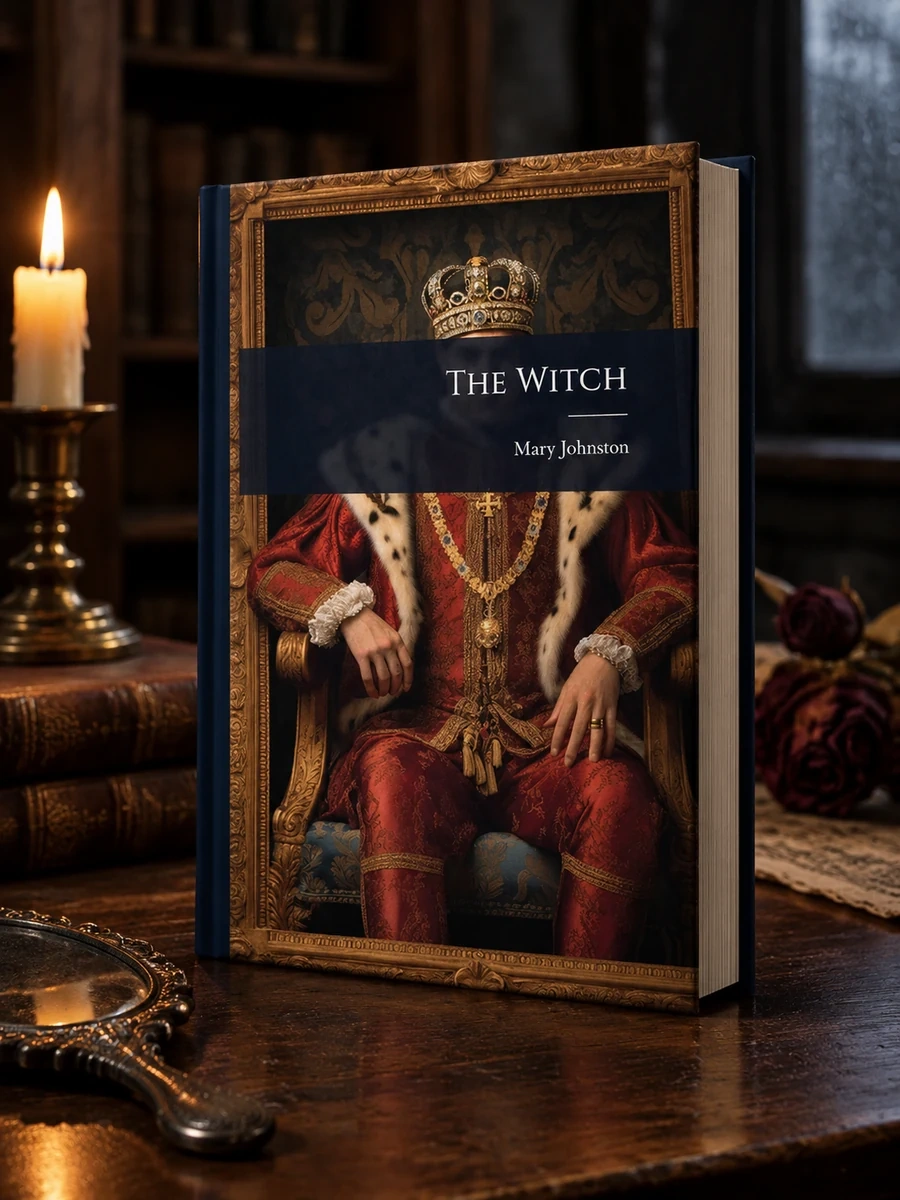
3. The Witch — Mary Johnston
The Witch is a historical gothic novel that treats witchcraft as a woman's response to powerlessness. Johnston's protagonist is caught between accusation and agency, between victim and practitioner. The novel is dense and atmospheric, set in a world where witchcraft is both real and weaponized by those in power. It's a longer read—under $40—but it rewards patience with a portrait of witchcraft as survival and resistance.
4. The Witch in the Well — Camilla Bruce
The Witch in the Well is a contemporary gothic novel that opens with a simple premise: a witch has been imprisoned in a well for decades, and her revenge reaches across generations. Bruce builds psychological horror through the witch's perspective—her rage, her patience, her knowledge of the family that wronged her. The title is literal and haunting. This is gothic horror that understands that the scariest witch is one with a legitimate grievance and the power to act on it.
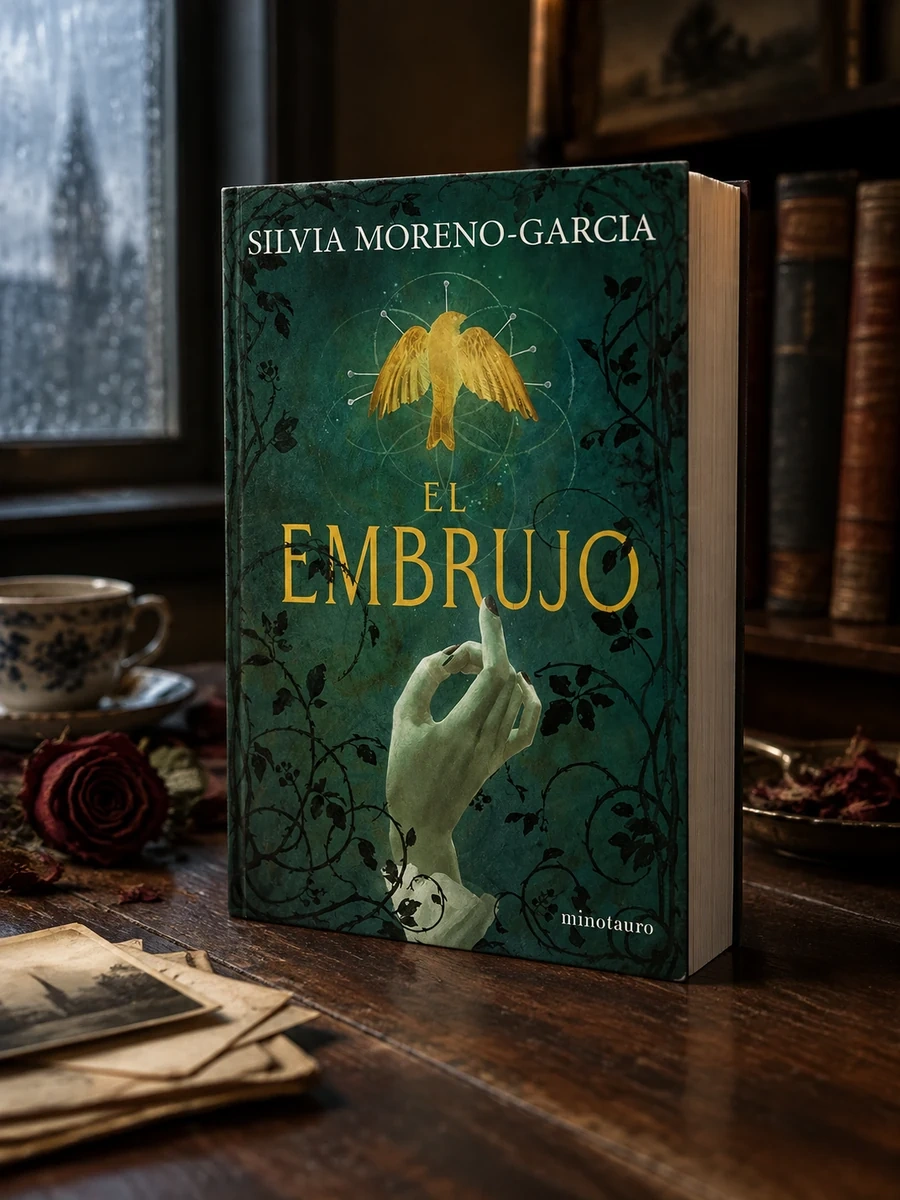
5. El Embrujo: Novela de Terror / The Bewitching: A Horror Novel — Silvia Moreno-Garcia
El Embrujo (also published as The Bewitching) is a gothic horror novel rooted in Mexican tradition and atmosphere. Moreno-Garcia's witchcraft is tied to landscape, family, and the supernatural weight of history. The novel moves between time periods, revealing how witchcraft functions as both curse and inheritance. It's gothic in the truest sense: atmospheric, generational, and deeply rooted in place.
Psychological Horror: The Witch's Mind as Haunted House
Some of the most effective witch horror happens entirely in the mind. These books use witchcraft as a lens for exploring obsession, madness, institutional control, and the fragmentation of self.
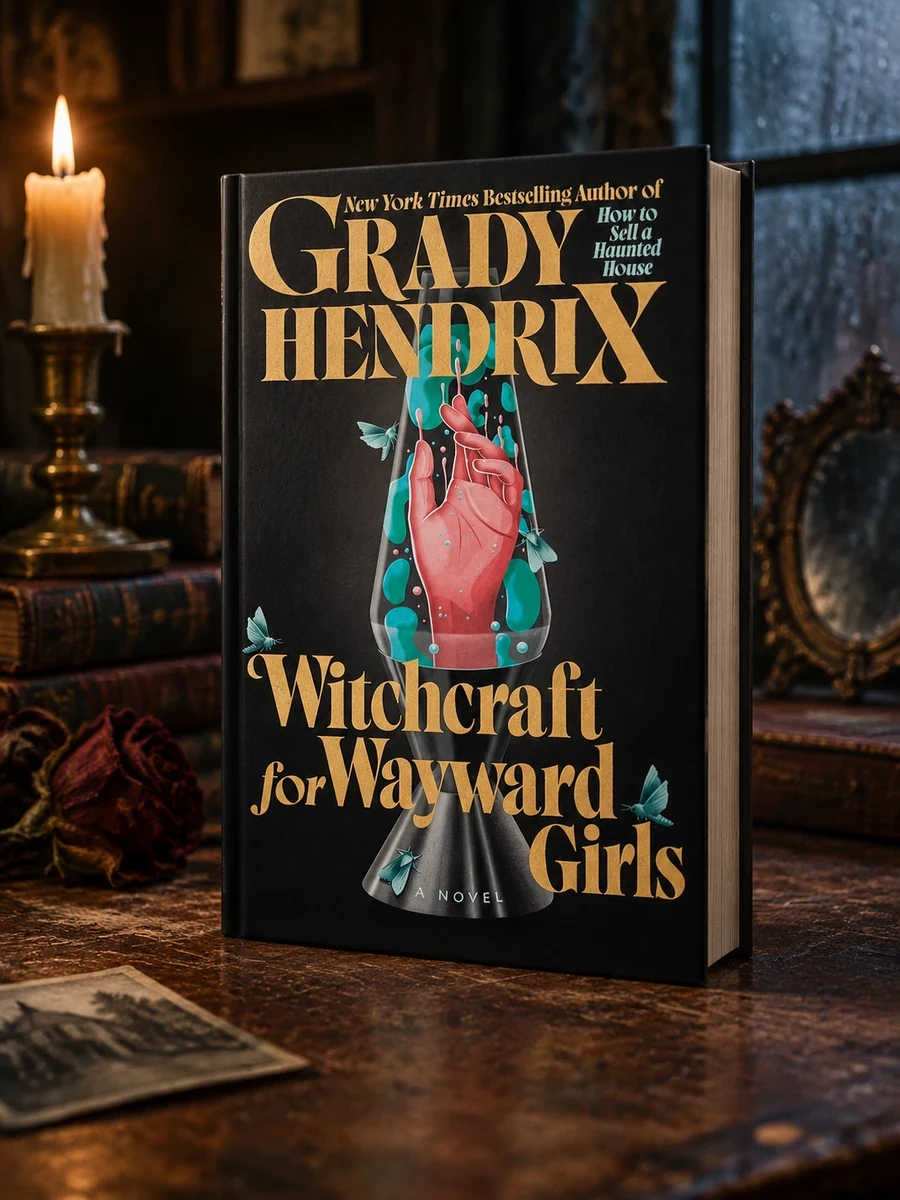
6. Witchcraft for Wayward Girls — Grady Hendrix
Witchcraft for Wayward Girls is set in a reform school where girls are punished for deviation—sexual, social, or intellectual. Hendrix frames witchcraft as both a real practice and a metaphor for female resistance to institutional control. The horror is psychological and systemic: what happens when girls with power are locked away? The novel combines historical detail with genuine dread, and it's one of the few witch books that treats witchcraft as a feminist act without softening the horror.
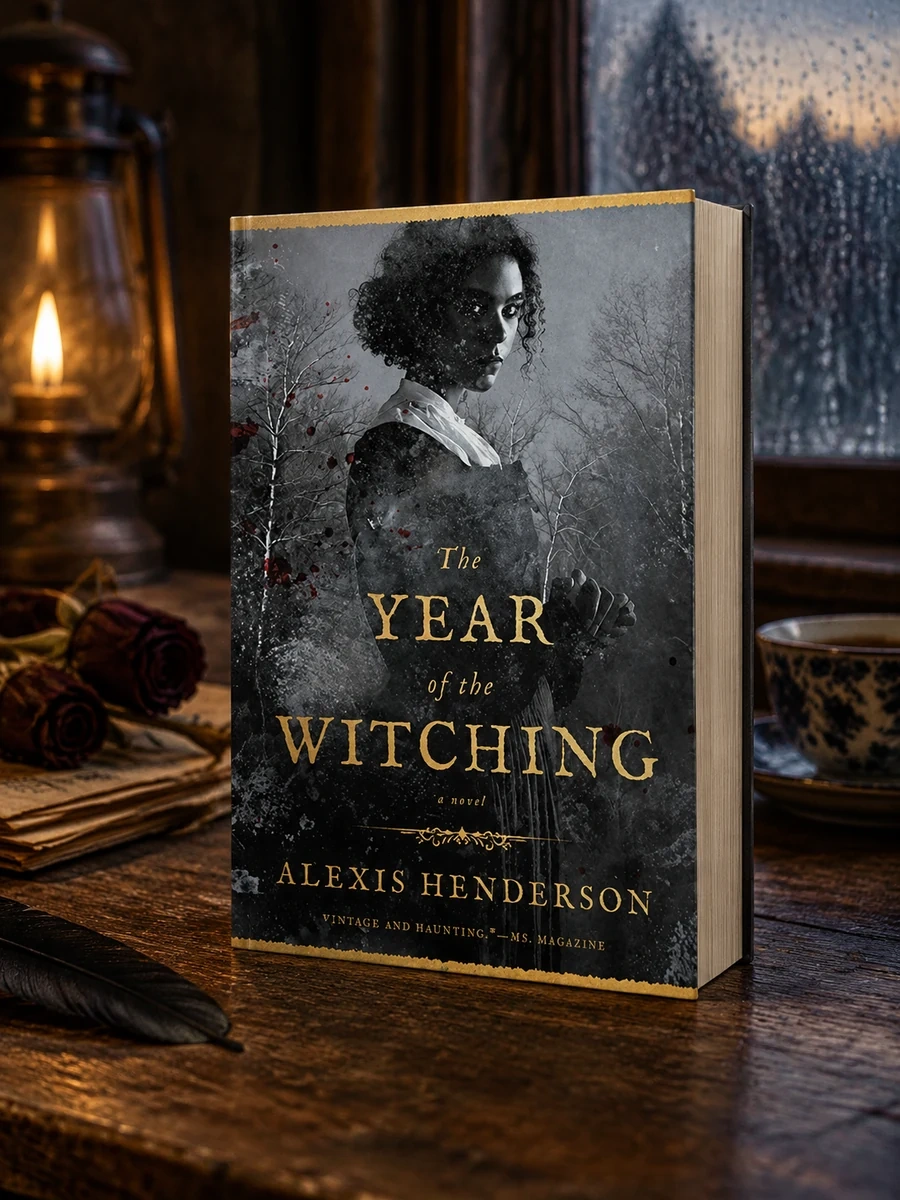
7. The Year of the Witching — Alexis Henderson
The Year of the Witching is dark fantasy built on psychological horror. Henderson creates a theocratic society that hunts witches, and her protagonist is caught between obedience and awakening. The witches in this novel are not villains—they're survivors and rebels—but the society's fear of them generates the story's terror. It's a book about how institutions manufacture horror to maintain control, and how witchcraft becomes both threat and salvation.
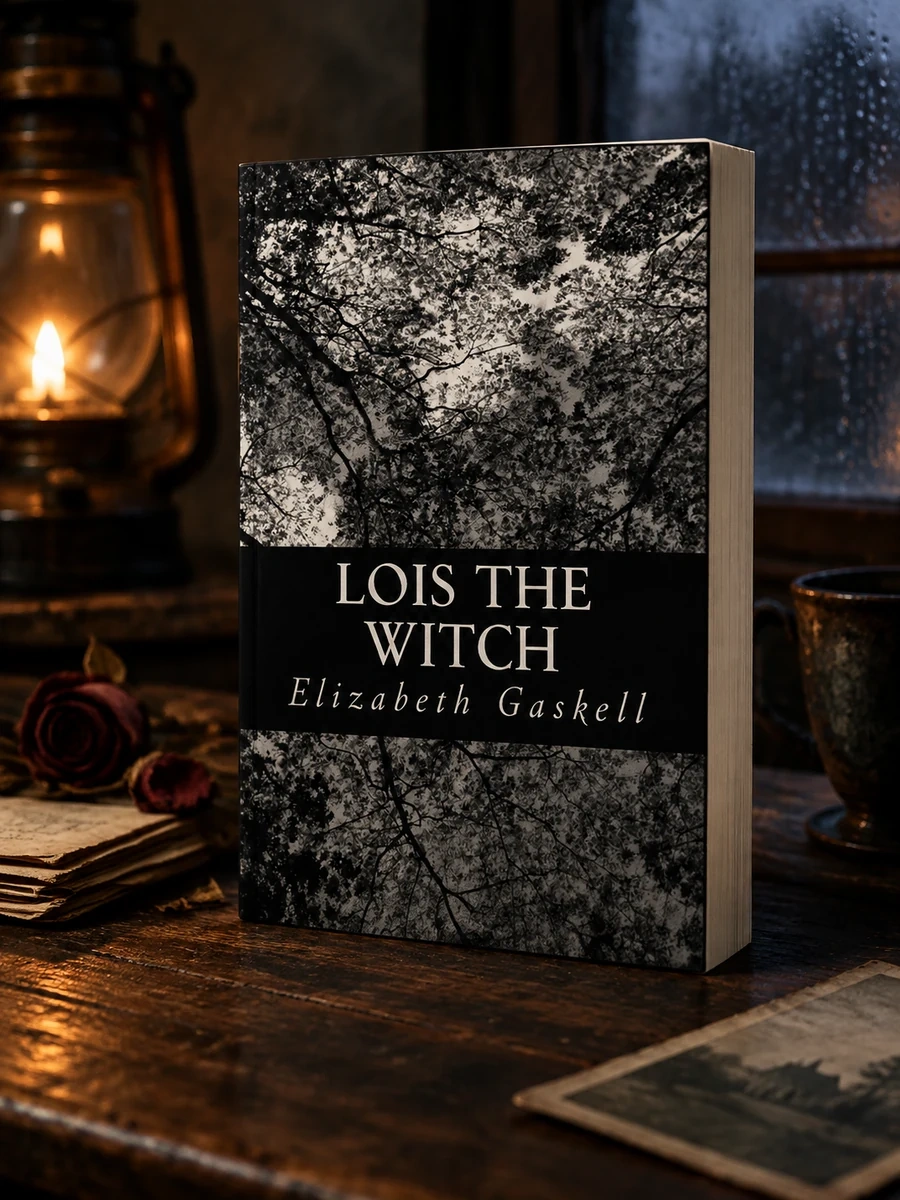
8. Lois the Witch — Elizabeth Cleghorn Gaskell
Lois the Witch is a 19th-century novella that captures the psychological horror of witch-trial hysteria. Gaskell's protagonist is an innocent woman caught in a community gripped by fear and accusation. The horror is not supernatural—it's the horror of being powerless against collective delusion. It's a short read (under $15) that remains one of the most psychologically acute explorations of what witchcraft accusations do to a community.
Dark Fantasy & Supernatural Horror: Witches Unchained
These books treat witchcraft as a real, functional system of power operating in worlds with their own rules. The horror comes from what witches can actually do, and what they're willing to do.
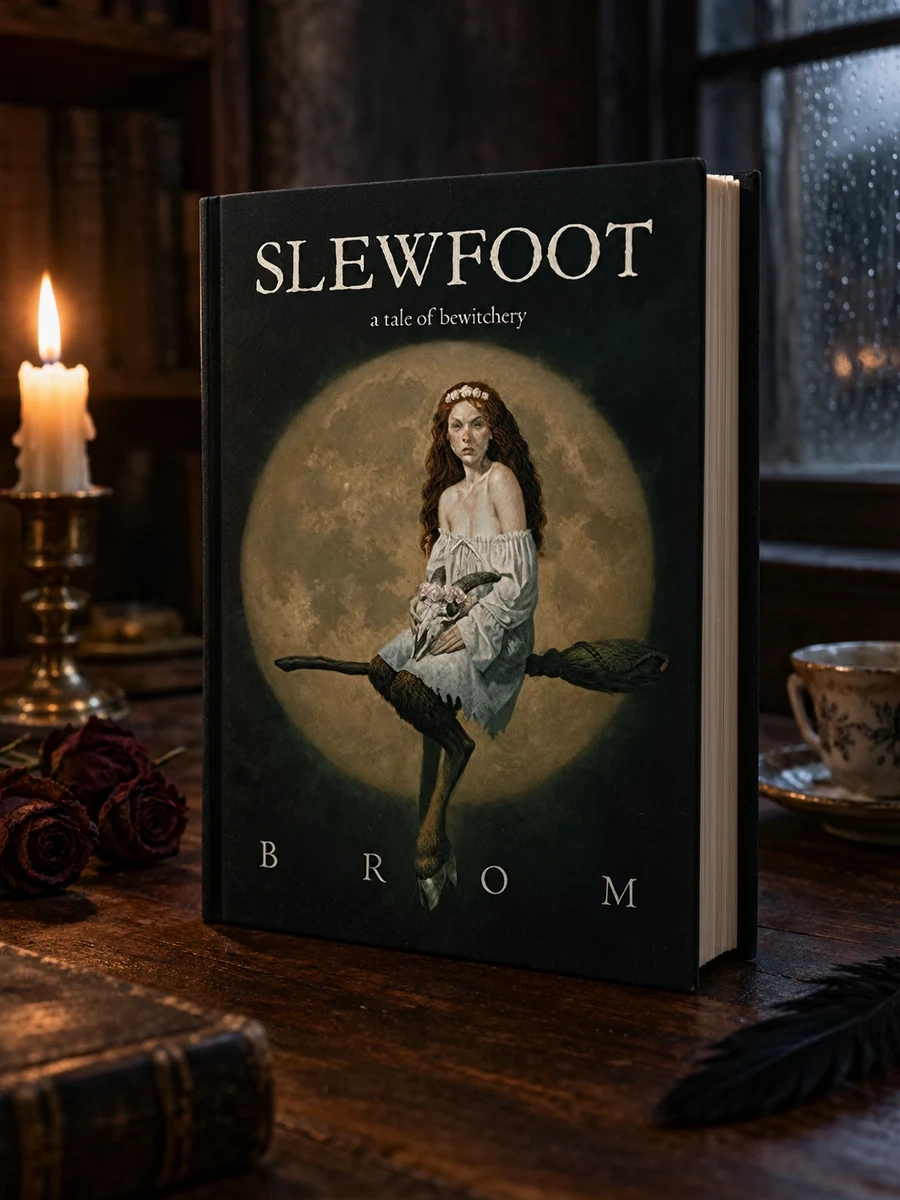
9. Slewfoot: A Tale of Bewitchery — Brom
Slewfoot is a dark fantasy novel set in colonial Connecticut that blends witchcraft, indigenous spirituality, and genuine horror. Brom's witch is powerful and sympathetic, but her power comes with a price—and that price is paid in blood and suffering. The novel is gorgeously illustrated and densely atmospheric. It's a longer investment (under $35), but it's one of the most visually and narratively ambitious witch horror books in print.
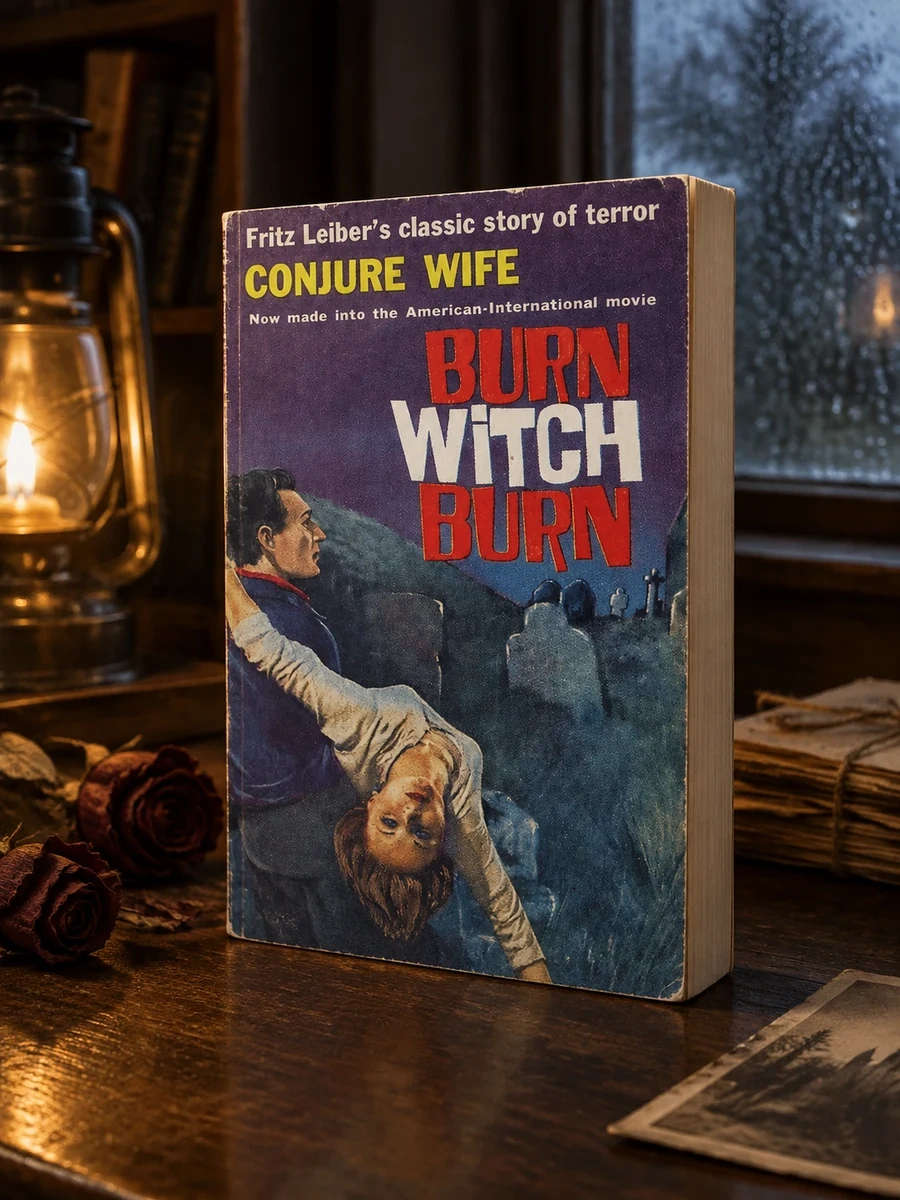
10. Conjure Wife — Fritz Leiber
Conjure Wife is a novella (under $10) that treats witchcraft as a hidden system of power operating beneath everyday life. Leiber's premise is simple: all women are witches, and they use magic to protect their families and advance their interests. When a man discovers this truth, the horror unfolds. It's a book that's both darkly funny and genuinely unsettling, and it's short enough to read in one sitting.
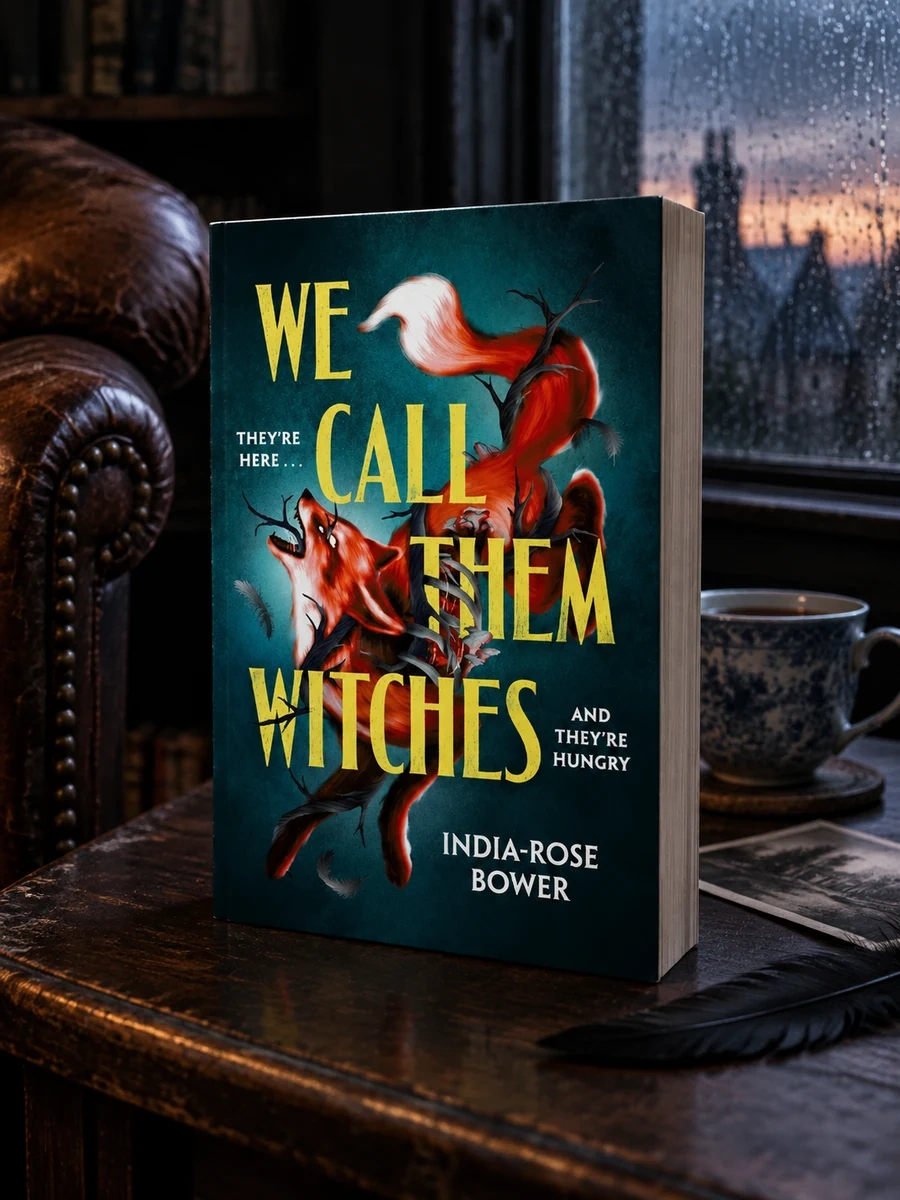
11. We Call Them Witches — India-Rose Bower
We Call Them Witches is a supernatural horror novel that treats witchcraft as a real, present threat. Bower's witches are not misunderstood or sympathetic—they're dangerous, and the novel doesn't ask you to root for them. It's a straightforward horror story that respects the reader's intelligence and doesn't waste time on moral ambiguity.
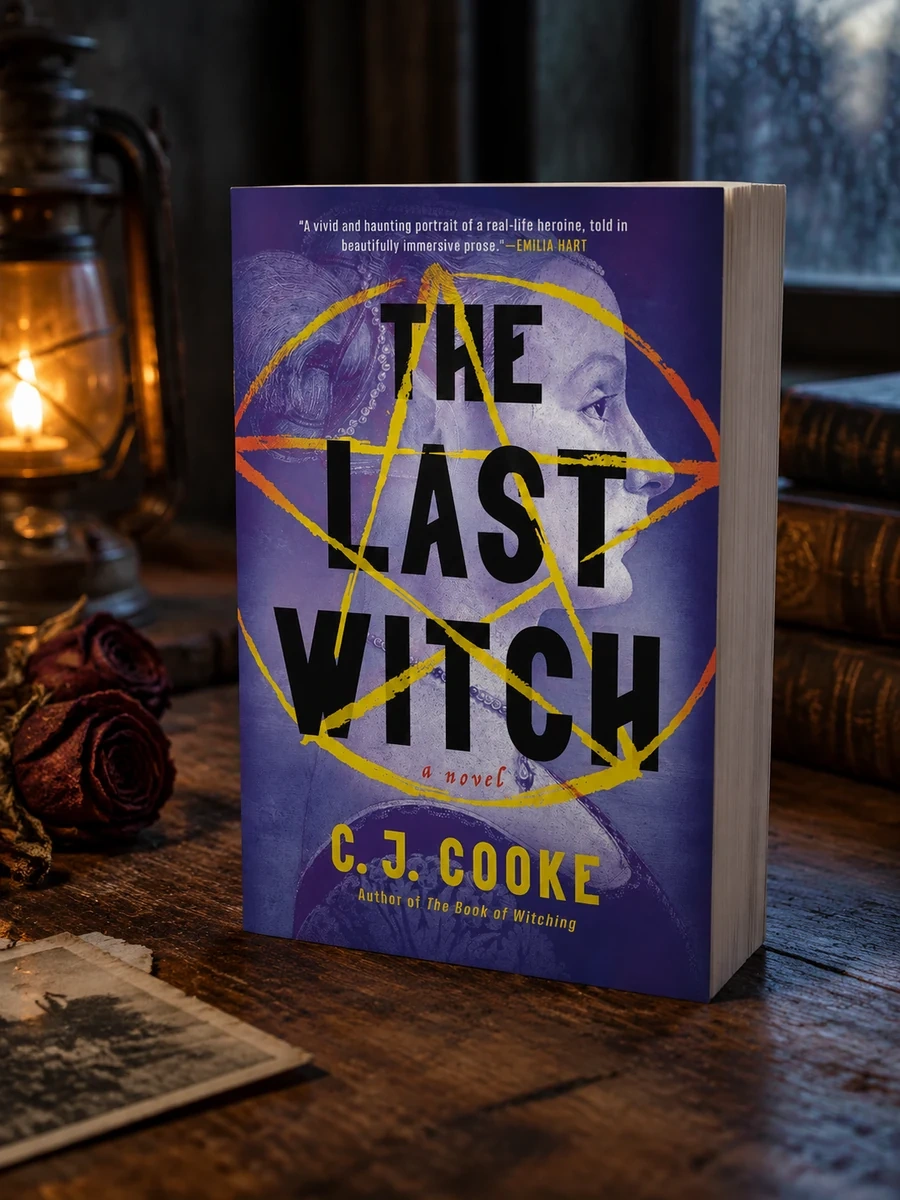
12. The Last Witch — C.J. Cooke
The Last Witch is a supernatural horror novel that spans centuries and asks: what if witchcraft is real, and what if there's only one left? Cooke builds a mythology of witchcraft that feels lived-in and dangerous. The novel moves between time periods and perspectives, revealing how witchcraft has shaped history and how one witch's survival threatens everything.
How to Choose Your October Witch Books
If you want to start with cosmic dread and the unknowable, begin with The Dreams in the Witch House. It's foundational and short enough to read before the month is out.
If you want gothic atmosphere and historical depth, The Witch by Mary Johnston or El Embrujo by Moreno-Garcia will give you that. Both are immersive and reward slow reading.
If you want psychological horror that critiques institutions and power, Witchcraft for Wayward Girls and The Year of the Witching are your picks. They're contemporary in voice but rooted in historical terror.
If you want dark fantasy where witches operate under their own rules, Slewfoot is the most ambitious choice, and Conjure Wife is the most efficient—a complete mythology in under 200 pages.
October is short. Pick two or three from different sections, and you'll have a month of genuine witch horror—the kind that stays with you after the season ends.