When people ask what the scariest book ever written is, there's rarely a simple answer. Fear is personal. What haunts one reader might leave another unmoved. But certain books have earned their reputation through sheer staying power—they've terrified generations of readers, and their power hasn't faded with time.
The scariest books aren't always the goriest. In fact, the most effective horror often works through suggestion, atmosphere, and psychological unraveling rather than explicit violence. A creaking floorboard in an empty house. A letter that arrives too late. The slow realization that something is fundamentally wrong with reality itself. These are the tools of genuine terror.
If you're looking to experience real fear through literature, these 12 books represent the gold standard—the ones that have genuinely frightened readers and continue to do so today.
Psychological Horror That Gets Inside Your Head
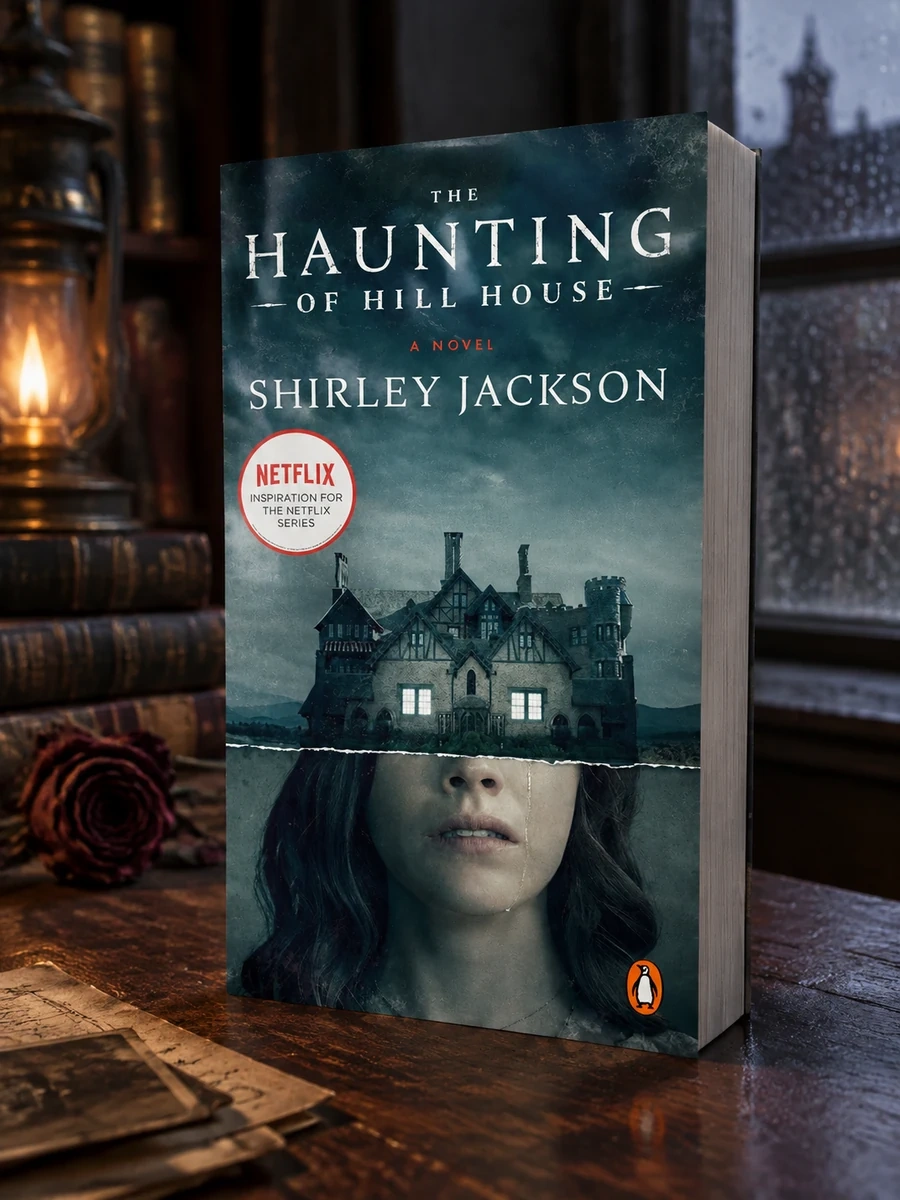
1. The Haunting of Hill House — Shirley Jackson
The Haunting of Hill House is a masterclass in psychological dread. Jackson doesn't rely on monsters or gore; instead, she creates an atmosphere of creeping wrongness that builds with each page. The house itself becomes a character—not overtly malevolent, but subtly hostile to the fragile psyche of Eleanor Vance, the protagonist. The horror comes from watching Eleanor's grip on reality loosen as the house works on her vulnerabilities. Jackson's prose is precise and unsettling, making the mundane (a cold hallway, a locked door) feel genuinely threatening. This is slow-burn terror that lingers long after you finish reading.
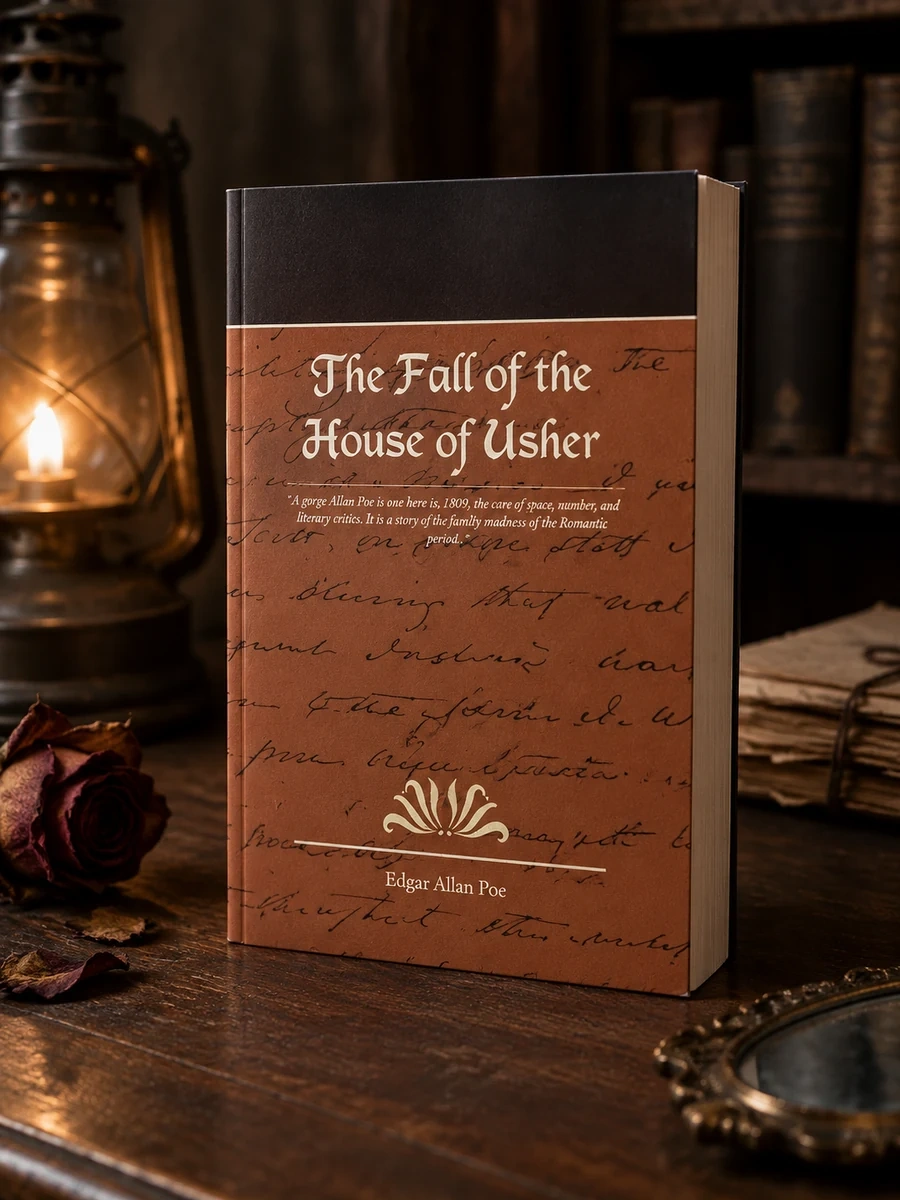
2. The Fall of the House of Usher — Edgar Allan Poe
Poe's The Fall of the House of Usher is perhaps the definitive American gothic tale. A narrator visits his childhood friend Roderick Usher at a decaying mansion and finds him in a state of psychological collapse. The story works through atmosphere and implication—the house is dying, Roderick is dying, and his sister may not be dead at all. Poe's language is deliberately ornate and suffocating, mirroring the claustrophobia of the narrative. The ending is ambiguous in a way that makes it even more disturbing. This story has influenced horror writers for nearly two centuries, and it remains genuinely unsettling.
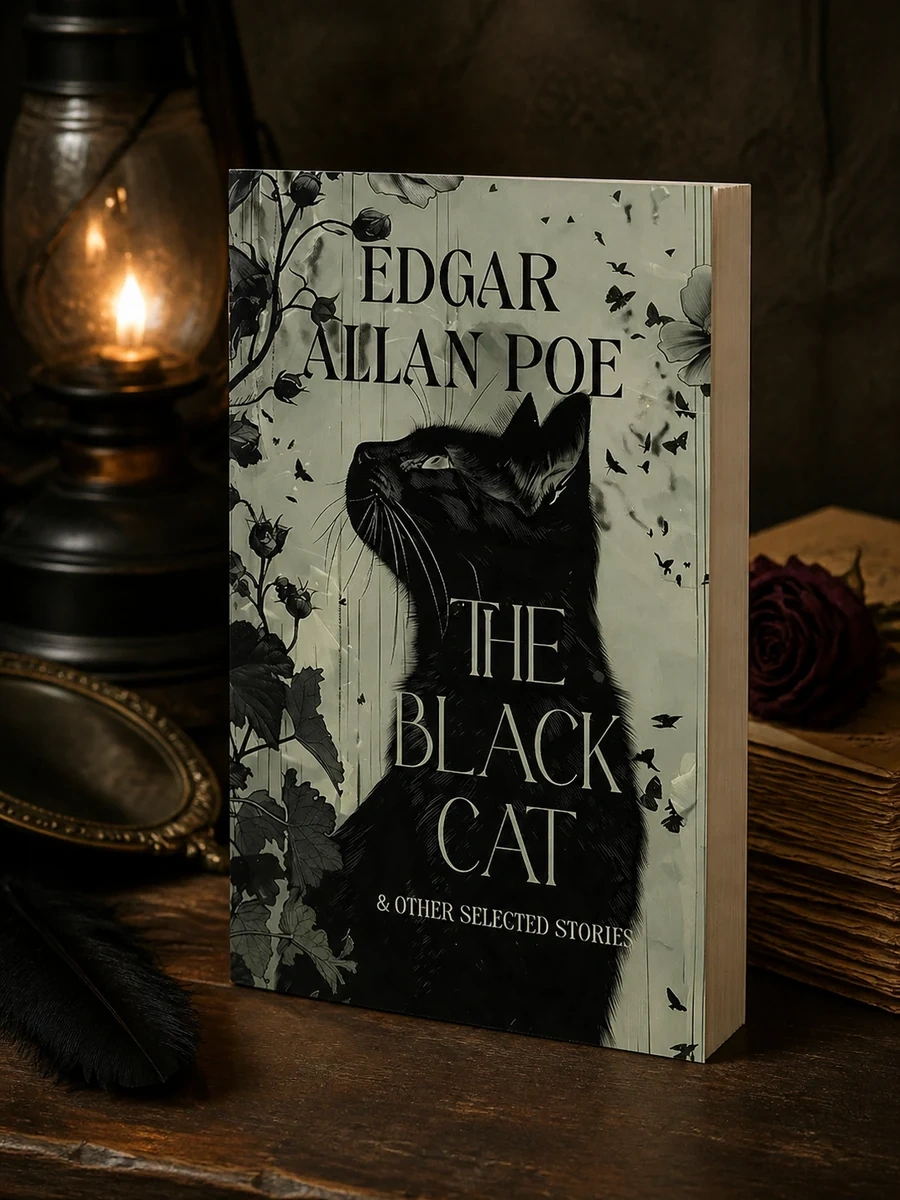
3. The Black Cat & Other Selected Stories — Edgar Allan Poe
The Black Cat & Other Selected Stories collects some of Poe's most psychologically intense work. "The Black Cat" itself is a descent into madness told by an unreliable narrator—a man who commits acts of cruelty he can barely comprehend, haunted by guilt and something that might be supernatural. The collection includes other tales of obsession, guilt, and psychological unraveling. Poe's genius is in making you uncomfortable without relying on explicit horror—the terror is internal, psychological, and deeply human.
Cosmic Horror and Existential Dread
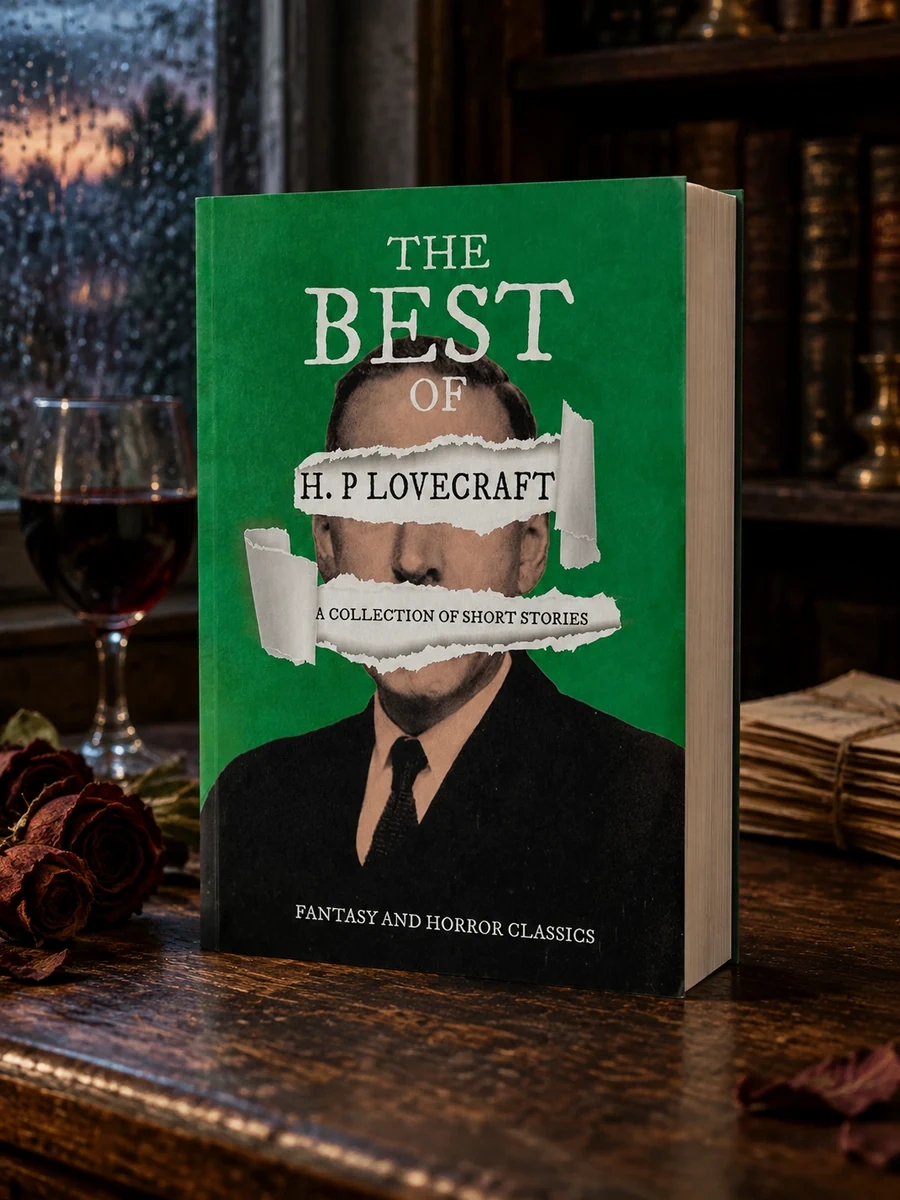
4. The Best of H. P. Lovecraft — H. P. Lovecraft
The Best of H. P. Lovecraft introduces readers to cosmic horror—the idea that humanity is insignificant in a vast, uncaring universe populated by ancient, incomprehensible entities. Lovecraft's stories often feature protagonists who stumble upon forbidden knowledge and are destroyed by it, either physically or mentally. The horror comes from the realization that the universe is fundamentally hostile to human understanding and sanity. Stories like "The Call of Cthulhu" and "The Shadow out of Time" create a sense of existential dread that's hard to shake. This collection is essential for understanding modern horror.
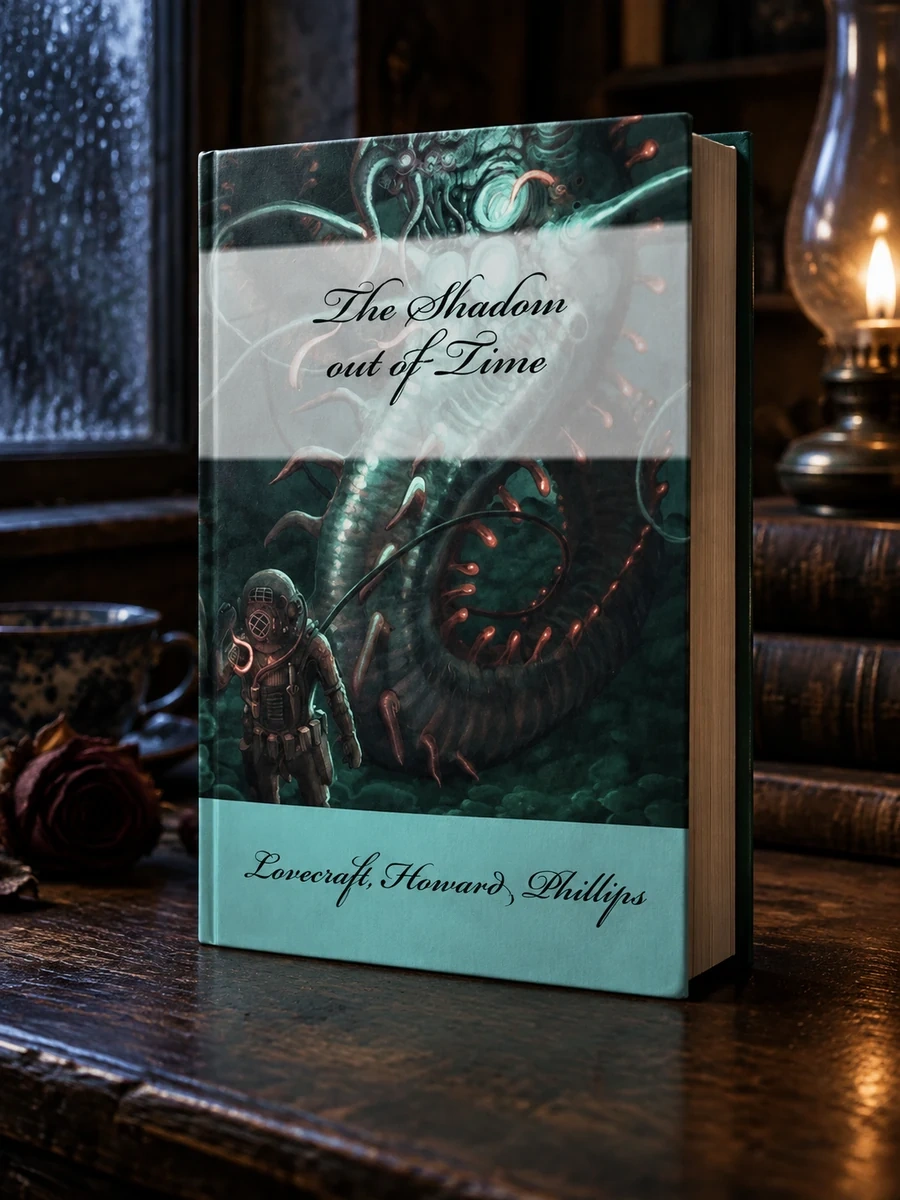
5. The Shadow out of Time — H. P. Lovecraft
The Shadow out of Time is one of Lovecraft's longest and most ambitious works. A man loses years of his life, only to discover that his consciousness was displaced into the body of an alien being in the distant past. The horror builds slowly as he pieces together what happened to him and realizes the implications. The story plays with time, identity, and the fragility of human consciousness. It's a tale that rewards careful reading and will haunt you with its implications about the nature of reality and self.
Gothic Classics That Define the Genre
6. Frankenstein — Mary Shelley
Frankenstein is often misunderstood as a simple monster story, but it's far more complex and disturbing than that. Shelley's novel is a tragedy about ambition, responsibility, and the consequences of playing god. Victor Frankenstein's creature is intelligent and articulate—capable of love and learning—but is rejected by society because of his appearance. The horror comes from watching Victor's obsession destroy everything he loves and from the creature's justified rage at being abandoned. The novel raises uncomfortable questions about creation, parenthood, and what we owe to the beings we bring into existence. It's a book that becomes more unsettling the more you think about it.
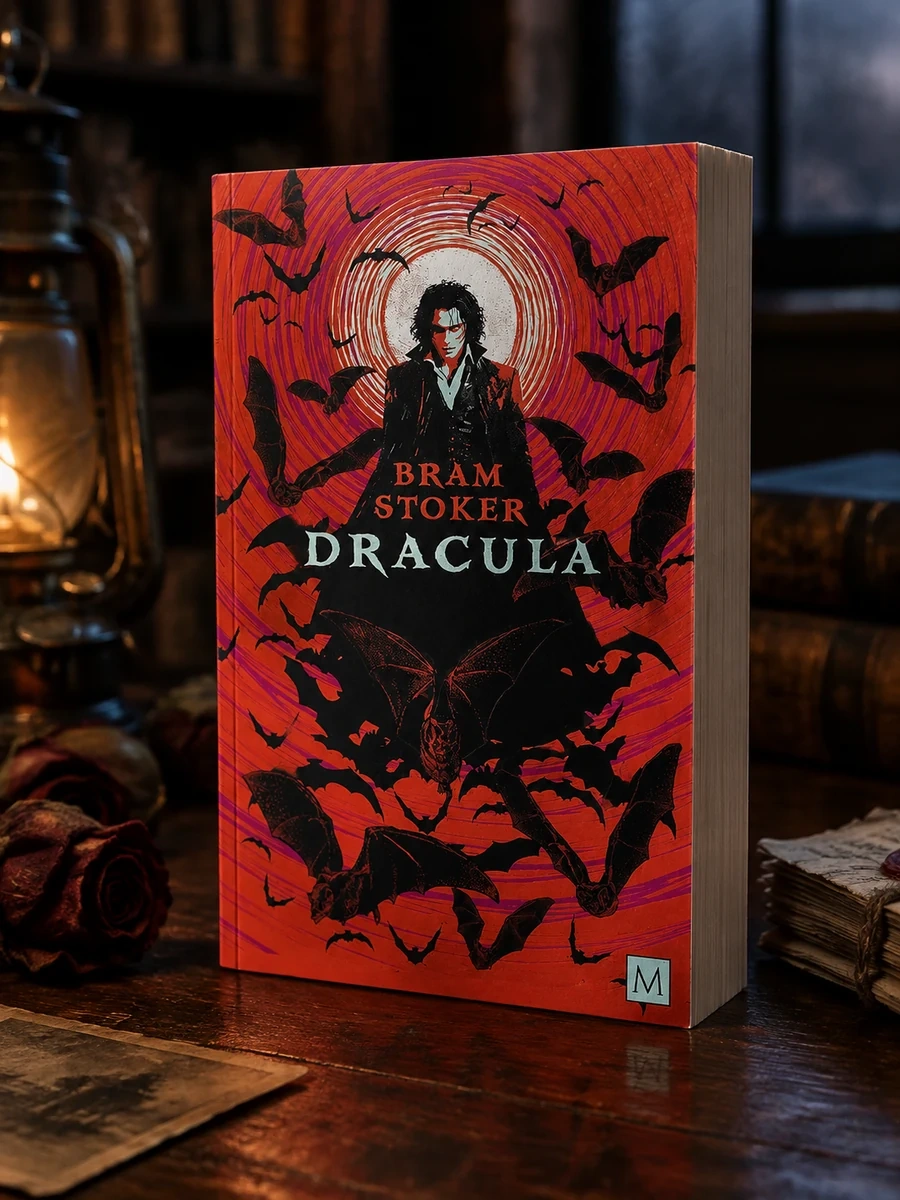
7. Dracula — Bram Stoker
Dracula is structured as a series of letters, diary entries, and newspaper clippings, which creates an immediacy and fragmentation that heightens the horror. The vampire himself is barely present for much of the novel, but his influence is everywhere—a spreading corruption that the protagonists struggle to understand and combat. Stoker's vampire is not the romantic figure of modern adaptations; he's a predator and an invader. The novel works through accumulation of dread and the slow realization that the protagonists are outmatched. The ending is ambiguous in a way that suggests the threat may never truly be eliminated.
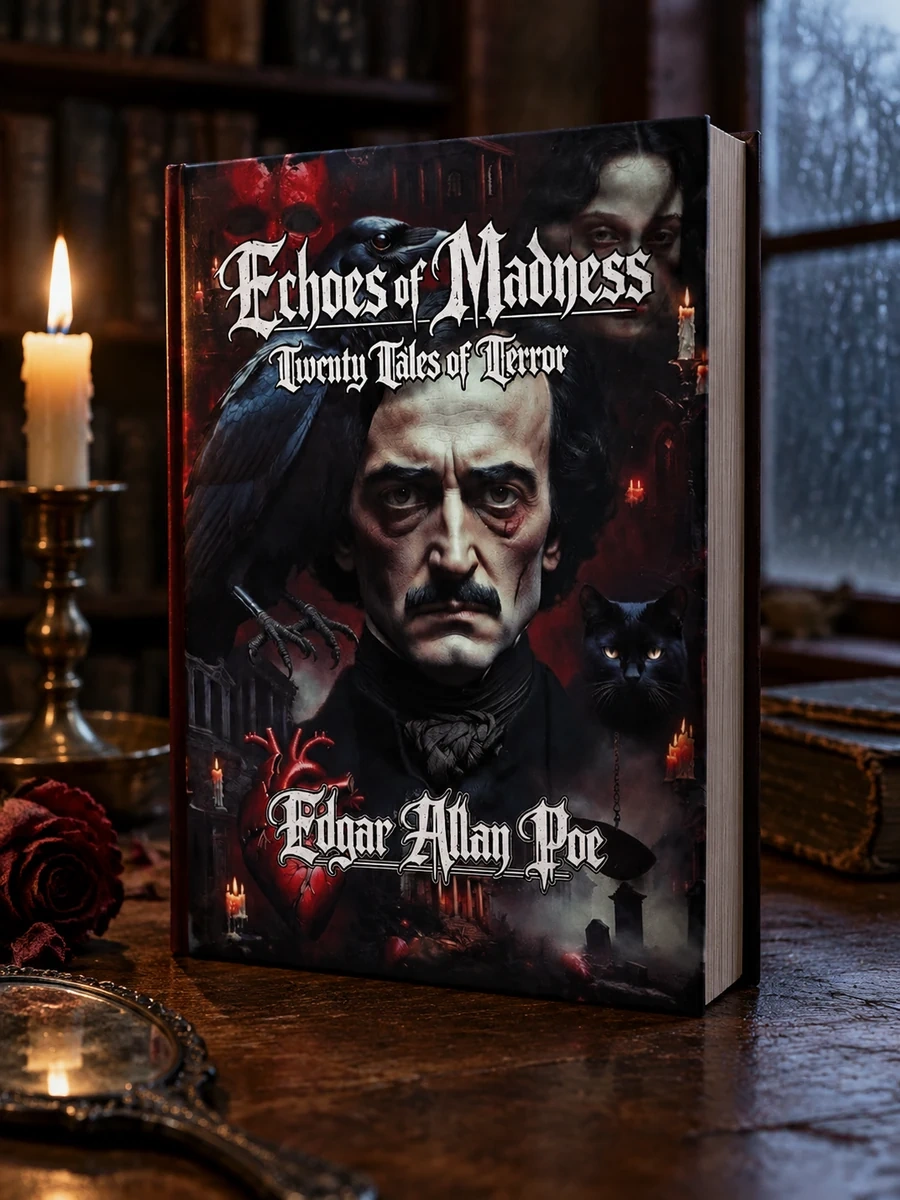
8. Echoes of Madness: Twenty Tales of Terror — Edgar Allan Poe
Echoes of Madness is a comprehensive collection of Poe's most disturbing work. With twenty stories to choose from, you get a full spectrum of his horror—from the psychological to the grotesque. Stories like "The Cask of Amontillado" (a tale of revenge and murder) and "Ligeia" (obsession and the return of the dead) showcase Poe's range. The collection is perfect for readers who want to experience the full depth of his terror.
Ghost Stories and Supernatural Dread
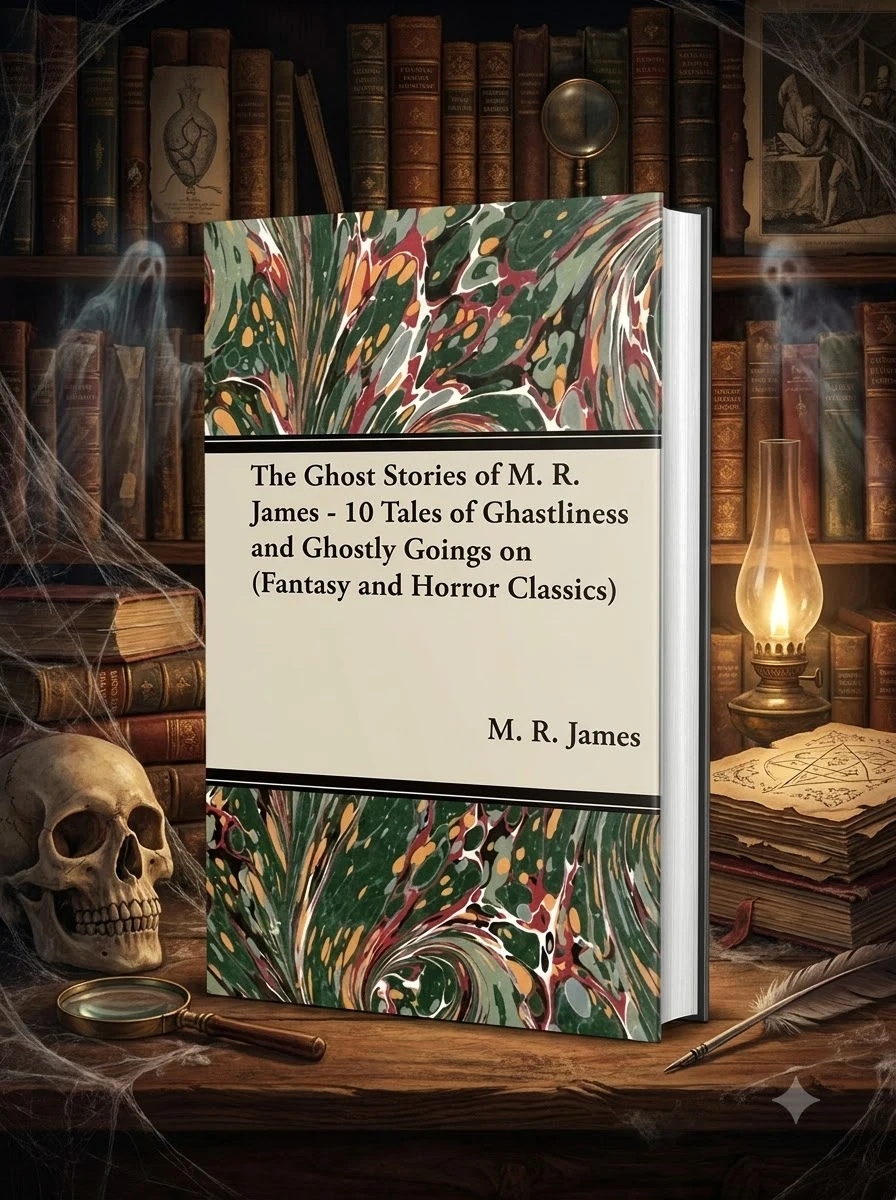
9. The Ghost Stories of M. R. James — M. R. James
The Ghost Stories of M. R. James represents a different tradition of horror—the English ghost story. James was a scholar who understood that the most effective ghost stories are grounded in historical detail and academic precision. His ghosts are often the result of past crimes or desecrations, and they exact terrible revenge on those who disturb them. The stories are told in a matter-of-fact tone that makes the supernatural elements even more disturbing. James influenced generations of horror writers and remains one of the masters of the form.
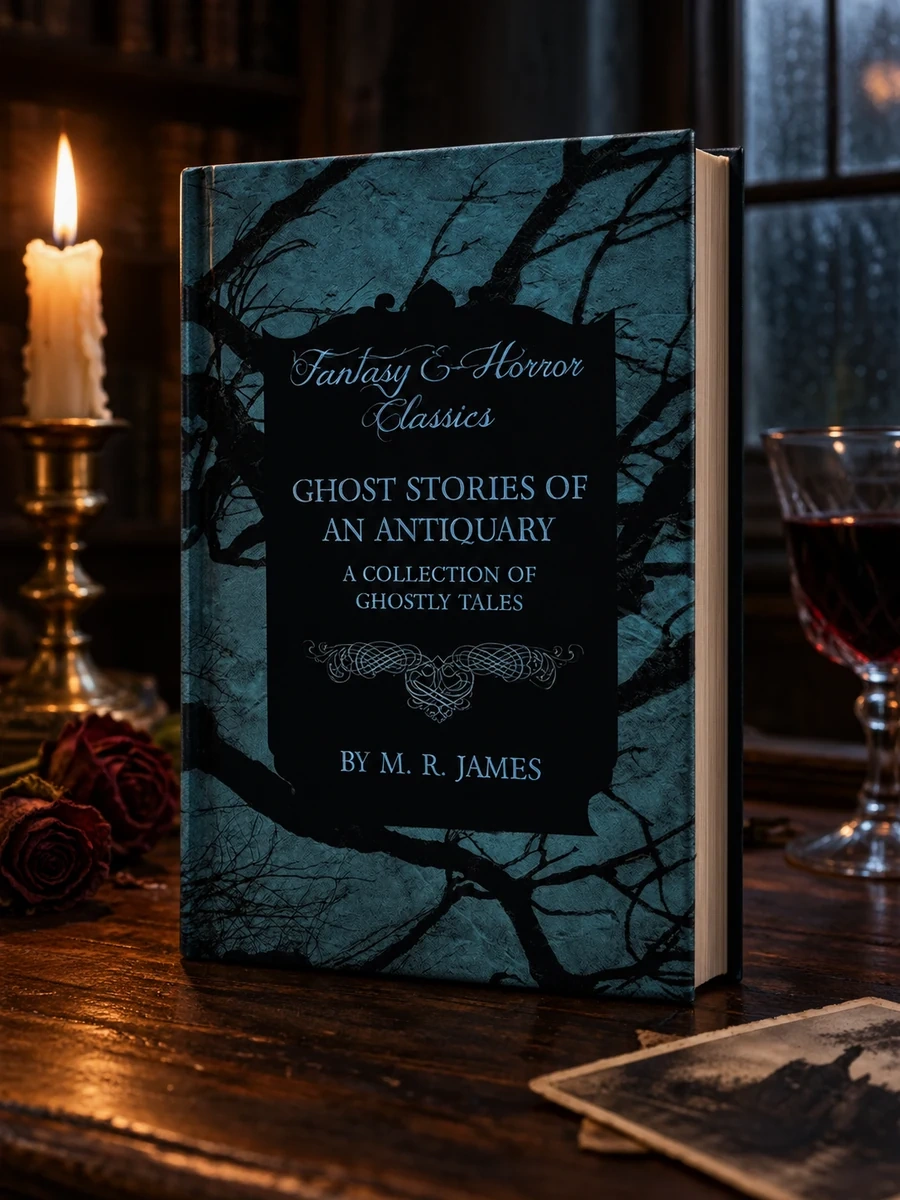
10. Ghost Stories of an Antiquary — M. R. James
Ghost Stories of an Antiquary is another collection from James, featuring tales of scholars and antiquarians who encounter the supernatural while pursuing their research. The horror often comes from the violation of sacred or cursed objects—a whistle that summons something terrible, a manuscript that should never have been read. James's ability to create atmosphere through careful description and understatement makes these stories genuinely frightening.
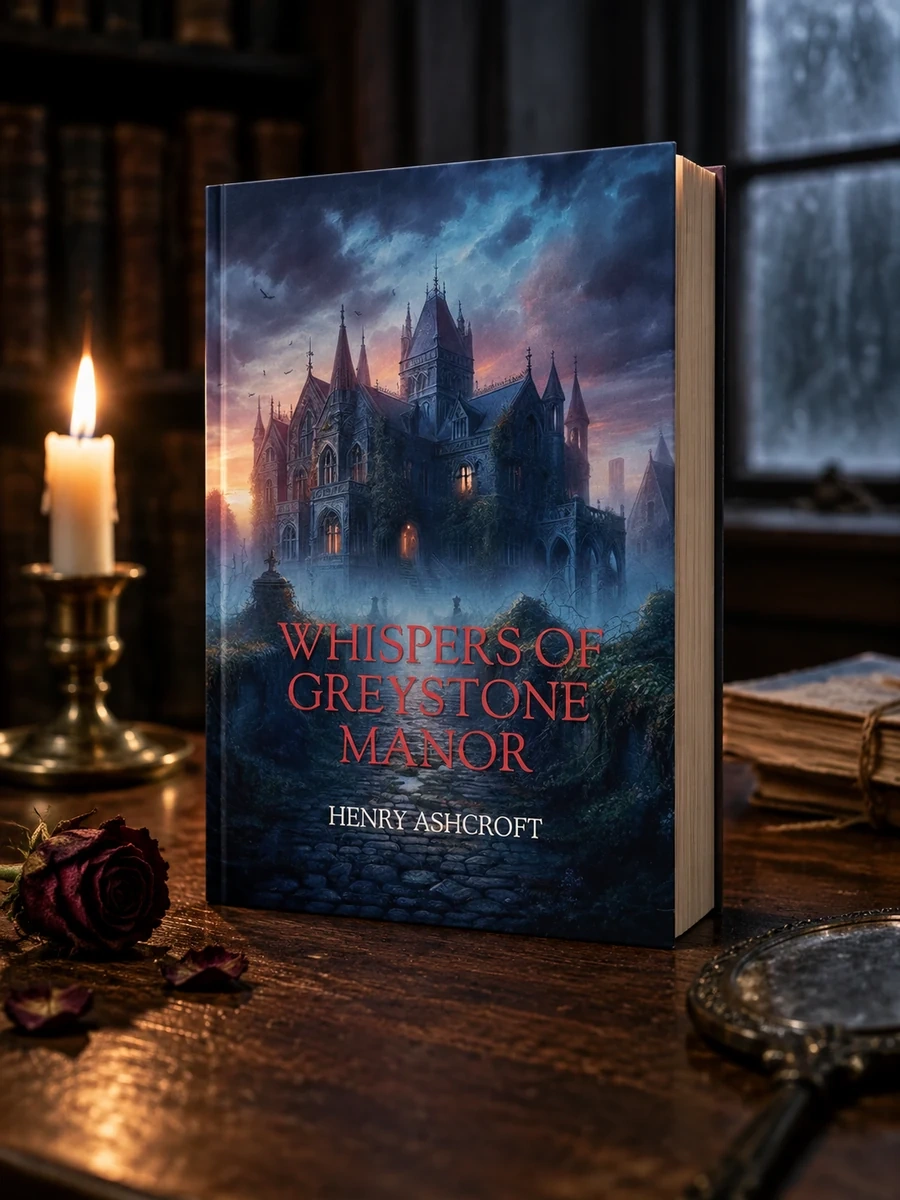
11. Whispers of Greystone Manor — Henry Ashcroft
Whispers of Greystone Manor is a more contemporary ghost story that follows the tradition of atmospheric haunted house fiction. The manor itself is the focus—a place where past traumas linger and manifest. The story builds through layers of history and revelation, creating a sense that the house is alive with malevolent presence. For readers who love traditional ghost stories but want something with a modern sensibility, this is an excellent choice.
Cosmic and Existential Terror
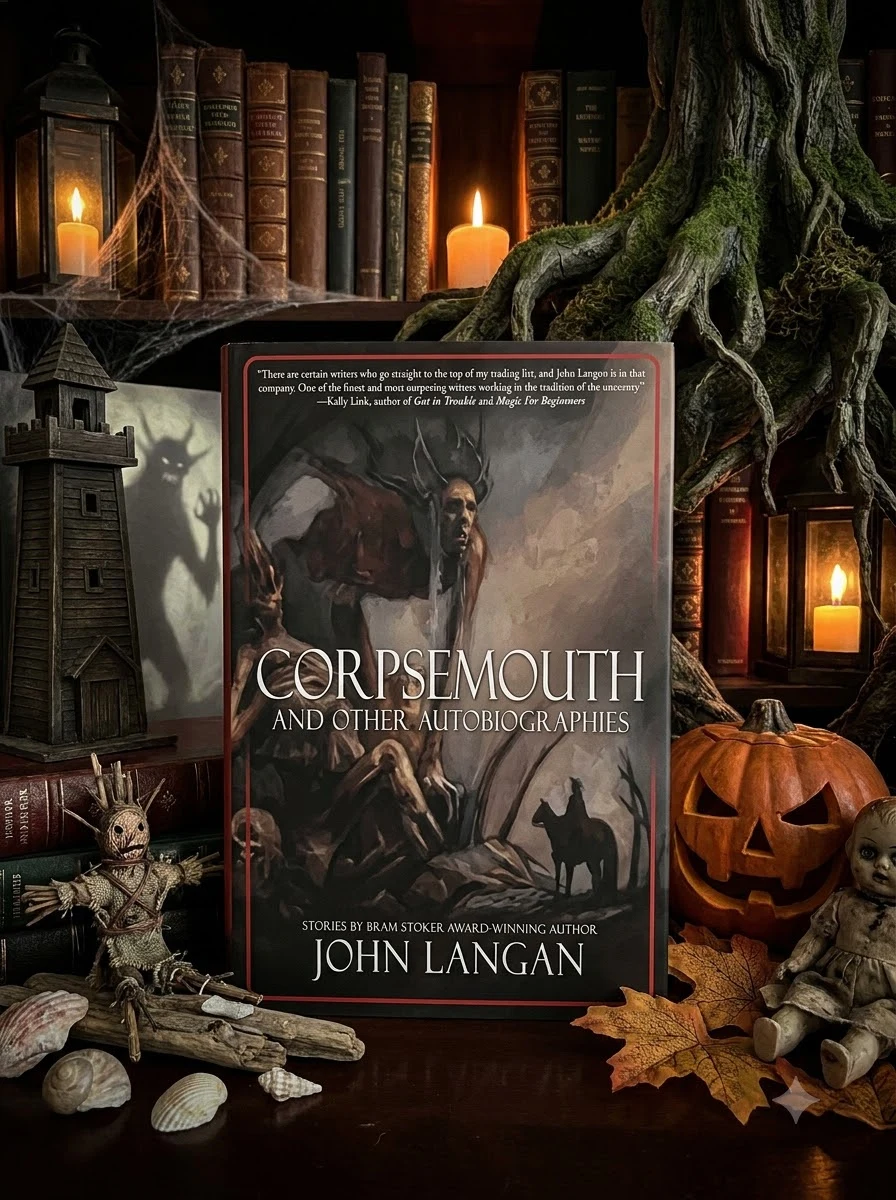
12. Corpsemouth and Other Autobiographies — John Langan
Corpsemouth and Other Autobiographies is a collection of cosmic horror stories that explores the intersection of the personal and the cosmic. Langan's work is influenced by Lovecraft but is distinctly his own—his characters are fully realized people dealing with the intrusion of the incomprehensible into their lives. The stories are unsettling because they ground cosmic dread in human emotion and consequence. This is horror for readers who want their fear to be intellectual as well as visceral.
How to Choose Your Scariest Read
The scariest book for you depends on what frightens you most. If you're afraid of losing your mind or being trapped in an inescapable situation, The Haunting of Hill House will terrify you. If existential dread and cosmic insignificance keep you up at night, Lovecraft is your author. If you prefer the slow accumulation of supernatural threat, the ghost stories of M. R. James or Dracula will work their way under your skin.
The best approach is to start with an author or subgenre that appeals to you, then branch out. Poe is an excellent entry point because his stories are short enough to finish in one sitting, and they're relentlessly inventive. If you want something longer and more immersive, The Haunting of Hill House or Frankenstein will give you a full experience. If you want to explore cosmic horror, start with The Best of H. P. Lovecraft and see if that universe speaks to you.
What all these books have in common is that they work through implication and atmosphere rather than explicit gore. They understand that the scariest things are often what we don't see, what we imagine, and what we realize about ourselves and our world. That's why they've endured. That's why they still frighten us.