When readers ask for books like Frankenstein, they rarely want another tale of a scientist gone mad. What they're hunting for is the moral vertigo that Shelley achieved—that sickening recognition that the real horror isn't the creature, but the creator's refusal to answer for what he's made. It's the isolation, the ambition that blinds, the question of whether monstrosity is born or created. And it's the slow-burn dread that comes from understanding both sides of a tragedy.
The books below share Frankenstein's DNA: they grapple with creation and consequence, they trap characters in Gothic isolation, and they refuse easy answers about who the real monster is. Some are contemporary with Shelley; others are modern retellings. All of them understand that the horror isn't in the laboratory—it's in the conscience.
The Romantic Gothic Foundations: Poe and Stoker
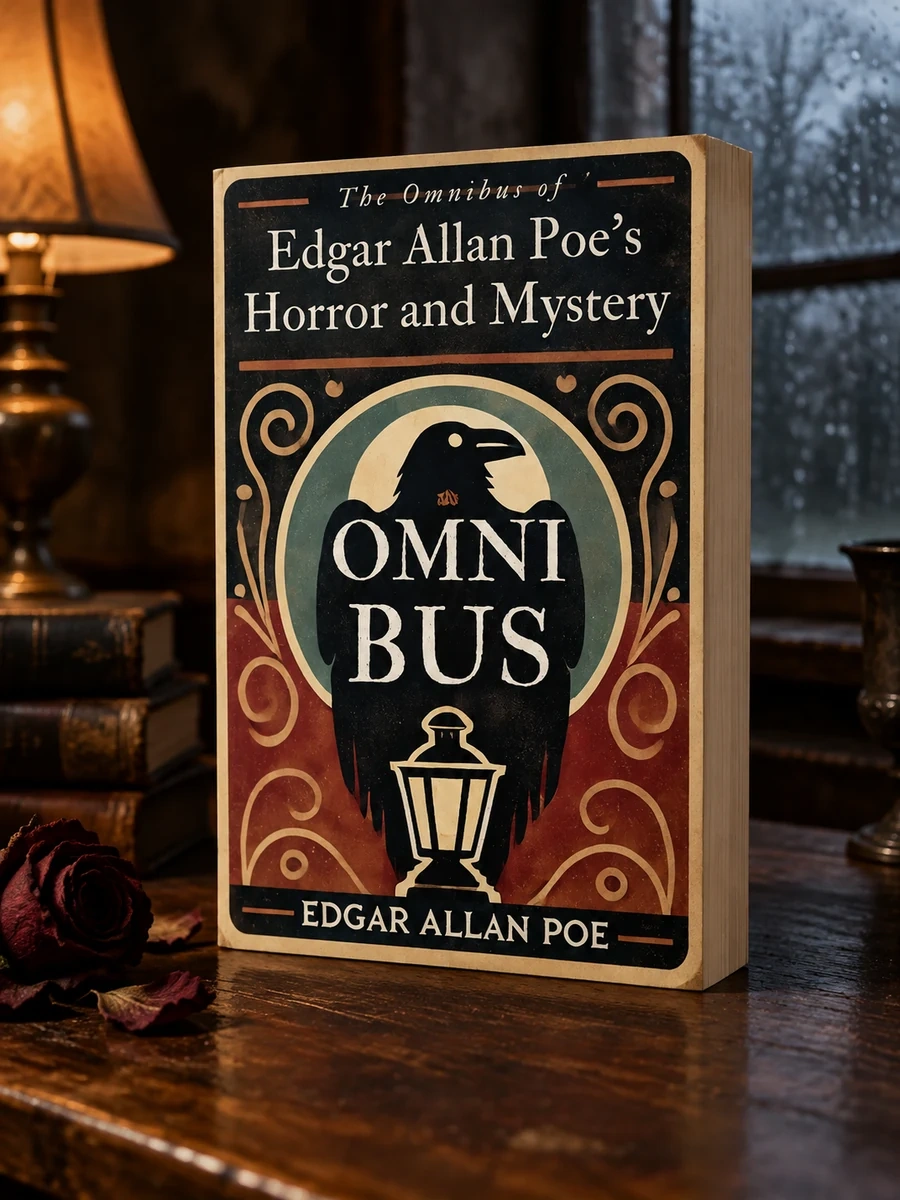
1. The Omnibus of Edgar Allan Poe's Horror and Mystery (Original, Unabridged Classic, Ideal for Gifting) — Edgar Allan Poe
If you want to understand the philosophical roots of Frankenstein, Poe is essential. His stories—"The Tell-Tale Heart," "The Fall of the House of Usher," "Ligeia"—explore the same terrain: obsession, guilt, the fragility of reason, the horror of being trapped inside a mind that won't stop. Poe shares Shelley's fascination with how ambition and desire can hollow out a person from the inside. His narrators are often unreliable, often complicit in their own damnation. The complete omnibus gives you the full scope of his work, and at nearly 900 pages, it's the definitive collection. Price is higher, but it's the one to own if you're serious about understanding American Gothic.
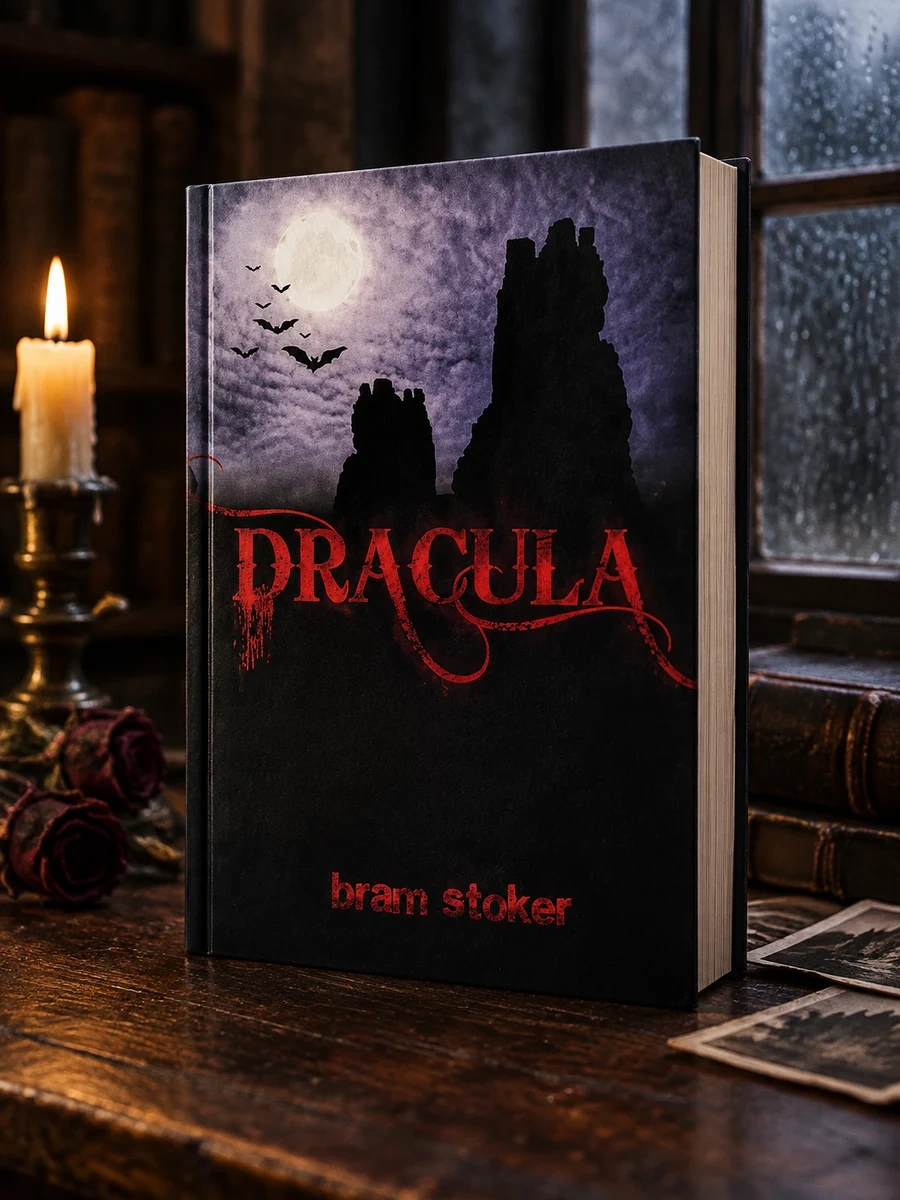
2. Dracula — Bram Stoker
Published in 1897, Dracula is Frankenstein's closest sibling in the Gothic canon. Like Shelley's novel, it's told through letters and documents—a fragmented narrative that mirrors the fragmentation of the characters' understanding. But more importantly, Stoker explores the same question: what do we do when we encounter something we cannot control, cannot understand, and cannot kill? The Count is not a mad scientist's creation, but he is a being whose existence poses an existential threat. The novel's real horror lies in the hunters' obsession with destroying him, their willingness to violate the living in pursuit of the undead. It's a meditation on the cost of creation and destruction, wrapped in Victorian atmosphere.
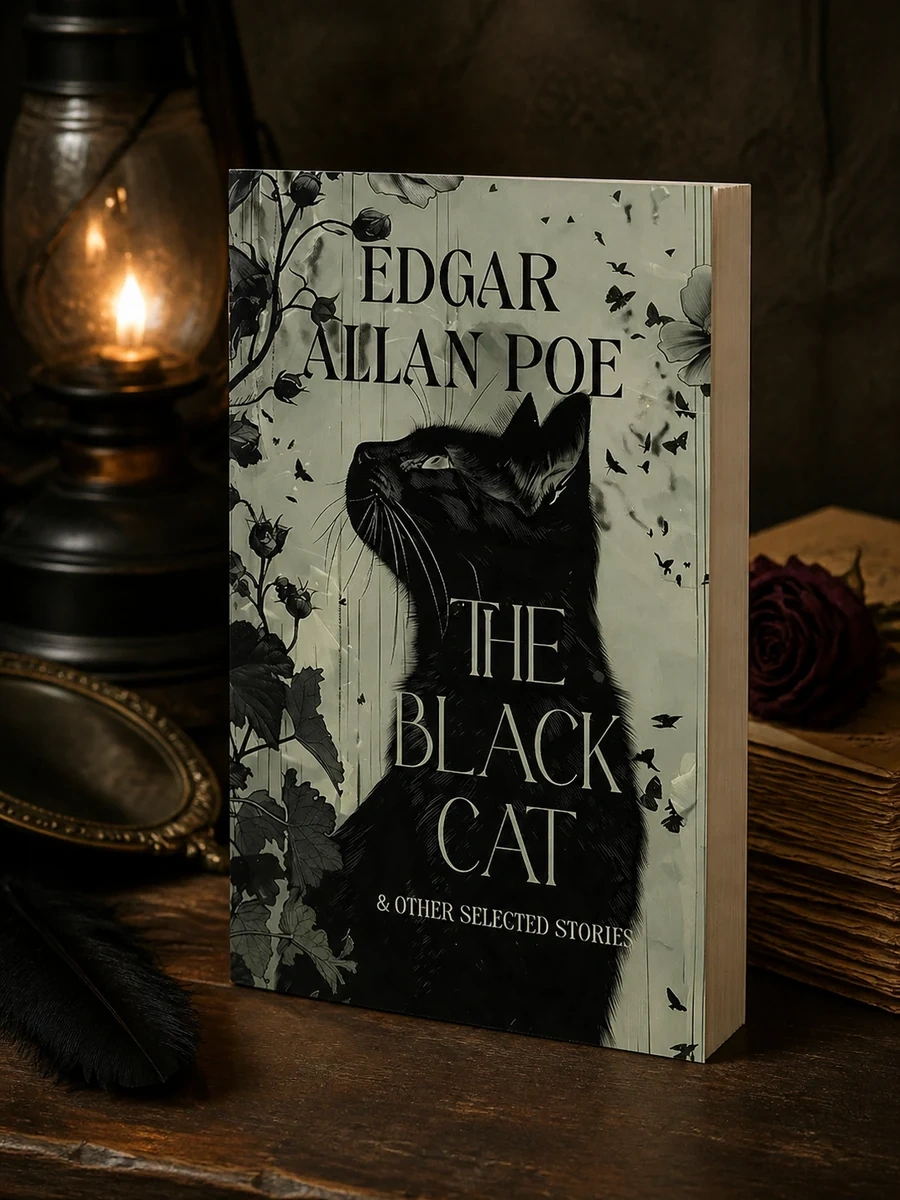
3. The Black Cat & Other Selected Stories — Edgar Allan Poe
If the full omnibus feels like too much, this curated selection offers Poe's most psychologically intense work in a more manageable format. "The Black Cat" is particularly relevant to Frankenstein readers: it's a story about a man whose cruelty creates a nemesis, about guilt made flesh, about the impossibility of escaping what you've done. Poe's prose here is claustrophobic and relentless—the psychological horror builds without supernatural explanation, which makes it all the more unsettling.
The Philosophical Reckoning: Shelley's Contemporaries and Heirs
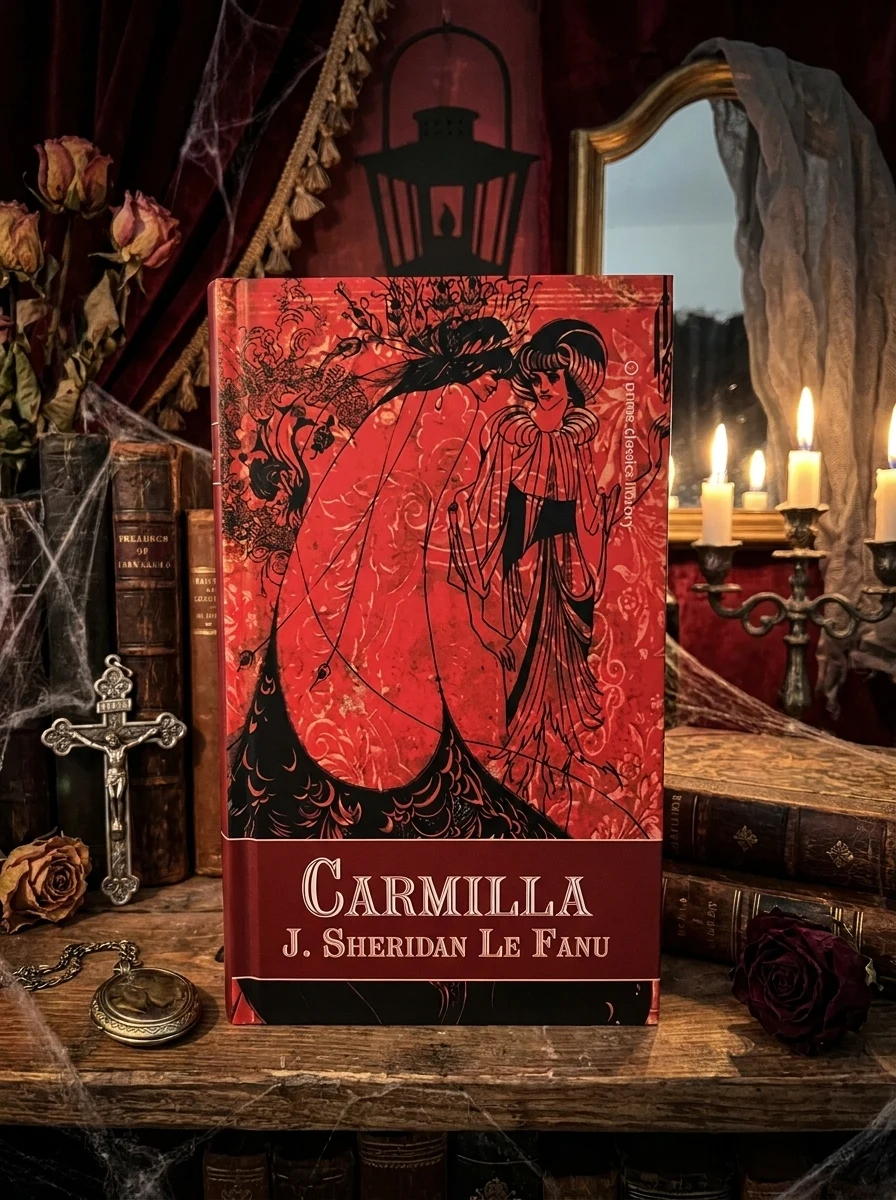
4. Carmilla — Joseph Sheridan Le Fanu
Carmilla predates Dracula by 26 years and offers a different kind of moral ambiguity. The vampire here is seductive, sympathetic even, and the narrator—a young woman—finds herself drawn to her destroyer. Like Frankenstein, the novel asks: who is responsible when desire and creation intertwine? Le Fanu's prose is elegant and unsettling, and the story's exploration of intimacy and violation feels more intimate than Stoker's epic. It's shorter than Dracula, but it cuts deeper.
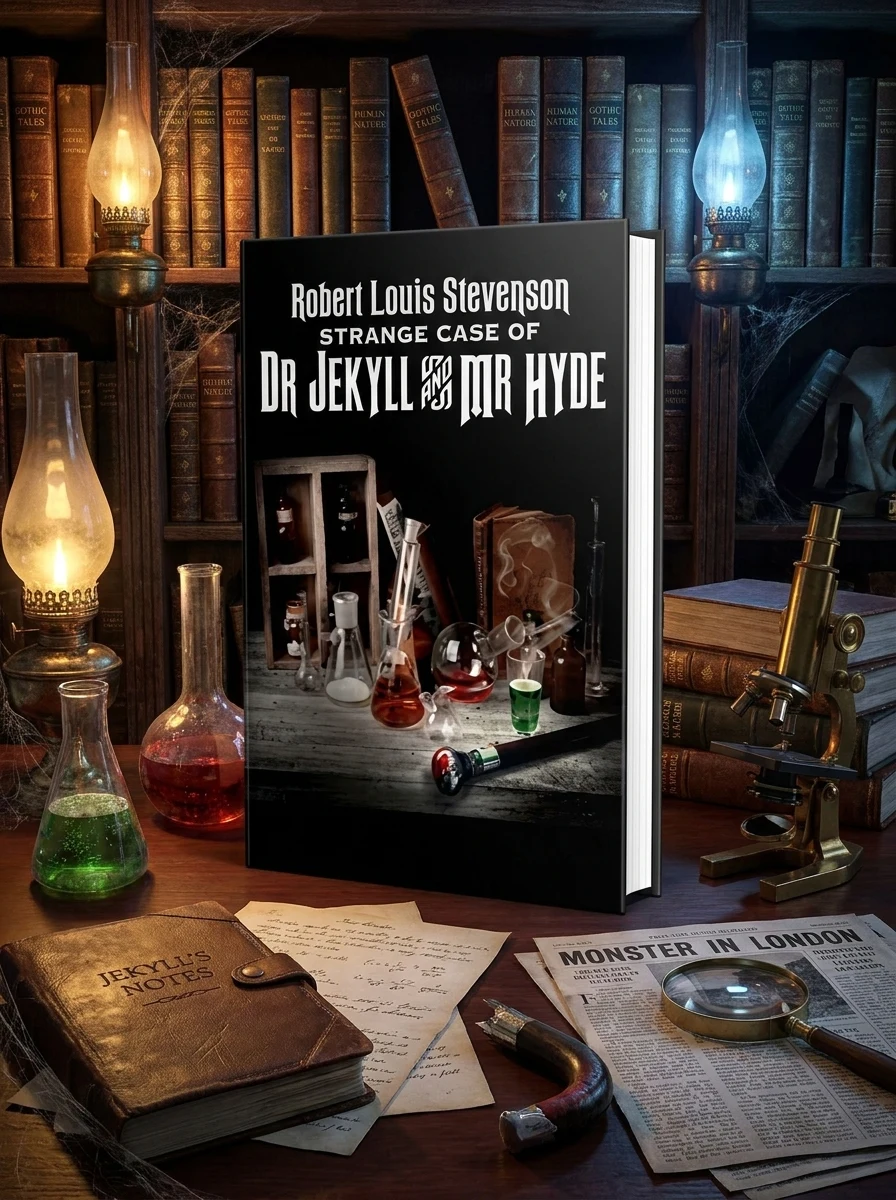
5. Strange Case of Dr. Jekyll and Mr. Hyde — Robert Louis Stevenson
Jekyll and Hyde is perhaps the most direct spiritual successor to Frankenstein. Like Victor, Jekyll is a scientist whose ambition to transcend human limitation leads to catastrophe. But Stevenson's genius is that he makes the monster internal—Jekyll and Hyde are the same person, and the horror is the loss of control over one's own nature. The novella is told through multiple perspectives, and the moral question is sharper: if you create something, even if it's a part of yourself, are you responsible for what it does? Stevenson offers no comfort.
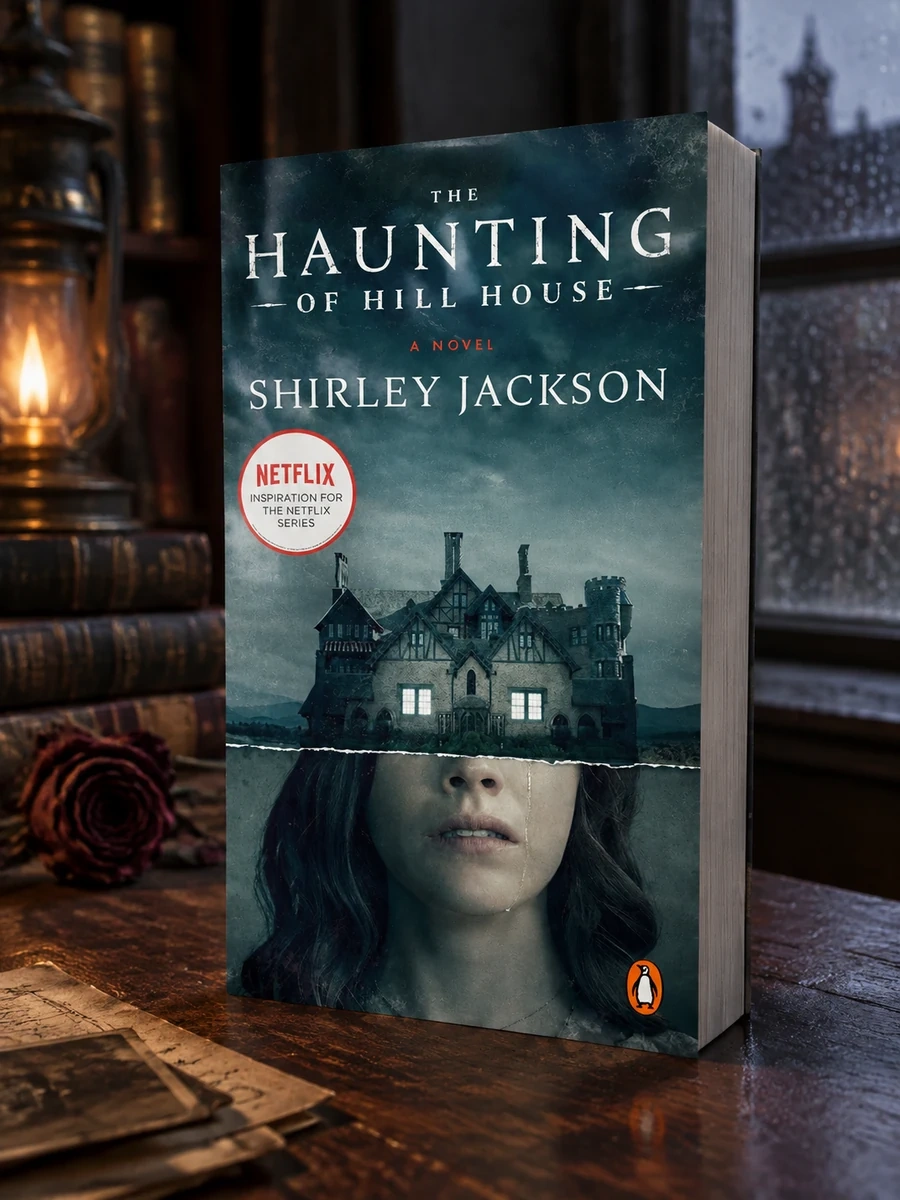
6. The Haunting of Hill House — Shirley Jackson
This might seem like an outlier, but The Haunting of Hill House is fundamentally about creation and responsibility in a different register. Jackson's house is not a laboratory, but it is a space where human ambition—the desire to prove something, to understand something—creates horror. The protagonist Eleanor is drawn into the house's logic, and by the end, it's unclear whether the house is haunting her or she is haunting herself. Jackson shares Shelley's interest in how isolation and obsession can warp perception. The prose is precise and deeply unsettling, and the psychological dread builds without relying on jump scares or gore.
Shelley's Own Extended Universe
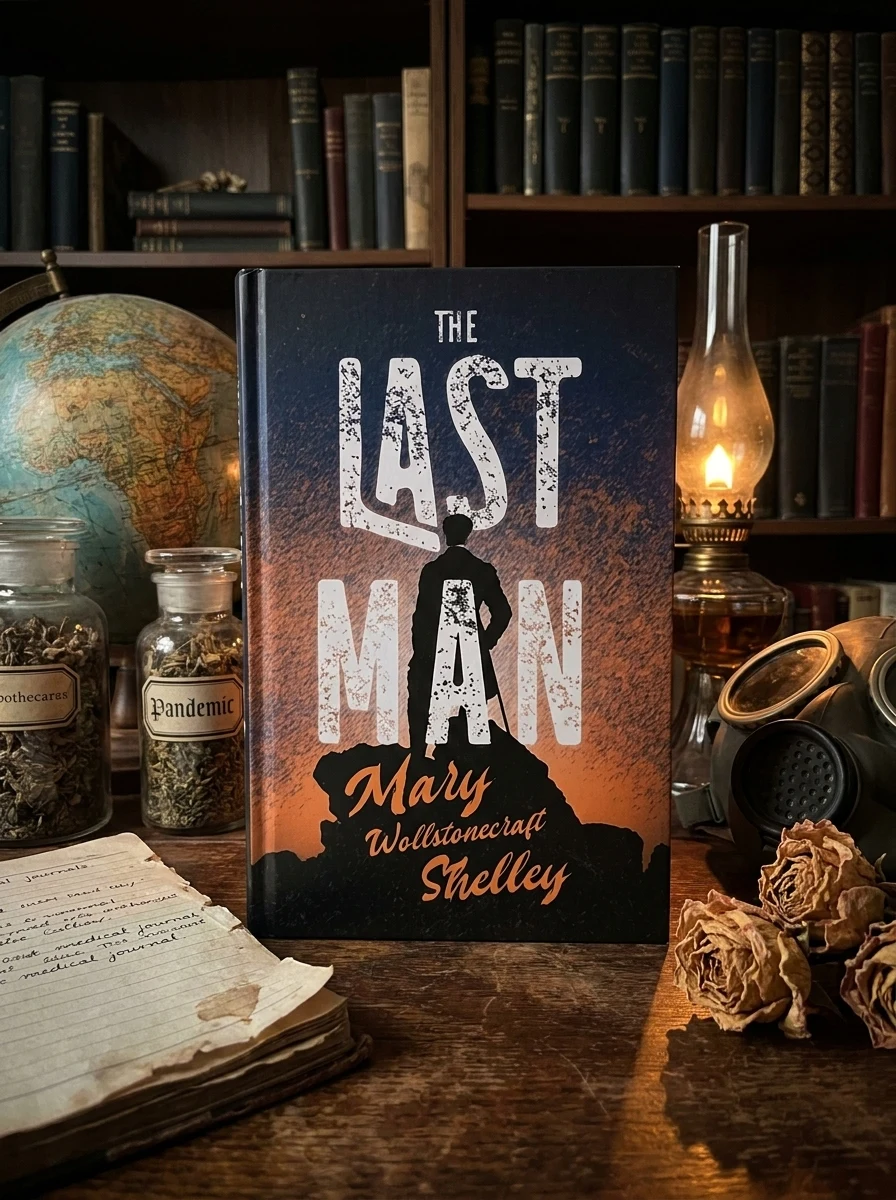
7. The Last Man — Mary Wollstonecraft Shelley
If you've finished Frankenstein and want more Shelley, The Last Man is her most ambitious work. It's a post-apocalyptic novel set in the future, where a plague wipes out humanity. The protagonist is the last human alive, and the novel is his meditation on loss, responsibility, and the meaning of survival. It's darker and more philosophically complex than Frankenstein, and it shares the same preoccupation with isolation and the weight of consciousness. Fair warning: it's longer and more demanding, but it's essential reading for anyone serious about Shelley's vision.
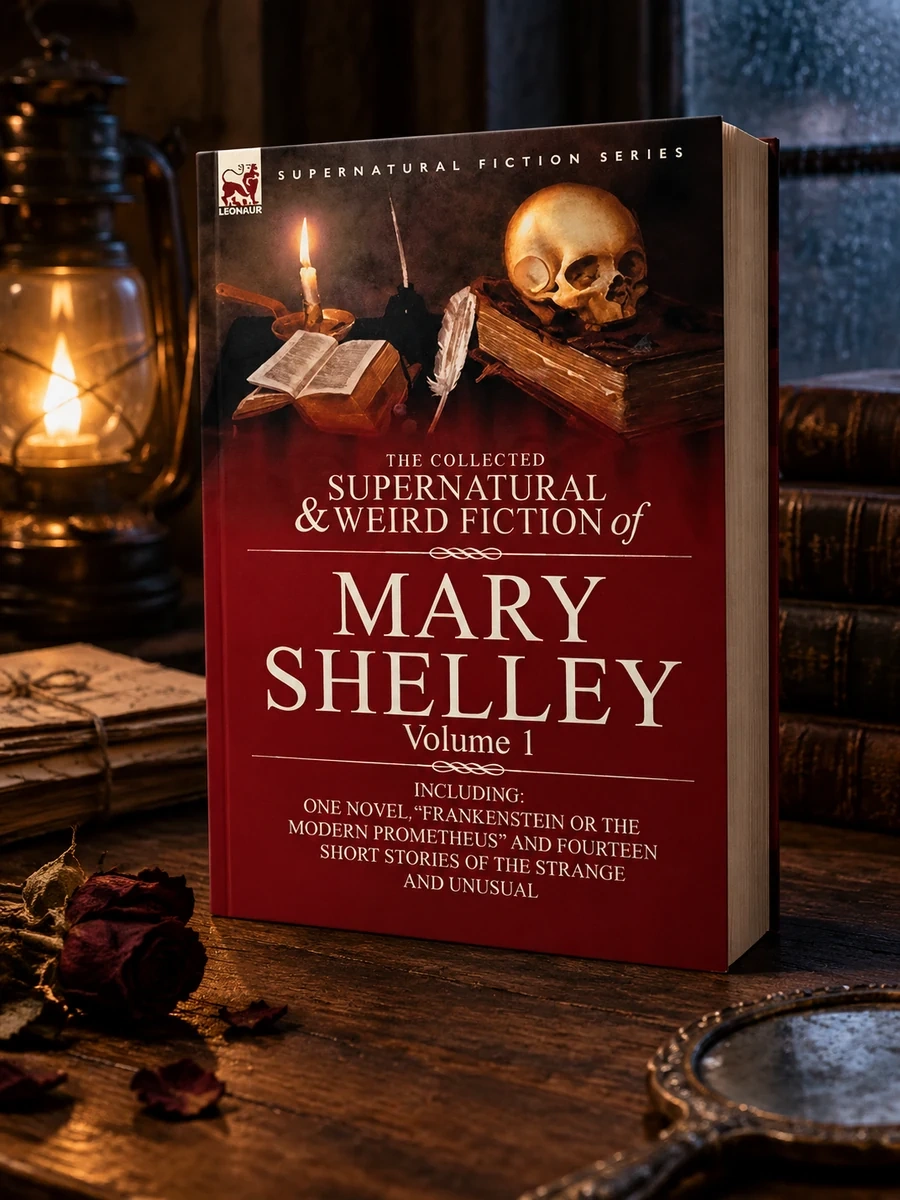
8. The Collected Supernatural and Weird Fiction of Mary Shelley—Volume 1 — Mary Shelley
This collection includes Frankenstein alongside Shelley's shorter supernatural works. Stories like "The Mortal Immortal" and "Vathek" explore similar themes: the cost of transgression, the horror of immortality, the impossibility of escaping consequence. These stories are tighter and more concentrated than the novel, and they show Shelley's range. If you want to understand her as a writer, not just as the author of one famous book, this is where to go.
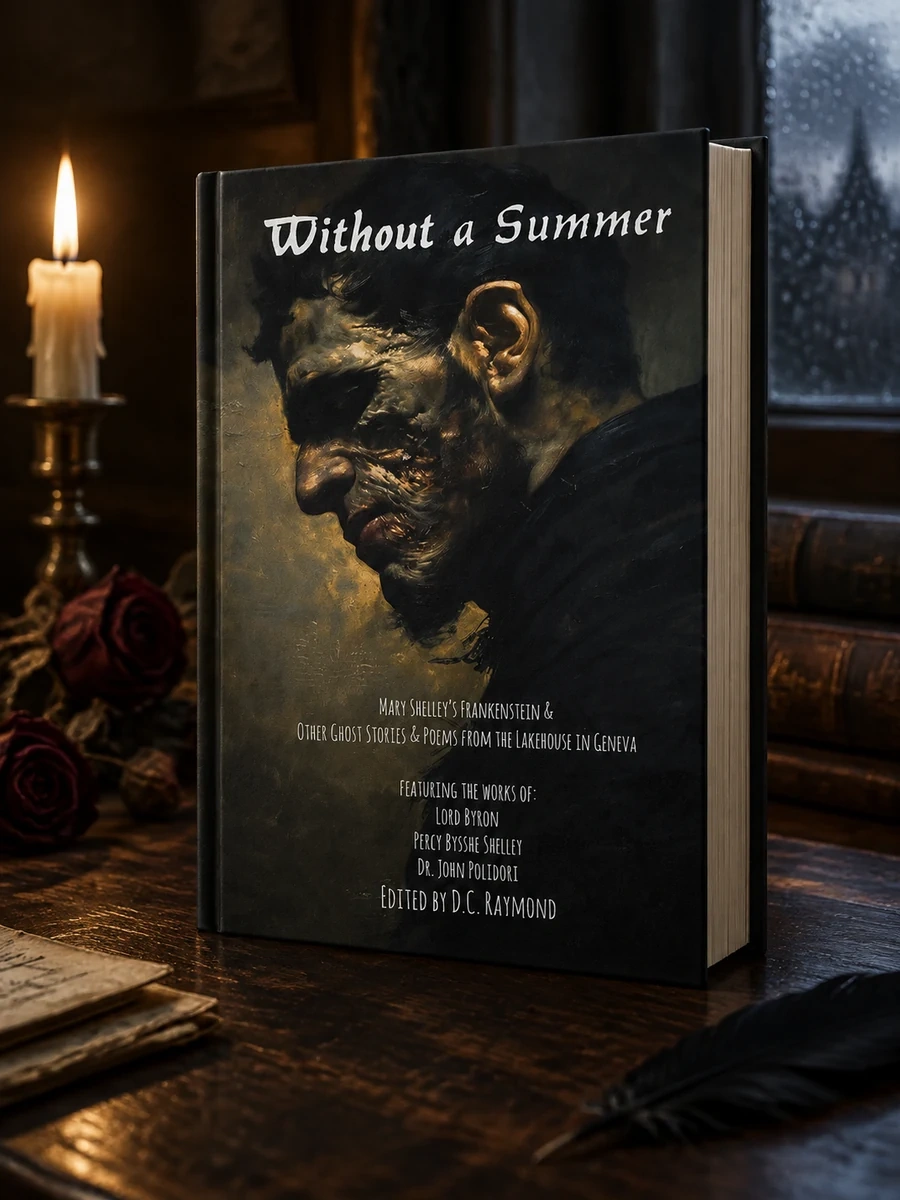
9. Without a Summer: An Anthology — Mary Shelley
This collection gathers Shelley's work alongside the original Villa Diodati circle—the summer of 1816 when Frankenstein was conceived. It's a fascinating window into the creative ferment that produced the novel, and it shows how Shelley's preoccupations with creation, loss, and moral responsibility run through all her work.
The Annotated and Critical Editions: For Deep Readers
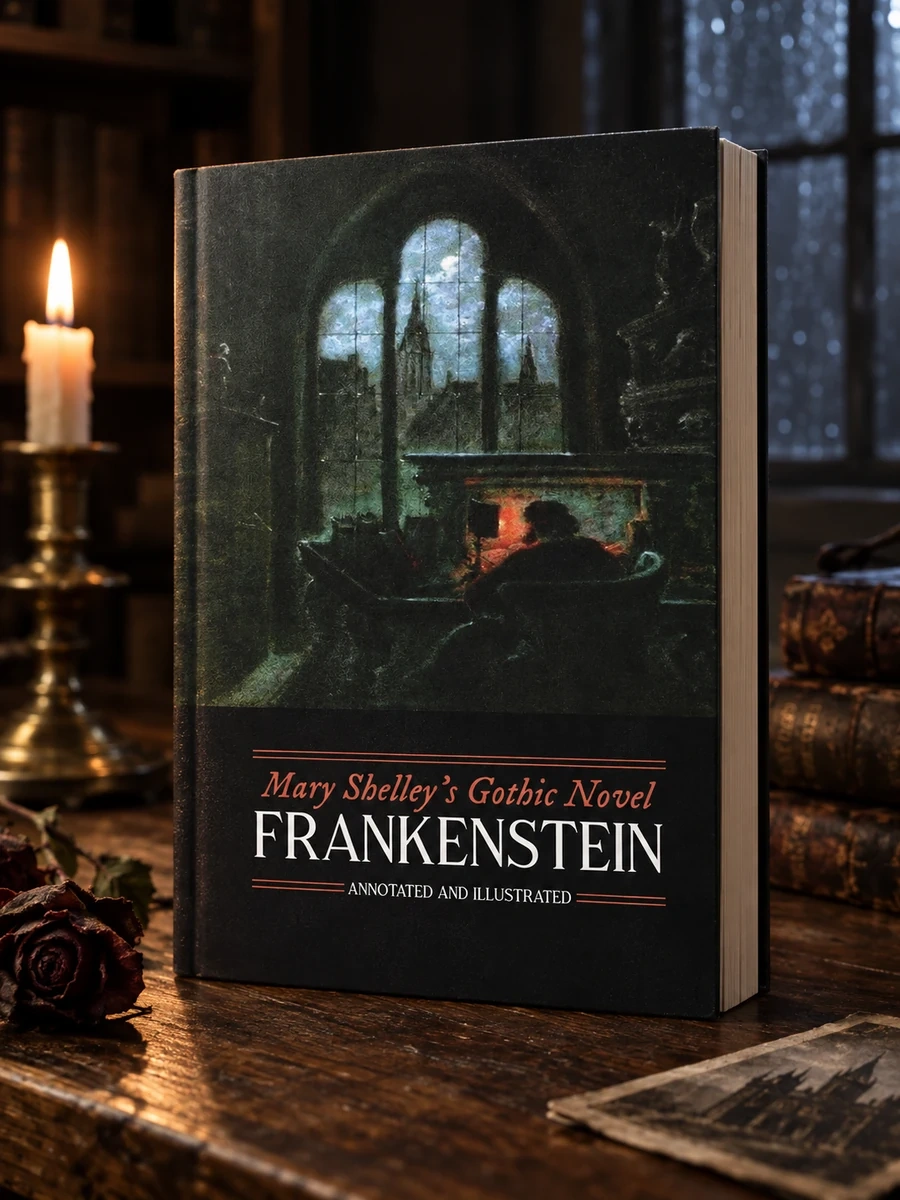
10. Mary Shelley's Frankenstein, Annotated and Illustrated: The Uncensored 1818 Text with Maps, Essays, and Analysis — Mary Shelley
If you want to read Frankenstein again—or for the first time—with scholarly apparatus that illuminates its philosophical roots, this annotated edition is invaluable. The 1818 text is rawer and more brutal than the 1831 revision, and the annotations trace Shelley's echoes of Paradise Lost, her engagement with contemporary science, and her moral philosophy. It's the edition for readers who want to understand not just what Frankenstein says, but why it matters.
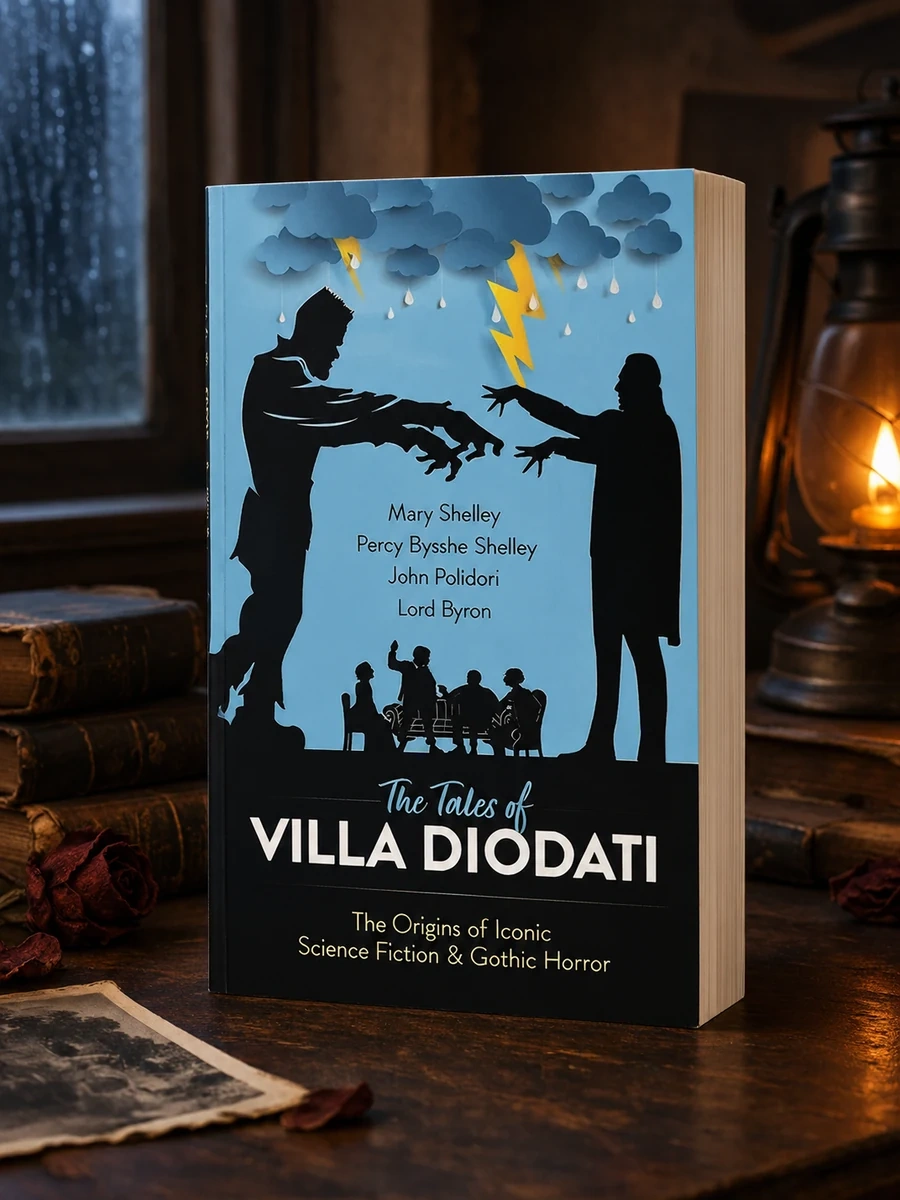
11. The Tales of Villa Diodati: The Origins of Iconic Science Fiction and Gothic Horror — Mary Shelley
This collection places Frankenstein in its original context—the creative challenge that produced it, the other works that emerged from that summer, the intellectual ferment of the Romantic era. It's essential reading for understanding how Shelley's novel emerged from a specific moment in literary history, and how it shaped everything that came after.
How to Choose Your Next Read
If you loved Frankenstein for its philosophical dread and moral ambiguity, start with Jekyll and Hyde or Dracula. Both are shorter than Frankenstein, both are Gothic masterpieces, and both grapple with the same questions about responsibility and monstrosity.
If you want to understand Shelley's intellectual world and her engagement with Paradise Lost and Romantic philosophy, go straight to the annotated edition or The Tales of Villa Diodati. These editions are investments in understanding not just the novel, but the tradition it created.
If you're drawn to psychological horror and the exploration of guilt and obsession, Poe is your author. Start with The Black Cat & Other Selected Stories and move to the full omnibus if you want the complete picture.
And if you want to stay with Shelley, The Last Man is the natural next step. It's longer, darker, and more philosophically ambitious than Frankenstein. It's also less famous, which means you'll be reading something genuinely challenging and strange.
The through-line connecting all these books is the same: they refuse to let you off the hook. They ask you to sit with moral ambiguity, to understand the monster's perspective, to recognize that creation always comes with a cost. That's what makes them worthy successors to Shelley's masterpiece.