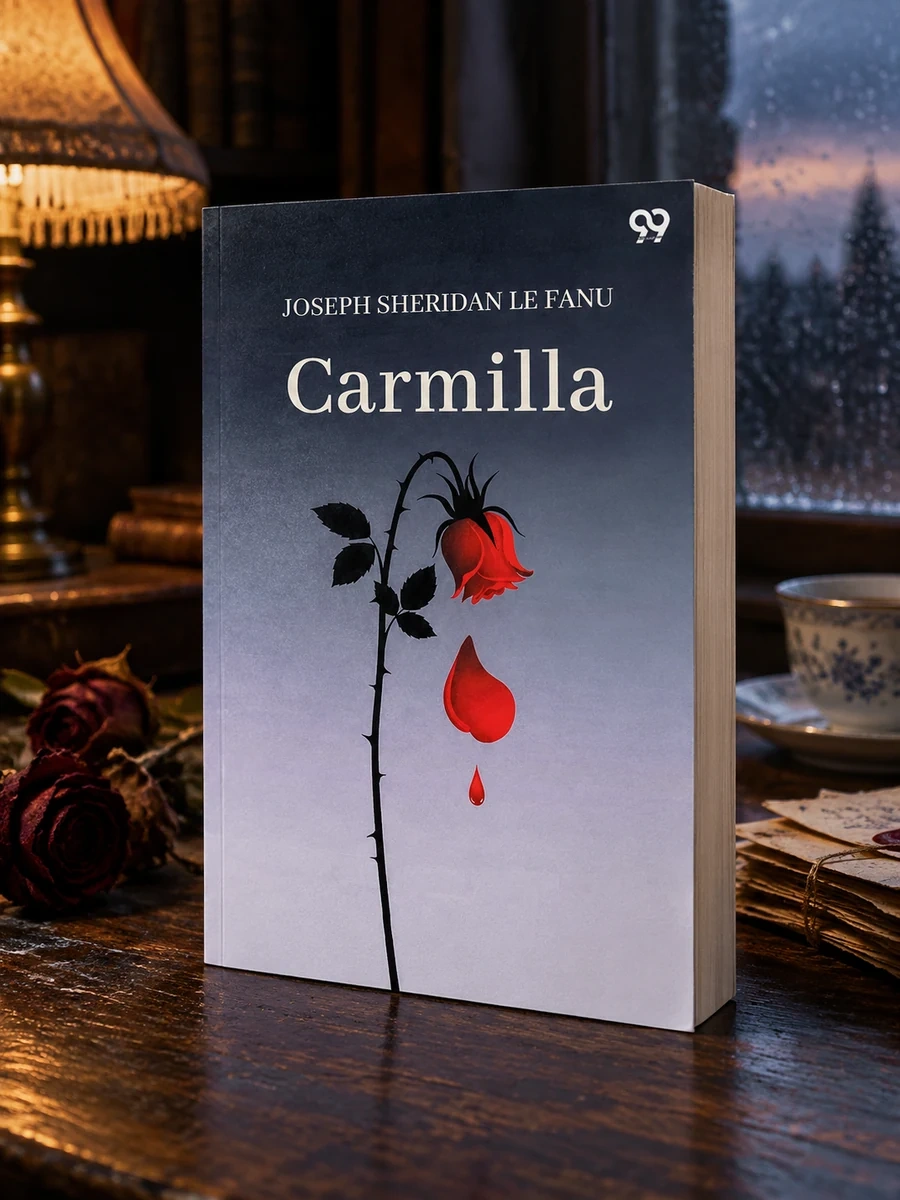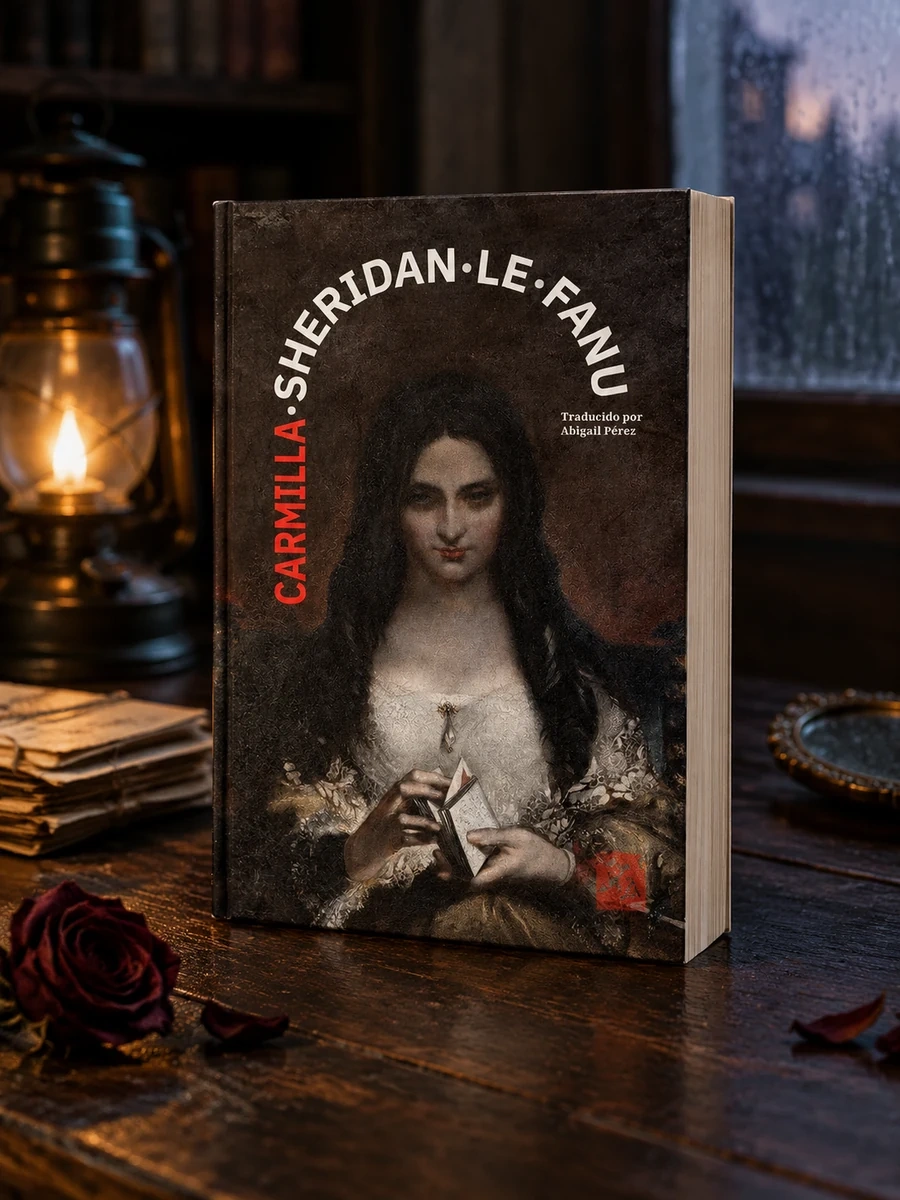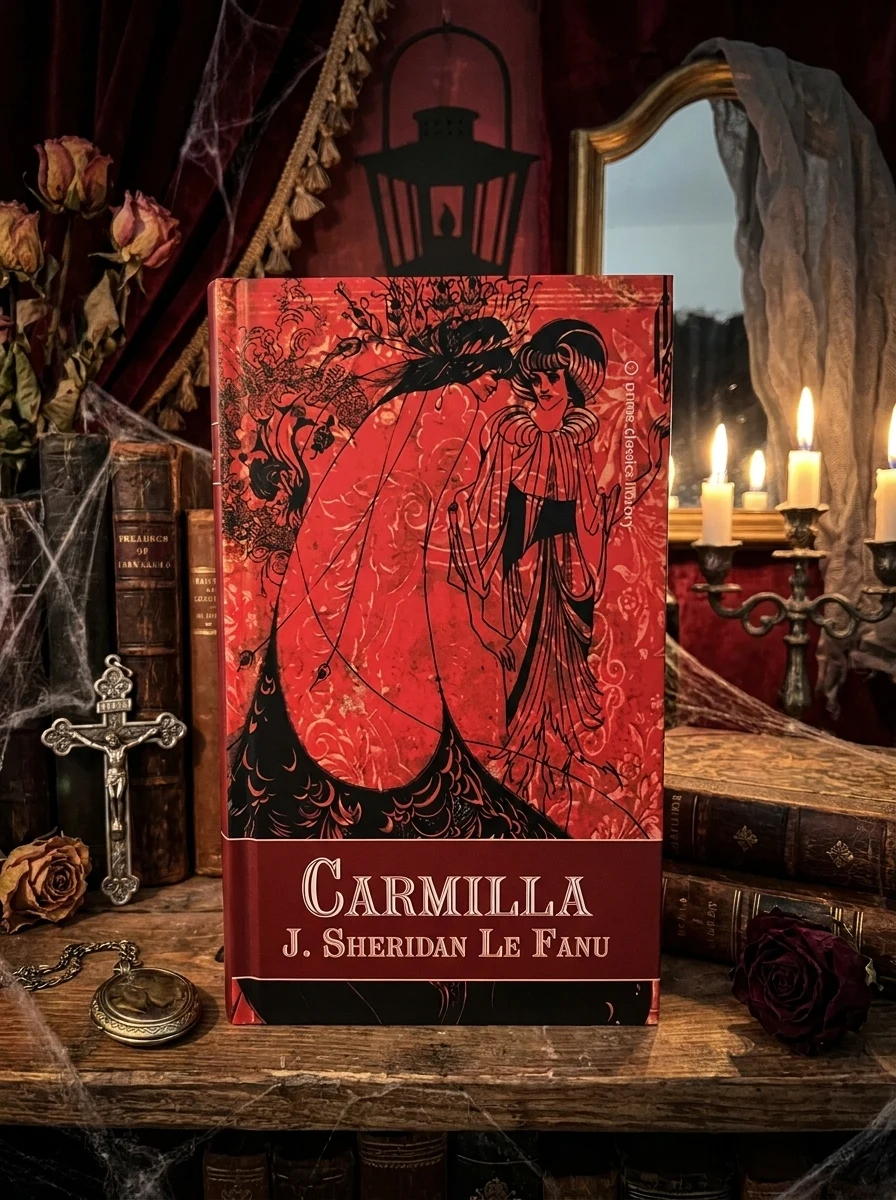
Carmilla
An 1872 Gothic novella by Joseph Sheridan Le Fanu featuring a female vampire.
This work examines the early development of vampire fiction through the lens of Irish author Joseph Sheridan Le Fanu. The narrative centers on a young woman targeted by Carmilla, who is revealed to be Mircalla, Countess Karnstein. The text highlights the subtle portrayal of romantic desire between the protagonist and the vampire. It avoids explicit commentary on sexuality, focusing instead on the eerie interactions and psychological tension. The story was originally serialized in The Dark Blue from 1871 to 1872. Its structure relies on the gradual revelation of Carmilla's true identity and her connection to the past. Readers interested in the roots of the genre will find this account foundational. It offers a distinct perspective compared to later famous adaptations.
Carmilla was published in 1872 as a Gothic novella by Irish author Joseph Sheridan Le Fanu. It appeared first as a serial in The Dark Blue from 1871 to 1872. This work predates Bram Stoker's Dracula by twenty-six years, establishing it as one of the early contributions to vampire fiction literature.


📝 Description: Carmilla
💎 Our verdict on Carmilla
📖 Why choose it
Why this book is worth reading
Readers interested in the origins of vampire literature and Gothic fiction will find significant value in this foundational account. It offers a distinct perspective compared to later famous adaptations, appealing to those who appreciate early supernatural narratives and character-driven horror. The text highlights the subtle portrayal of romantic desire between the protagonist and the vampire, focusing on eerie interactions and psychological tension rather than explicit commentary. Fans of classic horror will gain insight into the gradual revelation of identity and the historical context of the genre. This work is ideal for those seeking atmospheric storytelling and an understanding of how early authors handled complex themes with subtlety, avoiding modern interpretations or explicit discussions as primary plot drivers.
⭐ Reader reviews
Reader rating
This novella stands as a significant entry in Gothic horror, establishing Carmilla as a prototypical example of the lesbian vampire genre without making sexuality a central point of conflict. The narrative relies on gradual revelations and psychological tension, creating an eerie atmosphere that defines its enduring appeal. Le Fanu’s approach avoids explicit commentary, focusing instead on supernatural horror and character dynamics. It suits readers who appreciate early supernatural narratives and historical significance over modern interpretations. While it may not satisfy those seeking explicit discussions of sexuality as a primary driver, it offers a refined, atmospheric experience. The text is essential for understanding the evolution of vampire fiction and the subtle handling of desire within Gothic traditions.