🩸Horror Tradition
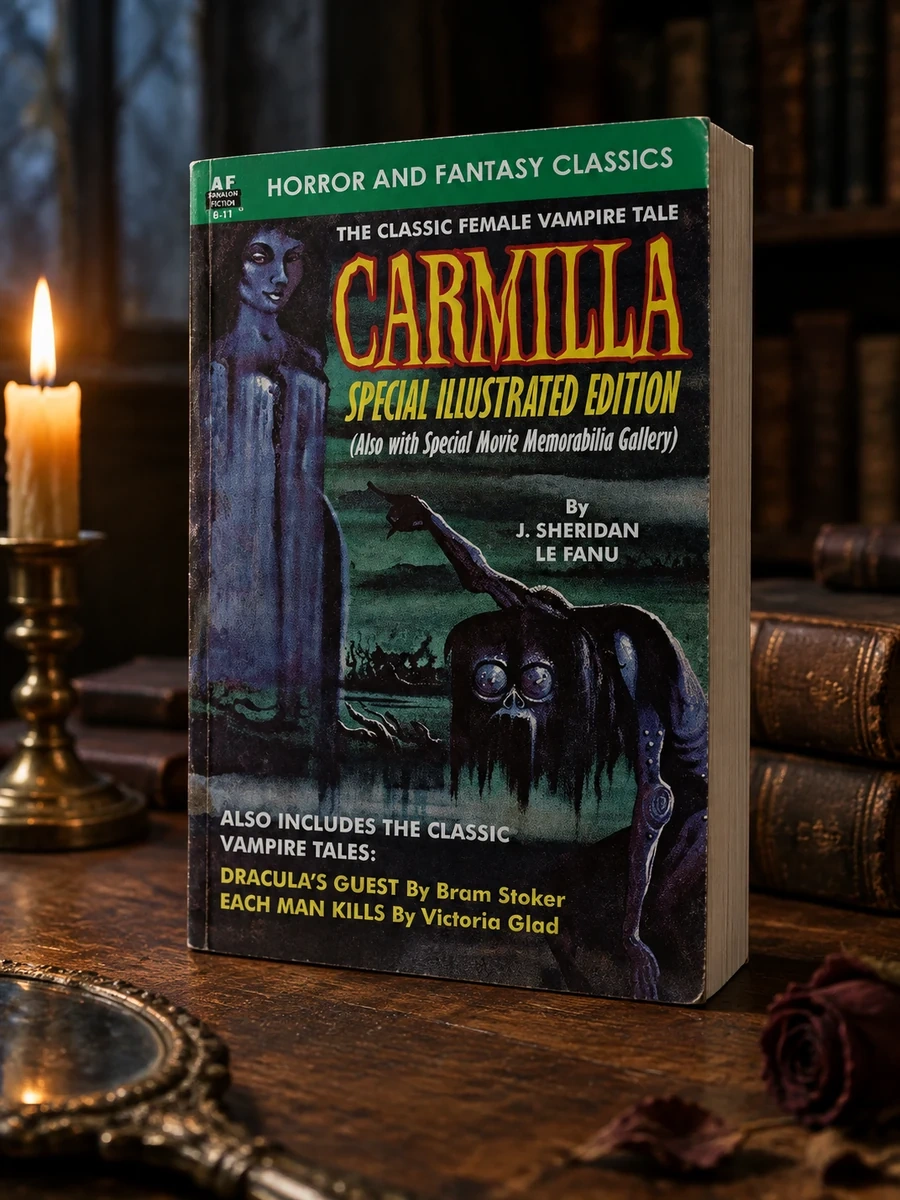
Carmilla
Carmilla is a classic literary vampire and the titular aristocratic predator from Joseph Sheridan Le Fanu's 1872 gothic novella, drawing deeply from Central European folklore traditions of the undead.
Etymology & Origin
Where the word comes from
The name is an anagram and variation derived from Millarca, an alias used by the character within the original novella.
Full Definition
In depth
Origins The figure of Carmilla is rooted in nineteenth-century Gothic literature and Central European folklore regarding vampirism, first brought to vivid life by Irish author Joseph Sheridan Le Fanu in his 1872 novella published within the collection In a Glass Darkly. The narrative draws heavily upon regional Austrian and Styrian legends of restless corpses, drawing inspiration from historical panic over Slavic vrykolakas and vampires that swept through European scholarship during the eighteenth century. Le Fanu adapted these folk traditions, shifting the focus from grotesque rural peasantry to isolated aristocratic decay.
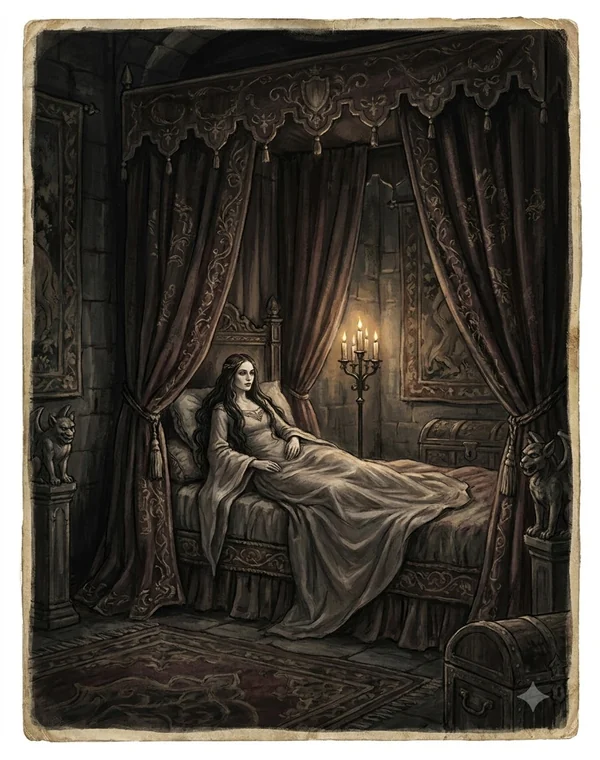
What It Is Said to Do In the context of nineteenth-century fiction and folklore, the character appears as a mesmerizing, melancholic young woman who conceals her predatory nature beneath an air of fragile elegance and aristocratic charm. She is said to possess the ability to shape-shift into a supple black feline, slip effortlessly through locked doors, and project hypnotic dreams into the minds of her prey. Traditional protection against her kind involves staking the heart, decapitation, and burning the remains to ash, alongside religious talismans and crosses that repel her nocturnal attacks.
In Horror Fiction Authors utilize the figure of Carmilla to explore themes of forbidden desire, psychological invasion, and the dissolution of personal boundaries, establishing the template for the sophisticated literary predator. Serving as a direct precursor to Bram Stoker's Dracula, Joseph Sheridan Le Fanu's seminal work established a blueprint where horror arises not from savage violence, but from intimate seduction and emotional betrayal within isolated castles. Landmark works following this archetype include Bram Stoker's Dracula and modern psychological reimaginings that unpack the complexities of toxic intimacy.
Why It Still Frightens She endures as a terrifying archetype because she weaponizes love and intimacy, turning the comforting warmth of companionship into a stealthy, parasitic vehicle for ultimate consumption.
Connected Concepts
Related horror terms
Voices
Authors working in this mode
Further Study