When most readers think of Mary Shelley, they picture Victor Frankenstein hunched over his creature in a laboratory. But the woman who invented science fiction at age eighteen wrote far more than that one masterpiece. Her career spanned nearly five decades and produced novels of psychological terror, ghost stories rooted in real tragedy, and philosophical fiction that still unsettles readers today.
Mary Shelley lived through loss that would break most people: she lost her mother eleven days after birth, watched her first child die at three weeks old, and buried her husband Percy Bysshe Shelley at twenty-four. That grief—raw, specific, and unresolved—runs through everything she wrote. Her books aren't just scary; they're haunted by real human suffering.
If you've only read Frankenstein, you're missing some of the finest gothic and horror fiction ever written. Her novels explore the consequences of ambition, the weight of family secrets, and the fragility of civilization itself. Her short stories capture moments where the supernatural intrudes on ordinary life with devastating precision. This guide covers twelve Mary Shelley books that deserve your attention, organized by reading level and interest.
Start Here: The Core Mary Shelley Experience
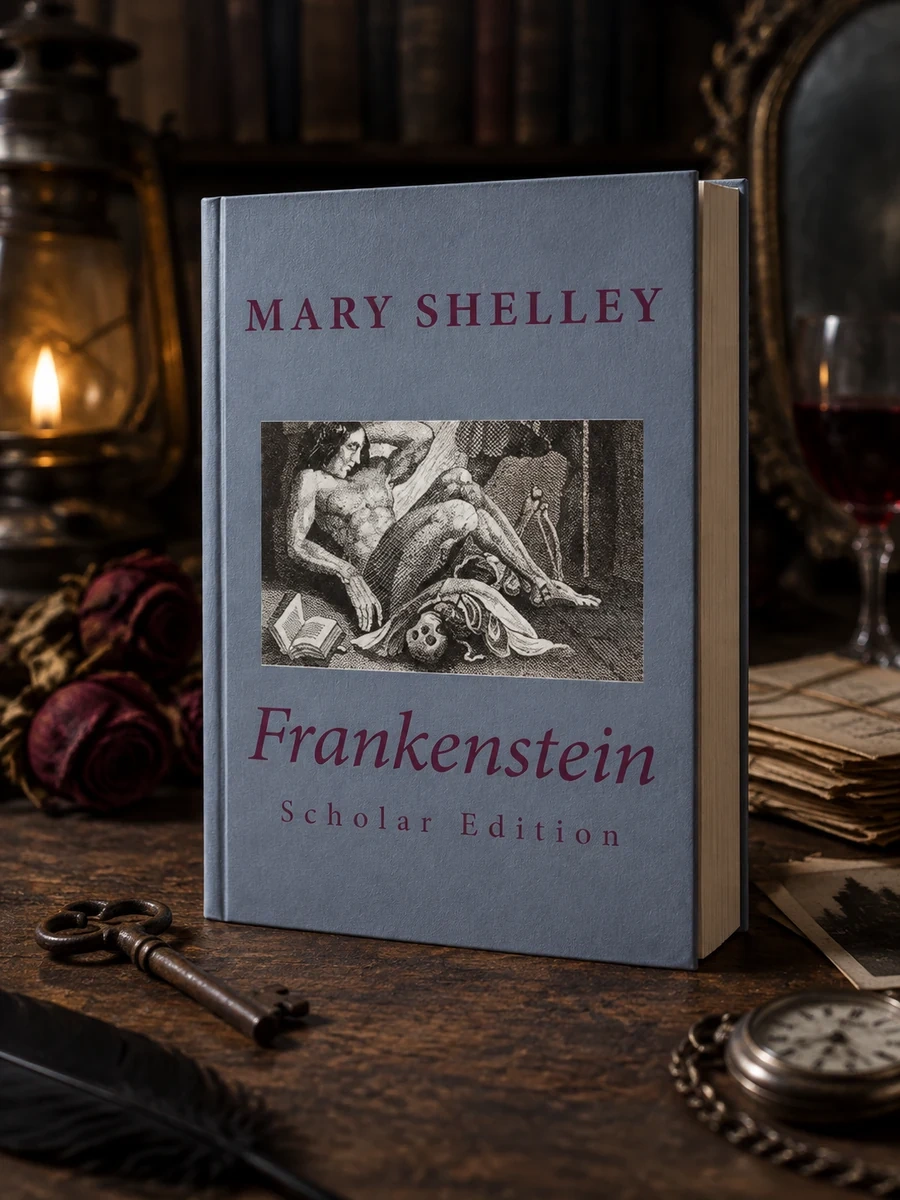
1. Frankenstein Scholar Edition
If you're going to read Frankenstein, read it properly. The Scholar Edition includes the original 1818 text plus the 1831 revision—two different books in one. The first version is rawer, faster, more brutal. The 1831 revision shows Shelley softening some edges but deepening the philosophical questions. This edition lets you see how her thinking evolved over thirteen years. It's the definitive way to experience her most famous work, and it costs under $25.
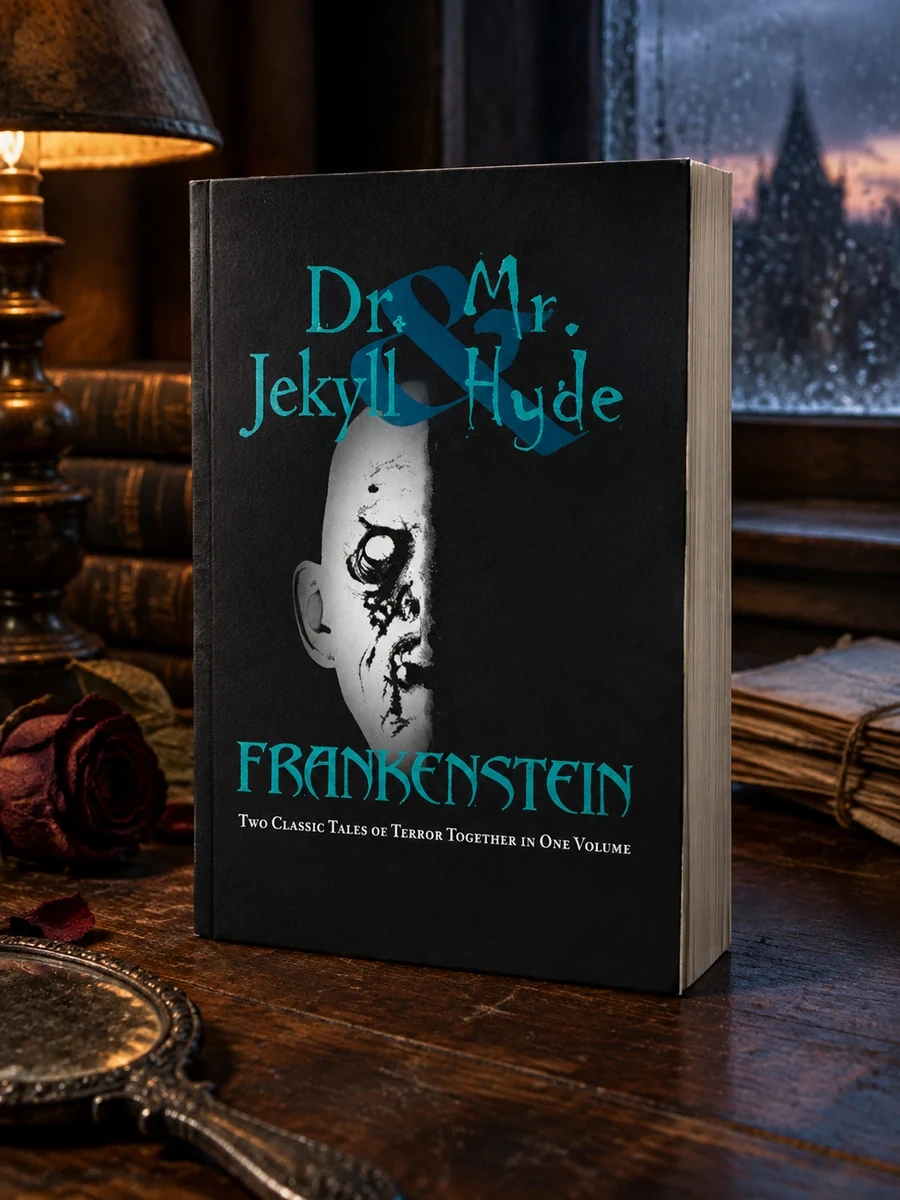
2. Dr. Jekyll and Mr. Hyde & Frankenstein
This pairing makes sense: both are stories about men fractured by their own ambition, both explore the monster within. The combined edition is economical and lets you see how Shelley's themes echo through Victorian horror. It's a solid entry point if you want two classics for under $20.
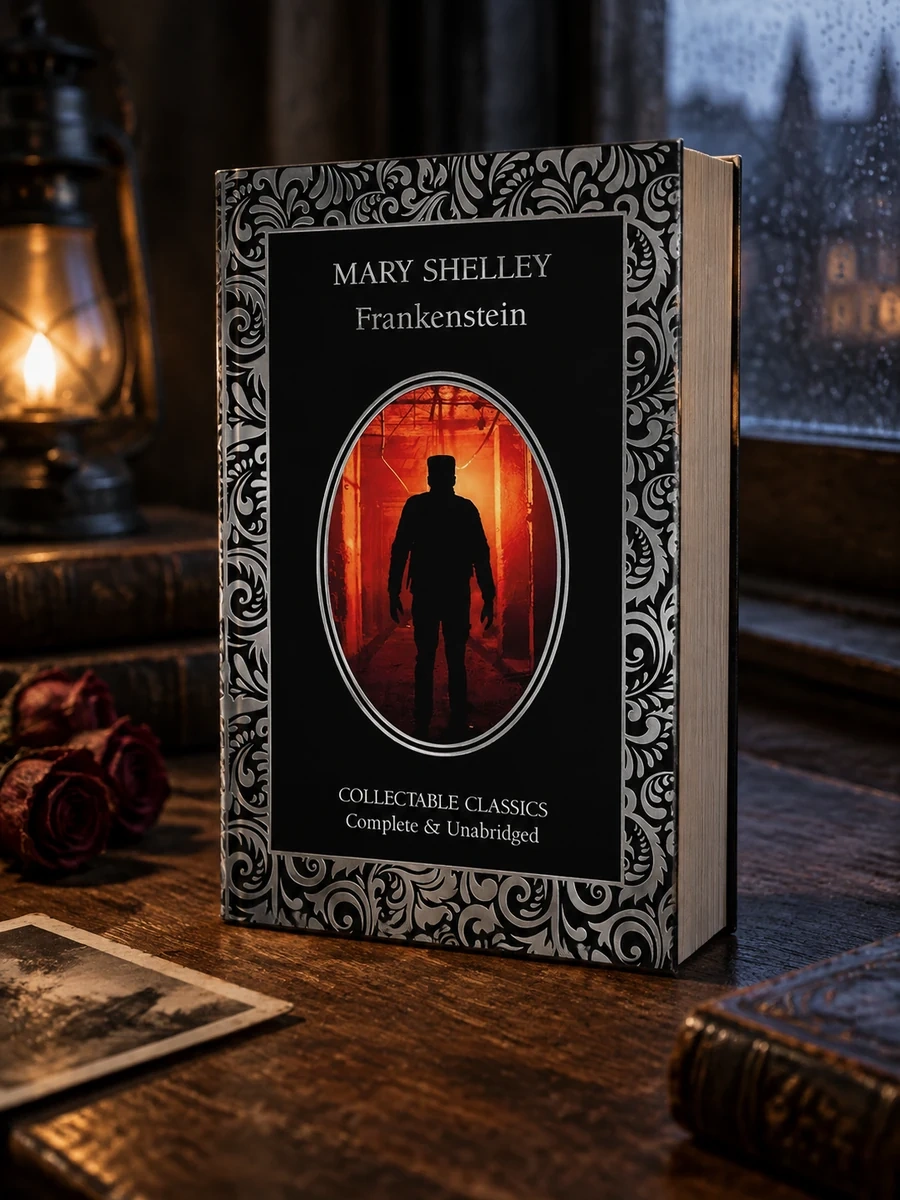
3. Frankenstein & Other Tales
The Frankenstein & Other Tales collection pairs her masterpiece with shorter supernatural fiction. These stories show her range: some are gothic, some are philosophical, all are brief enough to read in an evening. It's a smart way to sample her voice across different modes.
Her Supernatural Masterpieces: Ghost Stories and Dark Fantasy
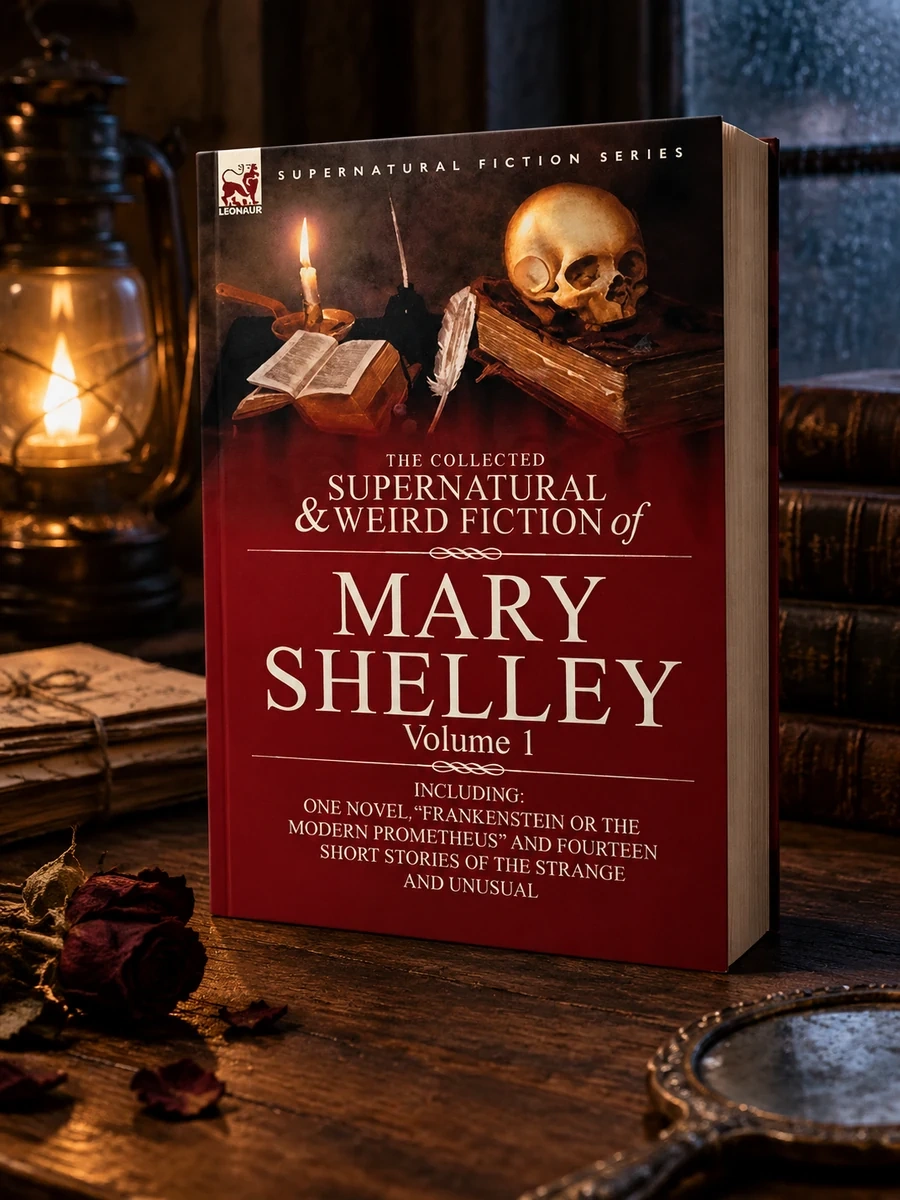
4. The Collected Supernatural and Weird Fiction of Mary Shelley, Volume 1
This is the book for readers who want to understand Mary Shelley as a writer of the uncanny. The Collected Supernatural and Weird Fiction gathers Frankenstein alongside fourteen short stories—ghosts, hauntings, psychological breakdowns, and moments where reality fractures. Some of these tales are obscure, rarely anthologized, and genuinely unsettling. At $46, it's an investment, but it's the most complete picture of her supernatural imagination.
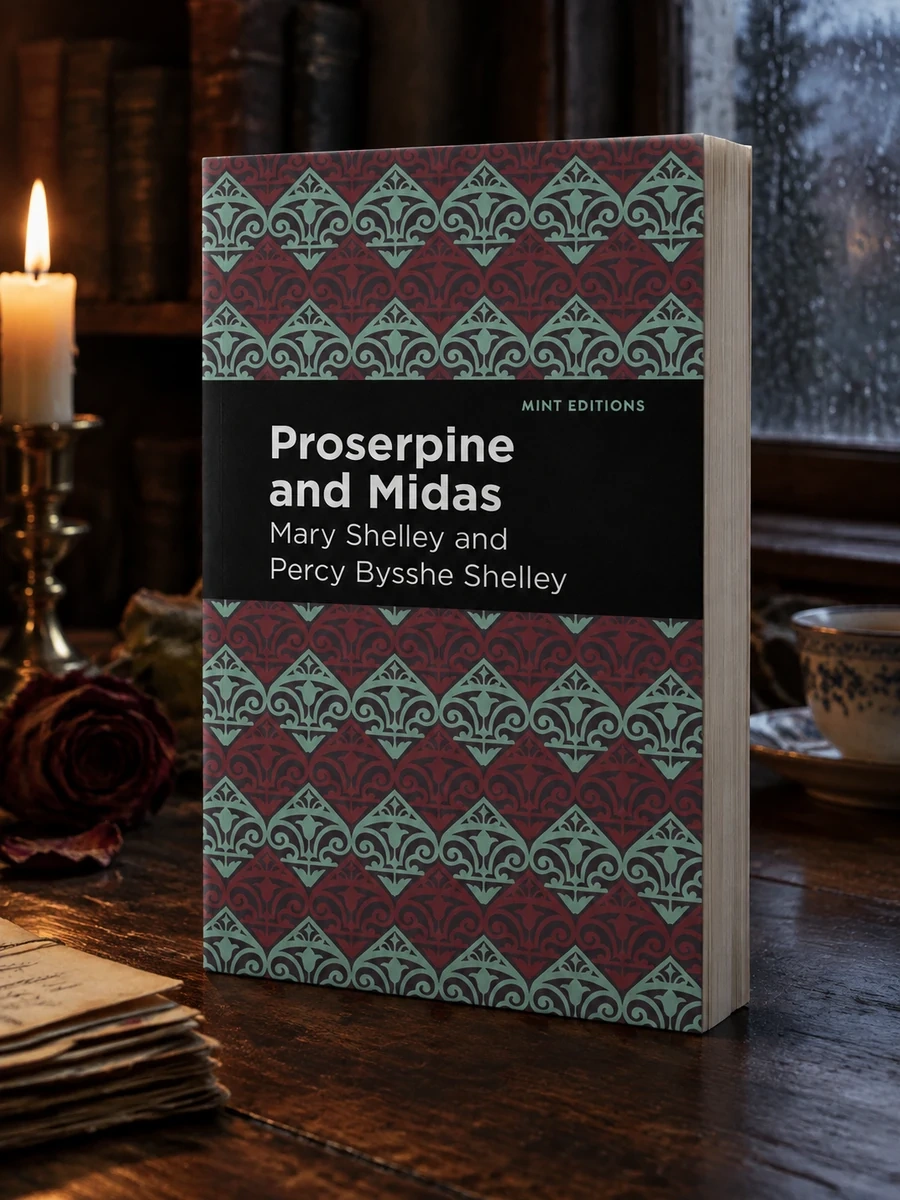
5. Proserpine and Midas
These two mythological tales show Shelley working in dark fantasy. Proserpine and Midas reimagines classical myths with her own gothic sensibility. They're shorter works, perfect for readers who want something concentrated and strange. Under $10, they're also the most affordable way to explore her range.
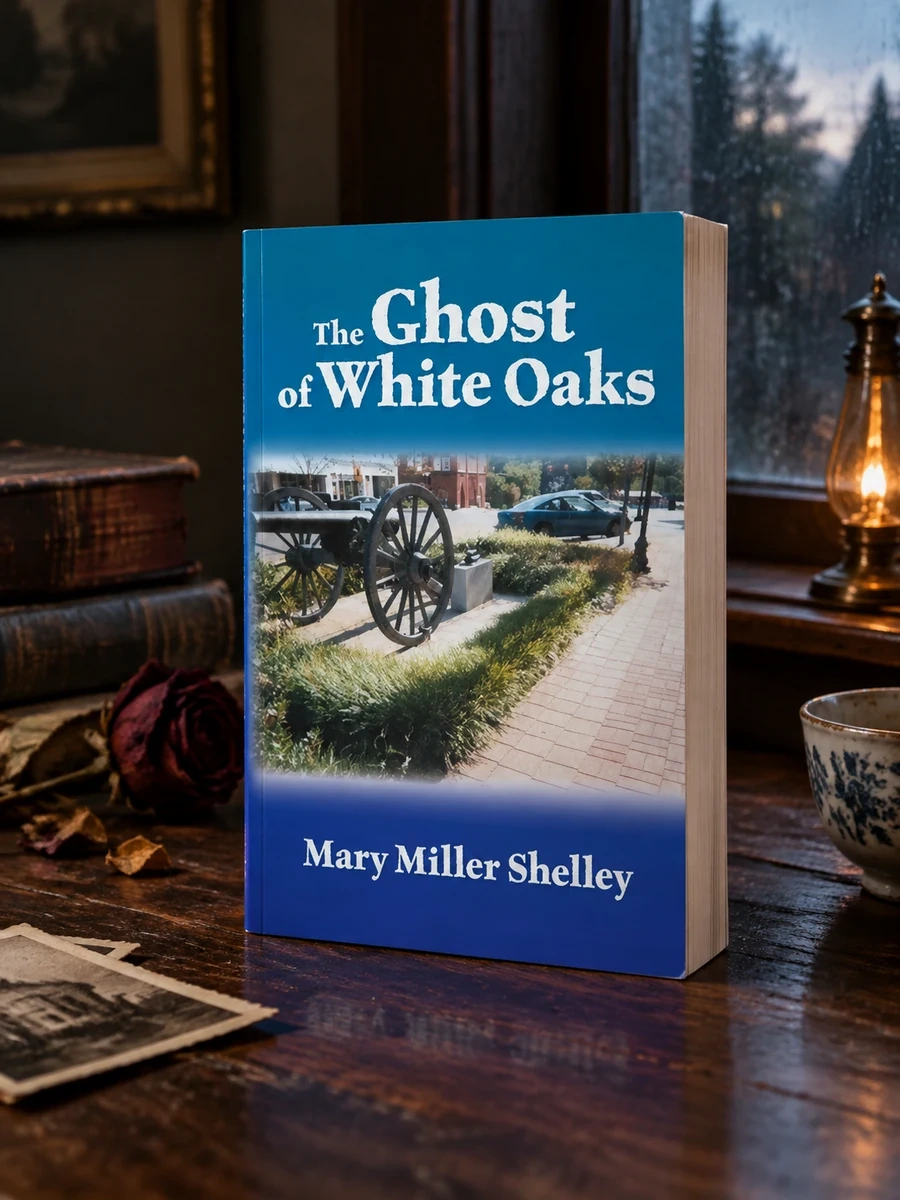
6. The Ghost of White Oaks
A full gothic novel built around a haunting. The Ghost of White Oaks is atmospheric and unsettling in ways that feel very modern—the horror is psychological as much as supernatural. If you love ghost stories with real emotional weight, this one delivers.
Her Major Novels: Ambition, Loss, and the End of the World
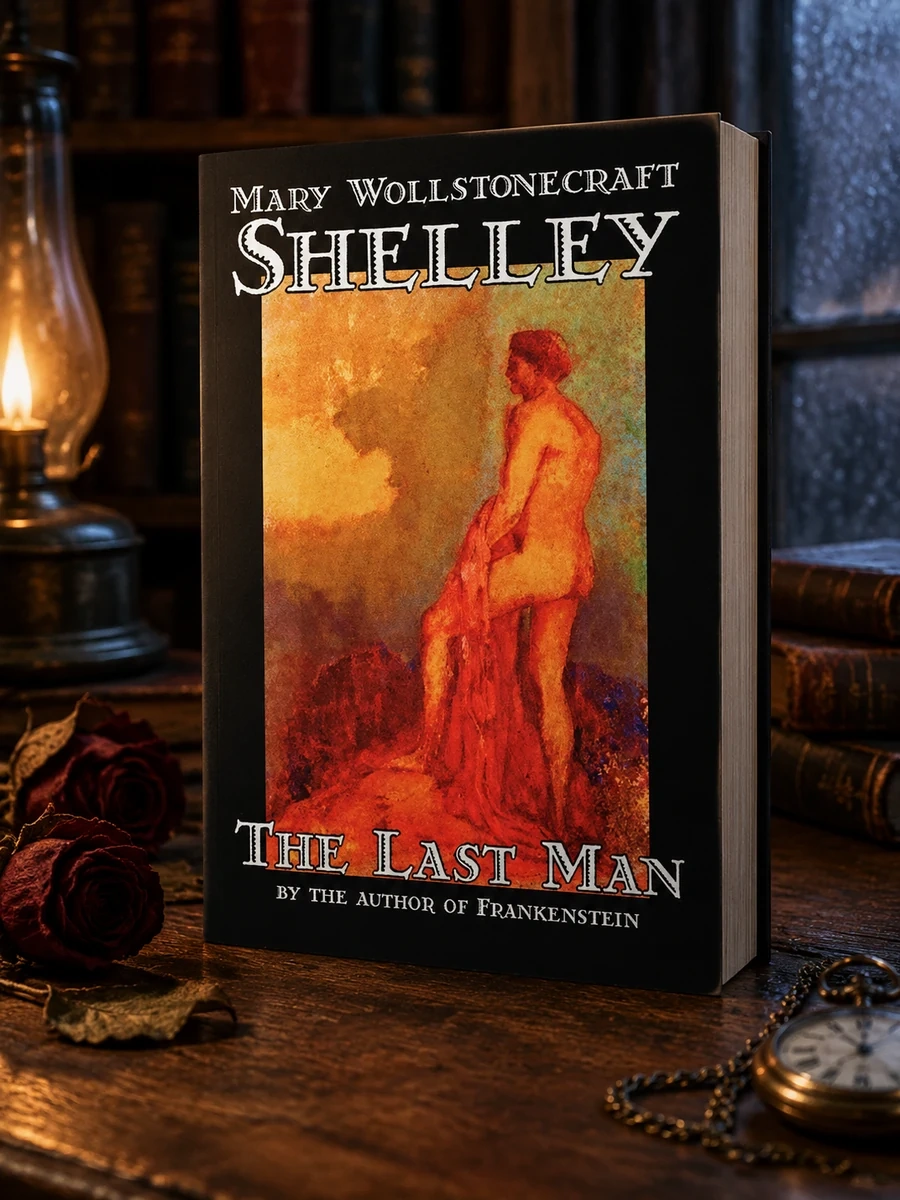
7. The Last Man
The Last Man is her most ambitious novel after Frankenstein. It's set in a future England where a plague wipes out humanity, and it follows the last survivors as civilization collapses. Written in the 1820s, it reads like proto-science fiction, but it's really a meditation on loss, love, and what remains when everything is taken. It's long and demanding, but it's a masterpiece. Around $26.
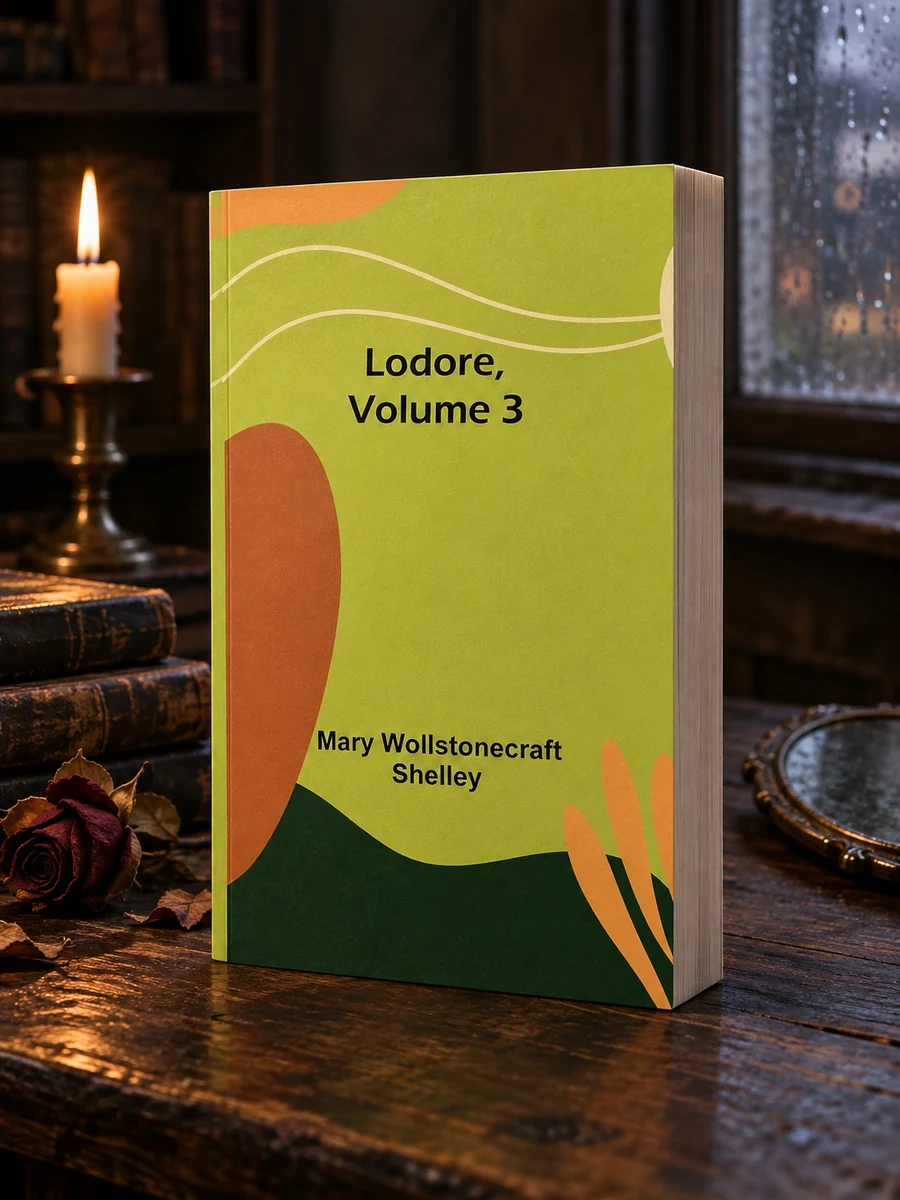
8. Lodore, Volume 3
Lodore is a gothic novel about family secrets, inheritance, and the sins of the father. It's less famous than her supernatural work, but it shows her skill at plotting and character. If you want to understand her as a novelist of human drama, not just horror, this is essential. Under $25.
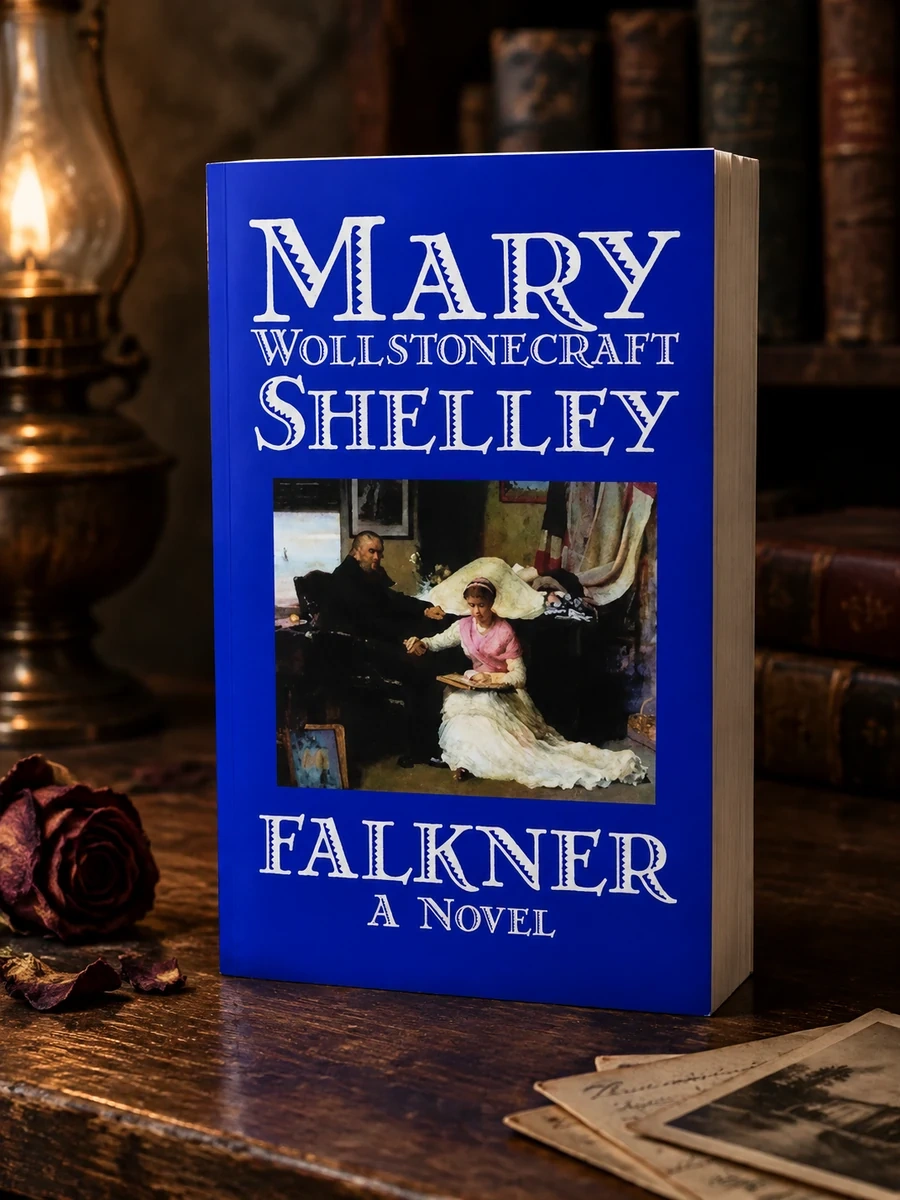
9. Falkner
Falkner is her final novel, published in 1837. It's a gothic tale of mystery and redemption, darker and more introspective than her earlier work. It shows a writer who had lived through decades of loss and was still capable of creating beauty from darkness. Around $24.
The Villa Diodati Connection: Where Modern Horror Was Born
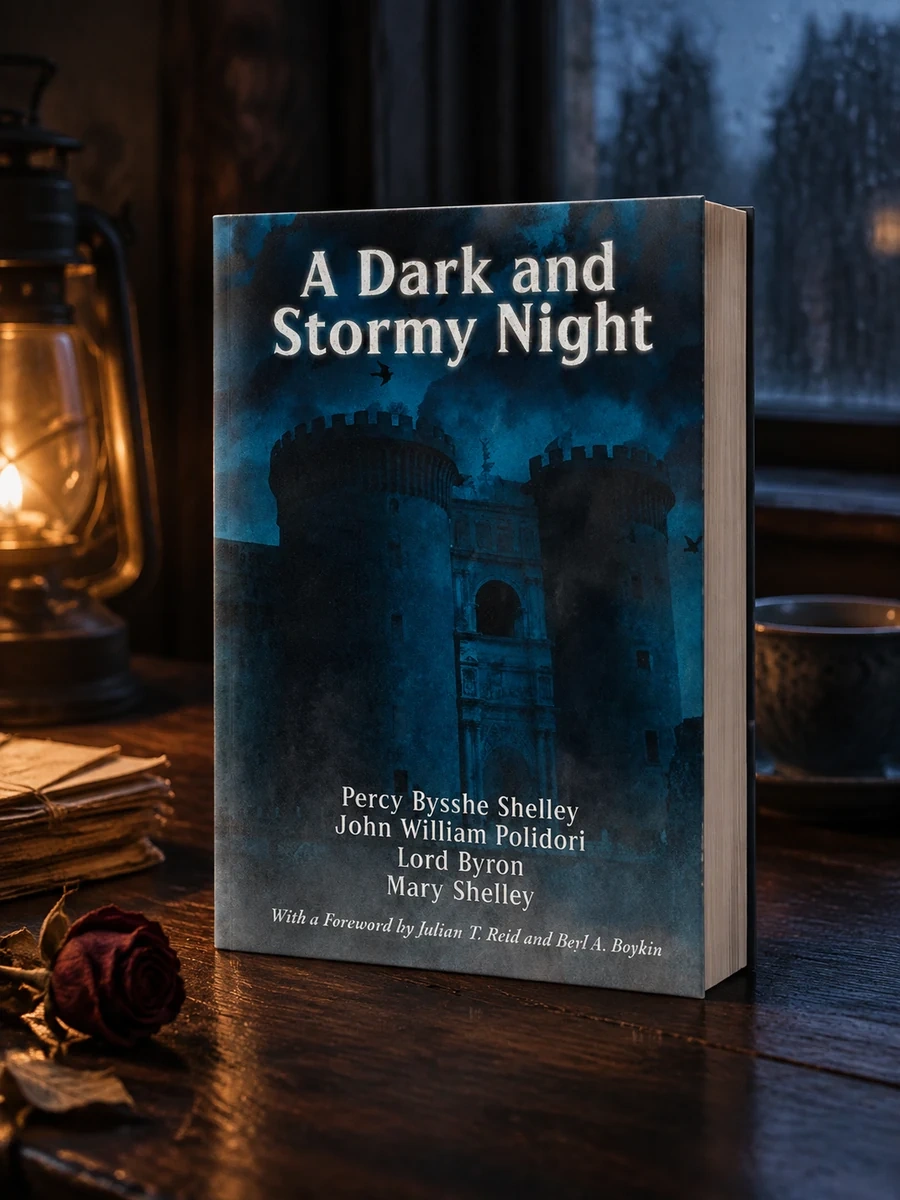
10. A Dark and Stormy Night: The Villa Diodati Stories That Gave Birth to Frankenstein and the Modern Vampire
In the summer of 1816, Mary Shelley, Percy Shelley, Lord Byron, and John Polidori gathered at Villa Diodati near Lake Geneva. They challenged each other to write ghost stories. That night produced Frankenstein and the modern vampire story. A Dark and Stormy Night collects these foundational tales with context. It's literary history and horror in one book, under $15.
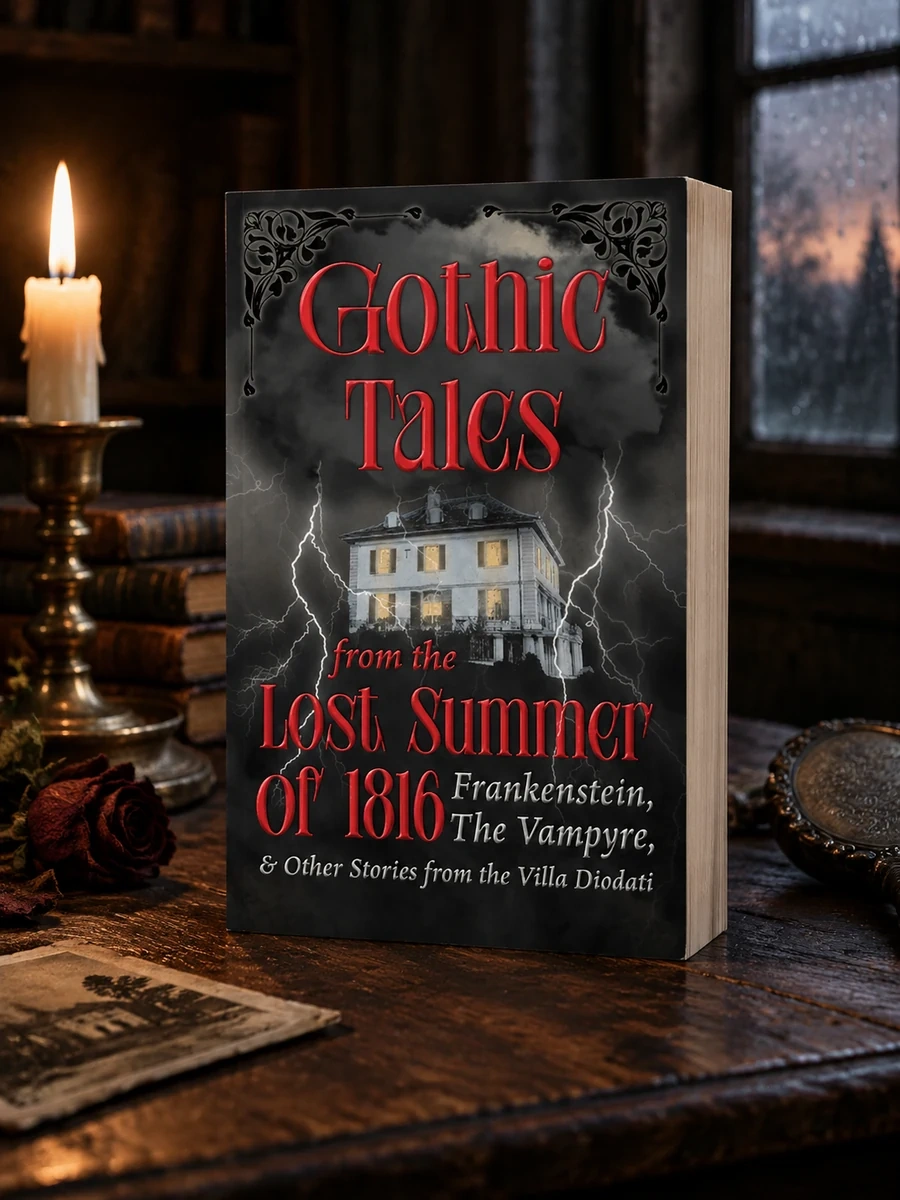
11. Gothic Tales from the Lost Summer of 1816
Another take on the same legendary moment. Gothic Tales from the Lost Summer of 1816 includes Frankenstein, Polidori's "The Vampyre," and other stories from that week. It's a window into the birth of modern horror. Around $20.
For Specific Readers: Graphic Novels and Adaptations
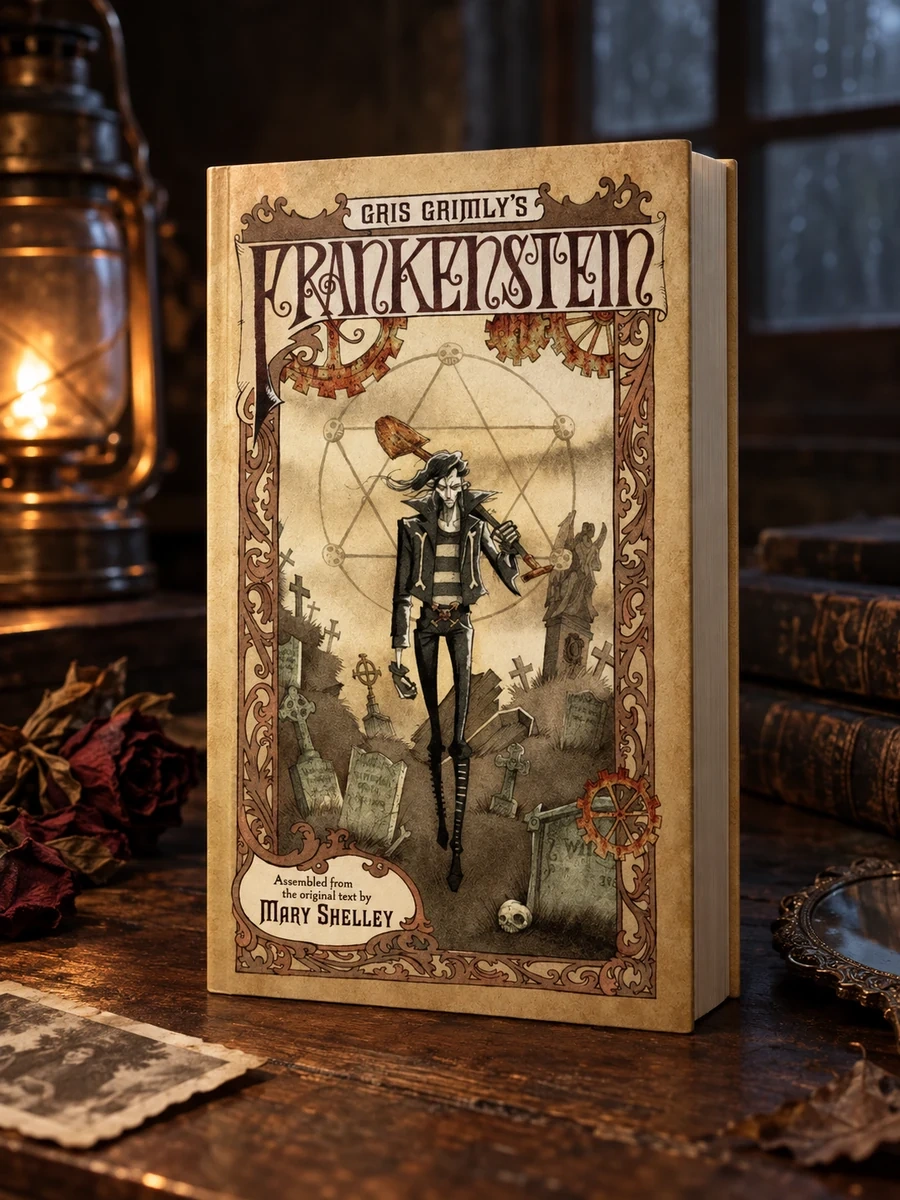
12. Gris Grimly's Frankenstein: A Graphic Novel
If you want Frankenstein in a different medium, Gris Grimly's Frankenstein is a stunning graphic adaptation. Grimly's art is dark and detailed, perfect for the novel's gothic atmosphere. It's under $20 and works for readers who struggle with dense prose or want a visual interpretation of the story.
How to Choose Your Mary Shelley Path
If you've never read Mary Shelley at all, start with the Scholar Edition of Frankenstein. It's the foundation. Then move to The Collected Supernatural and Weird Fiction to see her range.
If you've read Frankenstein and want more horror, go straight to The Ghost of White Oaks and A Dark and Stormy Night. Both are pure gothic atmosphere.
If you want to understand her as a serious novelist, not just a horror writer, read The Last Man. It's her most ambitious work and her most rewarding. The novel's exploration of plague and human connection feels startlingly relevant, and its scope rivals anything in Victorian literature.
Mary Shelley wrote during an era when women weren't supposed to write at all, let alone invent genres. She did both. Her books matter because they're beautiful, terrifying, and true to the human experience of loss. She understood that the real monsters aren't always creatures in laboratories—sometimes they're the people we love, the secrets we keep, the futures we fear. Start anywhere on this list, and you'll understand why she's still read two hundred years later.