Most readers meet Bram Stoker through a single book. Dracula (1897) has never been out of print, it has been adapted more often than almost any novel in English, and it fixed the image of the vampire that every later writer either borrows or argues with. Stoker himself would have been surprised. In his lifetime he was better known as the business manager of the Lyceum Theatre in London and the right hand of the actor Henry Irving, and he wrote his fiction in the hours the theatre left him.
That is also why the rest of his work is worth knowing. Stoker published a dozen novels and several collections between 1881 and his death in 1912. Most were romances and adventures that nobody reads now, but a handful are genuine horror: an Egyptian mummy story that inspired decades of films, a Gothic vampire-adjacent novel set on the Adriatic, a strange late book about an ancient serpent in the English countryside, and a group of short stories that still turn up in every serious anthology.
This guide is in three parts. First, which edition of Dracula to buy, because the choice matters more than people expect. Then the other Stoker books a horror reader should try, in the order we would suggest reading them. Last, the books that grew out of Dracula: Stoker's own working notes, an alternative version published in Iceland, and the novels his great-grandnephew co-wrote.
Which edition of Dracula to buy
The text of Dracula is in the public domain, so dozens of publishers print it. Many of those printings are photocopies of old scans with no introduction, no notes and careless typesetting. For a novel told entirely through diaries, letters, telegrams and newspaper cuttings, a clean, well-set edition makes a real difference to the reading.
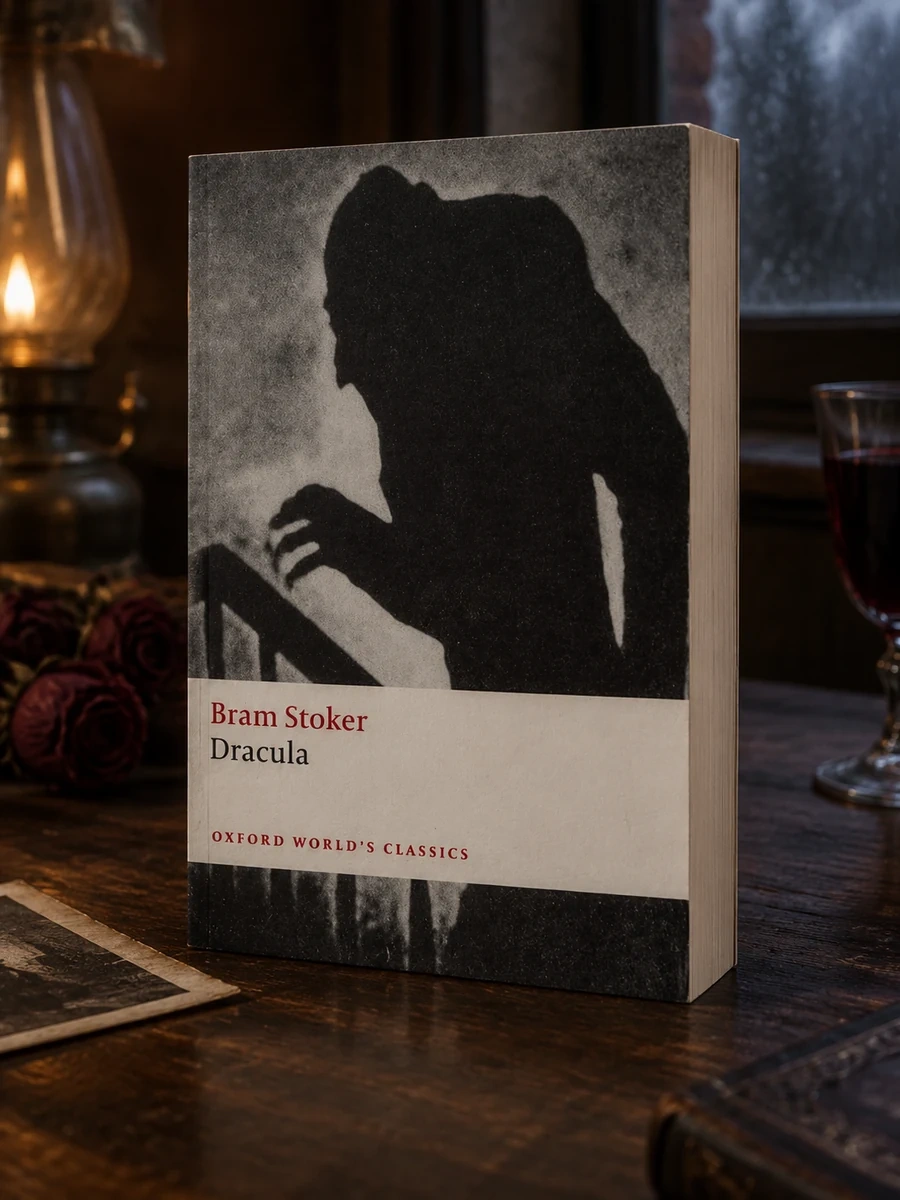
1. Dracula (Oxford World's Classics) — Bram Stoker
Our first recommendation for most readers. The Oxford World's Classics Dracula gives you a reliable text, an introduction that places the novel in its late-Victorian setting, and explanatory notes for the period references that modern readers trip over. It is also one of the least expensive editions we stock, usually under $10.
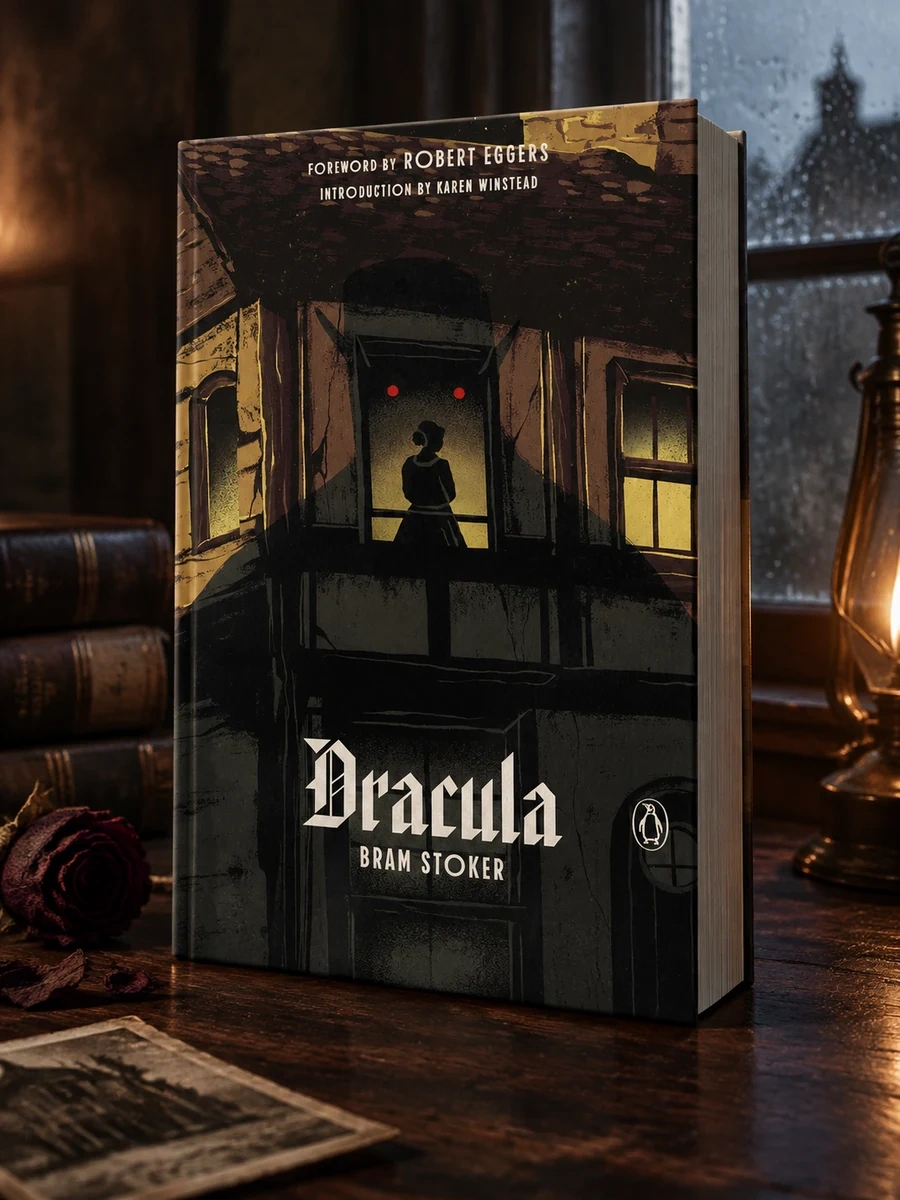
2. Dracula (Penguin Classics) — Bram Stoker
The other standard scholarly edition. Penguin Classics' Dracula is the one many university courses assign, with an introduction and notes aimed at readers who want to understand why the book was so unsettling in 1897. If you are reading Dracula for a class or a book club, this or the Oxford edition is the safe choice.
3. Dracula & Dracula's Guest (Wordsworth Classics) — Bram Stoker
The best value if you want the novel and its famous companion story in one volume. This Wordsworth edition adds "Dracula's Guest", the story Stoker's widow Florence published in 1914, two years after his death. Many readers believe it began life as a cut opening chapter of the novel; either way, it is a short, atmospheric piece about an Englishman lost near Munich on Walpurgis Night.
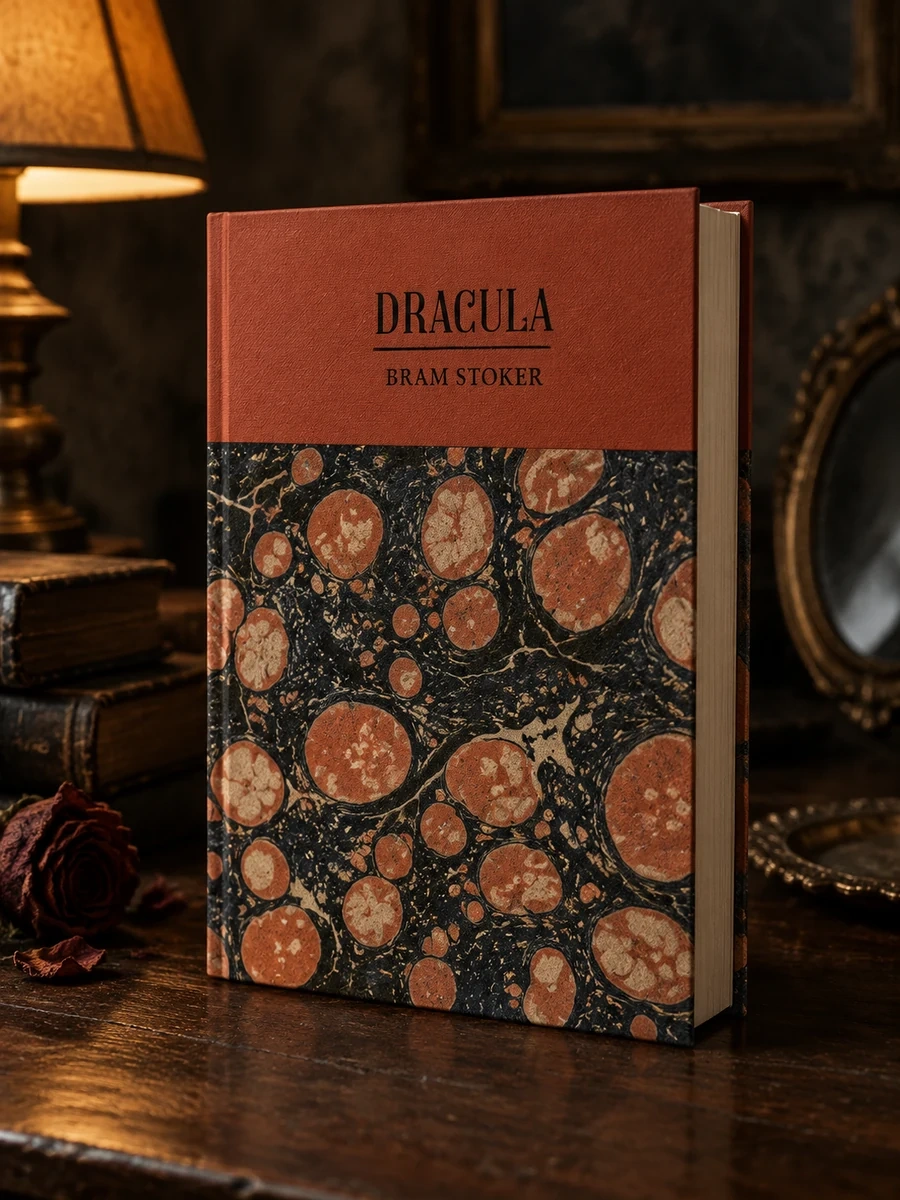
4. Dracula (Macmillan Collector's Library) — Bram Stoker
A small, cloth-bound hardcover with a ribbon marker. The Collector's Library Dracula is the edition to give as a gift or to keep on a shelf, and it is still priced like a paperback, typically under $15.
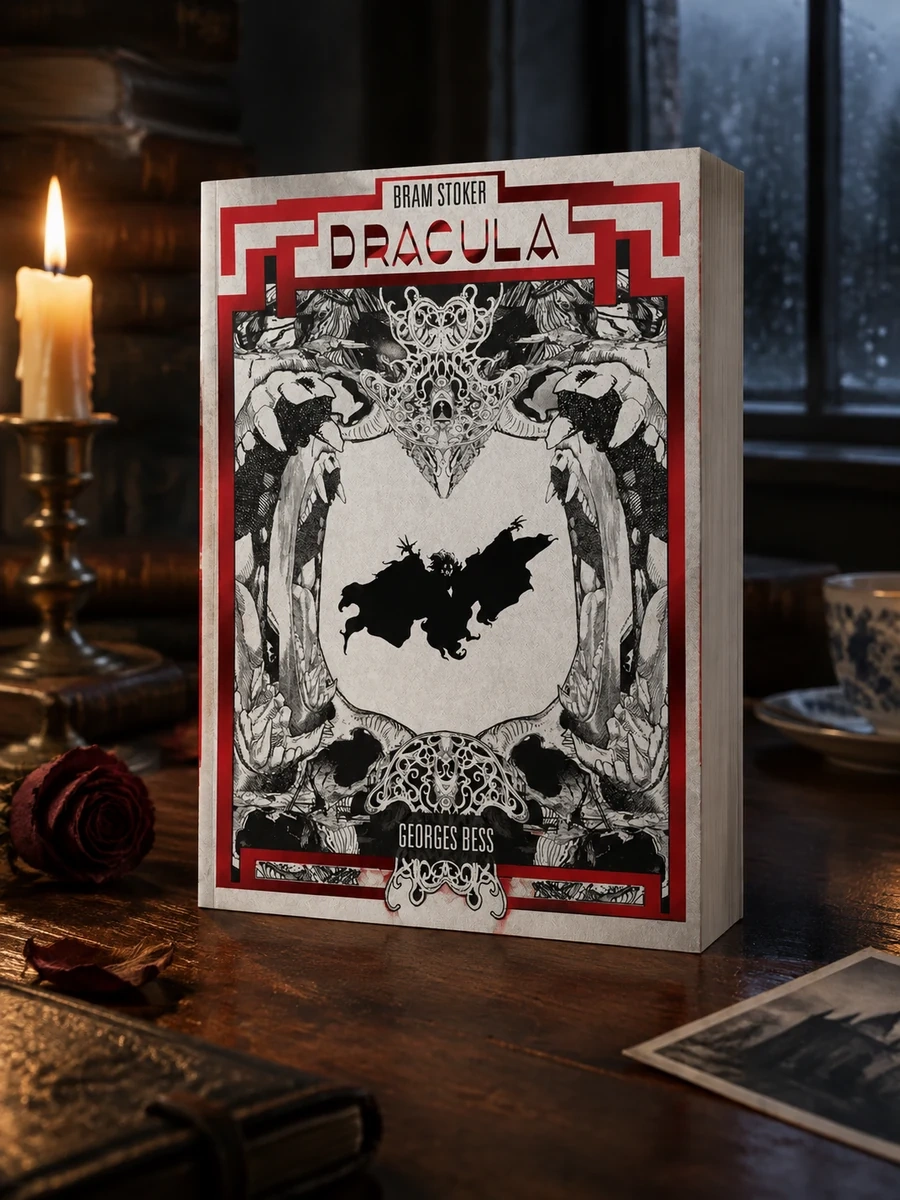
5. Bram Stoker's Dracula by Georges Bess — Georges Bess
For readers who want to see the story rather than read it. French artist Georges Bess adapted the novel as a black-and-white graphic novel, and this hardcover follows Stoker's plot closely while giving the Transylvania chapters the dread they deserve. It is a large-format book, priced in the $30s, and a good way into the story for teenage readers.
Stoker's other horror: the books to read after Dracula
None of these is as tightly made as Dracula, and Stoker's prose can be melodramatic. But each has an idea that later horror writers kept returning to. We list them in the order we would read them.
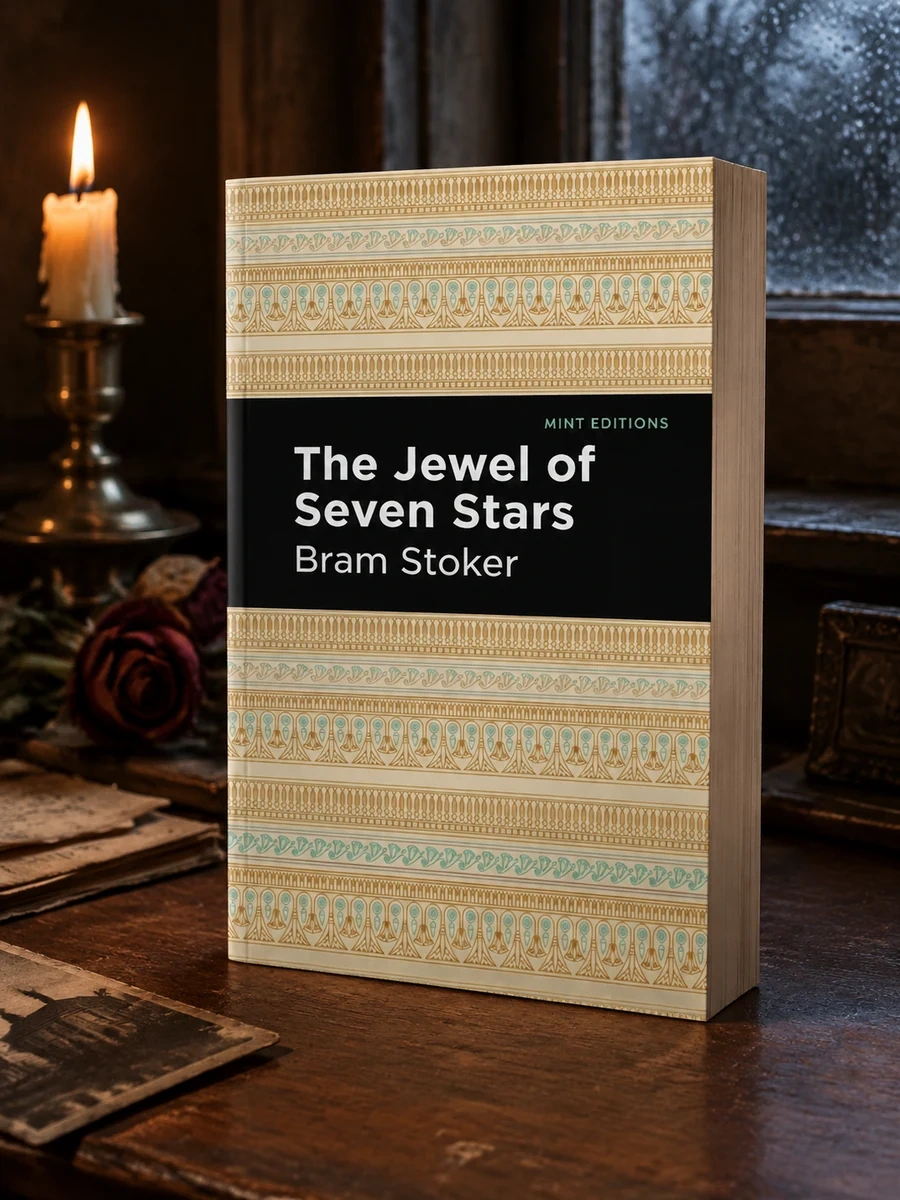
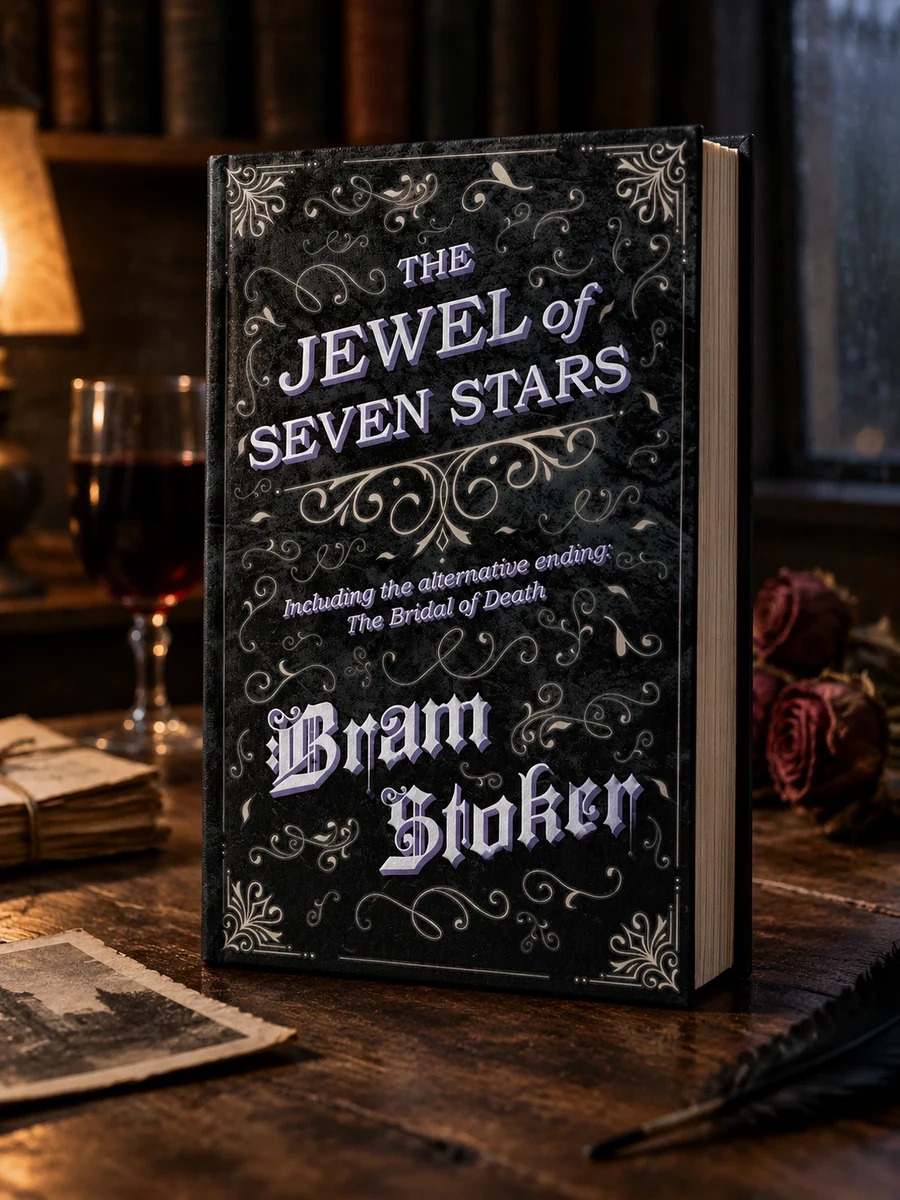
6. The Jewel of Seven Stars — Bram Stoker
Stoker's 1903 novel about an Egyptologist who falls into a trance while trying to revive Queen Tera, an ancient sorceress. It is the ancestor of nearly every "mummy" story that followed. Stoker's original ending is bleak; in 1912 the publisher replaced it with a gentler one. The Mint Editions paperback is an affordable, cleanly set copy, and if you want to compare the two endings, look for the edition that includes the alternative ending.
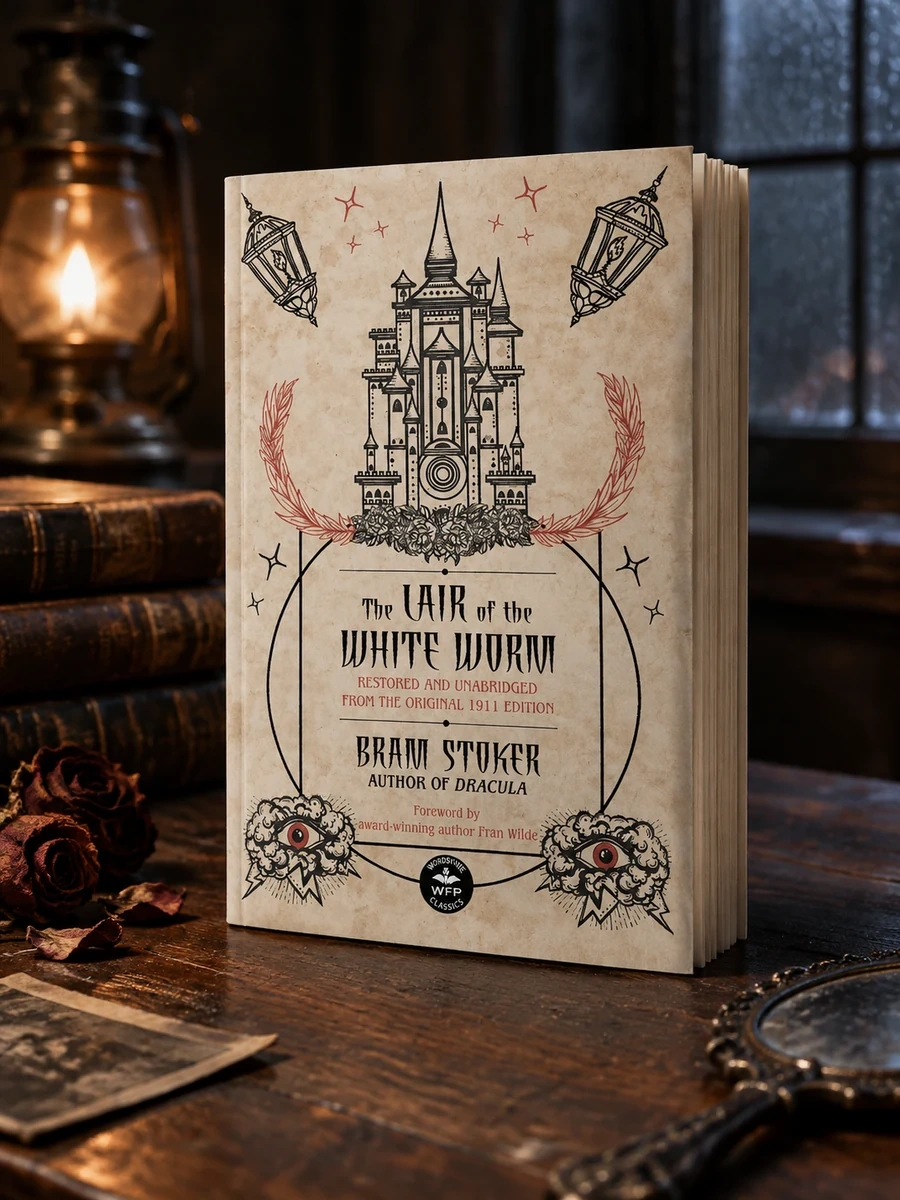
7. The Lair of the White Worm — Bram Stoker
Stoker's last novel, published in 1911, and his strangest. An ancient, intelligent serpent survives beneath the English countryside, and the story builds to a confrontation that is part horror, part fever dream. It is uneven and often baffling, which is exactly why it has a cult following. The WordFire Press edition restored from the 1911 text matters here, because many cheap printings reproduce a heavily cut later version.
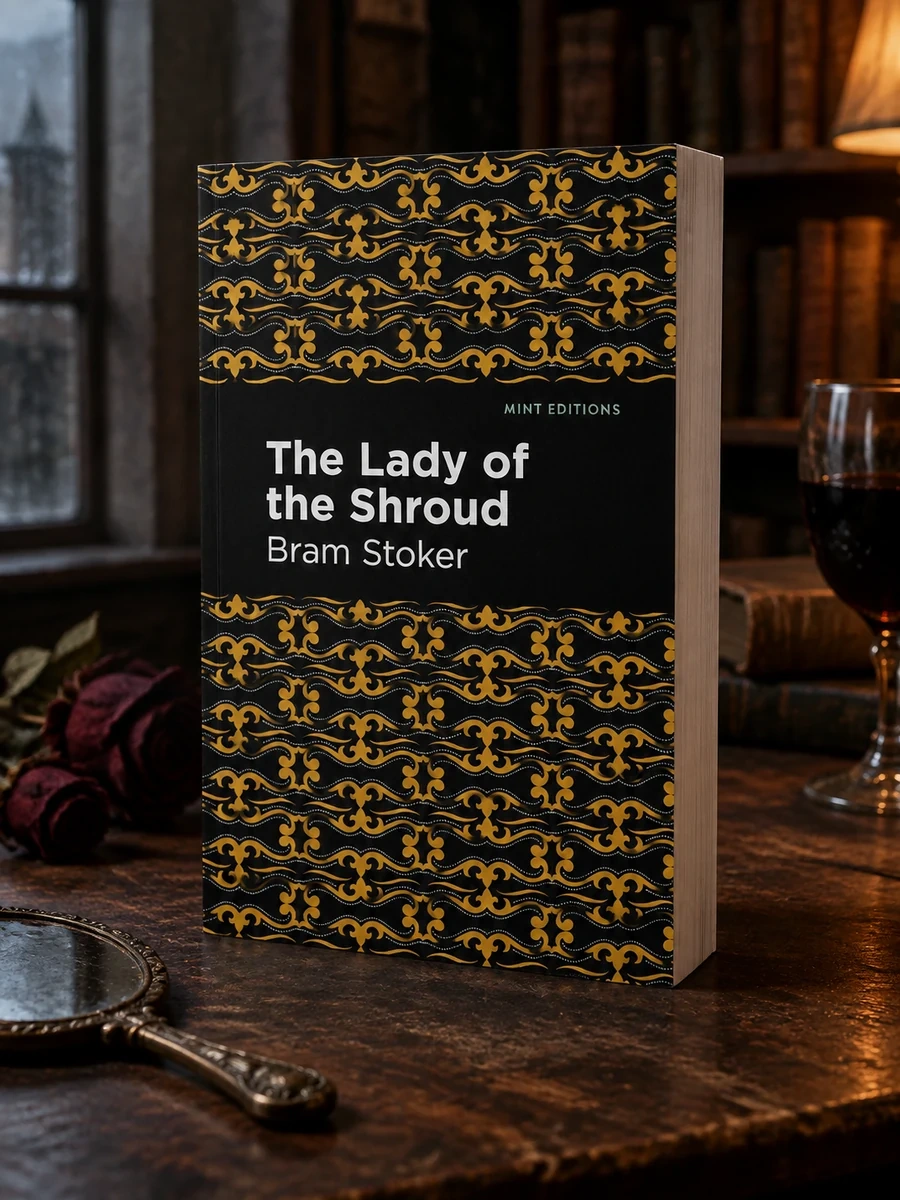
8. The Lady of the Shroud — Bram Stoker
Published in 1909 and set on the Adriatic coast, this novel opens with a mysterious woman in a burial shroud who visits the hero at night, and for half its length it reads like a sequel to Dracula. It turns into a political adventure, which some readers love and others don't, but the first chapters are pure Gothic. The Mint Editions copy is the cleanest text we carry.
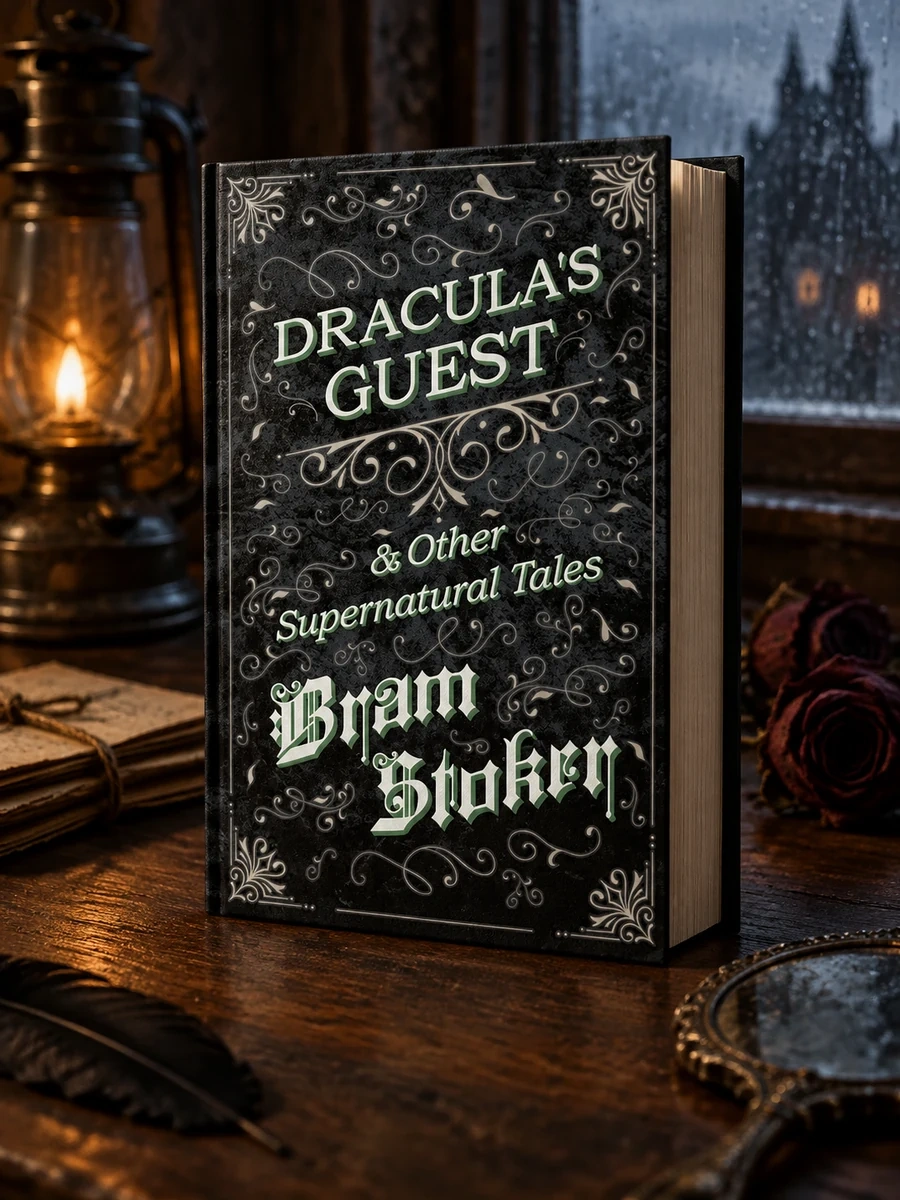
9. Dracula's Guest & Other Supernatural Tales — Bram Stoker
Stoker's short fiction is where his horror is most concentrated. This collection gathers "Dracula's Guest" with his other supernatural stories, including "The Squaw" and "The Burial of the Rats", a nightmare set among the rag-pickers of Paris. If you only try one Stoker book after Dracula, make it this one.
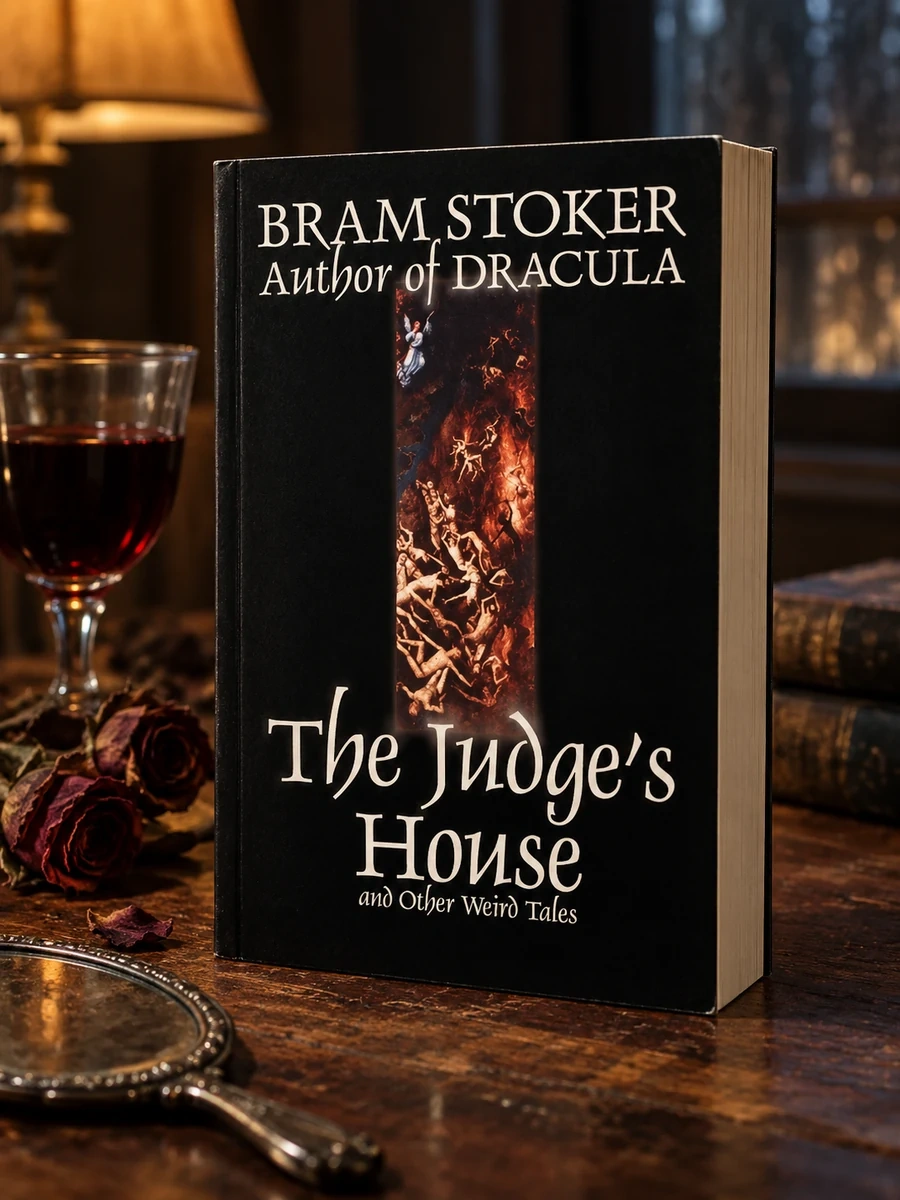
10. The Judge's House and Other Weird Tales — Bram Stoker
"The Judge's House" is Stoker's best-known ghost story: a student rents a cheap old house to study in peace, ignores every warning, and discovers why the rent is so low. This Wildside Press collection pairs it with other weird tales, and the title story is short enough to read on a single October evening.
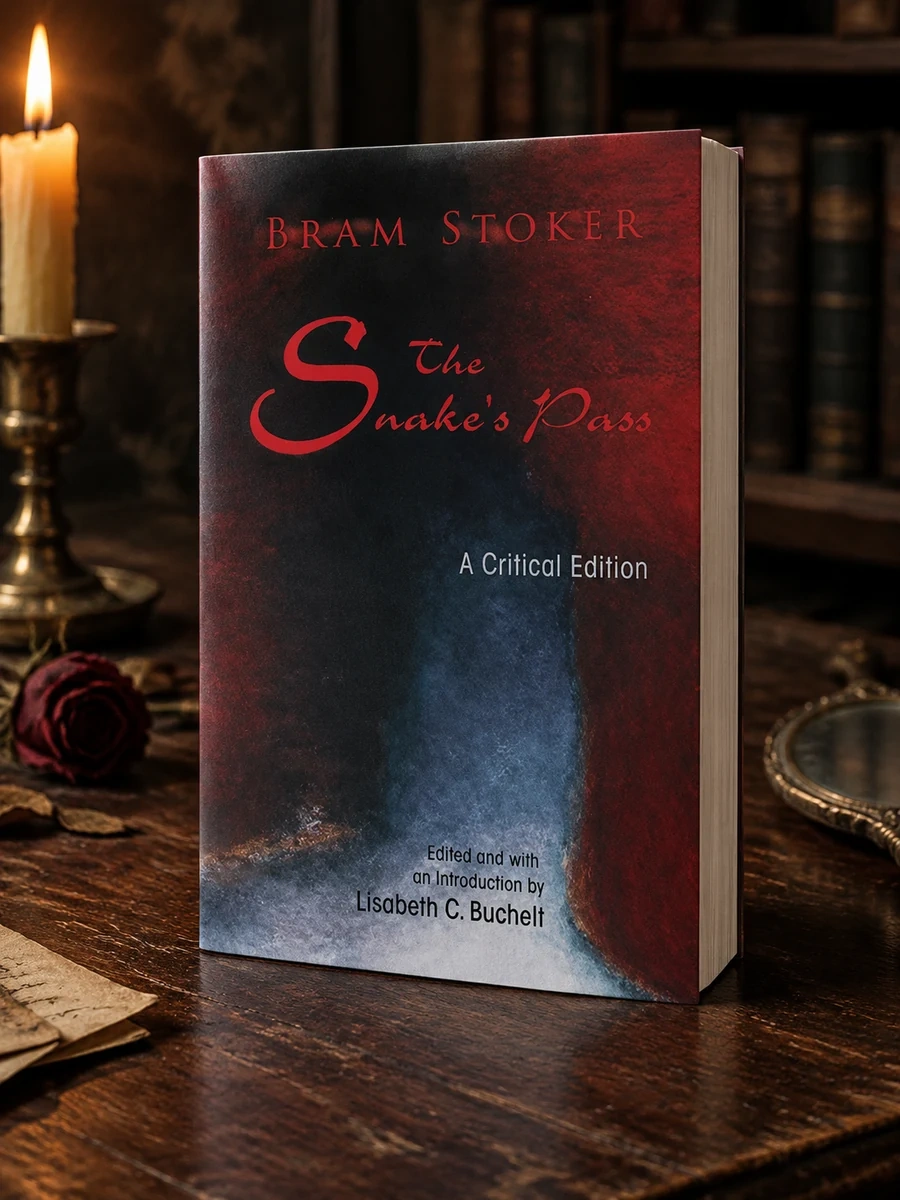
11. The Snake's Pass: A Critical Edition — Bram Stoker
Stoker's first novel, from 1890, set in the west of Ireland around a bog said to hide a treasure and a legendary serpent. It is a romance more than a horror novel, but it shows the Irish folklore that fed Dracula. Syracuse University Press's critical edition is for readers who want context and notes; it is the most expensive book on this list.
Beyond the novel: the books that grew out of Dracula
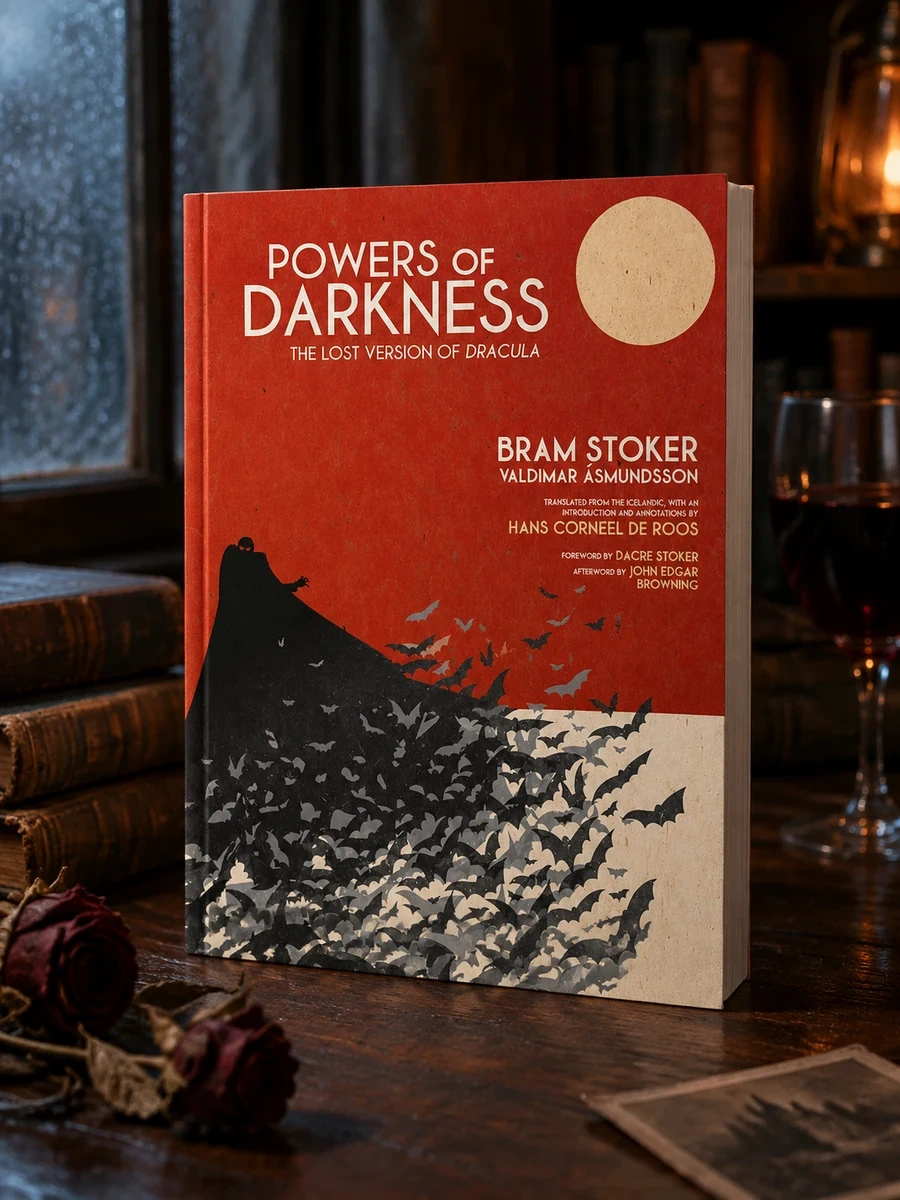
12. Powers of Darkness: The Lost Version of Dracula — Bram Stoker
In 1900 an Icelandic translation of Dracula appeared under the title Makt Myrkranna. When researchers compared it with the original, they found it was not a translation at all but a substantially different story, shorter, more erotic and with a very different second half. Powers of Darkness is the English translation of that version, with an introduction explaining how it came about. A fascinating read once you know the original.
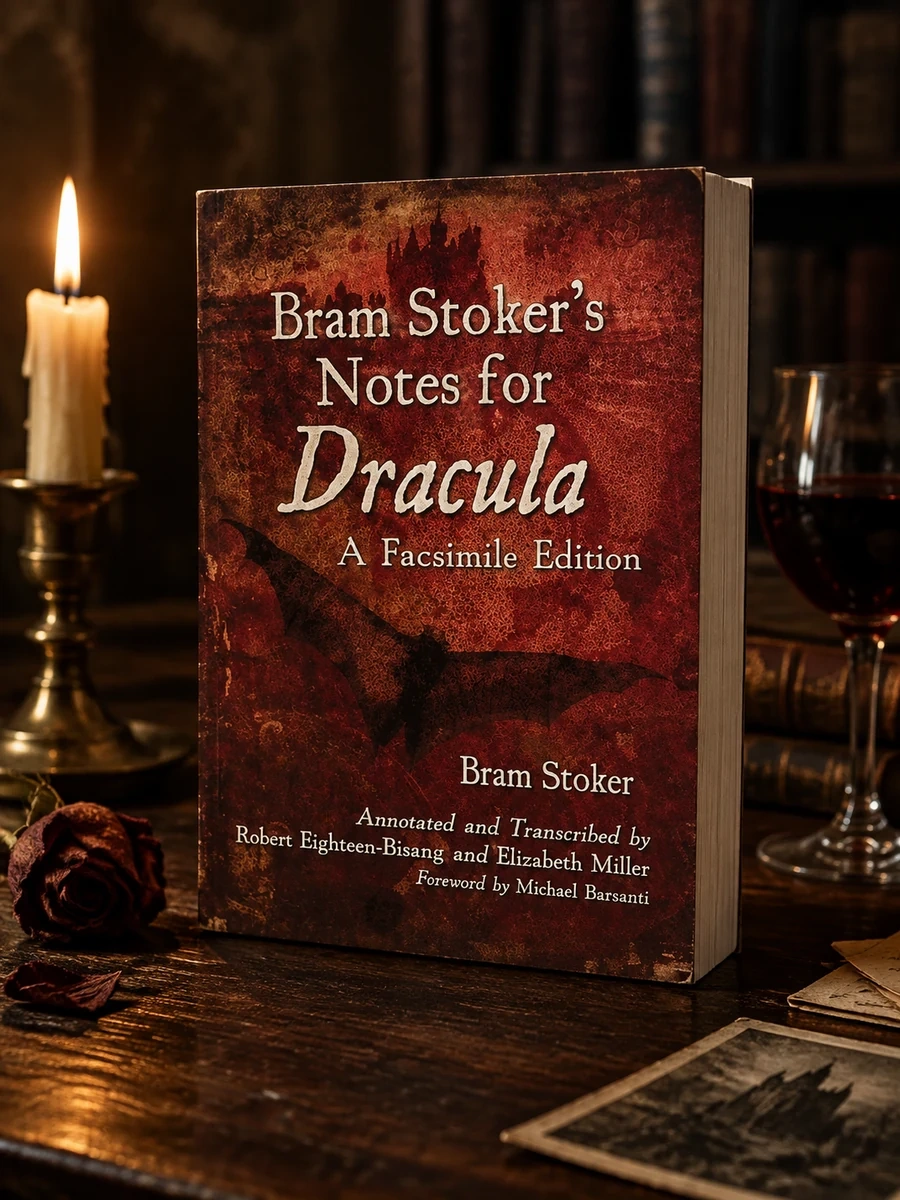
13. Bram Stoker's Notes for Dracula: A Facsimile Edition — Bram Stoker
Stoker spent years researching and planning Dracula, and his handwritten notes survive. This facsimile edition reproduces them with transcriptions and commentary, showing characters who were later cut and the reading he did on Transylvania. It is a reference book rather than a story, best for readers who already love the novel.
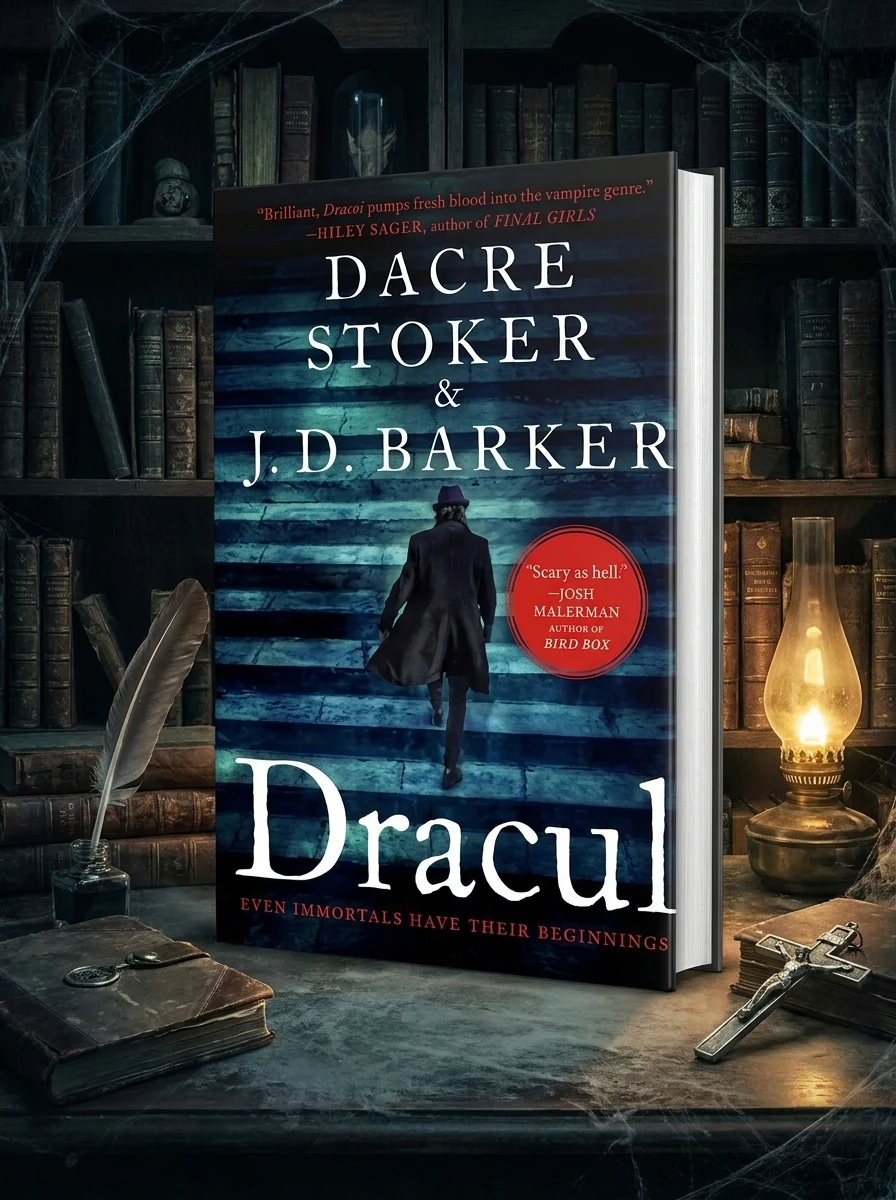
14. Dracul — J.D. Barker
A modern prequel co-written by J.D. Barker and Dacre Stoker, Bram Stoker's great-grandnephew. Dracul imagines a young Bram Stoker in Ireland encountering the evil he would later write about, and it borrows the original's diary-and-letters structure. Of all the Dracula spin-offs, it is the one most often recommended to readers who loved the source.
How to choose
If you have never read Dracula, start with the Oxford or Penguin edition: the notes make the Victorian details easy, and the novel is longer and stranger than any film suggests. If you have read it, go next to the short stories in Dracula's Guest & Other Supernatural Tales, then The Jewel of Seven Stars. Save The Lair of the White Worm for when you want something genuinely odd.
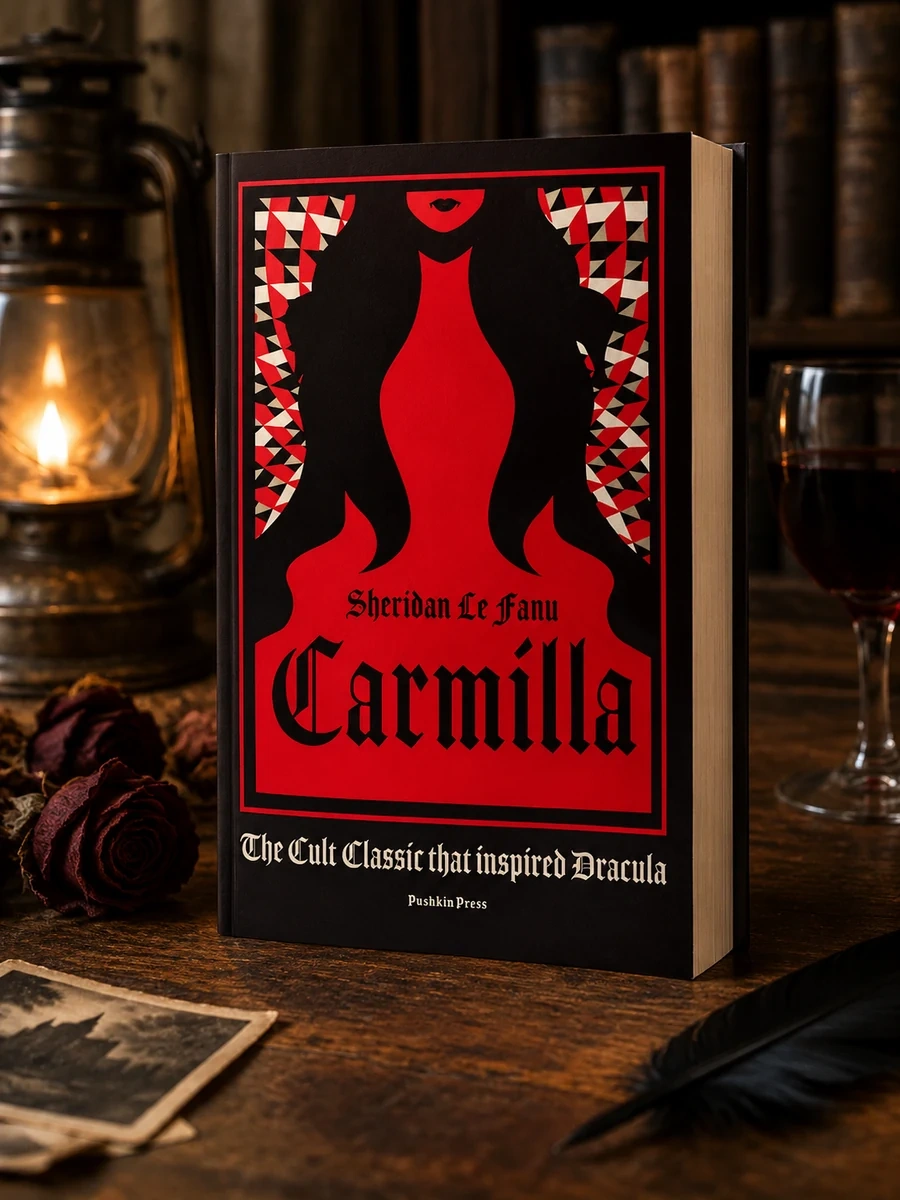
For a gift, the Macmillan Collector's Library hardcover is hard to beat, and the Georges Bess graphic novel suits readers who prefer pictures. And if you finish everything here and want more of the vampire that came before Dracula, read Sheridan Le Fanu's Carmilla, the 1872 novella that Stoker certainly knew.