🏚️ Gothic

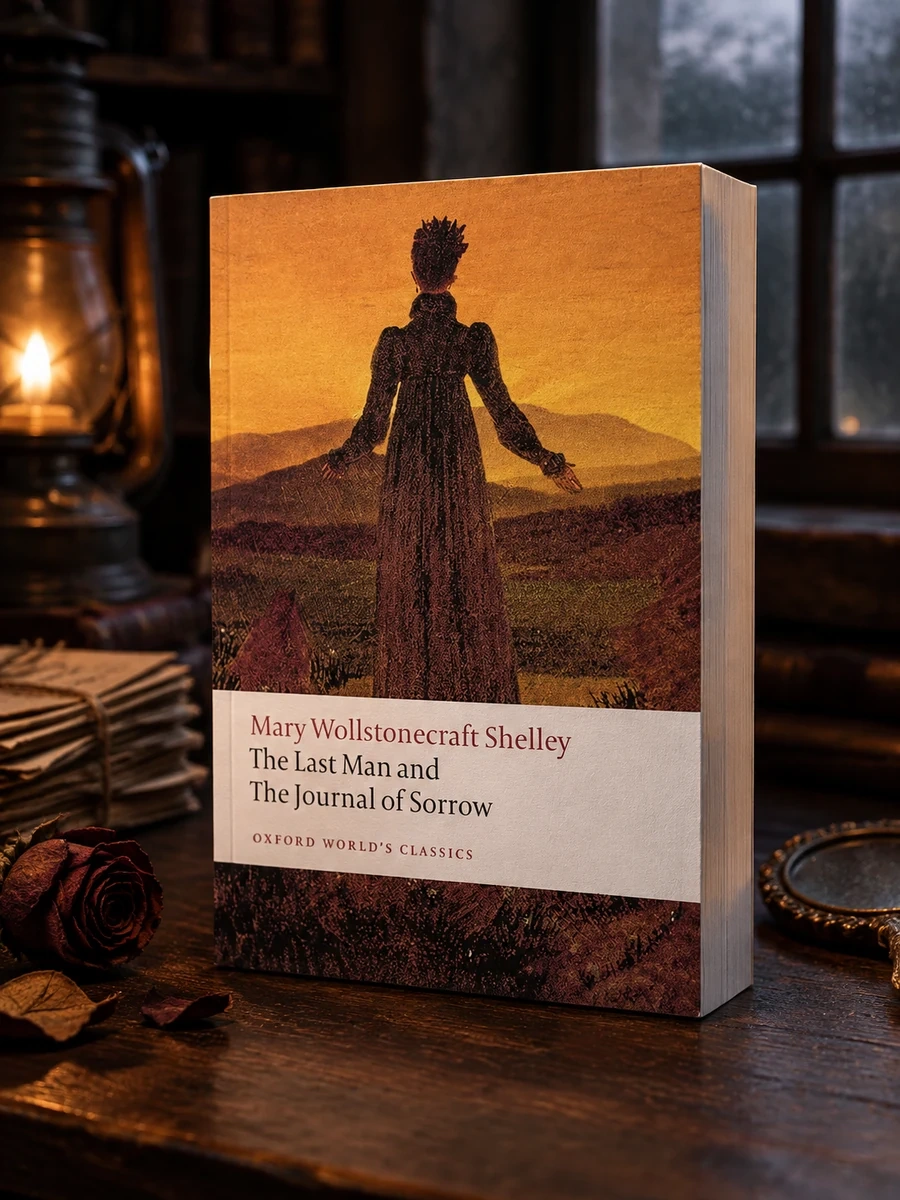
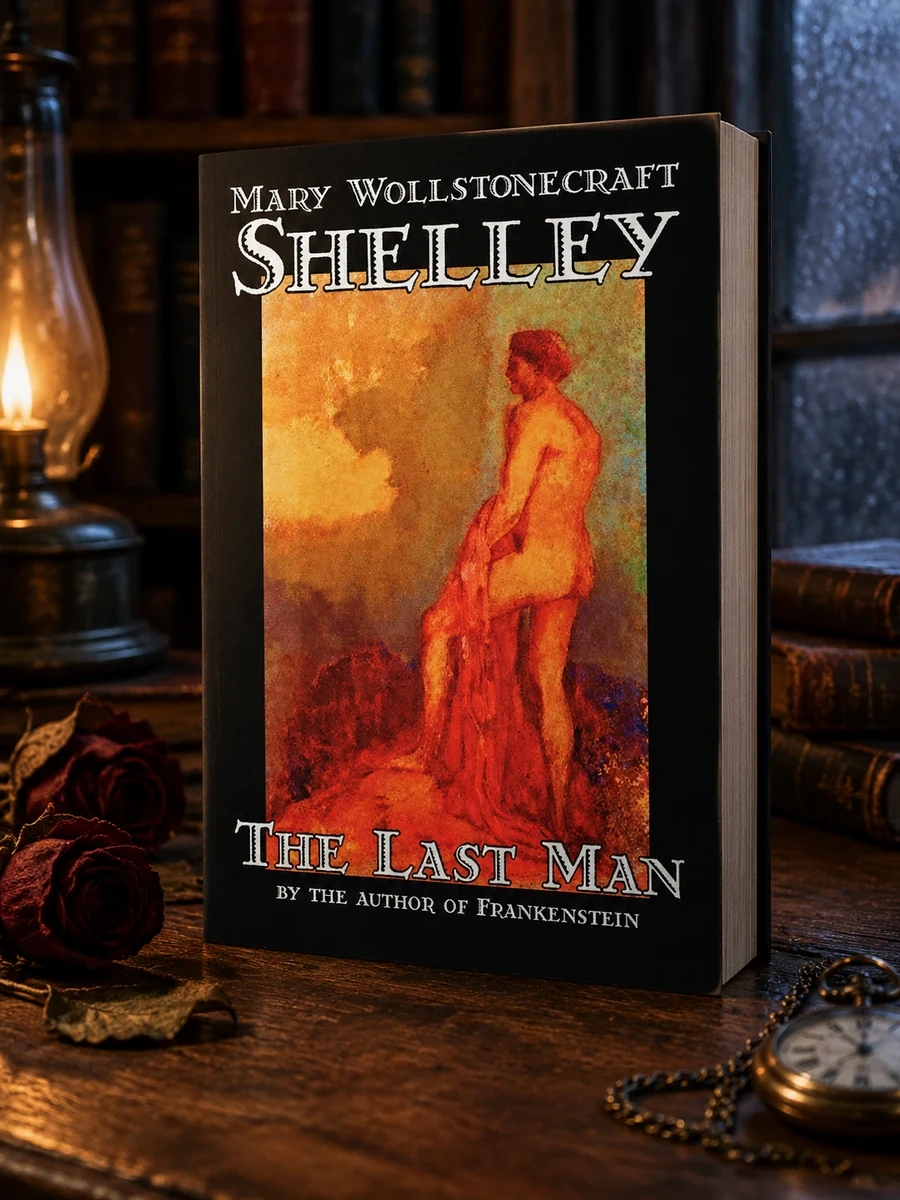
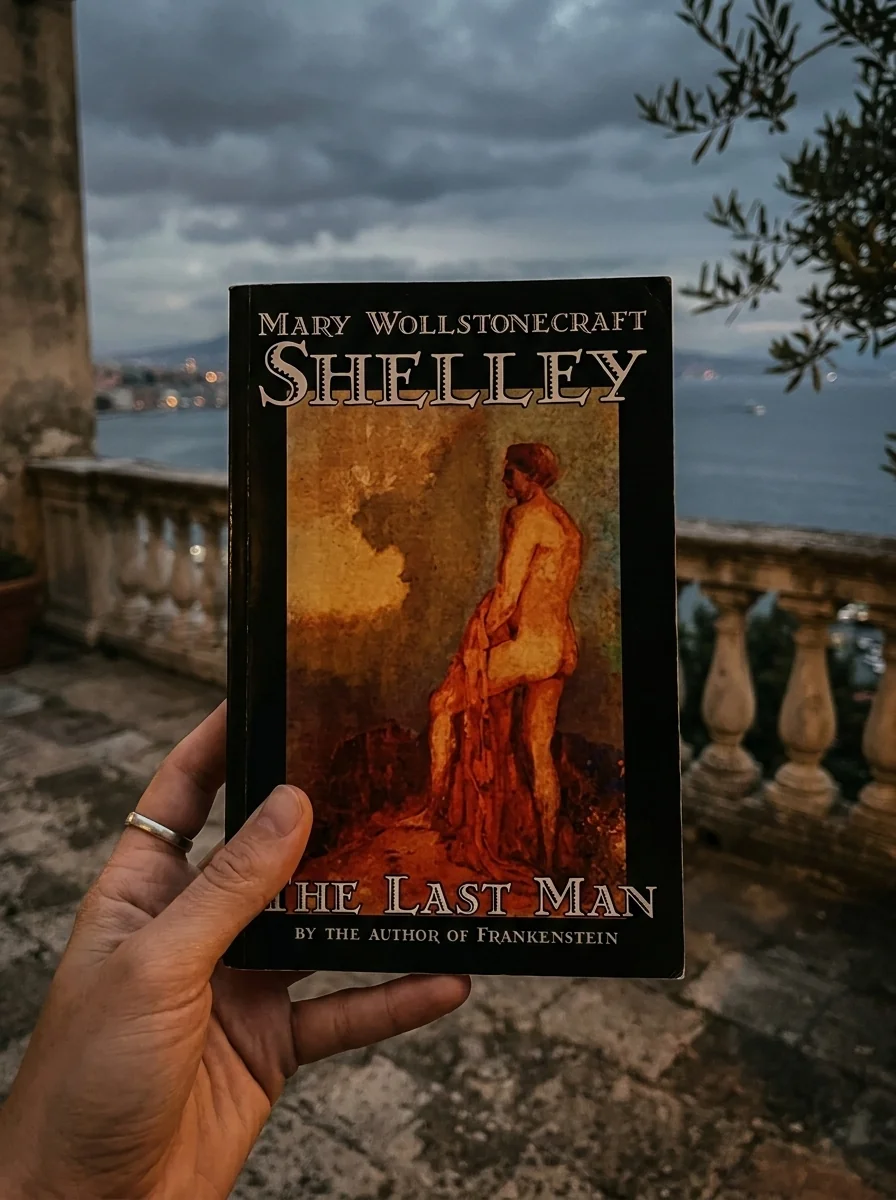
The Last Man by Mary Wollstonecraft Shelley, Fiction, Classics

✍️ Mary Shelley
Reader Score
4.3
(3 reviews)
$25.95
In stock — ready to ship Ships in 1–2 business days
📚 WHAT THE BOOK IS ABOUT

Shelley's 1826 apocalyptic novel about the final days of humanity after a plague.

The narrative begins with a visit to Naples in 1818. The protagonist uncovers prophetic writings that reveal the fate of the world. These texts detail the decline of society due to disease. The story weaves together historical figures from Shelley's personal life. Percy Bysshe Shelley and Lord Byron appear as characters within this fictional framework. The plot moves toward the inevitable end of the human race. This approach blends biography with speculative fiction. The work stands apart from Shelley's earlier success. It offers a somber view of mortality and loss. The 2008 film adaptation brought new attention to these events. Readers interested in the intersection of personal history and global catastrophe will find this text compelling. The prose reflects the romantic era's concerns about human fragility.

Key Themes
apocalyptic plague prophetic writings romantic figures
Literary Context

Shelley wrote this work in 1826. It faced harsh reviews initially. The novel remained obscure until scholars revived interest in the 1960s. This period saw a reevaluation of her contributions to classic fiction beyond Frankenstein.


Difficulty
●●● Challenging
Recommended For Fans Of
Frankenstein · Lord Byron
🏚️
Gothic
🏛 Alan Rodgers Books 📅 2005 📖 376 pages 🌐 English 📔 Paperback ISBN: 9781598184181
📚 This Book in Collections

📝 Description: The Last Man by Mary Wollstonecraft Shelley, Fiction, Classics

Mary Shelley wrote The Last Man in 1826. This apocalyptic novel uses a first person narrative to describe humanity facing extinction after a devastating plague. The story is set at the end of the twenty-first century. The protagonist claims to have woven this tale from prophetic writings found in a cave near Naples. The text includes semi-biographical portraits of figures in Shelley's circle. These characters notably include her late husband Percy Bysshe Shelley and Lord Byron. The book was harshly reviewed when it first appeared. It remained unknown until a scholarly revival occurred in the 1960s. This edition presents the classic fiction for modern readers who enjoy gothic and supernatural themes. Fans of Frankenstein will find this work familiar in its dark tone. Readers seeking lighthearted adventure may prefer other genres. The narrative structure relies on the discovery of ancient texts to frame the final days of the world. Alan Rodgers Books published this version in 2005. The volume contains 376 pages. It carries the ISBN 9781598184181. This edition allows readers to explore a unique perspective on the end of civilization through Shelley's distinct literary voice.

💎 Our verdict on The Last Man by Mary Wollstonecraft Shelley, Fiction, Classics

“
🩸
Horror Reads editorial team
Horror desk
While fans of Frankenstein may appreciate the familiar melancholic tone, this book is not for those seeking lighthearted adventure or fast-paced action. The narrative relies heavily on philosophical contemplation and the weaving of semi-biographical portraits of Shelley's circle. It demands patience from readers expecting conventional plot twists. However, for those interested in the romantic era's exploration of human fragility and the intersection of biography with speculative fiction, it offers a profound and intellectually stimulating experience. The 2005 Alan Rodgers Books edition makes this challenging but rewarding text accessible to modern audiences.
✓ EDITOR'S REVIEW

📖 Why choose it

📖

Why this book is worth reading

Readers who enjoy the intersection of personal history and global catastrophe will find this text compelling. It offers a unique perspective on the end of civilization through Shelley's distinct literary voice. Those interested in gothic themes and the romantic era's concerns about mortality will appreciate its somber tone. The narrative structure, relying on discovered prophetic writings, provides an engaging framework for exploring humanity's decline. Fans of classic horror fiction and those curious about how historical figures are woven into speculative narratives will gain much from this volume. It presents a rare opportunity to engage with a work that remained obscure until its scholarly revival in the 1960s.

⭐ Reader reviews

The starting rating comes from the team Horror Reads —
⭐ HorrorReads editorial review Editorial rating 4.5/5
★★★★★
If you crave gothic melancholy and existential dread, this is your find. Fans of Mary Shelley’s darker work will appreciate its atmospheric weight. However, those seeking fast-paced action, romantic escapism, or uplifting conclusions will likely find the relentless despair and slow burn too heavy…

Reader rating

4.3
Based on 3 reviews
5
0
4
3
3
0
2
0
1
0
J
Jessica E.
January 17, 2026
Solid horror

Finally got around to ordering this. Good introduction if you have not read this author before. The atmosphere builds slowly and then does not let go. Solid, if not essential.

M
Matthew A.
October 24, 2025
Good addition to the shelf

This has been on my wishlist for months. It pairs well with the classics it is clearly in conversation with. Gorier than the description lets on, if that matters to you. Recommended with reservations.

❓ Frequently asked questions

Yes, it shares Shelley’s signature gothic tone and themes of isolation, but focuses on societal collapse rather than scientific creation. It offers a darker, more philosophical look at human fragility.
The story features thinly veiled portraits of Shelley’s contemporaries, most notably her late husband Percy Bysshe Shelley and Lord Byron, woven into a fictionalized end-of-days narrative.

📖 Who should read this

If you crave gothic melancholy and existential dread, this is your find. Fans of Mary Shelley’s darker work will appreciate its atmospheric weight. However, those seeking fast-paced action, romantic escapism, or uplifting conclusions will likely find the relentless despair and slow burn too heavy for their tastes.

📜 Historical context

Published in 1826 after being overshadowed by her famous Frankenstein, this novel stands as a pioneering work of apocalyptic fiction. It predates H.G. Wells by decades, offering a unique first-person account of global extinction via plague. Initially dismissed by critics, it was rediscovered in the 1960s, cementing its place in literary history as a poignant reflection on Victorian anxieties and a precursor to modern sci-fi horror traditions.

✍️ More books by this author Mary Shelley

All books by this author →
You might also like

See more →
Have a question about this item?

Ask about the edition, condition, delivery or anything else — we reply by email or phone, usually within a day.

Home Genres
Cart
Wishlist