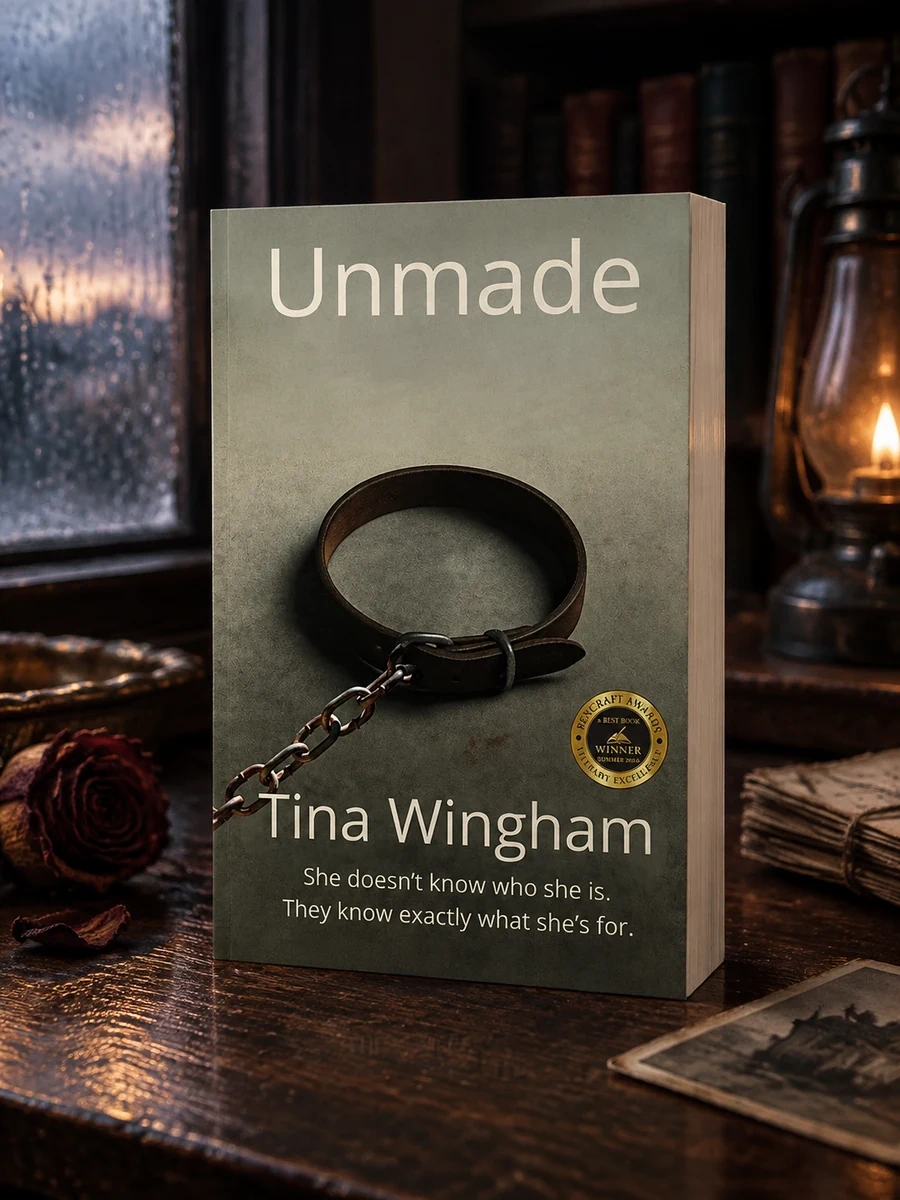
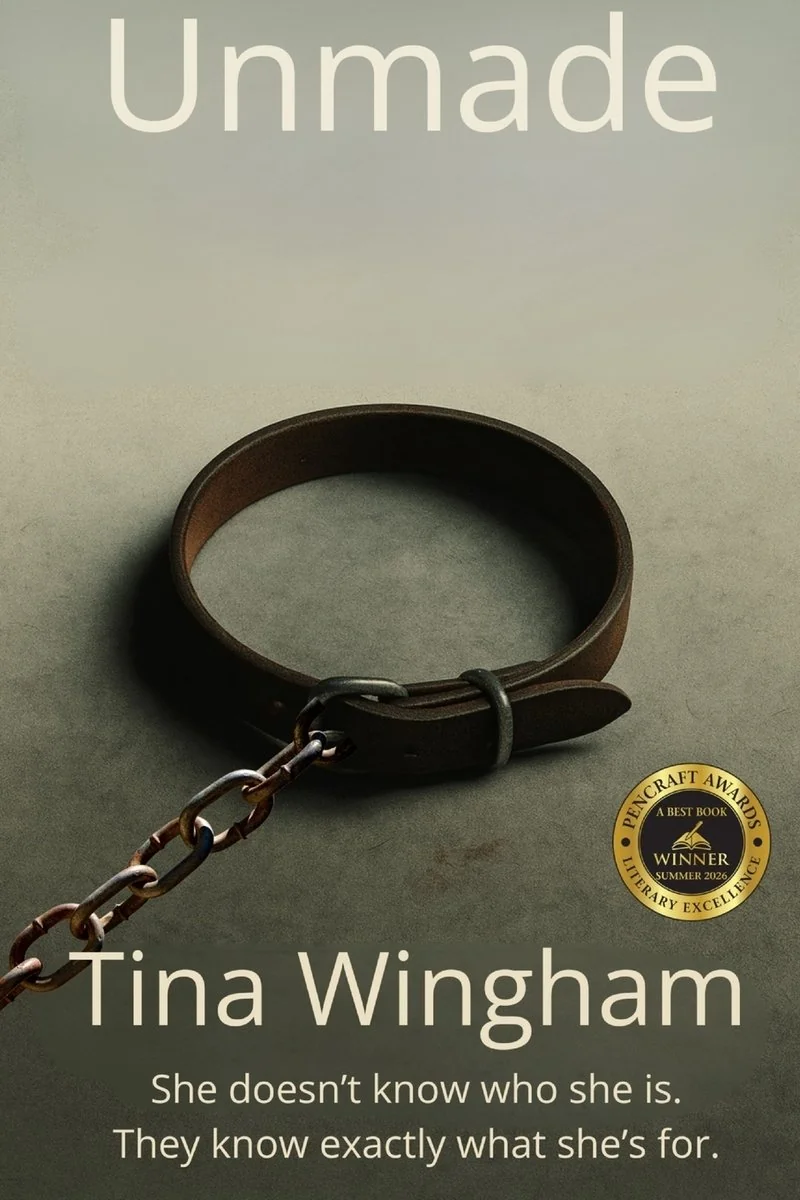
Unmade
A psychological horror story about a woman being remade by a cult.
Wingham crafts a tight narrative focusing on the disintegration of identity under duress. The protagonist faces a series of escalating trials designed to strip away her former self. The setting provides a claustrophobic atmosphere that mirrors her internal state. Rituals and stone carvings serve as tangible markers of the cult’s intent. The story avoids conventional escape tropes, instead focusing on the psychological cost of survival. Each day brings fewer memories and more confusion about who she was. The ending leaves the reader to ponder the permanence of such transformation. This is a study in loss rather than triumph.
Published in 2025 by Tina Wingham, this book sits within the contemporary horror genre. It draws on gothic traditions of isolated cabins and supernatural dread. The narrative reflects modern anxieties about selfhood and control. It appeals to fans of psychological fiction and cult-themed stories.


📝 Description: Unmade
💎 Our verdict on Unmade
📖 Why choose it
Why this book is worth reading
Readers who crave intense psychological dread over physical gore will find this book compelling. It appeals to those interested in the fragility of memory and personhood, offering a study in loss rather than triumph. Fans of supernatural fiction involving cults and identity loss will appreciate the tight narrative focusing on disintegration under duress. The story suits audiences who enjoy internal horror mirrored by claustrophobic atmospheres. Those weary of conventional escape tropes may find the focus on the psychological cost of survival refreshing. It is ideal for readers seeking a narrative that questions the permanence of transformation and the unraveling of reality.
⭐ Reader reviews
Reader rating
Wingham crafts a tight, claustrophobic narrative where the protagonist’s identity disintegrates under the weight of cult rituals. The book excels in mirroring internal states through external settings like rotting cabins and silent watchers. Stone carvings serve as tangible markers of intent, grounding the supernatural elements. The story avoids clear resolutions, focusing instead on the gradual unraveling of the main character’s reality. It suits readers who prefer psychological horror over jump scares. The erosion of self is portrayed with precision, highlighting how memory fades amidst torments. This work is a stark examination of personhood, leaving readers to ponder the finality of such transformation without offering easy comfort or traditional triumph.
📖 Read on the blog
✍️ More books by this author Tina Wingham



🏛 Books from this publisher Tina Wingham
You might also like
See more →



Have a question about this item?
Ask about the edition, condition, delivery or anything else — we reply by email or phone, usually within a day.
