
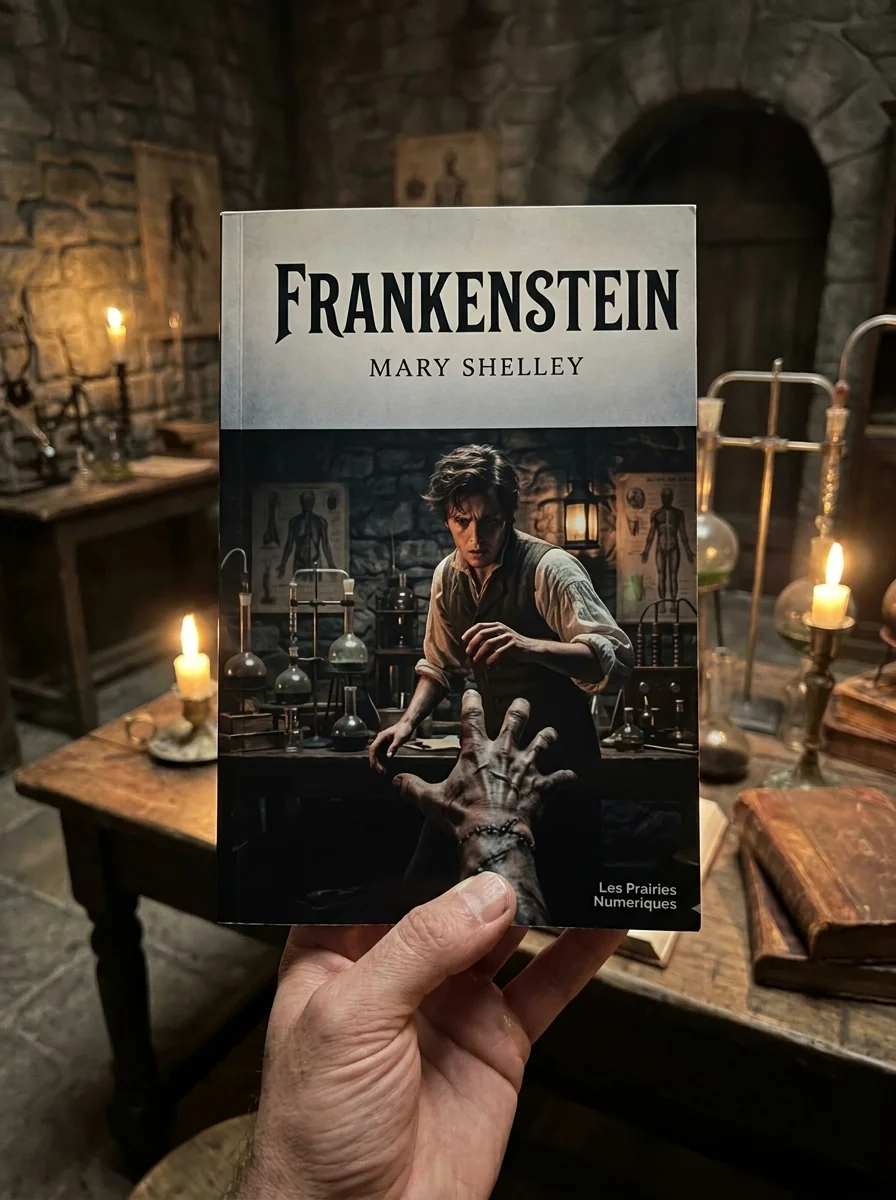
Frankenstein
A Gothic thriller about a scientist who creates life from stolen parts.
Shelley’s novel functions as an ancestor to both horror and science fiction genres. It examines the boundaries of humanity through Victor Frankenstein’s disastrous experiment. The story moves beyond a simple fright to ask what it means to be human. It considers how far one can go in tampering with Nature. The creature’s journey from innocence to evil highlights the dangers of abandonment. Shelley, known for her political edge and feminist background, crafted this cautionary tale. The book remains relevant in an age of organ donation and genetic engineering. It challenges readers to consider our responsibilities to each other and the cosmos.
Mary Shelley wrote this work when she was only eighteen years old. She was the daughter of William Godwin and Mary Wollstonecraft. Her husband was Romantic poet Percy Bysshe Shelley. The book is an important ancestor of horror and science fiction genres.


📝 Description: Frankenstein
💎 Our verdict on Frankenstein
📖 Why choose it
Why this book is worth reading
Readers drawn to Gothic fiction and early science fiction will find this text essential for its exploration of scientific ambition and its ethical boundaries. It appeals to those interested in the psychological depths of isolation, loneliness, and the consequences of abandonment. The narrative offers a critical examination of creator responsibility, making it relevant for audiences contemplating modern issues like genetic engineering and bio-terrorism. Those who appreciate heavy, thematic storytelling over lighthearted entertainment will gain insight into what it means to be human. It challenges individuals to consider their duties to each other and the universe, providing a cautionary tale that remains strikingly applicable to contemporary debates on tampering with nature.
⭐ Reader reviews
Reader rating
Shelley crafts a sophisticated cautionary tale that transcends simple frights through Victor Frankenstein’s disastrous experiment. The novel excels in examining the boundaries of humanity and the dangers of unchecked scientific ambition. Its structure, following Victor’s account of obsession, effectively highlights the creature’s tragic journey from innocence to evil. This work is best suited for readers seeking depth over mere shock value, particularly those interested in Gothic traditions and philosophical horror. It avoids offering easy answers, instead demanding reflection on the responsibilities between creator and creation. While the tone may feel heavy for some, its intellectual rigor and exploration of isolation make it a vital read for fans of psychological horror and true crime enthusiasts who appreciate complex moral dilemmas.
📖 Read on the blog
✍️ More books by this author Mary Wollstonecraft Shelley
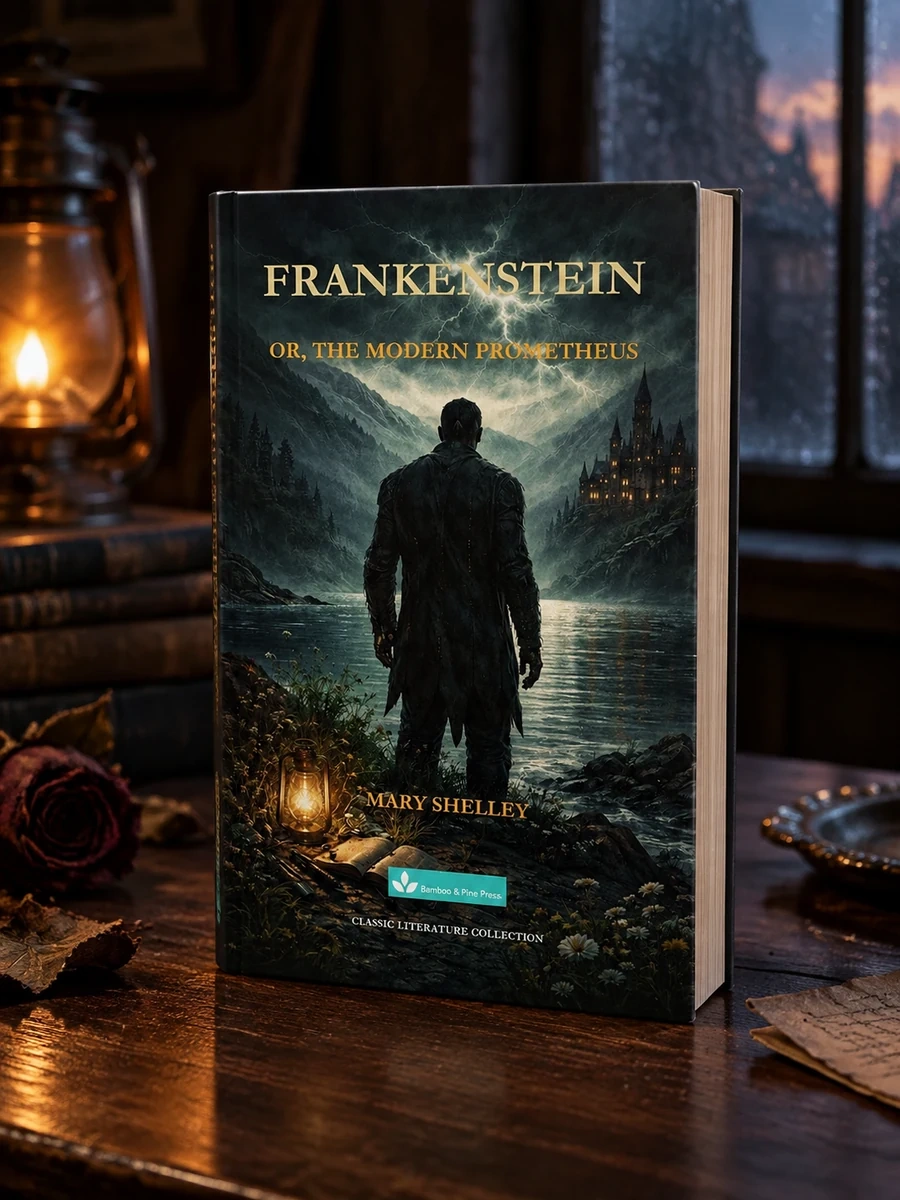


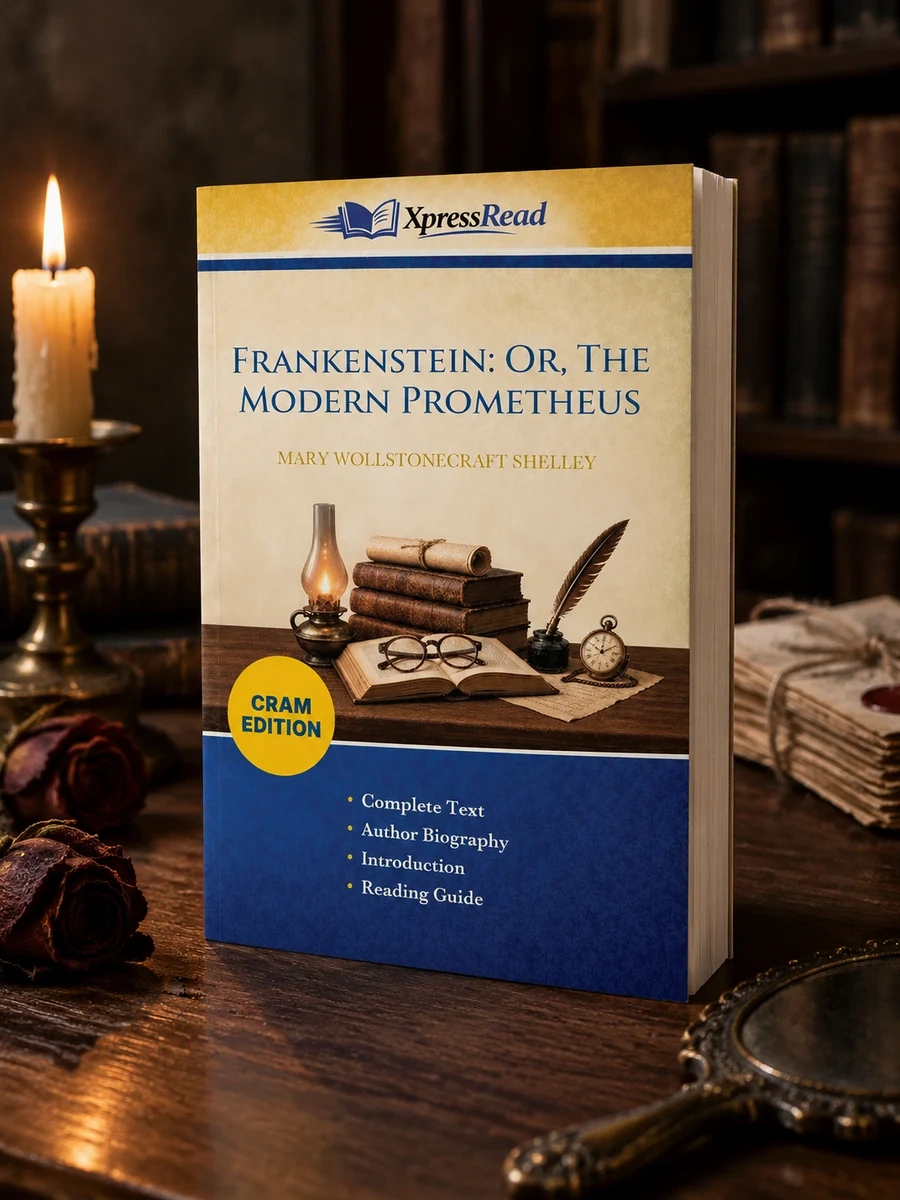
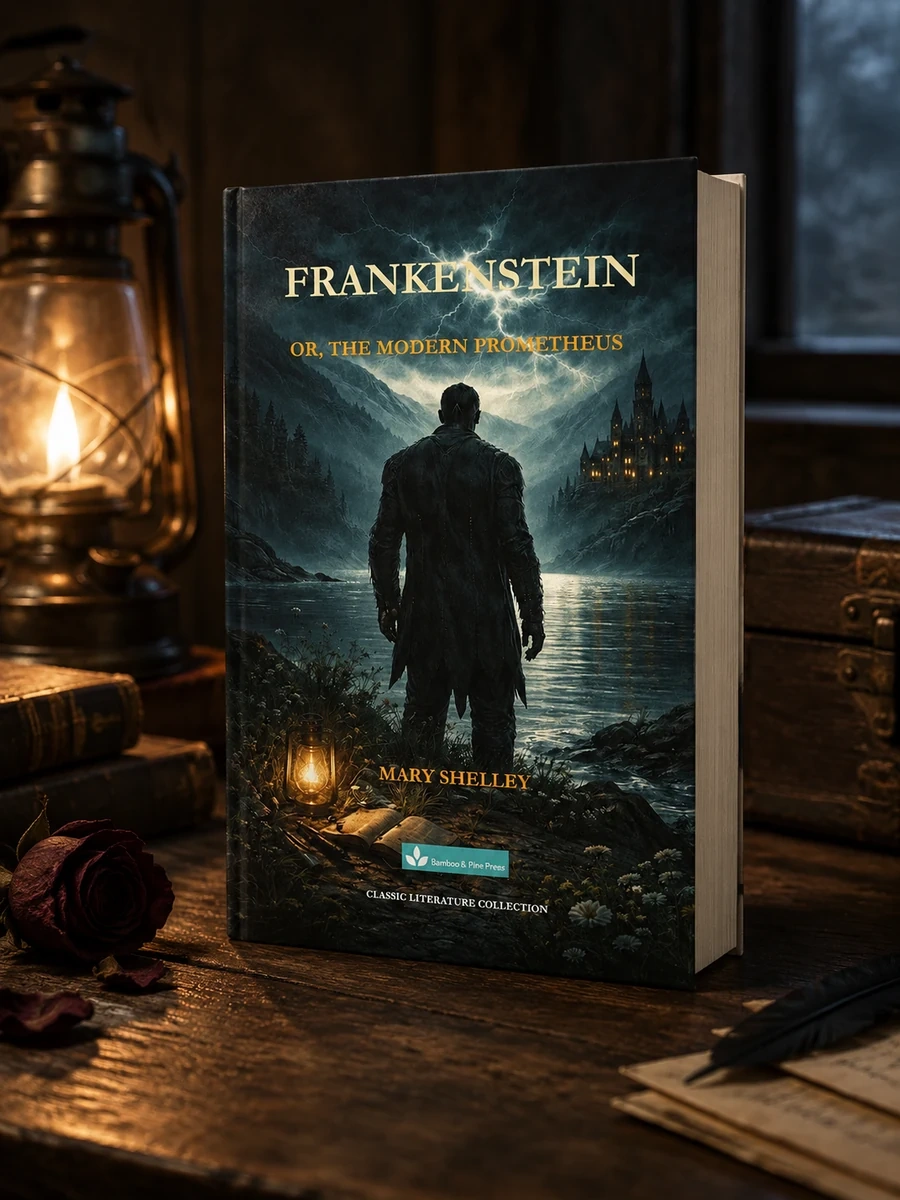
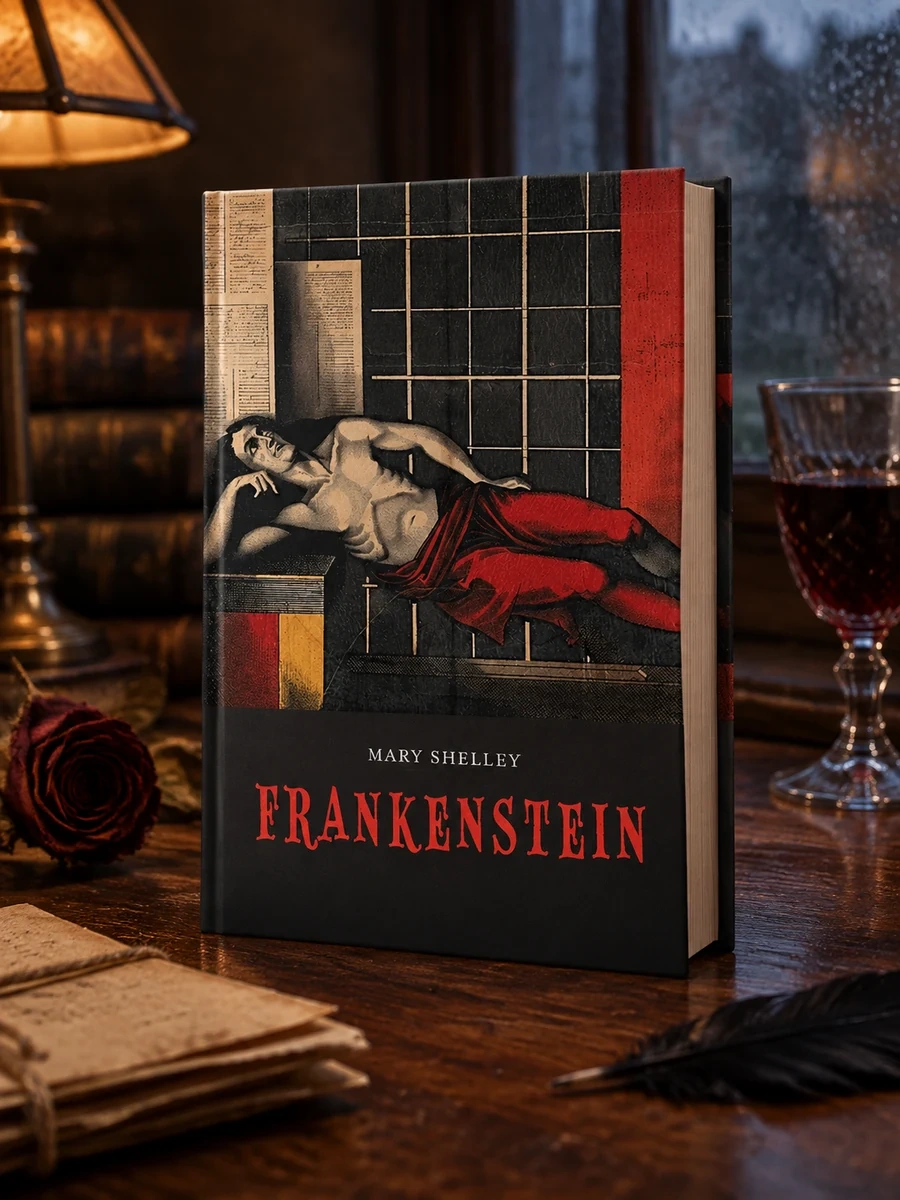
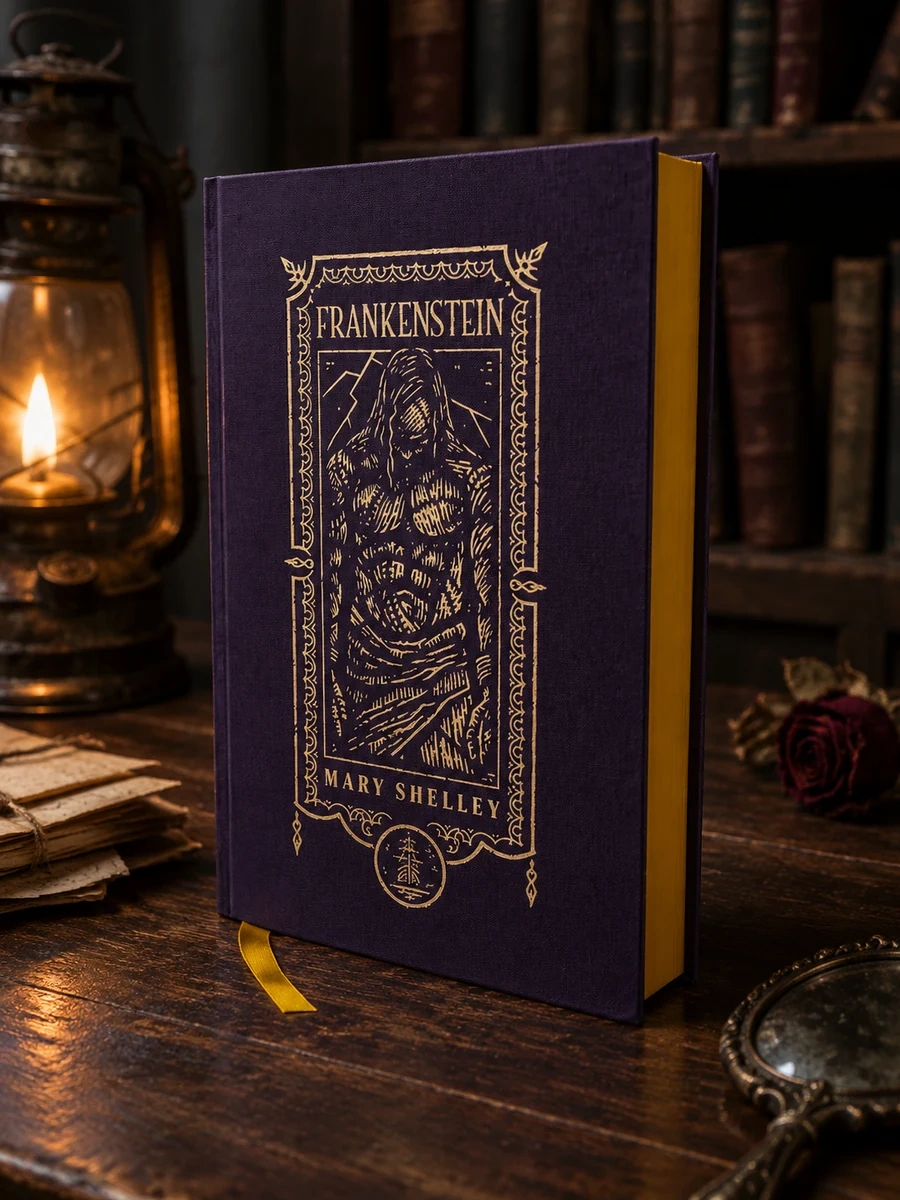
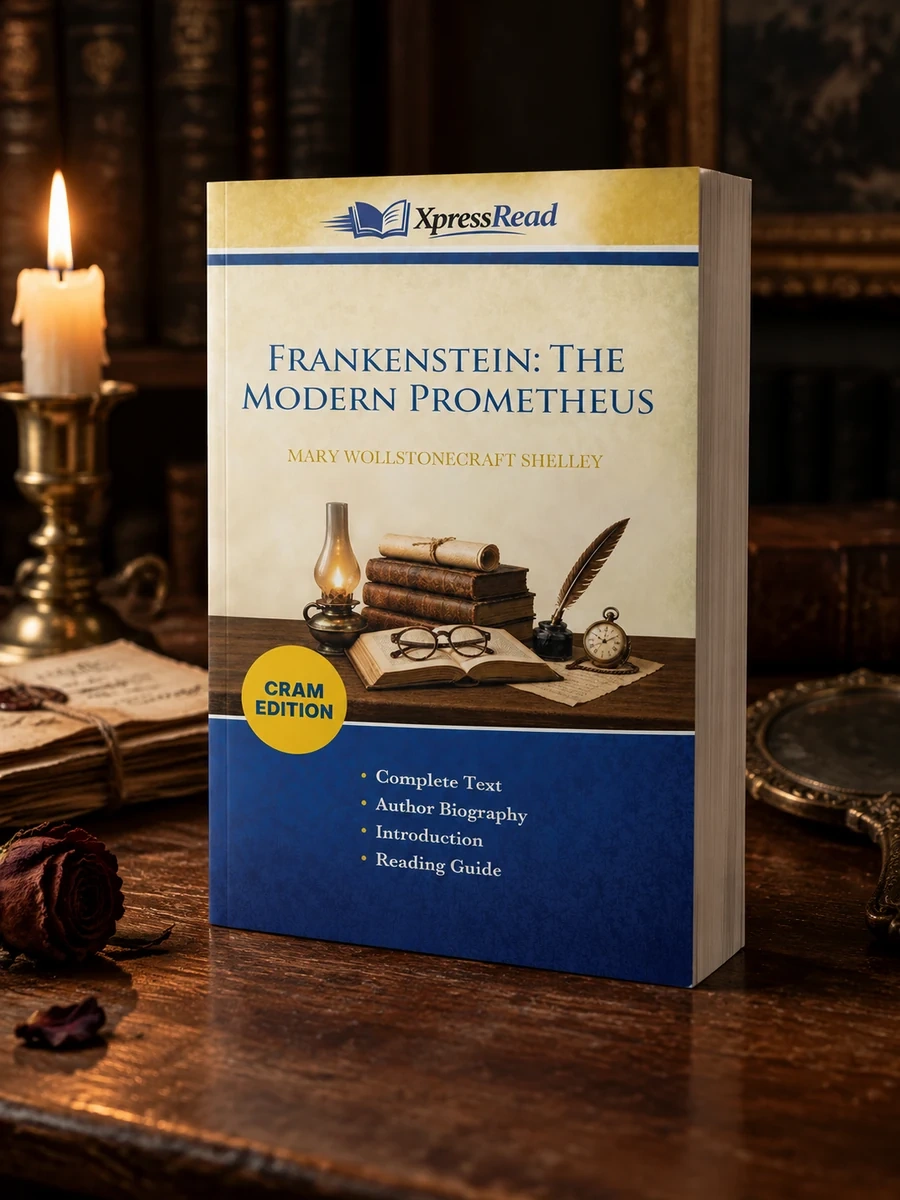
🏛 Books from this publisher Les Prairies Numeriques
You might also like
See more →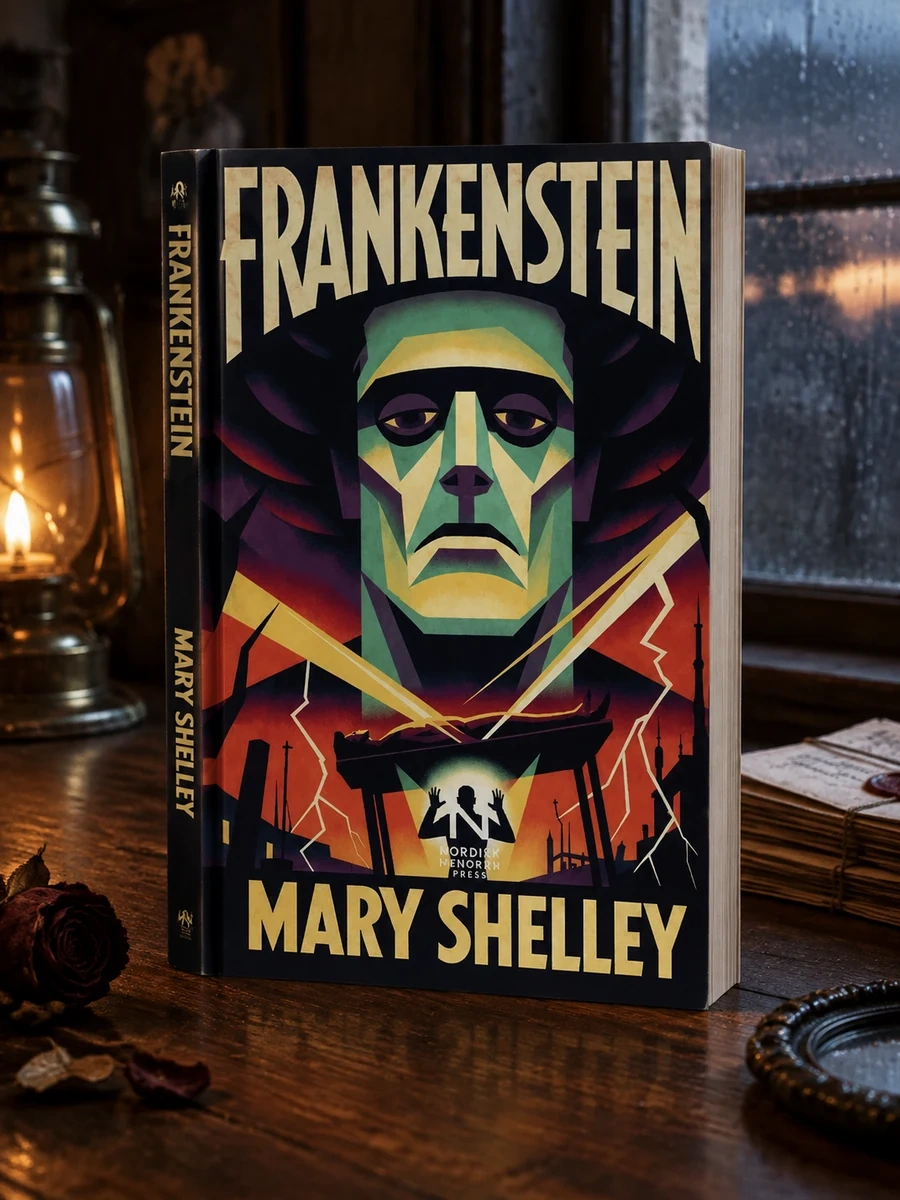
Have a question about this item?
Ask about the edition, condition, delivery or anything else — we reply by email or phone, usually within a day.
