When ten passengers wake up to find themselves on a red-eye flight from Los Angeles to Boston that has landed in an entirely empty Bangor, Maine, they step into a chilling vacuum of reality. Published in 2019 by Scribner Book Company, this work sits firmly within the contemporary horror genre, drawing deeply on American gothic traditions and supernatural fiction. For readers who seek out stories that challenge their perception of safety and lean heavily into the unknown, this title offers an arresting exploration of what happens when the fabric of ordinary life simply tears apart.
Priced in the $10 to $20 range, the book centers on an eerie silence that immediately sets a tone of deep unease. There are no flight crews, no ground personnel, and no crowds waiting at the terminal. Instead, the survivors are left to grapple with an environment stripped of all normal human activity, forcing them to confront not only their strange predicament but also the unresolved elements of their own personal histories.
The atmosphere is further compounded by the inclusion of Craig Toomey, an irritable investment banker who is visibly nearing a breakdown. Toomey hears unsettling radio static nearby and becomes obsessed with the terrifying notion of the langoliers—childhood monsters that punish those who waste time. Through Toomey and his fellow passengers, the narrative examines the psychological impact of sudden loss and the crushing weight of wasted time, anchoring its terror in human anxiety rather than external physical violence.
What it is about
The narrative structure follows the immediate aftermath of a baffling phenomenon, focusing on ten passengers who find the world as they knew it completely vanished. As they try to piece together how a cross-country flight could end in such a desolate place, the silence of the airport serves as a stark contrast to the growing noise and panic inside Craig Toomey's head.
Rather than relying on fast-paced action sequences or cheap jump scares, the plot is driven by the stark tension between reality and fear. The characters must navigate an uncanny environment where time itself becomes a direct threat. King draws upon classic monster tropes and places them into modern settings, creating a distinct atmosphere of isolation. As the passengers search for answers, they are forced to confront their pasts while fleeing an unknown force, knowing that the narrative will not offer easy answers or safe havens.
The passengers must quickly learn to cooperate despite their vastly different backgrounds, professional lives, and personal temperaments. A commercial pilot who was sleeping during the initial transition steps forward to help fly the aircraft, while an insightful mystery writer tries to make sense of the impossible geographical and temporal displacement. Meanwhile, a blind young girl named Dinah possesses an uncanny perceptual sensitivity that picks up on strange vibrations and approaching horrors long before anyone else notices them. Every interaction is underlined by a pervasive sense of urgency, because the physical world around them is not merely quiet; it is stale, decaying, and utterly devoid of life.
How it reads
The pacing of the novel matches the confusion and disorientation of the characters themselves. Readers are left perpetually unsure of what is real and what is a product of psychological strain. The prose relies heavily on internal dread, building an unsettling atmosphere where the primary antagonist is not just an unknown entity, but time itself.
The narrative voice captures the starkness of an empty airport terminal, contrasting the vast, physical emptiness outside with the claustrophobic panic brewing internally among the passengers. It is a slow-burn experience that values atmospheric tension and psychological unraveling over gore and spectacle. As the hours tick by, the realization that the past has literally vanished leaves characters stranded in a present moment that has no future. The descriptive language emphasizes sensory deprivation: matches refuse to strike properly, food tastes flat and flavorless, and even the sound of human voices seems to be swallowed up by the vast, dead expanse surrounding the airfield.
This stylistic choice reinforces the central thesis of the story—that humanity is perpetually haunted by the seconds that slip away, and that ignoring the consequences of our choices will eventually lead to catastrophic reckoning. King maintains this tight psychological focus across hundreds of pages, ensuring that the reader feels just as trapped and disoriented as the terrified individuals wandering the empty terminal.
Who it suits, and who it does not
This novel is deeply engaging for readers who prefer atmospheric dread over jump scares and are fascinated by cosmic horror. It suits those interested in exploring the psychological impact of sudden loss, the anxiety of modern life pushed to its breaking point, and the unique isolation of an empty airport. Individuals who enjoy mysteries and supernatural elements that test their sense of security will find much to appreciate here.
Conversely, those seeking lighthearted adventure or fast-paced action scenes may find the psychological weight too unsettling. Readers looking for clear-cut resolutions or easy answers will also find that this narrative resists neat conclusions. Those who prefer linear, comforting storytelling with straightforward villain defeat will likely find the philosophical undertones and surreal temporal mechanics challenging. However, for enthusiasts of psychological horror who appreciate slow-building dread, rich character examination, and existential terror, this novel remains a compelling, unforgettable journey into the unknown.
If you liked this
The Langoliers — Stephen King
If you crave psychological dread and surreal isolation, this tale for you. However, those seeking lighthearted adventure or clear-cut resolution will want to look elsewhere. Discover more in The Langoliers.
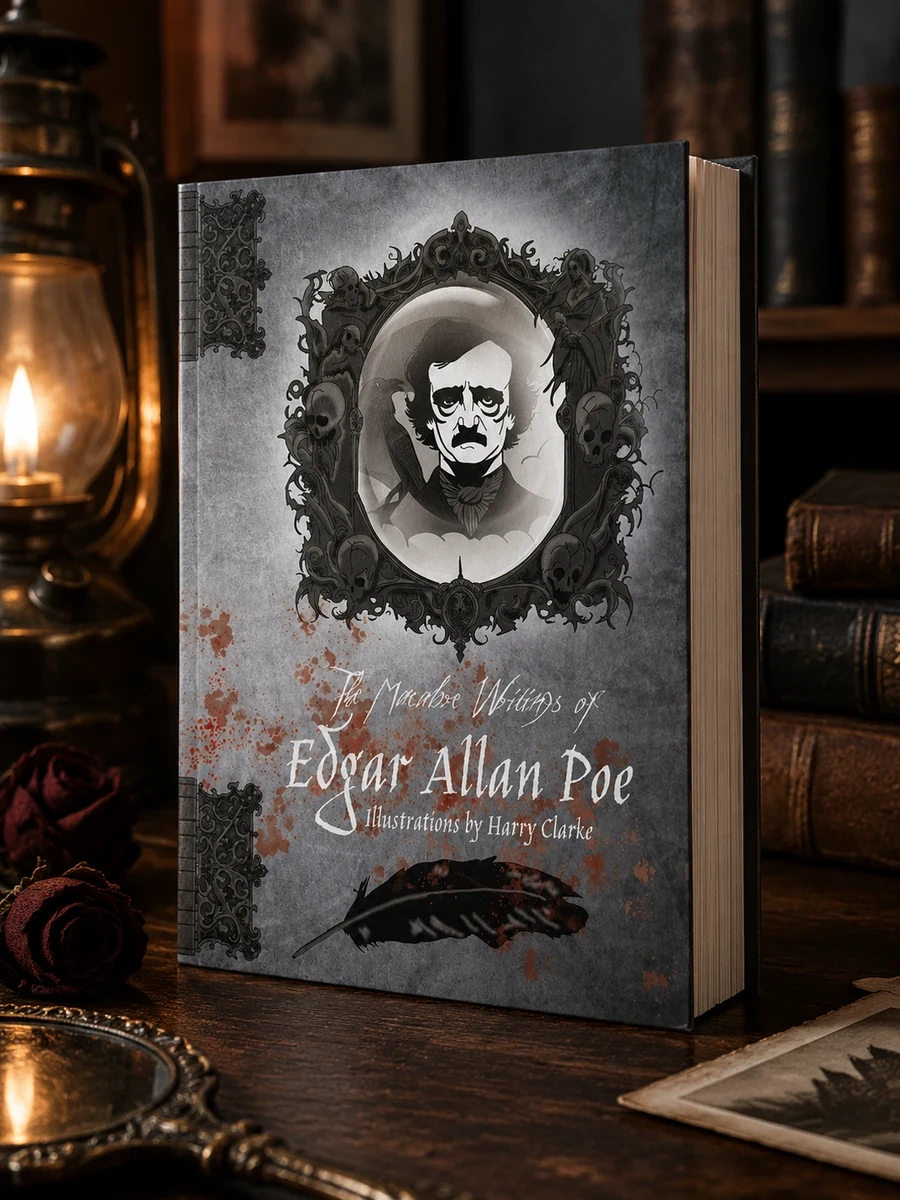
The Macabre Writings of Edgar Allan Poe — Edgar Allan Poe
Readers craving gothic atmosphere and psychological dread will adore this collection. However, those preferring fast-paced action or lighthearted tales may want to look elsewhere. Explore more in The Macabre Writings of Edgar Allan Poe.
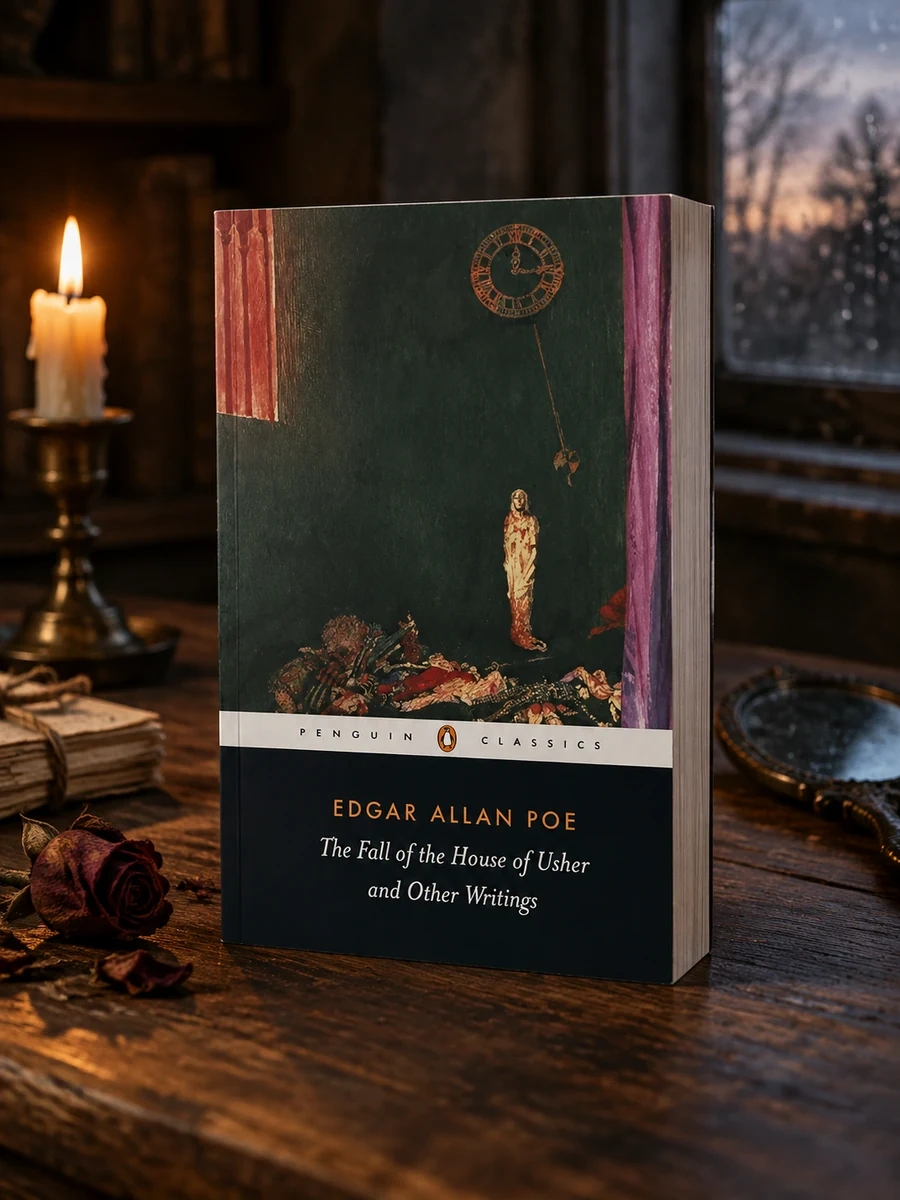
The Fall of the House of Usher and Other Writings: Poems, Tales, Essays, and Reviews — Edgar Allan Poe
Seekers of psychological dread, gothic atmosphere, and the roots of detective fiction will cherish this collection. If you prefer light escape, this might not suit you. Discover the details at The Fall of the House of Usher and Other Writings.
Black Fox Review - Summer 2026: Guilt, Memory, and Unkept Promises (Gothic Shorts) — Edgar Allan Poe
Seekers of classic dread and psychological torment will find this collection irresistible. If you prefer lighthearted tales or modern thrills, it may test your patience. Check out Black Fox Review - Summer 2026.
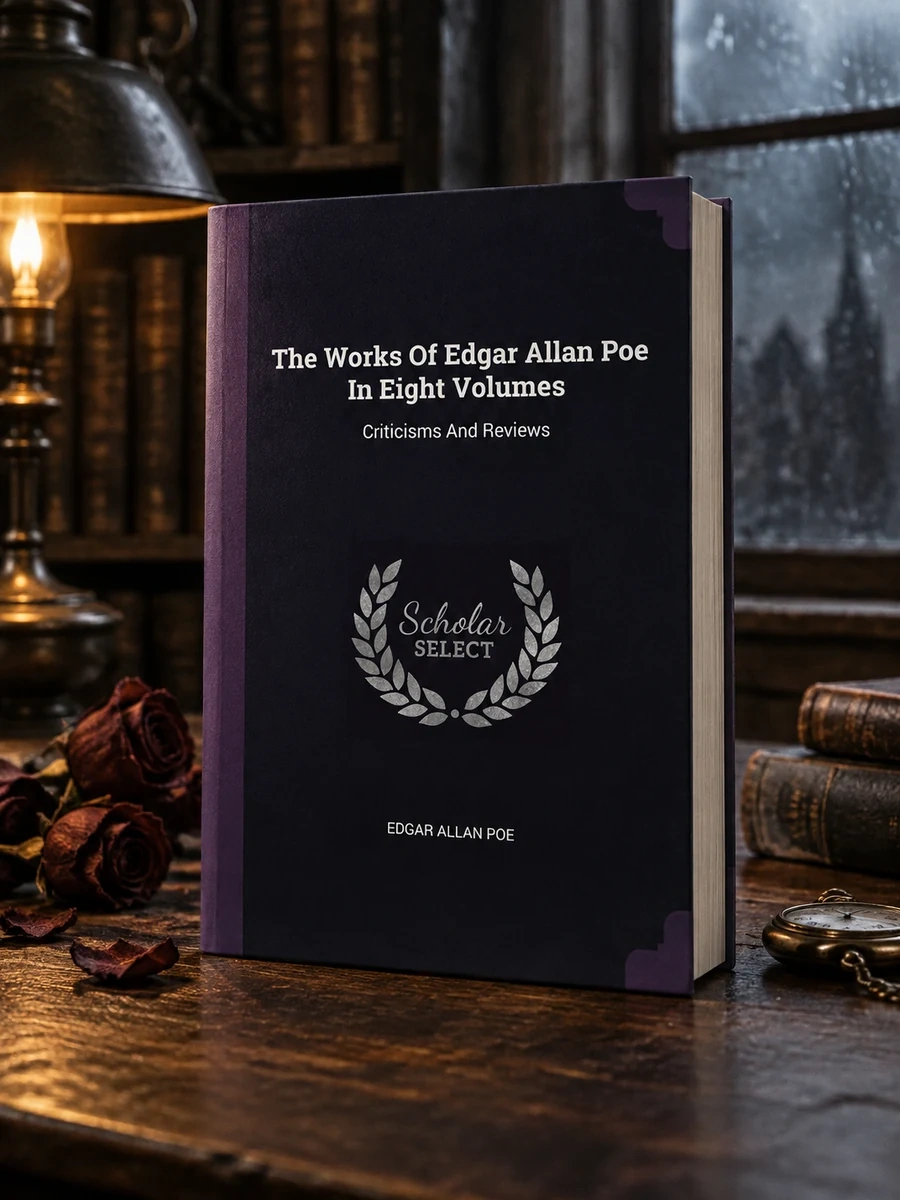
The Works Of Edgar Allan Poe In Eight Volumes: Criticisms And Reviews — Edgar Allan Poe
Scholars and Gothic enthusiasts will cherish this volume of historical criticism. However, if you seek immersive narrative or polished modern fiction, you might look elsewhere. Learn more via The Works Of Edgar Allan Poe In Eight Volumes: Criticisms And Reviews.
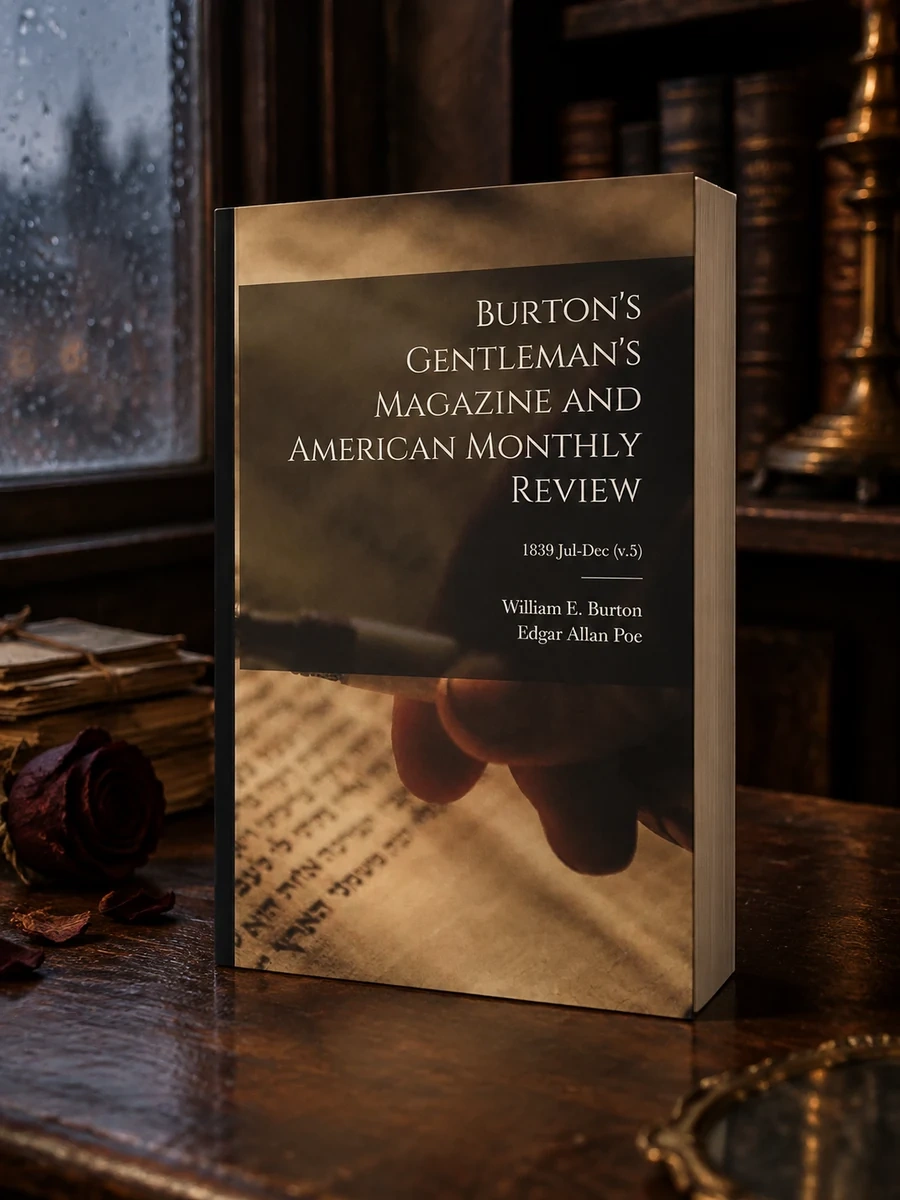
Burton's Gentleman's Magazine and American Monthly Review; 1839 Jul-Dec (v.5) — Edgar Allan Poe
This volume is ideal for literary historians, Poe scholars, and enthusiasts of early American Gothic who crave authentic periodical formats. See the listing for Burton's Gentleman's Magazine and American Monthly Review; 1839 Jul-Dec (v.5).
Not a Speck of Light — Laird Barron
Fans of dark, chilling short fiction and unsettling cosmic dread will find plenty to appreciate here. Check out Not a Speck of Light.
Frankenstein — Mary Wollstonecraft Shelley
A classic exploration of hubris and scientific ambition that paved the way for modern horror. Learn more at Frankenstein.
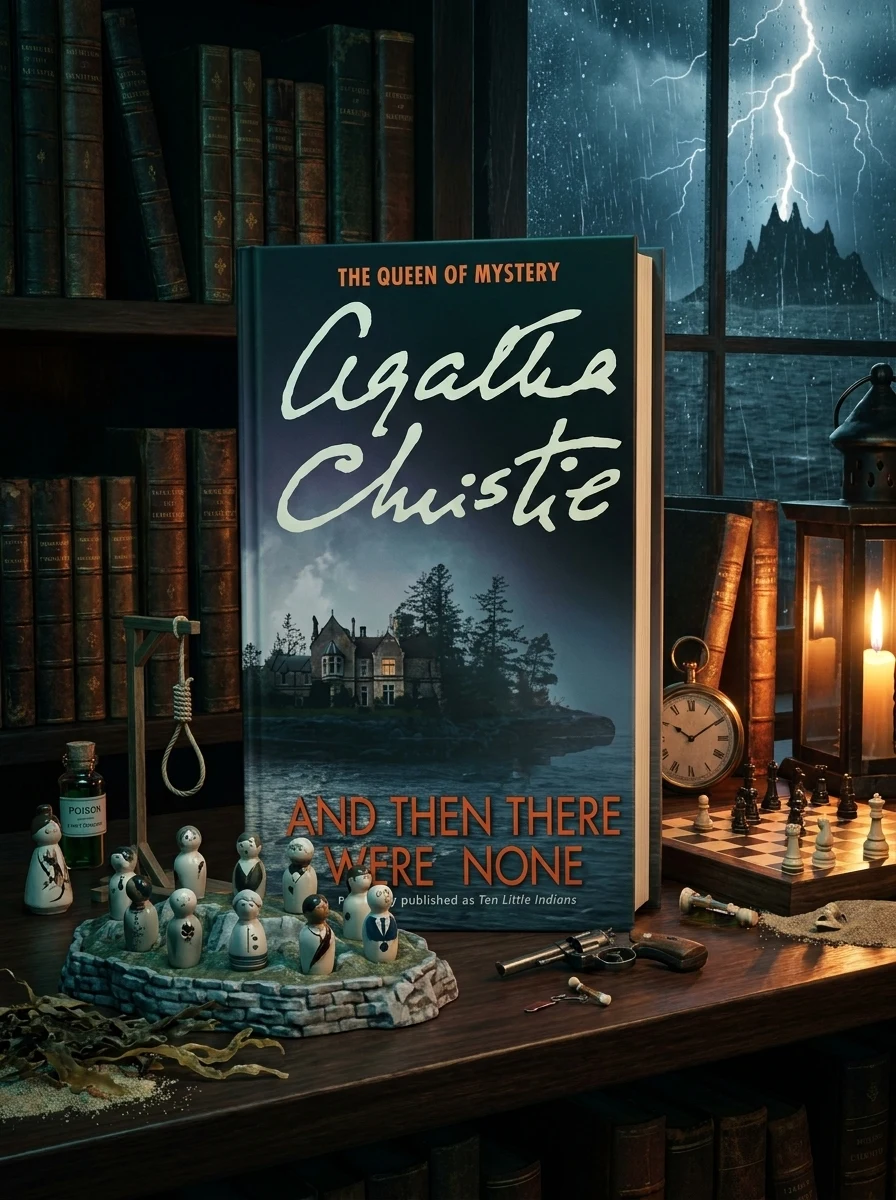
And Then There Were None — Agatha Christie
A masterclass in isolation and suspense where characters are picked off one by one. Explore details in And Then There Were None.