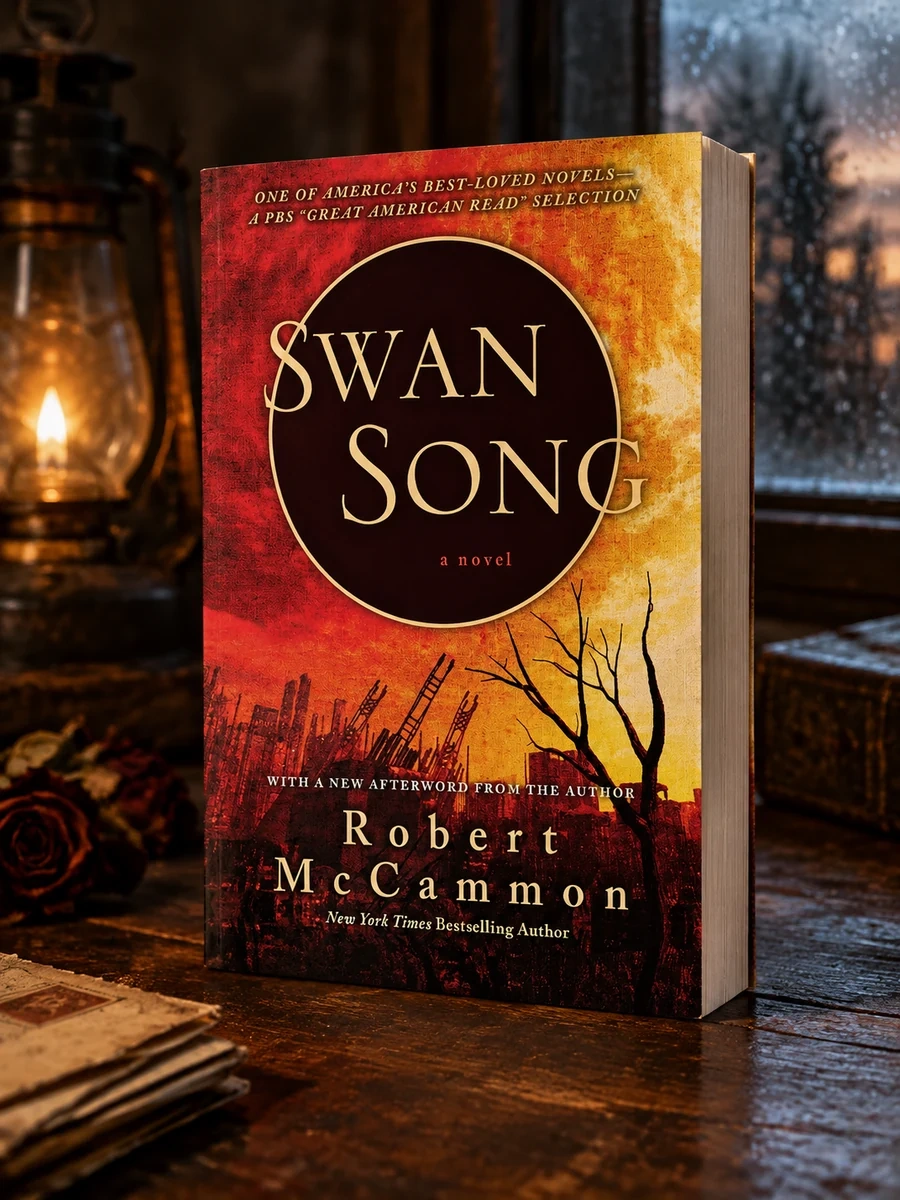
Some horror novels frighten you with a haunted room or a monster glimpsed at the end of a corridor. Others make the entire world feel unsafe. Robert McCammon’s Swan Song belongs to the second category. It takes the familiar nightmare of nuclear annihilation and expands it into an enormous American survival story, one in which physical devastation is only the beginning of the terror.
For readers searching for a substantial October novel, particularly those who associate the season with Stephen King’s The Stand, Swan Song offers a compelling alternative. Its appeal lies in the combination of apocalyptic horror, dark fantasy, vulnerable characters, and a sustained conflict between destructive forces and the human capacity to endure. This is horror on a grand scale, but its ambitions are moral as well as spectacular.
Our verdict: Swan Song is an excellent choice for readers who want their horror expansive, emotionally charged, and unafraid to confront the question of what goodness means after civilization has failed. Its considerable scope is part of the attraction, although readers looking for a short, tightly contained scare should choose something more compact.
Swan Song Review: What Makes McCammon’s Apocalypse Different?
The post-apocalyptic premise has an immediate advantage for horror writers: it removes the comforting structures that ordinarily keep fear at a distance. Laws, institutions, familiar routines, and assumptions about tomorrow become unreliable. In Swan Song, that collapse provides the foundation for a conflict that reaches beyond the practical question of survival.
McCammon treats the devastated American landscape as both a physical environment and a moral test. The horror is not confined to destruction itself. It also emerges from what people do when the rules they once accepted no longer protect them, and from the possibility that fear can become an excuse for cruelty. The result is a story with room for brutality, wonder, sacrifice, and supernatural darkness.
That blend is central to the novel’s identity. Swan Song is not simply a realistic account of life after catastrophe, nor is it merely a supernatural adventure with ruined buildings for scenery. Its dark fantasy elements allow the struggle between good and evil to take on a larger, almost mythic dimension, while the American setting keeps the stakes grounded in recognizable human behavior.
Why it belongs beside The Stand
The comparison with Stephen King’s The Stand is natural: both novels appeal to readers who want a large cast, a civilization-shattering disaster, and a conflict that extends beyond immediate survival. Both make the aftermath of catastrophe a setting for questions about community, leadership, faith, violence, and the persistence of evil.
The comparison is most useful as a reading recommendation, not as a claim that the books are interchangeable. McCammon’s Swan Song has its own identity, particularly in its fusion of post-apocalyptic survival and dark fantasy. Readers who enjoy the scale of The Stand but want another substantial vision of a broken America should find the pairing especially rewarding.
Is Swan Song a good October read?
Absolutely, if your ideal Halloween reading stretches beyond haunted houses and conventional monsters. The novel supplies a bleak atmosphere, apocalyptic stakes, and a supernatural dimension that suits the season without relying on a single familiar horror setup. Its length and scope also make it a satisfying centerpiece for a month devoted to substantial horror fiction.
There is a qualification: this is not a quick seasonal diversion. Readers who want an entire story in one sitting may prefer a shorter gothic work. Those who enjoy settling into a large fictional world, following the consequences of catastrophe, and watching moral choices accumulate will have more reason to make room for Swan Song.
The Novel’s Greatest Strengths—and Who Might Struggle With It
One of the book’s principal strengths is the scale of its conflict. The destruction of the familiar world creates immediate physical danger, but the novel’s larger concern is whether human decency can survive conditions that seem designed to extinguish it. That gives its darkness a purpose beyond shock. Hope matters here because it is difficult, not because the surrounding horror is superficial.
The dark fantasy dimension reinforces that tension. Good and evil are not treated merely as abstract discussion points; they become part of the story’s larger imaginative framework. For horror readers who appreciate apocalyptic fiction with a mythic or supernatural edge, that combination is more distinctive than a straightforward disaster narrative.
The same ambition can be a drawback for some readers. An expansive apocalypse requires patience, and the emotional register can be grim. Anyone seeking the compressed tension of a psychological thriller, the intimacy of a single haunted house, or the reassuring pace of a cozy mystery may find this novel demanding. It rewards immersion rather than speed.
It is also worth distinguishing the book’s central appeal from a promise of relentless action. Survival and danger matter, but the deeper interest lies in the choices people make under pressure and in the tension between despair and moral possibility. Readers who need every chapter to deliver a new shock may be less satisfied than those who enjoy character-driven stakes.
8 Horror Books to Read After Swan Song
The strongest companion reads depend on which part of Swan Song appeals to you. Some readers will want to stay with McCammon’s larger body of work; others will want to move toward classic gothic dread, psychological unease, or contemporary horror. These eight catalog selections offer distinct directions without pretending that every book recreates the same kind of apocalypse.
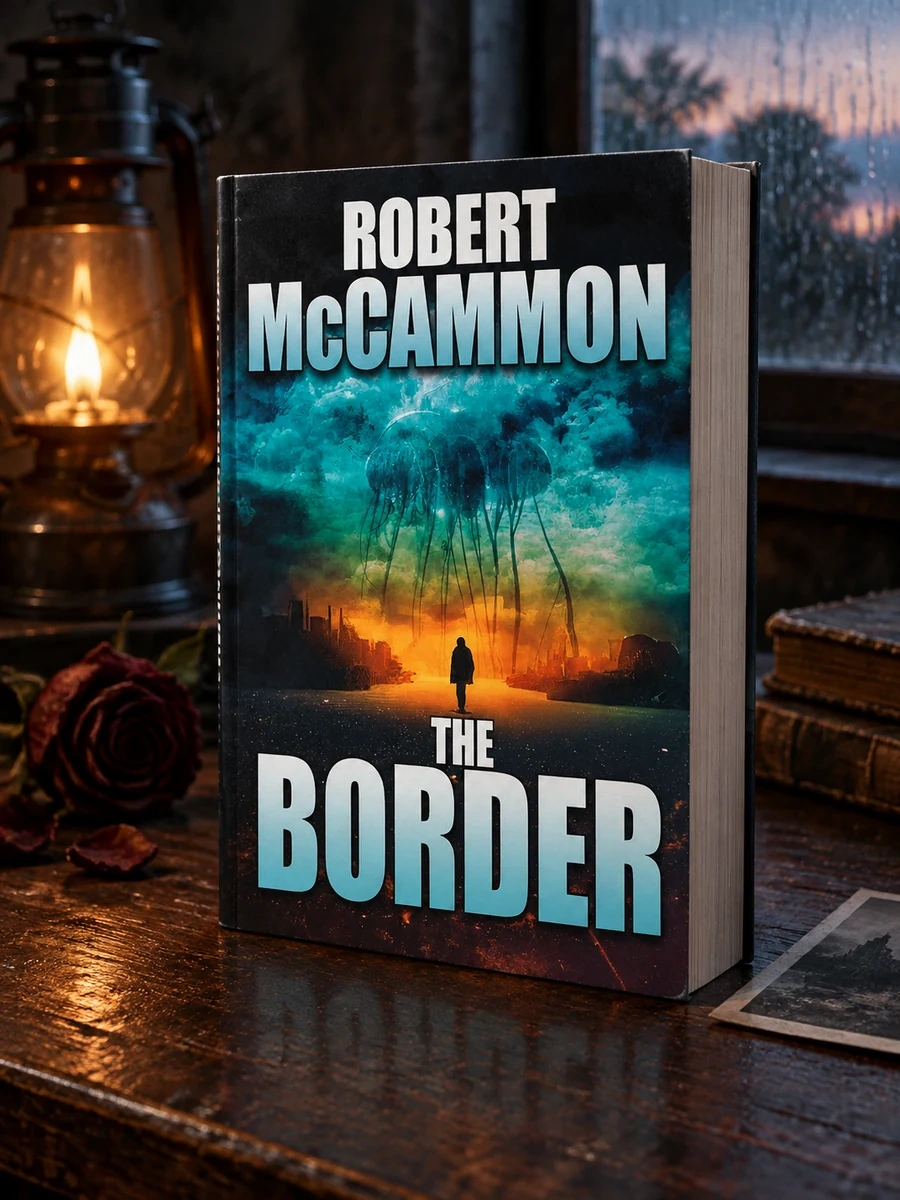
1. The Border — Robert McCammon
For readers who want another McCammon novel associated with intense survival horror, The Border is a natural next choice. Its catalog description specifically points to psychological depth and visceral survival horror, making it a useful follow-up for someone who values Swan Song’s sense of danger and pressure. Choose it when you want to remain with the author rather than immediately change subgenres.
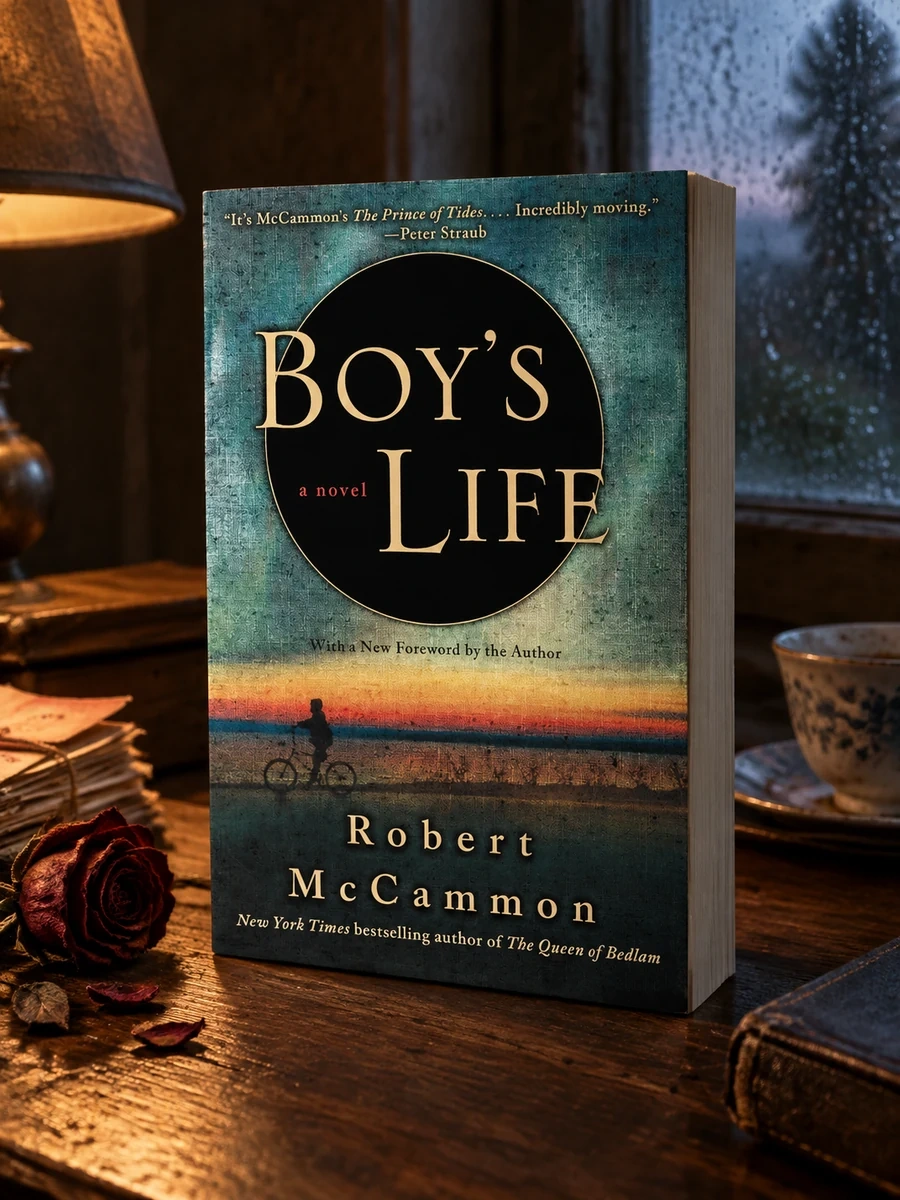
2. Boy’s Life — Robert McCammon
Boy’s Life offers a different side of McCammon: an atmospheric, character-driven supernatural tale set in a small town. It is a good choice for readers who appreciate emotional investment and a strong sense of place more than continuous apocalyptic action. The shift in scale makes it a useful reminder that McCammon’s appeal is not limited to end-of-the-world scenarios.
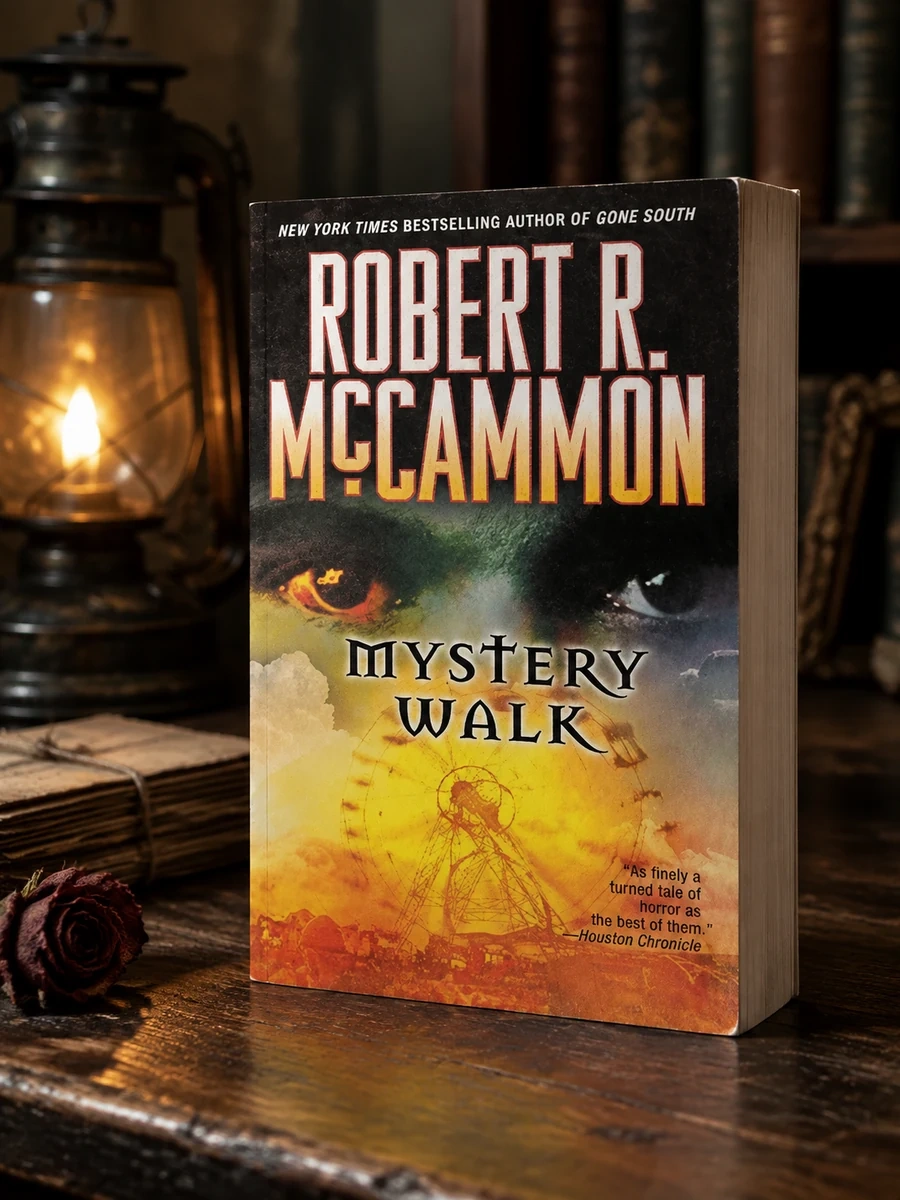
3. Mystery Walk — Robert McCammon
Mystery Walk is the pick for readers drawn to the psychological and supernatural implications of McCammon’s fiction. Its catalog description emphasizes innocent boys burdened by a grim legacy, along with atmospheric dread and psychological complexity. If the tension between innocence and darkness interests you more than the ruined landscape in Swan Song, this is a sensible next stop.
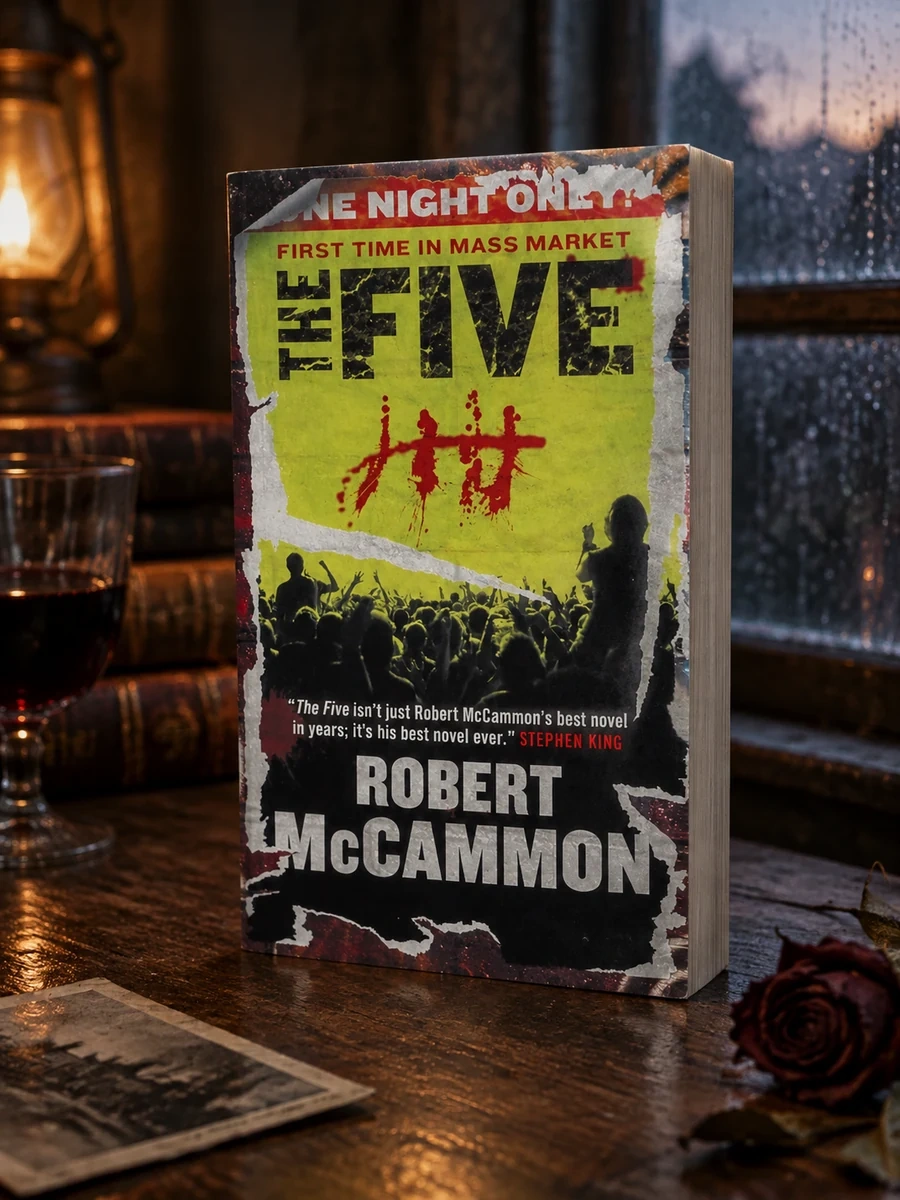
4. The Five — Robert McCammon
Readers who prefer visceral, character-driven horror can consider The Five. Its catalog description emphasizes the intensity of its character-focused approach, making it a useful alternative when you want horror centered on people rather than the mechanics of a civilization-wide catastrophe. It also keeps your reading within McCammon’s work while changing the emphasis.
5. Frankenstein — Mary Wollstonecraft Shelley
Frankenstein is an excellent classic companion for readers interested in the moral consequences of destruction and the responsibilities people carry for their choices. Shelley’s novel belongs to a different historical and literary tradition from McCammon’s apocalyptic fantasy, but its enduring horror comes from questions of human ambition, responsibility, alienation, and the boundaries of sympathy. Choose it for thoughtful, foundational horror rather than a direct imitation of Swan Song’s scale.
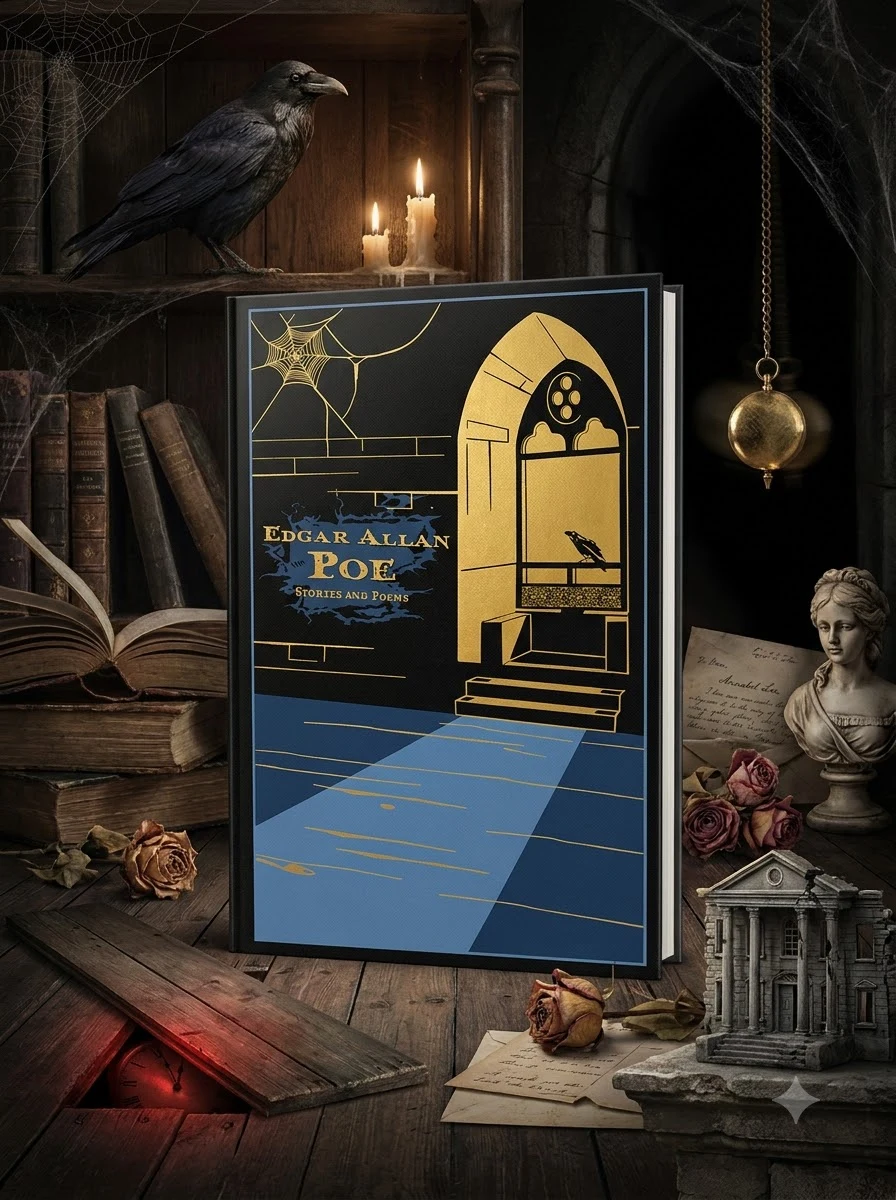
6. Edgar Allan Poe: Collected Works — Edgar Allan Poe
Poe provides a change of pace through gothic atmosphere, psychological disturbance, and macabre storytelling. A collected edition is particularly useful when you want to alternate a lengthy novel with shorter works that can be read in a single sitting. It is an appealing October companion for readers who want dread and unease without committing to another sprawling narrative.
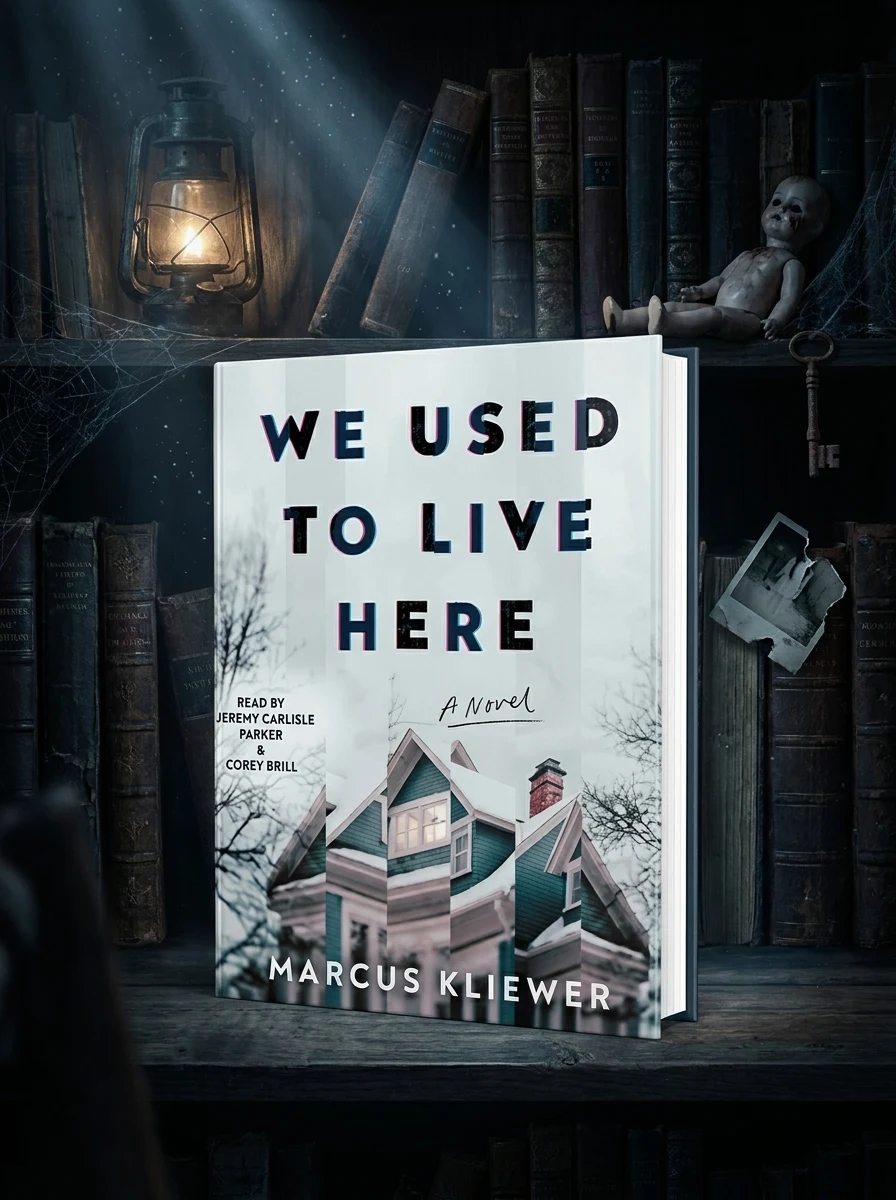
7. We Used to Live Here — Marcus Kliewer
For a contemporary change of direction, We Used to Live Here offers a way to return to horror on a more intimate scale. Readers moving from Swan Song may appreciate the contrast between a vast, ruined world and a more contained source of unease. It is a useful option when you want your next horror read to feel different rather than repeat the same apocalyptic experience.
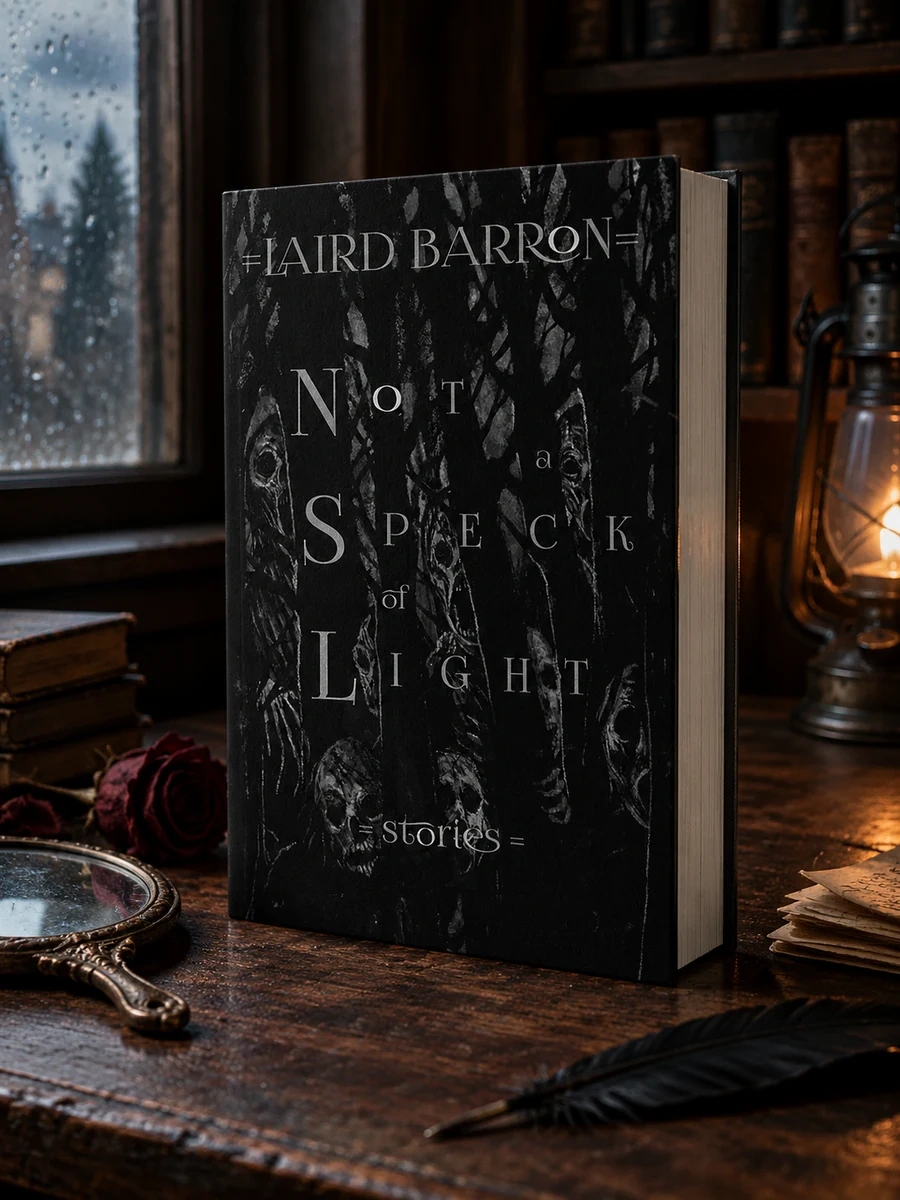
8. Not a Speck of Light — Laird Barron
Not a Speck of Light is the selection for readers ready to move toward darker, stranger horror. Barron is a strong fit for a reading list that values unsettling atmosphere and a sense of dread beyond everyday explanations. Rather than seeking another version of Swan Song’s moral epic, choose this book when you want to explore a more ominous and disquieting corner of the genre.
How to Choose Your Next October Horror Read
If you have not read Swan Song yet, start by asking what you want from an apocalyptic novel. If you enjoy a large narrative built around survival, moral conflict, and dark fantasy, McCammon’s book deserves a place near the top of your list. It is particularly well suited to readers who want an ambitious seasonal read rather than a brief Halloween scare.
If you have already finished Swan Song, follow the element that stayed with you. Choose The Border for another dose of survival horror, Boy’s Life or Mystery Walk for McCammon’s atmospheric supernatural storytelling, and The Five for character-driven intensity. Move to Frankenstein for classic moral horror, Poe for concentrated gothic unease, We Used to Live Here for a contemporary change of pace, or Not a Speck of Light for a darker, stranger atmosphere.
Budget and reading time can help settle the choice, too. The catalog includes several options under $20, including Poe collections and shorter classic selections, while other books may suit readers prepared to spend more time and money on their next substantial read. Check current listings before deciding, since prices can change.
The bottom line is that Swan Song works best when you approach it as more than a disaster story. Its appeal comes from the collision of devastation, dark fantasy, human cruelty, and the stubborn possibility of goodness. For readers looking for a serious alternative to The Stand this October, it offers an expansive American horror experience with a voice and imaginative identity of its own.