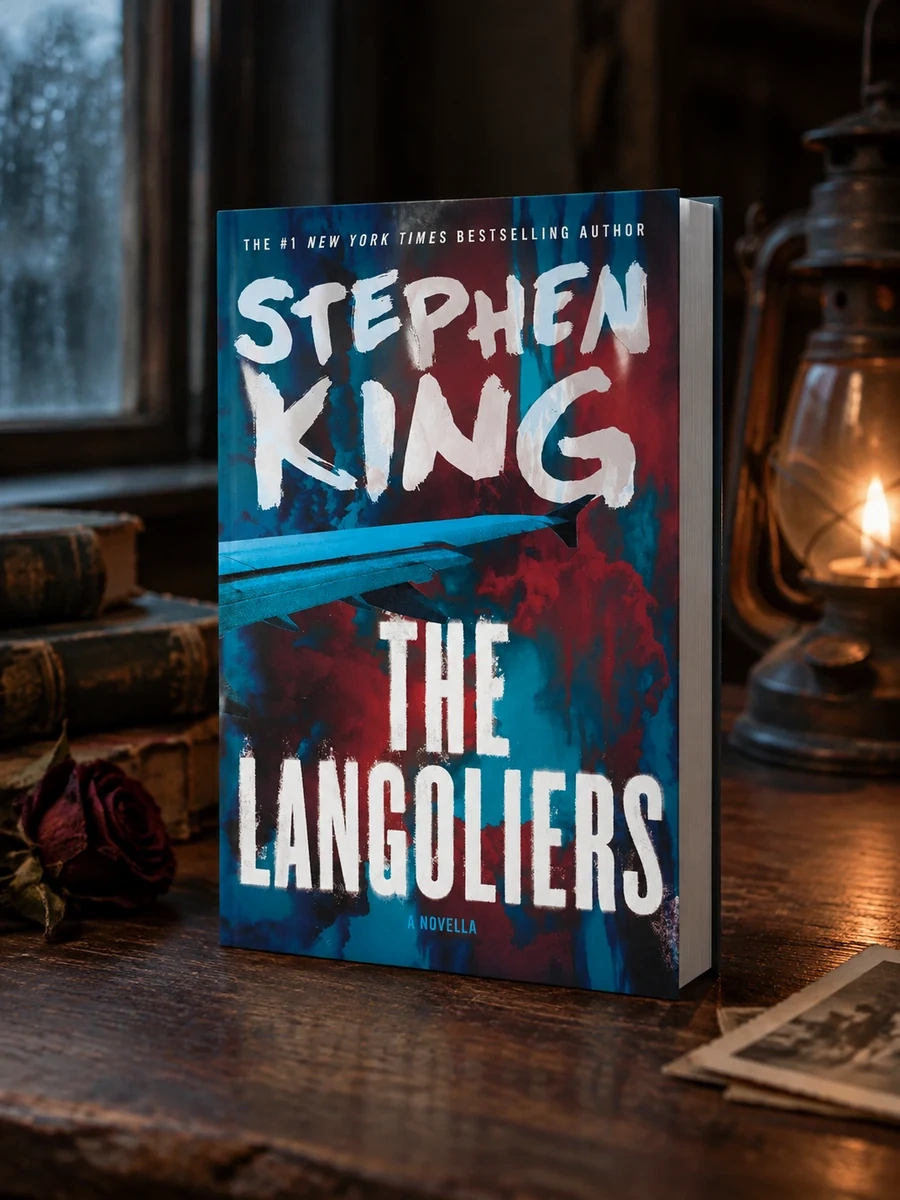
Stepping into the world of contemporary horror often means bracing for a barrage of jump scares and graphic violence. Yet, some works choose a quieter, more unsettling path, relying instead on psychological dread and atmospheric isolation. Published by Scribner Book Company in 2019, The Langoliers sits squarely in this tradition, offering an exploration of modern travel anxieties mixed with supernatural dread. At a price point in the teens, this $18.00 volume invites readers to ponder what happens when the ordinary world vanishes completely, leaving only silence and uncertainty.
As part of the contemporary horror and supernatural fiction genres, the work draws heavily on American gothic traditions. Rather than leaning on explicit gore, the narrative creates tension through the sheer weight of isolation and the fragile barrier between reality and fear. It is a story designed to test the nerves of readers who appreciate slow-burning tension over immediate answers. The silence of an empty setting contrasts sharply with internal psychological turmoil, driving the narrative forward through character friction and mounting paranoia.
As the passengers attempt to grasp the magnitude of their situation, the physical environment itself begins to feel hostile and wrong. Ordinary sounds are absent, the air feels stale, and the usual hustle and bustle of an international hub are replaced by a deafening, hollow void. This physical absence of humanity mirrors the emotional detachment and secret burdens that each survivor carries. The narrative slowly peels back the layers of normalcy, revealing how quickly civilization collapses when the rules governing time and space are stripped away.
1. What it is about
The premise centers on ten passengers who wake up in Bangor, Maine, following a red-eye flight from Los Angeles to Boston. To their shock and confusion, the entire flight crew is gone, and the airport terminal is completely empty. Among the group is Craig Toomey, an irritable investment banker who is already teetering near a nervous breakdown.
As the passengers try to make sense of their surreal predicament, Craig hears ominous radio static nearby. He becomes consumed by a terrifying fear of the langoliers—childhood monsters associated with punishing those who waste time. Within this chilling scenario, time itself transforms into a tangible threat. The characters are forced to confront their own pasts while fleeing an unknown, unseen force, all while navigating a narrative structure that mirrors their profound confusion and offers no safe havens.
The interaction among the survivors forms the emotional anchor of the plot. Different backgrounds and temperaments clash as panic sets in, creating distinct factions and escalating tensions within the terminal. Some characters try to maintain rational order, while others succumb entirely to superstition, past trauma, and impending doom. This psychological fracturing compounds the external dangers, ensuring that safety is elusive even before the true nature of their threat becomes clear.
2. How it reads
The pacing of the narrative is measured and deliberate, prioritizing psychological depth and atmosphere over frantic action sequences. The tone is heavy with dread, capturing the disorientation of waking up in a world stripped of its normal rules. Stephen King guides the narrative through supernatural and gothic traditions, ensuring that the primary terror comes from within the characters' minds as much as from the external environment.
The voice is deeply atmospheric, contrasting the eerie quiet of the deserted airport with the chaotic noise inside Craig Toomey's head. Readers will find that the prose evokes a strong sense of claustrophobia and helplessness. The book maintains a medium reading difficulty, making it accessible for dedicated horror fans while still demanding steady attention to its psychological nuances.
Sentence structures vary from sharp, staccato expressions of panic to long, winding descriptions of sensory deprivation. This stylistic choice reinforces the unpredictable nature of the setting. Every chapter deepens the sense of alienation, drawing the audience further into an environment where traditional laws of physics and common sense no longer apply.
3. Who it suits, and who it does not
This novel is deeply engaging for readers who prefer atmospheric dread over graphic violence or cheap jump scares. It suits those interested in the psychological impact of sudden loss, the anxiety of modern life pushed to its breaking point, and the dread of wasted time. Fans of cosmic horror and psychological mysteries will appreciate how the story challenges perceptions of safety and reality.
Conversely, those seeking lighthearted adventure or fast-paced, action-heavy storytelling will likely find this work too unsettling or slow. Readers who demand neat resolutions and safe, comfortable endings may also leave feeling frustrated, as the narrative refuses to offer easy answers.
For anyone debating whether to add this volume to their personal library, consider your tolerance for slow-building psychological tension. Those who enjoy lingering ambiguity and complex character studies will find plenty to analyze. On the other hand, readers looking for quick, punchy thrills without philosophical undertones might find the pacing too demanding.
4. If you liked this
The Langoliers — Stephen King
If you crave psychological dread and surreal isolation, this tale is for you. However, those seeking lighthearted adventure or clear-cut resolution may want to look elsewhere. Find it in our catalog as The Langoliers.
The Yellow Wallpaper — Charlotte Perkins Gilman
Explore another classic exploration of psychological confinement and creeping dread. Find it in our catalog as The Yellow Wallpaper.
Frankenstein — Mary Wollstonecraft Shelley
A foundational gothic masterpiece exploring isolation, ambition, and the monsters we create. Find it in our catalog as Frankenstein.
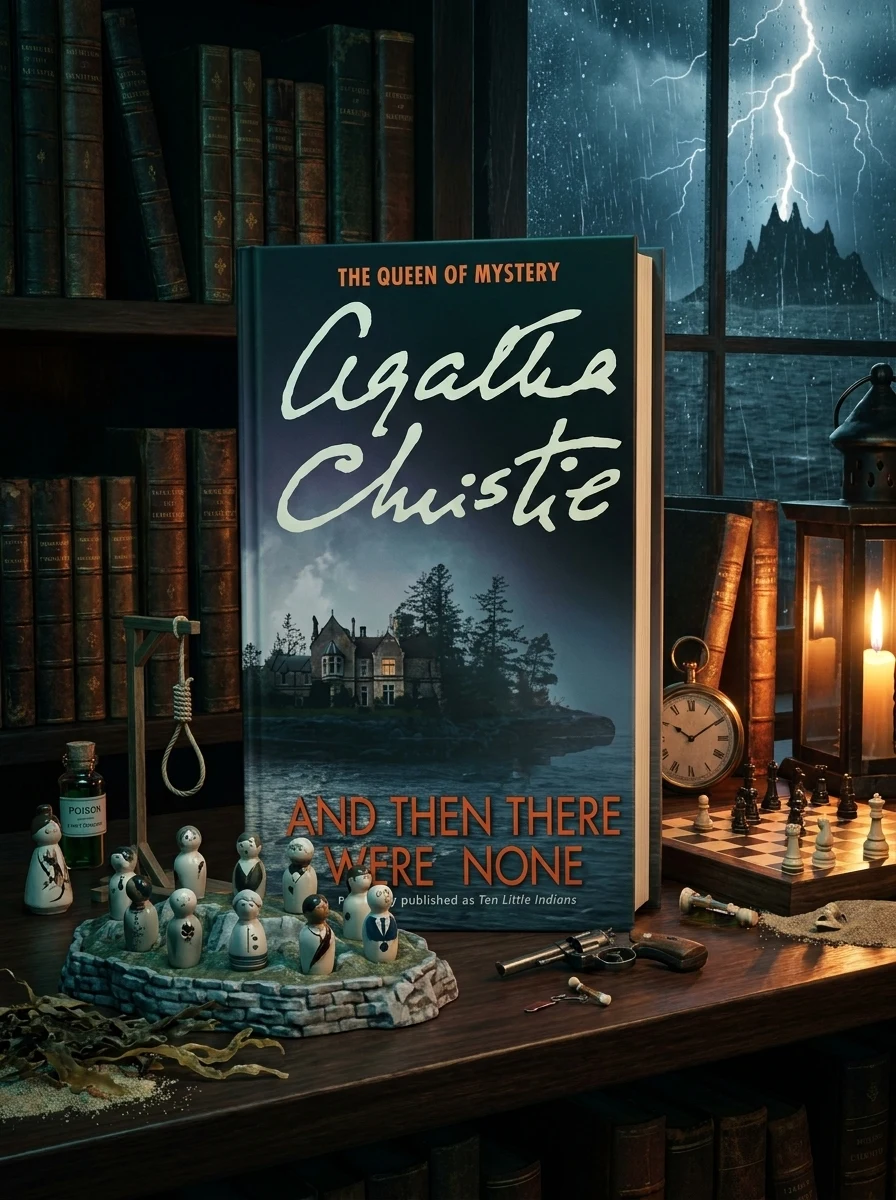
And Then There Were None — Agatha Christie
Experience a tense, isolated group dynamic where safety dissolves and paranoia takes over. Find it in our catalog as And Then There Were None.
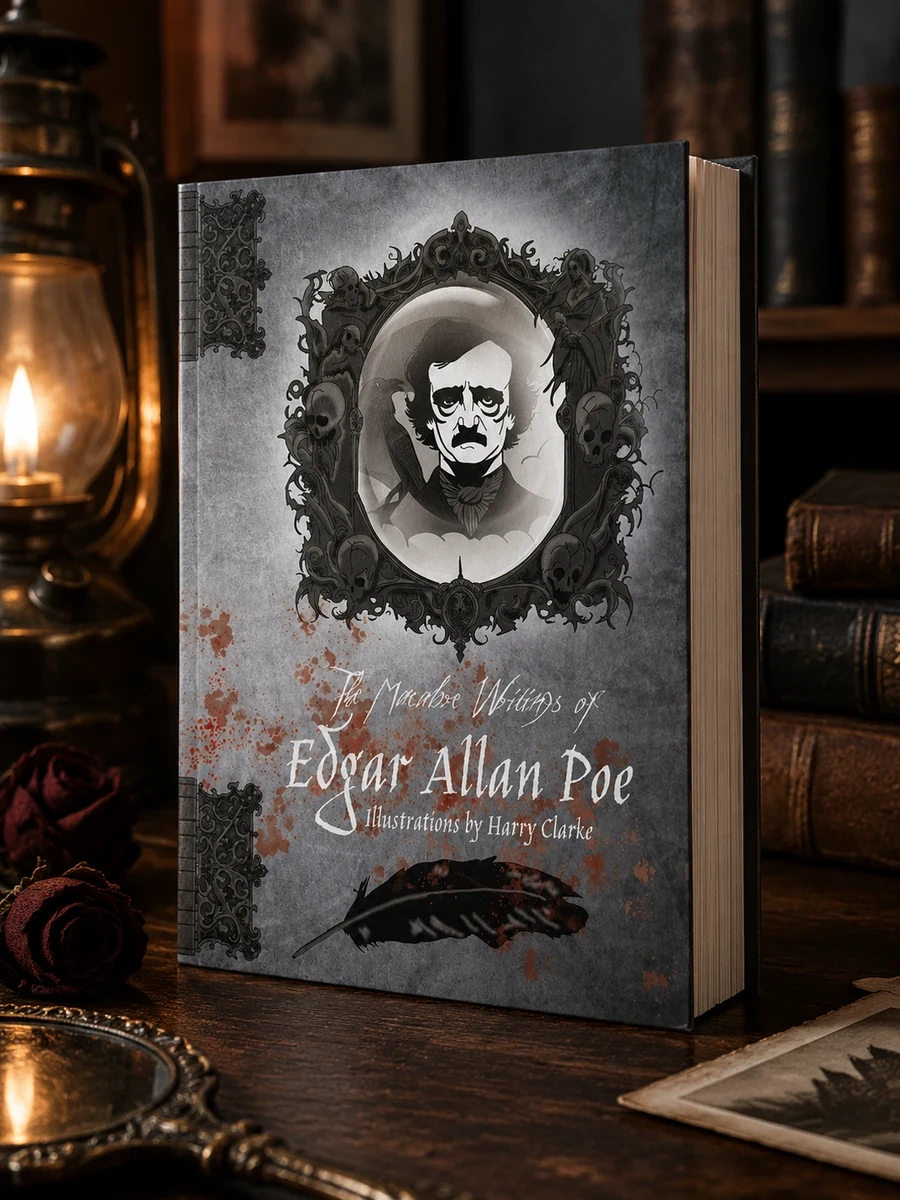
The Macabre Writings of Edgar Allan Poe — Edgar Allan Poe
Readers craving gothic atmosphere and psychological dread will adore this collection. However, those preferring fast-paced action or lighthearted escapism should look elsewhere. Find it in our catalog as The Macabre Writings of Edgar Allan Poe.
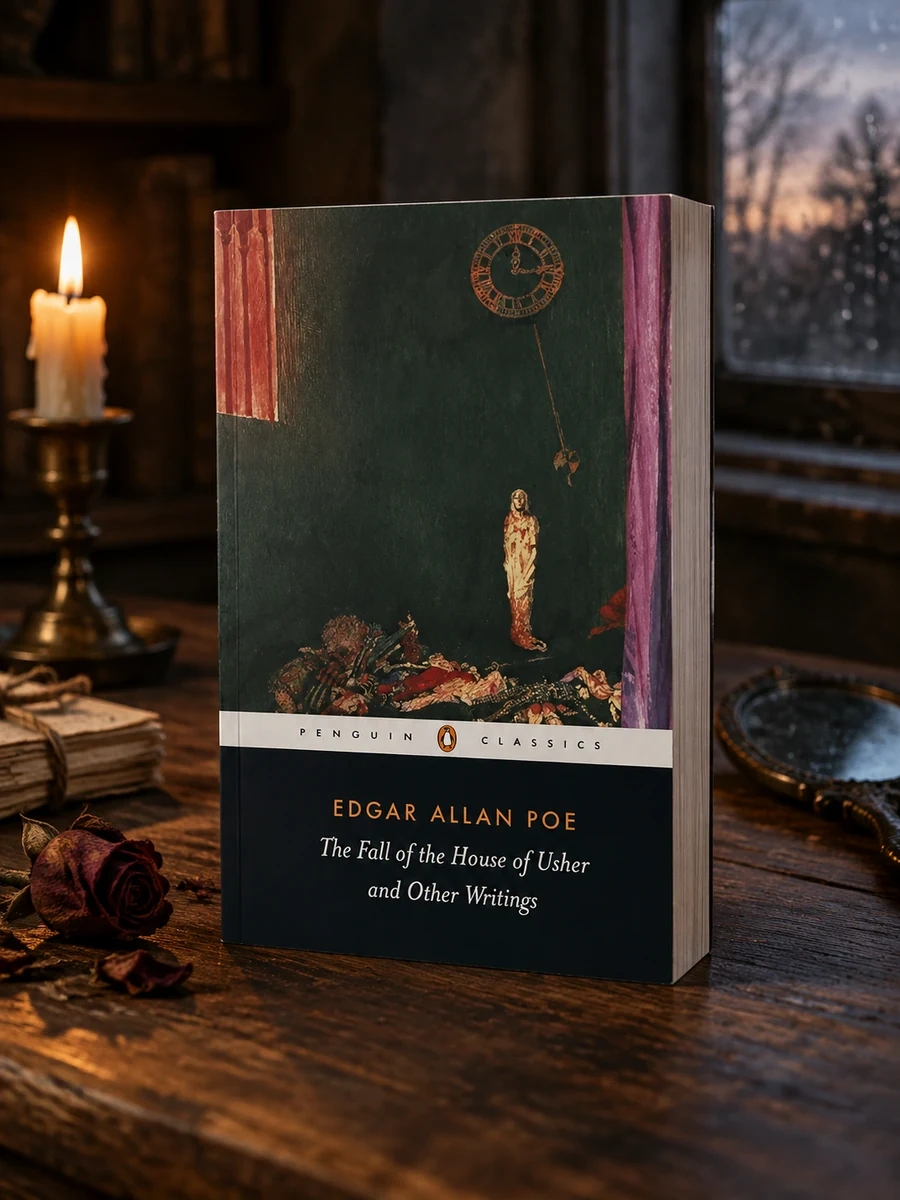
The Fall of the House of Usher and Other Writings: Poems, Tales, Essays, and Reviews — Edgar Allan Poe
Seekers of psychological dread, gothic atmosphere, and the roots of detective fiction will cherish this collection. If you prefer light escape, look elsewhere. Find it in our catalog as The Fall of the House of Usher and Other Writings: Poems, Tales, Essays, and Reviews.
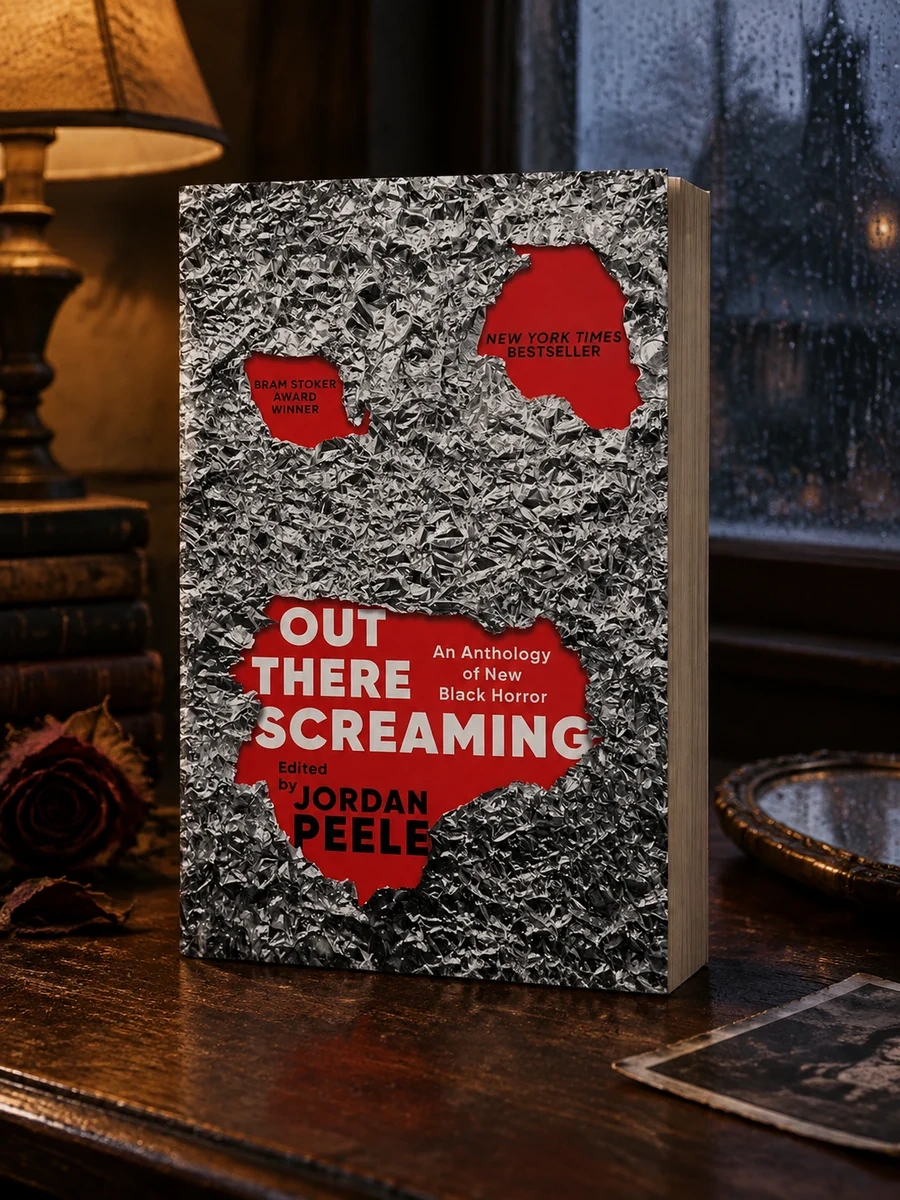
Out There Screaming: An Anthology of New Black Horror — Jordan Peele
A chilling anthology showcasing contemporary Black horror voices, blending supernatural terror with sharp social commentary. Find it in our catalog as Out There Screaming: An Anthology of New Black Horror.
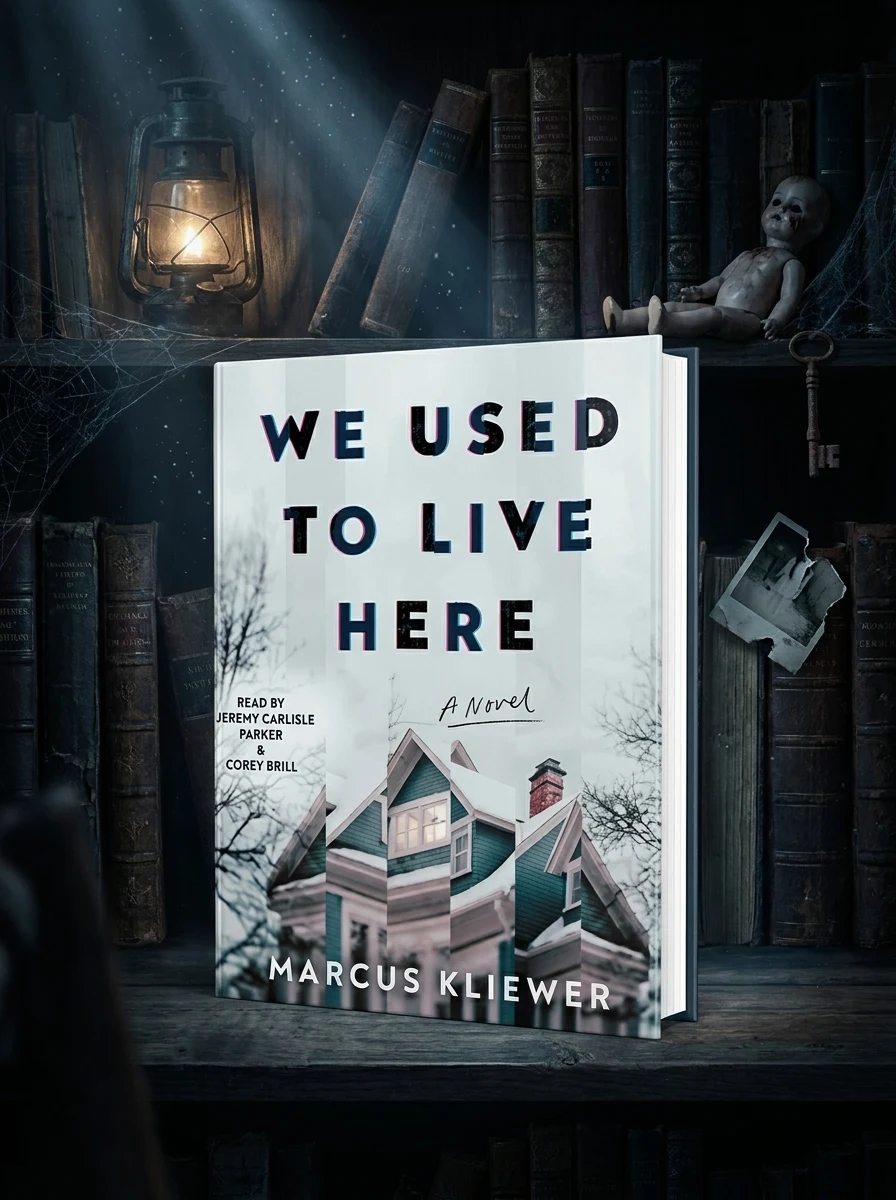
We Used to Live Here — Marcus Kliewer
A thrilling and unsettling tale about a strange family claiming an ordinary home, twisting reality into a nightmare. Find it in our catalog as We Used to Live Here.