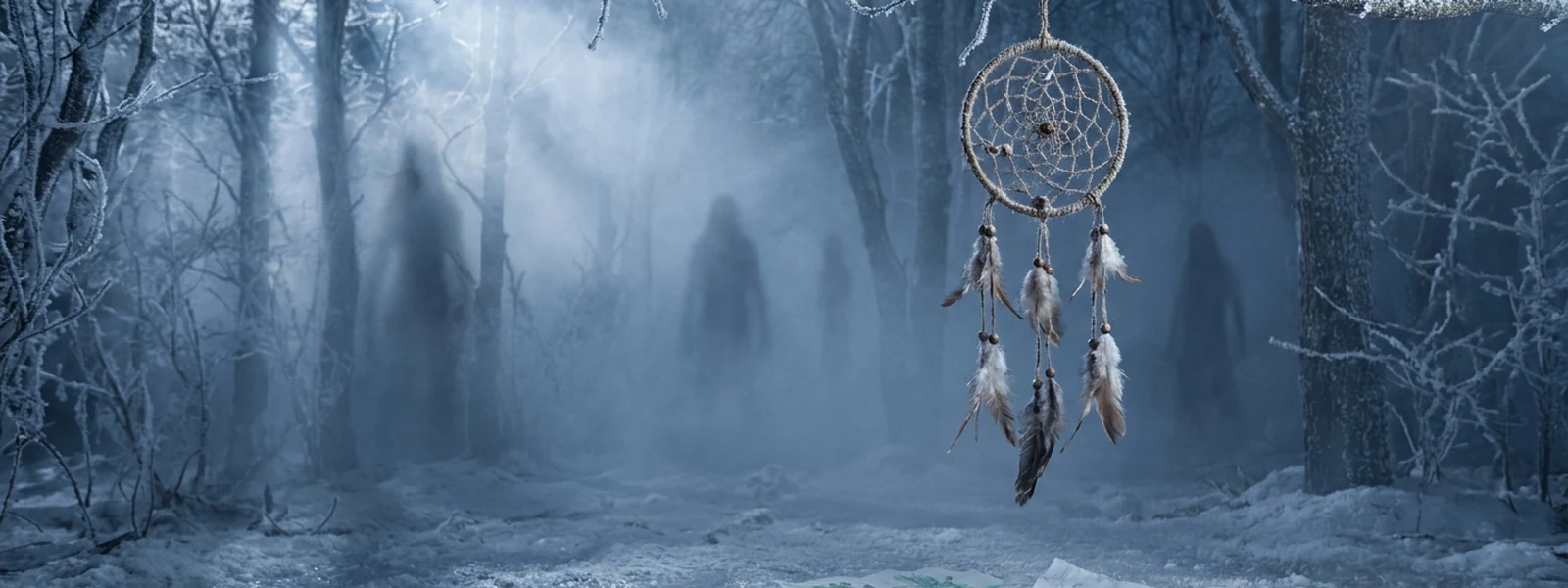
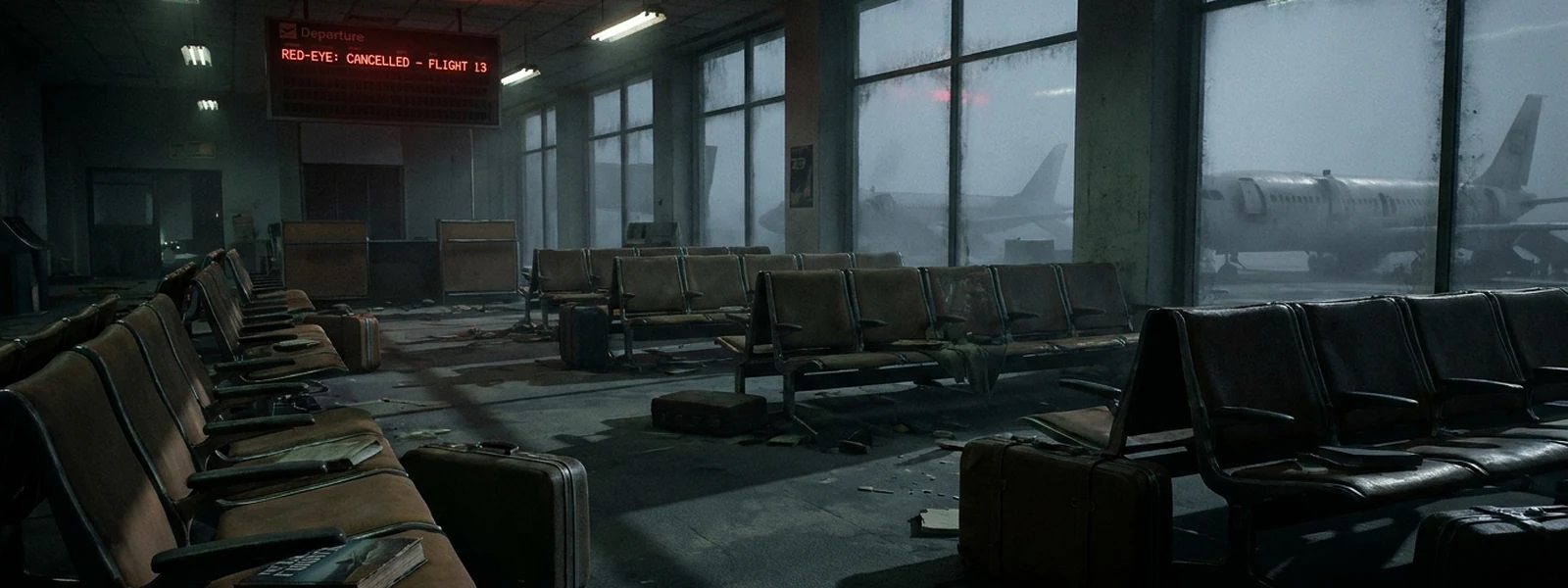
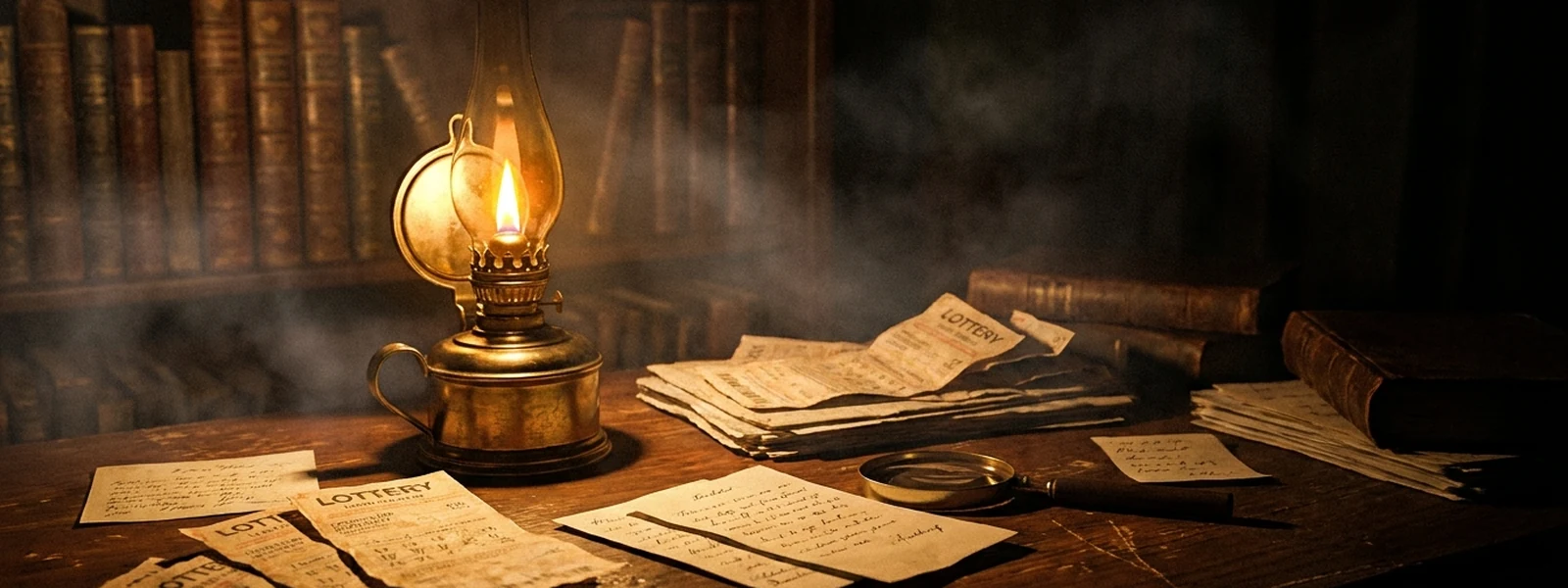
Horror fiction often thrives on the claustrophobia of places time forgot, and few settings capture that stagnant isolation quite like the fictional town of Maple Grove. In this release from Thomas & Mercer, readers are invited into a narrative that operates firmly within the traditions of mid-twentieth-century American gothic fiction. It is a work built around the heavy burden of the past, focusing on the friction between childhood experiences and the adult lives people attempt to build far away from where they started. For readers who appreciate deliberate pacing and a strong sense of place, this novel offers a distinct flavor of psychological suspense.
Priced at seventeen dollars, the book targets an audience that values atmospheric dread over physical violence or high-octane spectacle. Rather than relying on sudden shocks, the horror here stems from the realization that escape from one's origins is rarely complete. The town of Maple Grove resists modern change, acting almost as a character in its own right—one that shapes and traps its inhabitants long after they believe they have left.
1. What it is about
The story focuses on four childhood friends who once shared the landscape of Maple Grove before drifting apart in pursuit of adult ambitions. Only one of them, Ernie, remained behind. When Ernie falls into a sudden coma, it forces the three who left—Rebecca, Bobby, and Spencer—to return to their roots. This homecoming is complicated by years of suppressed memories, which have left their recollection of youth fragmented and hazy.
Upon returning, the companions begin to notice a disturbing pattern connected to the town's history: those who fell into comas in Maple Grove always woke up changed. Furthermore, the town remains heavily influenced by the shadow of Ernie's intimidating mother, a looming presence that heightens the immediate sense of threat. As Ernie sinks deeper into unconsciousness, his old companions must search through forgotten truths, confronting a hulking figure and strange occurrences from their past. They face a race against time to confront these old terrors, discovering that reclaiming their bond requires facing the very darkness they once tried to escape.
The narrative continuously reinforces the inescapable gravity of small-town roots. Every street corner, abandoned building, and lingering local resident serves as a physical reminder of the years the protagonists spent trying to forget who they used to be. As the mystery deepens, the line between subjective psychological trauma and objective external threat begins to blur completely, leaving both the characters and the reader questioning what is truly happening in the shadows of Maple Grove.
2. How it reads
The narrative structure moves fluidly between the present-day crisis and flashbacks to the characters' youth, mapping out how Maple Grove shaped their deepest fears. The reading difficulty falls squarely at a medium level, requiring attention to how fragmented memories resurface and color the current situation. The tone is tense and mental rather than physical, prioritizing psychological weight and atmospheric dread.
Readers will find that the prose uses the framework of memory to explore loyalty and the steep cost of forgetting. The atmosphere is thick with gothic dread, echoing older traditions of isolated communities where outsiders are ultimately consumed by local forces. The pacing is measured, allowing the tension to build through introspection and gradual revelations rather than rapid-fire plot twists. The prose style remains disciplined, favoring quiet moments of psychological unease over explosive jump scares, making every single page feel heavy with impending doom and unresolved past grievances.
3. Who it suits, and who it does not
This novel is ideal for readers who cherish psychological suspense rooted in gothic atmospheres and character-driven horror. It suits those who appreciate stories where small-town secrets dictate individual fates and where the journey is primarily mental. If you enjoy narratives that explore childhood trauma, suppressed memories, and ambiguous resolutions without tidy wrap-ups, this book will feel right at home on your shelf.
Conversely, it may not suit readers seeking fast-paced action or clear, unambiguous resolutions. Those who prefer high-octane thrills or traditional monster features with quick endings will likely find the deliberate, reflective pace frustrating. Anyone looking for constant physical confrontations or immediate narrative clarity will need to look elsewhere, as this novel prefers to let its terrors simmer slowly beneath the surface of everyday life.
4. Recommended reading list
If the atmospheric dread and psychological weight of this novel appeal to you, consider exploring these titles from our catalogue:
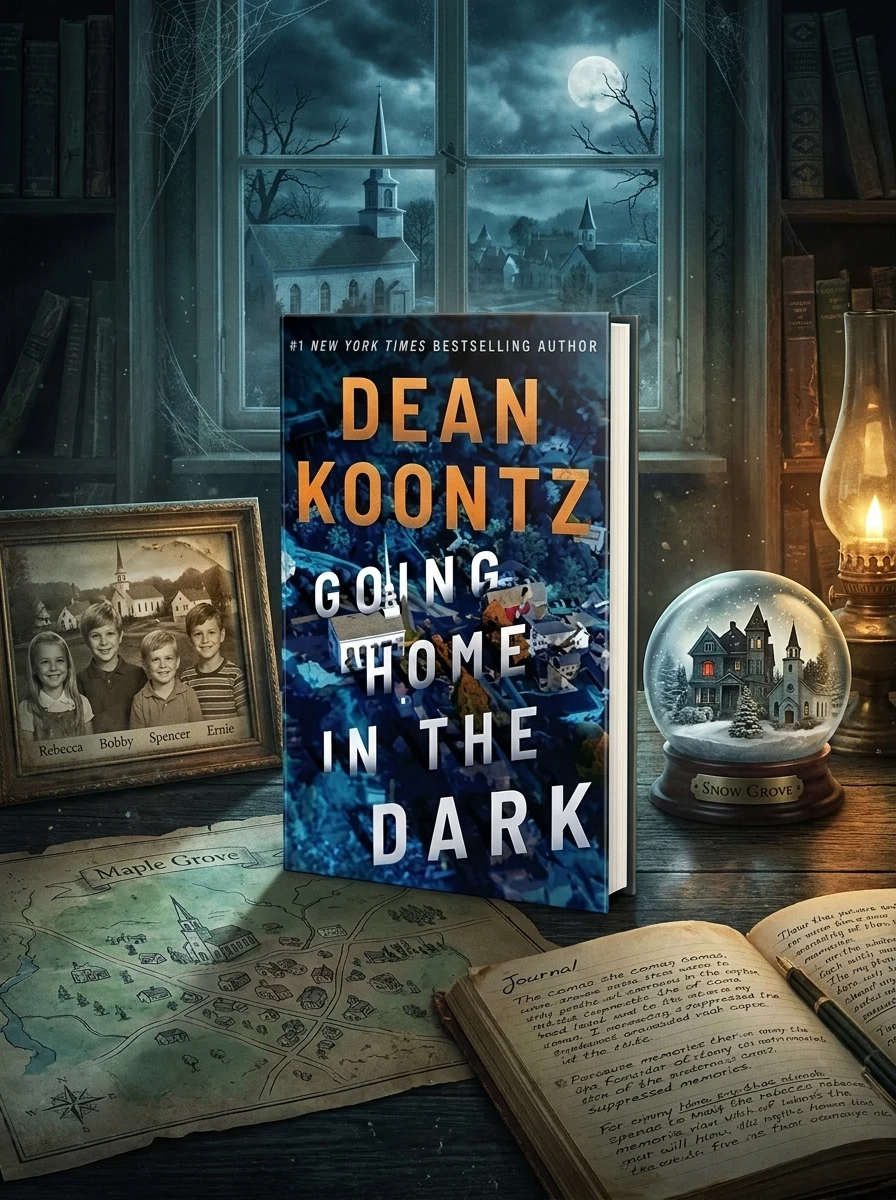
5. Going Home in the Dark — Dean Koontz
Fans of atmospheric dread and psychological horror will find much to love here. If you prefer high-octane action or tidy endings, look elsewhere. Explore more in Going Home in the Dark.
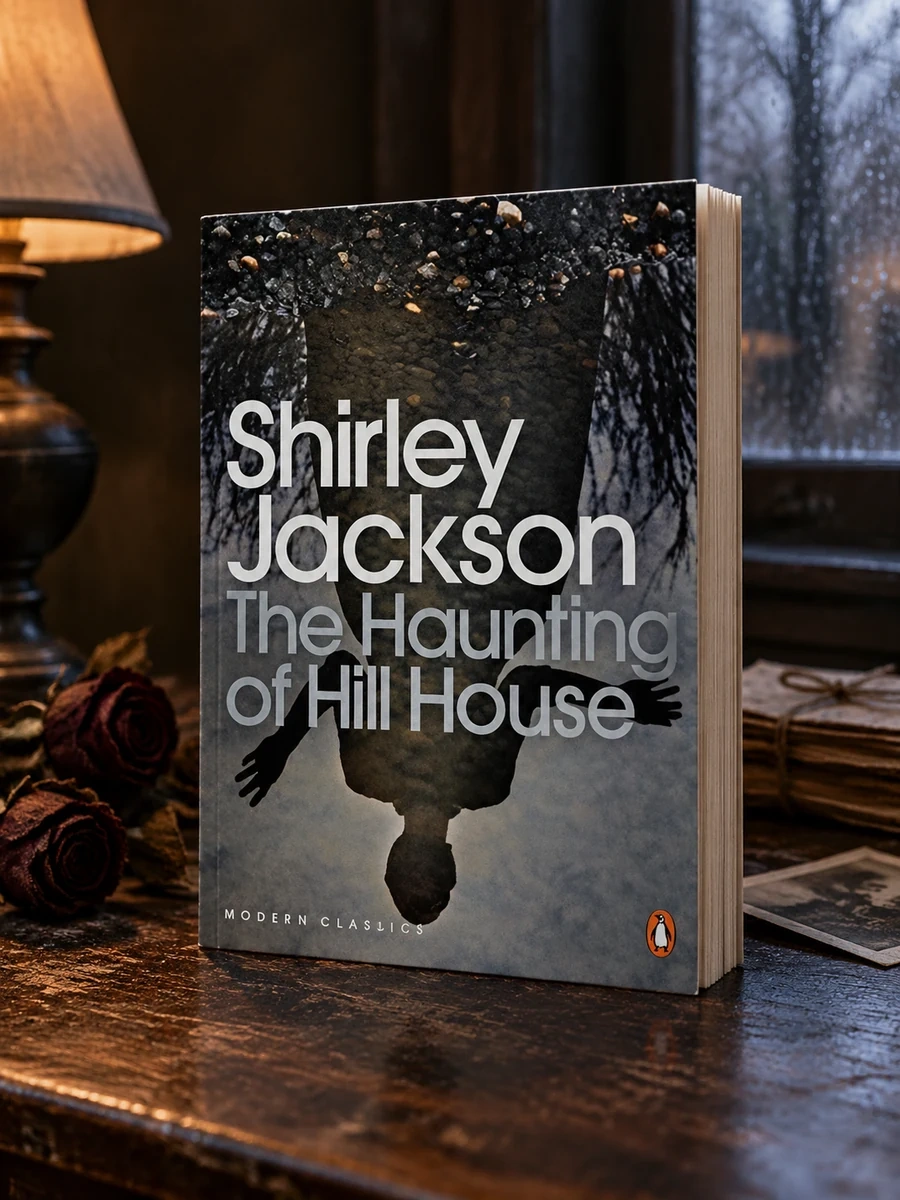
6. The Haunting of Hill House — Shirley Jackson
Seekers of atmospheric dread and psychological horror will cherish this tale of fragile minds unraveling within haunted walls. Discover the classic chills of The Haunting of Hill House.
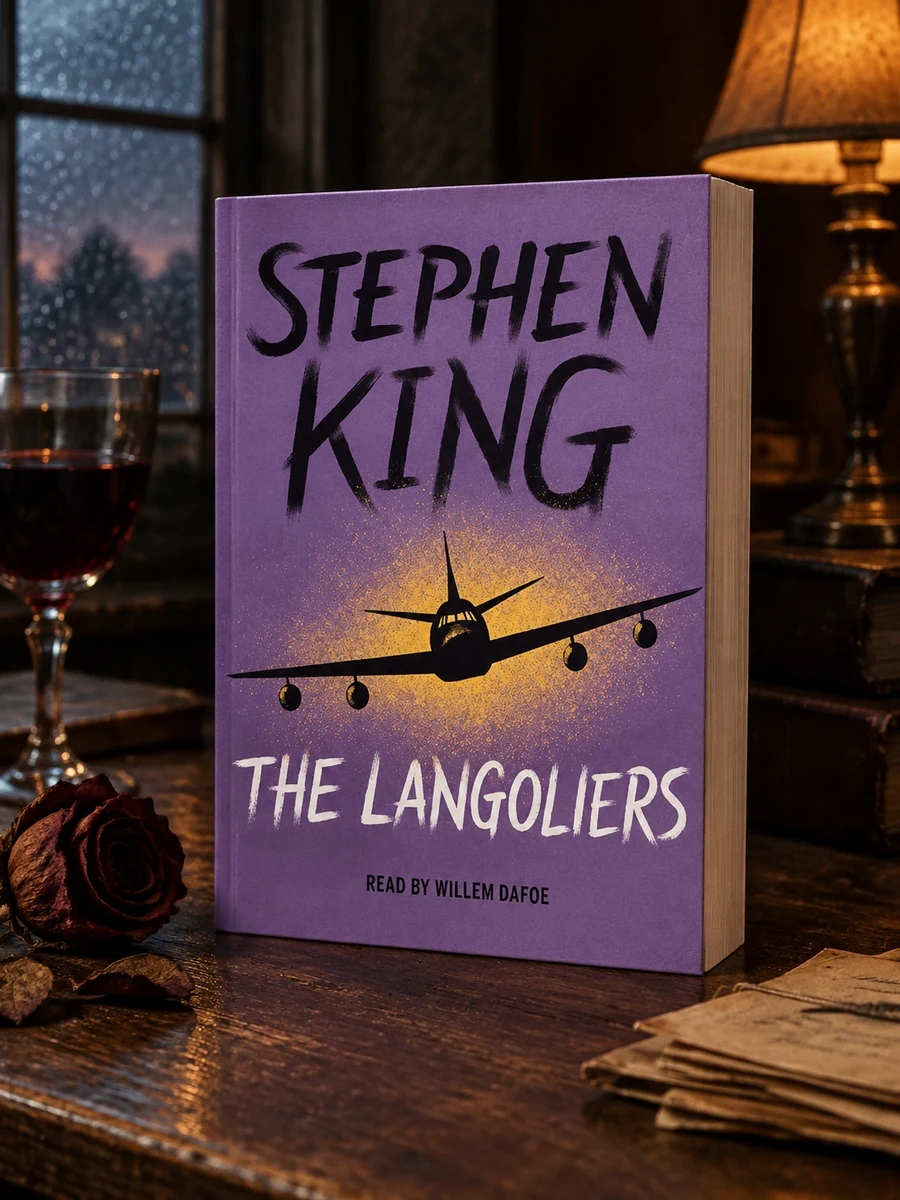
7. The Langoliers — Stephen King
A masterclass in tension involving stranded travelers facing unexplainable, terrifying anomalies that test their sanity. Uncover the mystery in The Langoliers.
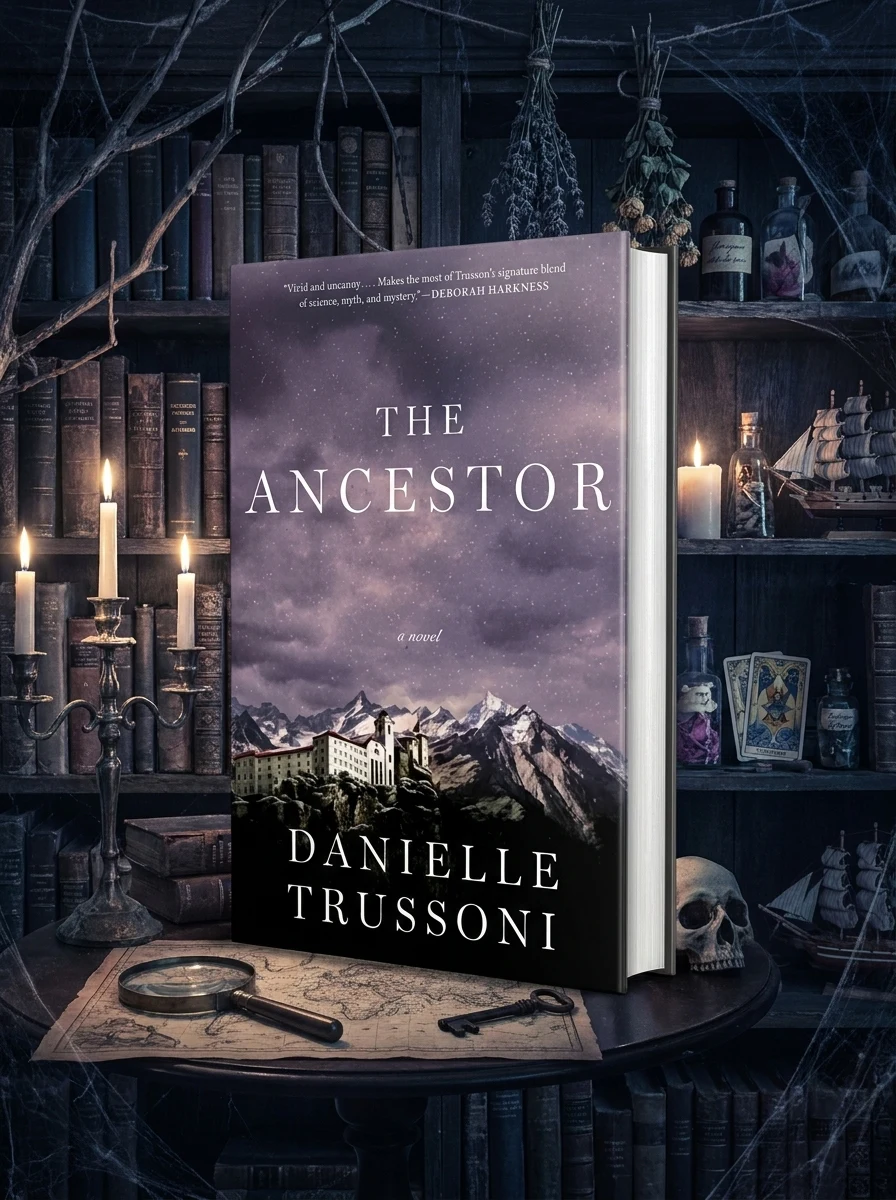
8. The Ancestor — Danielle Trussoni
A gripping tale that explores buried family secrets and remote, isolated environments that change those who enter them. Read more about The Ancestor.
9. The Hive — Ronald Malfi
A deep exploration of small-town horror, dark pasts, and the lingering threats that refuse to stay buried. Check out The Hive.
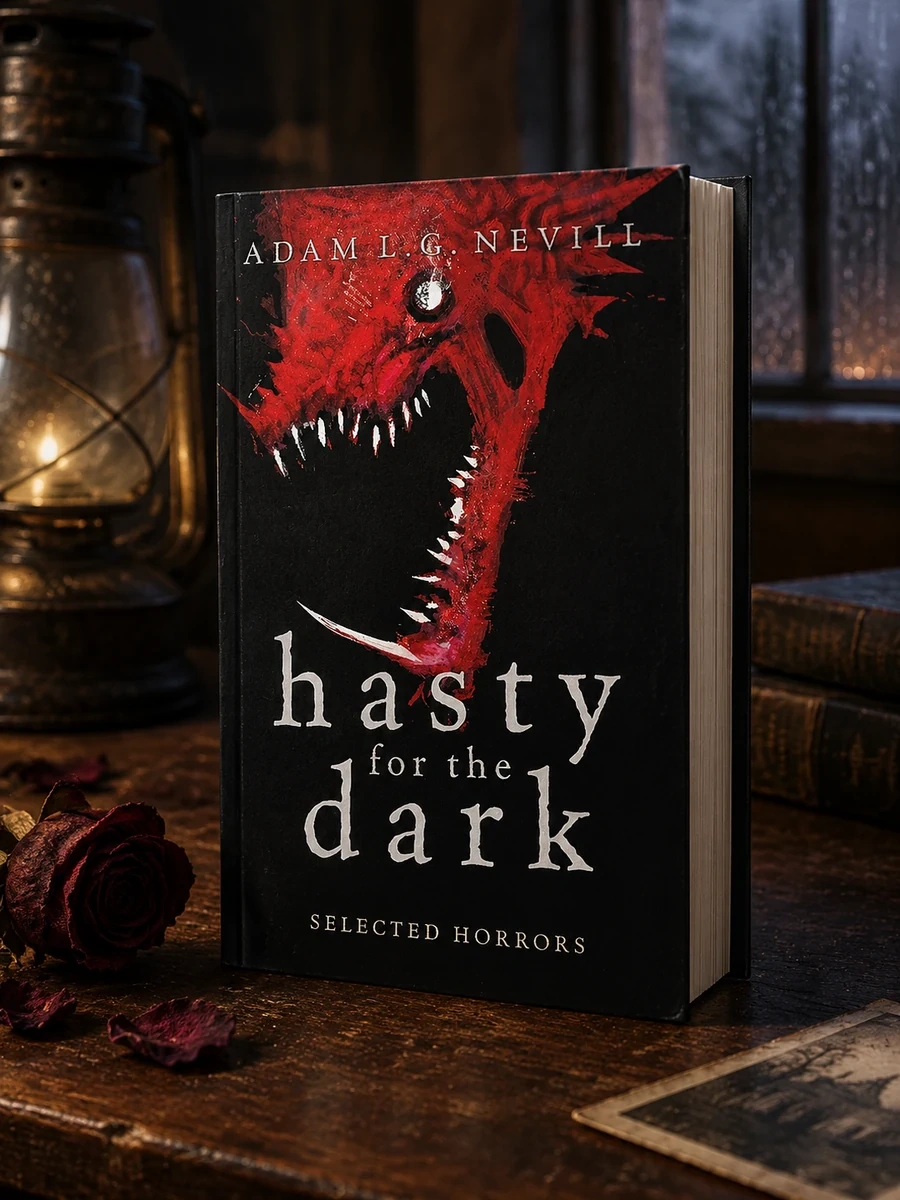
10. Hasty for the Dark: Selected Horrors — Adam Nevill
A collection that delivers unrelenting dark atmospheres and unsettling psychological encounters in isolated settings. Experience the dread in Hasty for the Dark: Selected Horrors.
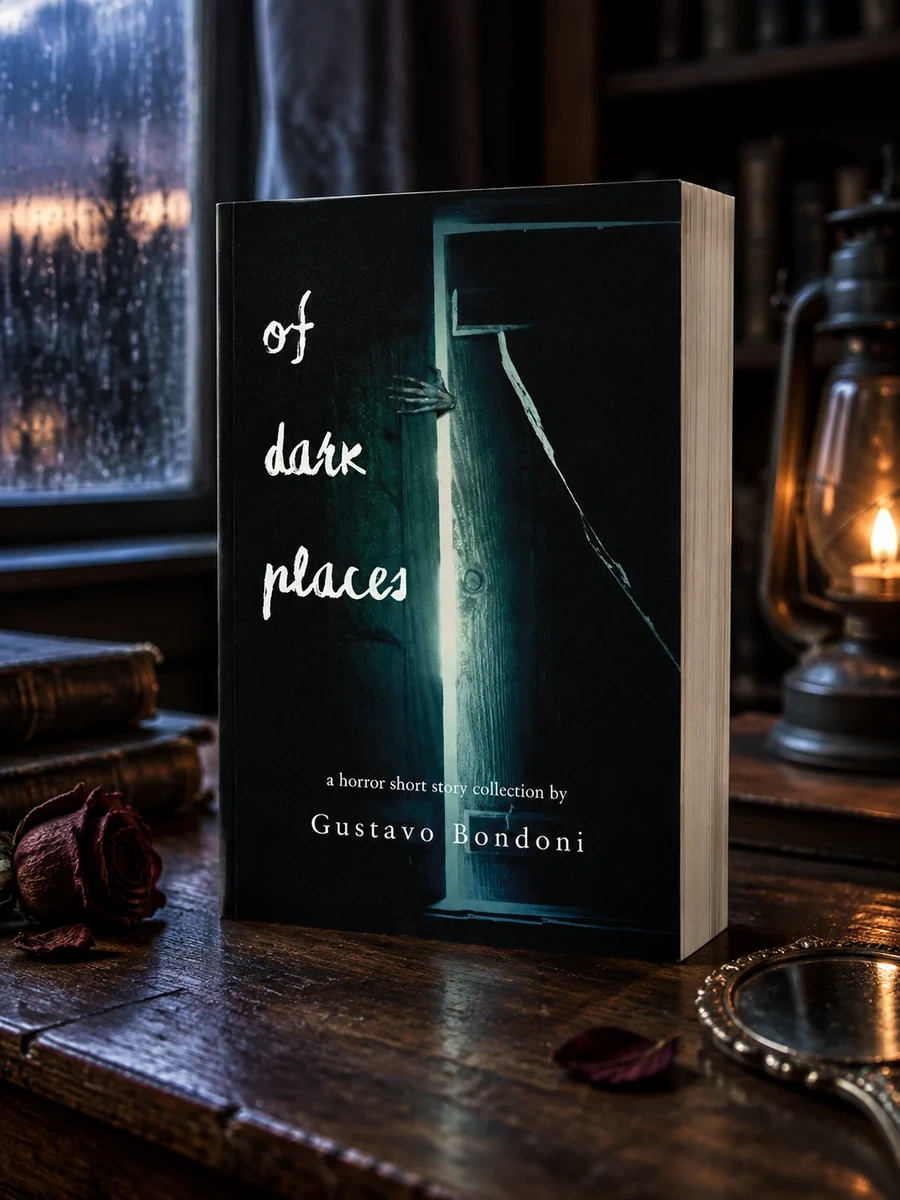
11. Of Dark Places — Gustavo Bondoni
A tense journey into environments where survival depends on confronting hidden horrors and forgotten pasts. Find it via Of Dark Places.
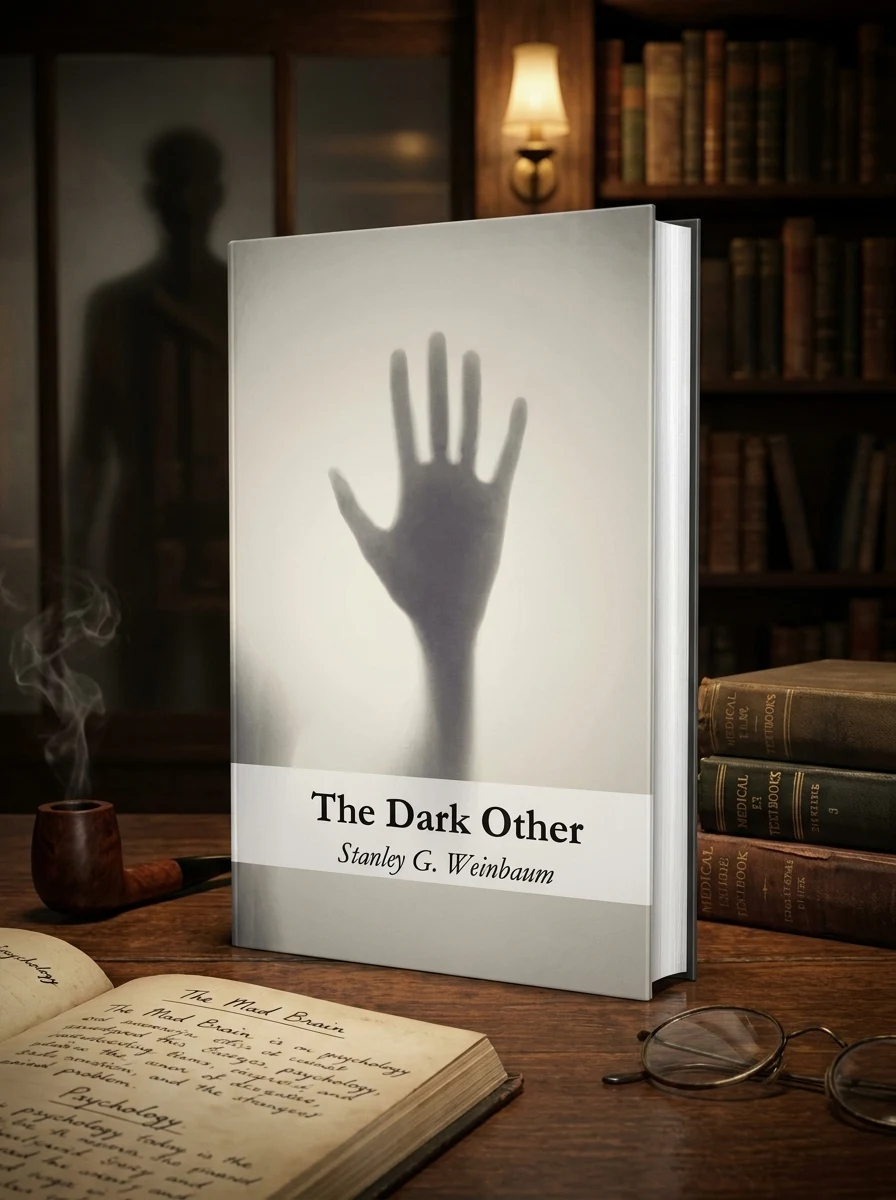
12. The Dark Other — Stanley G Weinbaum
A chilling exploration of dual identity and psychological terror that lays bare the darker impulses of the human mind. Discover more in The Dark Other.
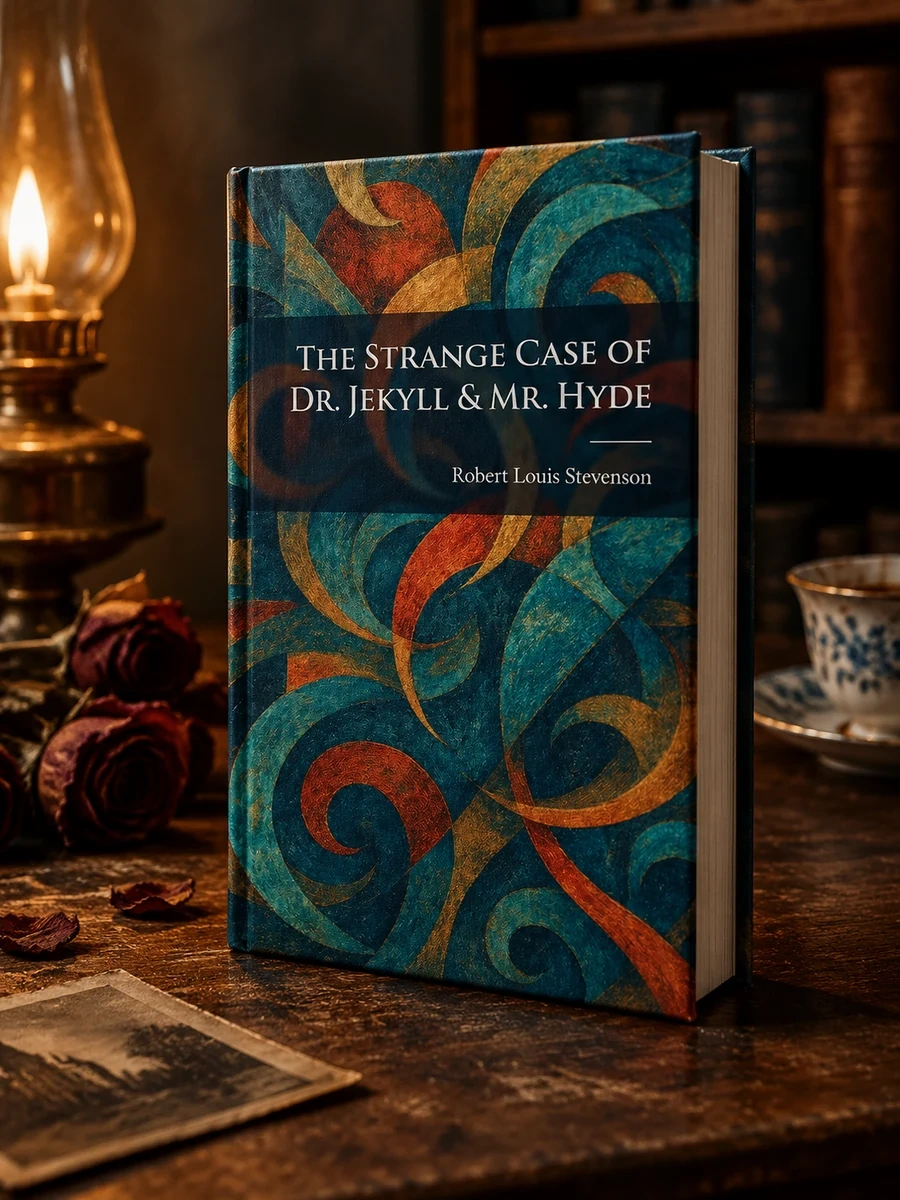
13. The Strange Case of Dr. Jekyll & Mr. Hyde — Robert Louis Stevenson
A timeless psychological classic investigating the fractured nature of morality and the hidden evil residing within respectable men. Read the classic in The Strange Case of Dr. Jekyll & Mr. Hyde.