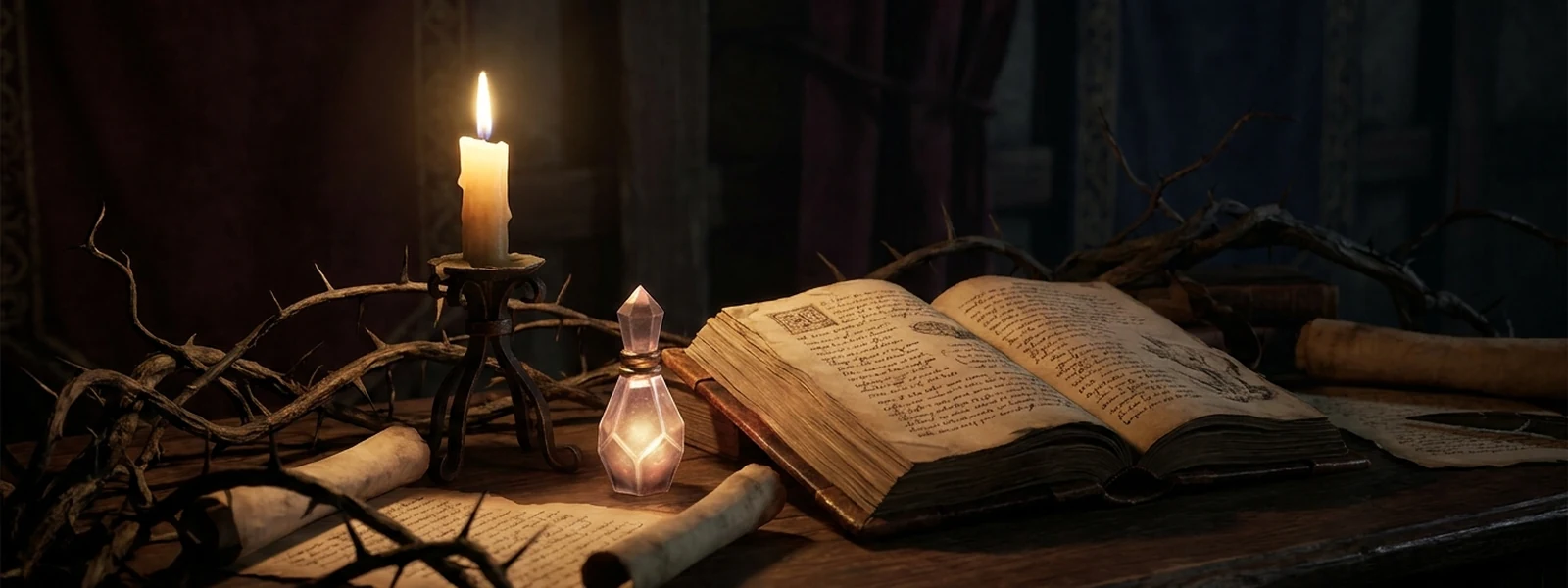
Horror fiction endures because it speaks to something primal in us—the fear of the unknown, the fragility of sanity, the weight of mortality. Unlike jump-scare entertainment, the best horror novels burrow into your mind and stay there. They ask uncomfortable questions about human nature, society, and what lurks in the spaces we don't examine too closely.
The genre has evolved dramatically over two centuries. What terrified readers in 1818 differs from what unsettles us today, yet the most powerful horror novels share a common DNA: they build dread methodically, create characters we care about, and refuse easy answers. Whether you're returning to classics or seeking contemporary voices, the right horror novel can reshape how you see the world.
This guide covers fifteen essential horror fiction novels across the major subgenres—gothic, psychological, cosmic, and modern horror. Each offers something distinct, but all have earned their place in the canon through craft, originality, and the ability to genuinely disturb thoughtful readers.
Gothic Horror: Atmosphere and Decay
Gothic horror is the ancestor of the entire genre. It privileges mood over gore, psychological torment over spectacle. These novels build worlds where beauty and corruption intertwine, where old houses hold secrets, and where the past refuses to stay buried.
1. Frankenstein — Mary Wollstonecraft Shelley
Frankenstein remains the template for horror fiction because it works on multiple levels simultaneously. On the surface, it's a monster story. Deeper down, it's about the horror of creation without responsibility, the monstrosity of isolation, and the violence of being rejected by society. Shelley's prose is elegant and precise, and the creature's perspective—his capacity for love and his descent into vengeance—makes this far more than a simple tale of mad science. Readers seeking philosophical depth alongside genuine dread will find it here. This is the book that proved horror could be literature.
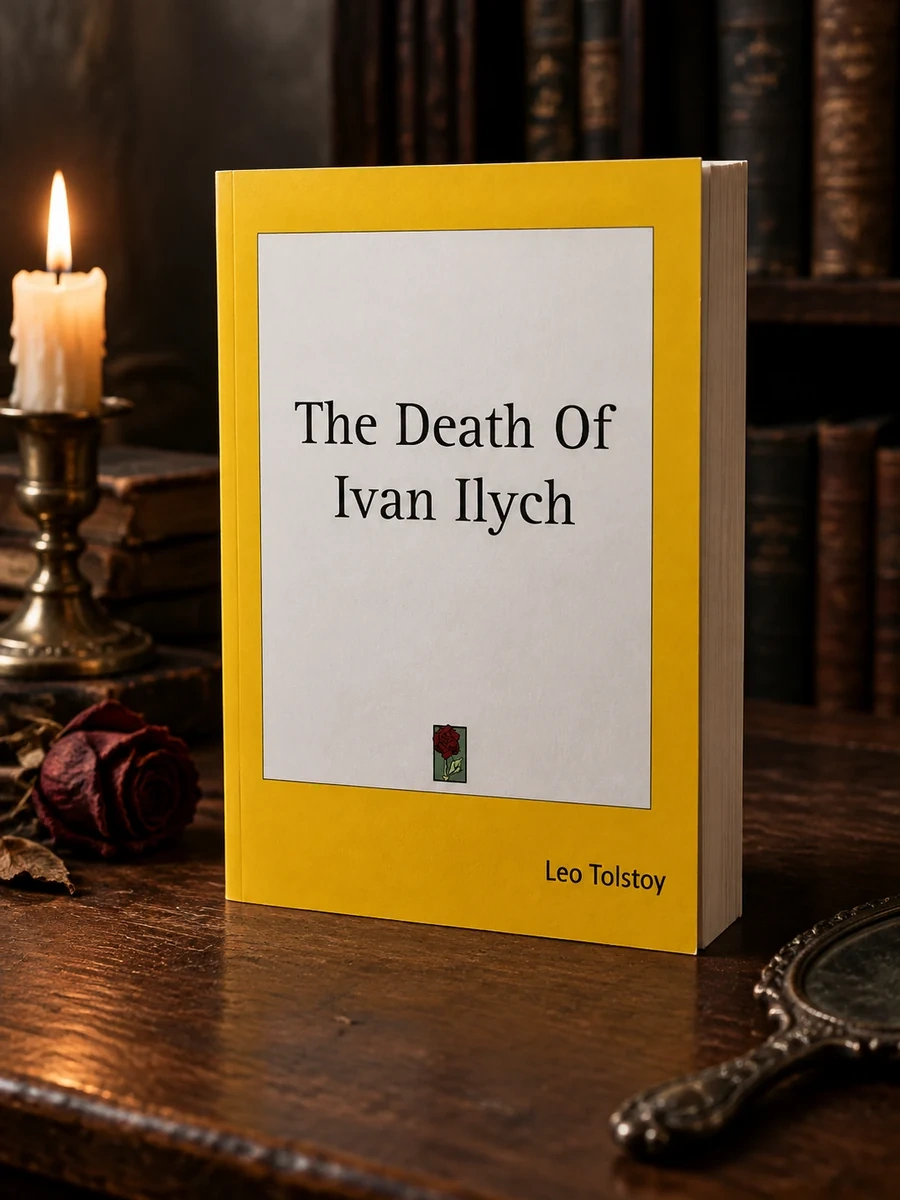
2. The Death of Ivan Ilych — Leo Tolstoy
The Death of Ivan Ilych is horror stripped of supernatural trappings. Tolstoy's novella follows a man confronting his own mortality and the hollowness of the life he's built. The real terror isn't a ghost or monster—it's the recognition that we've wasted our existence on meaningless pursuits. The prose is spare and devastating. If you can handle existential horror without any escape hatch, this masterpiece will haunt you far longer than any ghost story.
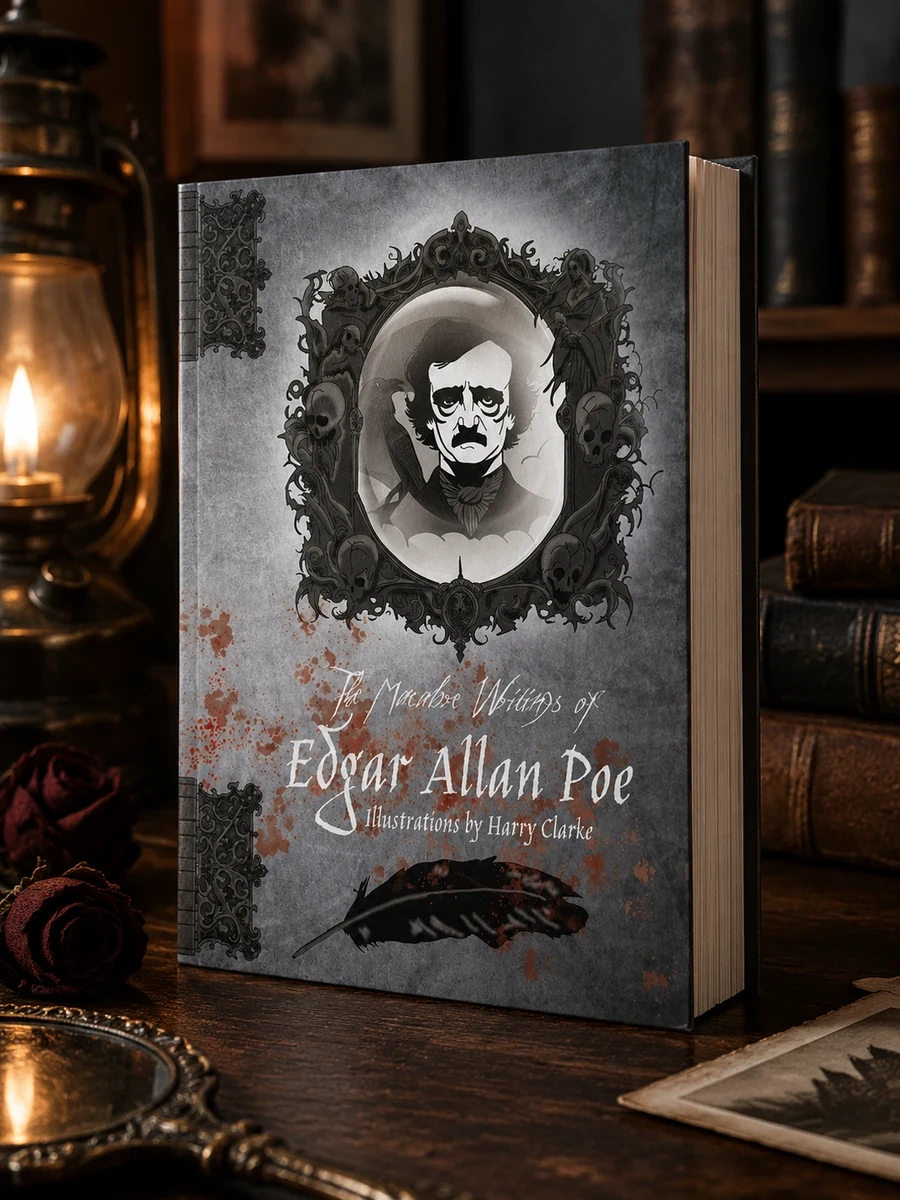
3. The Macabre Writings of Edgar Allan Poe — Edgar Allan Poe
The Macabre Writings of Edgar Allan Poe collects Poe's most disturbing tales—stories of premature burial, psychological breakdown, and perverse obsession. Poe invented the modern horror short story and perfected the unreliable narrator. His prose is hypnotic, his pacing impeccable. Each tale is brief enough to read in one sitting but complex enough to reward rereading. Readers craving gothic atmosphere and psychological dread will find Poe essential.
Psychological Horror: The Mind Unravels
Psychological horror locates the terror inside the human mind. These novels ask: Can we trust our own perceptions? Are we sane? What happens when the boundaries between reality and delusion dissolve? The monsters here are often internal.
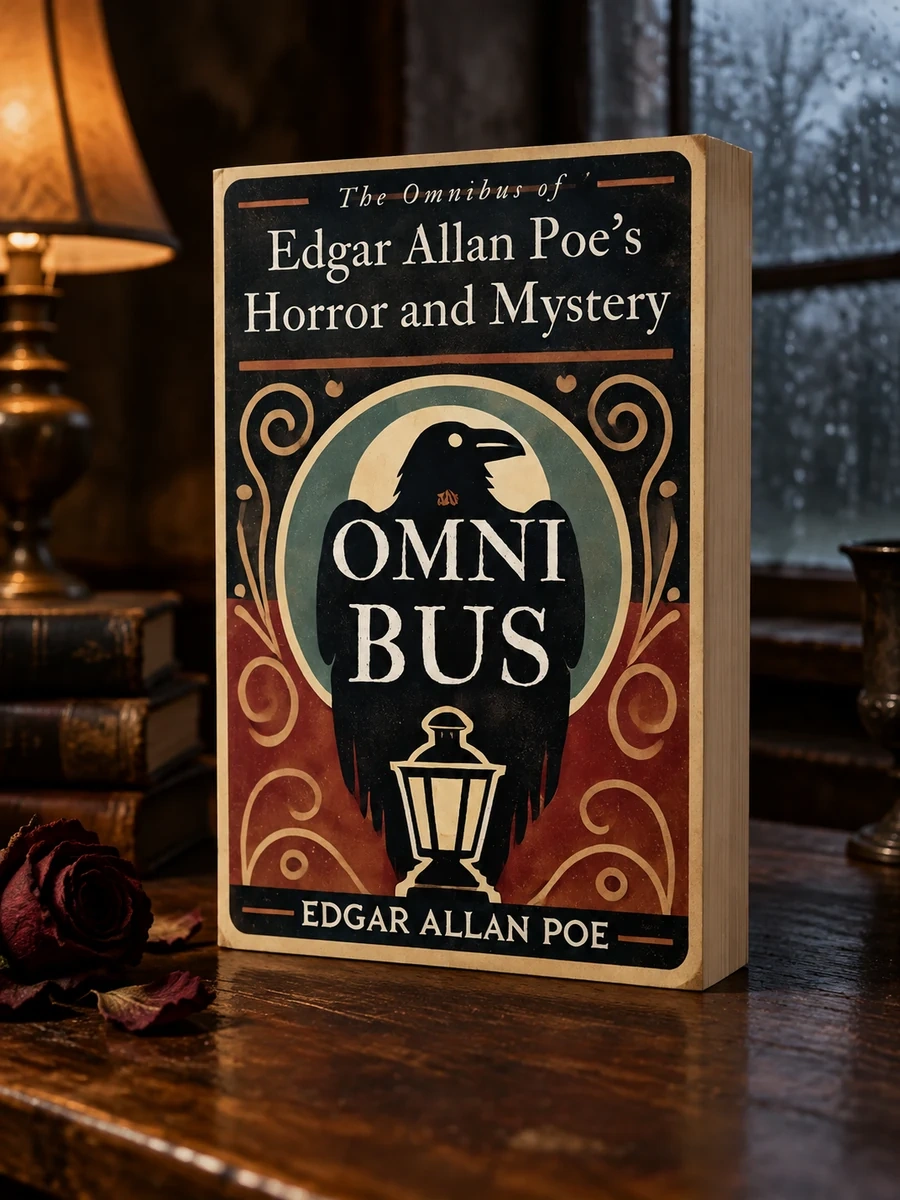
4. The Omnibus of Edgar Allan Poe's Horror and Mystery — Edgar Allan Poe
The Omnibus of Edgar Allan Poe's Horror and Mystery is the definitive Poe collection—unabridged, comprehensive, and ideal for readers who want to understand how one writer shaped the entire horror genre. Beyond the famous tales like "The Tell-Tale Heart" and "The Fall of the House of Usher," you'll find lesser-known stories that showcase Poe's range. This is essential for anyone serious about understanding psychological horror's roots.
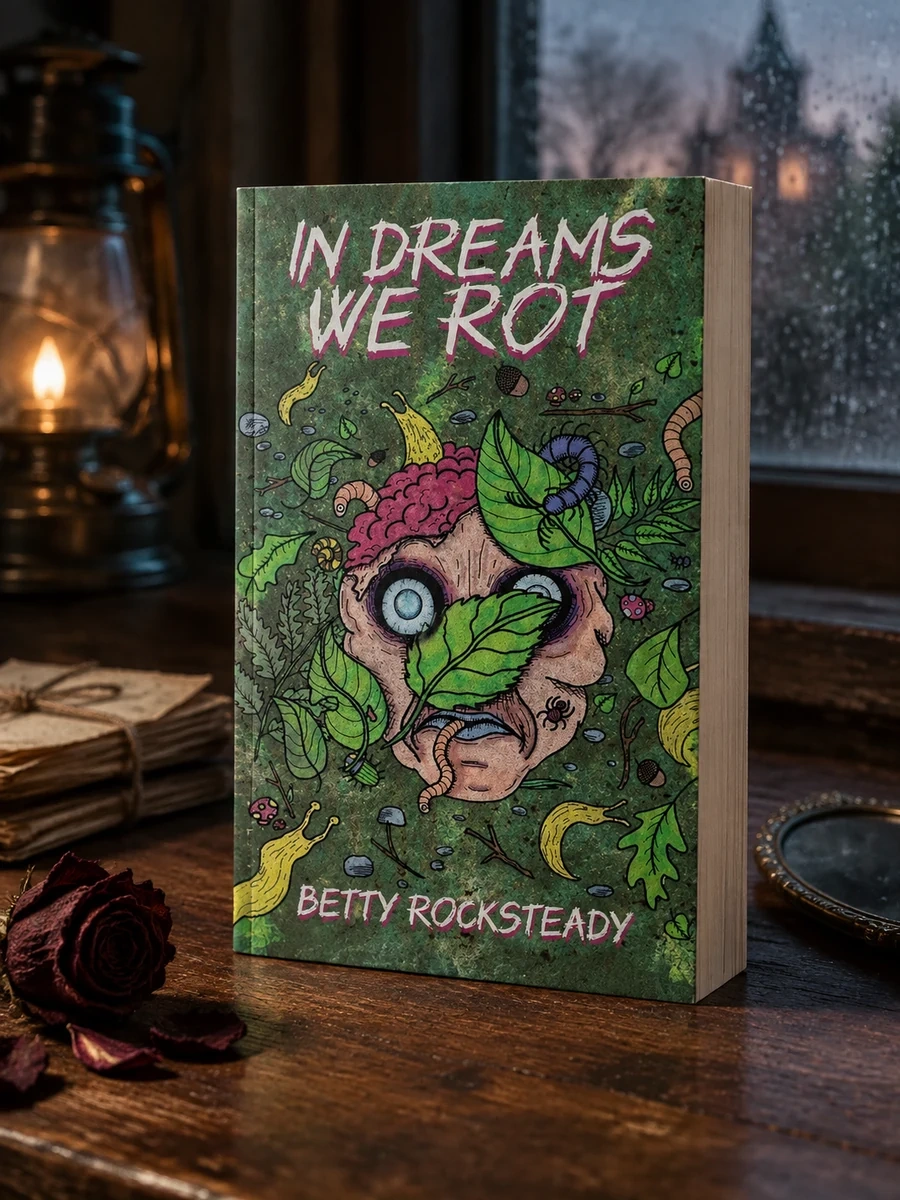
5. In Dreams We Rot — Betty Rocksteady
In Dreams We Rot is contemporary psychological horror that trusts the reader's intelligence. The narrative fractured, the reality uncertain, the prose unsettling. This is horror that works through disorientation and unease rather than plot mechanics. Readers who appreciate experimental storytelling and don't need everything explained will find this rewarding.
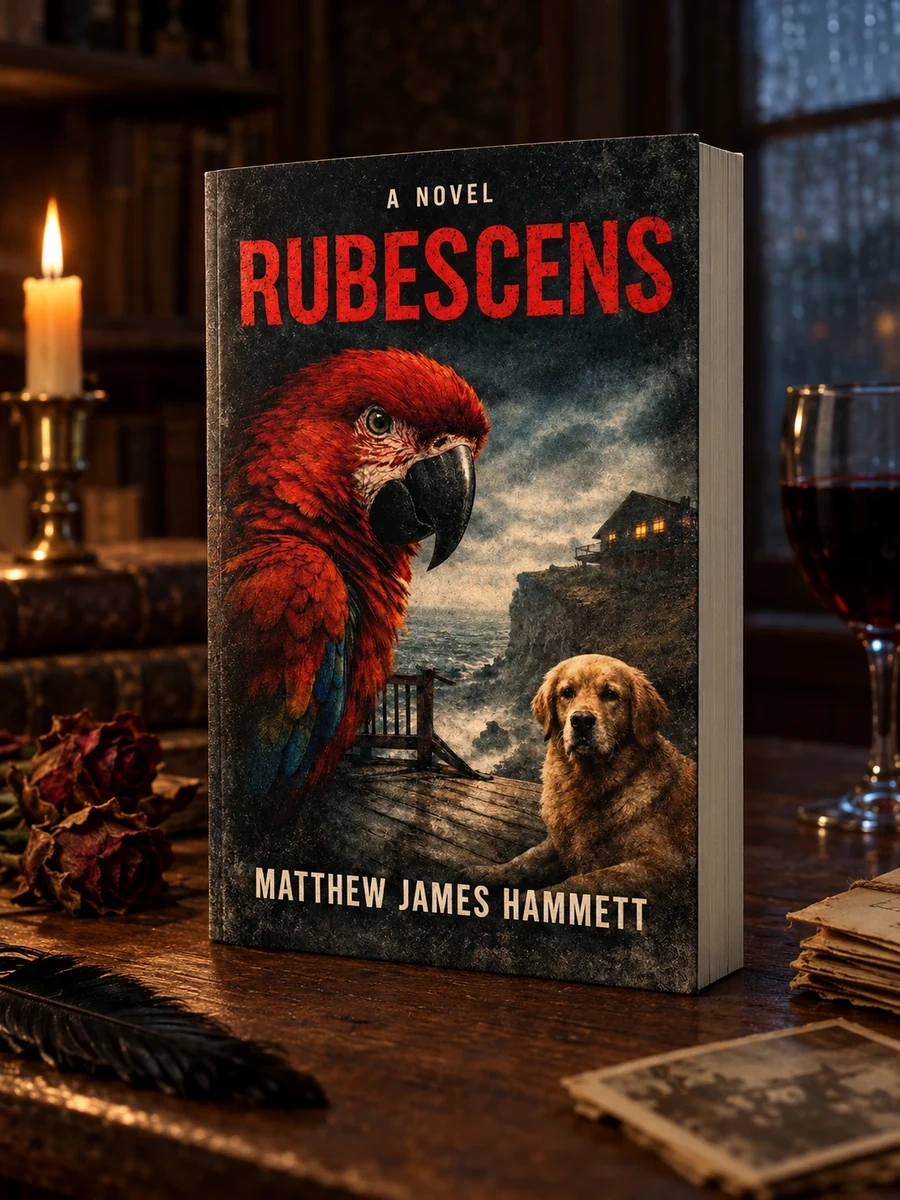
6. Rubescens: A Psychological Horror Novel — Matthew James Hammett
Rubescens is a focused, intense psychological horror that examines obsession and the fragility of the mind. It's the kind of novel that makes you question what's real and what's projection. Readers seeking intimate, character-driven horror will appreciate Hammett's restrained approach.
Cosmic and Existential Horror: The Universe Doesn't Care
Cosmic horror reveals humanity's insignificance in an indifferent universe. These novels suggest that some truths are too vast or alien for the human mind to comprehend—and that knowing them might destroy you. Lovecraft pioneered this subgenre, but it has evolved far beyond his work.
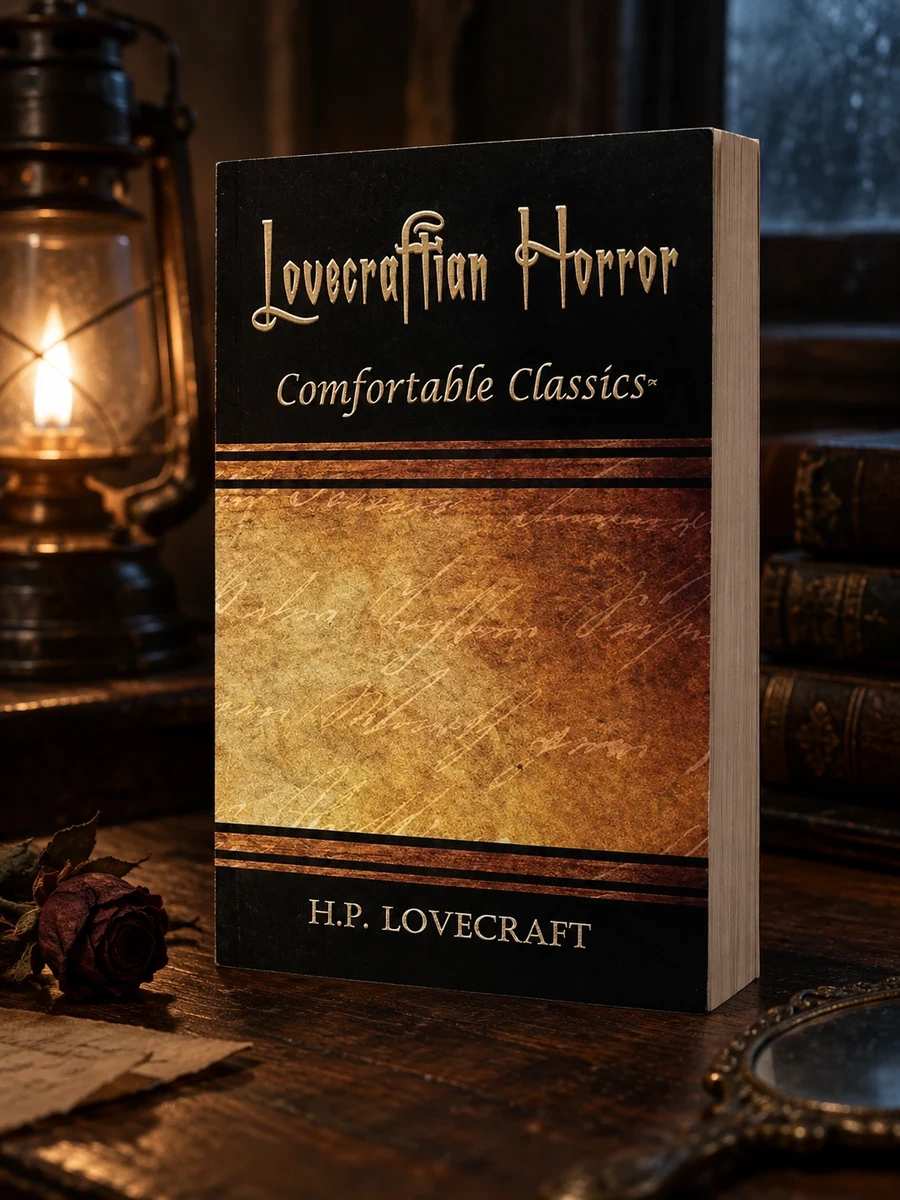
7. Lovecraftian Horror: Comfortable Classics — H. P. Lovecraft
Lovecraftian Horror: Comfortable Classics offers an accessible entry into Lovecraft's universe of cosmic dread. His stories introduce the Cthulhu Mythos—ancient entities that predate humanity and will outlast us. Lovecraft's prose can be purple and dated, but his core idea—that the universe is fundamentally hostile to human understanding—remains potent. This collection is perfect for readers new to cosmic horror.
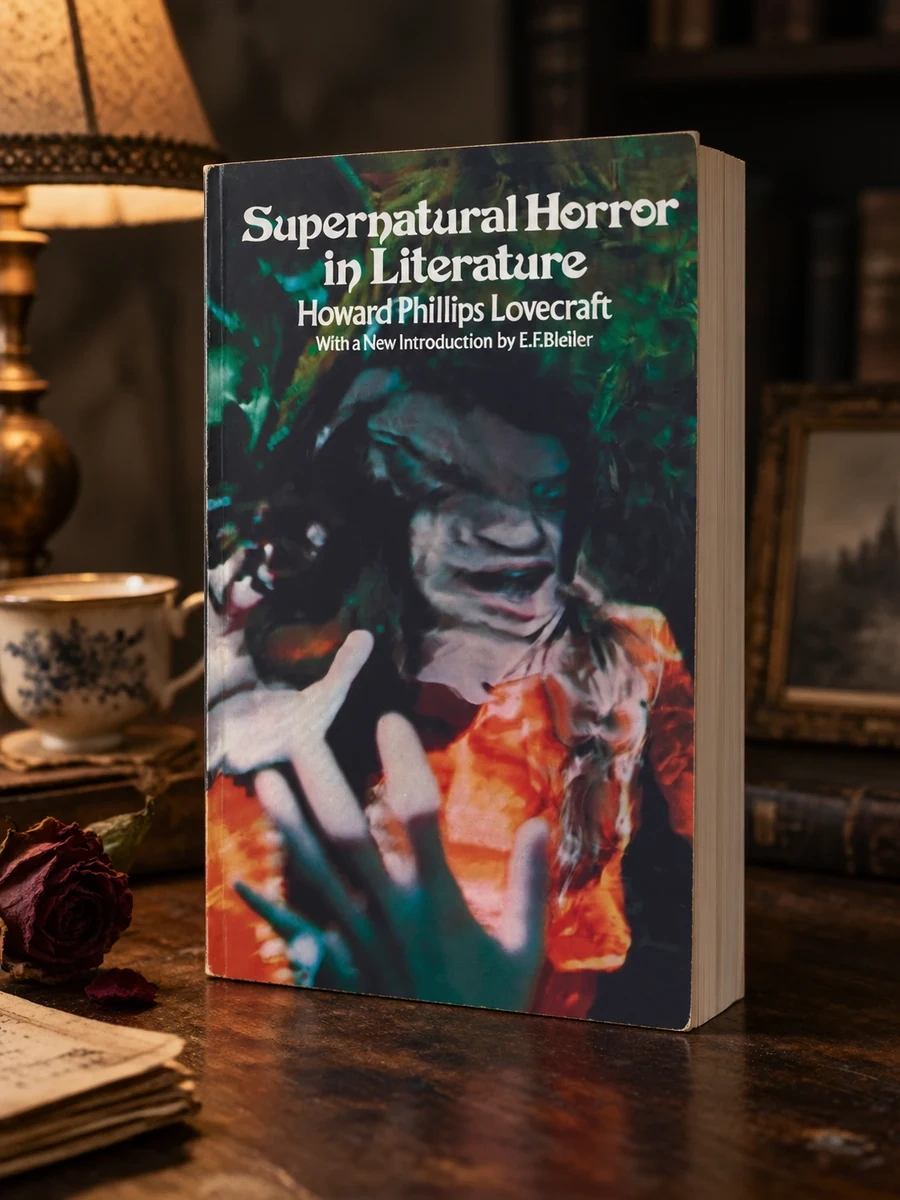
8. Supernatural Horror in Literature (Revised) — H. P. Lovecraft
Supernatural Horror in Literature is Lovecraft's own critical essay tracing horror from ancient times through the early twentieth century. It's part literary history, part manifesto. If you want to understand how Lovecraft saw the genre and which earlier works influenced him, this is invaluable. Scholars and serious fans will find it essential.
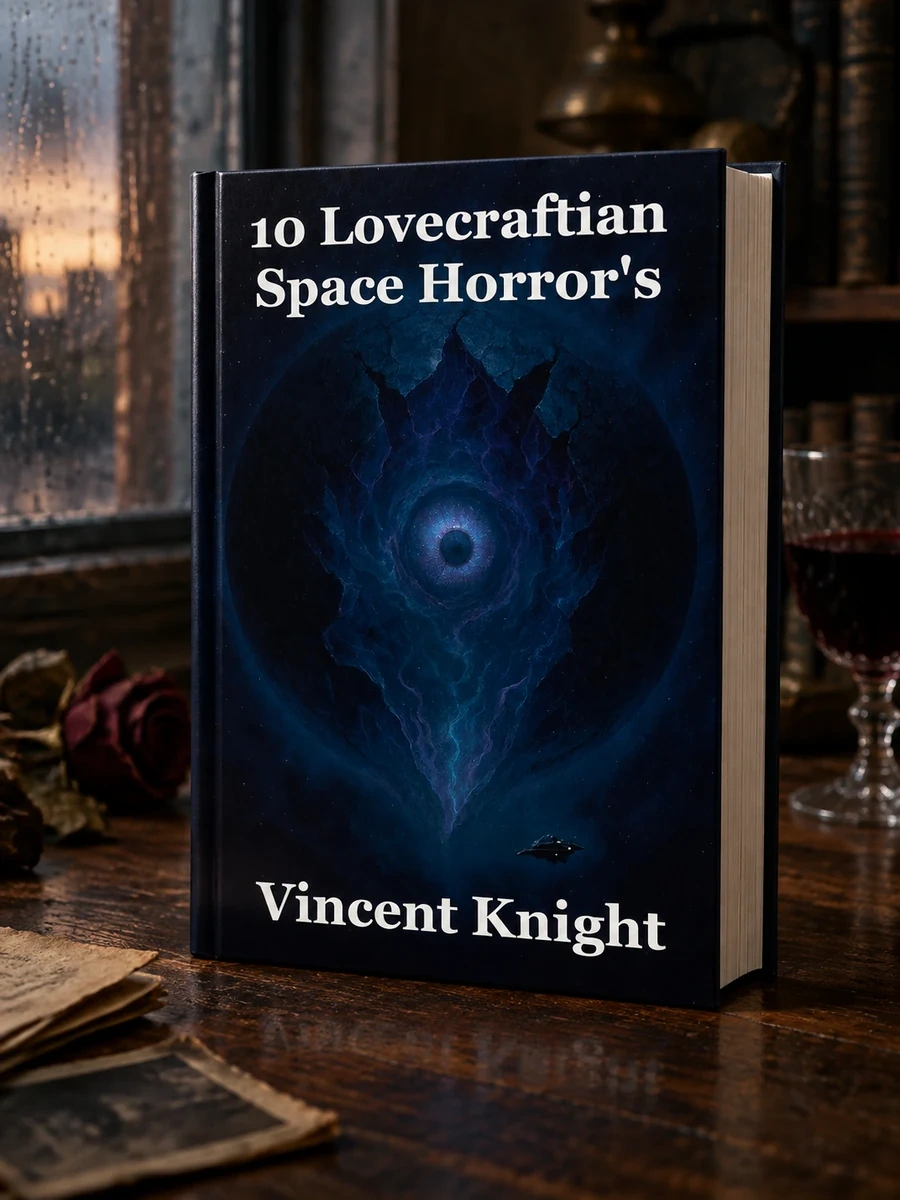
9. 10 Lovecraftian Space Horror's — Vincent Knight
10 Lovecraftian Space Horror's applies cosmic horror to science fiction settings. These stories combine the vastness of space with the dread of encountering something utterly alien. Readers who love both sci-fi and horror will find this anthology particularly rewarding.
Modern Horror: Contemporary Voices
Modern horror fiction engages with contemporary anxieties—surveillance, technology, trauma, social collapse—while maintaining the genre's core commitment to genuine unease. These novels prove that horror remains vital and urgent.
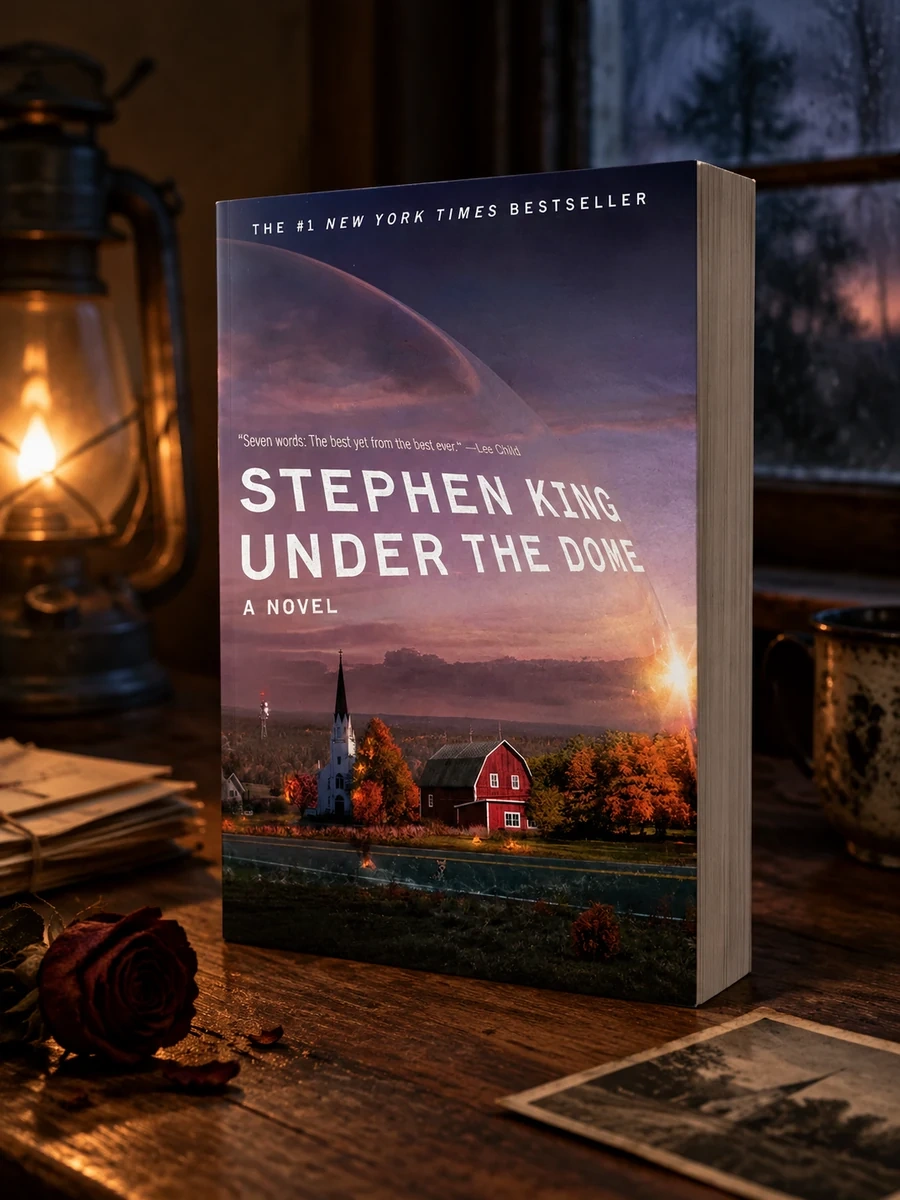
10. Under the Dome — Stephen King
Under the Dome is King at his most ambitious. A mysterious dome traps an entire town, and the novel becomes an examination of how quickly civilization collapses when normal rules vanish. It's part science fiction, part horror, entirely gripping. The novel is long and demands patience, but King uses the space to develop dozens of characters and explore how power corrupts. Readers craving sprawling epics where small-town politics curdle into apocalyptic horror will find this essential.
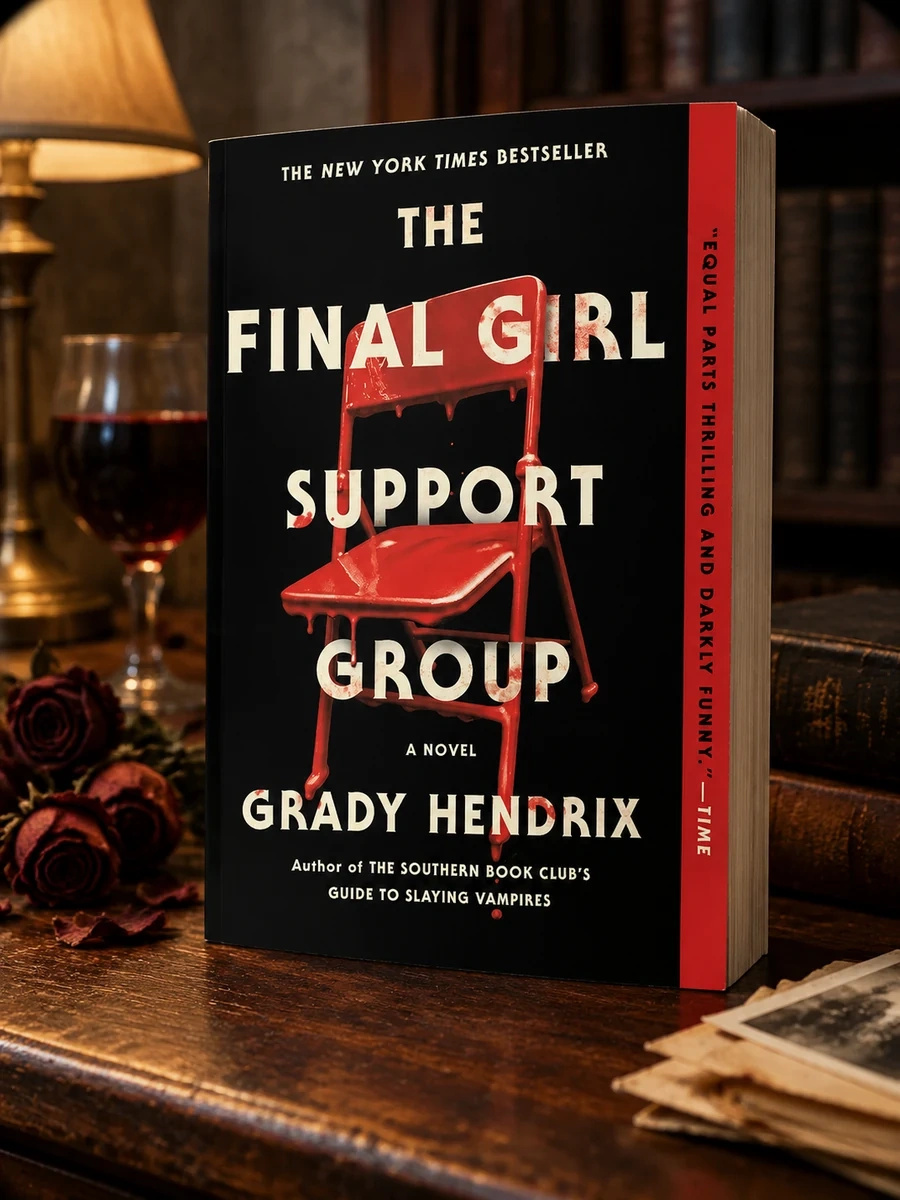
11. The Final Girl Support Group — Grady Hendrix
The Final Girl Support Group is a meta-horror novel about women who survived slasher films. Hendrix uses the premise to explore trauma, recovery, and the ways horror narratives shape how we process violence. It's clever without being smug, and genuinely unsettling. Readers who appreciate psychological depth and character-driven suspense will love this.
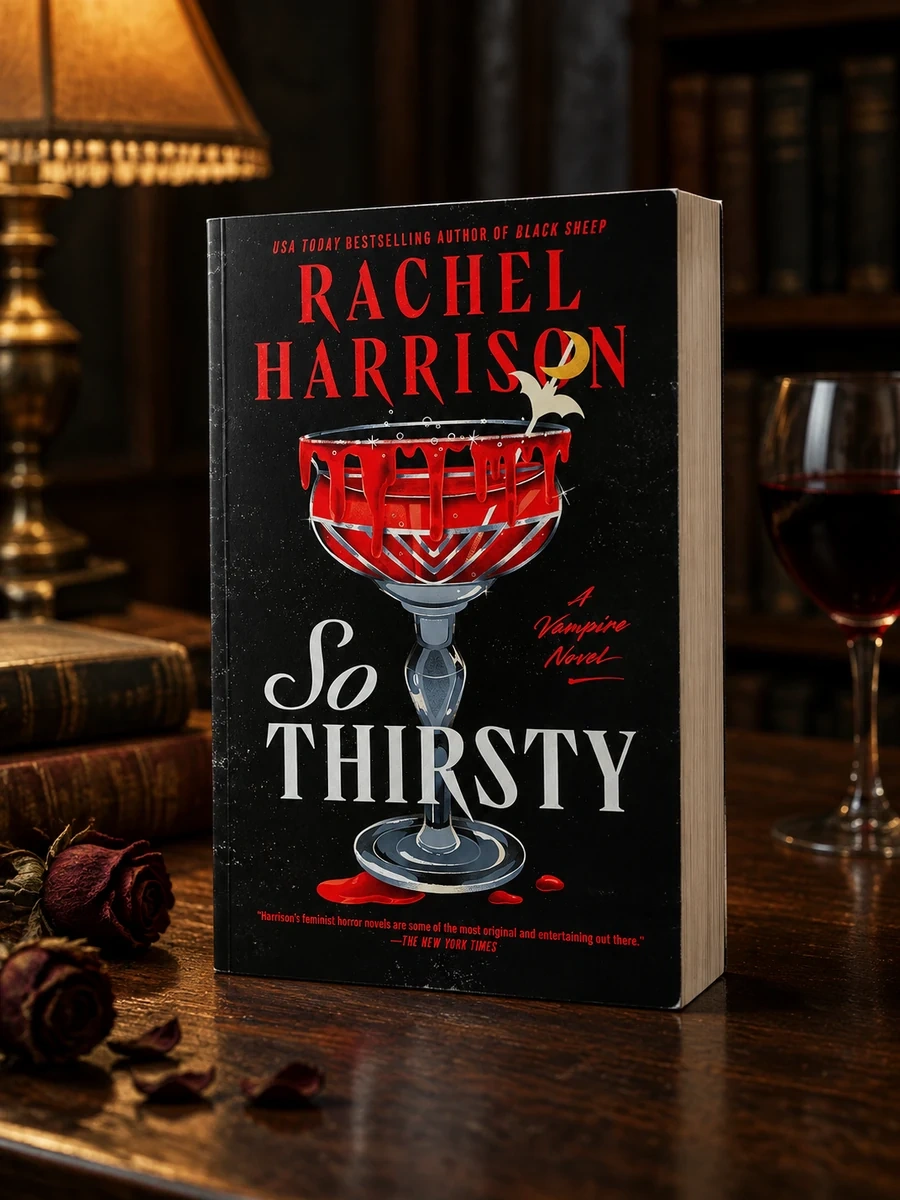
12. So Thirsty — Rachel Harrison
So Thirsty is a vampire novel for readers tired of romance-inflected takes on the undead. Harrison's prose is sharp and darkly funny, her vampire mythology fresh. The novel examines female agency, desire, and the cost of immortality. Seekers of dark, atmospheric tales where female characters drive the narrative will adore this.
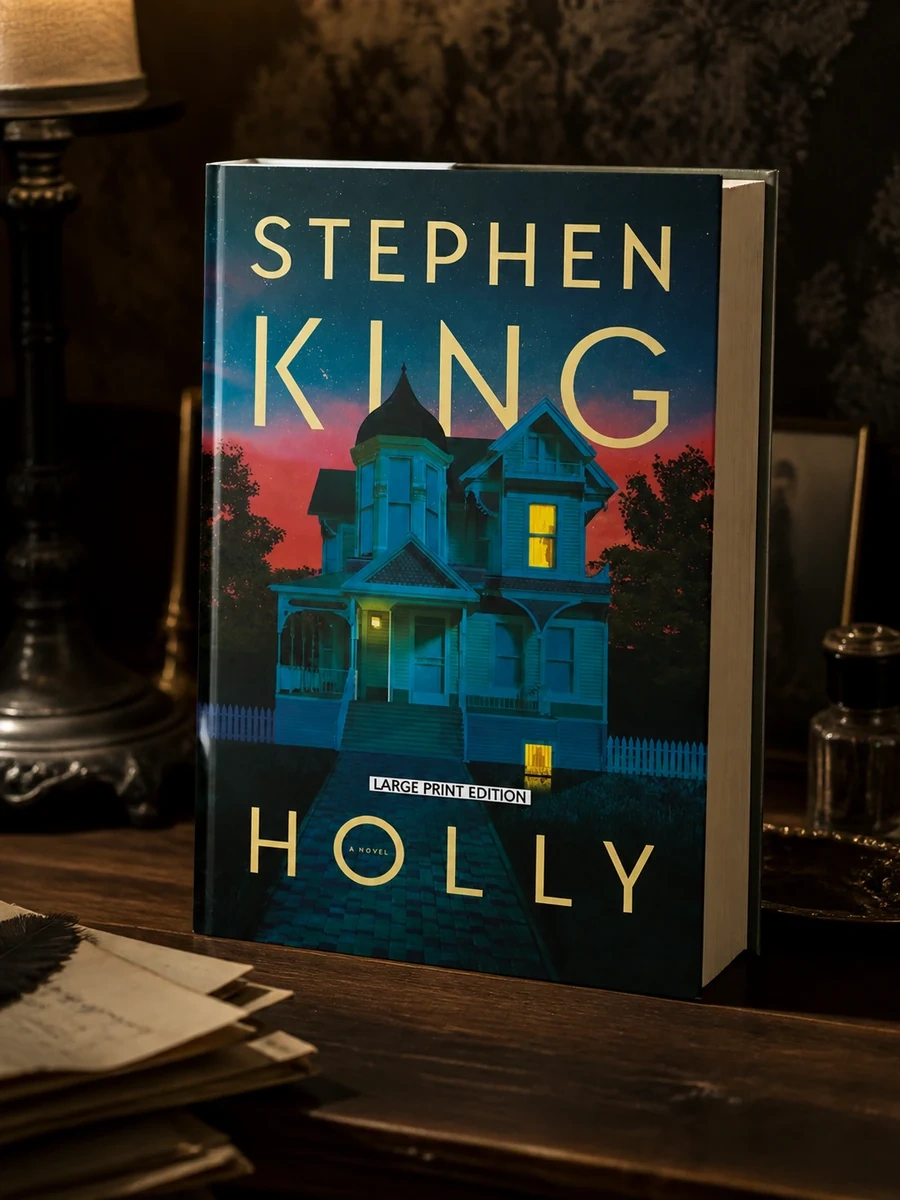
13. Holly — Stephen King
Holly is King's most recent novel featuring detective Holly Gibney. It's a supernatural mystery that blends procedural elements with genuine dread. King's gift for creating memorable characters shines here—Holly is resourceful, vulnerable, and entirely human. Fans of King's Holly Gibney series who crave gritty, suspenseful mysteries with supernatural undertones will find this essential.
Short Story Collections: Horror in Concentrated Form
Sometimes the best horror comes in smaller doses. Short story collections allow writers to experiment with different voices, settings, and terrors. A great horror story can be more effective than a novel because it doesn't overstay its welcome.
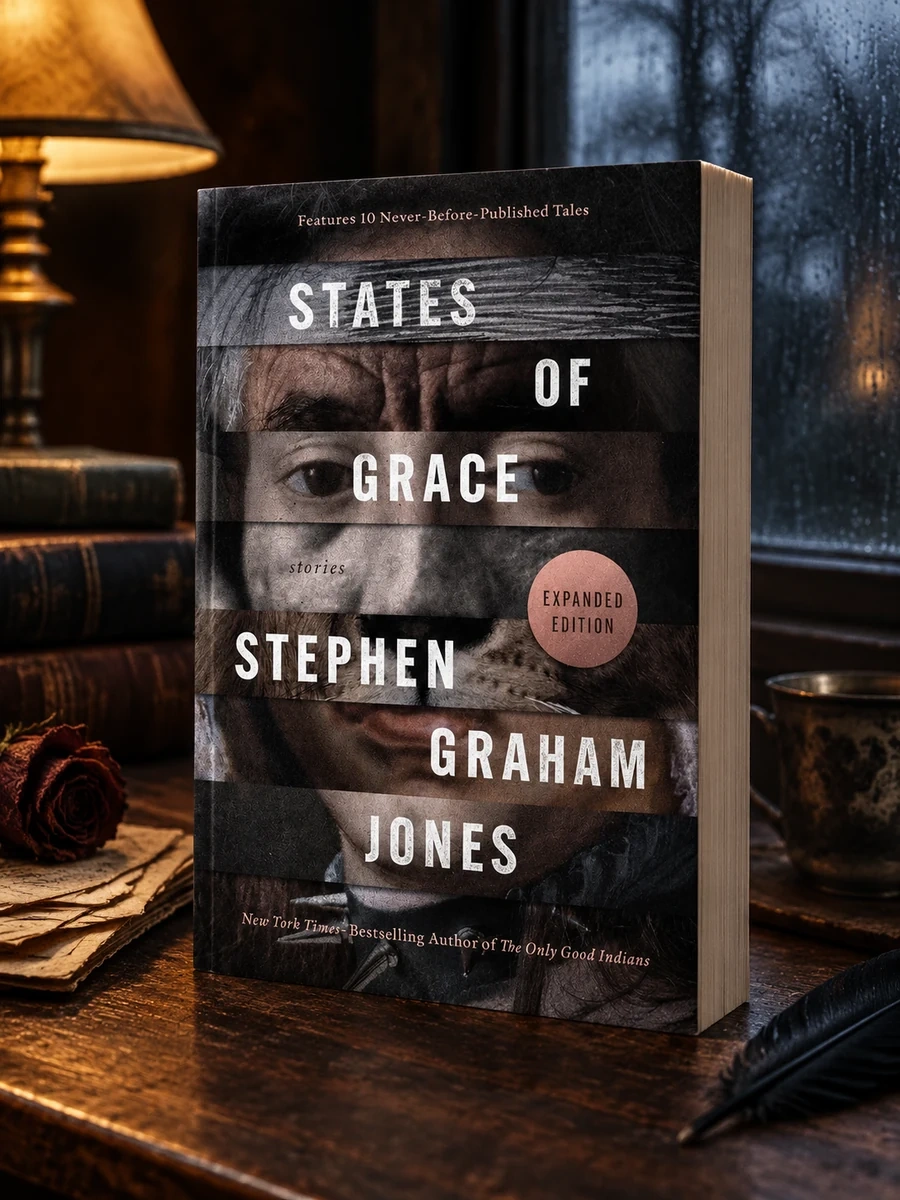
14. States of Grace: Stories — Stephen Graham Jones
States of Grace: Stories collects visceral, tightly crafted horror tales from one of contemporary horror's most important voices. Jones writes with urgency and precision. His stories often feature Indigenous characters and perspectives, bringing fresh energy to horror tropes. Readers craving concise, visceral horror will love these.
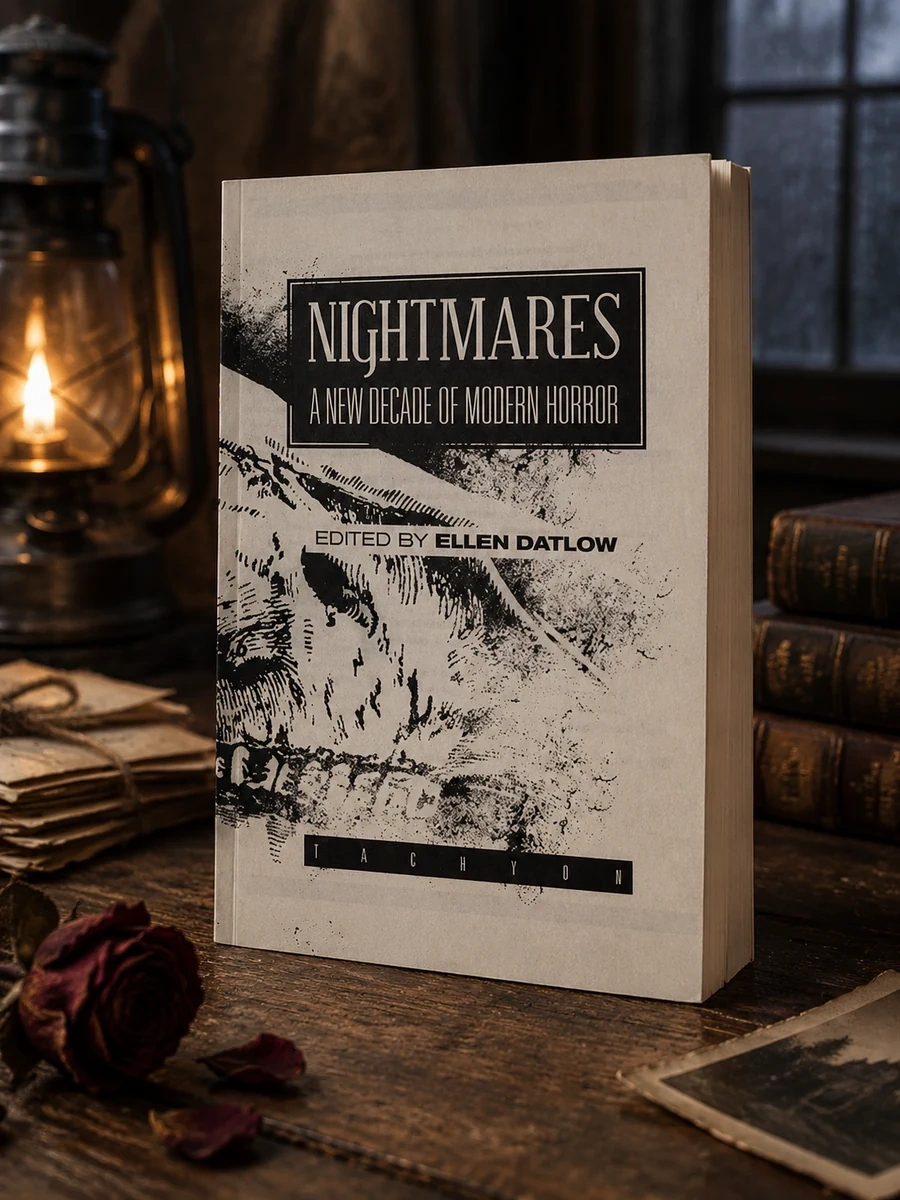
15. Nightmares: A New Decade of Modern Horror — Ellen Datlow
Nightmares: A New Decade of Modern Horror is an anthology edited by Ellen Datlow, one of horror's most respected curators. It features stories from established and emerging writers, all exploring contemporary anxieties. The collection proves that horror remains a vital form for examining our present moment. This is an excellent way to discover new voices and see where the genre is heading.
How to Choose Your Horror Novel
Horror fiction is diverse enough that "not for me" usually means "not the right subgenre yet." If gothic atmosphere appeals to you, start with Frankenstein or Poe. If you want your mind unsettled rather than your nerves jangled, try psychological horror. If you crave the vertigo of cosmic insignificance, Lovecraft and his inheritors await. If you want horror that speaks to contemporary life, modern voices like King, Hendrix, and Harrison are writing urgent, necessary work.
Consider also your tolerance for ambiguity. Some horror novels provide resolution; others leave you in darkness. Some use gore; others achieve horror through suggestion. Some are fast-paced; others build dread through atmosphere. None of these approaches is superior—they're simply different tools for different readers.
The best horror fiction does more than scare. It makes you think about fear itself, about mortality, about the fragility of meaning and sanity. It asks what we're willing to endure to understand ourselves and our world. Start with a novel that matches your current mood, then follow your curiosity into the darker corners of the genre. Horror fiction rewards patient, thoughtful readers with experiences that linger long after the final page.