When you ask a reader to name their favorite vampire books, the answers usually stall after Bram Stoker and Anne Rice. That is a shame, because the undead have a far wider wingspan. The vampire is horror’s most adaptable monster, shifting from a decaying aristocratic ghoul in nineteenth-century parlor stories to a tragic romantic antihero, and finally, into a savage predator reflecting modern urban anxieties.
At Horror Reads, we stock shelves of these creatures. We see how the subgenre morphs and mutates. The fascinating thing about vampire fiction is not just the blood, but how the monster mirrors the society that dreams it up. Early Victorian vampires preyed on repressed sexual anxieties. The bloodsuckers of the late twentieth century wrestled with existential dread and addiction. Today’s vampires often represent marginalized voices biting back against oppressive power structures.
If you want to understand how the vampire evolved from folklore to pop culture domination, you have to read them in progression. This guide bypasses the repetitive fluff to bring you a highly shoppable, chronological progression of the subgenre. From the storm-lashed villa that birthed the modern bloodsucker to the neon-drenched streets of contemporary dark fantasy, here are thirteen essential vampire books that track the undead through history.
The Gothic Foundations: Where the Bloodline Begins
Before the vampire became a sparkling high schooler or a brooding rock star, it was a parasitic aristocrat. These foundational texts established the rules we still play by today: the aversion to sunlight, the hypnotic charm, the parasitic drain on youth, and the deeply intimate, transgressive nature of the bite.
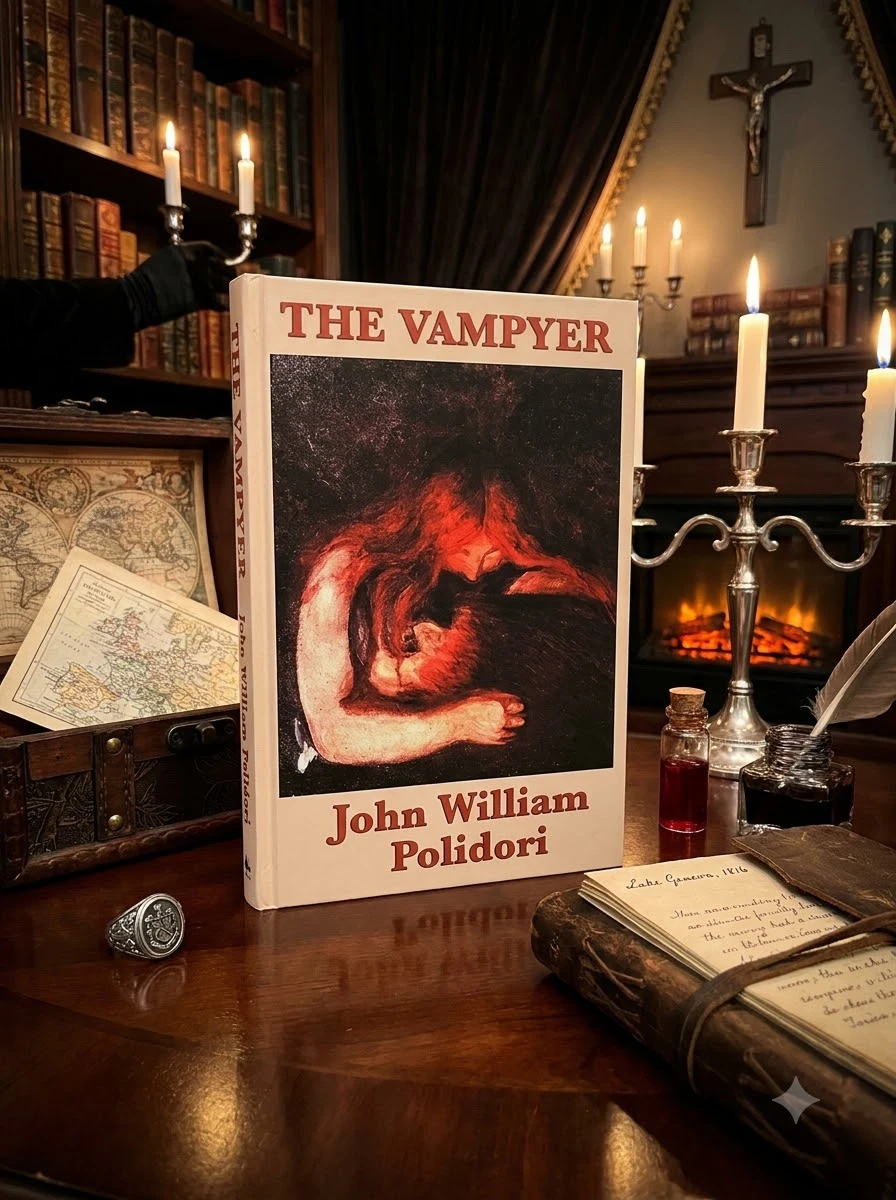
1. The Vampyer: The Story that Inspired Modern Vampire Fiction — William John Polidori
If you trace the aristocratic vampire back to its absolute origin point, you land on Lord Ruthven. Written during the legendary 1816 summer at the Villa Diodati—the same ghost story contest that birthed Mary Shelley's Frankenstein—The Vampyer: The Story that Inspired Modern Vampire Fiction established the template for the sophisticated, wealthy predator. Polidori modeled Ruthven on his own employer, Lord Byron, creating a chilling monster who weaponized high society charm to isolate and consume his victims. At under $15, this slim volume is mandatory reading for anyone interested in horror history. It is a cynical, biting critique of aristocratic privilege disguised as a supernatural thriller.
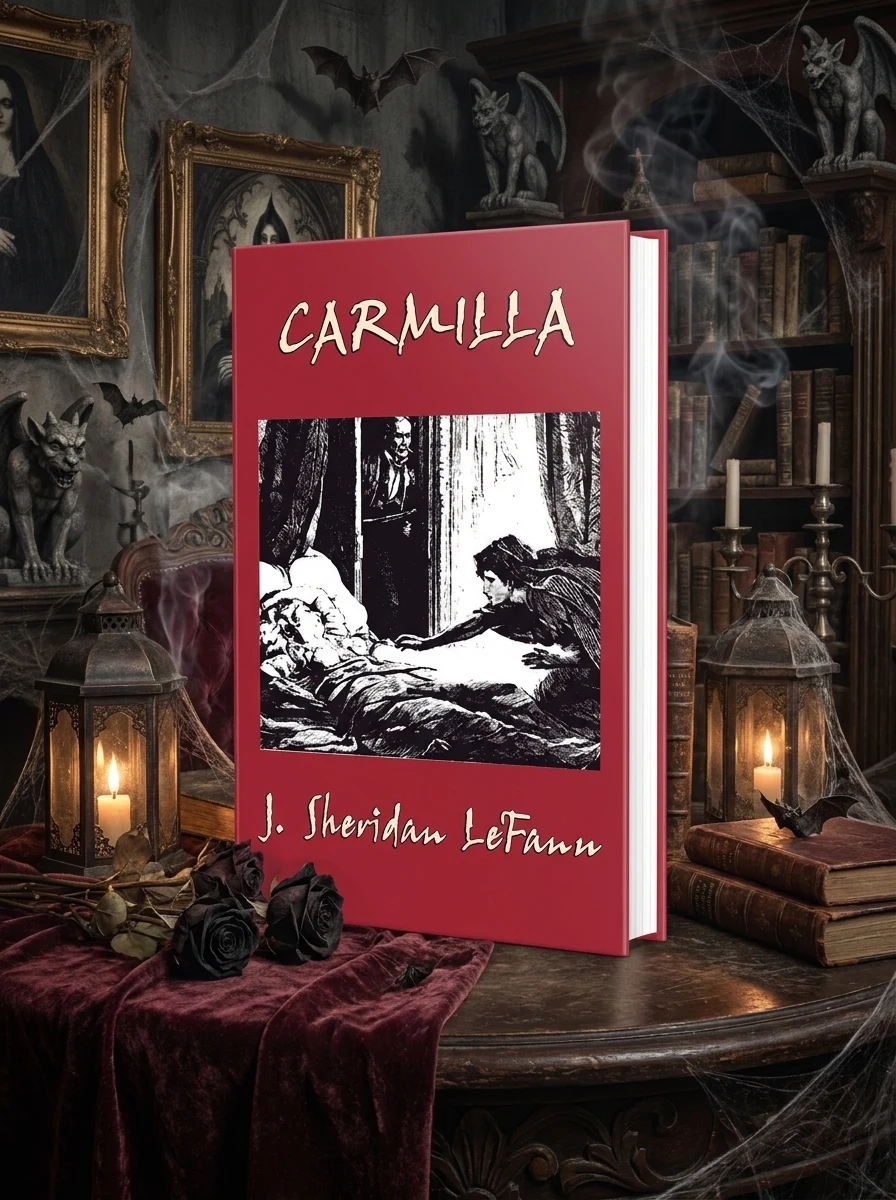
2. Carmilla: A Classic Gothic Vampire Tale of Desire, Mystery, and Terror — J. Sheridan Le Fanu
Published a full quarter-century before Stoker’s masterpiece, Carmilla: A Classic Gothic Vampire Tale of Desire, Mystery, and Terror introduced the female vampire as a figure of seductive, predatory romance. Laura, a lonely young woman living in an isolated schloss, becomes the obsession of the beautiful and languid Carmilla. Le Fanu’s novella is soaked in repressed Victorian anxiety and undeniable queer subtext. The prose is atmospheric and claustrophobic, pulling you into a fever dream of midnight visitations and inexplicable wasting illnesses. It remains a masterclass in psychological tension and creeping dread.
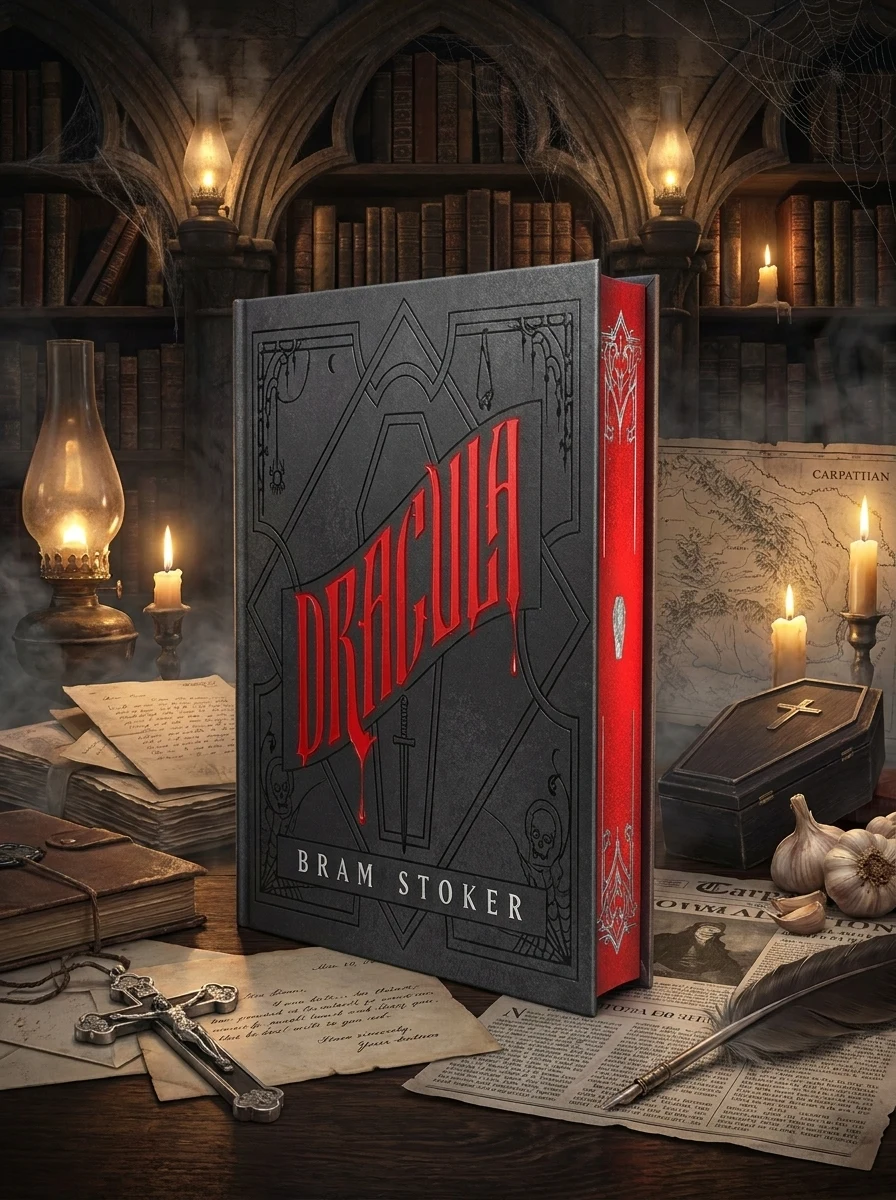
3. Dracula: A Deluxe Hardcover Collector's Edition — Bram Stoker
You cannot talk about vampire books without addressing the Count himself. Dracula: A Deluxe Hardcover Collector's Edition of the Bestselling Vampire Classic is the novel that codified the mythology for a century. Stoker’s epistolary format—using diary entries, letters, ship logs, and phonograph recordings—made the supernatural threat feel immediate and journalistic to its contemporary audience. While it starts as a slow-burn gothic terror in the Carpathian Mountains, it transitions into an early urban fantasy as the heroes race across London to hunt the undead. This beautiful collector's edition under $60 belongs on the shelf of every serious horror collector.
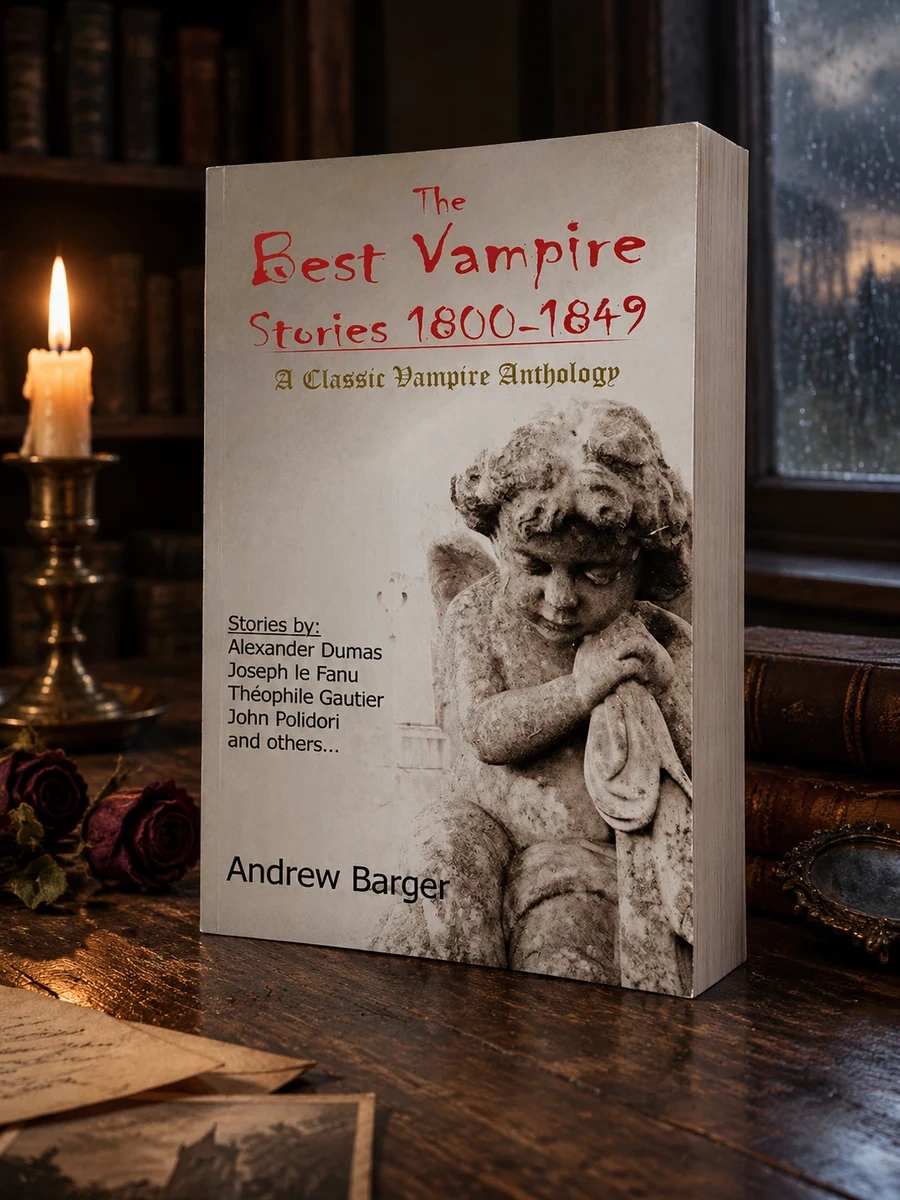
4. The Best Vampire Stories 1800-1849: A Classic Vampire Anthology — Joseph Le Fanu
To truly grasp the chaotic, experimental phase of early vampire literature, you need short fiction. The Best Vampire Stories 1800-1849: A Classic Vampire Anthology gathers the fragmented, weird, and wildly inconsistent folklore-inspired tales that preceded Stoker. In these pages, vampires are not yet bound by crosses or garlic; some walk in daylight, others are little more than reanimated, shrieking corpses. This collection is perfect for academic readers and gothic enthusiasts who want to see how the sausage—or the blood pudding—was made before the genre became codified.
The Aristocratic Renaissance and Pulp Excess
By the late twentieth century, the vampire needed a makeover. The monster stepped out of the shadows and began to speak for itself. This era shifted the perspective from the terrified human victim to the immortal predator, resulting in deeply psychological character studies—and, concurrently, wildly entertaining action-horror pulp.
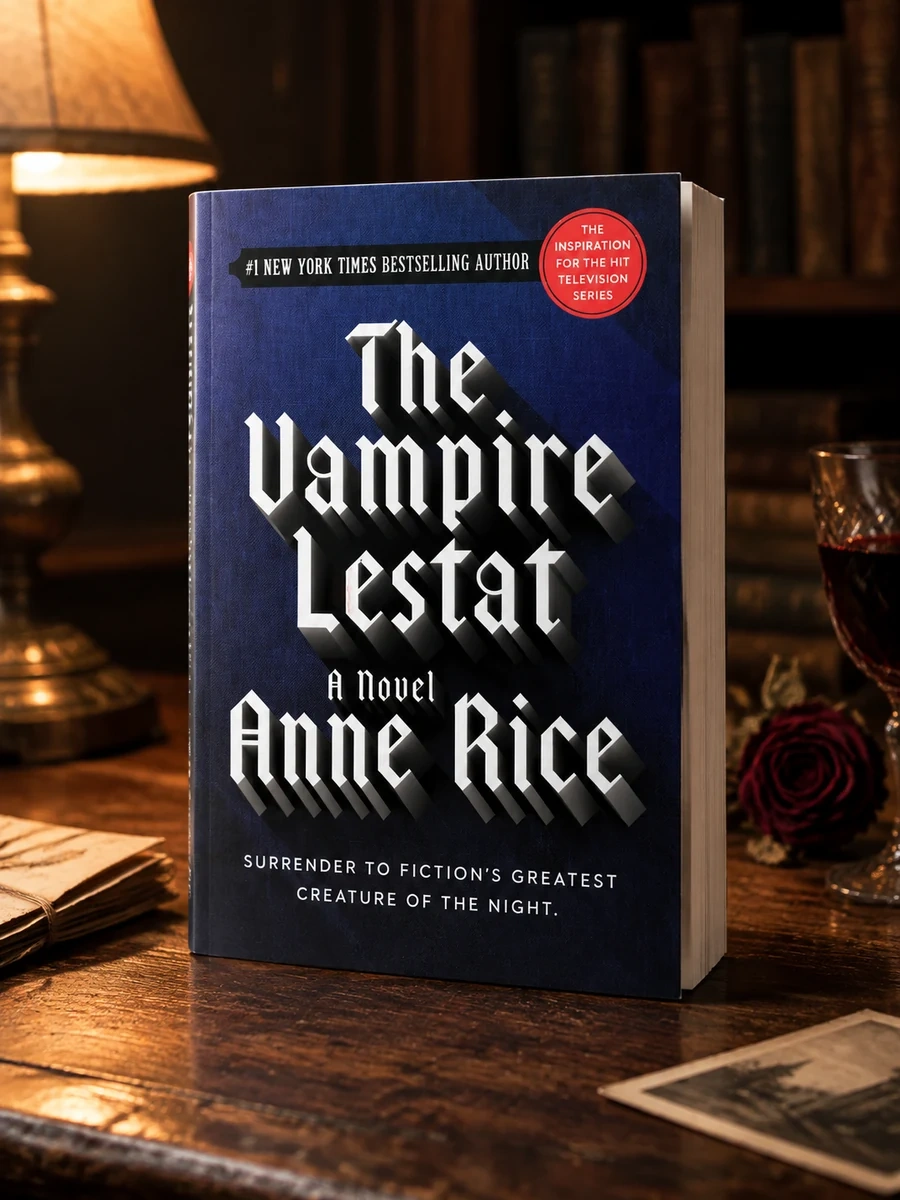
5. The Vampire Lestat — Anne Rice
Anne Rice changed everything. By giving the vampire a voice, she transformed the monster into a tragic, sensual antihero. The Vampire Lestat is arguably the crown jewel of her Chronicles. We meet Lestat de Lioncourt, not as a mindless killer, but as a defiant, artistic aristocrat who awakens from an earthbound slumber to become an 80s rock star. If you crave lush gothic romance, complex immortal psychology, and a narrator who lies to you as much as he charms you, this is essential reading. It is a sprawling, operatic epic that spans centuries and continents.
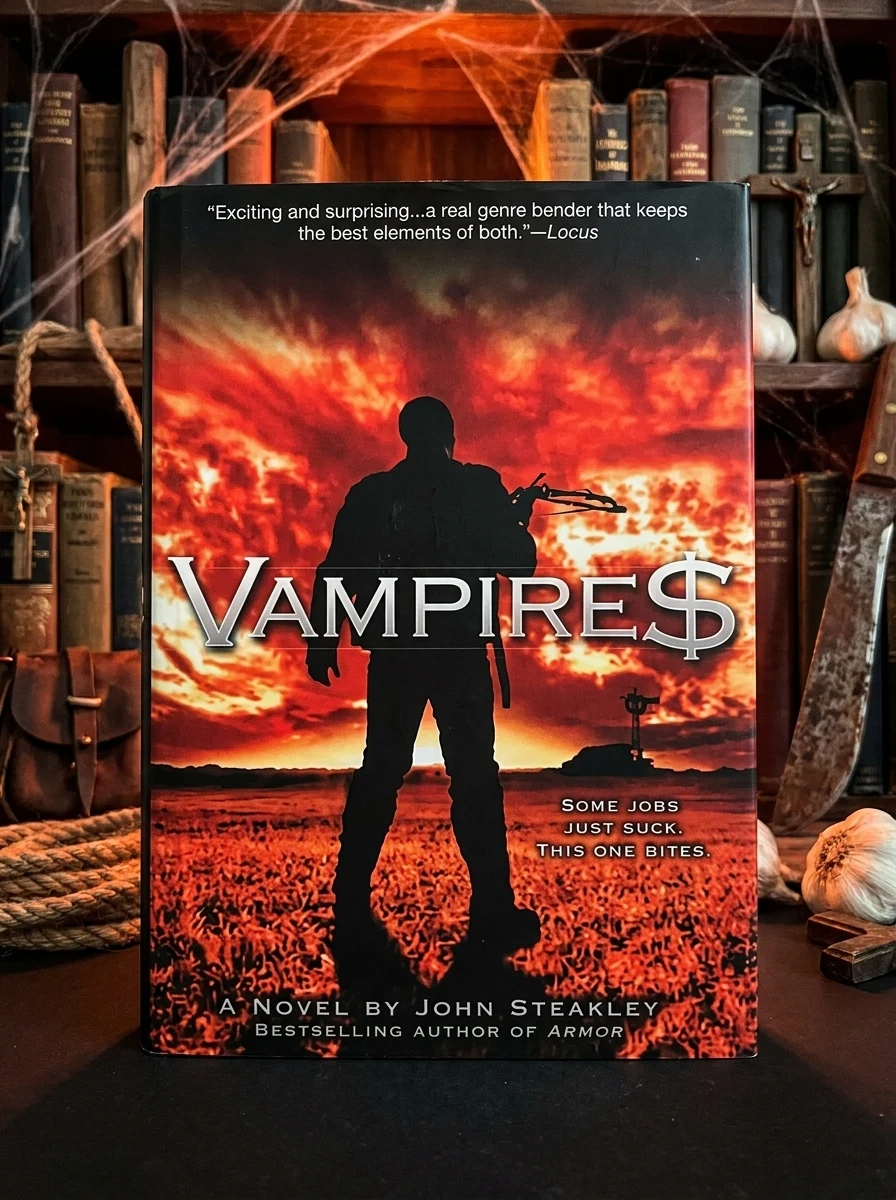
6. Vampire$ — John Steakley
While Anne Rice was writing poetry, John Steakley was handing out shotguns. Vampire$ is the absolute antithesis of the brooding romantic bloodsucker. Steakley gives us Jack Crow and his heavily armed, Vatican-funded mercenary team who treat vampire hunting like a brutal, blue-collar extermination job. This book is all muscle, gunpowder, and black humor. It strips away the velvet and lace, presenting vampires as feral, terrifying apex predators that require silver bullets and high explosives to put down. If you want fast-paced, visceral horror action, this cult classic delivers.
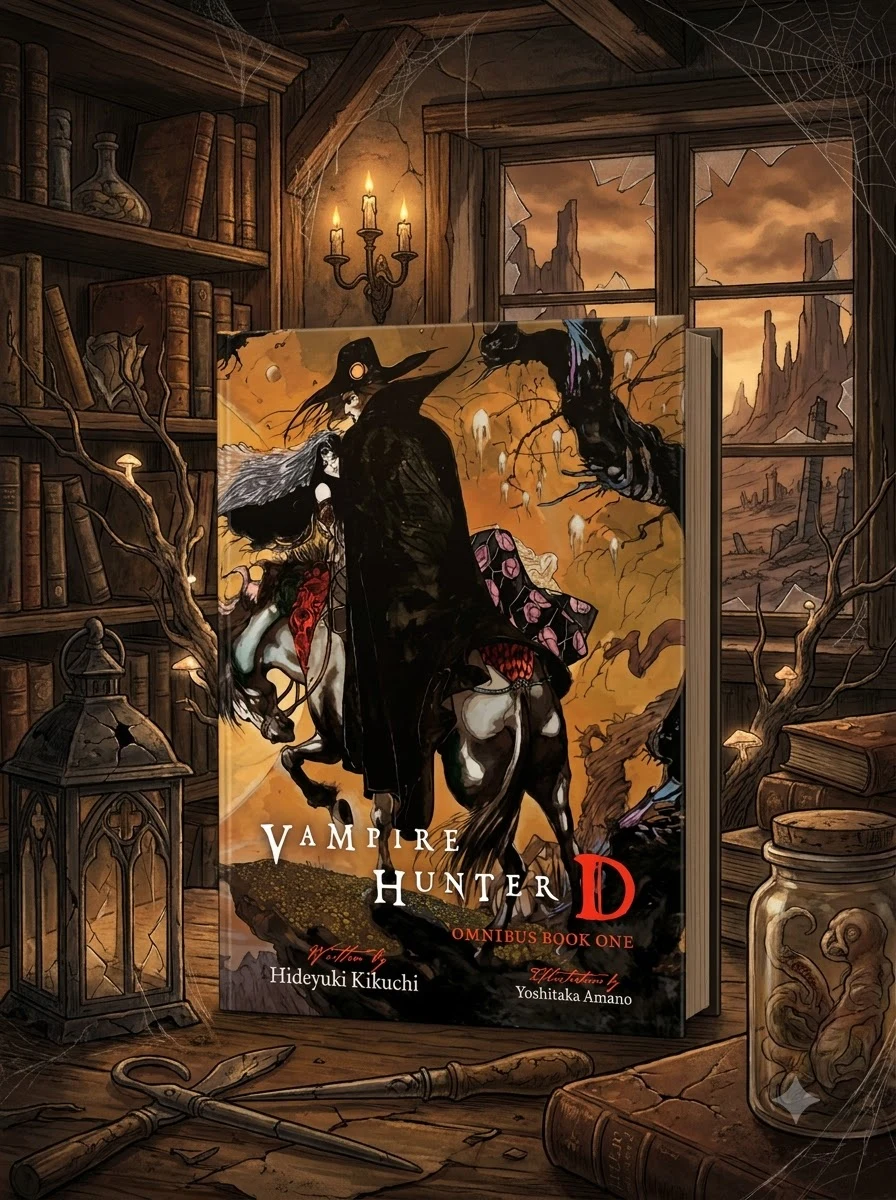
7. Vampire Hunter D Omnibus: Book One — Hideyuki Kikuchi
Crossing the Pacific, the vampire took on a post-apocalyptic, sci-fi western flavor in Japanese dark fantasy. Vampire Hunter D Omnibus: Book One introduces D, a dhampir (half-human, half-vampire) who hunts the decadent, dying Nobility—a race of vampires who once ruled a ruined Earth. Kikuchi’s world-building is spectacular, blending gothic castles with cybernetic horses, laser rifles, and radioactive mutants. It is incredibly bleak, wildly imaginative, and essential for fans of anime-adjacent dark fantasy who want a lonely, stoic gunslinger taking on immortal horrors.
Modern Visceral Reinventions and Diverse Voices
The modern era has splintered the vampire into a thousand different terrifying reflections. Authors are using the undead to explore addiction, systemic oppression, queer identity, and urban isolation. These contemporary books prove the subgenre is still lethal.
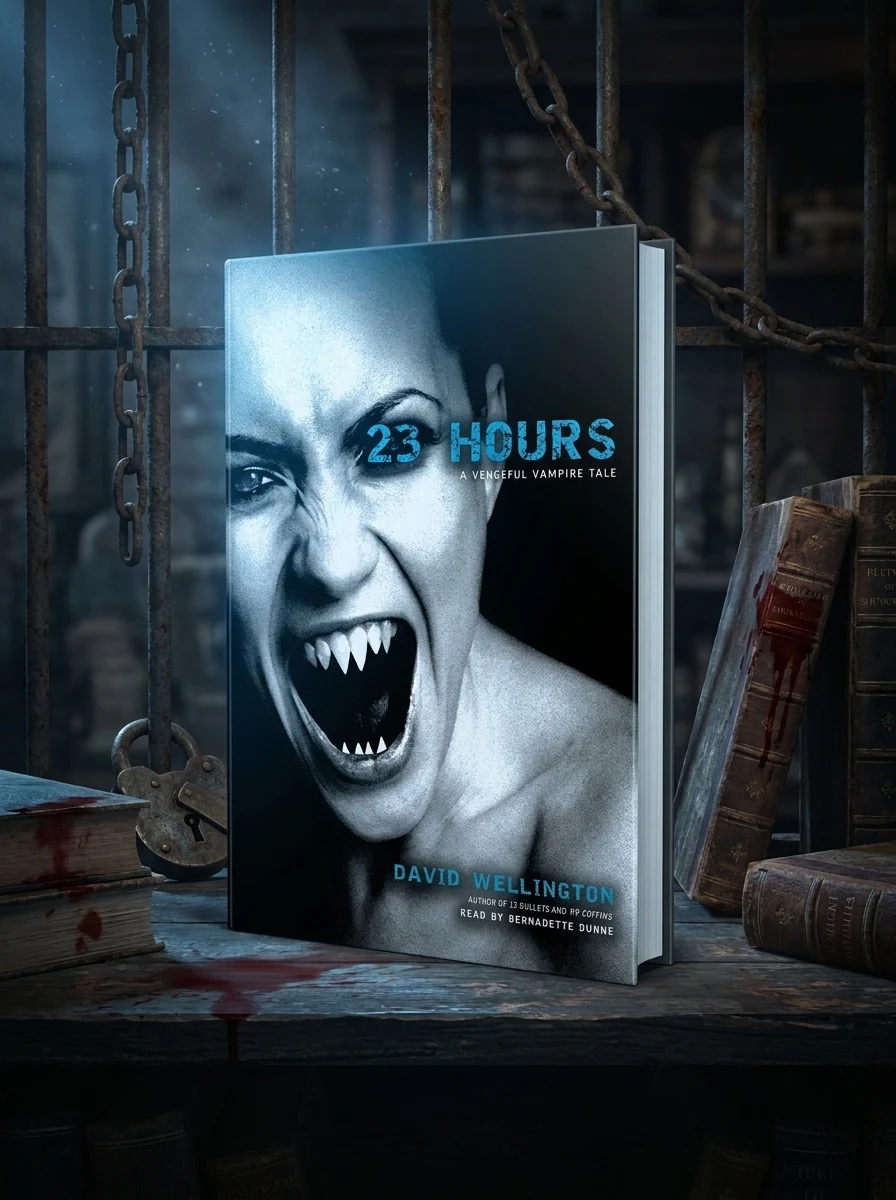
8. 23 Hours: A Vengeful Vampire Tale — David Wellington
Vampires in the criminal underworld just make sense. 23 Hours: A Vengeful Vampire Tale takes the monster out of the castle and throws it straight into a gritty, street-level thriller. Wellington constructs a ticking-clock narrative that is both relentless and incredibly bloody. This is not a book about elegant seduction; it is a book about survival, vengeance, and the sheer physical trauma of dealing with a creature that is fundamentally stronger and faster than you. Excellent for readers who prefer their horror to feel like a high-stakes crime thriller.
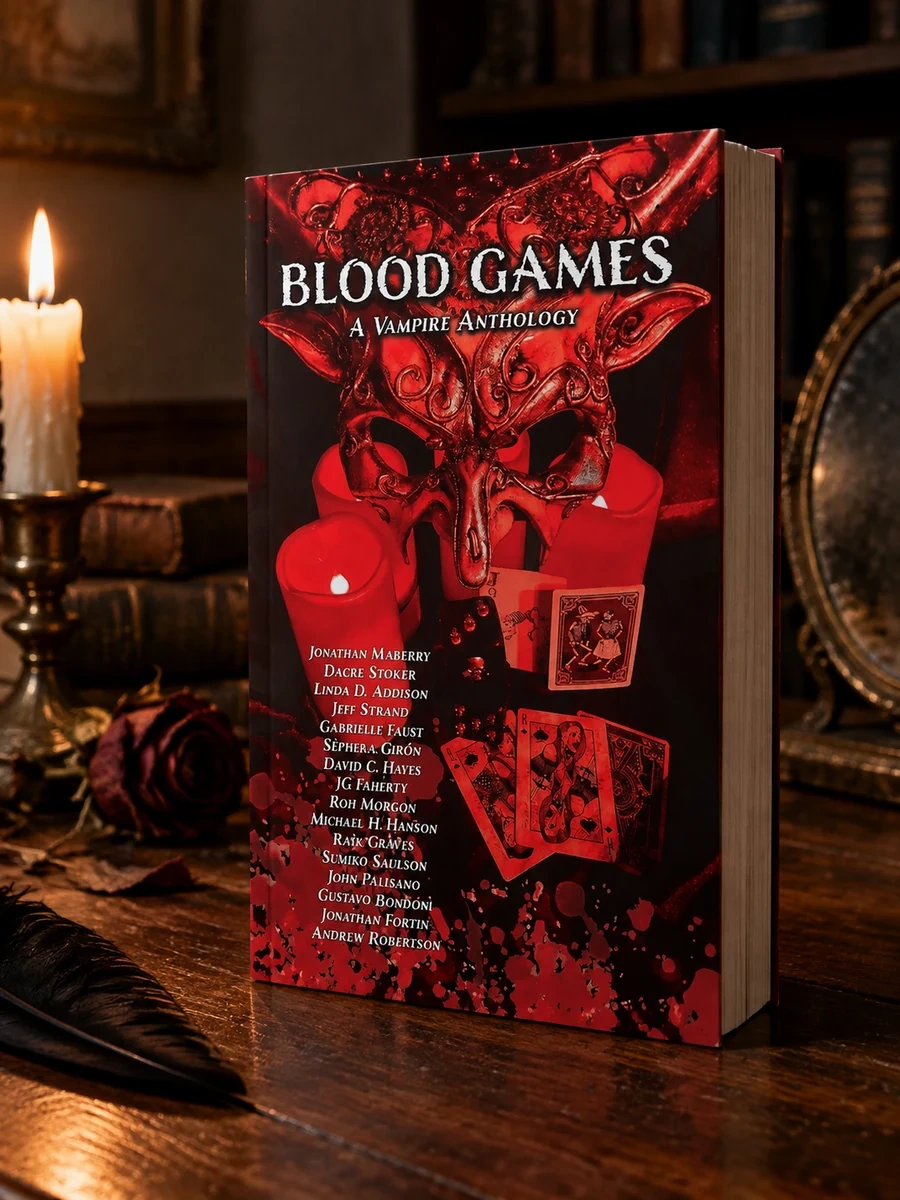
9. Blood Games: A Vampire Anthology — Jonathan Maberry
Sometimes you do not want a novel; you want a quick, sharp bite. Blood Games: A Vampire Anthology delivers exactly that. Maberry curates a fantastic lineup of contemporary horror authors who push the boundaries of what a vampire story can be. You will find everything from military horror to psychological dread in this collection under $20. It serves as an excellent sampler platter for modern readers trying to figure out which flavor of contemporary vampire fiction suits them best.
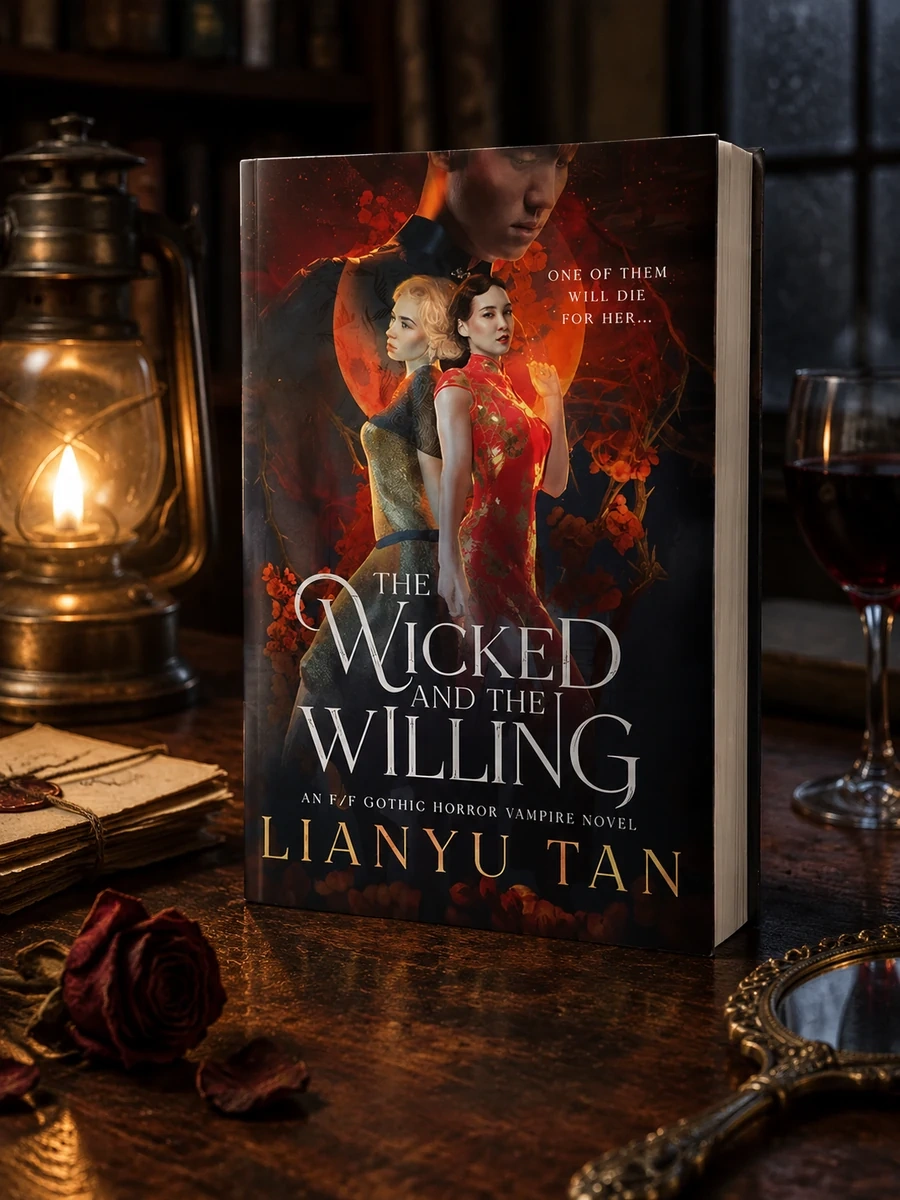
10. The Wicked and the Willing: An F/F Gothic Horror Vampire Novel — Lianyu Tan
Modern authors are reclaiming the inherent queer subtext of the vampire and making it beautifully, terrifyingly explicit. The Wicked and the Willing: An F/F Gothic Horror Vampire Novel is a dark, intense exploration of power dynamics, obsession, and submission. Set in 1920s Singapore, it follows a young woman drawn into the orbit of a wealthy, predatory vampire mistress. Tan does not shy away from the horrific realities of being bound to a monster. This is dark romance pushed to its absolute breaking point, perfect for readers who want their vampires to be genuinely toxic and frightening.
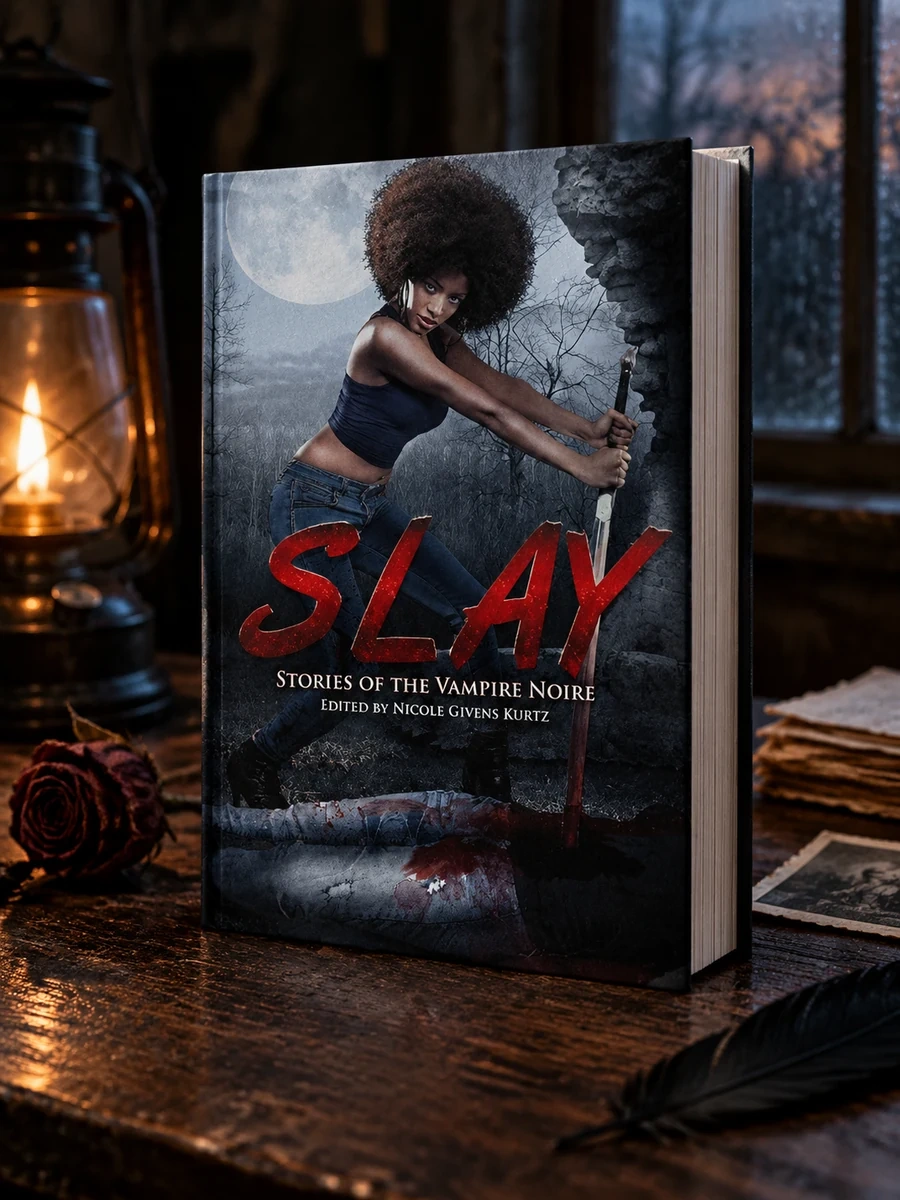
11. Slay: Stories of the Vampire Noire — Nicole Givens Kurtz
Historically, vampire fiction has been overwhelmingly white and Eurocentric. Slay: Stories of the Vampire Noire actively destroys that paradigm. This groundbreaking anthology features vampire stories written by Black authors, pulling from African diasporic folklore, urban legends, and Afrofuturism. The monsters in these pages are distinct, cultural, and deeply menacing. It expands the mythology far beyond the Carpathian Mountains, offering fresh, terrifying perspectives that reinvigorate a tired formula.
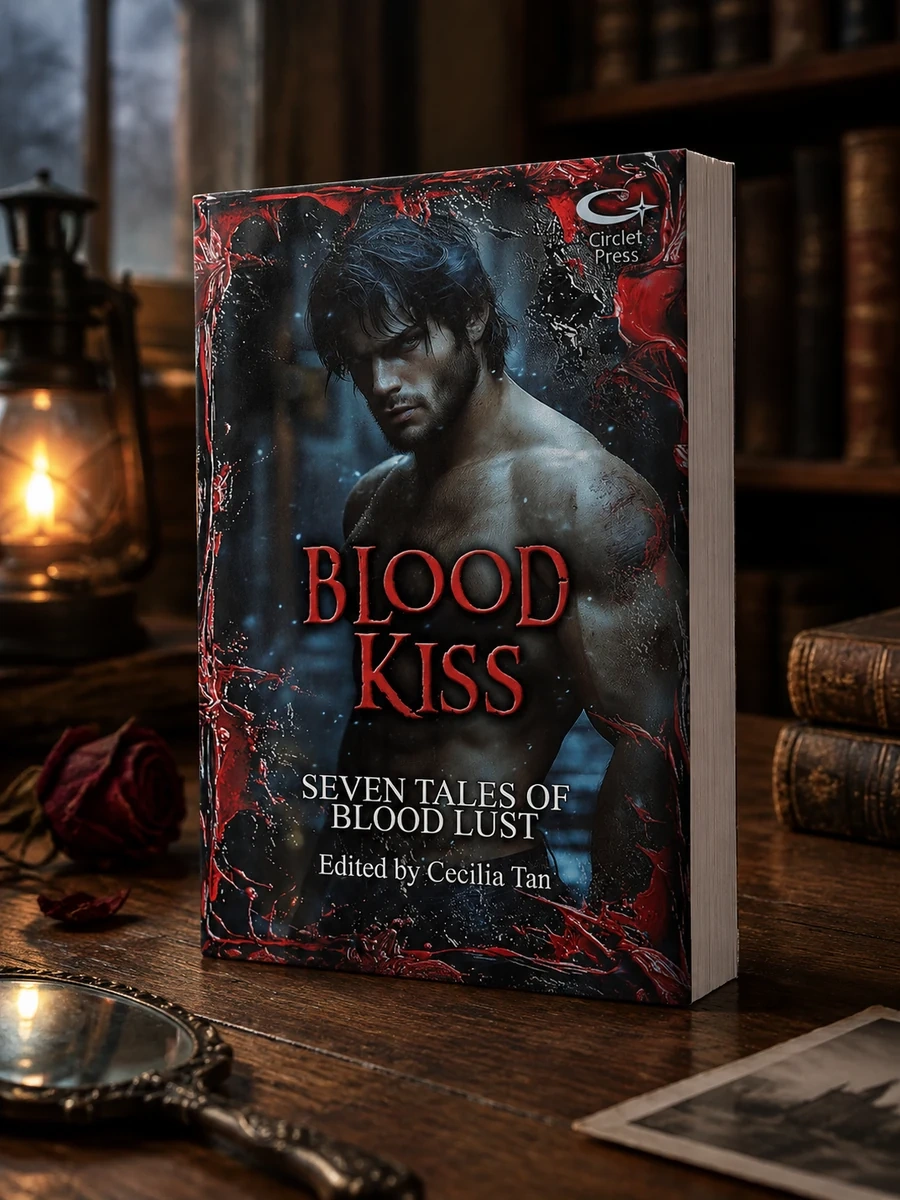
12. Blood Kiss: Vampire Erotica — Cecilia Tan
The link between vampirism and sexuality is older than Stoker, but it usually hides behind metaphors of blood exchange. Blood Kiss: Vampire Erotica strips away the metaphor entirely. Cecilia Tan edits a collection that leans hard into the sensual, transgressive nature of the monster. This is not standard horror; it is a specialized blend of dark romance and explicit erotic fiction. It works perfectly for readers who appreciate the dangerous, seductive allure of the vampire and want stories that explore the intersection of fear, surrender, and desire.
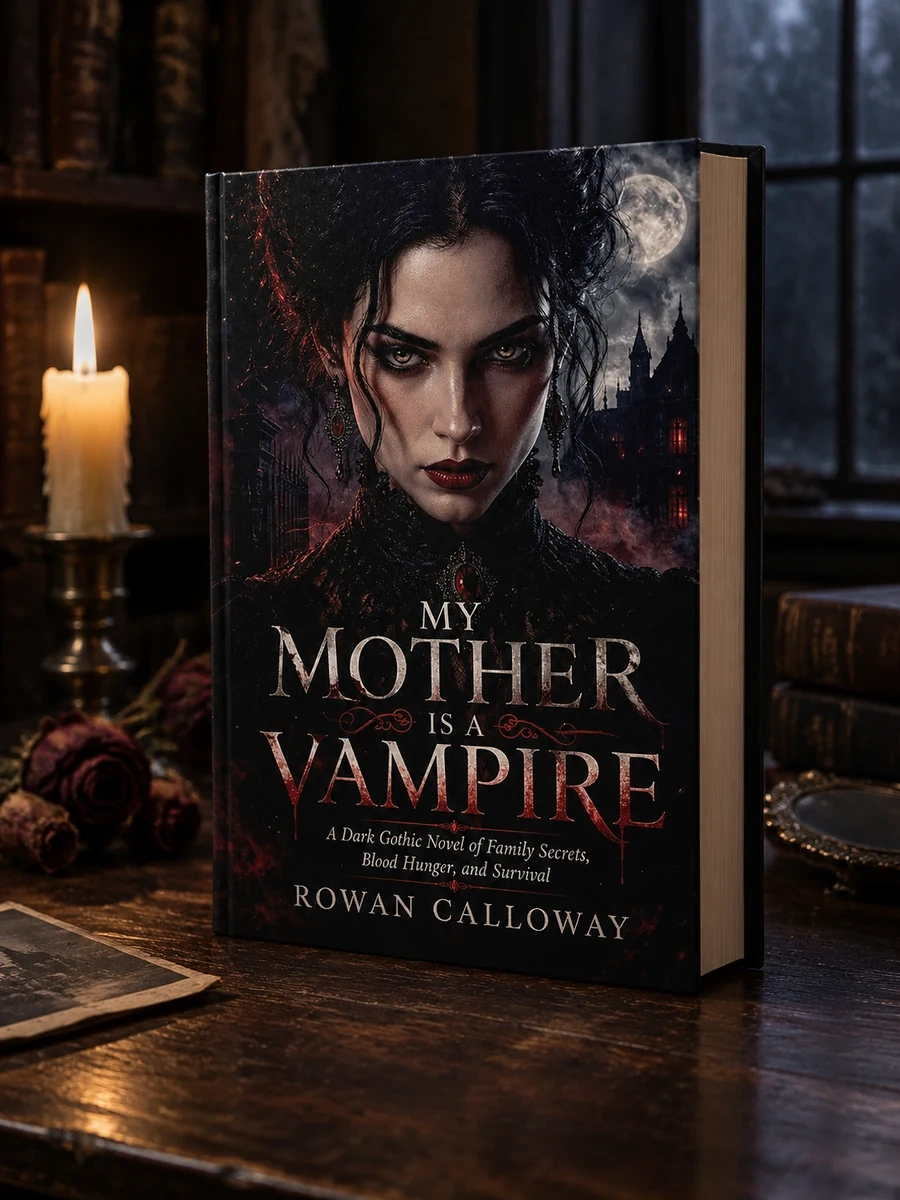
13. My Mother Is a Vampire — Rowan Calloway
We close the progression with a thoroughly modern twist on domestic horror. My Mother Is a Vampire takes the supernatural predator and drops it into the mundane anxieties of family life. Calloway uses the vampire mythos as a lens to examine maternal toxicity, inherited trauma, and the literal and figurative draining of youth. It is a quiet, unsettling novel that relies on psychological tension rather than gore, proving that sometimes the scariest monsters are the ones sitting across from you at the dinner table.
How to Choose Your Next Undead Fix
With a subgenre this vast, picking a starting point depends entirely on what kind of scare you want. If you are a purist fascinated by literary history, start with the atmospheric dread of Carmilla or The Vampyer to see the foundation stones. Readers who want to fall in love with the monster should absolutely surrender to Anne Rice’s The Vampire Lestat or explore the dark, obsessive dynamics of The Wicked and the Willing.
Conversely, if you find gothic romance entirely too slow and prefer monsters that act like monsters, you need the shotgun-blast pacing of Vampire$ or the gritty urban violence of 23 Hours. And for those who simply cannot decide, anthologies like Slay and Blood Games offer perfect bite-sized introductions to a dozen different modern styles. The vampire will never truly die; it just changes clothes to match the fears of the current generation. Pick your poison, check your windows, and start reading.