
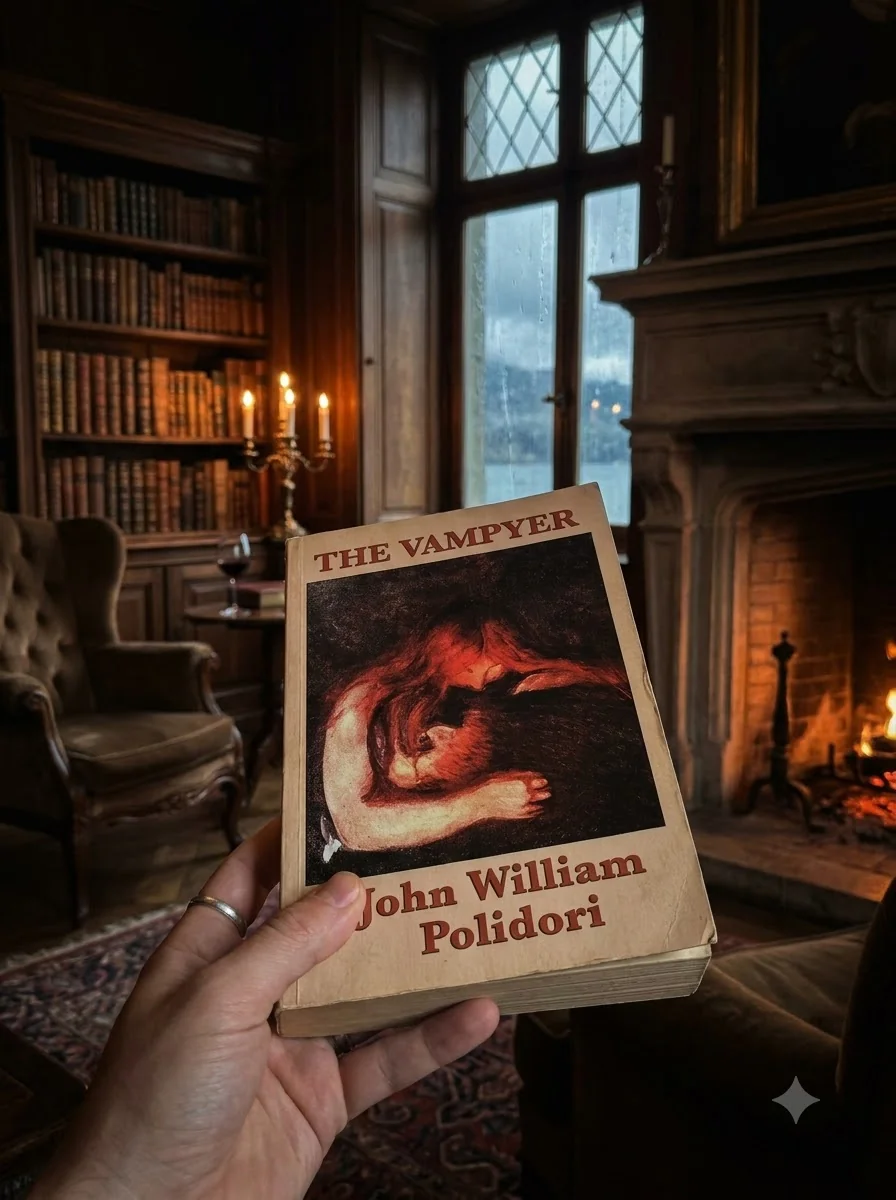

The Vampyer: The Story that Inspired Modern Vampire Fiction
Polidori's 1819 story that created the aristocratic vampire archetype.
This volume examines the literary origins of the modern vampire through Polidori’s seminal text. The narrative follows Lord Ruthven as he navigates European high society, using his status to mask his predatory instincts. Unlike earlier folkloric monsters, this figure operates within social circles, leaving destruction in his wake. The work highlights how a casual challenge among friends at Lake Geneva resulted in a genre-defining masterpiece. It connects the creation of this tale directly to the same event that birthed Frankenstein. Readers gain insight into how early nineteenth-century anxieties about aristocracy and morality were projected onto supernatural figures. The story establishes key tropes, including the seductive villain and the tragic victim, which would dominate vampire literature for decades. Polidori’s contribution lies in transforming a rural legend into a sophisticated Gothic critique of social power.
Published in 1819, the text arose from a famous gathering at Lake Geneva. Polidori, Lord Byron, and Mary Shelley challenged each other to write ghost stories. This event also produced Frankenstein. The work helped establish themes defining vampire literature and influenced writers like Bram Stoker.


📝 Description: The Vampyer: The Story that Inspired Modern Vampire Fiction
💎 Our verdict on The Vampyer: The Story that Inspired Modern Vampire Fiction
📖 Why choose it
Why this book is worth reading
Readers interested in the genealogy of horror will find this volume essential for understanding the genesis of the modern vampire archetype. By examining Lord Ruthven’s navigation of European high society, the text reveals how Polidori transformed rural legends into sophisticated social commentary on aristocratic decay and predatory charm. It is ideal for those who appreciate the historical context behind genre tropes, offering insight into the specific literary challenges that birthed this masterpiece alongside Frankenstein. Scholars and fans of classic horror history will gain a deeper appreciation for how early nineteenth-century fears were projected onto supernatural figures, making it a critical milestone for anyone studying the evolution of Gothic fiction.
⭐ Reader reviews
Reader rating
This text stands as a monumental achievement in supernatural fiction, elegantly bridging the gap between folkloric terror and high society intrigue. Polidori’s creation of Lord Ruthven provides a compelling study in duality, where charm masks danger within elite circles. The narrative successfully critiques social power structures, establishing enduring tropes like the seductive villain that would dominate vampire literature for decades. While it may not suit those seeking fast-paced contemporary thrillers, it offers profound value to students of Gothic tradition and horror historians. Its historical significance is undeniable, providing the necessary context to understand later works in the genre. It remains a sophisticated and influential piece of literary history.
📖 Read on the blog
✍️ More books by this author William John Polidori
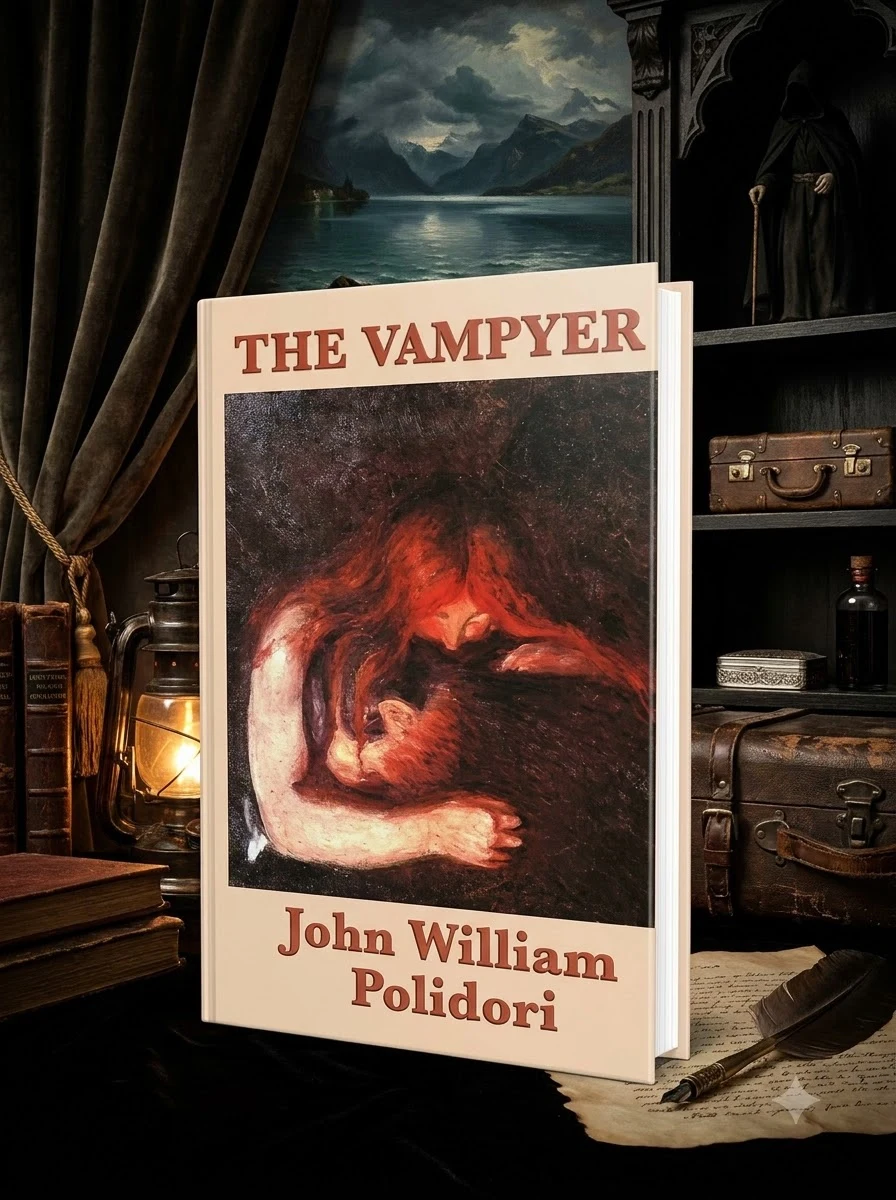


🏛 Books from this publisher SMK Books




You might also like
See more →



Have a question about this item?
Ask about the edition, condition, delivery or anything else — we reply by email or phone, usually within a day.
